




Truffle Season: Black Truffles, A5 Wagyu & Caviar — An Omakase Celebration at Kaviar
Truffle season is a short, coveted moment when black truffles lift ordinary dishes into something memorable. At Kaviar, we shape that moment into a focused tasting—carefully timed, thoughtfully sequenced, and sourced for peak aroma. This guide explains what makes truffle season special at Kaviar, how our chefs use truffles as finishing elements, which signature courses highlight truffle flavor, and how to reserve a truffle-forward omakase in Pasadena. You’ll learn how truffles fit into our Japanese omakase rhythm, why they pair so well with A5 Wagyu and caviar, and how to spot quality truffles at the table. We’ve also included quick-comparison tables, step-by-step reservation notes, and visual tips for diners and content teams. Throughout, the goal is simple: help serious diners appreciate truffle season and make the best reservation for the Kaviar experience.
What Makes Truffle Season at Kaviar a Unique Luxury Dining Experience?
At Kaviar, truffle season is shaped by precise timing, selective sourcing, and a deliberate omakase sequence that reserves truffle moments for maximum impact. We let the ingredient speak by keeping preparations minimal—so the truffle’s aroma and complexity come through clearly. Chefs use finishing shavings, gentle infusions, and subtle truffle-scented touches to amplify umami and mouthfeel without overwhelming a dish. Each truffle moment is framed by earlier courses that ready the palate, so the reveal feels both inevitable and celebratory. In short: limited supply creates rarity, careful sequencing raises value, and refined plating ensures every shaving contributes to an intentional sensory story.
How Does Kaviar Incorporate Black Truffles into Its Seasonal Menu?
We treat black truffles mostly as finishing accents and delicate infusions that preserve their aromatic integrity while honoring Japanese technique. Truffles are often shaved over warm, fat-rich carriers—think buttered rice or lightly seared A5 Wagyu—so the heat releases volatile aromatics without dulling nuance. Sometimes truffle is folded into an understated sauce or brushed as a glaze to leave a lingering perfume; other times a few thin shavings punctuate contrasts like custardy egg or crisp nori. This restraint is intentional: small amounts can transform a bite with forest-floor perfume and subtle minerality that plays beautifully with soy and dashi. The aim is balance, not spectacle—each truffle touch supports the dish and lets other premium ingredients shine.
What Is the Japanese Omakase Experience Featuring Truffles?
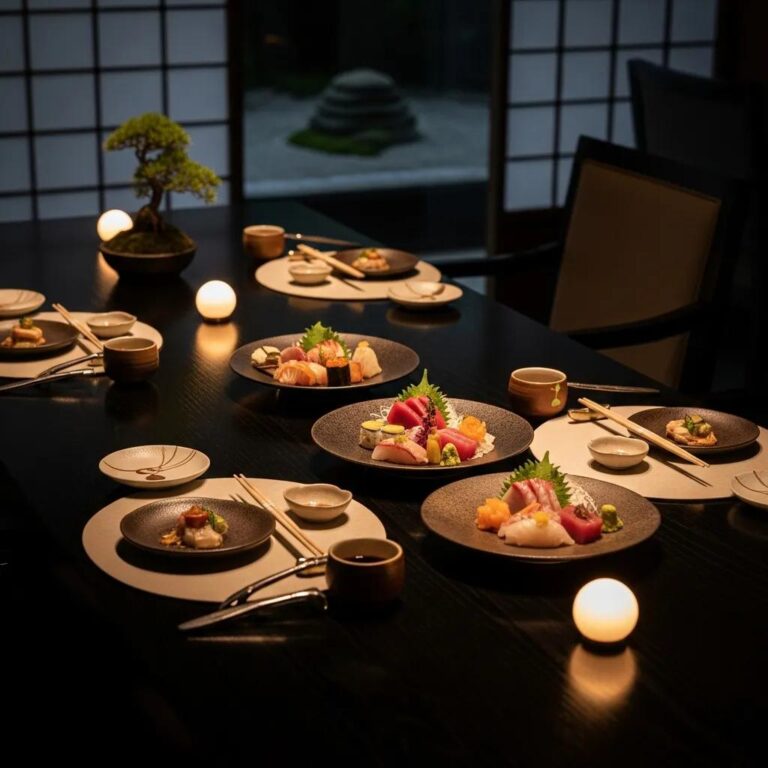
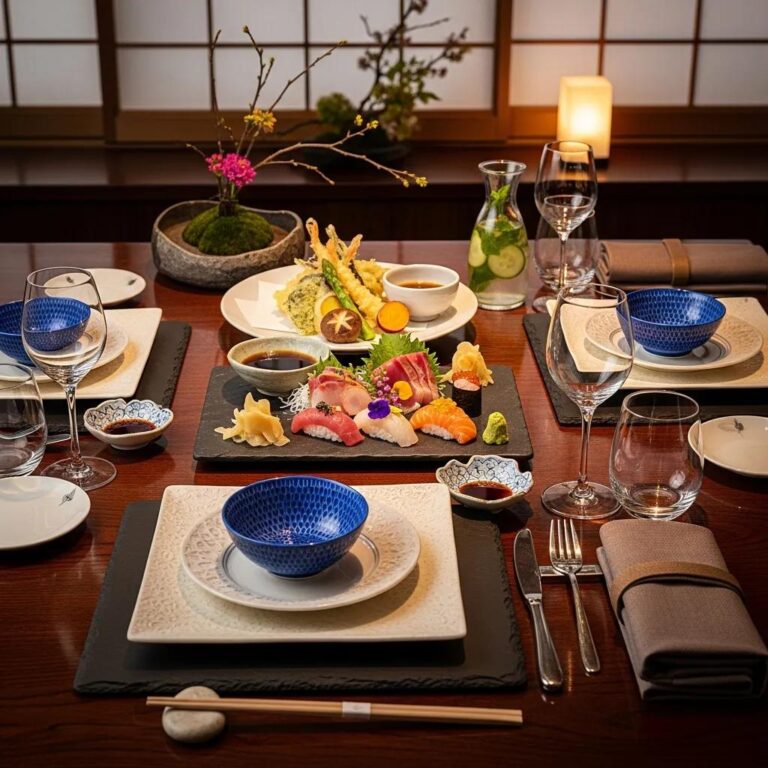
Kaviar’s truffle-enhanced omakase is a guided guest journey: you arrive to a calm setting, receive a sequence of small, chef-led courses, and meet truffle-forward plates at strategic mid- and late-service points. We open with lighter, palate-clearing bites—clean seafood and vinegared elements—move through richer textures like seared fish and braised preparations, and save truffle dishes for moments where fat and warmth best release aroma. Expect the chef to present truffle shavings tableside, note provenance, and set the pace so you can inhale before you taste. Slower pacing and attentive service preserve the narrative from starter to finish and help you pair beverages to the truffle crescendo.
Which Signature Gourmet Truffle Dishes Define Kaviar’s Seasonal Offerings?

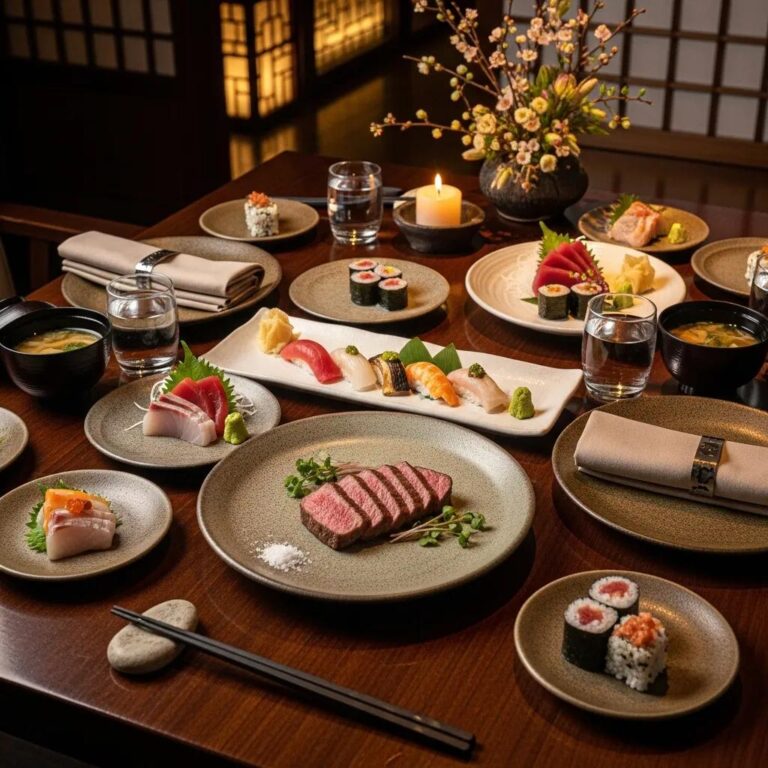
Our seasonal tasting features several signature truffle-driven courses that focus on contrast, texture, and the interplay with Japanese technique. Each dish frames the truffle either as the aromatic lead or a supporting accent, always favoring balance over excess. Typical highlights include truffle-shaved warm rice, a truffle-finished A5 Wagyu course, and a delicate amuse that pairs truffle with caviar for a saline lift. Across the tasting, truffle may arrive as a teasing note early on, return with greater presence mid-service, and reappear as a lingering echo alongside a subtle sweet or acidic counterpoint.
The quick list below outlines representative truffle presentations so diners can picture the sequence before booking.
Kaviar’s seasonal truffle presentations include:
- Truffle-Shaved Warm Rice: Thin black truffle shavings over buttered, umami-rich rice that release immediate aroma.
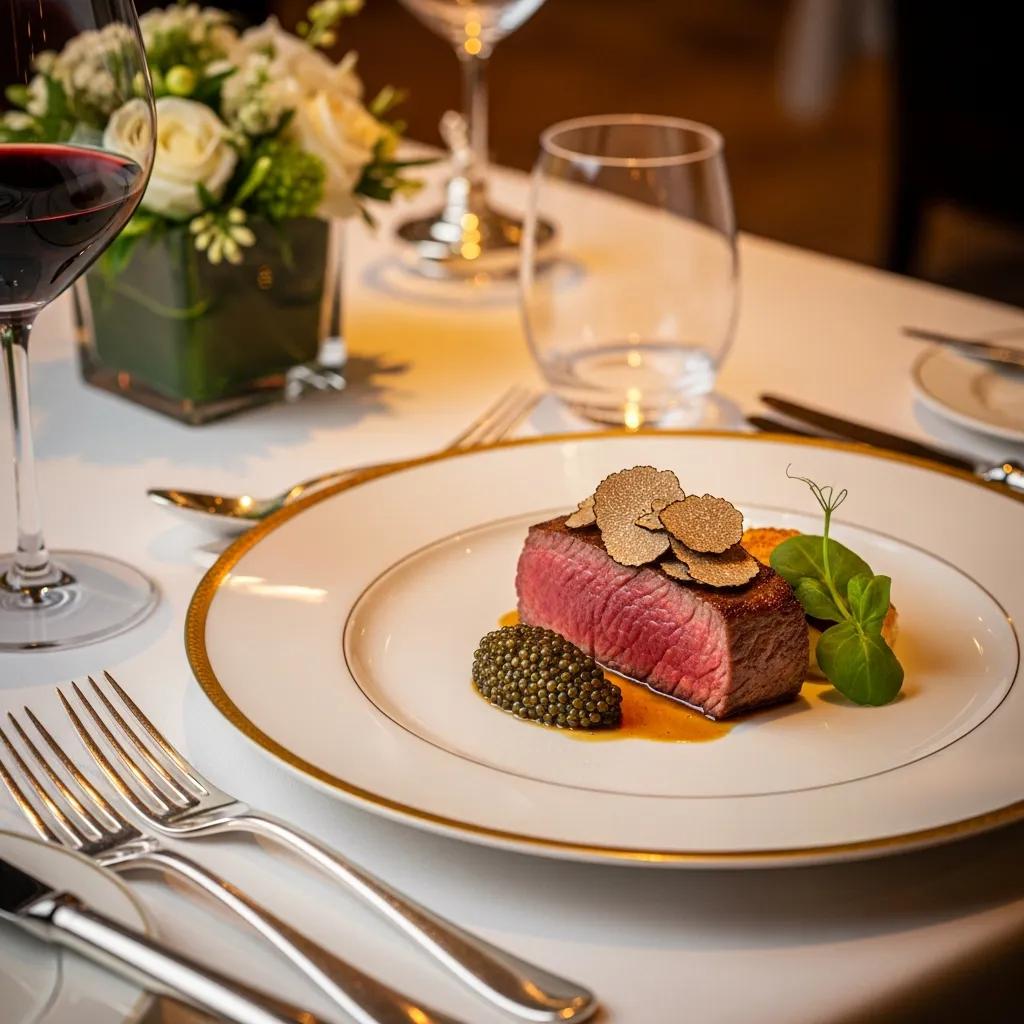
- A5 Wagyu with Truffle Finish: Seared, tender Wagyu finished with truffle shavings and light seasoning to amplify fat and fragrance.
- Caviar and Truffle Bite: A small, refined amuse-bouche combining briny caviar and truffle for a saline-aromatic contrast.
- Truffle-Infused Sauce on Seafood: A delicate sauce with truffle notes applied sparingly to highlight shellfish sweetness.
These dishes show how truffle can be the focal point or a subtle collaborator—an approach that lends itself to a compact, ingredient-focused comparison.
Introductory comparison of signature dishes by truffle role and tasting notes:
This table helps you scan differences quickly: truffle can act as aroma carrier, fat amplifier, saline contrast, or subtle enhancer depending on the dish and service choice.
Kaviar integrates these signature dishes into its seasonal tasting and recommends reservations for truffle-focused seatings. If you want this limited experience, use our reservation channel to select an omakase seat and note menu preferences; we advise booking in advance during peak demand.
How Can Diners Reserve Their Exclusive Truffle Season Experience at Kaviar?
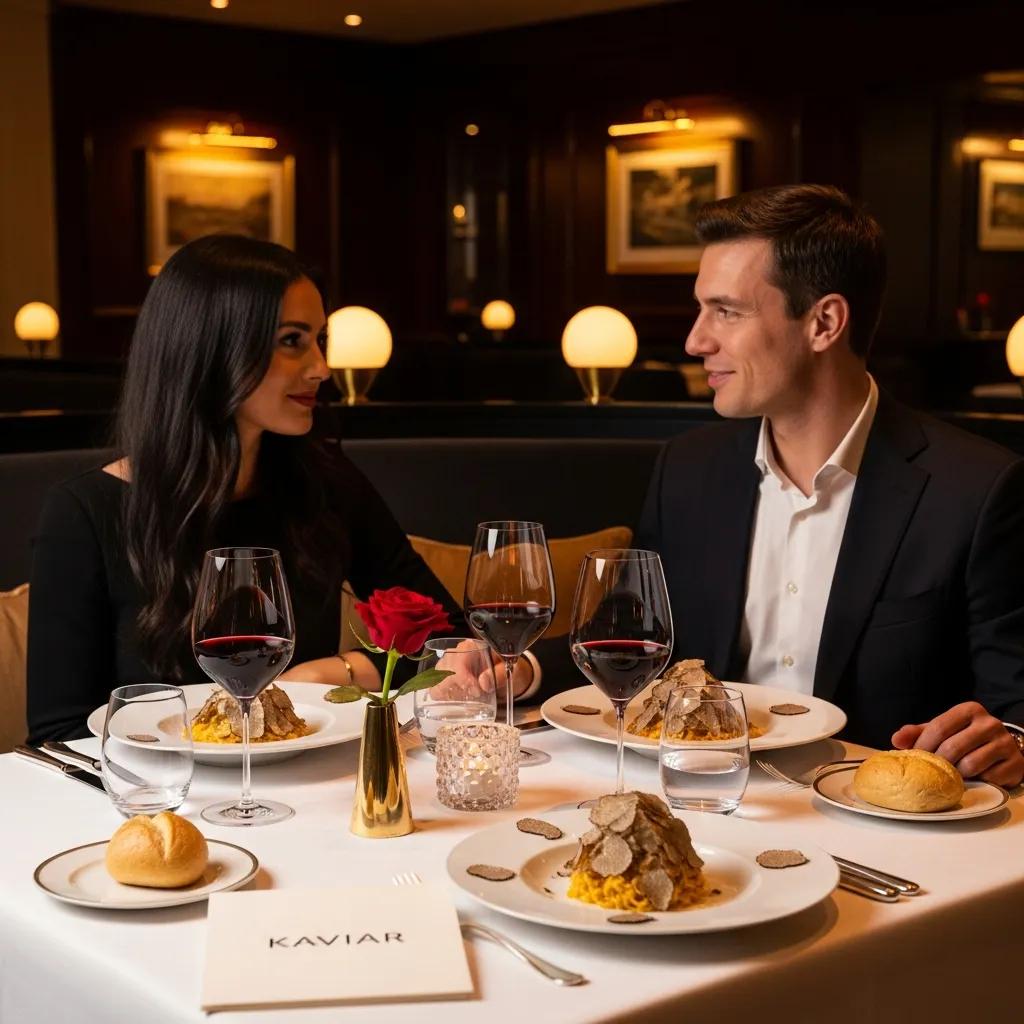
Booking a truffle tasting at Kaviar is straightforward but benefits from early planning and clear communication about dietary needs or special occasions. To secure a seat for the seasonal omakase, check availability well ahead of peak season, pick your preferred date and party size, and note any allergies or requests when you reserve. Because truffle allocations are limited, indicating you’d like a truffle-forward seating helps the kitchen prepare and can affect seating and course sequencing. Accurate party size and timing let us tailor pacing and accommodate pairings like wine or sake.
- Steps to reserve a truffle tasting at Kaviar:
Choose your preferred date and party size.
Request an omakase or seasonal truffle seating when prompted.
Note dietary restrictions and any celebratory details.
Confirm reservation and arrival instructions sent by the restaurant.
Booking tips: reserve several weeks ahead during truffle season, consider weekdays for better availability, and confirm special requests 48–72 hours before arrival. These steps increase the chance of a curated truffle experience and allow the kitchen to allocate truffle precisely. For high-intent bookings, contact our reservation page directly and specify a truffle menu request to improve your odds during peak season.
What Should You Know About Black Truffles and Their Culinary Significance?
Black truffles are subterranean fungi prized for intense, volatile aromatics that change perceived taste when used as a finish. When warmed, truffle compounds release layered notes of earth, almond, and savory umami that interact with fats and glutamate-rich elements. Seasonality matters: truffles have narrow harvest windows that affect availability and price, and chefs plan menus to match peak aroma and texture. Appreciating truffles requires attention: look for a fine, persistent aroma, even thin shavings, and pairings that allow the truffle to sing rather than compete. Understanding these mechanics explains why truffle dishes are sequenced and priced as they are in fine dining.
This table clarifies seasonality and typical culinary roles, so readers understand why menus shift with harvest cycles. Limited harvests and selective sourcing continue to heighten scarcity and desirability in peak windows.
When Is Truffle Season in Pasadena and Why Is It Special?
Truffle season in Pasadena follows temperate harvest cycles, with peak black truffle quality from late autumn through early spring. The short harvest window compresses supply, so restaurants that secure truffles present them as seasonal highlights rather than everyday items. That scarcity adds exclusivity and encourages chefs to design tastings that emphasize truffle moments rather than overuse. For diners, the seasonal context explains why truffle-forward courses feel elevated—the ingredient’s fleeting nature is part of the experience and a reason to reserve early and savor each course.
How to Identify and Appreciate Black Truffles in Gourmet Dishes?
Start with aroma: a pronounced, complex scent of earth, musk, and almond signals freshness and potency. Visual cues—firm texture and fine marbling when sliced—help, but aroma is the primary indicator. When tasting, let warm bites rest briefly so aromatics open, then notice how truffle perfume integrates with fat and umami in the dish. Chefs use small amounts for maximum effect, so a subtle perfume rather than an overpowering flavor often indicates skilled application. Appreciating truffles means slow, focused tasting and attention to how aroma shifts perceptions of sweetness, salt, and texture.
How Does Kaviar Enhance the Luxury Dining Experience with A5 Wagyu and Caviar?
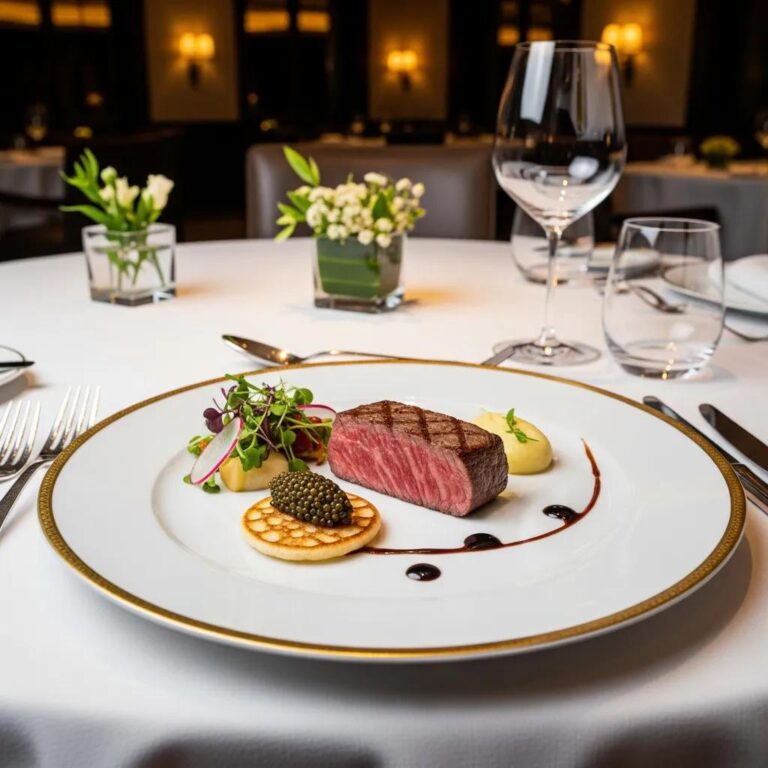
Kaviar pairs A5 Wagyu and caviar with truffles to create layered textures and flavor interactions. A5 Wagyu provides a buttery fat carrier that carries and amplifies truffle aromatics; caviar adds saline pop and bright contrast that lifts the truffle’s earthiness. Our approach is judicious—portion control and sequencing keep the truffle prominent without being overwhelmed. Examples include a small Wagyu course finished with truffle shavings and a caviar-topped amuse accented with truffle perfume. These pairings show how luxury elements play specific roles in the tasting, rewarding attentive tasting and thoughtful beverage choices.
This table lays out the pairing logic so diners can anticipate how combinations will perform and choose courses or pairings that match their preferences.
What Are the Flavor Synergies Between Black Truffles, A5 Wagyu, and Caviar?
Synergy comes from complementary roles: Wagyu’s fat dissolves and disperses truffle volatiles, caviar’s saline burst contrasts and refreshes, and truffle aroma ties these sensations together. On the palate, fat makes the truffle perfume linger; caviar’s micro-saline beads act like a brief palate reset between rich bites. Balance is essential—excess caviar or overly fatty Wagyu can mute delicate truffle notes, so portion size and temperature control matter. A mineral white or a clean, slightly effervescent sake can enhance the synergy without competing with the truffle.
How Does Kaviar Source Premium Ingredients for Its Seasonal Menu?
Our sourcing focuses on provenance, grade, and long-term supplier relationships to secure consistent quality for seasonal tastings. For Wagyu, we look to marbling and grade to ensure the buttery texture that complements truffle aroma. For caviar, varietal and processing determine salt balance and bead integrity—factors that shape how caviar interacts with truffle perfume. Truffles are procured from trusted purveyors at peak aroma, even when supply is constrained. These sourcing choices influence pricing and exclusivity and let our chefs design dishes with confidence during truffle season.
Where Can You Find More Information and Visuals of Kaviar’s Truffle Season Offerings?
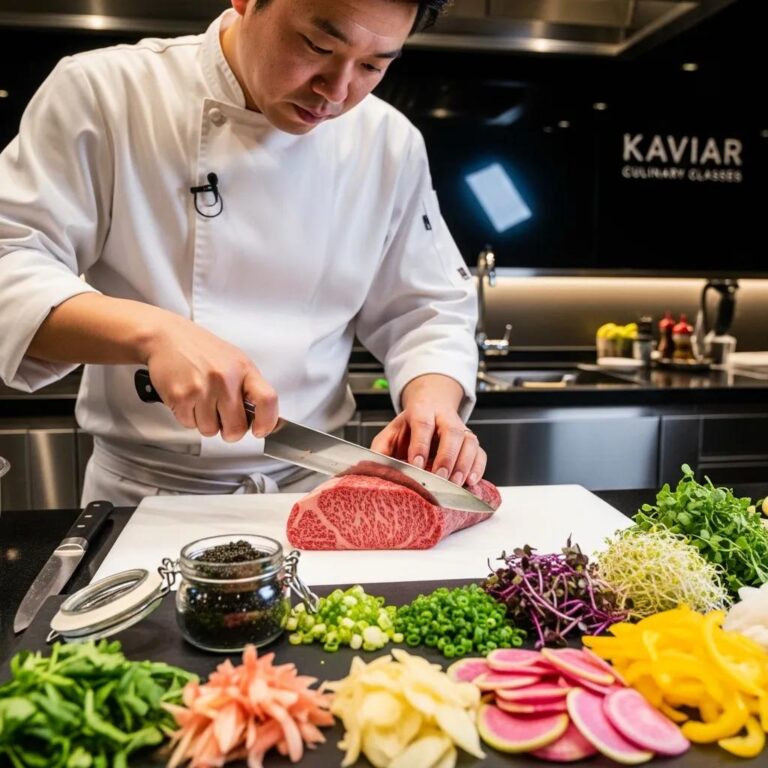
To view current menus and imagery, consult Kaviar’s official menu and reservation pages. Visuals that best convey truffle season include close-ups of truffle shavings in the moment of plating, A5 Wagyu cross-sections showing marbling with truffle garnish, and intimate dining-room shots that reflect our service style. For content teams, adding structured markup to menu items and dish descriptions improves discoverability by clarifying dish names, key ingredients, and seasonal tags. High-intent diners can preview visuals before booking to confirm the tasting aligns with expectations and to prepare special requests.
What Are the Best Visual Highlights of Kaviar’s Truffle Dishes and Dining Ambiance?
- Priority photo subjects for truffle season visuals:
Truffle shavings at the moment of plating.A5 Wagyu close-ups with truffle garnish.Caviar-topped amuse-bouche showing contrast.
Clear captions and thoughtful ALT text improve accessibility and search relevance, making visuals more useful for prospective diners and content crawlers.
How Does Kaviar Use Structured Data and Semantic Markup to Showcase Its Menu?
Using Restaurant, Menu, and MenuItem schema clarifies relationships and helps seasonal offerings like a truffle tasting surface in search results. Mark up dish names and key ingredients (black truffle, A5 Wagyu, caviar) and add seasonal flags so search engines and AI agents understand Dish → includes → Ingredient. JSON-LD snippets for menu items, course order, and dietary notes can increase visibility for high-intent queries about truffle season. Content teams should prioritize marking up the tasting menu and seasonal specials to make truffle-related entities explicit and discoverable.
- Recommended schema items to prioritize:
Restaurant and Menu schema for overall context.
MenuItem entries for each truffle dish with ingredient mentions.
Course sequencing metadata when available.
Structured data makes menu entities explicit and improves the chance that truffle offerings are surfaced to diners searching for seasonal, luxury experiences. Use clear dish descriptions and ingredient lists to strengthen semantic links between black truffle, A5 Wagyu, caviar, and omakase.
Frequently Asked Questions
What are the health benefits of black truffles?
Black truffles offer more than flavor: they contain antioxidants and nutrients such as B vitamins, vitamin C, and trace minerals like iron and magnesium. Some compounds in truffles show anti-inflammatory potential. That said, truffles are typically served in small quantities and often paired with rich ingredients, so enjoy them as an occasional indulgence rather than a health food.
How should I prepare for my dining experience at Kaviar?
Come ready to savor a thoughtfully paced omakase. Familiarize yourself with the omakase format—small, chef-led courses presented in sequence—and tell us about any dietary restrictions when you reserve so the kitchen can accommodate them. Pairing recommendations from our team can enhance truffle dishes, so consider asking for wine or sake suggestions when you arrive.
Can I request specific dishes during my reservation?
We offer a curated tasting that highlights seasonal truffle dishes, but guests are welcome to note preferences or dietary needs when booking. We’ll do our best to accommodate requests, though the final sequence is at the chef’s discretion to preserve the integrity of the tasting.
What is the best way to enjoy truffles in a dish?
To get the most from truffles, allow warm bites to release aromatics, take small bites, and let the flavors linger. Pair truffles with fatty elements like A5 Wagyu to carry their perfume, and savor dishes slowly so you can appreciate how the aroma evolves against the other components.
Are there vegetarian options available during truffle season?
Yes. Our chefs create vegetarian courses that showcase black truffles—think truffle shavings over seasonal vegetables, grains, or truffle-infused sauces. Please specify vegetarian preferences when you book so we can design an accommodating tasting.
How does Kaviar ensure the quality of its truffles?
We source truffles from established purveyors and buy at peak aroma when possible. Our chefs evaluate truffles for aroma, texture, and appearance, and we prioritize relationships with suppliers who deliver consistent, high-quality product. That care ensures each truffle course showcases the ingredient’s best characteristics.
Conclusion
Experiencing truffle season at Kaviar is a deliberate, sensory event: black truffles, A5 Wagyu, and caviar come together in a curated omakase that emphasizes ingredient quality and thoughtful execution. To fully appreciate the season, reserve early and allow the tasting to unfold at a measured pace. Discover the subtle power of truffle at Kaviar—reserve your seat and savor the season with us.