




Fine Dining Dress Code Guide: What to Wear for a Luxury Japanese Experience at Kaviar Restaurant
Dress codes in fine dining do more than dictate clothing — they protect the mood, the aromas, and the shared respect that make a memorable meal. This guide clarifies what “fine dining attire” looks like, outlines common categories from smart casual to formal, and offers practical recommendations for a Japanese tasting experience at Kaviar. Vague labels like “smart casual” or “elegant” can create unnecessary stress before a reservation; here we remove the guesswork. You’ll find clear do’s and don’ts, outfit examples for men and women, omakase-specific grooming tips, and concise advice for signature services such as A5 Wagyu and caviar. Throughout, the emphasis is on understated, respectful elegance that supports the tasting — with brief local context so Pasadena guests can arrive reservation-ready.
What Defines Fine Dining Dress Codes and Why Do They Matter?
A fine dining dress code is a restaurant’s way of preserving atmosphere and signaling the expected level of formality. By matching tailoring, fabrics, and footwear to the service model, dress codes help guests complement — not compete with — the meal. The payoff is a cohesive environment where food, service, and guest presence reinforce a refined experience: less noise, fewer overpowering scents, and a shared sense of courtesy. Knowing these principles makes it easier to choose clothing that supports etiquette and sensory clarity, especially in intimate, chef-led settings. Below are common dress-code categories and quick examples to help you pick the right outfit for the occasion.
What Is Fine Dining Attire and Its Key Categories?
Fine dining attire sits on a formality spectrum from smart casual to formal/semi-formal, defined by structure, fabric quality, and footwear. “Smart casual elegant” pairs tailored staples — a blazer or structured dress — with relaxed elements like dark denim or refined knitwear; it fits many modern upscale restaurants. Business casual leans more conservative with collared shirts and dress trousers, while cocktail attire elevates to suits and dresses for celebratory evenings. Formal/semi-formal calls for suits or gowns and polished accessories, appropriate for black-tie-optional events or exceptionally formal tastings. These categories also guide practical choices — breathable fabrics for long meals, quiet accessories at the chef counter, and modest silhouettes in shared spaces.
Why Is Dressing Appropriately Important at Luxury Restaurants?
How you dress signals respect for the kitchen and service team, improves the experience for other diners, and protects the sensory integrity of the food. Subdued, well-fitting clothing and minimal fragrances reduce distractions that can mask tasting notes or interrupt the chef’s presentation. That matters even more in Japanese fine dining and omakase, where subtle flavors and precise service demand focus and unobstructed sightlines. A carefully chosen outfit also helps you feel poised and present — which makes it easier to notice textures, aromas, and plating details. Understanding these reasons explains why many restaurants set dress guidelines and why following them enhances the whole evening.
Kaviar Restaurant as a Local Example
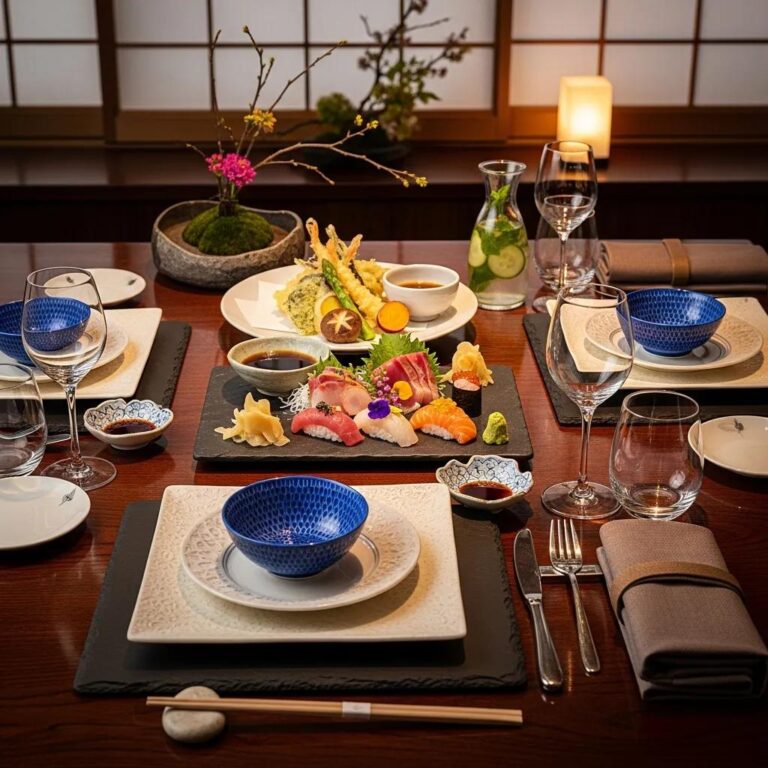
Locally, Kaviar Restaurant in Pasadena embraces these principles with a contemporary, elevated approach: the house favors a “smart casual elegant” standard. Kaviar’s tasting-driven service is suited to special occasions, business dinners, and intimate omakase-style experiences with premium ingredients. Use the restaurant’s cues — muted colors, tailored silhouettes, and tidy footwear — to assemble a reservation-ready look that complements the chef-driven tasting.
- Restaurants set dress codes to preserve ambience, show respect for staff and cuisine, and protect the tasting environment.
- Dress-code categories range from smart casual to formal, giving guests clear visual cues about expected attire.
- Local upscale venues like Kaviar apply these guidelines so guest presentation aligns with refined plating and attentive service.
Following a dress code helps you blend into the intended atmosphere and fully enjoy the culinary craft.
How to Interpret Kaviar Restaurant’s Smart Casual Elegant Dress Code

At Kaviar, “Smart Casual Elegant” means choosing tailored, well-kept pieces and subtle accessories that honor a refined Japanese tasting. The idea is simple: clean silhouettes — blazers, tailored trousers, simple dresses — show respect for the chef’s craft while allowing comfort through a multi-course menu. The goal is a polished presence that complements delicate flavors like A5 Wagyu and caviar without drawing attention away from the food. Practically, that means favoring structured over athletic or distressed items, sticking to neutral or muted tones, and choosing footwear that’s both dressy and comfortable. Below are concrete elements and quick do’s and don’ts to help you translate the phrase into a confident outfit for your reservation.
What Are the Essential Elements of Smart Casual Elegant Attire?
Smart casual elegant relies on a few consistent elements that read intentional without being formal. Core pieces include a tailored blazer or sport coat, a quality knit or collared top, and well-cut trousers or a midi skirt — all of which create a clean, layered silhouette for an extended tasting. For women, a simple cocktail dress or refined separates in silk or structured cotton offer elegance and ease at the chef counter. Footwear should be polished — leather loafers, derby shoes, low-to-mid heels, or dressy flats — avoiding athletic soles or flip-flops. Seasonally, opt for lighter fabrics and unlined blazers in warm months, and richer textures like wool blends when it’s cool, so your outfit stays elegant and comfortable.
How Does Kaviar’s Dress Code Reflect Its Luxury Japanese Ambiance?
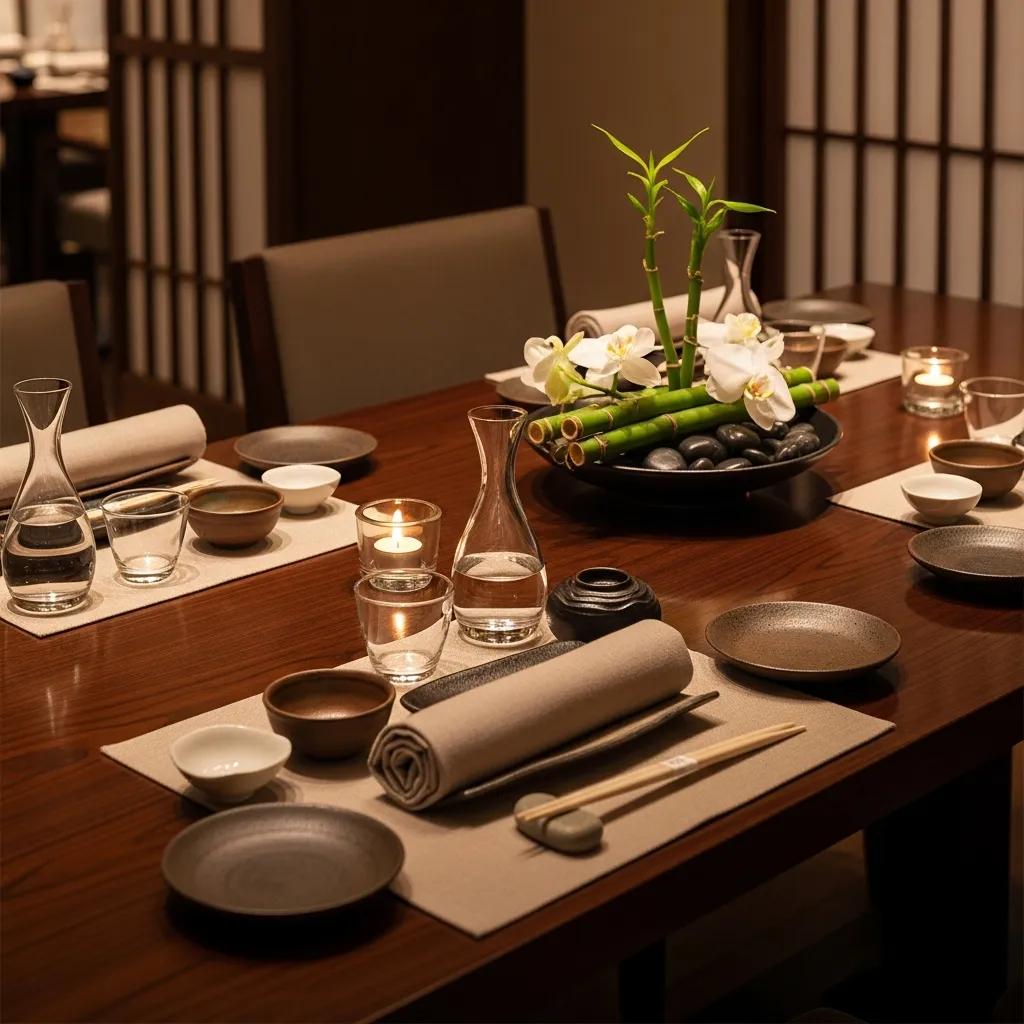
Kaviar’s smart casual elegant standard matches a refined Japanese atmosphere where presentation, service ritual, and high-grade ingredients shape the evening. The chef-driven format and focus on premium items — A5 Wagyu, curated caviar — favor low-key, respectful guest presentation so flavors and plating remain central. Polished attire supports attentive service, preserves sightlines at the sushi counter or intimate tables, and reinforces a calm, deliberate pace. Those cues — and the restaurant’s reservation-based service — explain why polished presentation is expected: dressing to match them ensures your presence harmonizes with the meal’s sensory priorities.
- Smart casual elegant emphasizes tailored silhouettes, refined fabrics, and polished footwear.
- Avoid overly casual items — athletic wear, flip-flops, and distressed garments — that clash with a tasting-driven experience.
- Use seasonal fabrics and discreet accessories to stay comfortable without losing formality.
Adopting these elements keeps you comfortable and ready for attentive service and delicate flavor profiles.
What Should Gentlemen Wear to Kaviar Restaurant?
Gentlemen should aim for a composed, structured look that balances tailored pieces with understated details suitable for a smart casual elegant setting. Prioritize garments that create a clean line — blazer, collared shirt, tailored trousers — since they show respect for the kitchen while remaining comfortable during a multi-course tasting. The benefits are practical: you’ll look appropriate for business dinners or celebrations and avoid clothing that distracts other diners or interferes with scent and sight during omakase. Below are recommended outfits and a practical comparison table that maps core garment components to acceptable alternatives and items to avoid.
Which Outfits Are Recommended for Men in Fine Dining Settings?
Recommended men’s outfits mix structure and restraint to suit a luxury Japanese dining room. A blazer with a crisp collared shirt and dark tailored trousers is a classic smart casual elegant baseline — ideal for tastings and A5 Wagyu courses. A fine-gauge sweater over a collared shirt or a sport coat with a neat, non-graphic polo works for slightly more relaxed bookings while keeping a refined silhouette. Shoes should be leather loafers, oxfords, or clean dress sneakers in muted tones — avoid athletic trainers or obviously casual footwear. These choices keep sightlines clear, reduce noise at the counter, and adapt across seasons through thoughtful fabric choices and layering.
Practical outfit examples for gentlemen:
- Blazer + Collared Shirt + Tailored Trousers: A reliable option that reads elevated without being formal.
- Sport Coat + Fine-Knit Sweater + Dark Jeans (clean, non-distressed): A smart, seasonally appropriate alternative.
- Dress Shirt + Dark Chinos + Leather Loafers: Polished and comfortable for business dinners or celebrations.
Intro to the EAV table: The following table compares core garment components, their defining attributes, and practical notes on acceptable alternatives or items to avoid.
What Clothing Items Should Men Avoid at Kaviar?
Men should avoid clothing that visually or audibly contradicts a refined dining setting: athletic wear, overly casual footwear, and distressed items. Athletic shorts, hoodies, and gym sneakers signal a mismatch with a tasting-driven evening and can disrupt the dining room. Flip-flops and open sandals are impractical for multi-course meals and are usually discouraged; they also offer poor footing at the counter. Graphic tees, ripped denim, and loud logos undermine the understated presentation expected here. Choosing tailored, neutral garments preserves sightlines and the sensory focus required for omakase and premium courses.
- Avoid athletic wear, flip-flops, and torn jeans because they conflict with the restaurant’s refined tone.
- Skip loud logos and noisy accessories that might intrude on a chef-driven tasting.
- Favor muted colors and minimal patterns to complement the meal rather than distract from it.
These choices help keep the atmosphere calm and ensure attention stays on the culinary craft.
What Should Ladies Wear to Kaviar Restaurant?
Ladies should choose elegant silhouettes, quality fabrics, and understated accessories that reflect smart casual elegance while staying comfortable through a multi-course tasting. The essential idea is to wear pieces that read polished — a cocktail dress, silk blouse with tailored trousers, or a midi skirt and structured top — because these support the visual and sensory priorities of Japanese fine dining. Benefits include preserving unobtrusive presence at the chef counter, avoiding heavy fragrances or noisy jewelry that distract from delicate flavors, and allowing easy movement during seated service. Below are suitable outfit options and a comparison table to clarify formality and accessory choices.
Which Elegant Attire Options Are Suitable for Women?
Women have several occasion-appropriate choices that balance refinement and comfort. A knee-length or midi cocktail dress in a muted palette works well for celebratory dinners and caviar service. Elegant separates — a silk blouse with tailored trousers or a pencil skirt — are versatile for business dinners or intimate omakase reservations. Footwear should balance elegance with stability: low-to-mid heels, dressy flats, or polished ankle boots offer both. Accessories should be small and discreet — minimal earrings or a simple bracelet — to reduce clinking and distraction at the table.
Recommended women’s outfit options:
- Cocktail Dress + Low Heel: Classic and fitting for celebratory meals.
- Silk Blouse + Tailored Trouser: Polished and comfortable for multi-course menus.
- Midi Skirt + Structured Top + Dressy Flats: Balanced and chef-counter friendly.
Intro to the EAV table: The table below clarifies how outfit categories, accessories, and footwear interact with formality expectations and practical considerations.
What Are the Common Dress Code Mistakes Women Should Avoid?
Common mistakes include wearing overly casual pieces, heavy fragrances, or accessories that make noise or block sightlines at the chef counter. Very revealing necklines or extremely short hems can be out of step with the restrained aesthetic of many omakase services and may distract others. Oversized hats or stiff headwear can obstruct the visual interaction central to chef-driven experiences, while strong perfumes can mask subtle flavors. Choose quiet, comfortable shoes to avoid discomfort during a long tasting, and keep accessories small to prevent clinking. These adjustments preserve sensory clarity and honor the cultural respect embedded in Japanese fine dining.
- Avoid heavy perfumes and large hats to protect the tasting environment.
- Avoid overly casual or revealing clothing that clashes with refined service.
- Choose quiet, comfortable footwear and small accessories to maintain focus on the cuisine.
By steering clear of these missteps, guests ensure their clothing enhances the meal rather than distracts from it.
What Are the Specific Dress Code Considerations for Japanese Fine Dining and Omakase?
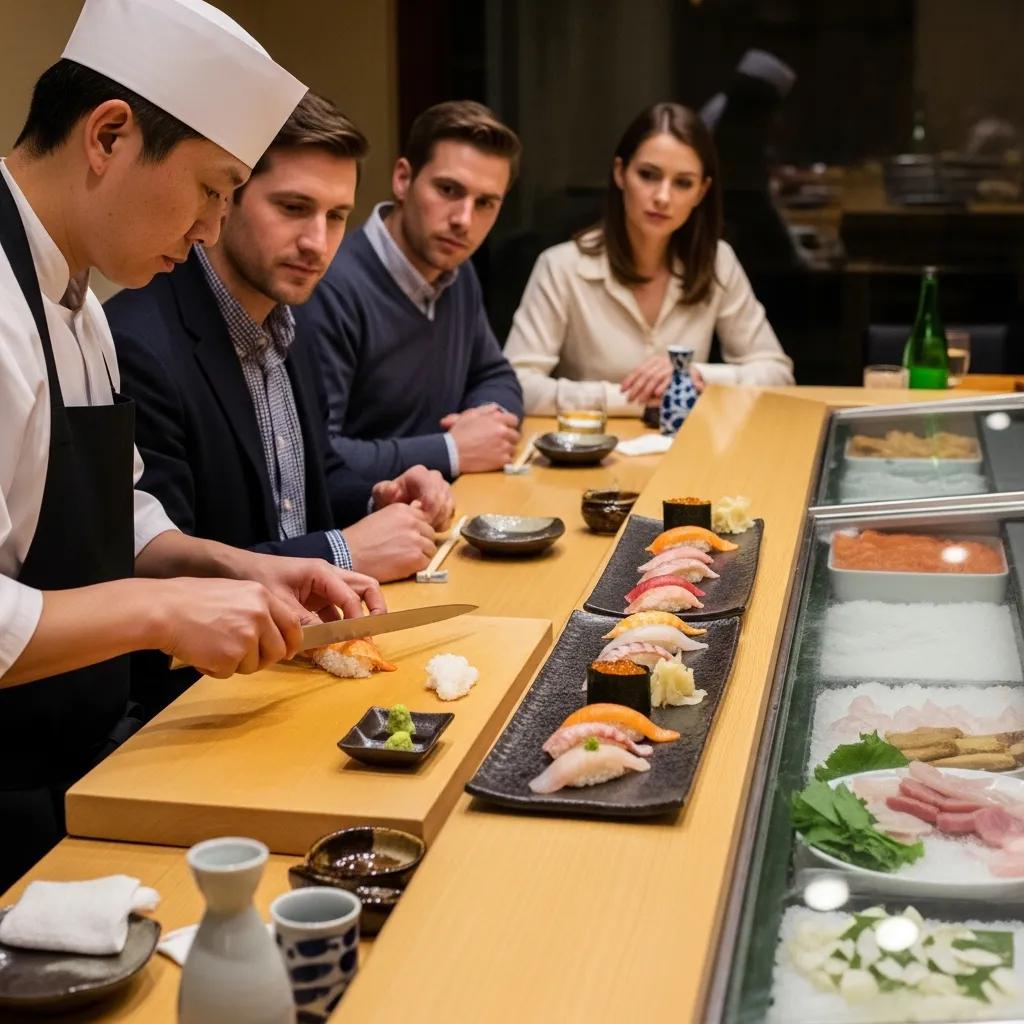
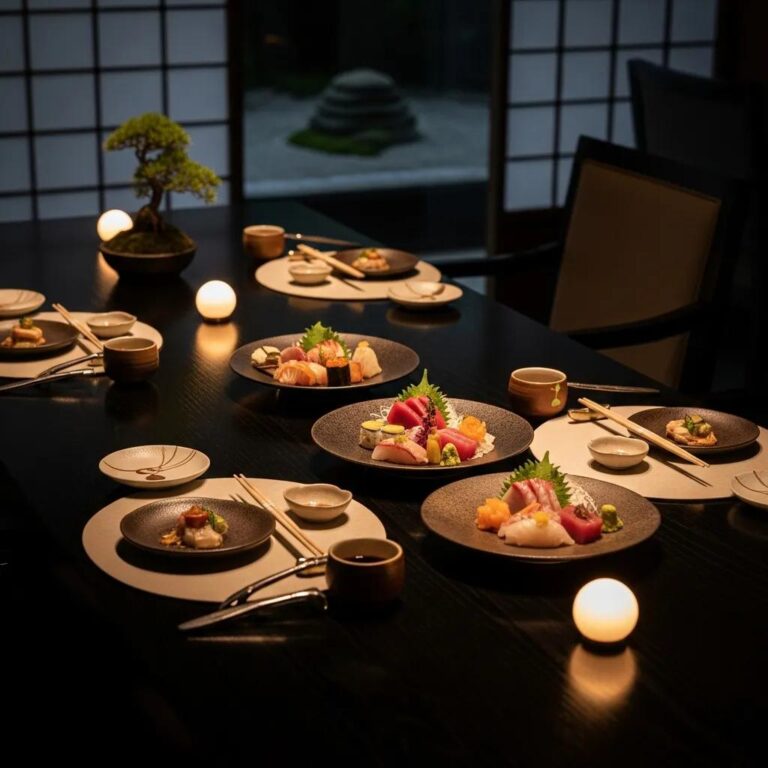
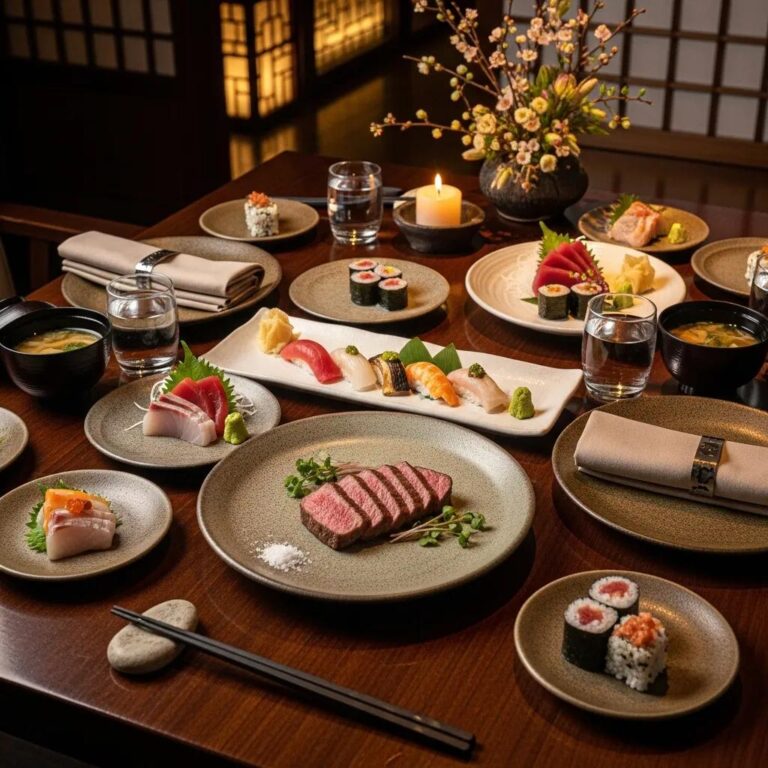
Japanese fine dining and omakase emphasize understated, respectful presentation because the chef’s sequence and the tasting depend on focused sensory engagement. The defining factor is the intimate, often counter-based interaction between chef and guest, where visual clarity, minimal scent interference, and unobtrusive movement are essential to appreciating subtle textures and nuanced flavors. Guests should prioritize low-profile clothing, quiet accessories, and neutral scents to avoid masking delicate notes in sushi, sashimi, or precise Wagyu courses. These preferences reflect broader Japanese dining etiquette — humility, attentiveness, and harmony between guest presentation and culinary intent. Below are concise reasons and practical rules to follow for omakase and similar chef-led formats.
How Does Omakase Influence Dress Code Expectations?
Omakase’s chef-centered format favors attire that doesn’t distract from the tasting flow or the chef’s presentation. In a counter setting, bulky outerwear or large jewelry can impede sightlines and disrupt the ritual of plates arriving in sequence, so lean silhouettes and minimal extras are preferred. Because tasting priorities include subtle fish textures, delicate vinegars, and refined finishing oils, guests should minimize strong colognes or fragranced lotions that could alter flavor perception. Quiet footwear and fabrics that don’t rustle help preserve the meditative quality of the service, ensuring each course gets full attention from chef and diner alike.
Why Should Guests Avoid Strong Perfumes and Hats During Omakase?
Strong perfumes can obscure the aroma of delicate dishes and skew flavor perception, while large hats or wide-brimmed headwear can block sightlines and weaken the personal connection between chef and guest. The practical result is clear: dominant scents can overwhelm subtle umami and citrus notes, and obstructive headwear can prevent the chef from presenting courses directly and explaining nuances. For guests who wear head coverings for cultural or religious reasons, discreet, low-profile options preserve sightlines and respect the service. Favor unscented or lightly scented products and compact, unobtrusive headwear to support both flavor clarity and courteous interaction at the counter.
- Avoid strong fragrances because they can mask delicate tasting notes.
- Avoid large hats that obstruct the chef-diner interaction and sightlines.
- Choose low-profile head coverings and unscented products when needed to preserve the experience.
These considerations keep attention where it belongs — on the food — and maintain the intimate exchange central to omakase.
What to Wear for Kaviar’s Signature Experiences: A5 Wagyu and Caviar Service
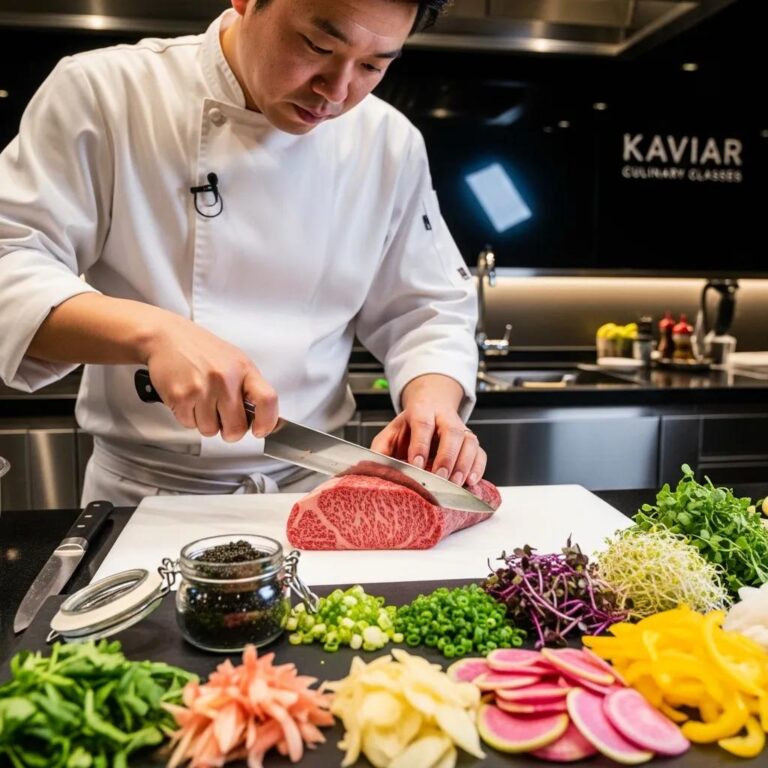
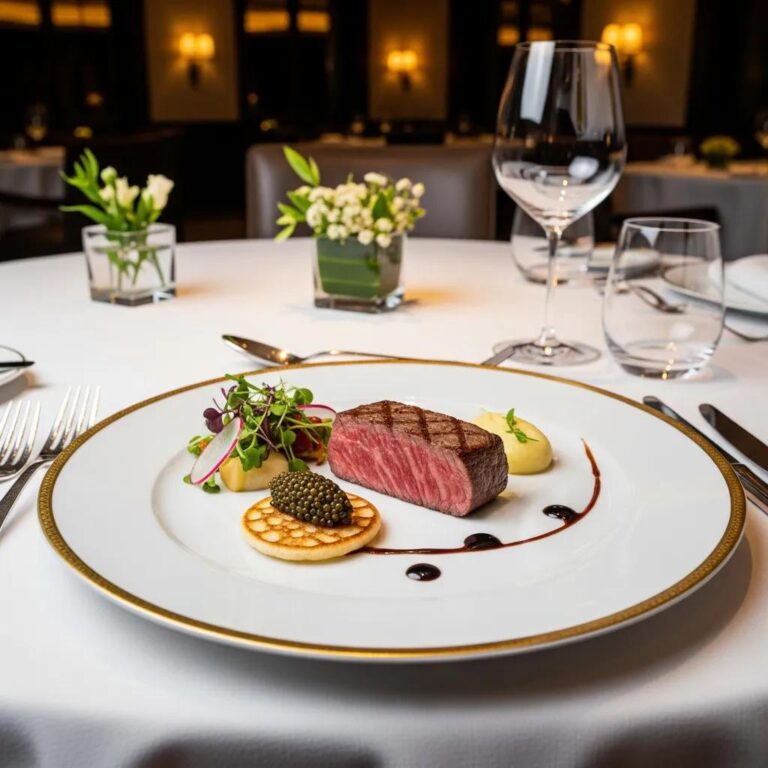
Signature experiences like an A5 Wagyu dinner or a dedicated caviar service call for a slightly elevated take on smart casual elegant. The idea is simple: richer courses and ceremonial service tolerate a small uptick in polish and restraint, so choose darker neutrals, cleaner lines, and slightly more formal pieces without moving into full formalwear unless requested. The result is a composed look that complements opulent flavors rather than competing with them — dark tailored pants and a suit jacket for men, a refined cocktail dress or silk separates for women. Given Kaviar’s focus on premium ingredients and attentive service, these modest refinements are fitting; we recommend reserving special-occasion tastings through the usual booking channels to ensure the best seating and timing.
How Should Guests Dress for an A5 Wagyu Dinner?
For an A5 Wagyu dinner, step up your smart casual baseline with darker tailored pieces and refined fabrics that convey formality without stiffness. Men can wear a suit jacket or blazer with dark tailored trousers and a dress shirt; women might choose a knee- to midi-length dress in a luxe fabric or a silk blouse with tailored pants. Footwear should be polished and comfortable — closed leather shoes or neat low heels — to accommodate multiple rich courses and palate-resetting interludes. Darker neutrals focus attention on presentation, while small, simple accessories maintain an understated elegance that complements the Wagyu experience.
What Attire Complements the Luxury Caviar Service?
Caviar service favors timeless, minimalist pieces that let the tasting’s subtleties remain central: classic silhouettes, muted palettes, and small refined accessories. Smooth silks, fine wool, or high-quality cotton form a neutral backdrop for flavor appreciation, and small, cutlery-friendly accessories prevent noise. Avoid overpowering fragrances and large, ornate jewelry that could distract from the caviar’s delicate aroma and mouthfeel. Guests planning a dedicated A5 Wagyu or caviar tasting are encouraged to reserve in advance through the restaurant’s booking platforms to secure the best seating and service timing.
- For A5 Wagyu: opt for darker tailored pieces and polished footwear.
- For caviar: choose minimalist, high-quality fabrics and small accessories.
- Reserve special-occasion tastings ahead of time to align seating with chef-driven service.
In short: Kaviar’s refined, chef-driven offerings reward understated, elegant attire that supports attention to taste and presentation. Plan your outfit and your reservation to get the most from A5 Wagyu and caviar services.
Frequently Asked Questions
What is the significance of the term “smart casual elegant” in fine dining?
“Smart casual elegant” balances polish with comfort, making it ideal for upscale dining. It asks guests to wear tailored pieces that show respect for the environment while allowing personal style — think a blazer or tailored dress paired with subtle accessories. The aim is a refined appearance that complements the food and service without stealing the spotlight, especially in settings like Kaviar where the focus is the tasting.
How can I ensure my outfit is appropriate for a multi-course meal?
Prioritize comfort alongside style: choose breathable fabrics that allow movement, avoid overly tight garments, and pick polished but comfortable shoes for long seating. Keep accessories minimal and non-intrusive so they don’t distract during service. This combination helps you enjoy the meal and respects the chef’s presentation and the room’s atmosphere.
Are there specific grooming tips to follow for fine dining at Kaviar?
Grooming should reflect the restaurant’s elegant tone: neat hair, well-kept facial hair, and clean, manicured nails. Avoid heavy fragrances that could interfere with tasting; opt for unscented or very light products. These small details complement the refined presentation expected in a luxury dining setting and enhance your comfort at the table.
What should I consider when choosing accessories for a fine dining experience?
Choose understated accessories that elevate your outfit without drawing attention. Small, discreet pieces are best — avoid noisy jewelry, oversized bags, or anything that could obstruct the dining experience. Classic styles in muted tones work well and keep the focus where it belongs: on the cuisine.
How does cultural etiquette influence dress codes in Japanese fine dining?
Cultural etiquette in Japanese fine dining emphasizes respect, humility, and harmony, which favors understated, refined attire. Dressing thoughtfully reflects appreciation for the chef’s craft and the dining experience: avoid flashy or overly casual clothing and strong fragrances that could mask delicate flavors. Aligning your presentation with these values helps you fully engage with the meal.
What are the best practices for making a reservation at Kaviar Restaurant?
Plan ahead — especially for signature experiences like A5 Wagyu and caviar service. Reserve through the restaurant’s website or common dining platforms, note any dietary restrictions or special requests, and arrive on time. Kaviar’s curated service model runs on careful timing, so punctuality ensures you receive the full, intended experience.
Conclusion
Knowing the nuances of fine dining dress codes helps you enjoy the culinary artistry at places like Kaviar. By following a smart casual elegant standard you show respect for the chefs and the room — and you’ll feel more confident at the table. Use these outfit recommendations to prepare for your next reservation, and make the most of a memorable tasting by planning your look ahead of time.