





Italian Gastronomy — Principles, Regions, and the Art of Taste
Italian gastronomy describes how ingredients, technique, and community come together to create food that feels simple yet rooted in place. At its heart are seasonality, regional identity, and restrained technique—choices that let a single excellent ingredient tell a clear sensory story. This guide walks through the philosophy behind those choices, surveys regional varieties from Tuscany to Sicily, and outlines the traditional ingredients and methods that make Italian food distinct. You’ll leave with practical ways to taste, source, and adapt Italian approaches—whether cooking at home, selecting produce, or composing an elevated menu. The article pairs principles with regional examples, uses compact EAV-style tables for quick reference, and closes by showing how these values inform luxury dining in a fine-dining setting. Keywords such as italian food philosophy, regional italian cuisine, slow food italy, and traditional Italian ingredients appear throughout to connect cultural practice with culinary technique.
What defines Italian food philosophy and its core principles?
Italian food philosophy is built on respect for provenance, seasonal rhythm, regional character, minimal intervention, and the joy of shared meals. Practically, that means choosing ingredients at their peak and using gentle techniques that enhance—not hide—natural flavors, so the plate reads clearly of place and method. The result is food that connects diners to landscape and community while encouraging sustainable choices through season-driven menus. Below are the core principles, presented as concrete touchpoints for cooks and menu planners.
- Respect for seasonality: Letting peak ripeness set menus and define flavor.
- Regional identity: Local farms and traditions shape recipes and methods.
- Simplicity of technique: Minimal preparation to showcase provenance and texture.
- Communal dining: Meals designed for sharing and social connection.
- Artisan sourcing: Small producers and PDO/PGI goods as anchors of authenticity.
These principles inform menu design, sourcing choices, and dining rituals—setting the stage for the deeper regional and ingredient-level discussions that follow.
How does respect for tradition shape Italian culinary practices?
Tradition in Italian kitchens acts as both preservation and useful constraint. Techniques passed down through families and small producers—hand-rolled pasta, slow-simmered ragù, careful curing—link today’s plates to decades, even centuries, of seasonal rhythms and local knowledge. Recipes carry cultural memory: they map local ecology, trade routes, and festival customs, keeping regional identity alive even as chefs adapt and innovate. For professionals and home cooks alike, tradition offers dependable frameworks for building flavor while leaving room for respectful evolution. That continuity is also the foundation for modern movements like Slow Food Italy, which amplify provenance and biodiversity on a broader scale.
What role does the Slow Food movement play in Italian gastronomy?
Slow Food Italy champions biodiversity, small-scale producers, and cultural foodways, promoting taste education and local markets as an antidote to industrialized supply chains. Its work connects producers, protects heirloom varieties, and encourages seasonal eating so ecological and cultural value returns to communities. In practice, Slow Food has raised awareness about provenance and nudged restaurants toward artisan suppliers and overlooked ingredients. The movement has improved market access for small producers, renewed interest in regional specialties, and pushed conversations about food biodiversity—helping diners and restaurants prioritize both flavor and sustainability.
Which regional Italian cuisines showcase Italy’s culinary diversity?
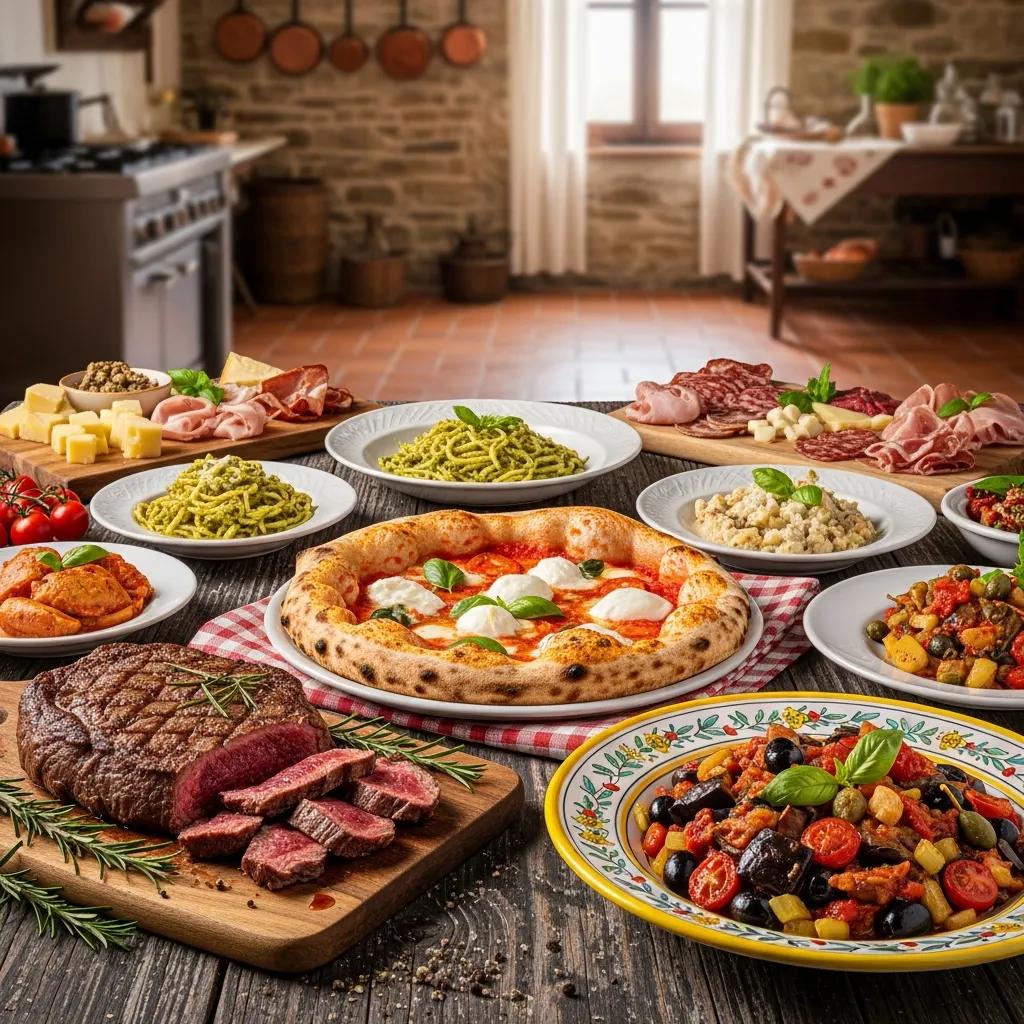
Italy’s culinary map is a mosaic shaped by geography, climate, and history. Coastal areas favor seafood and olive oil, alpine valleys lean toward butter, rice, and cheeses—the available resources create distinct regional logics. Recognizing those differences explains why the same ingredient is treated so differently from Sicily to Emilia-Romagna and helps chefs design menus that reflect local ecosystems. The table below offers a concise comparison of a few emblematic regions.
Introductory table describing key regional signatures and why they matter:
The table shows how local geography and history pair ingredients with techniques to form regional identities. Spotting these patterns helps with authentic menu planning and ingredient sourcing.
What are signature dishes from regions like Tuscany and Emilia-Romagna?
Signature dishes concentrate a region’s agriculture, methods, and rituals into a single experience. Tuscany’s bistecca alla Fiorentina, for example, celebrates thick cuts of beef quickly grilled to showcase meat quality and char; Emilia-Romagna’s ragù alla Bolognese builds depth through long simmering and layered aromatics that transform humble cuts into rich sauce. These dishes favor time, technique, and careful seasoning over heavy embellishment. Knowing an item’s provenance and method helps diners and cooks understand why one recipe can embody generations of practice—and how to translate that understanding to both home and professional kitchens.
How do regional ingredients influence Italian cooking styles?
Local produce shapes not only flavor but the methods developed to preserve, extract, and present it. Coastal regions favor grilling and quick sautés for fish; colder interiors rely on braising and curing to preserve protein. Communities invent techniques—curing, fermenting, risotto versus polenta—based on abundance and storage needs. This creates a spectrum from olive-oil-forward southern cooking to butter-and-cheese-rich northern plates. For cooks, matching technique to ingredient character ensures ideal texture and taste while staying true to regional logic—a key to authentic menu design.
What are traditional Italian ingredients and their cultural significance?
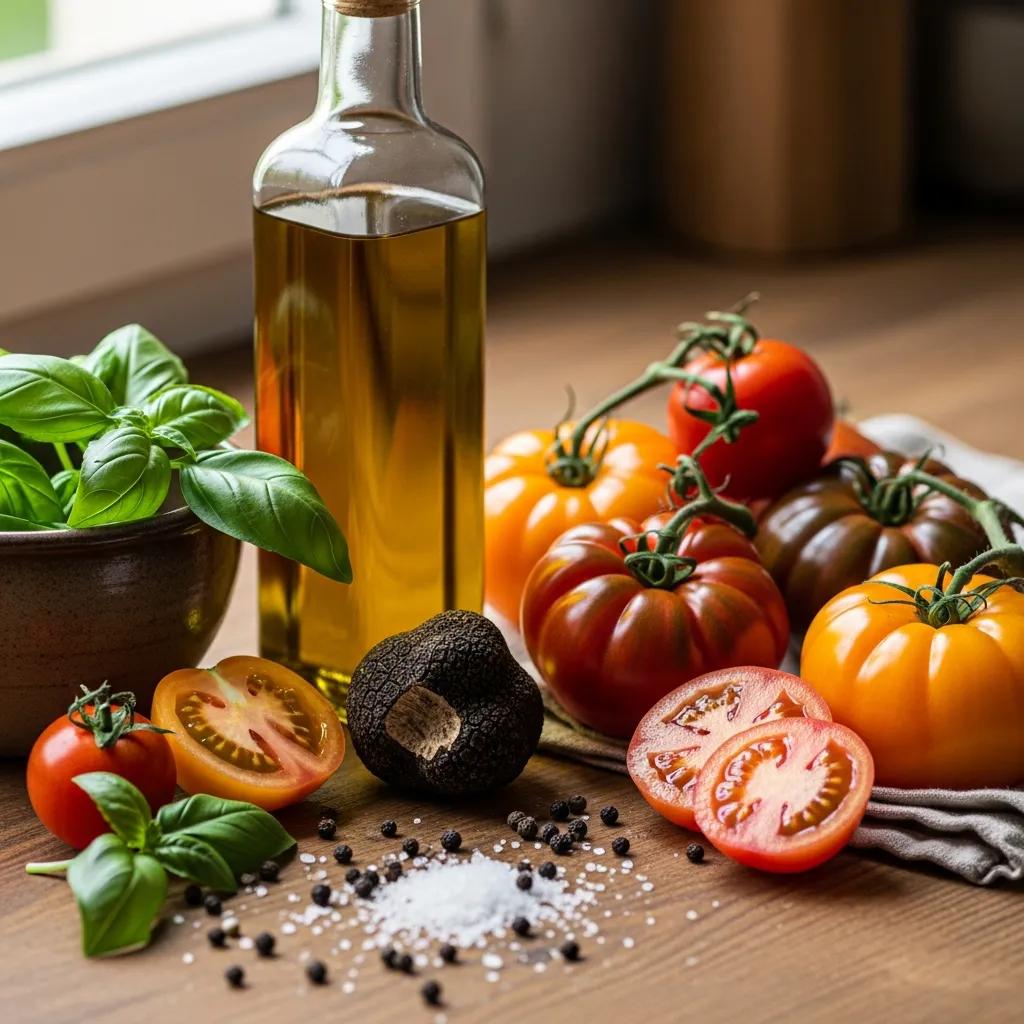
Traditional Italian ingredients are cultural signposts: olive oil, truffles, Parmigiano-Reggiano, cured meats, and heirloom tomatoes speak of place, season, and craft. Their importance comes from provenance—PDO/PGI labels, cultivar lineage, and producer reputation—that translate into expected sensory profiles and social value. Reading those signals helps chefs and home cooks choose wisely. The table below breaks down major ingredients, their cultural roles, and common culinary uses to make provenance practical for sourcing and tasting.
Introductory table clarifying provenance and culinary roles:
This EAV-style breakdown shows how cultural status and origin inform everyday use—helpful for judging quality and planning dishes where minimal technique magnifies ingredient character.
Why are olive oil, truffles, and other key ingredients central to Italian dishes?
Ingredients like olive oil and truffles act as primary flavor architects: they provide fat, aroma, and umami that lift simple preparations. Olive oil is both a cooking medium and a finishing note—its cultivar and harvest produce distinct signatures chefs use deliberately. Truffles punctuate a dish with intense aroma, used sparingly to transform texture and flavor. These items also support regional economies and cultural identity through protected designations and generational craft. Understanding their sensory and socioeconomic roles helps restaurateurs and home cooks make sourcing choices that honor gastronomic integrity.
How does ingredient quality reflect Italian gastronomy principles?
Quality puts Italian principles into practice: when producers focus on terroir, harvest timing, and artisanal methods, ingredients demand little intervention to shine. Quality changes texture, fat distribution, aromatic profile, and heat response—so chefs plan techniques around those traits rather than overpowering them. Indicators such as PDO labels, harvest dates, or sensory cues like olive oil fruitiness give actionable selection criteria. Aligning procurement with seasonality and transparent sourcing lets kitchens live those values while supporting sustainability and true flavor fidelity.
Which Italian cooking techniques define authentic Italian cuisine?
Italian techniques range from long, slow cooking and careful curing to delicate finishing moves meant to reveal provenance, not hide it. Methods like braising and curing concentrate flavor and extend shelf life; quick finishing preserves freshness and aroma. Mastering these approaches gives consistent results that respect ingredient character and regional tradition. Below is a practical list of defining techniques and their culinary purpose, followed by a compact look at how preservation and slow cooking build depth.
- Slow cooking and braising — develop depth and tenderize connective tissue.
- Curing and fermenting — preserve and intensify flavor for off-season use.
- Fresh pasta and dough work — form the structural base for sauces and fillings.
- Quick finishing (drizzling oil, adding raw herbs) — preserve volatile aromatics.
These methods balance immediacy with longevity, producing both bright, fresh plates and preserved staples that sustain communities through the seasons.
How do slow cooking and preservation methods enhance flavor and tradition?
Slow cooking and preservation—braising, curing, confit, fermenting—unlock flavor through controlled chemical change: Maillard reactions, collagen breakdown, and time all deepen taste and texture. Historically, these techniques arose from necessity, letting communities store and enjoy seasonal food through lean months. The reward is layered flavor and silkier mouthfeel that quick cooking can’t reproduce. Today these methods still matter: they elevate modest ingredients, reinforce cultural continuity, and teach cooks how to choose the right method for each ingredient and desired result.
What are common culinary techniques used across Italian regions?
Across Italy, techniques adapt to local materials: pasta-making and risotto reflect preferred grains, grilling and wood-oven cooking enhance local proteins and vegetables, and sauce-building often begins with a simple soffritto. The craft is in temperature control, timing, and sequence—sweating aromatics, deglazing, and finishing with acid or cheese to balance richness. That shared technical vocabulary helps cooks translate regional ingredients into cohesive dishes. Focusing on technique fidelity—proper kneading, steady simmering, precise seasoning—keeps provenance front and center on the plate.
How does Italian food culture influence dining etiquette and sustainability?
Italian food culture shapes pacing, course structure, and a communal spirit that values conversation as much as the meal itself. Those customs encourage slower eating, appreciation of seasonality, and support for local producers—practices that align naturally with sustainability. Rituals like extended meals and shared plates nudge diners toward quality over quantity and create market demand for artisan-sourced, seasonal produce. For modern restaurants and guests, this model offers a blueprint for sustainable hospitality that balances culinary excellence with social and ecological responsibility.
What are key aspects of Italian dining etiquette and social traditions?
Key elements include multi-course pacing—antipasti, primi, secondi, dolce—an emphasis on sharing and tasting, and social rituals like toasting that lengthen the meal. Structurally, that sequence encourages mindful portions and a deeper appreciation for each course. Formal meals tend to follow a clear tempo; casual gatherings prioritize shared plates and spontaneity. For visitors and hosts, reading these cues improves the experience and aligns expectations with cultural practice.
How does the Slow Food movement promote sustainability in Italian gastronomy?
Slow Food promotes sustainability by protecting biodiversity, backing small producers, and encouraging seasonal consumption—creating incentives for traditional farming and heirloom varieties. Its work blends advocacy, education, and direct links between producers and consumers, through farmer networks and taste-preservation projects that document endangered foods. The outcomes include stronger rural economies, conservation of genetic diversity, and more informed consumers—showing how culinary culture can be a practical lever for ecological stewardship while expanding gastronomic variety.
How can Italian gastronomy principles inspire luxury dining experiences like Kaviar Restaurant?
Italian gastronomy—seasonality, provenance, restraint, and artisan collaboration—translates cleanly into luxury dining. In a fine-dining context these values become curatorial tools: menus reveal terroir through sequencing, pairings accentuate synergy, and minimal interventions let texture and aroma stand out. For guests, the payoff is clarity of flavor and a narrative that ties each course back to place and care. The table below maps Italian principles to concrete actions a luxury restaurant can adopt to create memorable tasting experiences.
Introductory EAV table mapping principles to practice for luxury settings:
These parallels show how Italian values can shape a luxury tasting—prioritizing ingredient identity, restraint, and a clear culinary narrative that resonates with discerning diners.
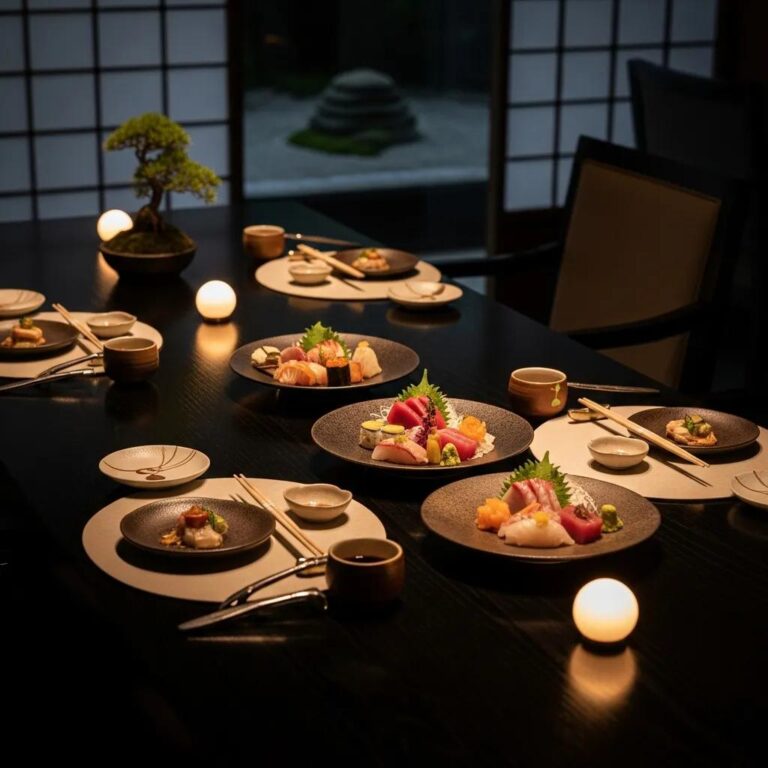
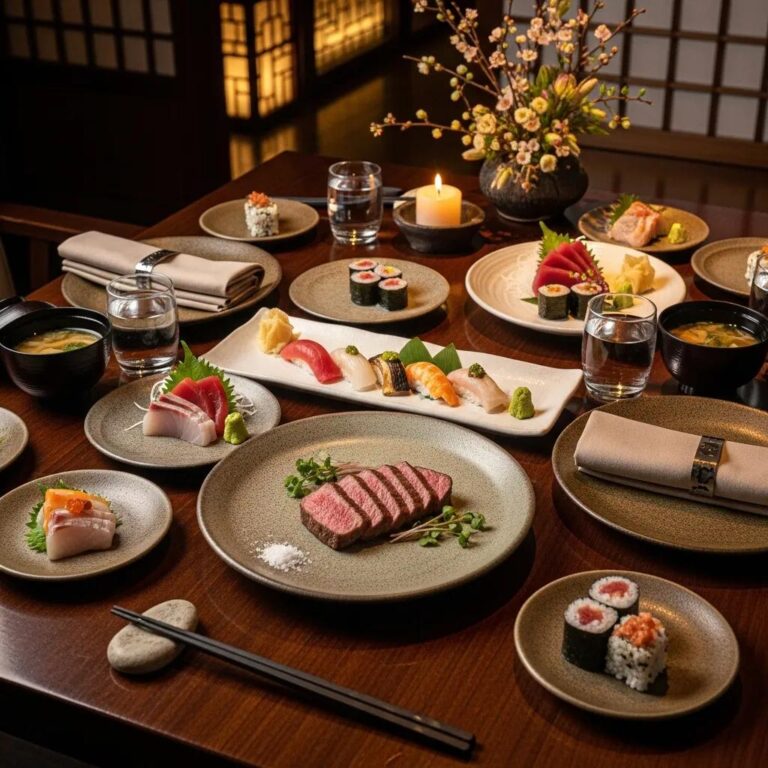
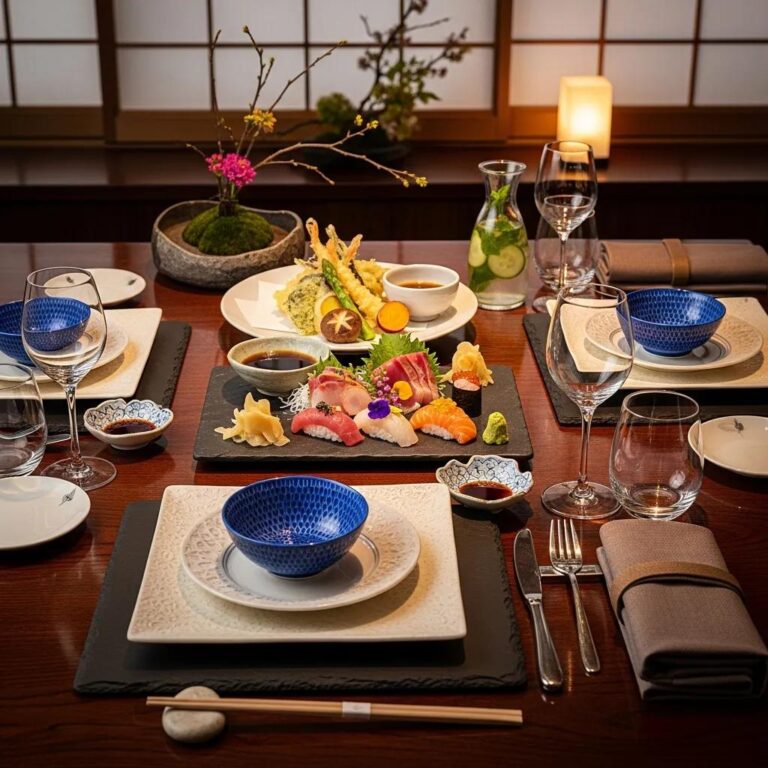
For context: Kaviar Restaurant is a luxury dining destination in Pasadena focused on Japanese fine dining—omakase, A5 Wagyu, and elevated caviar preparations. Our core offerings include the fine dining tasting menu and an online reservation system. Those services illustrate how a venue can blend Italian gastronomic principles—provenance and seasonality—with Japanese service models. By annotating ingredient origin on menus and sequencing tastings to highlight seasonal character, luxury restaurants can honor both provenance and technique while guiding guests through a coherent sensory story.
In what ways does Kaviar integrate Italian culinary traditions and Slow Food philosophy?
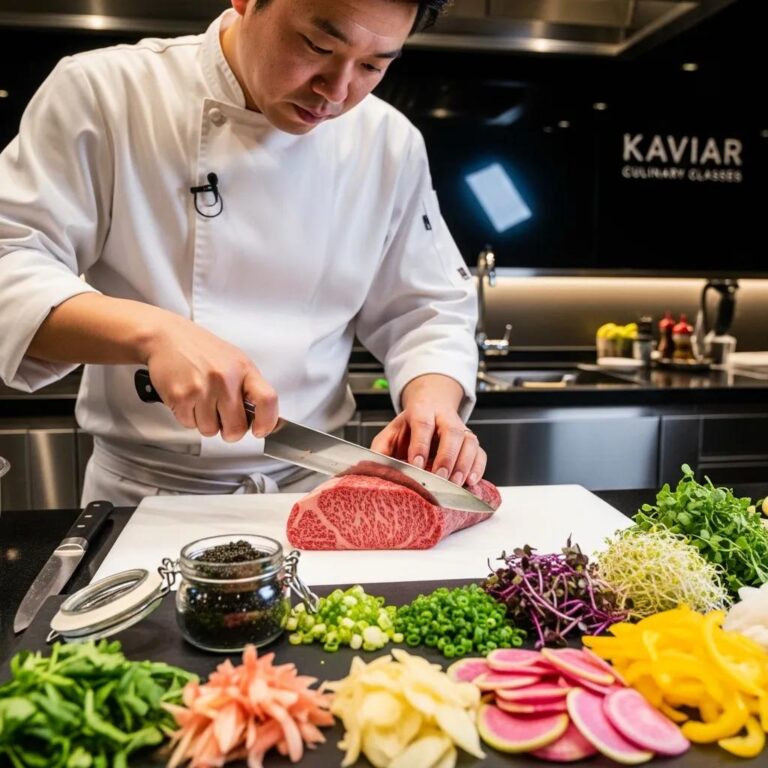
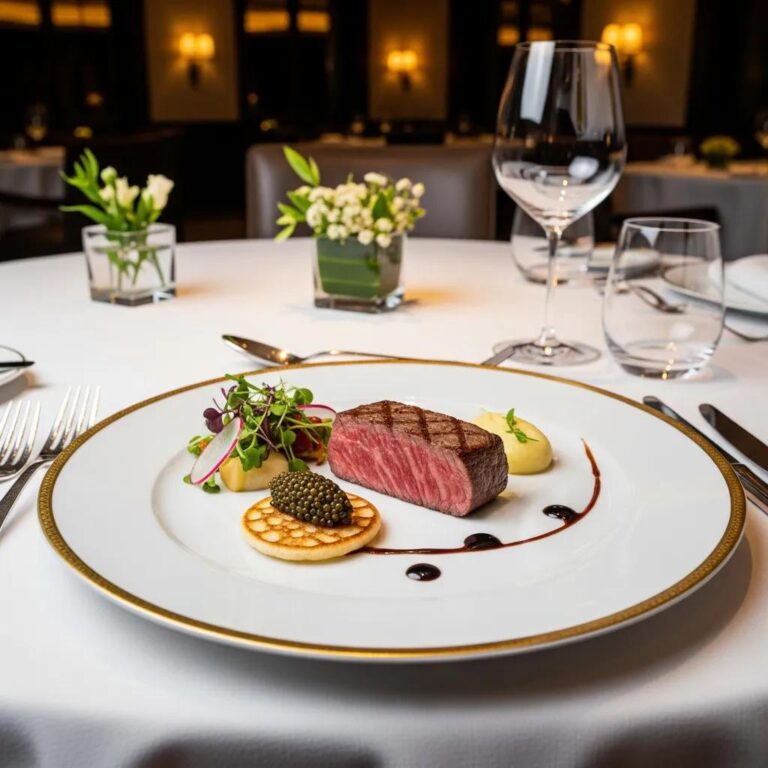
Kaviar brings together Italian traditions and Slow Food ideas by prioritizing artisan suppliers, structuring seasonal tasting modules, and presenting premium ingredients with restrained technique so provenance can shine. Operationally, that means clear ingredient narratives on the menu, curated supplier relationships, and timing dishes to seasonal availability so each item can stand on its own. A simple example: treating A5 Wagyu with a precise char and minimal sauce to foreground texture and fat quality—an approach that mirrors Italian restraint. These choices position luxury dining as both refined and responsible, pairing elevated taste with producer support.
How do premium ingredients like A5 Wagyu align with Italian gastronomy values?
A5 Wagyu and classic Italian ingredients share the same core values: provenance, meticulous handling, and minimal finishing that preserves intrinsic qualities. Both traditions honor an ingredient’s origin—breed, pasture, feed—and use exacting technique to reveal texture and flavor rather than mask it. In practice that means attention to timing, temperature, and restrained condiments so the primary ingredient remains the focus. This shared philosophy enables cross-cultural dialogue: whether in omakase or a slow-roasted course, the guiding principle is the same—treat exceptional ingredients with reverence so terroir and care show through.
- Select suppliers with documented provenance: Clear origin data supports menu transparency and taste fidelity.
- Sequence tasting courses to highlight contrasts: Order dishes so delicate flavors precede bolder ones, enhancing perception.
- Use minimal finishing techniques: Simple oils, light acids, or raw aromatics preserve and amplify the main ingredient.
Frequently Asked Questions
What is the significance of communal dining in Italian gastronomy?
Communal dining is central to Italian food culture—meals are meant to be shared. Eating together fosters conversation and connection, turning food into a social ritual rather than just fuel. That slower, shared pace encourages appreciation for quality ingredients and aligns with sustainability by emphasizing experience over excess.
How do Italian culinary traditions influence modern cooking techniques?
Italian traditions influence modern cooking by prioritizing ingredient quality and simplicity. Techniques like slow cooking, braising, and fresh pasta-making remain relevant because they enhance natural flavors. Contemporary chefs adapt these methods to create dishes that respect history while appealing to today’s tastes.
What role do seasonal ingredients play in Italian cooking?
Seasonal ingredients are the backbone of Italian cooking: using produce at its peak ensures vivid flavor and dishes that reflect time and place. Seasonal cooking supports local producers and reduces environmental impact, while also giving diners a deeper connection to the land.
How does the Slow Food movement impact Italian culinary practices?
Slow Food has reshaped Italian culinary practice by championing biodiversity, small-scale producers, and traditional methods. It connects consumers with producers, revives endangered foods, and creates market incentives for sustainable farming—helping preserve regional culinary identities.
What are some common misconceptions about Italian cuisine?
Common misconceptions: that Italian food is only pasta and pizza, or always heavy and elaborate. In truth, Italian cuisine is hugely diverse—many dishes are simple, seasonal, and ingredient-driven. Regional variety and restraint are at its core.
How can one incorporate Italian gastronomy principles into home cooking?
Bring Italian principles home by choosing seasonal, high-quality ingredients and using simple techniques that enhance natural flavors. Shop local where possible, cook together, and embrace slow methods like braising or simmering to build depth. The goal is ingredients-first cooking and shared meals.
Conclusion
Learning Italian gastronomy’s principles helps cooks and diners appreciate the depth behind seemingly simple dishes. Prioritizing seasonality, regional identity, and communal dining leads to meals that feel authentic, sustainable, and memorable. Apply these values in the kitchen or at the table to deepen your relationship with food—and explore our recipes and resources to continue your journey into Italian culinary tradition.