






How Gourmet Ingredients Like A5 Wagyu, Caviar, and Uni Nourish the Body — A Practical Guide from Japanese Fine Dining
Luxury ingredients — Miyazaki A5 Wagyu, Kaluga caviar, and fresh uni — do more than delight the palate. They’re dense with nutrients that support heart, brain, immune, skin, and bone health when enjoyed thoughtfully. This guide breaks down what makes each ingredient nutritionally distinctive, translates macronutrient and micronutrient profiles into real-world benefits, and explains how Japanese fine-dining practices like omakase help preserve those benefits. You’ll find clear nutrient-to-benefit mappings, portion and pairing strategies that improve absorption, and practical preparation tips that keep nutrients intact. We highlight A5 Wagyu’s fatty-acid composition, Kaluga caviar’s omega-3 and vitamin content, uni’s vitamin-rich profile, and how seasonality, fermentation, and measured service contribute to longevity. Along the way, we reference menu examples such as Miyazaki A5 Wagyu, Kaviar Exquisite Kaluga, and curated uni dishes — and invite you to book a tasting at Kaviar Restaurant in Pasadena.
What Are the Key Nutritional Benefits of A5 Wagyu Beef?
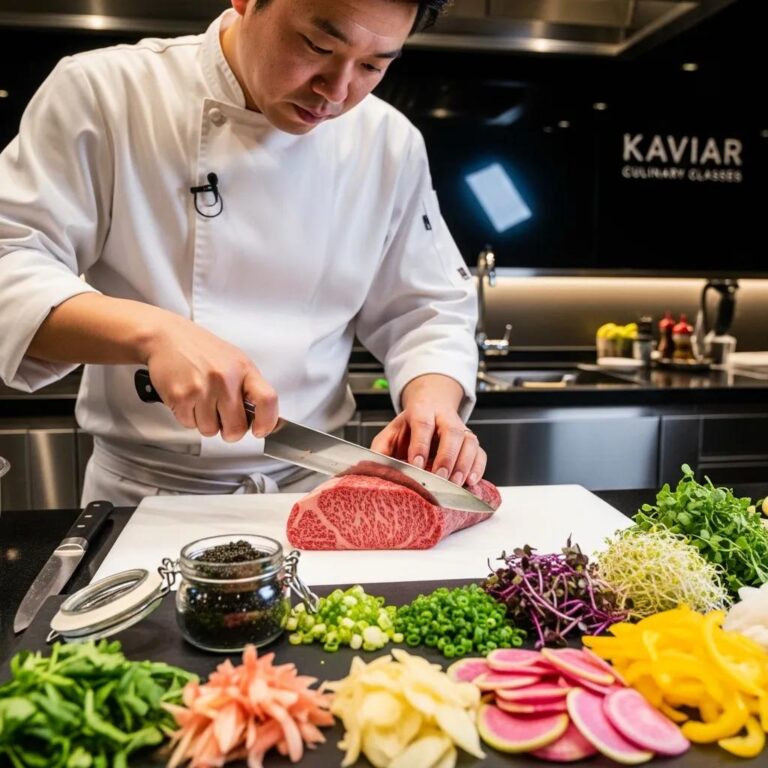
A5 Wagyu stands apart for its intense marbling, which raises the share of monounsaturated fats — notably oleic acid — while still delivering rich protein and micronutrients such as vitamin B12. That fatty-acid profile shifts red meat’s metabolic effect toward a higher monounsaturated-to-saturated ratio, which, when eaten in moderation, can be friendlier to blood lipid markers. On the plate, this means concentrated energy, bioavailable amino acids for muscle maintenance, and a lipid matrix that helps absorb fat-soluble nutrients. Understanding these qualities helps diners choose portions and pairings that emphasize benefits without excess. The sections that follow unpack the relevant fat types and the practical implications for heart and brain health.
Below we compare common Wagyu types and related nutrient markers so you can see why marbling and fat composition matter for gourmet nutrition.
This comparison highlights Miyazaki A5 Wagyu’s relative enrichment in monounsaturated fats alongside substantial protein — factors that shape both flavor and metabolic response.
Which healthy fats and essential nutrients are found in A5 Wagyu?
A5 Wagyu supplies a meaningful share of monounsaturated fatty acids, with oleic acid prominent in the lipid fraction. Depending on diet and husbandry, it can also contain measurable omega-3 and omega-6 fats. The beef is a complete protein source — offering all essential amino acids — and delivers vitamin B12, iron, zinc, and other B vitamins that support energy metabolism. Mechanistically, oleic acid may reduce LDL oxidation and influence inflammatory pathways, while B12 helps nerve function and red blood cell production. Recognizing these components helps diners appreciate how premium marbling affects taste and nutrient delivery, and it sets up practical advice on portioning and complementary sides.
These nutrient points lead directly into how A5 Wagyu can support cardiovascular and cognitive health when integrated sensibly into a varied diet.
How does A5 Wagyu support heart and brain health?
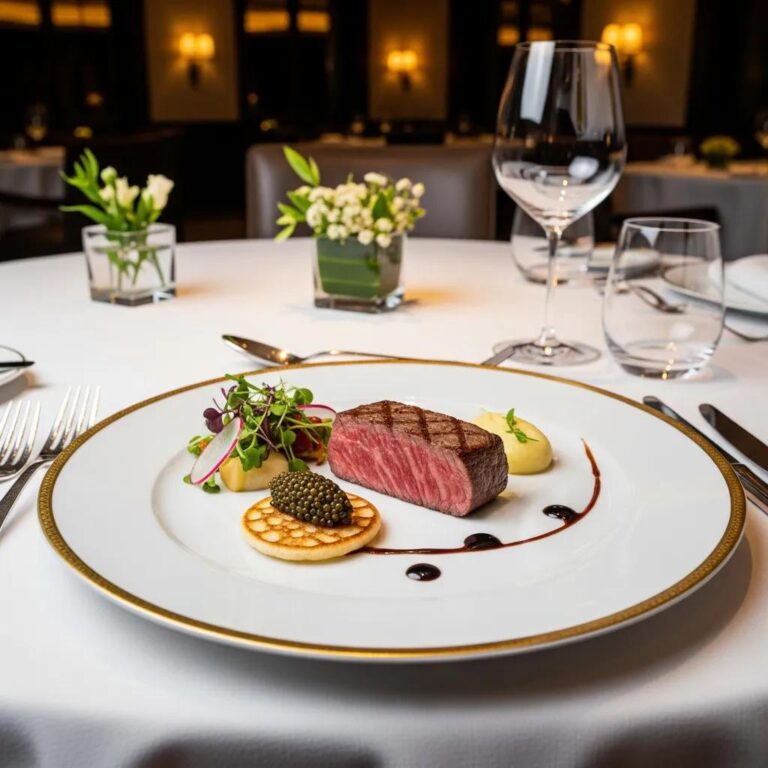
The monounsaturated fats in A5 Wagyu can contribute to healthier lipid profiles by improving HDL/LDL balance and reducing LDL oxidation when intake is kept moderate and paired with plant fibers. Although omega-3 levels are lower than in fatty fish, they still provide anti-inflammatory signals that matter for vascular health. Vitamin B12 and iron support oxygen delivery and brain metabolism. Practical tips for health-minded diners include enjoying recommended serving sizes, pairing rich cuts with bitter greens or fermented vegetables to aid digestion, and spacing Wagyu courses within an overall diet rich in vegetables, whole grains, and omega-3 seafood. For a measured fine-dining experience, Miyazaki A5 Wagyu appears on select omakase menus and can be enjoyed as a precisely portioned course — reserve a seat at Kaviar Restaurant in Pasadena to taste one such presentation.
With A5 Wagyu covered, we turn next to the concentrated nutrient profile of caviar.
Why Is Caviar Considered a Superfood for Wellness?
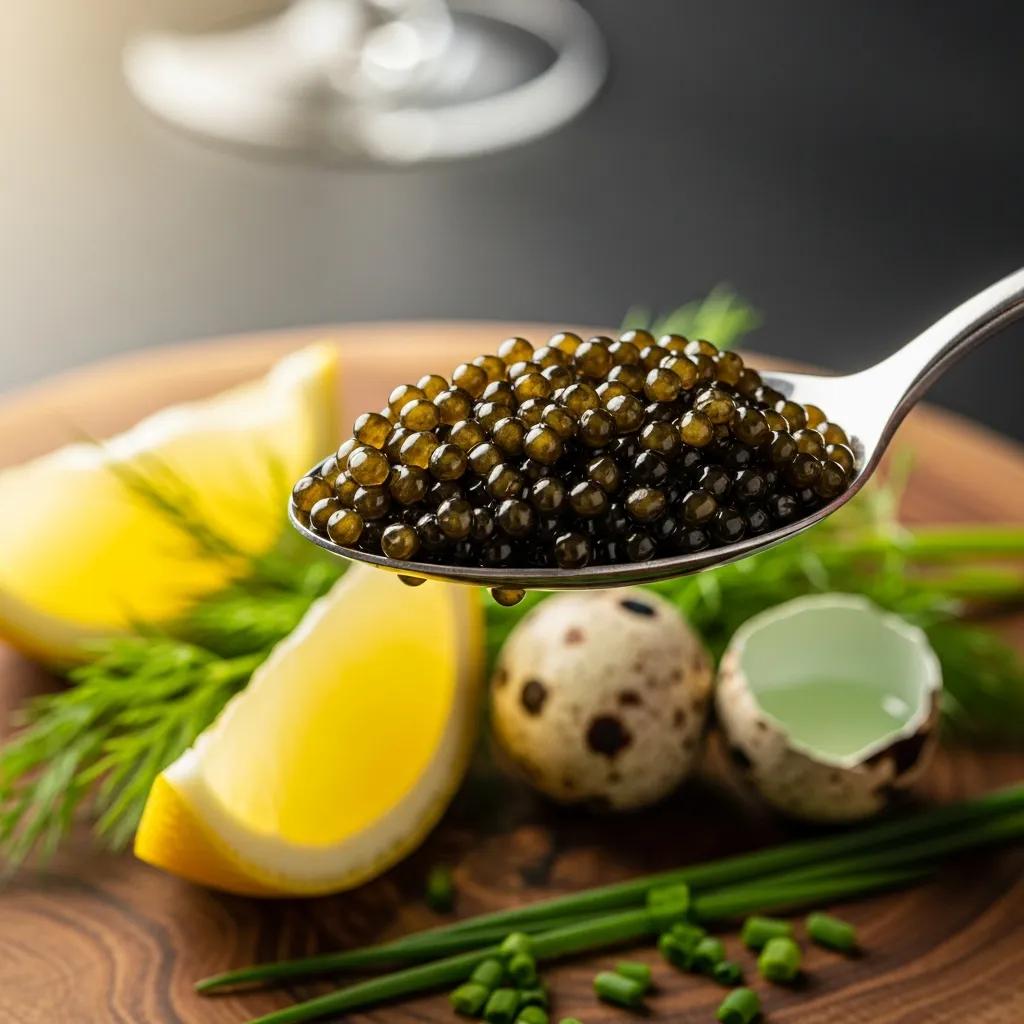
Caviar — cured fish roe — is prized for its compact supply of long-chain omega-3s (EPA and DHA), vitamin B12, selenium, and high-quality protein. Per small serving, it delivers dense micronutrients that support anti-inflammatory pathways, neuronal membrane health, red blood cell formation, and antioxidant defenses. Because caviar is eaten in modest amounts, it’s an efficient way to add meaningful nutrients without extra volume, which is why it’s often described as a “superfood” in wellness conversations. The sections below list its key nutrients and translate them into practical benefits for immunity and skin, helping you decide how to incorporate caviar into balanced menus.
Here is a concise nutrient-to-benefit mapping for Kaluga-style caviar commonly used in haute cuisine.
That table illustrates why modest servings of caviar can deliver concentrated physiological benefits when added thoughtfully to a meal.
What omega-3 fatty acids and vitamins make caviar nutritious?
Caviar is rich in EPA and DHA — omega-3s that reduce systemic inflammation, support neuronal membrane fluidity, and contribute to cardiovascular health — alongside vitamin B12, vitamin A precursors, and trace minerals like selenium. The roe’s lipid matrix helps make fat-soluble nutrients more bioavailable. From a culinary angle, a touch of mild acid (a squeeze of citrus or gentle pickles) can brighten flavor without compromising nutrients. Understanding this nutrient mix explains why caviar is a compact source of wellness-supporting molecules and why portion control serves both taste and health.
Next, we examine how those nutrients translate to immune support and skin benefits.
How does caviar enhance immune function and skin health?
Selenium and vitamin B12 from caviar act as cofactors for antioxidant systems and DNA-synthesis pathways that support immune cell function, while EPA and DHA lower pro-inflammatory mediators that can harm barrier health. For skin, omega-3s help maintain membrane fluidity and may reduce inflammatory conditions such as acne or dermatitis; vitamin A–related compounds support epithelial repair. In practice, modest portions used as a garnish or standalone course provide targeted support without excess calories. Chilled presentations and light acid contrasts preserve both flavor and nutrients — experience Kaluga caviar preparations at Kaviar Restaurant by reserving an omakase that highlights this ingredient.
From caviar we move to uni and its distinct contributions to brain and bone health.
What Nutritional Value Does Uni Offer?

Uni — sea urchin roe — is prized for its creamy texture and a concentrated mix of protein, omega-3 fatty acids, vitamins A and D, and trace minerals that support neurological and skeletal systems. Its biochemical matrix pairs lipids with fat-soluble vitamins in an absorbable form, and its protein supplies essential amino acids for repair. Often served in small portions, uni offers targeted nutrient delivery; vitamin D in particular is notable because it’s not abundant in many foods, making uni valuable for bone health and immune regulation. The subsections that follow quantify uni’s nutrient strengths and explain how they support brain and bone function at the table.
Here’s a practical snapshot of what a typical serving of uni brings to the table and what those nutrients mean for health.
- Uni delivers concentrated protein and essential fatty acids that support tissue repair and cognitive function.
- Uni contains vitamins A and D, which aid vision, immune balance, and calcium metabolism.
- Uni’s omega-3 content contributes anti-inflammatory signaling that complements other seafood sources.
That summary frames the main nutritive features of uni and prepares us to map those nutrients to physiology.
Which proteins, omega-3s, and vitamins are abundant in uni?
A standard serving of uni supplies a modest but bioavailable amount of complete protein alongside omega-3s — particularly DHA — and fat-soluble vitamins such as A and D that support vision, immune function, and bone mineralization. The roe’s lipid matrix enhances uptake of these vitamins, so even small servings make a measurable contribution. Uni also contains trace minerals like zinc and iodine, supporting thyroid function and metabolic regulation. Chefs serve uni chilled and simply seasoned to protect delicate lipids and vitamins, maximizing its nutritional contribution.
With those nutrients defined, we can explain uni’s role in brain and bone health more specifically.
How does uni contribute to brain and bone health?
DHA in uni supports neuronal membrane integrity and synaptic function — foundations of cognition — while vitamin D and related fat-soluble nutrients help regulate calcium absorption and bone remodeling, essential for long-term skeletal health. Together, omega-3s and vitamin D act synergistically: omega-3s temper neuroinflammation while vitamin D influences immune balance and calcium metabolism, indirectly supporting cognitive resilience. Practical suggestions include pairing uni with vitamin C–rich garnishes or fermented sides to aid iron absorption and gut health, and enjoying it as part of a varied diet that includes other omega-3 sources for cumulative benefit. These pairing ideas lead naturally into how Japanese dining philosophy — seasonality and balance — improves nutrient intake.
How Does Japanese Fine Dining Promote Balanced Nutrition and Longevity?
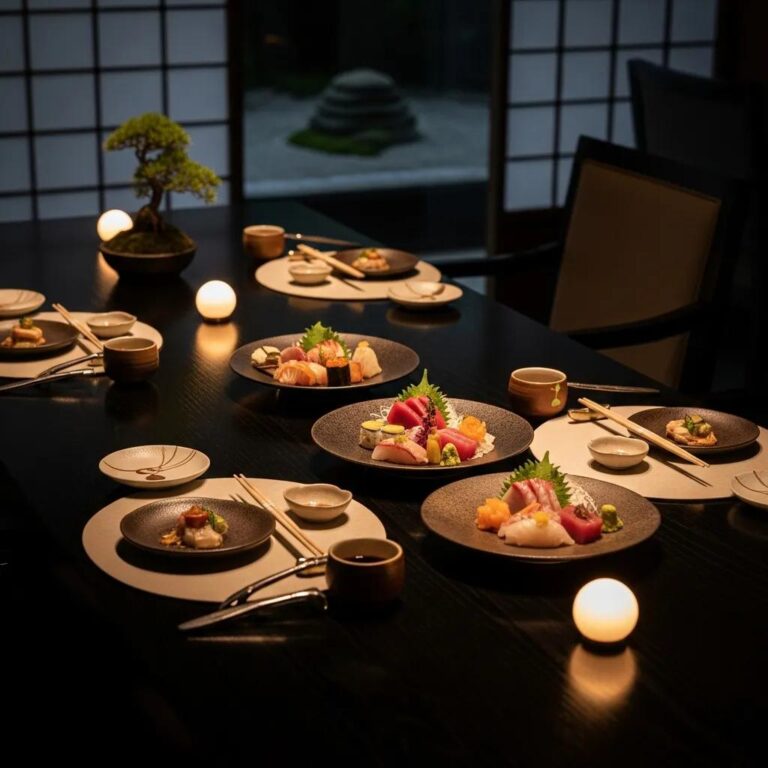
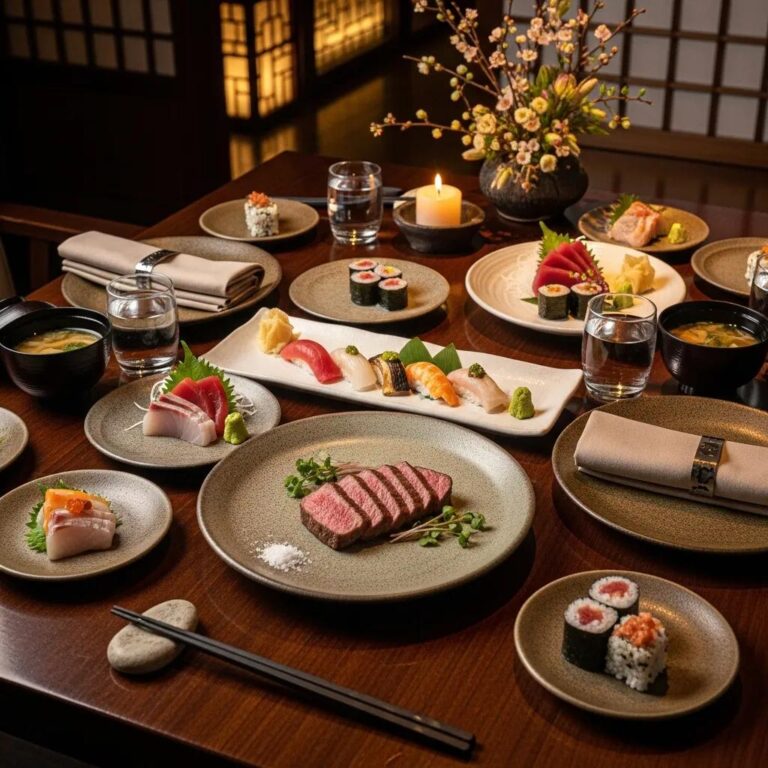
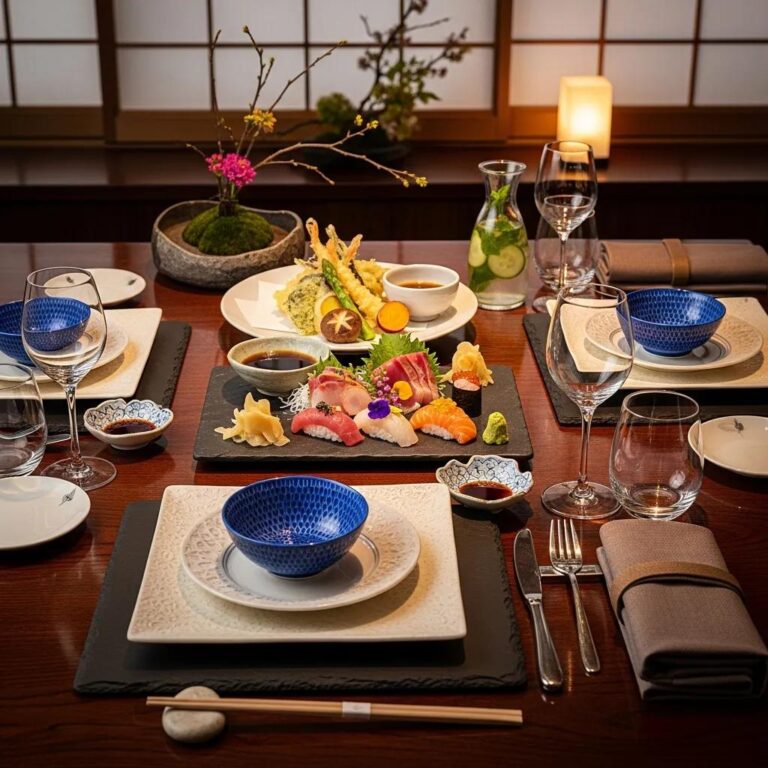
Japanese fine dining emphasizes seasonality, balance, portion control, and fermented accompaniments — principles that together promote nutrient density, dietary diversity, and moderated caloric intake, all linked with longevity in population studies and mechanistic research. Seasonal produce and seafood arrive at peak ripeness and nutrient content; portion-controlled tasting sequences like omakase pace intake to support satiety and digestion; and fermented elements such as miso and pickles introduce probiotics and bioactive peptides that aid gut health and nutrient bioavailability. These practices foster varied, efficient digestion and mindful consumption, aligning culinary tradition with modern longevity insights. The next sections explore seasonal sourcing and mindful omakase pacing, and explain the measurable nutritional advantages chefs aim to deliver.
Key Japanese nutrition principles preserved in fine dining — and why they matter — include:
- Seasonal ingredients capture peak nutrient levels by arriving at optimal ripeness.
- Balanced macronutrients and small portions prevent overconsumption while preserving pleasure.
- Fermented accompaniments support the gut microbiome and improve nutrient bioavailability.
These points summarize a longevity-minded food philosophy and introduce practical examples of chef implementation.
What role do seasonal and fresh ingredients play in Japanese nutrition?
Seasonal, fresh ingredients retain higher levels of vitamins, antioxidants, and volatile flavor compounds than out-of-season produce, which often suffers nutrient loss during storage and transport. Rotating seafood and vegetables across seasons increases micronutrient diversity and reduces the risk of repetitive shortfalls. Chef-led selection — central to Japanese fine dining — ensures each plate showcases peak produce and seafood, optimizing both flavor and nutrient delivery. Seasonal sourcing also reduces heavy processing and preserves fragile omega-3s and water-soluble vitamins that matter for health outcomes. That’s one reason omakase naturally offers sensory and nutritional benefits.
Next we look at how mindful omakase pacing supports digestion, absorption, and overall well-being.
How does mindful eating in omakase enhance wellness?
Omakase sequencing, curated by the chef, spaces courses to match digestive capacity and sensory focus, which helps regulate satiety cues and slow intake — physiological changes that support steadier blood sugar responses and reduced overeating. Mindful tasting amplifies flavor perception, allowing smaller portions to deliver full satisfaction while lowering unnecessary calories. From a digestive perspective, slower pacing gives enzymes time to work and can improve absorption of fat-soluble vitamins and omega-3s found in seafood and roe. Practical tips include pausing between courses, noting textures and aromas, and choosing a variety of small plates to achieve both pleasure and balanced nutrition. This mindful approach is how restaurants can operationalize nutritional integrity through menu design and service.
What Are the Health Benefits of Other Gourmet Ingredients Like Truffles and Premium Seafood?
Beyond Wagyu, caviar, and uni, gourmet elements such as truffles and premium seafood (fatty fish and shellfish) bring antioxidants, omega-3s, and high-quality protein that support cardiovascular, cognitive, and metabolic health. Truffles contain polyphenolic and aromatic compounds with modest antioxidant activity; while portions on a plate are small, their flavor encourages vegetable-rich pairings. Fatty fish like salmon and bluefin tuna deliver higher absolute levels of EPA/DHA than land-based meats, directly supporting heart and brain outcomes, while shellfish provide zinc, iodine, and lean protein. The sections below outline truffles’ antioxidant profile and compare premium seafood to help you choose courses that support wellness.
Here’s a compact comparison of several premium seafood choices and what they contribute nutritionally.
- Salmon: High EPA/DHA, vitamin D, complete protein.
- Bluefin tuna: Concentrated protein and omega-3s, best enjoyed in moderate portions.
- Scallops and shellfish: Lean protein, trace minerals (zinc, selenium), lower fat.
This list helps diners prioritize seafood on tasting menus and leads us into truffles’ nutritional notes.
Which antioxidants and nutrients are found in truffles?
Truffles contain phenolic compounds and volatile aromatics that show antioxidant effects in laboratory studies. Though the amounts consumed are typically small, truffles enhance flavor and encourage pairings with vegetables and whole grains, which boosts overall polyphenol and fiber intake. It’s important not to overstate truffles’ direct health impact — their primary value is gastronomic — but that gastronomic value can support dietary variety and pleasurable eating, which in turn helps long-term adherence to nutritious patterns. Chefs use truffles sparingly to elevate dishes while keeping the overall menu balanced.
With that realistic view, we return to the broader nutritional strengths of premium seafood.
How do premium seafood items beyond caviar and uni support nutrition?
Fatty fish such as salmon and select tunas are among the most potent dietary sources of EPA and DHA, delivering amounts linked to cardiovascular and cognitive benefits; shellfish and mollusks provide dense protein and essential trace minerals like zinc and iodine. These seafood items work well in tasting menus that balance rich fats with acidic or fermented sides to aid digestion and absorption. To preserve omega-3 integrity and vitamin D, opt for minimal processing — sashimi, light grilling, or gentle searing. Practical pairings include citrus or pickled garnishes to enhance flavor and nutrient uptake, which aligns with the kitchen practices described for Kaviar Restaurant.
How Does Kaviar Restaurant Ensure Nutritional Integrity in Its Gourmet Offerings?
Kaviar Restaurant blends Japanese fine-dining principles — seasonal sourcing, chef-timed preparation, portion-controlled omakase, and thoughtful pairings — to protect and highlight the nutritional strengths of premium ingredients while delivering a refined dining experience. Our omakase sequences are designed to preserve delicate lipids and vitamins; our menu features standout elements like Miyazaki A5 Wagyu and Kaviar Exquisite Kaluga caviar; and we combine fresh uni and truffle accents with fermented or acidic components to improve absorption. Kaviar’s approach balances sensory richness with mindful portioning, offering a path to “healthy indulgence.” Reserve an intentional tasting in Pasadena to experience it firsthand.
This operational map shows how sourcing and preparation choices at Kaviar preserve nutrient value while delivering refined dining results.
How does Kaviar source and prepare ingredients to maximize nutrition?
Kaviar partners with specialty suppliers and emphasizes seasonal selection for items like Miyazaki A5 Wagyu and Kaluga caviar. Our protocols — strict temperature control, minimal processing, and chef-timed searing — reduce nutrient degradation. For seafood such as uni and sashimi, immediate chilling and restrained seasoning protect lipid integrity and vitamins, while fermented accompaniments are used strategically to support gut health and flavor balance. These practices let us present concentrated omega-3s, bioavailable vitamins, and high-quality protein within a mindful omakase framework. Guests interested in sampling these curated pairings can reserve a tasting at Kaviar Restaurant in Pasadena.
Which menu pairings enhance the nutritional profile of gourmet dishes?
Thoughtful pairings at Kaviar balance rich proteins and lipids with bitter greens, citrus, and fermented sides to aid digestion, moderate fat impact, and improve nutrient absorption. Examples include pairing Miyazaki A5 Wagyu with contrasting bitter vegetables to support bile-mediated fat digestion; serving caviar with mild acid or oxalis to lift flavor without diluting nutrients; and accompanying uni with lightly pickled vegetables or fermented elements to promote gut-mediated uptake of fat-soluble vitamins. Below is a compact mapping of pairing examples and why they work.
- A5 Wagyu + Bitter Greens: Balances lipids and supports bile-mediated fat digestion.
- Caviar + Mild Acid: Brightens flavor and facilitates sensory satisfaction with small portions.
- Uni + Fermented Sides: Enhances gut environment for better vitamin D and A uptake.
These pairing suggestions are practical, restaurant-ready ways to amplify nutrient benefits while honoring Kaviar’s fine-dining sensibility. We encourage diners to reserve an omakase to experience these curated combinations in person at Kaviar Restaurant in Pasadena.
Frequently Asked Questions
What is the significance of portion control in gourmet dining?
Portion control lets you enjoy rich, concentrated flavors while avoiding excess calories. In Japanese dining, courses are intentionally small and paced to sharpen satiety cues and improve digestion. By focusing on quality over quantity and slowing the meal, diners can savor nutrients and flavor without overindulgence, supporting long-term wellbeing.
How can I incorporate gourmet ingredients into a balanced diet?
Use gourmet items like A5 Wagyu, caviar, and uni as flavorful, nutrient-dense highlights rather than daily staples. Keep portions modest, pair them with vegetables, whole grains, or fermented sides, and space these treats alongside a diet rich in fruits, vegetables, and lean proteins. Frequency and balance are the keys to enjoying luxury ingredients while supporting overall health.
What are the environmental impacts of sourcing gourmet ingredients?
Some luxury ingredients carry notable environmental costs: A5 Wagyu can require substantial land and water resources, and roe or certain seafood can be overharvested. To reduce impact, look for sustainably sourced options and support restaurants that prioritize ethical supply chains. Responsible sourcing preserves ecosystems and encourages culinary practices aligned with modern sustainability standards.
Are there any health risks associated with consuming gourmet ingredients?
Gourmet foods offer nutritional benefits but can pose risks when overconsumed. Certain beef cuts are higher in saturated fat, which should be balanced with plant-based foods; caviar may be sodium-rich for sensitive individuals. Moderation and variety are essential — enjoy these ingredients as part of a broader, balanced diet to minimize risk while gaining their benefits.
How does the preparation method affect the nutritional value of gourmet foods?
Preparation matters. Gentle cooking, minimal processing, and careful seasoning help preserve delicate nutrients in A5 Wagyu, caviar, and uni. Quick searing of Wagyu keeps healthy lipids intact; chilled service preserves omega-3s in caviar; simple plating protects uni’s vitamins. Knowing these techniques helps diners appreciate how culinary method supports both flavor and nutrition.
What are some common misconceptions about gourmet ingredients?
Two common misconceptions: that gourmet automatically means unhealthy, and that all luxury ingredients are unsustainable. In reality, when consumed in moderation and paired thoughtfully, gourmet foods can complement a healthy diet. And while some sourcing is problematic, many chefs and restaurants — including Kaviar — prioritize seasonal, ethical suppliers to reduce environmental impact and support better outcomes.
Conclusion
When enjoyed thoughtfully, A5 Wagyu, caviar, and uni offer concentrated nutrition as well as exceptional flavor. By understanding their nutrient profiles and choosing mindful preparation, portioning, and pairings, diners can savor luxury ingredients while supporting heart, brain, bone, and immune health. At Kaviar Restaurant, each dish is crafted to preserve both taste and nutritional integrity — reserve your tasting to experience our chef-curated approach to flavor and wellness.