




How Spirits Are Made: A Practical Guide to Fermentation, Distillation, Equipment, and Aging
Distilling spirits is the craft of concentrating ethanol produced by fermentation and shaping its flavor through controlled separation and maturation. This guide walks through how fermentable sugars become alcohol, how pot, column and hybrid stills separate ethanol from congeners, and how time in wood refines aroma and texture. You’ll get clear, practical explanations of fermentation stages, distillation mechanics, the role of key equipment, and the chemistry of aging—so you can judge spirit quality, understand production choices, and make informed pairing decisions. The article follows the production path—fermentation, distillation methods, equipment, maturation, and pairing—and explains technical terms like congeners, reflux, and barrel extraction. By the end you’ll see how production choices shape categories (whiskey, rum, vodka, gin, brandy), how to read sensory clues, and how to choose spirits that complement elevated dishes, including luxury Japanese ingredients. Recent research and industry trends through 2024 are reflected in the practical guidance throughout.
What Are the Key Stages of Alcohol Fermentation?
Fermentation turns fermentable sugars from a mash or wort into ethanol and carbon dioxide via yeast metabolism, creating the wash that feeds the still. Yeast enzymes break complex carbohydrates into simpler sugars and then convert those sugars into ethanol plus flavor-active congeners. Typical wash strength ranges from about 5–12% ABV, depending on substrate and yeast. Control over mash makeup, temperature and yeast strain determines the balance of esters and other congeners that later influence aroma and mouthfeel. Thoughtful fermentation management reduces off‑flavors, improves yield and produces a predictable wash for distillation—so producers plan saccharification, yeast pitching and conditioning before moving to the still.
The fermentation sequence is straightforward and repeatable:
- Mashing: Heat and enzymes convert starches into fermentable sugars.
- Saccharification: Polysaccharides are broken into fermentable monosaccharides.
- Yeast inoculation (pitching): Add the chosen yeast strain to begin conversion.
- Active fermentation: Rapid CO2 and ethanol production with close temperature control.
- Conditioning/clarification: Settling and stabilization to deliver a clean wash for distillation.
These stages show that fermentation is both a biochemical conversion and the point where flavor precursors are born. Tight control at each step limits unwanted congeners and prepares the wash for deliberate cuts during distillation.
How Does Fermentation Influence Spirit Flavor and Quality?
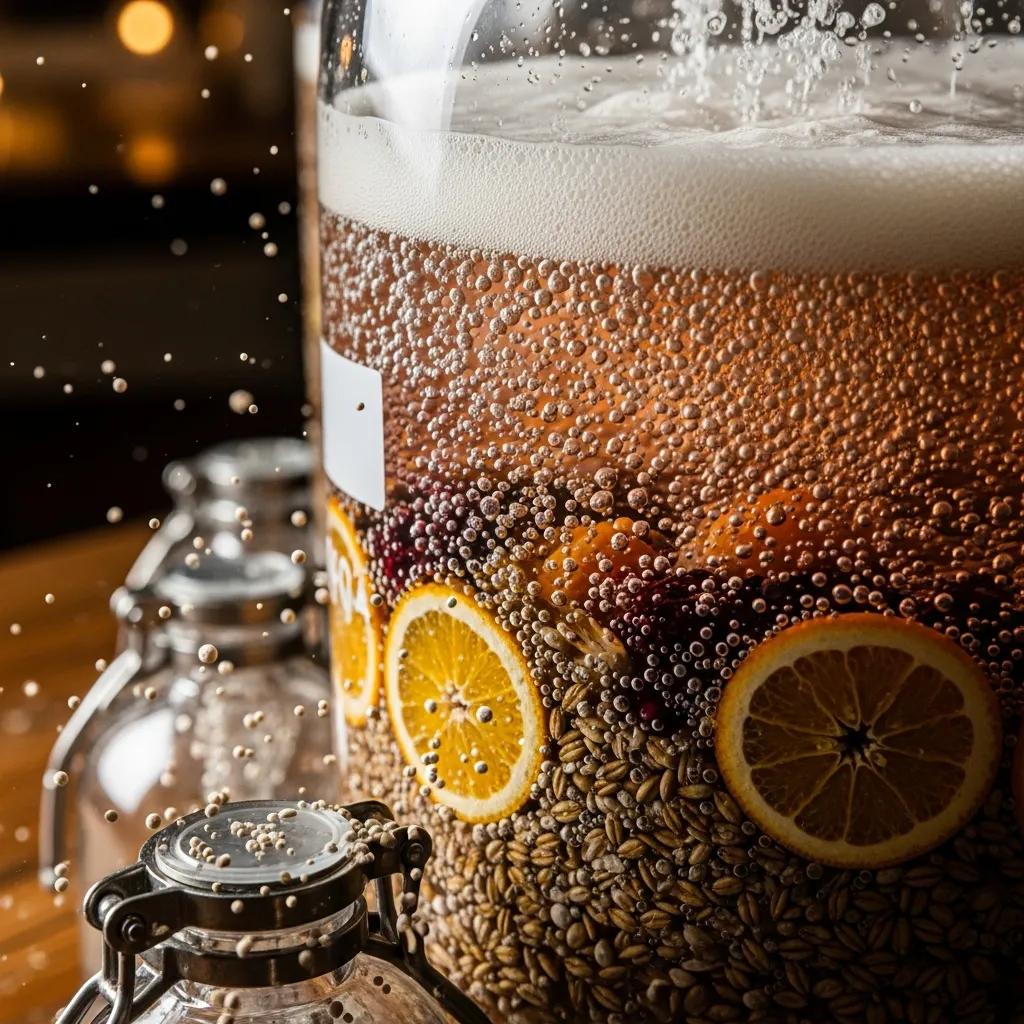
Fermentation defines much of a spirit’s eventual personality by producing congeners—esters, higher alcohols, acids and phenolics—that act as aroma and taste precursors for distillation and aging. Yeast strain and fermentation temperature are primary levers: some Saccharomyces strains yield fruity esters, while wild or phenolic strains contribute spicy, clove‑like notes. The substrate—grain, molasses or fruit—supplies the molecular building blocks. Time and oxygen exposure shift the balance of higher alcohols and organic acids, affecting mouthfeel, perceived sweetness and how congeners interact with wood in barrels. Producers often tailor a wash to a target style—a neutral wash for vodka minimizes congeners, while a whiskey wash retains congeners a pot still will carry forward—making fermentation strategy a direct input to final complexity and pairing potential.
In short, fermentation controls both efficiency and expressive range, and it guides subsequent choices in distillation and maturation that together form the spirit’s character.
What Is the Difference Between Fermentation and Distillation?
Fermentation is a biological process in which microorganisms convert sugars into ethanol and flavor compounds; distillation is a physical separation that concentrates ethanol and selectively transfers congeners according to volatility. Fermentation produces the ethanol‑containing wash and a complex mixture of congeners; distillation uses boiling‑point differences and reflux to enrich ethanol and decide which congeners follow into the final distillate. Put simply: fermentation brews the raw material; distillation refines it. Whiskey, for example, often retains more congeners through pot‑still cuts, while vodka achieves neutrality through repeated distillation or column rectification. Both steps are essential—fermentation provides the chemistry; distillation sculpts the sensory outcome.
A quick comparison:
- Fermentation: Biological conversion—produces ethanol and congeners.
- Distillation: Physical separation—concentrates ethanol and shapes the spirit.
Knowing this division helps producers decide when to preserve complexity and when to pursue purity, with direct consequences for style, yield and food pairing.
Which Types of Spirit Distillation Are Most Common?
Distillation approaches fall into three practical categories: pot stills (batch, flavor‑forward), column stills (continuous, high‑purity) and hybrid/reflux systems (adjustable balance between flavor and purity). Each changes how ethanol and congeners travel—simple vaporization and manual cuts in pot stills versus staged rectification and reflux in columns—so producers choose systems by desired character, throughput and regulatory factors. Contemporary craft distillers also use vacuum and fractional techniques to separate aromas at lower temperatures, preserving delicate esters while limiting thermal breakdown. The table below summarizes core differences and typical uses for common still types.
This overview explains why a distiller seeking a congeners‑rich malt will choose pot stills, while someone making a neutral gin base relies on column distillation. The method is both a technical and aesthetic decision that directs aging and blending choices downstream.
How Do Pot Stills and Column Stills Differ in Function?
Pot stills run in batches: a single charge is heated, vapors rise and condense, and the distiller makes sensory and ABV‑based cuts between heads, hearts and tails. That lower‑rectification approach preserves heavier congeners that give flavor, body and complexity—qualities prized in whiskey and rum. Column stills create many theoretical stages with plates or packing in a continuous pass, enabling much higher ethanol purity and precise reflux control. The core functional contrast—batch vapor/liquid equilibrium versus continuous staged separation—explains why pot stills favor character and column stills favor efficiency and neutrality, and why cut management differs greatly between the two.
Understanding these operational contrasts clarifies why certain spirit categories map naturally to specific still technologies.
What Are the Advantages of Each Distillation Method?
Each method offers trade‑offs in flavor, yield, cost and scale, so producers align technique with brand goals. Pot stills preserve congeners and deliver richer mouthfeel—ideal for aged spirits meant for tasting—but they are labor‑intensive and lower throughput. Column stills achieve higher ABV, better energy efficiency and continuous production suited to neutral spirit manufacture, though they can strip character if not used intentionally. Hybrid systems give craft distillers the flexibility to dial reflux and plates to get the desired balance. When choosing a method, weigh the intended sensory outcome, production scale and labeling rules to find the best compromise.
Key trade‑offs:
- Flavor preservation versus neutrality
- Batch flexibility versus continuous efficiency
- Capital and operating cost versus artisanal control
Those trade‑offs guide product lines—from small‑batch pot‑still whiskies to column‑distilled vodkas—each requiring different downstream aging and pairing approaches.
What Equipment Is Used in the Spirits Distillation Process?
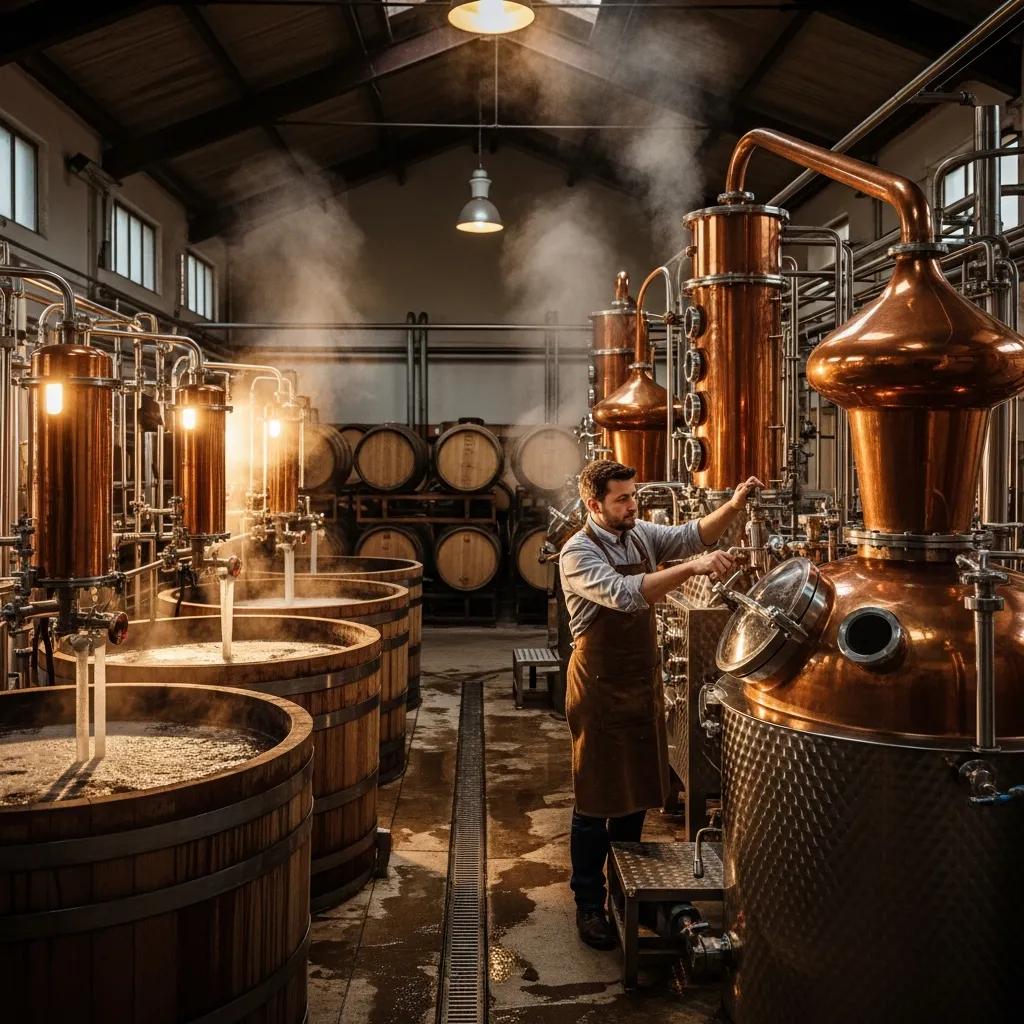
A contemporary distillery includes equipment for conversion, fermentation, distillation and maturation: mash tuns, lauter systems, fermentation vessels, pot stills or columns, condensers, spirit safes, proofing tanks and barrel warehouses. Each piece has a clear role—mash tuns convert starches, fermenters host yeast, stills concentrate ethanol, condensers return vapor to liquid and proofing tanks set bottle strength—forming a production chain where temperature and reflux control affect separation and flavor. Safety features, sanitary design and regulatory metering (spirit safes and alcohol meters) are essential, while PID controllers and automated monitoring bring consistency and efficiency.
Primary equipment and purpose:
- Mash Tun: Prepares fermentable wort using heat and enzymes.
- Fermenter: Hosts yeast conversion with controlled temperature and oxygen.
- Pot Still / Column: Concentrates ethanol and determines congeners carried forward.
- Condenser & Spirit Safe: Condenses vapor and secures measured distillate for cutting.
What Roles Do Pot Stills and Distillation Columns Play?
In the distillation room, pot stills and columns serve complementary roles. Pot stills are expressive tools for batch flavor shaping: distillers use sensory cues and ABV to keep desirable congeners and reject faults, producing spirits with layered aroma and texture. Columns offer staged rectification for precise ethanol separation, ideal for neutral bases or multi‑column setups that isolate specific congeners for blending. Cut points in pot stills rely on sensory and ABV cues; columns rely on plate configuration and reflux ratio. Both choices shape congeners, mouthfeel and how the spirit will age.
This operational logic explains why a wash might be routed through a pot still for character or a column for purity, then blended and matured to reach the final profile.
How Does Temperature Control Affect Distillation Efficiency?
Temperature control determines the vaporization order of ethanol and congeners, directly influencing separation quality, energy use and flavor retention. Precise management of boiling points and reflux lets distillers preferentially condense specific volatiles while discarding heads (low‑boiling off‑flavors) and tails (heavier ends), isolating the hearts prized for drinking. Modern PID controllers, variable steam pressure and vacuum distillation enable lower‑temperature separations that preserve delicate esters and aromatics while reducing thermal degradation. Energy‑efficiency and sustainability goals increasingly influence still design, prompting innovations that balance flavor outcomes with reduced fuel and water use.
In practice, a tight temperature strategy yields predictable cuts and more consistent product quality batch to batch.
How Are Spirits Aged and Matured to Develop Flavor?
Aging reshapes distillate chemistry through extraction of wood compounds, slow oxidation, esterification and concentration by evaporation (the “angel’s share”), softening ethanol and creating integrated aromatics and mouthfeel. Barrel interaction introduces vanillin, lactones, tannins and color; previous barrel fills (sherry, wine) add secondary flavors. Warehouse conditions and barrel position affect oxidation rates and temperature‑driven expansion, which change extraction speed. Together these processes move a spirit from bright and volatile toward rounded complexity—qualities that pair well with richer cuisine. The table below compares common barrel types, their effects and typical flavor contributions to help distillers and sommeliers predict maturation outcomes.
Use this comparison to choose barrels that match sensory goals—for example, sherry casks add dried‑fruit depth while new oak emphasizes vanilla and baking‑spice—guiding pairing decisions for specific dishes.
With barrel impacts in mind, the next step is to link matured spirit character to curated dining experiences.
What Impact Does Aging Duration Have on Spirit Profiles?
Time in wood progressively changes a spirit by increasing extraction of wood compounds, promoting slow oxidation and enabling reactions like esterification that build fruity and floral notes. Short aging (months to a few years) preserves original distillate volatility and brighter esters—useful when you want grain or botanical clarity. Medium aging (3–8 years) balances wood‑derived sweetness and tannin, adding body and complexity. Very long aging can yield deep tertiary notes—leather, tobacco, resin—but risks over‑extraction where tannin overwhelms delicate aromatics. Producers regularly sample and blend to avoid over‑aging and to craft consistent profiles suited to culinary pairings.
Active monitoring and blending prevent surprises and let producers tailor spirits for specific restaurant partnerships.
How Does Barrel Type Influence Spirit Characteristics?
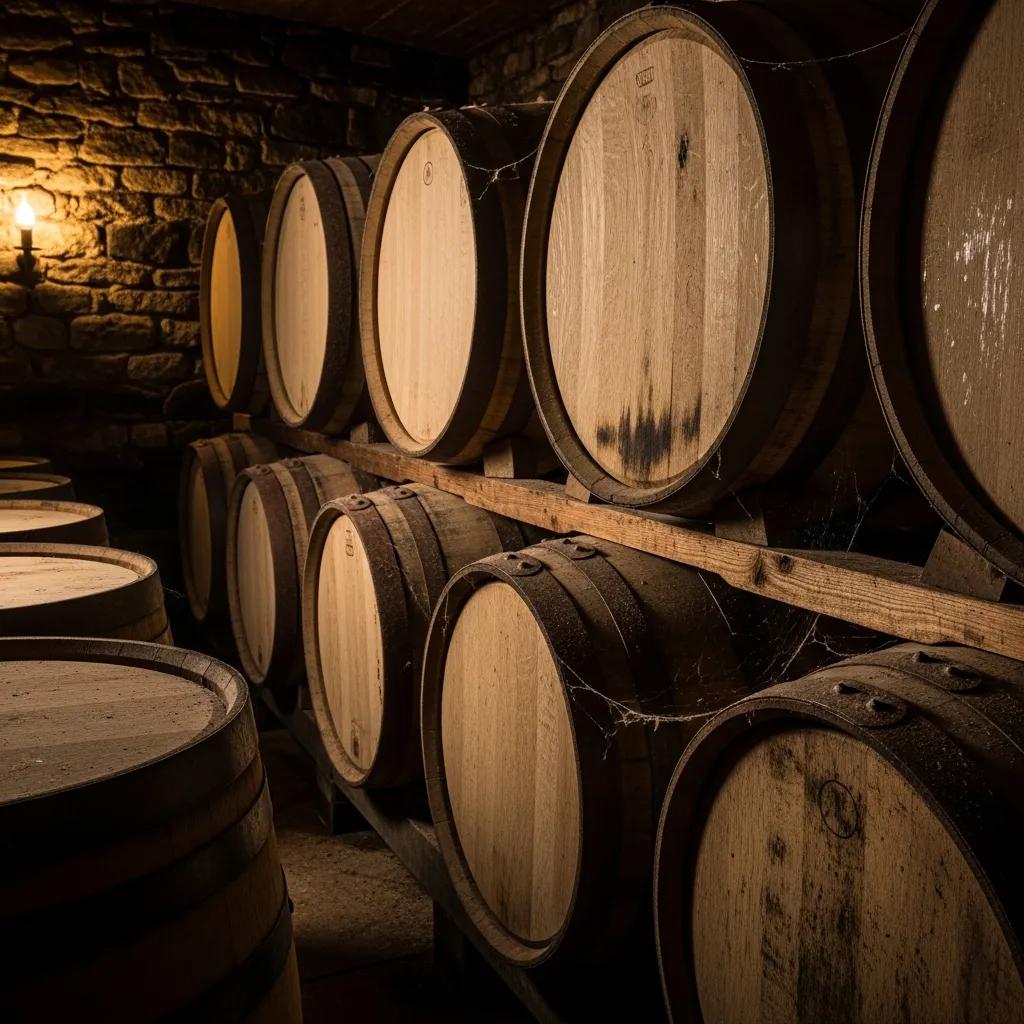
Barrel species, char or toast level and previous fill history control which soluble compounds move into the spirit and how quickly. American oak tends to contribute coconut and vanilla through lactones and vanillin; European oak brings spicier tannins and cedar‑like notes. Sherry‑ or wine‑seasoned casks carry residual esters and sugars that lend dried‑fruit and sweet accents. Char level affects surface caramelization and smoke interplay; toast levels favor different aromatic molecules. Distillers use these variables deliberately to reach sensory targets and to produce spirits that either harmonize with umami and fatty foods or provide contrast for delicate seafood.
Choosing barrel type is an intentional flavor‑engineering decision that informs pairing recommendations and tasting narratives.
How Can Spirits Be Paired with Fine Dining Experiences?
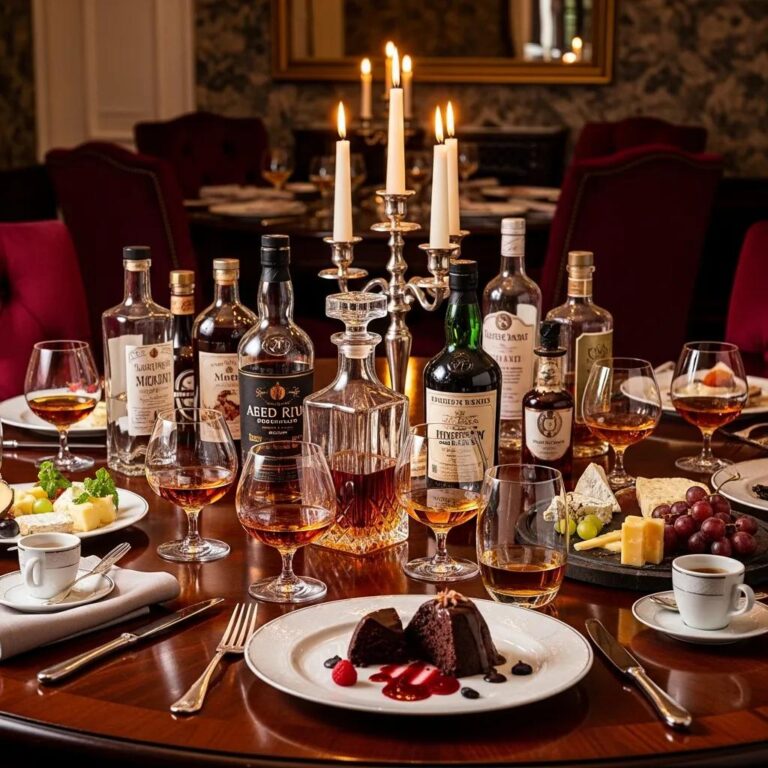
Pairing spirits with fine dining means matching intensity, finding complementary or contrasting flavor anchors, and considering texture and acidity to support the dish. A practical framework rests on three principles: match body/intensity; pair complementary notes (oak, vanilla, smoke); or create contrast (acidity or bitterness to cut fat). With Japanese cuisine and luxury ingredients, the goal is to honor umami and subtlety in early courses while allowing bolder aged spirits to partner with richer elements like A5 Wagyu or caviar. Glassware, serving temperature and the sequence from aperitif to digestif also shape perceived harmony between spirit and food.
Actionable mapping of spirit styles to menu components:
These examples show how distillation style (neutral versus congeners‑rich) and maturation guide complementary matches for texture and umami.
Practical checklist for service pairings:
- Match intensity: Ensure the spirit’s weight aligns with the dish’s richness.
- Seek complementary notes: Look for shared anchors like smoke, citrus or vanilla.
- Use contrast sparingly: Acidic or tannic spirits can refresh the palate between heavy courses.
Following these rules helps sommeliers and chefs craft sequences that elevate both food and spirit without overwhelming delicate flavors.
Which Spirits Complement Japanese Cuisine and Luxury Ingredients?
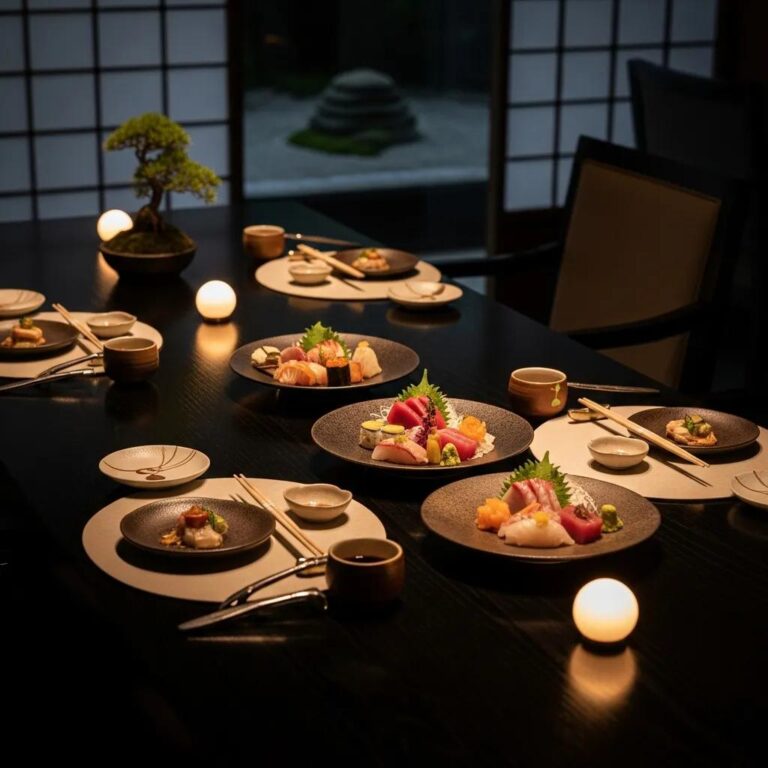
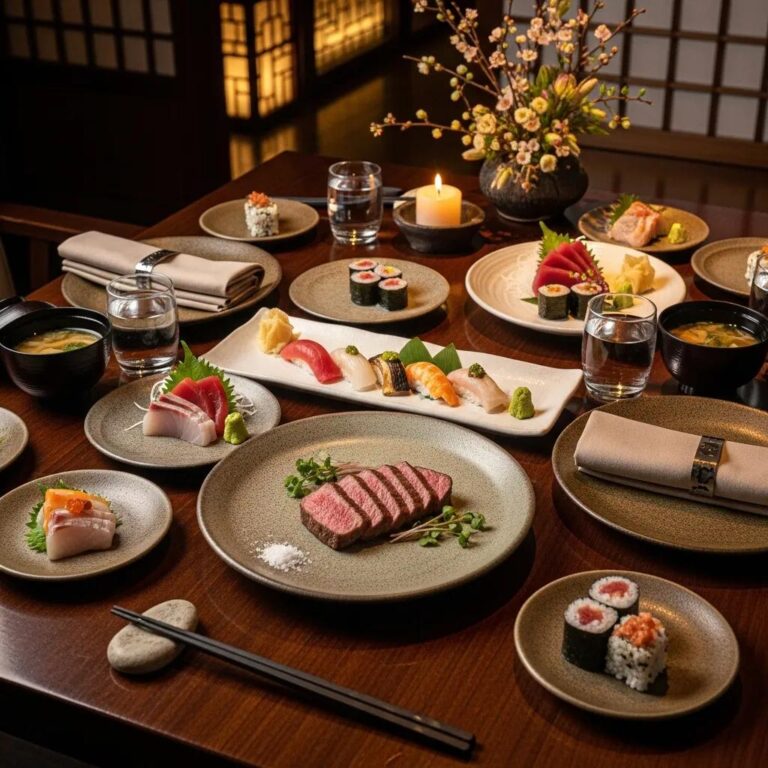
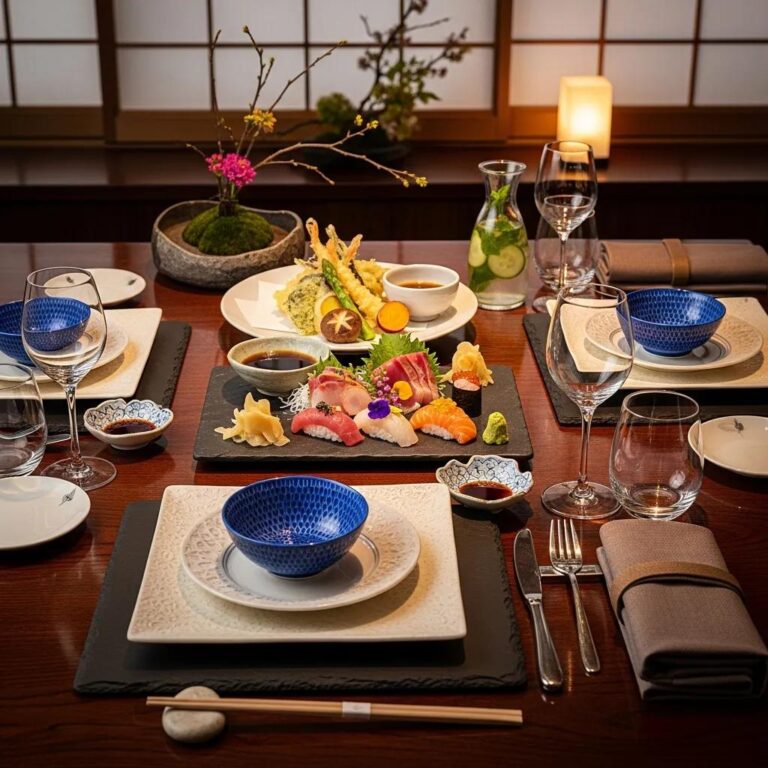
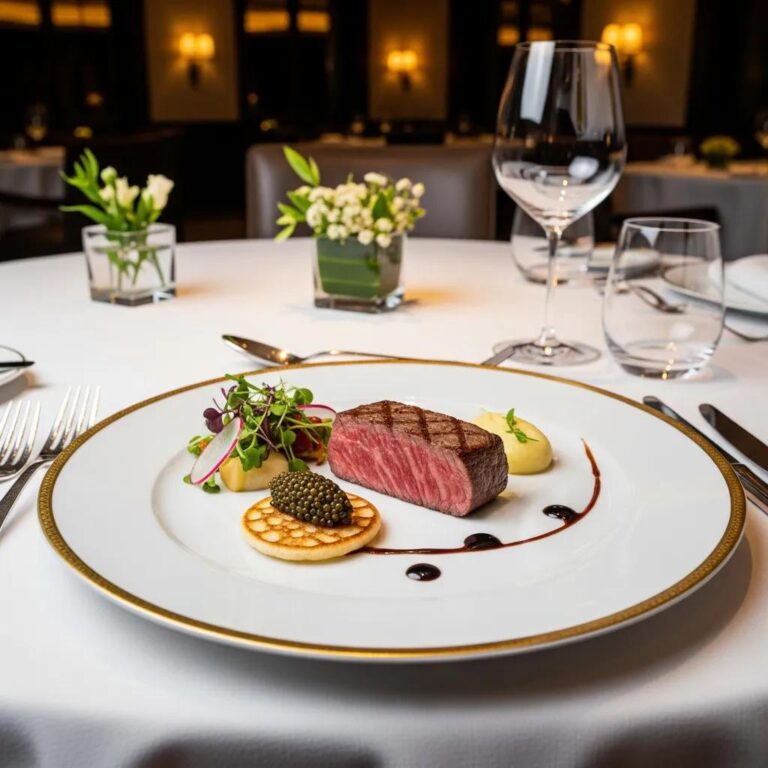
Pairing for Japanese fine dining starts by preserving delicate fish flavors early in the meal, then moving toward richer matches for grilled and fatty courses. For raw fish and subtle omakase, light, clean spirits—a crisp dry gin or a low‑esters rice spirit—add botanical lift without masking sushi umami. For A5 Wagyu, aged malt whiskies or sherry‑finished spirits with caramel and roasted‑nut notes work well because their toasted oak and savory‑sweet elements echo the meat’s char and fat. For caviar and briny preparations, high‑acid spirits, chilled sparklers or very clean vodka refresh the palate while highlighting saline nuances. These choices reflect how distillation and aging create textures and flavors that either mirror or balance Japanese ingredients.
Sequencing from delicate to robust preserves each course’s integrity while letting spirits add a complementary narrative to the meal.
How Does Distillation Affect Pairing Choices at Kaviar Restaurant?
Distillation style—whether a spirit is pot‑still and congeners‑rich or column‑distilled and neutral—directly shapes pairing strategy at Kaviar. Pot‑distilled expressions bring esters and heavier congeners that pair naturally with grilled or umami‑rich items like A5 Wagyu; column‑distilled, high‑purity spirits offer cleansing neutrality ideal for delicate sashimi or caviar courses. Kaviar’s culinary approach balances subtlety and luxury, so choosing a spirit that complements (shared oak or sweetness) or contrasts (acidity to cut fat) is essential. For an elevated experience, request pairings where maturation and still type are described alongside each course—this context deepens appreciation for why a particular spirit was chosen. When planning a special meal, reserve ahead so our beverage team can select cellar and barrel expressions that best match the tasting sequence.
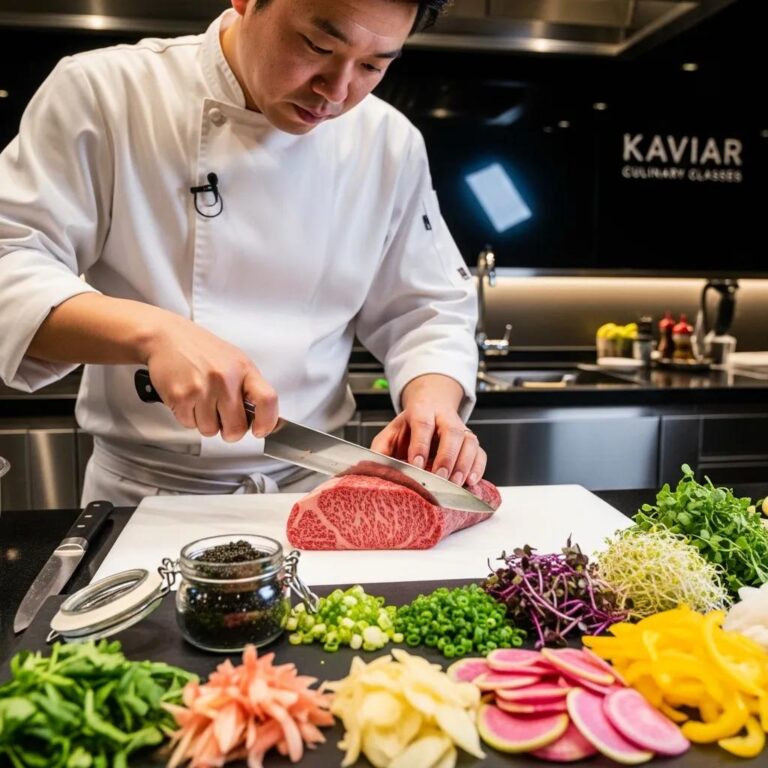
Kaviar Restaurant is a luxury Japanese fine dining establishment located in Pasadena, California, specializing in omakase, A5 Wagyu and caviar. Guests who want dedicated spirit pairings should mention this when reserving so the sommelier can prepare matched expressions from our cellar and barrel selection that highlight distillation and aging choices.
Kaviar Restaurant is a luxury Japanese fine dining establishment located in Pasadena, California, specializing in omakase, A5 Wagyu and caviar. To explore curated spirit pairings with a tasting menu, reserve a table and request beverage pairings in advance so the sommelier can align production styles and aging profiles with each course for an optimal sensory experience.
Frequently Asked Questions
What is the role of yeast in the fermentation process?
Yeast converts sugars into ethanol and carbon dioxide and produces congeners—aroma and taste compounds—during fermentation. Different strains and fermentation conditions change the balance of esters, higher alcohols and other congeners, so yeast choice, temperature and duration have a major influence on the spirit’s ultimate character. Knowing how yeast behaves lets distillers craft targeted flavor profiles.
How does the choice of fermentation vessel affect the process?
Fermentation vessel material and design affect temperature control, oxygen exposure and potential flavor extraction. Stainless steel offers a neutral, easy‑to‑control environment; wood can add subtle flavor and micro‑oxygenation; plastic is lightweight but less durable for long‑term use. Vessel size and shape also change yeast dynamics, so vessel selection contributes to the wash’s character and fermentation performance.
What are congeners, and why are they important in spirits?
Congeners are compounds—esters, higher alcohols, acids and phenolics—formed during fermentation and concentrated or removed during distillation. They give spirits aroma, flavor and mouthfeel. Whiskey, for example, retains more congeners for complexity; vodka aims to minimize them for neutrality. Understanding congeners helps distillers manage fermentation, make cut decisions and predict aging behavior.
What factors influence the aging process of spirits?
Aging is driven by barrel type, storage conditions and time. Wood species and char level determine which compounds (vanillin, tannins, lactones) are extracted; temperature and humidity in the warehouse affect oxidation and evaporation rates (the “angel’s share”). Regular sampling and environmental control allow distillers to reach desired flavor profiles consistently.
How do different barrel types affect the flavor of aged spirits?
Barrel species, char or toast level and previous contents change the spirit’s flavor. New American oak delivers lactones and vanillin (vanilla, coconut, caramel); European oak tends toward spicy tannins; sherry or wine casks bring dried‑fruit and nutty notes. Choosing the right barrel is a strategic decision that shapes complexity and pairing suitability.
What is the significance of proofing in the distillation process?
Proofing adjusts the spirit’s ABV before bottling and affects flavor perception and mouthfeel. Higher proof often shows bolder flavor and structure; lowering the proof can soften the spirit and make it more approachable. Proofing also ensures compliance with labeling and legal requirements and helps producers present the spirit as intended for sipping or mixing.
How can consumers evaluate the quality of spirits?
Quality assessment looks at aroma, flavor complexity, balance, mouthfeel and finish. Visual cues—color and viscosity—offer hints about maturation and richness. Knowing production methods (fermentation, still type, aging) adds context. Tastings with informed staff or distillery visits are valuable ways to learn what to look for and to refine personal preferences.
Conclusion
Grasping the distillation process—how fermentation creates precursors, how distillation sculpts them and how aging refines them—deepens appreciation for spirit-making and how those choices support fine dining. Producers use these techniques to craft spirits that enhance meals; diners and sommeliers use the same knowledge to choose better pairings. Explore our resources to keep learning, and reserve a table at Kaviar Restaurant to experience thoughtfully paired spirits alongside our omakase and A5 Wagyu offerings.