




Understanding Wine Varietals — A Practical Guide to Common Grapes and How They Taste
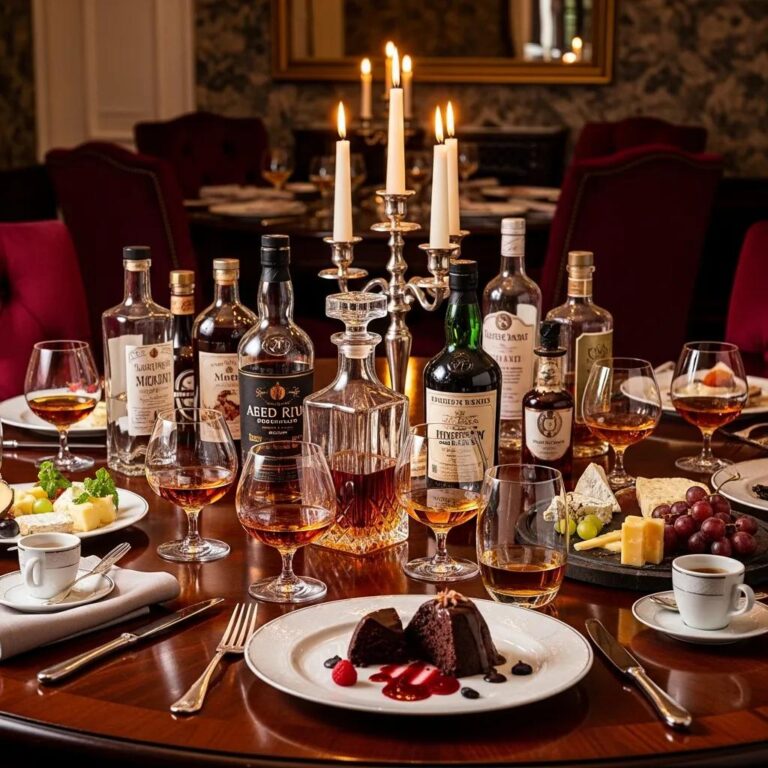
When we talk about wine varietals we mean wines made primarily from a single, named grape—each carrying its own flavor, structure and aromatic signature shaped by grape chemistry and winemaking decisions. This guide breaks down how familiar grapes (think Cabernet Sauvignon or Chardonnay) influence acidity, tannin, body and aroma, then shows straightforward ways to pair those traits with food—especially Japanese fine dining. You’ll find clear profiles of major red and white varietals, a primer on terroir, and practical pairing tips for dishes like A5 Wagyu and caviar. We also compare emerging grapes and Old World versus New World styles so you can choose by the glass or talk confidently with a sommelier. Finally, we tie everything back to an in‑room experience in Pasadena, where a sommelier‑curated list can elevate an omakase or fine-dining reservation. With these basics, ordering and pairing become simpler — and more enjoyable.
What Are Wine Varietals and Why Do They Matter?
A wine varietal is a wine made mostly from one grape variety, and it matters because the grape’s components—skin, pulp, seeds and stems—drive flavor, texture and aging potential. Those biological traits, combined with winemaking choices, create reliable sensory cues that help you predict acidity, tannin, body and aroma when selecting a bottle or glass. Knowing varietal profiles improves pairings, clarifies how terroir reshapes expression, and helps you choose wines that complement umami‑forward cuisine. For both diners and sommeliers, a basic grasp of varietals reduces guesswork at the table and deepens appreciation for how grapes interact with food. The next sections unpack key terms and the sensory mechanics behind varietal character.
What Is the Difference Between Grape Variety and Wine Varietal?
“Grape variety” names the vine itself (for example, the Cabernet Sauvignon vine). “Wine varietal” describes a wine made predominantly from that grape and the flavor profile it expresses. That distinction matters on a wine list: the grape signals the raw flavor building blocks, while the varietal wine reflects both grape traits and winemaking choices like oak aging or malolactic fermentation. Understanding this difference helps you read labels, ask sharper questions of a sommelier, and turn a wine list into a practical pairing tool instead of a source of confusion.
How Do Wine Varietals Influence Flavor, Aroma, and Texture?
A grape’s influence on flavor, aroma and texture comes from physical and chemical traits—skin thickness (tannin potential), pulp sugar (alcohol and fruitiness), and aromatic precursors (esters, thiols)—plus fermentation and aging decisions that amplify or soften those qualities. Thick‑skinned reds tend to yield higher tannin and deeper color, lending structure that stands up to rich proteins; thin‑skinned varieties usually produce lighter bodies and brighter aromatics that suit delicate seafood. Understanding these mechanisms explains why some varietals age gracefully, why others lean floral or herbaceous, and how choices like oak contact change mouthfeel. With that framework, we move into profiles of the major red varietals and how to apply these principles at the table.
What Are the Most Popular Red Wine Grape Varietals and Their Characteristics?
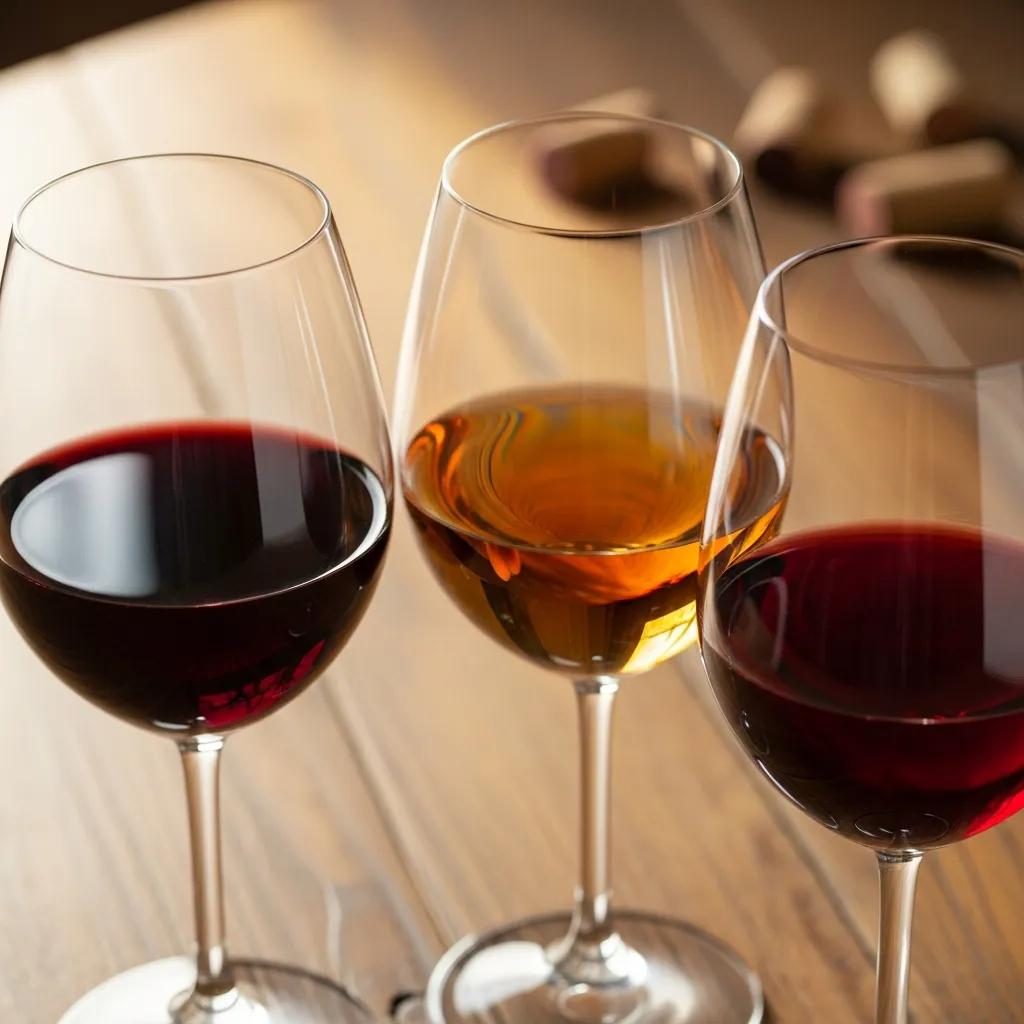
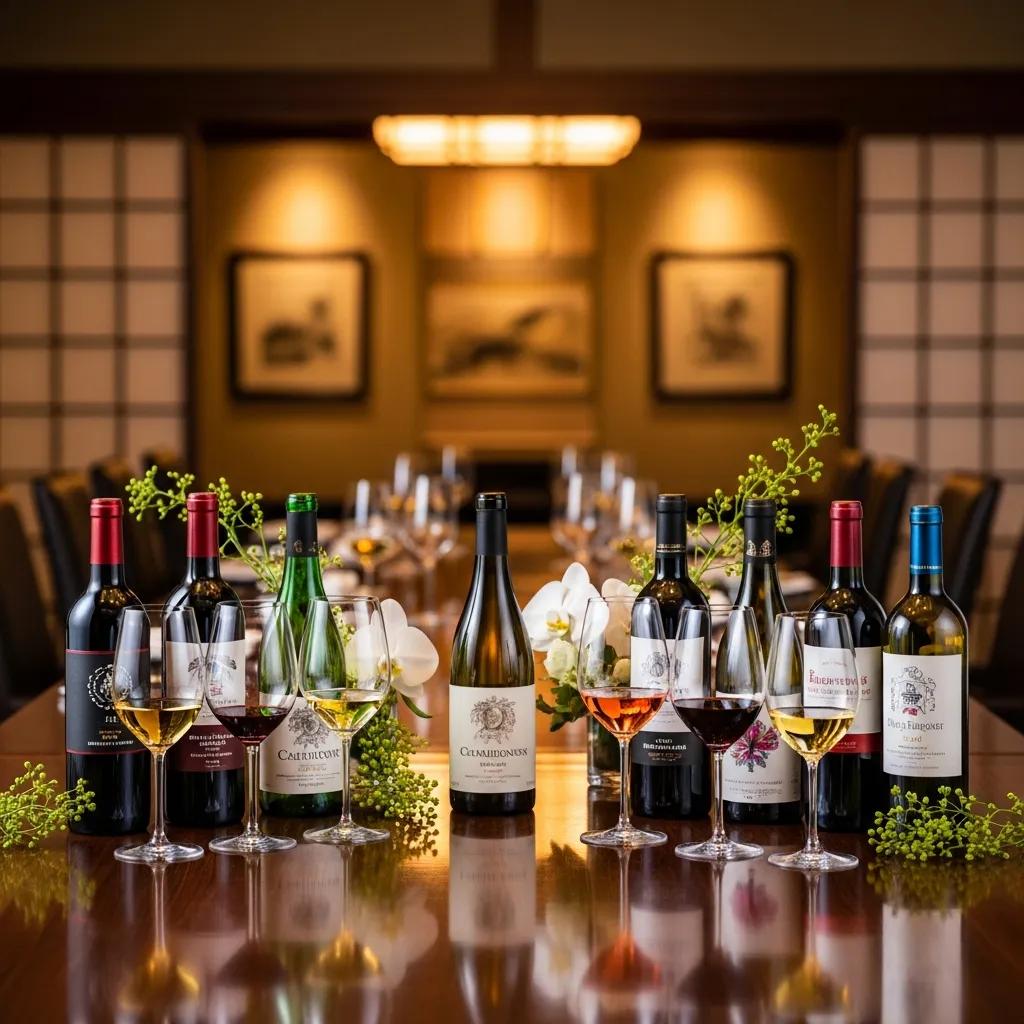
Red varietals vary in body, tannin and flavor focus; recognizing those differences makes it easier to choose wines that match the intensity and texture of a dish. Below are concise profiles and typical regions to help diners and sommeliers find harmony at the table. After these notes, a quick comparison table offers an at‑a‑glance pairing reference.
- Cabernet Sauvignon: Full body, pronounced tannin, black‑fruit and cedar notes; classic in Bordeaux and Napa.
- Pinot Noir: Light to medium body, bright acidity, red‑fruit and earthy aromas; emblematic of Burgundy and cooler New World sites.
- Merlot: Medium body, softer tannins, plush plum and chocolate nuances; common in Bordeaux blends and California bottlings.
- Syrah/Shiraz: Medium to full body, peppery spice with dark fruit and savory undertones; notable in the Rhône and Australia.
- Tempranillo & Sangiovese: Medium body, savory cherry or tobacco notes and moderate tannin; central to Rioja and Tuscany.
These short notes prepare you to match reds with richer proteins and umami dishes. The table below compares structure and flavor across these grapes.
That comparison shows how structure and flavor guide pairing: tannic Cabernets work with fatty, protein‑rich dishes while lighter Pinots suit more delicate fare. The next sections look closely at two cornerstone reds and offer practical pairing cues.
What Defines Cabernet Sauvignon: Flavor Profile and Growing Regions?
Cabernet Sauvignon is marked by concentrated black‑fruit flavors (blackcurrant), firm tannins and a natural affinity for oak—cedar and spice notes that add shape and aging potential. Those traits come from thick skins and high phenolic concentration, which is why Cabernet pairs so well with richly marbled red meats: tannin interacts with fat to soften perception and round the palate. Bordeaux and Napa produce different expressions—Old World restraint versus New World ripeness—so match the wine’s style to the dish’s intensity. For heavily marbled steak or Wagyu, an oak‑influenced, structured Cabernet can provide a satisfying counterpoint; for leaner preparations, a younger, fruit‑forward example is often preferable. Consider decanting and serving temperature to get the most out of the pairing.
How Does Pinot Noir Pair with Food and What Are Its Key Attributes?
Pinot Noir is prized for its clarity—red‑fruit aromatics, supple acidity and modest tannin—making it unusually versatile with fish, poultry and earthy preparations that heavier reds would overwhelm. The grape’s thin skin and sensitivity to terroir yield wines that can be floral and silky or, in cooler sites, savory and mineral; those style differences affect pairing choices. Because Pinot balances acidity with gentler tannins, it complements subtle umami and delicate fats—think roasted salmon or lightly seared tuna—without dominating texture or flavor. Regional expressions, from Burgundian earthiness to New World fruitiness, give diners options when they want a red that harmonizes with refined cuisine rather than overpowers it.
Which White Wine Grape Varietals Are Most Common and What Are Their Profiles?
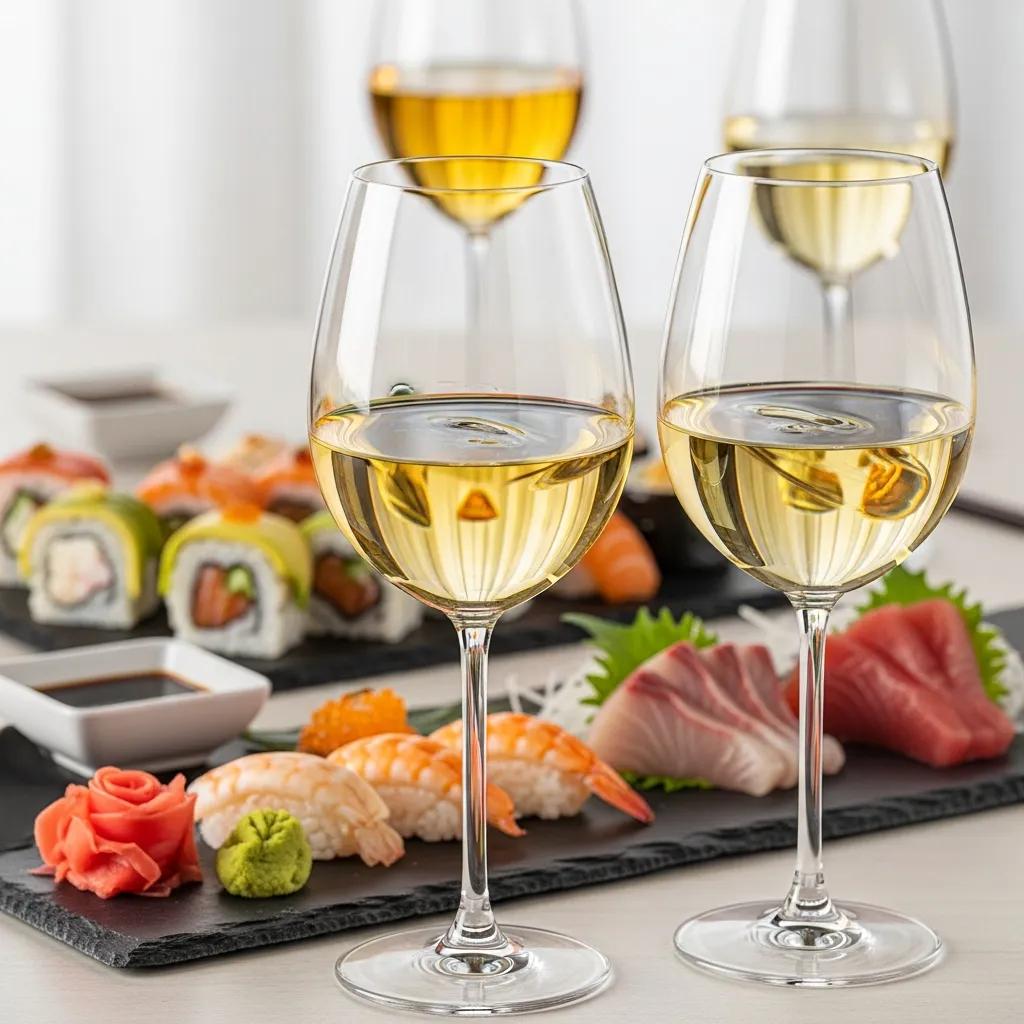
White varietals tend to emphasize acidity, aromatics and minerality—qualities that pair naturally with seafood and umami‑rich Japanese preparations. This section profiles the key whites and includes a table linking acidity and aroma to practical pairings, so you can select wines that refresh the palate and showcase delicate textures in sashimi and shellfish.
- Chardonnay: From unoaked, citrus‑bright styles to oaked, buttery examples—very versatile with seared and richer preparations.
- Sauvignon Blanc: High acidity with citrus and herbaceous aromas—ideal for shellfish and acid‑cleansing pairings.
- Riesling: High acidity with floral and stone‑fruit notes—available from bone‑dry to off‑dry to suit spicy or sweet‑savory dishes.
- Pinot Grigio/Gris: Light, crisp and sometimes slightly spicy—approachable with lighter seafood.
- Chenin Blanc: High acidity with a broad texture range—useful when you want minerality and structure.
These profiles show why acidity and aroma are central to white wine pairings. The table below matches varietal attributes to common dishes for easy reference.
This quick reference clarifies selections for seafood and Japanese flavors and leads into focused notes on Chardonnay styles and Sauvignon Blanc’s compatibility with seafood.
What Are the Flavor Notes and Pairing Suggestions for Chardonnay?
Chardonnay tends to fall into two stylistic poles: unoaked (bright, mineral) and oaked (richer, buttery). Oak contact, malolactic fermentation and lees aging drive those differences. An unoaked Chardonnay highlights citrus and green‑apple acidity that cleanses the palate and supports lighter seafood, while an oaked example brings creaminess that pairs with buttered or seared shellfish. In Japanese fine dining, an unoaked or lightly oaked Chardonnay is a strong match for seared hotate (scallops) and miso‑glazed dishes where acidity helps balance umami and richness. When ordering, look for descriptors like “oaked” or “buttery” to align the wine’s texture with the dish’s fat and sauce profile.
How Does Sauvignon Blanc Complement Seafood and Japanese Cuisine?
Sauvignon Blanc works with seafood and Japanese cuisine because of its high acidity, citrus freshness and often herbaceous or mineral aromatics that lift sashimi and cut through umami. Its acid‑cleansing effect refreshes the palate between bites, while aromatic intensity pairs well with citrusy or zesty garnishes. Typical matches include oysters, seasonal sashimi and citrus‑accented shellfish—situations where the wine’s bright profile enhances brine and oceanic flavors. If you want a matched experience, ask for a sommelier‑recommended Sauvignon Blanc by the glass to accompany oysters or sashimi; reservations to sample these pairings are available via phone, Resy, or OpenTable.
How Can You Pair Wine Varietals with Japanese Fine Dining?
Pairing wine with Japanese fine dining is about balancing acidity, tannin and texture against umami, fat and delicate flavors. The right varietal either contrasts or complements to achieve harmony. Core principles include using acidity to refresh the palate, matching body to dish intensity, and managing tannin‑fat interactions when full‑bodied reds meet rich proteins. Below are practical rules to use at the table, followed by a table pairing varietals with Kaviar Restaurant’s signature dishes so you can translate knowledge into memorable tastings.
- Match intensity: Lighter wines for delicate sushi; fuller wines for richer, grilled items.
- Use acidity: Choose high‑acid whites or sparkling wines to cut through soy, citrus and fat.
- Balance tannin: Avoid high tannin with delicate fish; reserve tannic reds for fatty, marbled beef.
- Consider texture: Silky Pinot Noir or a restrained Chardonnay pairs beautifully with creamy sauces or Uni Pasta.
These practical rules prepare you for direct varietal‑to‑dish recommendations, useful when selecting wines to accompany signature plates.
What Are the Best Red Wine Pairings for A5 Wagyu and Other Signature Dishes?
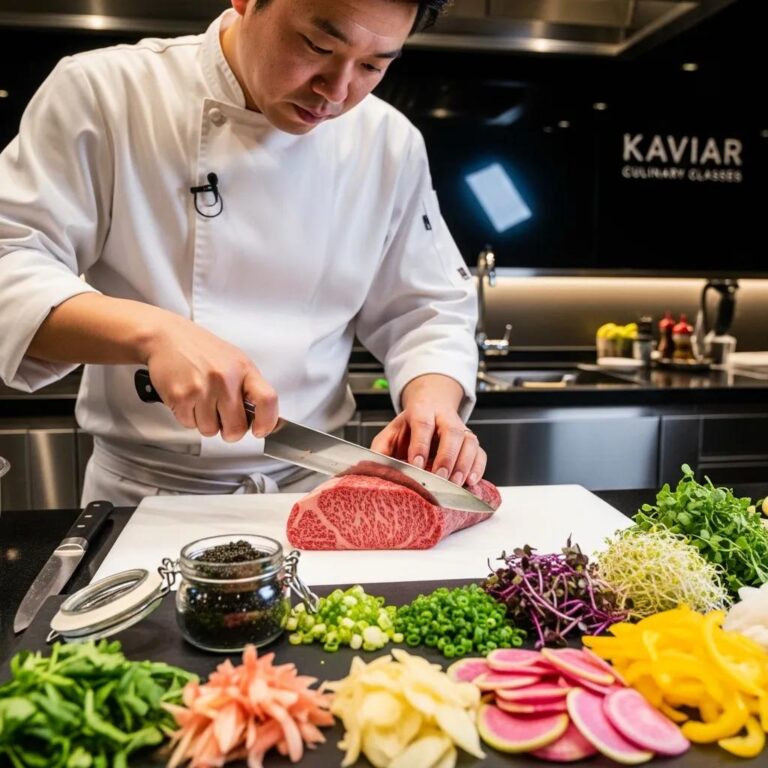
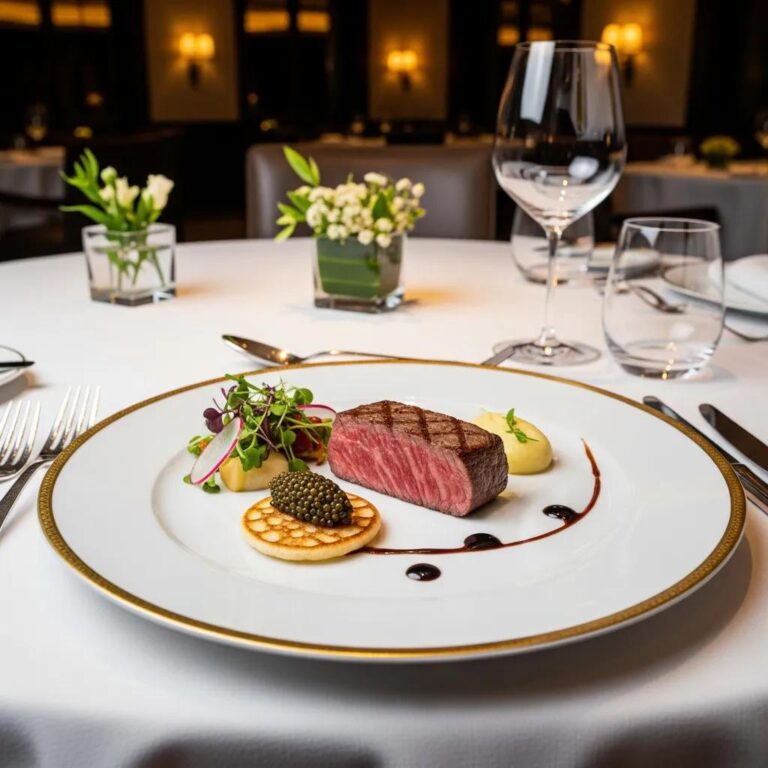
Full‑bodied, structured reds—Cabernet Sauvignon or savory Syrah, for example—pair well with A5 Wagyu because tannins and concentrated flavors interact with the beef’s marbling to create a balanced mouthfeel. Tannin binds with fat and softens on the palate while dark fruit and oak spice echo the beef’s caramelized crust and umami. For preparations with less marbling or with grilled vegetables, a Syrah with peppery, savory notes can mirror char and spice. Service tips: gently decant very young, tannic wines and serve reds a touch cooler than usual to keep them fresh and focused. These small choices help turn a single dish into a harmonious course.
Which White Wines Enhance Sushi, Sashimi, and Caviar Experiences?
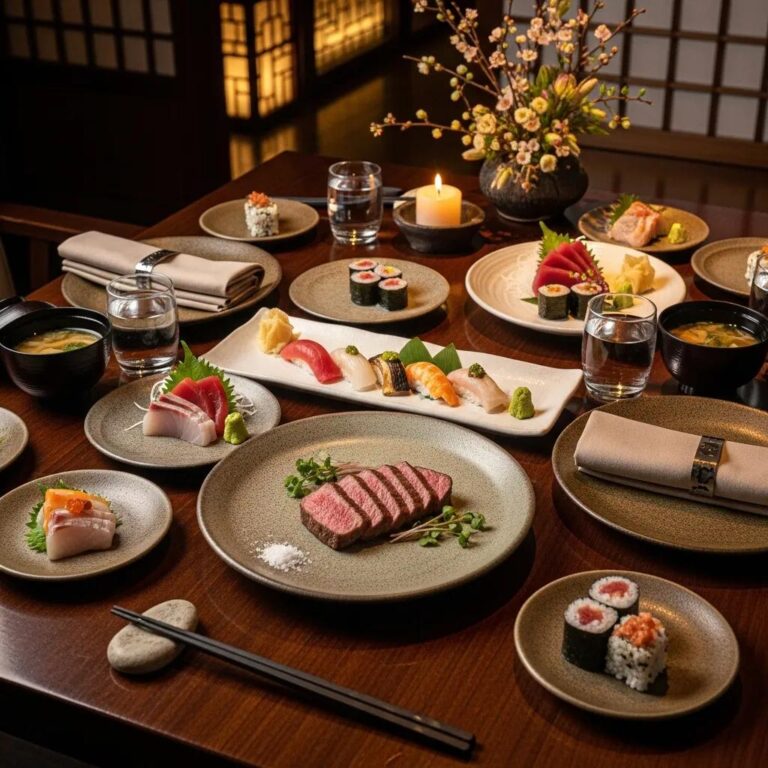
Sparkling wines and high‑acid whites—Sauvignon Blanc, unoaked Chardonnay and certain dry Rieslings—bring lift, minerality and cleansing acidity that accentuate brine and delicate textures. Champagne‑style bubbles are especially effective with caviar because effervescence and acidity highlight subtle salinity and refresh the palate. Unoaked whites allow the natural flavors of fish to shine. For richer seafood like Uni Pasta, consider a fuller‑bodied unoaked Chardonnay or a restrained Riesling to match creaminess without clashing. At an upscale venue, ask for a sommelier‑curated by‑the‑glass option to ensure the wine aligns with your sushi course; reservations via phone, Resy or OpenTable will secure the experience.
What Are Key Factors Affecting Wine Grape Varietals: Terroir, Acidity, and Tannins?
Terroir, acidity and tannins are the core variables shaping a varietal’s final voice: terroir (soil, climate, aspect) influences ripeness and aromatics, acidity provides freshness and backbone, and tannins give mouthfeel and aging potential. These interacting elements explain why the same grape can express very differently across regions and why winemakers adapt vineyard and cellar techniques to emphasize chosen traits. For diners, recognizing terroir‑driven differences helps predict whether a wine will read mineral, fruity or savory, and guides pairing decisions. The following sections unpack terroir’s role and how acidity and tannin affect pairing and texture.
How Does Terroir Impact the Taste and Quality of Wine Grapes?
Terroir covers soil composition, microclimate, altitude and aspect—all factors that shape vine vigor, berry concentration and the aromatic precursors that give a varietal its nuance. Cooler sites slow ripening, preserving acidity and aromatic lift; warmer sites push sugar and body toward riper fruit flavors. Soil minerals and drainage influence vine stress and concentration, often perceived as minerality or intensity in the finished wine. Understanding terroir lets diners and sommeliers read label cues—like region names—and anticipate whether a varietal will present bright acidity or plush ripeness, which then informs pairing choices for nuanced cuisine.
The interplay of these environmental factors is crucial in shaping the final wine.
Influence of Climate, Soil, and Cultivar on Terroir in Wine Production
The three main components of terroir—soil, climate, and cultivar—were studied together. Vine development and berry composition of non‑irrigated Vitis vinifera L. (Merlot, Cabernet franc and Cabernet Sauvignon) were compared across a gravelly soil, a soil with heavy clay subsoil, and a sandy soil with a reachable water table. Climate effects were assessed by year‑to‑year variations in maximum and minimum temperatures, degree days (base 10°C), sunshine hours, reference evapotranspiration (ETo), rainfall and water balance for 1996–2000. Climate and soil had highly significant effects on vine behavior and berry composition (for example, anthocyanin concentration), and their impacts often exceeded that of cultivar. Many variables correlated with vine water stress, suggesting climate and soil influence fruit quality largely through their effect on water availability.
Influence of climate, soil, and cultivar on terroir, C Van Leeuwen, 2004
What Role Do Acidity and Tannins Play in Red and White Wine Profiles?
Acidity and tannins form a wine’s structural backbone and tactile impression: acidity brings lift and palate‑cleansing power—useful with salt and fat—while tannins add grip and aging potential and tend to soften when paired with protein‑rich foods. In whites, higher acidity yields brightness and versatility with seafood and tart sauces; in reds, tannin level determines whether a wine suits delicate fish or hearty meats. For service, match high‑acid whites with sushi and sashimi and keep tannic reds for marbled beef or heavily sauced dishes. These structural rules also inform serving temperature and decanting so the wine’s architecture supports the menu.
How Can You Explore and Understand Lesser-Known Wine Grape Types?
Trying lesser‑known varietals expands pairing possibilities and reveals flavor profiles that can pair exceptionally well with Japanese cuisine. Approach this with small pours, sommelier guidance or side‑by‑side comparisons to reduce risk while discovering new favorites. The short list below offers practical tactics, followed by examples of intriguing regional grapes and an Old World vs New World overview.
- Ask for small pours: Sample unfamiliar varietals by the glass to evaluate pairing potential without committing to a bottle.
- Seek sommelier guidance: A sommelier can match unique varietals to specific dishes and textures.
- Compare side-by-side: Tasting Old World and New World versions highlights stylistic differences that inform pairing choices.
These approaches help diners build confidence when trying new grapes and lead into examples of regional varietals worth exploring.
What Are Emerging and Regional Varietals Worth Discovering?
Several lesser‑known grapes offer distinct flavors and pairing potential: Albariño brings bright acidity and saline minerality ideal for shellfish; Assyrtiko shows high acid and volcanic minerality that pairs beautifully with briny seafood; Graciano and Aglianico are savory, structured reds that stand up to richer umami dishes. Sampling these grapes by the glass or in sommelier‑led flights reveals how local viticulture and native yeasts shape aromatic complexity and texture, and lets you test pairings without committing to a full bottle—encouraging culinary exploration that complements the dining experience.
How Do Wine Grape Varietals Differ Between Old World and New World Wines?
Old World wines (Europe) often emphasize terroir, restraint and higher acidity, producing subtle, mineral or savory expressions. New World wines tend to showcase riper fruit, fuller body and oak influence—bolder styles that suit richer or more intensely flavored dishes. An Old World Pinot Noir or Chardonnay may favor subtlety and pair well with delicate plates; a New World counterpart may offer fruit‑forward richness better matched to heartier or spiced foods. Understanding these stylistic contrasts helps you request the right expression from a sommelier or select by‑the‑glass options that follow your course progression.
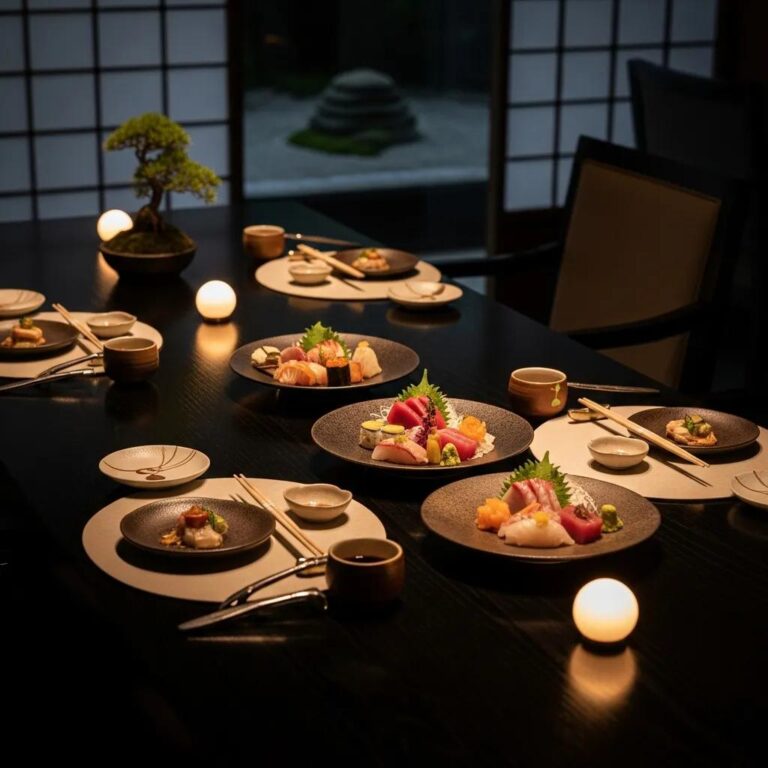
For those who want to taste these curated pairings in person, Kaviar Restaurant in Pasadena, CA offers a sommelier‑curated wine list designed to complement signature dishes such as A5 Wagyu, Exquisite Kaluga caviar, Toro Tartare with 24k gold, and Uni Pasta. Reservations are available by phone, Resy or OpenTable to experience these pairings firsthand.
Wine varietals offer a practical roadmap for confident ordering and satisfying pairings. By using acidity, tannin and terroir as your guide, you’ll unlock richer dining moments. For an elevated, sommelier‑led pairing with premium Japanese ingredients in Pasadena, consider reserving a tasting via phone, Resy or OpenTable.
Frequently Asked Questions
What is the significance of terroir in wine varietals?
Terroir is a major factor in a wine’s character. It combines soil, climate and location to influence vine growth and grape composition. Cooler climates tend to preserve acidity and aromatic detail; warmer regions push ripeness and body. Knowing a wine’s terroir helps you anticipate flavor and structure, and makes pairing choices more intentional.
How can I identify the best wine varietals for specific dishes?
Start with the dish’s intensity, texture and dominant flavors. High‑acid whites like Sauvignon Blanc brighten seafood; full‑bodied reds like Cabernet Sauvignon stand up to rich meats. When in doubt, ask a sommelier or use a pairing guide to get tailored recommendations that enhance the meal.
What are some lesser-known wine varietals that pair well with Japanese cuisine?
Try Albariño for shellfish, Assyrtiko for briny seafood, and savory reds like Graciano or Aglianico with umami‑forward dishes. Ordering these by the glass or in a flight makes experimentation low‑risk and often very rewarding.
How do wine varietals differ in Old World versus New World wines?
Old World wines (Europe) often favor restraint, terroir expression and higher acidity, while New World wines typically emphasize ripe fruit, fuller body and oak influence. This stylistic split affects pairings: Old World choices tend to suit delicate preparations; New World wines pair well with richer, more robust flavors.
What role do acidity and tannins play in wine selection?
Acidity gives a wine lift and cleanses the palate, ideal with fatty or salty foods. Tannins add grip and structure and usually soften when paired with protein. Consider these elements to ensure the wine complements, rather than competes with, the dish.
How can I enhance my wine tasting experience at a restaurant?
Ask for sommelier recommendations based on your menu choices, try small pours to compare varietals, and pay attention to serving temperature and decanting—small service adjustments can change a tasting dramatically. Conversation with staff often leads to memorable discoveries.
Conclusion
Understanding wine varietals gives you the tools to choose wines that elevate your meal—especially with Japanese fine dining. By focusing on acidity, tannin and terroir, you can confidently pair wines that complement delicate flavors and rich umami. Exploring lesser‑known varietals further expands your pairing options and deepens the dining experience. For a curated tasting with sommelier guidance, consider reserving at Kaviar Restaurant to discover these pairings in person.