




Why Guests Choose Kaviar Pasadena for Luxury Dining and Special Events
Kaviar positions itself as a destination for luxury Japanese dining and thoughtfully staged special events in Pasadena, combining chef-driven cuisine with an intimate, elevated setting. In this article you will learn why guests prioritize quality ingredients and precise technique when choosing an upscale sushi or Japanese fusion experience, how venue design and sightlines shape memorable occasions, and what to expect from curated omakase and beverage pairings that elevate a night out into an event. Many diners and planners wrestle with choosing a venue that balances exceptional food, private atmosphere, and beverage curation; this guide breaks down those decision factors and shows how they work together. We’ll walk through core differentiators, private dining arrangements and example packages, the omakase journey, beverage pairing strategies (especially sake), the chef’s sourcing and technique priorities, and common guest impressions that drive repeat reservations. Throughout, the focus is on practical guidance for guests seeking upscale sushi Pasadena and Japanese fine dining experiences, with concise references to Kaviar’s offerings—sushi, Japanese fusion, omakase tasting menus, private events, and a curated sake program—as real-world proof points that illustrate each point.
What Makes Kaviar the Premier Luxury Japanese Dining Experience in Pasadena?
Kaviar’s luxury positioning rests on four interlocking elements: cuisine quality, sensory ambiance, curated beverage choices, and attentive service that together create a distinct fine-dining proposition. High-end Japanese dining emphasizes precision in technique and ingredient integrity, which produces clear taste contrasts and the delicate texture work diners expect from upscale sushi Pasadena. The result is a dining environment that feels purposeful and refined, where each course amplifies occasion-worthiness rather than merely filling appetite. Below are the primary differentiators guests cite when choosing a luxury Japanese dining experience in Old Pasadena.
Kaviar’s specific combination of offerings supports these differentiators without overshadowing the experiential account; the restaurant is known for exquisite sushi and Japanese fusion, chef-led omakase tasting menus, a curated sake and beverage program, and a peaceful upstairs environment with bird’s-eye views of Raymond Avenue and the historic Old Pasadena streetscape. These attributes act as proof points for why guests select Kaviar for both intimate dinners and celebratory events, and they set expectations for the dining sequence described in the next subsection.
Kaviar stands apart for several key reasons:
- Ambiance and vantage: an upstairs, cozy room that frames Raymond Avenue and Old Pasadena for intimate, elevated dining.
- Cuisine and craft: chef-driven sushi, refined fusion dishes, and omakase tasting menus that emphasize seasonal seafood and precise technique.
- Beverage curation: a curated sake program and thoughtful pairings that complement delicate flavors and richer fusion preparations.
- Service and exclusivity: attentive pacing, personalized interactions, and event-ready flexibility for private dining.
These differentiators inform the restaurant’s dish composition and service cadence, which we explore next by looking at how the upscale sushi and fusion menu signals premium quality.
How Does Kaviar’s Upscale Sushi and Japanese Fusion Stand Out?
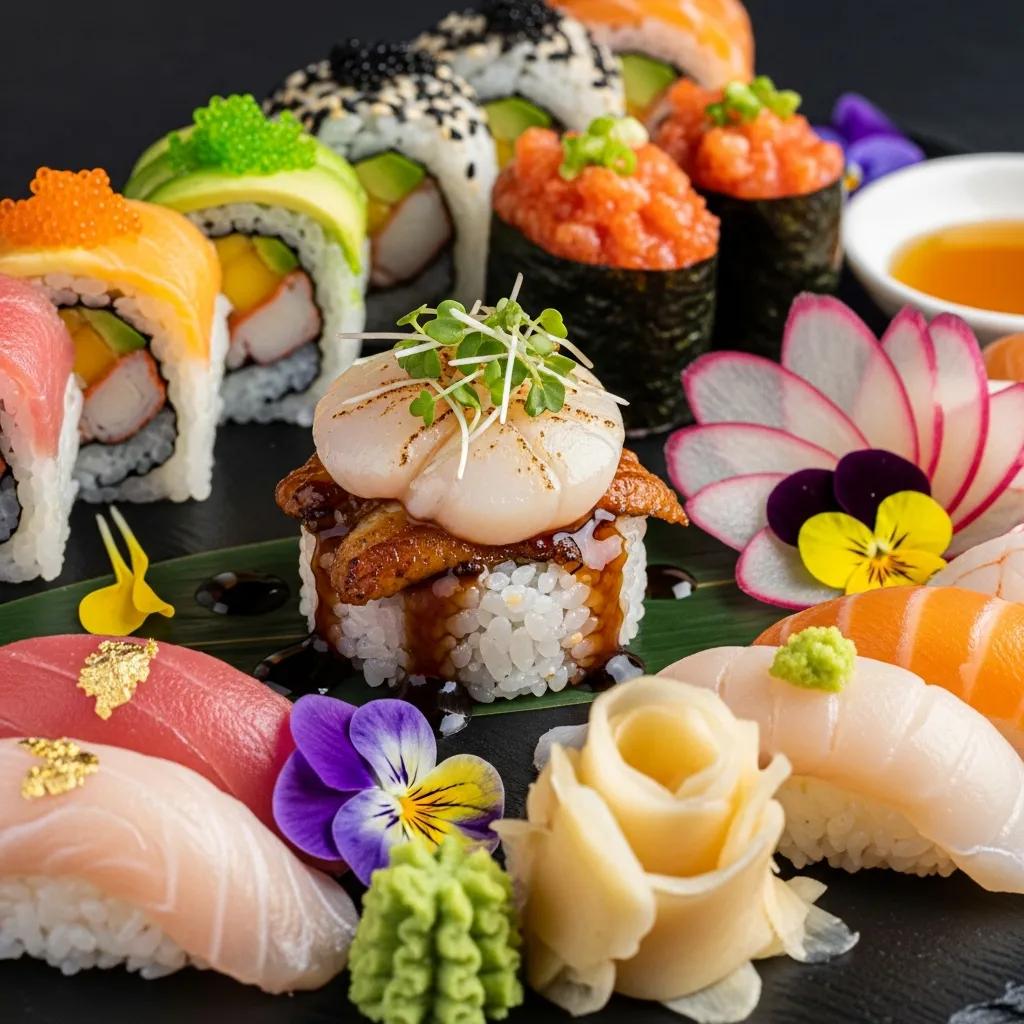
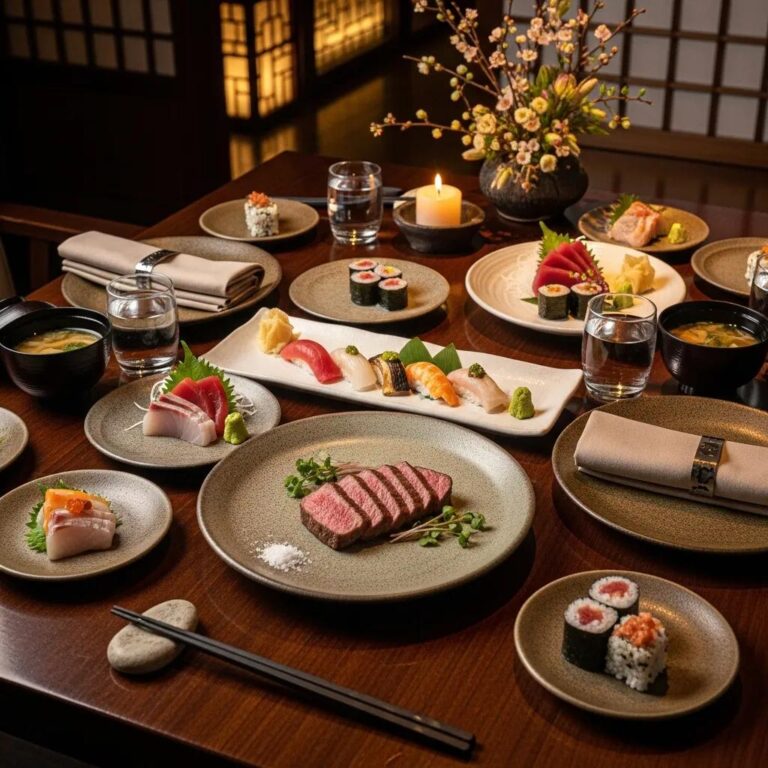
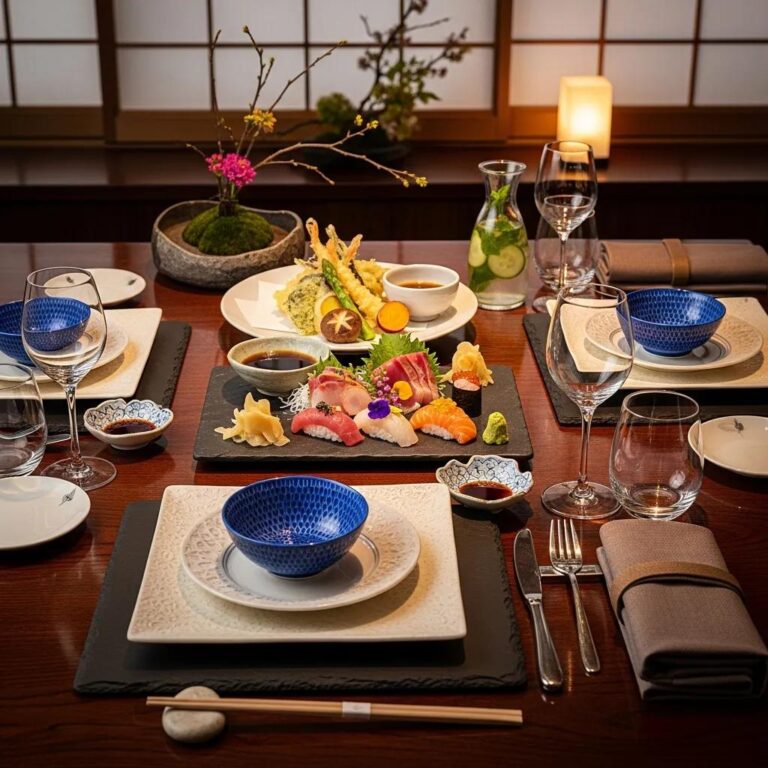
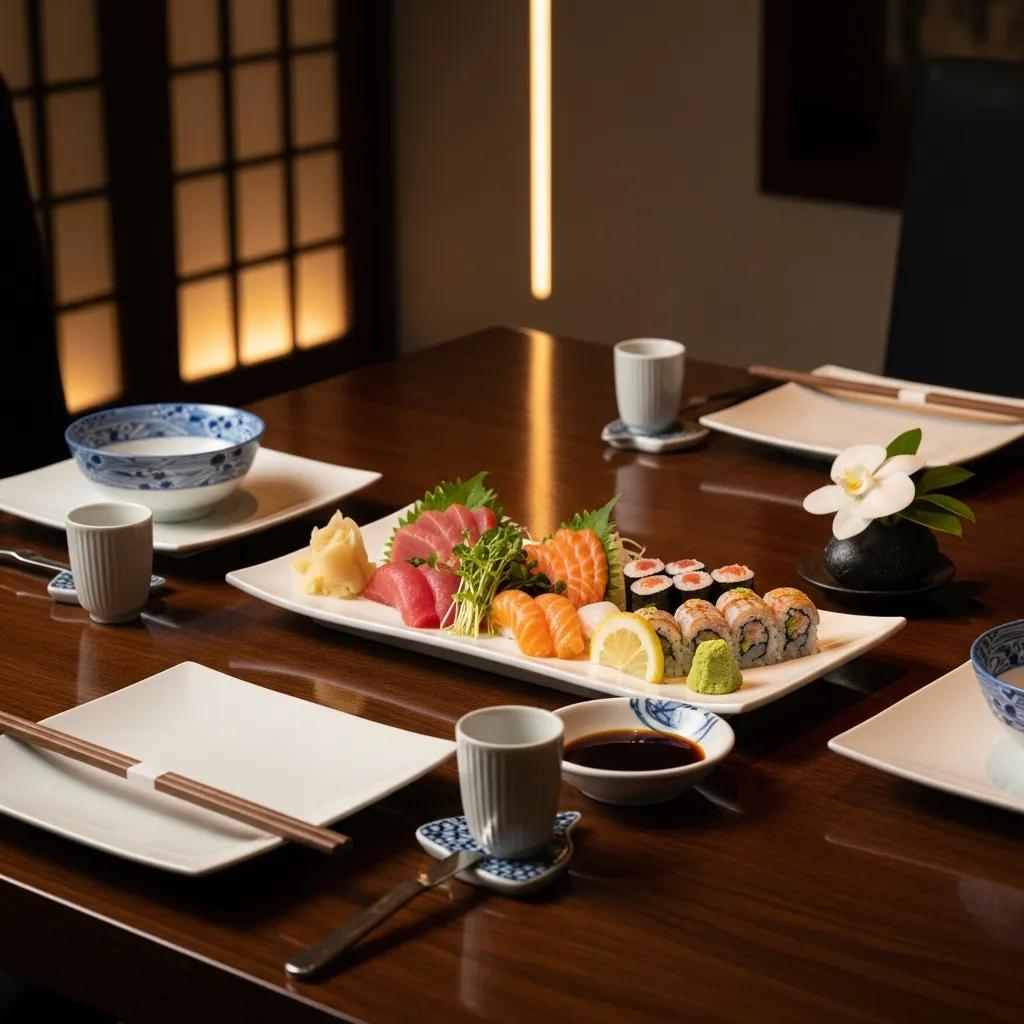
Upscale sushi and Japanese fusion combine rigorous technique with ingredient provenance, and the distinction shows in rice seasoning, knife work, and balanced saucing that highlights rather than masks the fish. The chef’s approach treats each nigiri piece and fusion plate as a micro-composition: temperature, texture, acidity, and garnish are calibrated so that the primary ingredient — often seasonal seafood — remains central. Guests encounter signature preparations that may include delicate torching, restrained umami sauces, or imaginative vegetable treatments that nod to fusion without overwhelming traditional sushi axioms. This technical clarity enhances perception of premium nigiri and sashimi tasting menus and signals the restaurant’s broader commitment to Japanese fine dining craftsmanship.
Those culinary choices also guide plating and pacing decisions that create continuity between courses and prepare diners for an omakase progression or a multi-course fusion dinner, which we examine in the ambiance-centered subsection next.
Why Is Kaviar’s Ambiance Ideal for an Exclusive Dining Experience?
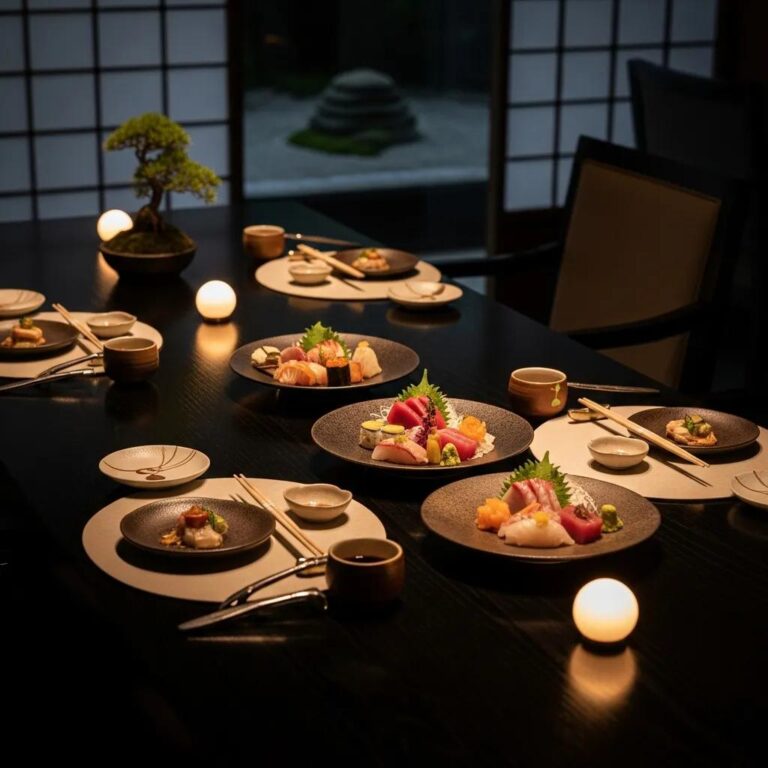
Ambiance for luxury dining combines acoustic privacy, considered lighting, and sightlines that make the setting feel intentionally removed from street bustle while still connected to place; Kaviar’s upstairs vantage provides that bird’s-eye intimacy. The room’s scale supports quiet conversation, while windows or elevated views of Raymond Avenue and Old Pasadena’s historic facades anchor the experience in Pasadena’s character. Design choices—textural finishes, restrained color palettes, and deliberate table spacing—reduce distractions and accentuate the food as the focal narrative. This atmosphere is particularly well-suited to romantic dinners, milestone celebrations, and focused omakase sessions because it supports unhurried pacing and attentive service, which together turn a meal into a curated event.
The interplay between culinary precision and spatial design is intentional: when a room invites concentration, the subtle technical elements of sushi and fusion are more appreciable, which reinforces the overall luxury impression and primes guests for private dining opportunities described next.
Sensory Marketing in Fine Dining: The Interplay of Taste and Ambience
The fine dining experience constitutes a multisensory journey wherein taste and ambience converge to forge enduring impressions and delineate perceptions of luxury. This paper investigates how these two pivotal elements shape consumer experiences within the fine dining sector, with a particular emphasis on their integration through sensory marketing strategies. Taste, as the cornerstone of culinary artistry, transcends mere flavor to encompass texture, presentation, and narrative construction. Concurrently, ambience functions as a subtle yet potent influencer, engaging visual, auditory, and tactile modalities to amplify the emotional and sensory impact of the dining occasion. The synergistic relationship between taste and ambience is elucidated through case studies, such as Japanese omakase and farm-to-table dining, thereby illustrating the cohesive narratives that enhance the overall gastronomic experience.
How Taste and Ambience Shape Consumer Perceptions—Sensory Marketing in Fine Dining, 2024
How Does Kaviar Cater to Special Events and Private Dining in Pasadena?
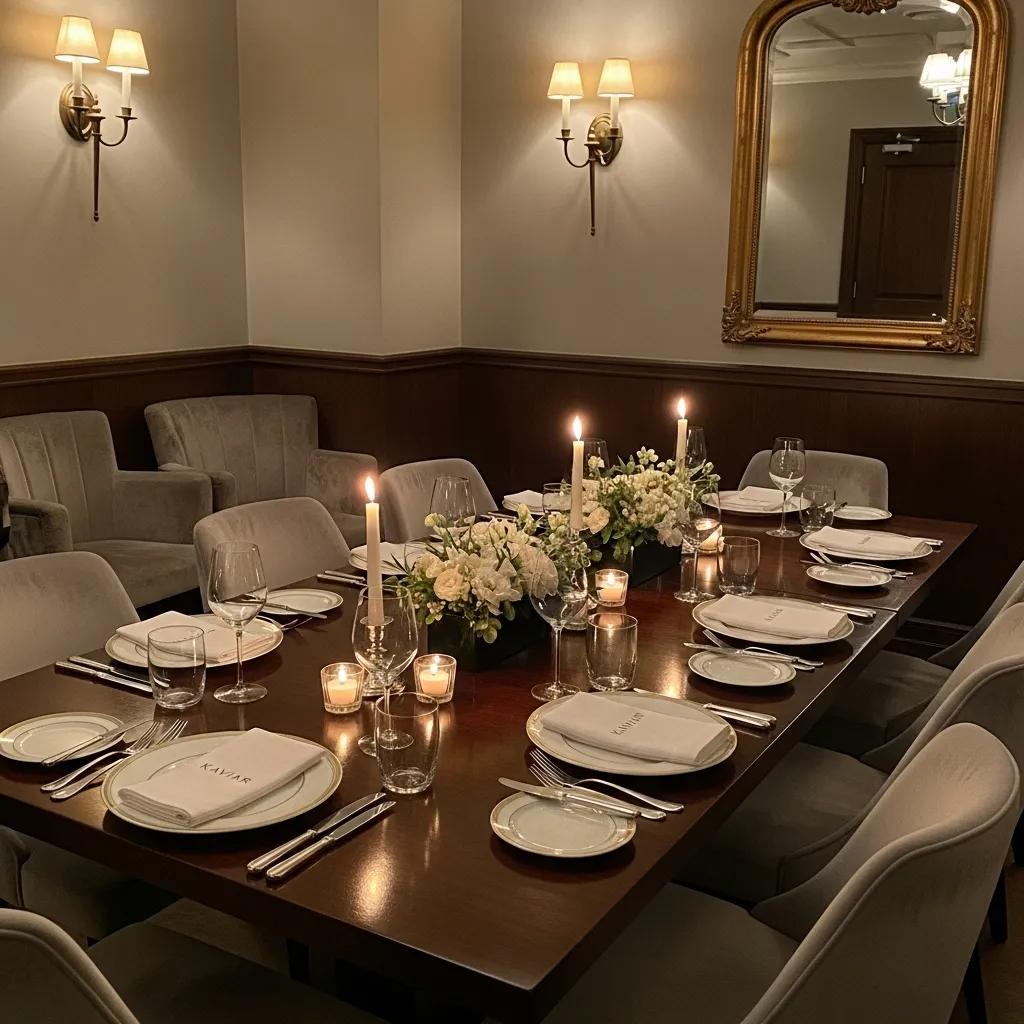
Kaviar supports private gatherings by combining situational ambiance with customizable menus and attentive event logistics, offering planners an intimate upstairs environment that translates well to small celebrations and curated corporate or family events. Private dining in a luxury Japanese setting relies on menu flexibility—omakase-style group tastings or set fusion menus—plus beverage programming that can be tailored into sake flights or paired tastings. Kaviar’s event approach emphasizes guest experience first: pacing, plate sequencing, and beverage flow are adjusted to the occasion, while the upstairs vantage offers a distinct sense of occasion for groups. Below is an at-a-glance comparison of private areas, their illustrative capacities, and appropriate event types to help planners choose a fit.
Introductory table: compares private room options, capacities (example), and package notes. This table uses example capacities to illustrate space types and intended uses.
What Private Dining Options and Capacities Does Kaviar Offer?
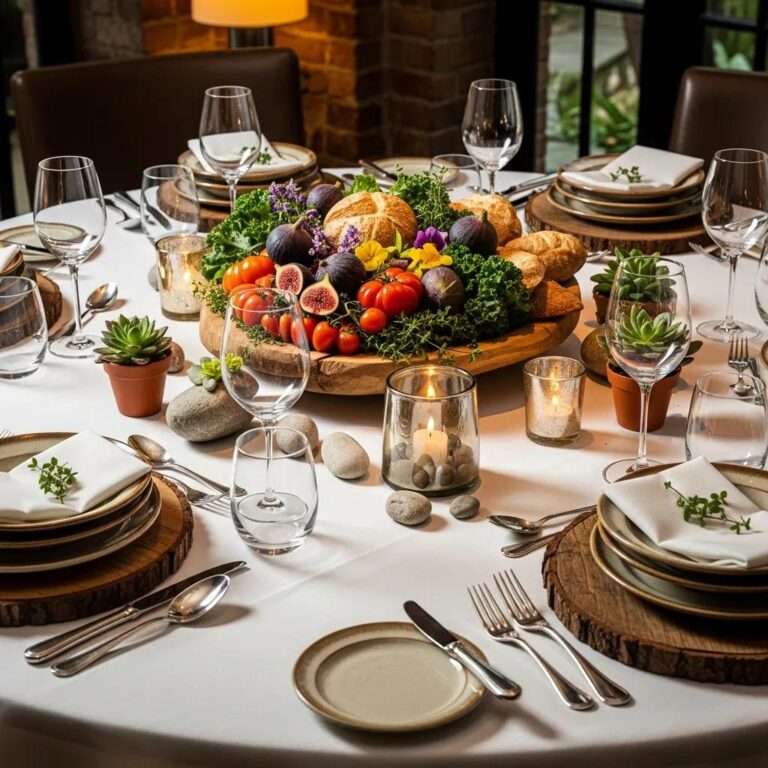
Private dining choices at a fine-dining Japanese venue range from intimate counter or upstairs rooms for close-knit groups to semi-private sections suitable for mid-size receptions, and occasionally full-venue buyouts for larger celebrations; Kaviar mirrors this structure with an upstairs, cozy environment that supports private gatherings. Capacity examples help planners assess fit: smaller rooms suit omakase-style experiences and tasting menus, while semi-private areas work for business dinners that require conversation and limited AV. Menu customization is a core feature—hosts can select curated omakase sequences or set fusion menus with beverage pairings, and staff typically coordinate pacing and service levels to match event tone. When selecting a room, consider the desired level of interaction with chefs and whether a bird’s-eye view of Raymond Avenue and Old Pasadena is an important aesthetic element for guests.
Those room choices then inform specific package components and optional upgrades, which we describe in the following subsection to illustrate what a booking might include.
Which Special Events Can Be Hosted at Kaviar and What Are the Packages?
Kaviar accommodates a range of occasions—romantic anniversaries, rehearsal dinners, milestone birthdays, small corporate gatherings—by offering adaptable package components that emphasize food, service, and beverage curation. Typical package elements include a multi-course tasting or set-menu option, staffing and service coordination, and the ability to include curated sake flights or beverage pairings as an upgrade. Optional touches such as tailored desserts, celebratory toasts, or curated beverage flights help elevate the experience without diluting the restaurant’s focus on culinary quality. For planners seeking a starting point, the venue can propose sample menus and pairing suggestions that reflect seasonality and the event’s tone, with more detailed customization available upon inquiry.
Event packages are most successful when hosts match menu pacing and beverage flow to guest expectations, ensuring that food presentation, service timing, and the quiet upstairs ambiance combine to create the intended celebratory effect.
Why Is Kaviar’s Omakase Experience a Must-Try for Fine Dining Sushi Lovers?
Omakase—literally “I leave it to you”—is a chef-curated tasting sequence that showcases seasonal ingredients, technical mastery, and narrative pacing; at its best, omakase delivers a multi-sensory progression from subtle starters to climactic premium pieces. The mechanism is chef curation: the chef selects each course to highlight peak-season seafood, textural contrasts, and complementary condiments, while pacing and plating craft a cohesive story across the tasting. For diners seeking Japanese fine dining and omakase Pasadena experiences, this format emphasizes discovery, trust, and the direct chef-to-guest interaction that transforms a meal into a memorable event. Kaviar offers an omakase tasting experience that aligns with these principles, using seasonal sourcing and carefully staged courses as the centerpiece of the luxury dining journey.
Below are illustrative omakase course examples that show how seasonal ingredients and premium elements are integrated into a tasting sequence and what guests might expect from course progression.
Introductory EAV table: seasonal ingredients and how they appear in the omakase.
What Seasonal Ingredients and Premium Dishes Are Featured in Kaviar’s Omakase?
A well-designed omakase rotates with seasonality, featuring market-fresh fish, curated shellfish, and occasional premium inclusions that mark special courses; examples include delicate seasonal white fish for early sashimi and richer items like uni or higher-grade tuna later in the sequence. The emphasis is on ingredient peak quality, so sourcing responds to what’s freshest and most sustainable at the moment, and preparations highlight the primary ingredient through restrained seasoning and precise temperatures. Small interludes—acidic or fermented vegetables, clean broths—reset the palate and prepare guests for richer textures, while finishing selections may include a luxurious protein or composed rice course that leaves a lasting impression. These seasonal rotations keep omakase experiences fresh and aligned with contemporary fine-dining expectations.
Understanding how these components interact—texture, temperature, and seasoning—clarifies why chef curation is the difference between a good meal and a memorably orchestrated tasting, which we unpack in the next subsection.
How Does the Omakase Enhance the Luxury Dining Journey at Kaviar?
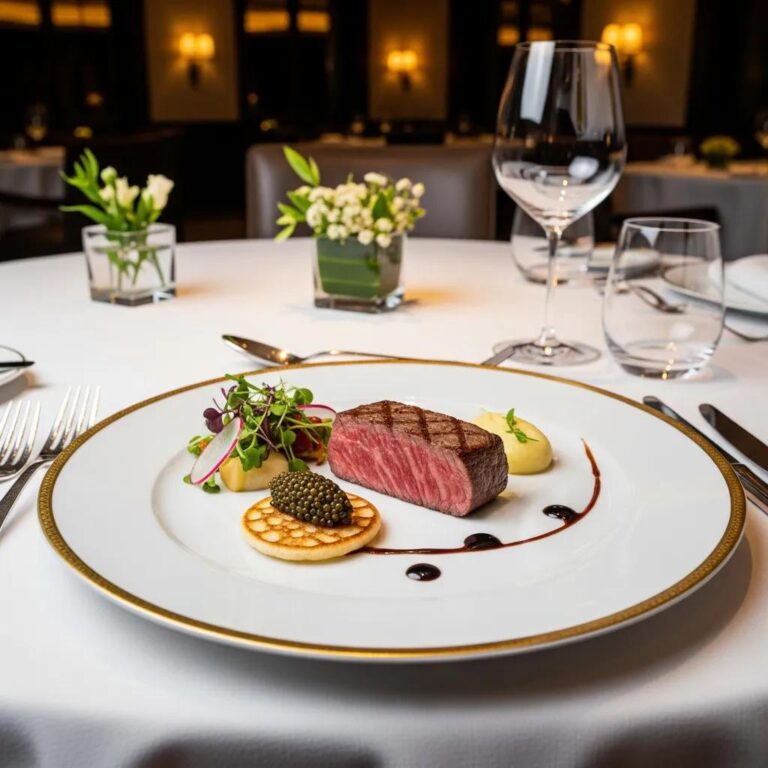
Omakase enhances luxury dining through personalization, deliberate pacing, and close chef-to-guest choreography that turns each bite into a focal moment; the chef sequences tastes to build sensory memory across the table. Personalization can include adjustments for guest preferences or dietary considerations while maintaining the thematic flow of the tasting, and the pacing is engineered so that each course prompts reflection and anticipation for the next. Presentation techniques—minimalist plating, selective garnishes, and temperature contrasts—create theatrical but refined moments that emphasize craftsmanship rather than spectacle. For special occasions, omakase functions as both culinary theater and intimate conversation starter, making it particularly suited to milestone dinners or guests who prioritize a food-forward, experiential evening.
This immersive format naturally pairs with a curated beverage program, which supports and amplifies the tasting progression discussed in the following section.
How Does Kaviar’s Beverage Program Elevate the Luxury Dining Experience?
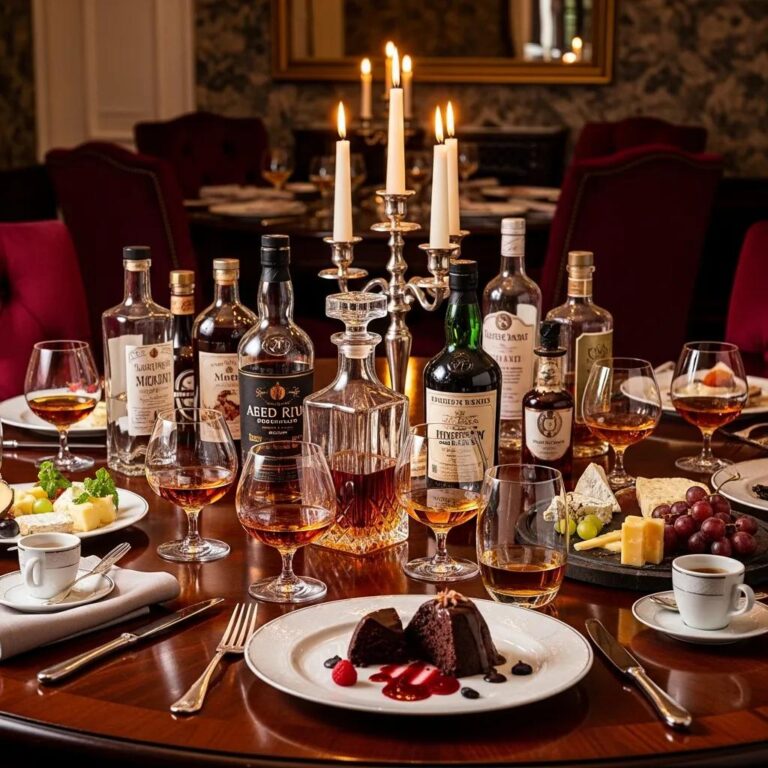
A curated beverage program enhances luxury Japanese dining by aligning drink profiles with the food’s texture and umami characteristics, using sake, wine, and cocktails to underscore or contrast flavors for heightened clarity. Beverage curation is not simply a list of bottles; it’s a pairing philosophy that privileges balance—matching acidity, effervescence, or subtle sweetness to the dish’s dominant notes. Sake flights in particular offer a nuanced bridge between delicate sashimi and richer fusion preparations because sake styles range from lean and mineral to aromatic and plush. Kaviar’s curated sake/beverage program serves as a deliberate differentiator, enabling guests to select guided flights or bespoke pairings that complement the omakase or set menus and enhance the overall dining narrative.
Below is a comparative pairing table to illustrate how specific beverage styles pair with common menu categories and why those pairings work.
What Are the Best Sake Pairings Offered at Kaviar?
Sake pairings work by matching the sake’s body and aroma to the dish’s intensity: lighter, aromatic ginjo or daiginjo styles accentuate subtle sashimi without overpowering, while junmai varieties with rounder mouthfeel support richer nigiri and more umami-centric bites. A sake flight typically moves from lighter to fuller styles, giving guests a comparative tasting that highlights how rice polishing, yeast choices, and regional differences affect pairing outcomes. For guests experiencing omakase, guided flights illuminate how small changes in beverage acidity or aroma shift the perception of texture and saltiness in seafood. Offering curated sake flights as an upgrade or part of a tasting menu invites exploration and deepens appreciation for both the beverage and the cuisine.
A beverage-forward progression prepares diners for non-sake pairings explored in the next subsection, demonstrating how the full program complements the menu.
How Does Kaviar’s Beverage Menu Complement Its Japanese Cuisine?
Beyond sake, complementary wines and cocktails are chosen to mirror or contrast key flavor drivers—acidity to cut fatty richness, effervescence to refresh the palate, or subtle herbal notes to echo garnish elements. For lighter fusion or citrus-accented dishes, bright white wines or citrus-forward cocktails provide lift and clarity; for savory, caramelized, or grilled items, fuller whites or restrained reds can provide the necessary structure without overpowering delicate seafood. The beverage menu also supports cross-cultural fusion by pairing drinks that respect Japanese flavor profiles while acknowledging international palate expectations. Thoughtful pairings across sake, wine, and cocktails ensure that each course’s intended texture and seasoning remain the star, reinforcing a cohesive luxury dining narrative.
These pairing logics link directly to the chef’s sourcing and technique philosophy, which explains why beverage choices are selected to complement, not overshadow, ingredient-driven cuisine.
What Is the Chef’s Philosophy Behind Kaviar’s Culinary Excellence?
The chef’s philosophy centers on seasonality, precise technique, and ingredient respect, with sourcing and culinary traditions informing menu decisions that emphasize balance and traceable quality. This approach treats seafood and produce as primary narrative elements, using minimal but intentional interventions—rice seasoning, aging, quick torching, or light fermentation—to reveal each ingredient’s best attributes. Sourcing practices favor seasonal procurement and traceability, which align with broader sustainability considerations and ensure peak freshness. This philosophy shapes both daily menu offerings and special formats like omakase, where the chef’s choices and methods directly determine the tasting arc and guest experience.
The next subsections elaborate on sourcing commitments and specific technical approaches the chef applies to translate philosophy into practice.
How Does Kaviar Source Premium and Sustainable Ingredients?
Premium sourcing prioritizes seasonality and trusted suppliers to secure fish and produce at peak quality, with an emphasis on market-driven procurement that responds to what’s freshest each week. Sustainability considerations—selective sourcing, attention to traceability, and choosing suppliers who prioritize responsible practices—help ensure that premium ingredients are both ethically obtained and superior in flavor profile. The dining program leverages these sourcing principles to deliver consistent quality in sushi and fusion dishes, ensuring that menu rotations reflect what’s available and at its best. Communicating seasonal sourcing to guests reinforces trust and helps diners understand why menus evolve, linking ingredient provenance to the overall luxury promise.
These sourcing choices are executed through specific culinary techniques, which we describe in the next subsection to show how method elevates ingredient quality.
What Unique Techniques and Culinary Traditions Does the Chef Employ?
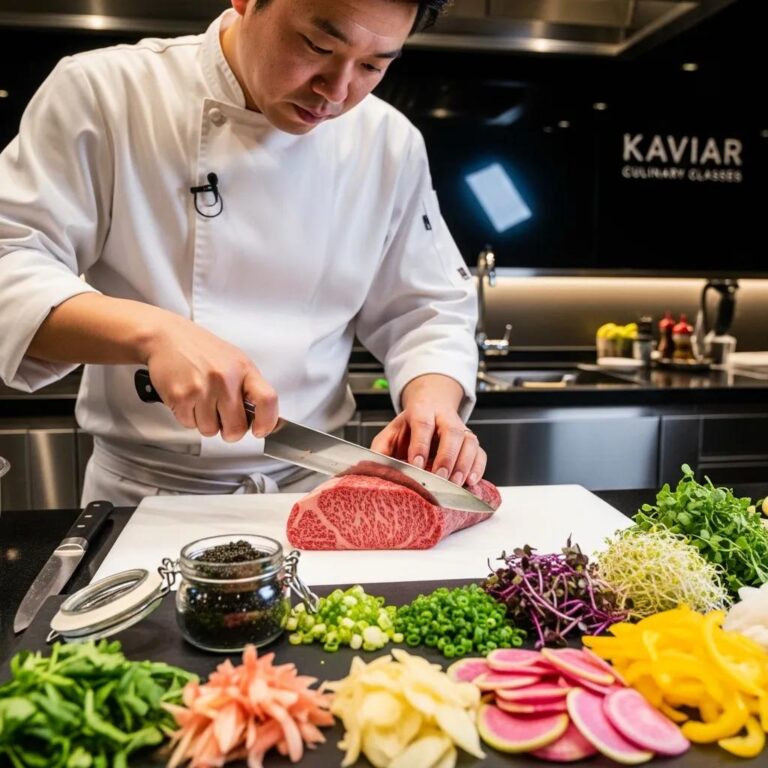
Technique choices—knife precision for texture, careful rice seasoning and temperature control for nigiri, selective aging or torching for depth, and restrained saucing—are tools the chef uses to highlight primary ingredients rather than mask them. Traditional Japanese methods such as rice polishing and exact vinegar balance are combined with modern adaptations like controlled aging or judicious use of smoke to enhance aroma and texture. Preservation techniques, subtle fermentation, and meticulous plating further contribute to flavor layering and presentation; these methods ensure that each dish aligns with the chef’s commitment to balance and clarity. Together, these techniques create an identifiable culinary signature that informs both a la carte dishes and omakase sequences.
Technique, sourcing, and beverage pairing converge in guest experiences, which we explore in the final H2 by synthesizing common impressions and event outcomes.
How Do Guests Describe Their Luxury Dining and Event Experiences at Kaviar?
Guest impressions of luxury dining at a high-end Japanese restaurant cluster around food quality, ambiance, and service coherence; diners consistently note freshness and presentation as primary indicators of excellence. In event contexts, planners value smooth coordination, menu flexibility, and a setting that feels both private and connected to place—attributes a peaceful upstairs vantage over Raymond Avenue and Old Pasadena inherently provides. Social proof themes typically emphasize attentive pacing, the immersive nature of omakase, and the value of curated beverage pairings that complement rather than compete with food. These themes illustrate why diners select venues based on an integrated promise: excellent ingredients prepared with care, delivered in an atmosphere that supports conversation and celebration.
The following subsections synthesize typical guest praise themes and explain how those perceptions have made Kaviar a preferred choice for special occasions in Pasadena.
What Do Customers Say About Kaviar’s Sushi and Ambiance?
Guest feedback themes often highlight the freshness of fish, refined presentation, and the intimate energy of an upstairs dining room with views of Raymond Avenue and Old Pasadena. Diners appreciate the tactile contrasts in nigiri and sashimi—texture, temperature, and seasoning—and often note that the restrained ambiance helps them focus on the food’s nuances. The curated beverage program and omakase pacing are commonly mentioned as amplifiers of the experience, providing a sense of discovery and thoughtful progression across courses. These recurring themes—ingredient integrity, skilled execution, and a calming environment—explain why guests return for both quiet dinners and special celebrations.
How Has Kaviar Become a Top Choice for Special Occasions in Pasadena?
Kaviar’s suitability for special occasions derives from the alignment of culinary excellence, an intimate upstairs setting, and flexible event options that allow hosts to shape menus and beverage pairings to match the occasion. Planners value the restaurant’s ability to present a cohesive experience: carefully paced courses, thoughtful sake flights or wine pairings, and a space that feels removed from the street while still visually tied to Old Pasadena’s historic charm. This combination yields perceived value for milestone celebrations, where guests seek both memorable food and an atmosphere that frames the event as distinct from everyday dining. The result is a venue that consistently attracts diners who prioritize culinary quality and a curated, private-feeling environment for celebrations.