





Your Feedback Matters — Tell Us About Your Kaviar Experience in Pasadena
Your thoughts help us refine every detail of the Kaviar dining experience. This page explains how to send feedback, what to include in a review, and how we translate guest comments about dishes, service, and atmosphere into real improvements. If you’ve ever wondered what to mention when describing an Omakase sequence, A5 Wagyu, or our caviar service, this guide makes it easy—offering step‑by‑step instructions for popular platforms, short prompts to sharpen your observations, curated sentiment highlights from past guests, and simple review templates to get you started. Read on for practical tips that make sharing your Kaviar Pasadena review meaningful and effortless.
How Can You Share Your Kaviar Dining Experience?

Guest feedback—the ratings, notes, and stories diners leave—directly shapes menu choices, service timing, and reservation flow. Submitting a review or a short survey helps us connect specific moments (a dish, an interaction with staff, or a detail of the room) to measurable outcomes like guest satisfaction and return visits. The most useful feedback names the visit date, the dishes you ordered (for example, A5 Wagyu or items from an Omakase tasting), and clear service notes—those details give our team something concrete to act on. Below are the primary channels for sharing feedback along with practical tips for what to include and why each channel matters.
Quick summary of the main feedback channels and what to include in each:
- On-site feedback form: For private follow-up and direct resolution.
- Google Business Profile review: Public reviews that help Pasadena diners discover us.
- OpenTable/Resy review: Reservation-linked feedback that informs front‑of‑house operations.
- Social media mentions: Visual, short posts that highlight presentation and ambiance.
Each channel serves a distinct purpose: site forms enable confidential resolution, platform reviews influence reputation, and social posts shape public perception. The sections that follow compare these options and offer step‑by‑step tips for each platform.
What Are the Best Ways to Provide Feedback on Kaviar Restaurant?
Choose the channel that fits your goal: private resolution, public recommendation, or a quick shout‑out. Use our on‑site form or send a private message if you want a direct response or to resolve an issue—this lets us follow up and correct things confidentially. Post on OpenTable or Google when you want to recommend us publicly or praise a standout dish like A5 Wagyu—those reviews help other diners and contribute to our overall ratings. Tag us on social media when you want to share photos; short captions and images convey the presentation and atmosphere immediately and often spark a fast response.
Helpful review elements: reservation date, dishes ordered, server name (if memorable), and short sensory notes about presentation and flavor. Ending with a single-line summary (for example, “Excellent Omakase—precise technique and thoughtful service”) makes the sentiment clear for readers and our team. With that structure in mind, the next section gives platform‑specific guidance for OpenTable, Google, and social media.
How to Use OpenTable, Google, and Social Media for Kaviar Reviews?
Each platform has its norms—tailoring your review increases usefulness and visibility. On OpenTable or Resy, include your reservation date and time and rate pacing and service so we can align feedback with operations. For Google Business Profile, mention Pasadena, the occasion, and dish names—local, specific reviews are more helpful to others searching for fine Japanese dining. On social channels, tag our handle and post high‑quality photos of signature dishes; brief captions that name the dish and note timing or service help followers visualize the visit.
Platform tips at a glance:
- OpenTable/Resy: Include reservation date and comment on pacing and menu flow.
- Google: Add neighborhood (Pasadena) and specific dish names for local relevance.
- Instagram: Share clear photos and tag the restaurant in the caption.
Platform‑aware reviews increase the chance your feedback drives improvements and helps fellow diners choose the right experience. Next, we highlight the aspects guests most often mention in reviews of Kaviar.
What Makes the Kaviar Experience Exceptional?
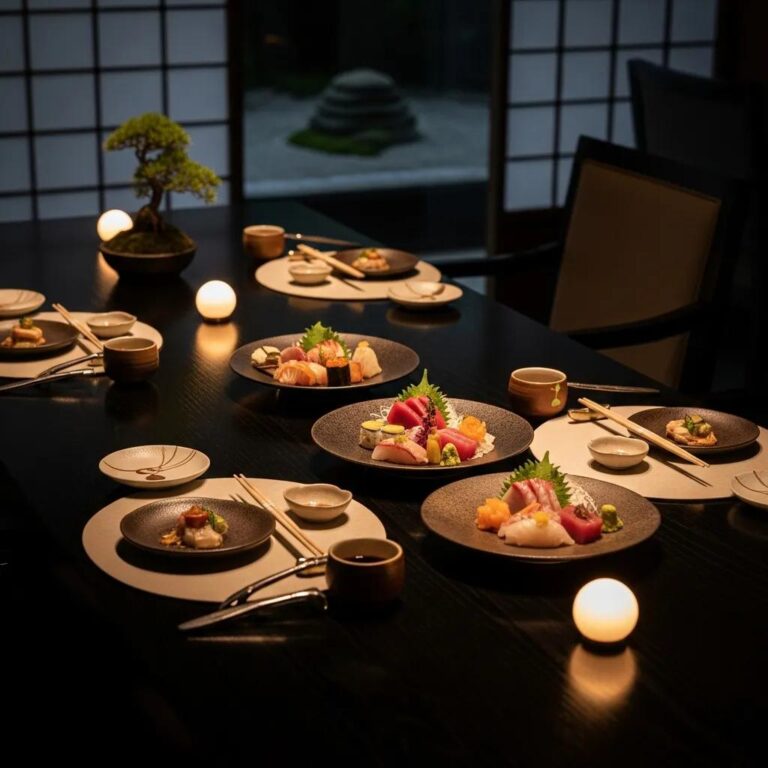
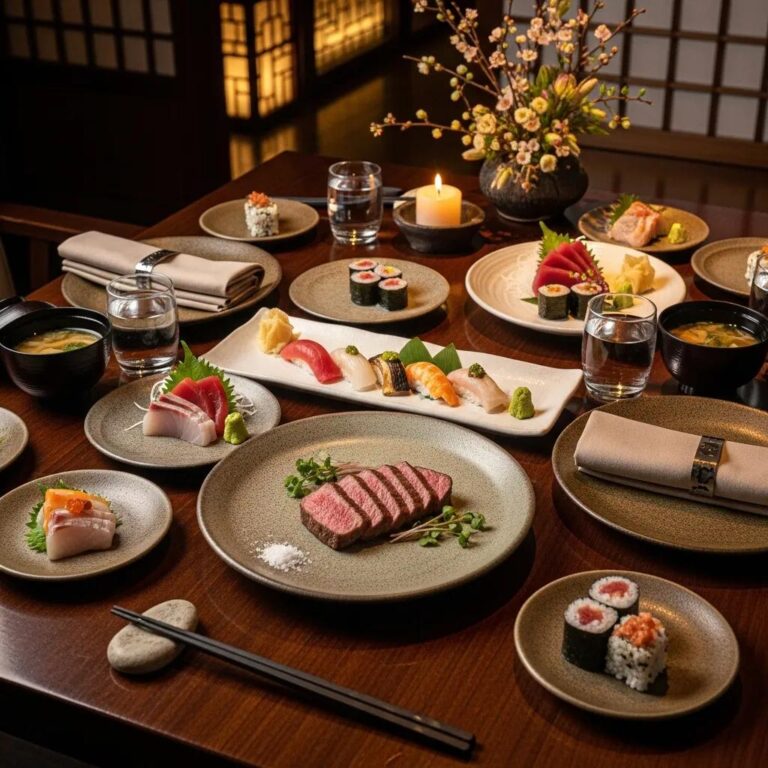
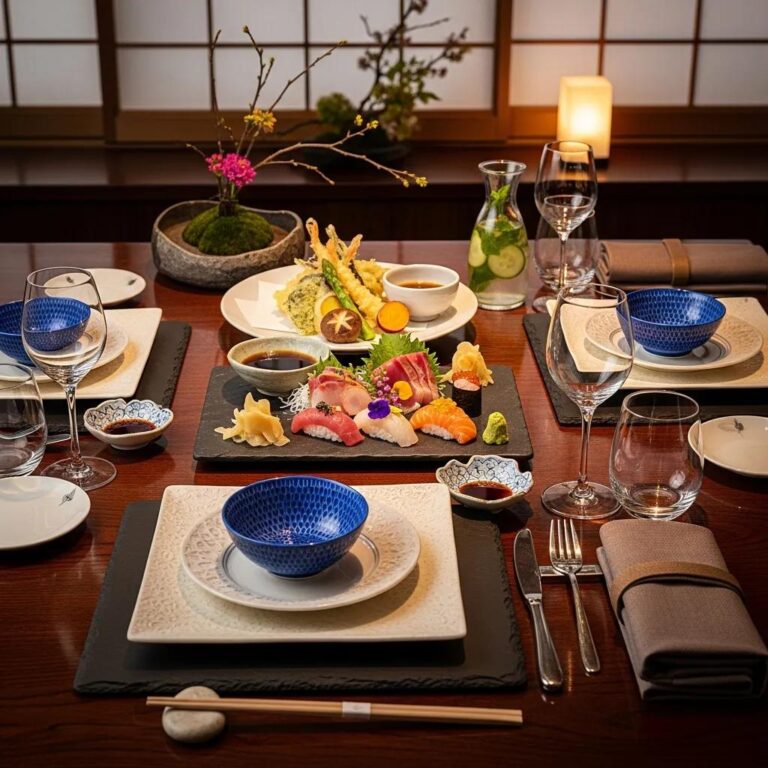
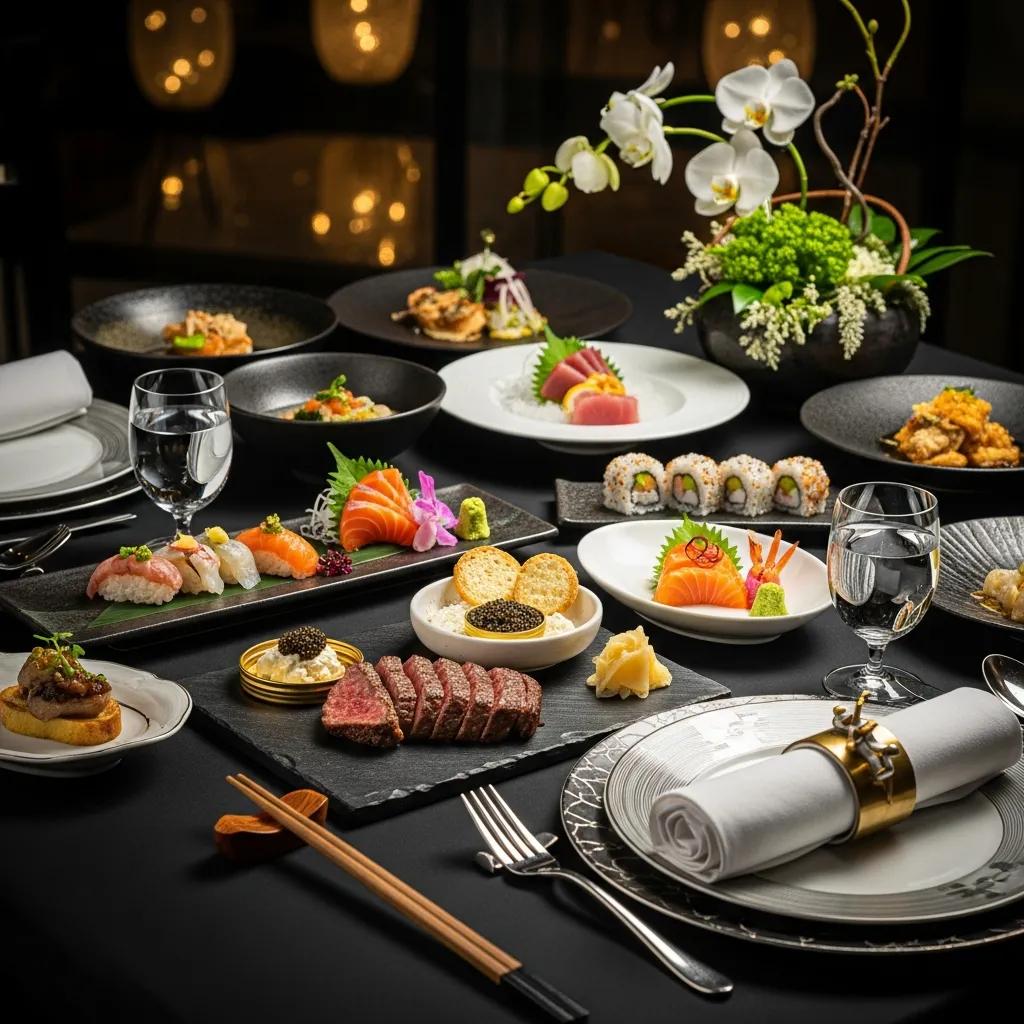
Kaviar’s experience rests on premium ingredients, disciplined technique, attentive service, and a carefully curated atmosphere—elements that together define our approach to Japanese fine dining. Signature items like A5 Wagyu, an Omakase tasting sequence, and curated caviar service often shape a guest’s memory because they combine taste, texture, and presentation. When you describe Kaviar, focus on sensory details—mouthfeel, seasoning balance, and plating—along with service elements like pacing and sommelier pairing. The table below highlights attributes guests most often mention and suggests what to reference in your feedback.
The table below compares signature dishes and the details reviewers find most useful.
These prompts help reviewers pinpoint meaningful details—like the melt‑in‑the‑mouth texture of A5 Wagyu or the flow of an Omakase sequence—that lead to actionable feedback. Below we explain how dishes, ambiance, and service shape overall impressions.
How Do Signature Dishes Like A5 Wagyu and Omakase Enhance Your Visit?
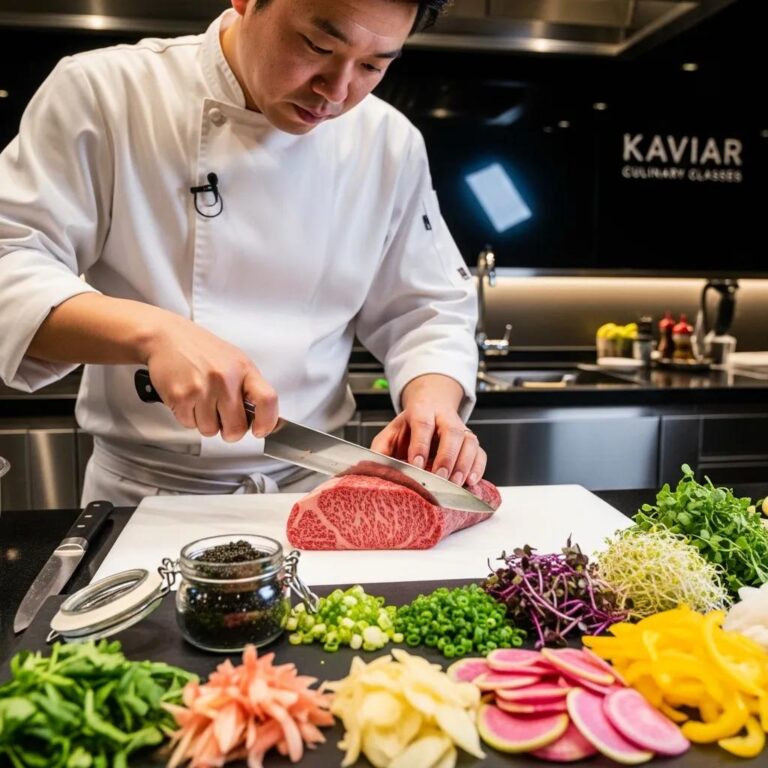
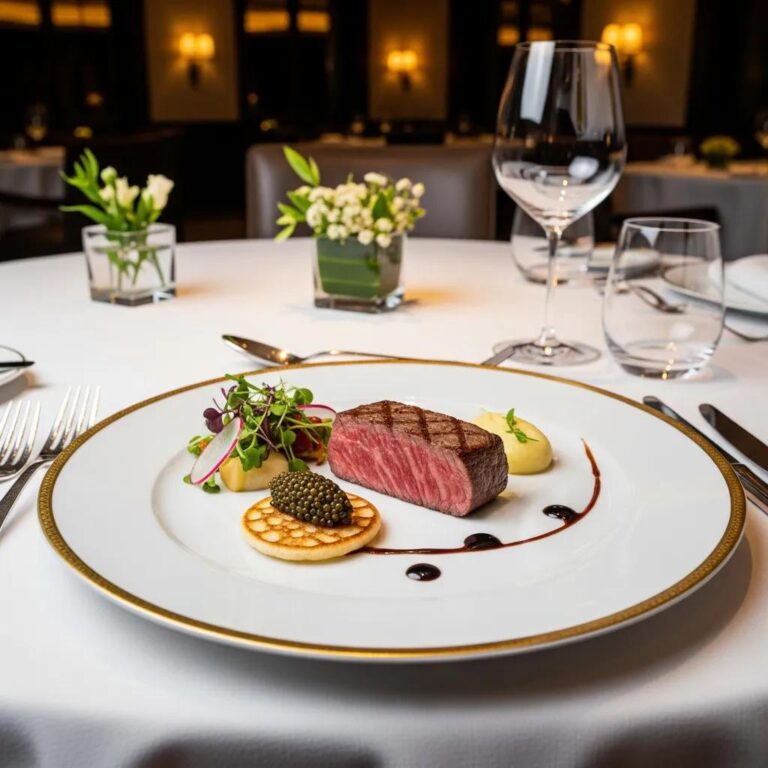
Signature dishes become focal memories because they pair superior ingredients with precise execution. A5 Wagyu is often described by its marbling, buttery mouthfeel, and subtle seasoning—naming the cut or preparation adds helpful specificity. Omakase is a curated narrative: pacing, variety, and the contrast of temperature and texture matter. Telling us which course surprised or delighted you helps the kitchen refine future sequences. Use sensory phrases—silky fat, umami depth, crisp contrast—and note how transitions felt so we can fine‑tune seasoning and timing.
Dish‑level detail guides fellow diners and gives our culinary team the exact observations needed to preserve strengths or adjust technique. The next section connects those impressions to the importance of ambiance and service.
Why Is the Luxurious Ambiance and Attentive Service Important?
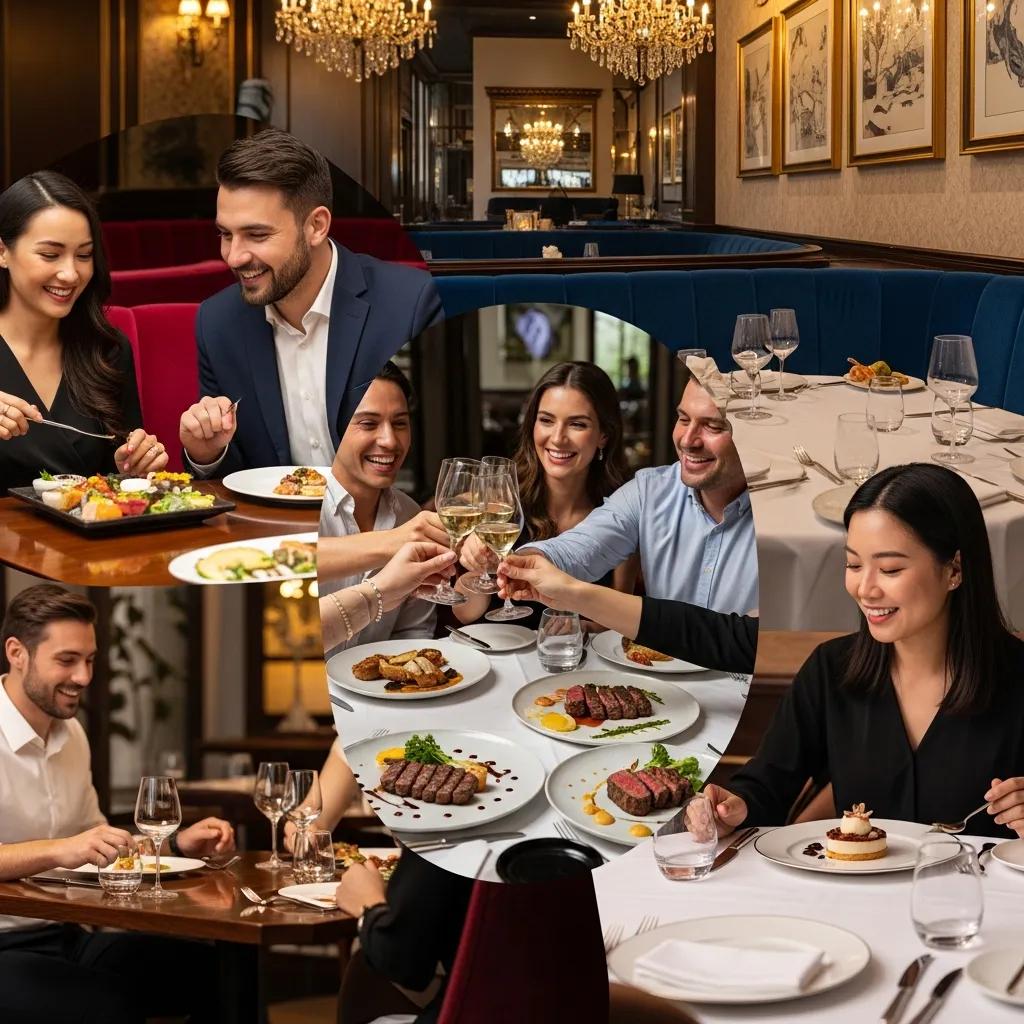
The room and our service style determine whether great food becomes a memorable evening. Lighting, seating layout, and a sense of privacy contribute to comfort and perceived value; pacing and attentiveness shape how each course lands. Comments about the sommelier’s pairing notes, whether courses arrived at comfortable intervals, or if staff anticipated needs are actionable—they point to staffing and training adjustments we can make without altering the menu.
Pairing ambiance and service notes with dish details gives a fuller picture that helps other diners set expectations and helps Kaviar optimize front‑of‑house operations.
With that context, the next section summarizes aggregated guest sentiment and common feedback patterns.
What Do Guests Say About Their Kaviar Experience?
Guest sentiment reveals recurring strengths and opportunities. Many reviews praise premium ingredients and refined presentation—A5 Wagyu and Omakase sequences frequently stand out—while service and ambiance are commonly named as what elevates the meal into a memorable occasion.
Below is a compact testimonial matrix summarizing common focus areas and representative highlights without attributing specific quotes—this helps map feedback to practical changes.
These themes—ingredient quality, service precision, and atmosphere—regularly guide what guests mention in Pasadena reviews and inform what to include in your submission. The next sections sample the kinds of testimonials that spotlight technique and caviar service.
Which Testimonials Highlight Our Japanese Fine Dining Excellence?
Reviews that focus on technique and presentation often highlight the chef’s precision and the harmony of flavors—meticulous plating, balanced umami notes, and careful temperature control across courses. Mentioning specific courses and sensory details lends credibility to praise and helps future guests know what to expect. Noting technical elements—texture contrasts or knife work, for example—helps protect the restaurant’s culinary identity and encourages continued attention to craft.
When reviewers call out these technical touches, it supports our commitment to sourcing and presentation. The next subsection explores guest stories centered on caviar service and what they reveal about perceived quality.
How Do Guest Stories Reflect on Our Caviar Service and Overall Quality?
Stories about caviar service tend to emphasize pairing choices, portioning, and the serving ritual—details that communicate refinement and care. When guests describe whether caviar came with classic accompaniments or inventive pairings, they reveal preferences we can use in menu planning and service scripting. Because caviar is a high‑salience item, impressions about it often shape broader perceptions of the restaurant’s quality.
Collecting these caviar impressions helps us keep this signature offering consistent and adaptable to guest expectations. Next, we explain how we process and act on the feedback you share.
How Does Kaviar Restaurant Use Your Feedback to Improve?
We treat guest feedback as input to an ongoing improvement cycle: collect, analyze, act, and respond. Feedback comes in from site forms, platform reviews, and reservation systems and is then aggregated to surface trends—dishes that consistently delight or service moments that need attention. We prioritize changes that create the greatest guest impact, whether that means adjusting Omakase pacing, refining caviar portions, or clarifying reservation communications. Individual reviews and surveys feed concrete initiatives designed to enhance guest satisfaction over time.
Common ways feedback informs change:
- We tag feedback by theme (dish, service, ambiance) to identify recurring issues.
- Operational adjustments are piloted and measured against fresh review data.
- Positive feedback reinforces standards and highlights best practices for staff training.
These steps show how your observations become action—and why submitting detailed reviews matters. The following sections outline our commitment to excellence and the role awards play.
What Is Our Commitment to Excellence and Guest Satisfaction?
We place guest feedback at the center of our pursuit of excellence. When diners share specifics—what they ordered, how courses were paced, or how staff anticipated needs—we use those details in training, tasting sessions, and menu calibration to preserve strengths and address gaps. Acting transparently on feedback builds trust: guests who see changes are more likely to return and recommend Kaviar to others. Inviting thoughtful, constructive feedback is a way for guests to shape the evolution of our dining experience.
Encouraging clear submissions and explaining how we apply them closes the loop between guest input and visible improvements. The next section explains how awards reflect guest sentiment and operational quality.
How Do Awards Like OpenTable Diners’ Choice Reflect Our Quality?
Awards such as OpenTable Diners’ Choice aggregate many diner reviews into a recognizable signal of quality and consistent guest satisfaction. Earning recognition across years indicates sustained positive sentiment and shows that platform reviews play a role in shaping our reputation.
For guests, awards act as a quick indicator that many diners appreciated elements like culinary execution and service; for the restaurant, awards identify areas to maintain and amplify. Including award mentions in public metadata and planning helps surface this validation in searches and sets clearer expectations for future diners.
Seeing how reviews lead to recognition underscores why specific, detailed feedback matters: it helps operational improvements and contributes to accolades that benefit the whole dining community. Next, we answer common questions about leaving reviews and what details help most.
What Are Common Questions About Sharing Feedback at Kaviar?
Guests commonly ask how to leave a review, what to include to make feedback useful, and when to expect a response. Clear, platform‑specific instructions and short sample copy lower the barrier to sharing helpful observations. The Q&A below is designed to make leaving feedback quick and effective for both Kaviar and future diners.
Frequently asked items:
- How do I leave a review on reservation platforms or search profiles?
- What details should I include to make my feedback actionable?
- How and when will the restaurant follow up on private feedback?
These FAQs prepare reviewers to provide useful information; the next sections offer exact steps and sample review language.
How Do I Leave a Review for Kaviar Restaurant?
Follow the platform’s norms and include a few contextual details: start with your reservation date and occasion, name the dishes you ordered, and describe one or two sensory highlights. On reservation platforms, note the booking system (OpenTable or Resy) and comment on pacing and staff responsiveness so we can match feedback to operations.
A simple template you can reuse: “Reservation on [date] for [occasion]. Highlights: A5 Wagyu—exceptional tenderness; Omakase course four—balanced and memorable. Service attentive and well timed.”
Specifics like these help our managers act and give other diners a clear sense of what to expect. The following section explains which kinds of comments are most constructive and why detail matters.
What Kind of Feedback Helps Us Enhance Your Dining Experience?
Actionable feedback names dishes, moments of service, and atmosphere details. Avoid vague summaries—specifics are what we can act on. Useful examples: name the course and describe texture or seasoning, note how the spacing between courses affected your enjoyment, or point out ambient elements like lighting or privacy. When guests include the visit date, dish names, and sensory notes, Kaviar can reproduce strengths and correct inconsistencies through training and menu adjustments.
Providing detailed, actionable reviews increases the chance your insights will lead to real, measurable improvements for future diners.
- Include reservation date and dish names to anchor your feedback.
- Describe one or two sensory details (texture, seasoning, temperature).
- Note service pacing and specific staff interactions when relevant.
These practices ensure your feedback is meaningful and that Kaviar can respond effectively.
Frequently Asked Questions
What should I do if I had a negative experience at Kaviar Restaurant?
If your experience fell short, please share specifics through our on‑site feedback form so we can address it directly. Tell us what went wrong—service delays, a dish that missed the mark—and include the date of your visit and any dish names. Clear details allow us to investigate and make appropriate corrections.
Can I leave feedback anonymously?
Yes. You can leave anonymous reviews on platforms like Google or OpenTable. If you’d like a follow‑up, including contact information in a private form is helpful—otherwise, anonymous input still contributes to our broader improvements but may limit direct resolution.
How often does Kaviar Restaurant update its menu based on feedback?
We regularly review guest feedback for trends that inform changes, though there’s no fixed timetable for menu updates. Sustained comments about a dish or service practice, seasonal availability, and culinary direction all influence adjustments to keep the dining experience fresh and aligned with guest expectations.
What types of feedback are most valuable to Kaviar Restaurant?
The most valuable feedback is specific: dish names and sensory notes, timing between courses, and staff interactions. Observations about atmosphere or a standout moment also help. These details give us actionable insight into what to preserve and what to improve.
Is there a way to follow up on my feedback after submitting it?
We review all feedback and may not respond to every comment. If you used our on‑site form and would like a reply, include your contact details. For public reviews, we may respond directly on the platform to address concerns or thank you for your praise.
How can I ensure my feedback is constructive?
To keep feedback constructive, be specific about the visit date, dishes, and what stood out—positive or negative. Use sensory language for flavors and textures, and offer a suggestion if relevant. Clear, actionable detail is the fastest route to meaningful change.
Conclusion
Your feedback is essential to how we refine Kaviar’s fine dining experience. Detailed notes on dishes, service, and atmosphere feed a continuous improvement loop that benefits both the restaurant and future guests. We invite you to share your impressions through our feedback channels—help us preserve what you love and shape what comes next. Make your voice heard today.