



The Role of Gourmet Food Texture in Enhancing the Sensory Dining Experience
Texture — often called mouthfeel — is the collection of physical sensations a diner notices while chewing, swallowing, and remembering a bite. It shapes how we perceive flavor just as clearly as seasoning does. This article breaks down how chefs think about texture, why it matters in gourmet and Japanese fine dining, and how technique, temperature, and ingredient choice are used to compose contrasting mouthfeels. You’ll find a compact glossary of Japanese textural cues (silky sashimi, custardy uni, popping caviar, airy tempura), practical approaches to sequencing textures in tasting menus and omakase, and a look at how we apply these ideas at Kaviar Restaurant in Pasadena — where A5 Wagyu, caviar, and other premium ingredients are used to shape contrast and memory. Finally, we connect sensory science (oral processing, fat melting, microscopic structure) with culinary techniques (searing, tempura, sous-vide) and consider how texture innovation is evolving fine dining. Understanding texture helps diners read the intent behind each dish and allows chefs to design multi-sensory meals that enhance flavor, pacing, and satisfaction.
Why Does Texture Matter in Gourmet Food and Fine Dining?
Texture matters because it controls how flavor compounds are released, how long a bite lingers, and ultimately how memorable a dish becomes — in short, texture is a key signal of quality. Chefs use contrasts — crisp versus creamy, chewy versus melt‑in‑the‑mouth — to deepen umami and kokumi and to create layered sensory experiences that influence enjoyment and fullness. In fine dining, where portions are measured and pacing is intentional, textural design distinguishes dishes and builds a narrative across a meal. The sections that follow unpack the mechanisms by which texture shifts taste and list the signature textures of Japanese fine dining with concrete examples diners will recognize.
Texture amplifies flavor perception through a few practical mechanisms:
- Release Timing: Different textures change how quickly aroma compounds are liberated during chewing.
- Surface Area: Fragmented or crunchy textures increase exposed surface, intensifying taste.
- Fat-mediated Carry: Fats in marbled meats or emulsions bind and prolong flavor compounds.
These mechanisms explain why a contrast — for example, a crunchy element alongside a fatty bite — often tastes richer and more complex than either alone. With that foundation, we can examine the neural and mechanical processes that create mouthfeel.
How Does Texture Influence Flavor Perception and Mouthfeel?
Texture changes flavor by altering oral processing — the number of chews, saliva mixing, and the pace at which aroma and taste compounds reach receptors. Foods that require more mastication prolong flavor release and can heighten perceived complexity; by contrast, melt‑in‑the‑mouth fats deliver an immediate, sustained umami impression. Temperature and structural composition (protein networks, starch gelation, fat melting points) affect how components deform and how volatiles travel to the olfactory system. Sensory research shows that adjusting texture alone, without changing seasoning, can shift perceived saltiness, sweetness, and overall palatability. Next, we identify the main textures that define Japanese fine dining and how chefs achieve them.
What Are the Key Textural Elements in Japanese Fine Dining?
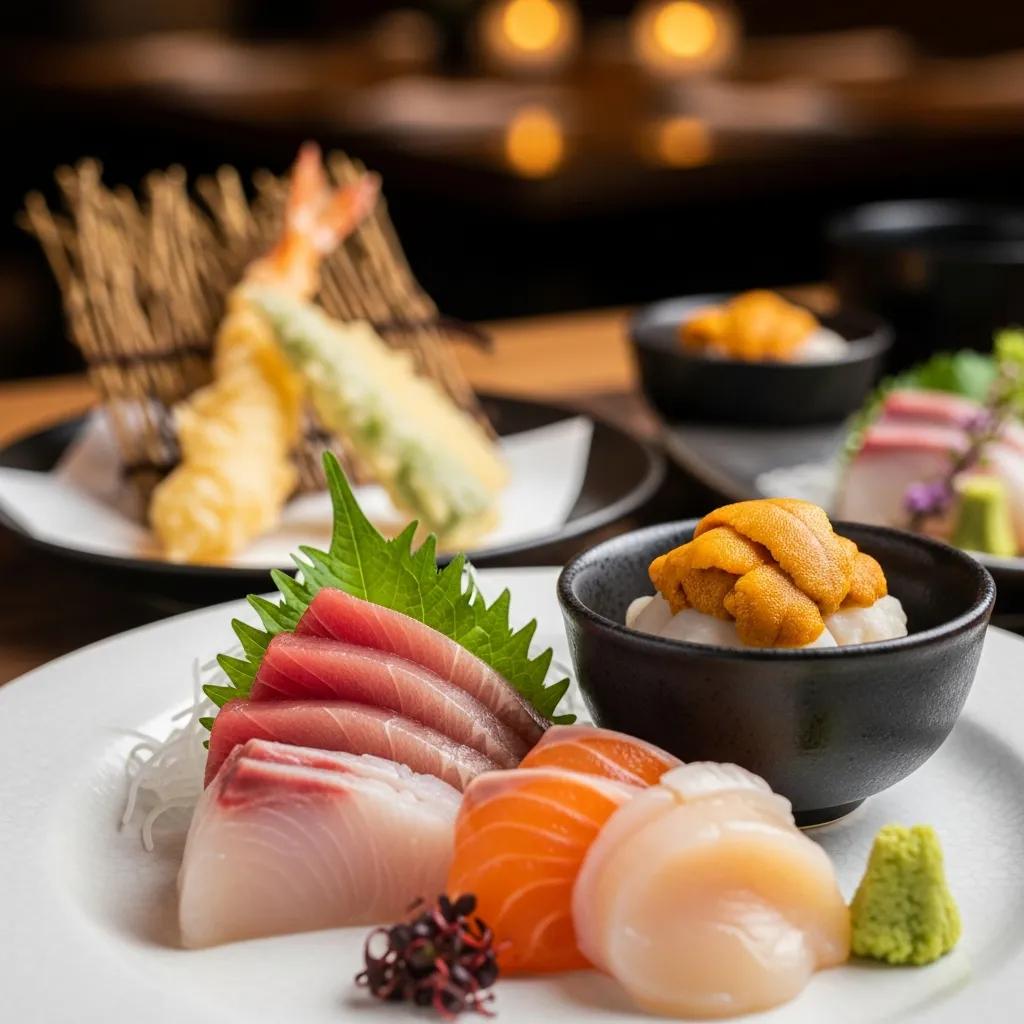
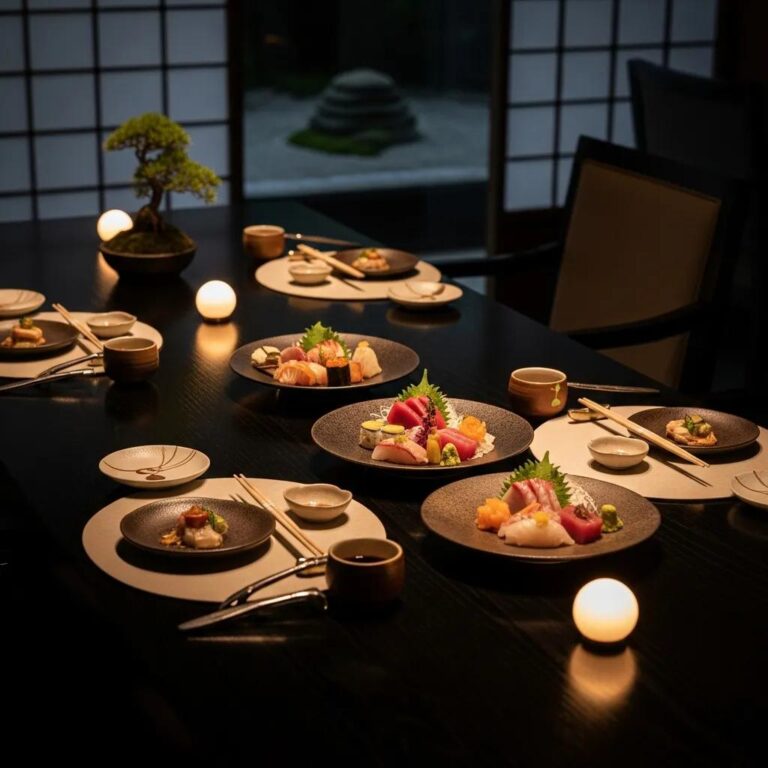
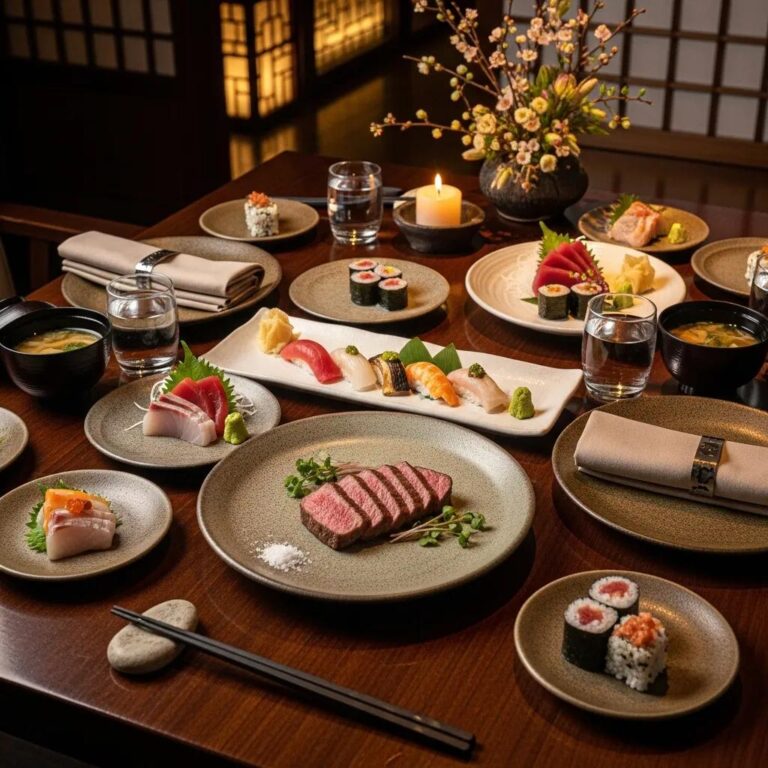
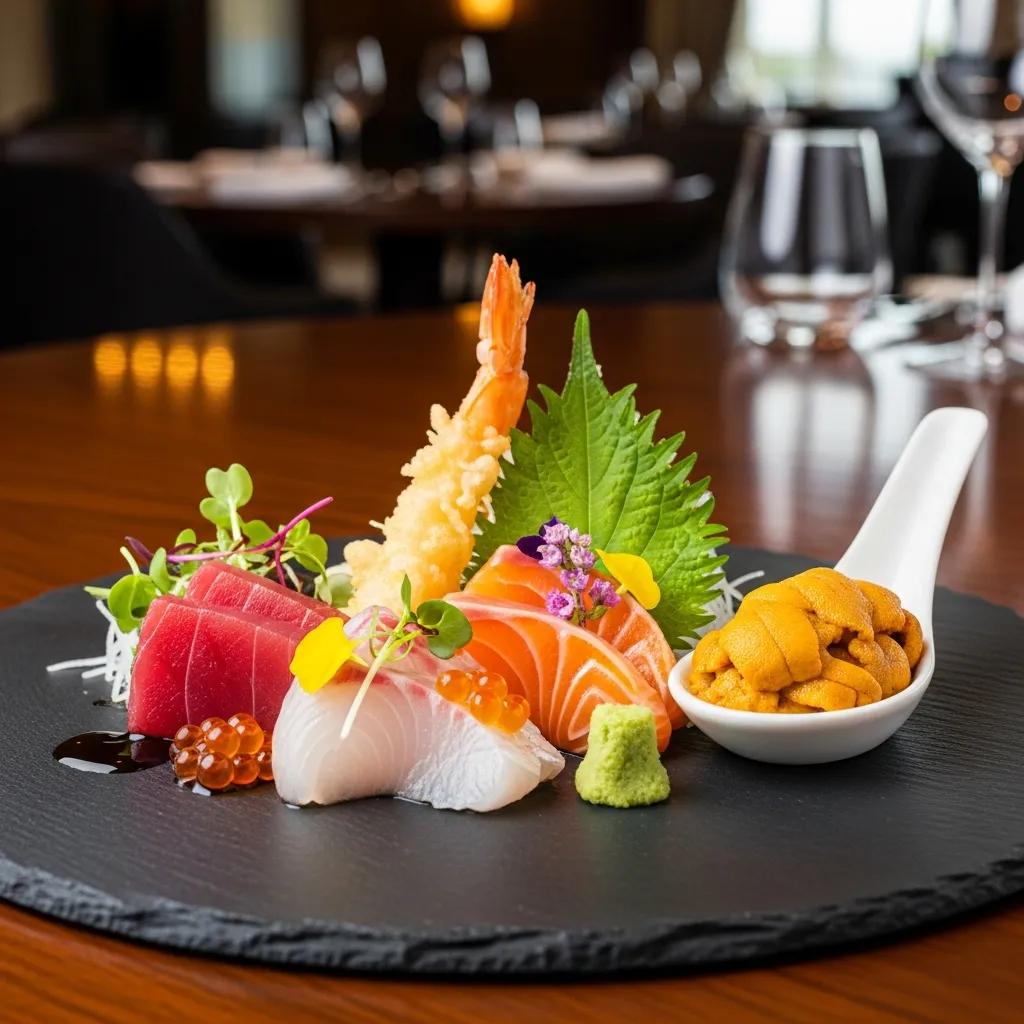
Japanese fine dining values a refined set of textures — silky sashimi that glides across the tongue, custardy uni that coats the palate, delicate tempura crispness, and the subtle pop of premium caviar. Achieving these sensations depends on precise knife work, careful temperature control, and minimal handling: sashimi is sliced to preserve muscle fiber alignment for a smooth glide; uni is kept cold and lightly dressed to keep its creaminess; tempura batter is mixed cold and fried quickly to trap air for a light shell. Rice texture (slightly sticky but with tooth) and the interplay of raw and fried elements are central to balancing mouthfeel across courses. Recognizing these archetypes helps diners detect deliberate contrasts and helps chefs sequence courses for maximum impact.
The Aesthetics of Kaiseki: Japanese Fine Dining and Sensory Journey
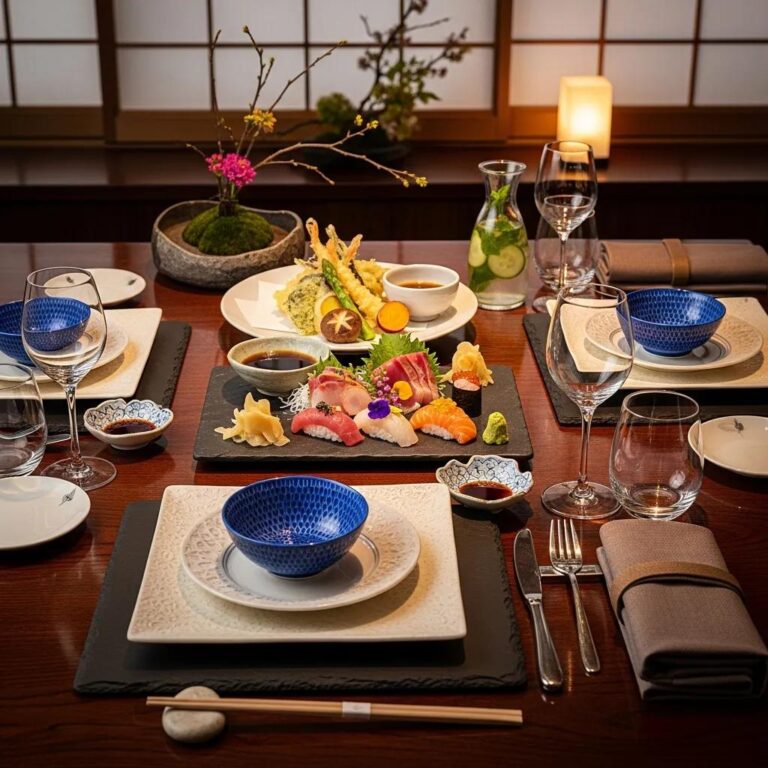
Kaiseki — the traditional multi‑course Japanese meal — is one of the most disciplined expressions of culinary texture and seasonality. This study traces kaiseki from its tea‑ceremony roots to its role in contemporary fine dining, highlighting aesthetic principles like seasonality, visual balance, and wabi‑sabi. The work examines plating techniques, the role of tableware, and how minimalism and mindfulness shape the diner’s sensory journey. It also considers modern adaptations and kaiseki’s broader influence on global haute cuisine.
Comparative study of texture terms: English, French, Japanese and Chinese, K Nishinari, 2008
How Does Kaviar Restaurant Craft Unique Textural Experiences in Its Dishes?
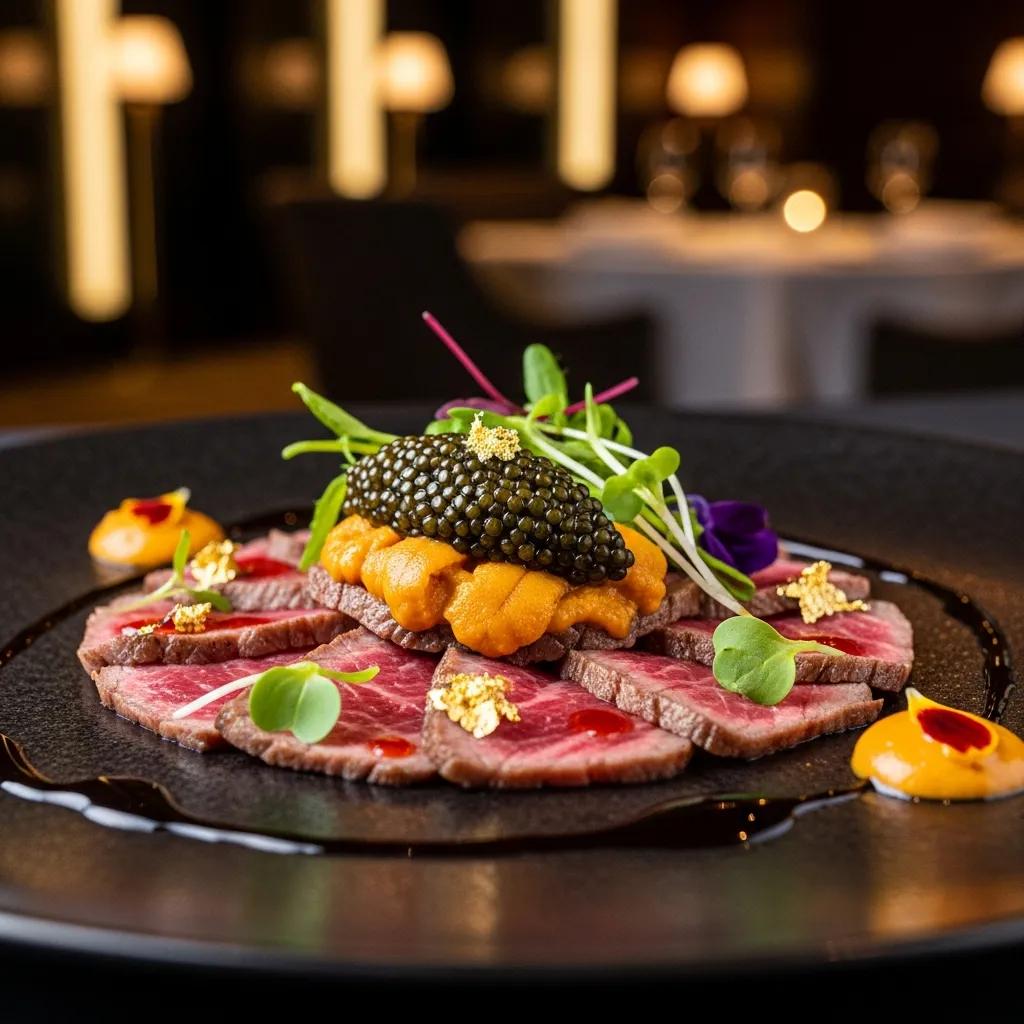
At Kaviar, texture is an intentional design choice. We pair premium Japanese ingredients with refined technique to layer mouthfeel across individual bites and an entire tasting menu. Ingredients like A5 Wagyu, Kaluga/Osetra‑style caviar, uni, and pristine sashimi are combined to create contrasts — seared, buttery beef against crisp accents; briny caviar punctuating silken bites — that deepen flavor and linger in memory. Techniques such as precise searing, controlled resting, and delicate battering preserve each component’s characteristic texture. Below is a concise table linking signature ingredients to the chef techniques that define their sensory roles.
What Textural Qualities Define Kaviar’s Signature A5 Wagyu?
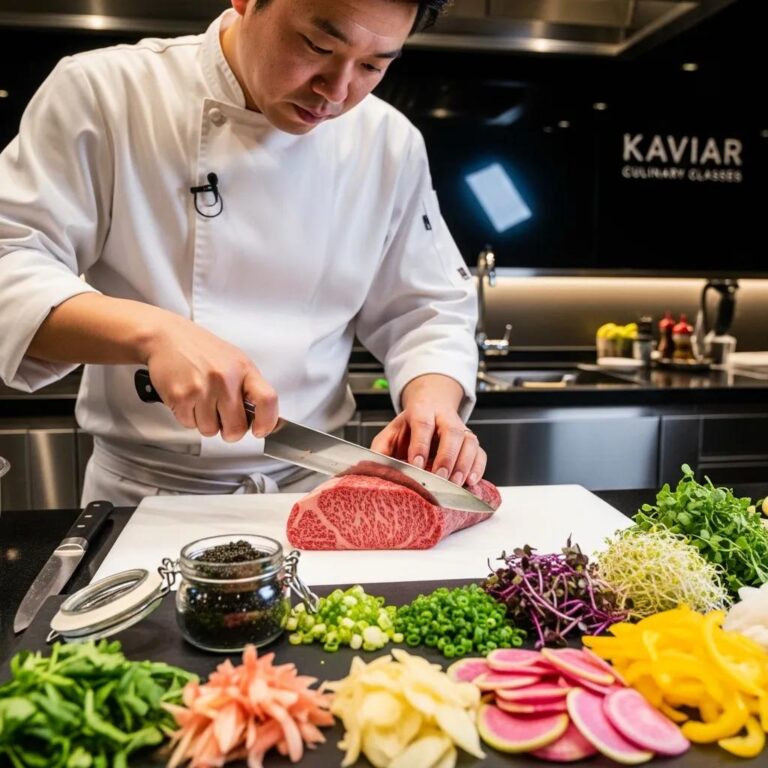
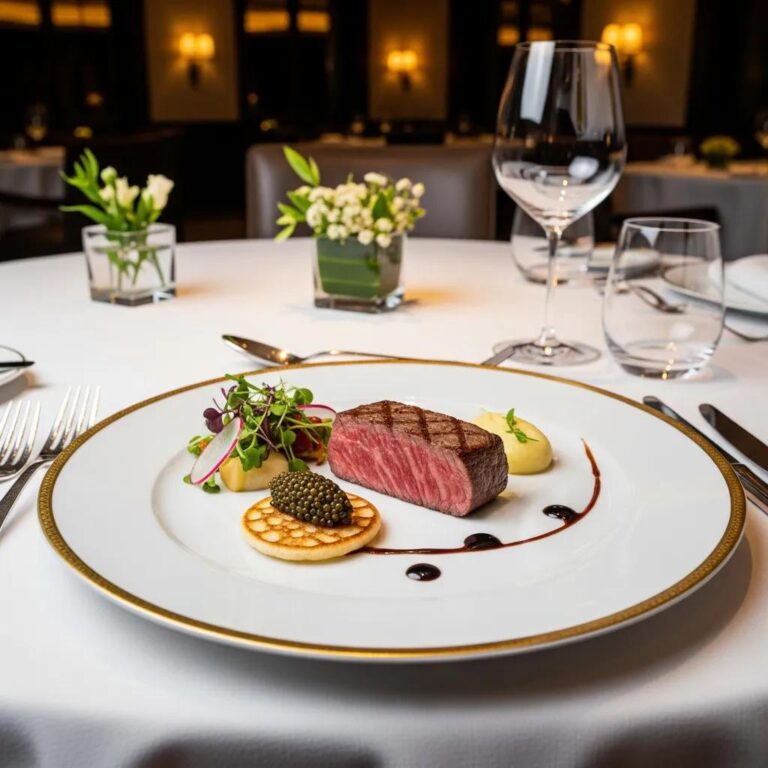
A5 Wagyu’s dense marbling produces the signature buttery, melt‑in‑the‑mouth texture when handled precisely. A well‑judged sear creates a thin caramelized crust while preserving the internal fat structure, offering an exterior chew against an interior silkiness that releases concentrated umami. Thin slicing and serving near warm‑to‑room temperature let the fat soften without fully liquefying, optimizing mouthfeel and flavor carry. At Kaviar, we season sparingly so the marbling and its palate‑coating effect remain the focal point.
How Is Caviar’s Delicate Pop and Texture Highlighted at Kaviar?
Caviar functions as a textural punctuation — a small, saline pop that contrasts creamy or fatty components and refreshes the palate between rich bites. To preserve that pop, caviar is served cold and handled with care to avoid crushing the pearls; neutral carriers like blini or lightly buttered toast showcase texture without competing. Pairings favor low acidity and restrained temperature to protect the roe’s integrity while letting its saline burst lift umami in adjacent bites. Often we place caviar atop silky sashimi or a bite of Wagyu so the sequence of sensations resets the mouth and readies the diner for the next course.
What Is the Science Behind Mouthfeel and Food Texture in Gourmet Cuisine?
Mouthfeel is shaped by oral processing, material properties, and physiological response. Researchers measure chewing cycles, saliva interaction, and a food’s rheological properties to understand how structure at the microscopic level — protein networks in fish or marbling in beef — governs deformation and compound release during mastication. Fat melting points determine when oils will coat receptors and carry flavor. Chefs translate these principles into practice with techniques that modify structure and phase — denaturation, gelatinization, emulsification — to achieve intended textures. The list below summarizes the practical mechanisms chefs exploit to shape mouthfeel.
- Oral processing: chew count and bite fragmentation set the timing of flavor release.
- Temperature effects: fat melting and protein firming shift perceived texture.
- Structural manipulation: denaturation, starch gelation, and emulsions alter viscosity and coating behavior.
- Surface properties: crispness depends on moisture gradients and batter microstructure.
How Do Chefs Manipulate Texture to Enhance Dining Satisfaction?
Chefs use a toolkit — sous‑vide for precise tenderness, high‑heat searing to form crusts, flash‑frying for crispness, dehydration for chew, and emulsification for smooth, mouth‑coating sauces — to sculpt mouthfeel intentionally. Sous‑vide converts collagen gently into gelatin without overcooking muscle, producing consistent tenderness that finishes beautifully at high heat. Frying and batter formulation manage moisture migration and bubble formation to control crispness, while emulsions tune viscosity and coating behavior so a bite spreads across the palate in a defined way. These technique‑driven choices bridge sensory science and culinary craft. The table below summarizes the sensory attributes chefs consider when planning texture.
What Role Does Temperature Play in Shaping Food Texture and Sensory Experience?
Temperature alters texture by changing the physical state of fats, gelatin, and starches. As fat approaches mouth temperature it melts, creating a silkier mouthfeel and amplifying flavor release. Cold service preserves structural firmness — chilled sashimi keeps a clean, firmer bite — while hot service sustains crispness in fried items by maintaining a moisture gradient between shell and interior. Chefs sequence temperatures through a meal to create contrast and meet taste expectations: cool, clean bites can cleanse the palate before warmer, more texturally complex courses. Understanding temperature helps predict how a dish will perform in the mouth and guides plating and timing to preserve intended mouthfeel through service.
How Does the Omakase Experience Showcase a Symphony of Textures?
Omakase is a study in progression and pacing: the chef curates a sequence that alternates textures and intensities to sustain engagement and reveal ingredient nuance. The format allows deliberate contrasts — light, crisp starters; silky sashimi; a warm, tender grilled course; then a textural punctuation such as tempura or a preserved item — so each bite reframes the one before it. Small portions and timed delivery let omakase shift textures frequently without overwhelming the diner, creating a narrative driven as much by mouthfeel as by flavor. The subsections that follow describe balancing tactics and seasonal ingredient choices used to expand textural variety.
Omakase sequencing typically follows a clear logic:
- Start clean with chilled sashimi to establish pure flavor and delicate texture.
- Introduce contrast with a warm or seared course to add chew and aroma.
- Add punctuation with a crisp or pickled item to reset the palate and renew attention.
This progression explains why pacing is essential to a successful textural symphony.
How Are Textural Contrasts Balanced in Omakase Menus?
Chefs balance contrasts by alternating soft and firm elements, mixing hot and cold items, and using palate cleansers or vinegared bites to reset perception between dense courses. A deliberate back‑and‑forth between creamy and crisp textures prevents monotony and highlights ingredient quality — for example, a crunchy tempura placed beside tender sashimi magnifies both sensations. Portion size matters: small bites allow frequent texture changes without filling the diner too quickly, keeping curiosity and appetite engaged. This practical balancing act applies sensory science to plate composition and prepares the palate for seasonal variations.
What Seasonal Ingredients Are Used to Create Diverse Textural Profiles?
- Spring: young bamboo shoots (crisp), surf clams (tender‑chewy), ramps (delicate)
- Summer: ripe tomatoes (juicy), shiso (leafy crisp), bluefin toro (velvety)
- Autumn/Winter: turnip (firm), bonito (flaky, meaty), uni (creamy)
Seasonal sourcing shapes textural programming and keeps each omakase progression fresh and memorable.
Which Textural Contrasts Define Kaviar’s Menu: Crisp, Creamy, and Chewy?
Kaviar’s menu centers on intentional contrasts — airy tempura for crisp punctuation; silky sashimi and uni for creamy continuity; and tender, chew‑forward items like perfectly seared A5 Wagyu for a satisfying, palate‑coating finish. These three textures act as a sensory grammar: crisp elements punctuate, creamy components sustain flavor, and chewy or tender items provide substance and tempo. The table below compares representative components by primary texture, preparation, and sensory effect to show how we combine elements for maximum contrast.
How Does Crispy Tempura Complement Tender Sashimi and Creamy Uni?
Crispy tempura provides a fragmenting exterior that makes the silkiness of sashimi and the custardy quality of uni feel more vivid by contrast. A crunch followed by a soft bite — or a tempura chip topped with uni — changes chewing dynamics and flavor release, heightening the perceived sweetness and richness of the raw elements. Texture contrast also alters perceived fat and salt: a dry, brittle shell can amplify the mouth‑coating of Wagyu or the brine of caviar, increasing satisfaction. Seeing these interactions explains why composed bites are intentional, not incidental.
What Are the Sensory Effects of Combining Crunchy and Melt-in-Mouth Elements?
Pairing crunchy and melt‑in‑the‑mouth elements increases contrast, lengthens oral processing, and often strengthens the diner’s memory of the dish because of varied sensory input. Crunch supplies a kinetic event that punctuates the smoother coating sensation of fats, creating a mouth rhythm that is surprising and deeply pleasurable. Alternating texture types raises perceptual complexity — a hallmark of craftsmanship in fine dining — and is why many memorable dishes include at least one crisp component among softer elements.
Texture, Presentation, and Storytelling in Fine Dining Taste
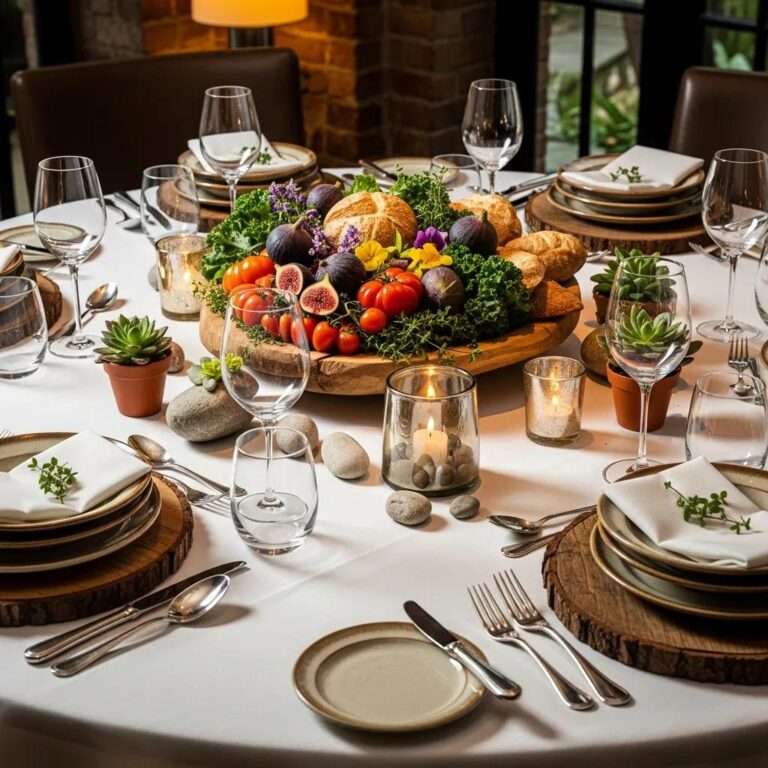
Taste extends beyond flavor to include texture, presentation, and narrative, while ambience quietly amplifies the meal by engaging sight, sound, and touch. This study explores how cohesive storytelling — from omakase to farm‑to‑table — elevates the dining experience and how texture plays a central role in that storytelling.
How Taste and Ambience Shape Consumer Perceptions — Sensory Marketing in Fine Dining, 2024
How Is Food Texture Innovation Shaping the Future of Fine Dining?
Texture innovation is driven by advances in molecular gastronomy, culinary texturizers, and plant‑based structuring that recreate animal mouthfeel while expanding creative opportunity. Chefs and food scientists develop gels, foams, and structured proteins that reproduce creaminess, chew, and fat dispersion without relying solely on traditional animal sources. Multisensory design — combining sound, temperature shifts, and tactile elements — also supports textural work to create fuller experiences. The list below outlines leading trends driving texture‑forward haute cuisine.
- Use of hydrocolloids and culinary texturizers to tailor gelation and mouth‑coating.
- Plant‑based structuring that approximates marbling and succulence of animal proteins.
- Multisensory service that synchronizes texture with sound and temperature changes.
These trends show that texture will remain central to culinary innovation, influencing ingredient development and menu design. The final subsection explains how Kaviar embraces innovation while honoring Japanese tradition.
What Are the Latest Trends in Gourmet Food Texture and Sensory Dining?
Recent trends combine technical refinement and experiential design: chefs are applying scientific texturizers, using sous‑vide and low‑temperature cooking to perfect tenderness, and adding dynamic service elements that change texture during the meal. Plant‑based progress now enables convincing recreations of marbled, melt‑in‑the‑mouth sensations with structured proteins and fat blends, broadening sustainable options. Diners also seek multisensory experiences where tactile, auditory, and thermal cues are orchestrated with texture to deepen engagement. These innovations expand the chef’s toolkit and open new ways to tell stories through mouthfeel.
How Does Kaviar Align with Molecular Gastronomy and Texture Innovation?
Kaviar blends tradition with targeted innovation, applying modern techniques where they enhance ingredient integrity while preserving classic Japanese textures — silky sashimi, buttery A5 Wagyu, and delicate caviar pops. Our approach emphasizes precision: controlled‑temperature cooking, careful battering to sustain crispness, and the restrained use of texturizers only when they support — not replace — natural mouthfeel. For diners seeking a texture‑forward experience rooted in premium ingredients, our omakase and signature courses show how innovation can serve tradition. Guests interested in tasting these texture‑driven menus in Pasadena may reserve through the restaurant’s standard reservation options to see how pacing, contrast, and premium ingredients come together.
Kaviar positions itself as a destination for luxury Japanese fine dining in Pasadena, where meticulous craft and ingredient quality put texture at the center of our menu design. For discerning diners focused on A5 Wagyu, premium caviar, omakase progression, and textural innovation, reserving a tasting menu is the clearest way to experience these principles firsthand.
- Reserve Intentionally: Omakase seating and curated tasting sequences are designed for textural progression and are best enjoyed with advance booking.
- Choose Texture‑forward Courses: Seek dishes highlighting A5 Wagyu, caviar, tempura, and uni to experience deliberate contrasts.
- Engage with the Chef: When possible, ask about texture and temperature decisions to deepen your appreciation.
Frequently Asked Questions
What is the significance of mouthfeel in gourmet dining?
Mouthfeel — or texture — shapes how flavors are released and how long they linger, so it plays a central role in the gourmet experience. Chefs design textures to create contrasts that boost umami and kokumi, resulting in a more engaging, memorable meal. Understanding mouthfeel helps diners appreciate the craft and intention behind each dish.
How do chefs use temperature to enhance food texture?
Temperature changes the physical state of ingredients: fats melt and coat the palate at higher temperatures, producing a smoother mouthfeel; cold dishes retain firmer structure. Chefs sequence temperatures across a meal to create contrast and guide the palate, using cool courses to refresh and warm ones to amplify aroma and crispness.
What are some common textural contrasts found in fine dining?
Common contrasts pair crispy, creamy, and chewy elements — for example, tempura’s crunch alongside silky sashimi and tender A5 Wagyu. These combinations intensify perception of quality and keep the dining experience dynamic, highlighting both technique and ingredient provenance.
How does the omakase experience utilize texture?
Omakase is curated around progression and pacing: chefs alternate textures and intensities so each course reframes the last. Starting with light, clean bites and moving through warm, texturally complex courses allows for frequent, deliberate shifts that sustain interest and illuminate ingredient detail.
What role do seasonal ingredients play in textural variety?
Seasonal produce supplies distinct textures that change throughout the year. Chefs select ingredients for their seasonal textures — crisp spring shoots, juicy summer fruits, firm autumn roots — to keep menus lively and to explore new mouthfeel combinations tied to the season.
How is texture innovation influencing the future of fine dining?
Texture innovation — from hydrocolloids to plant‑based structuring and multisensory service — broadens what chefs can do with mouthfeel while supporting sustainability and creativity. As diners seek richer, more immersive experiences, the role of texture alongside sound, temperature, and presentation will only grow.
Conclusion
Texture is a cornerstone of gourmet dining: it frames flavor, guides pacing, and builds memory. By composing contrasts — crispy, creamy, and chewy — chefs craft meals that engage the palate and elevate taste. To experience these ideas in practice, reserve a tasting at Kaviar Restaurant and discover how meticulous technique and premium ingredients combine into a considered, texture‑forward dining journey.