



Book a Chef’s Table at Kaviar — Exclusive Omakase & Luxury Dining in Pasadena
Our chef’s table is an intimate omakase experience that pairs modern Japanese technique with exceptional ingredients and direct conversation with the chef. Read on to learn what to expect at counter seating, how our tasting progression features Miyazaki A5 Wagyu and curated caviars, and the practical steps to reserve and tailor an exclusive evening in Pasadena. Many guests come seeking theatrical service, deliberate pacing, and thoughtful pairings — this guide explains how a chef’s table delivers those elements while preserving provenance and rhythm. We map the omakase flow, compare A5 Wagyu with Kaluga and Osetra caviar, summarize booking and customization options, and share how to prepare for your visit. Throughout, the focus is on clear, actionable guidance for guests ready to book a special-occasion tasting.
What Is the Kaviar Chef’s Table Experience in Pasadena?
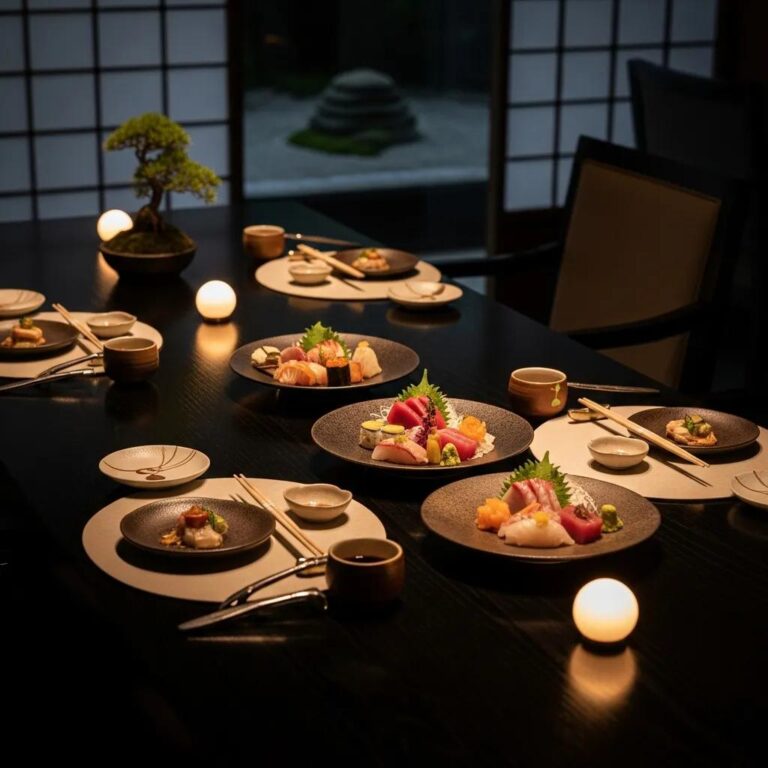
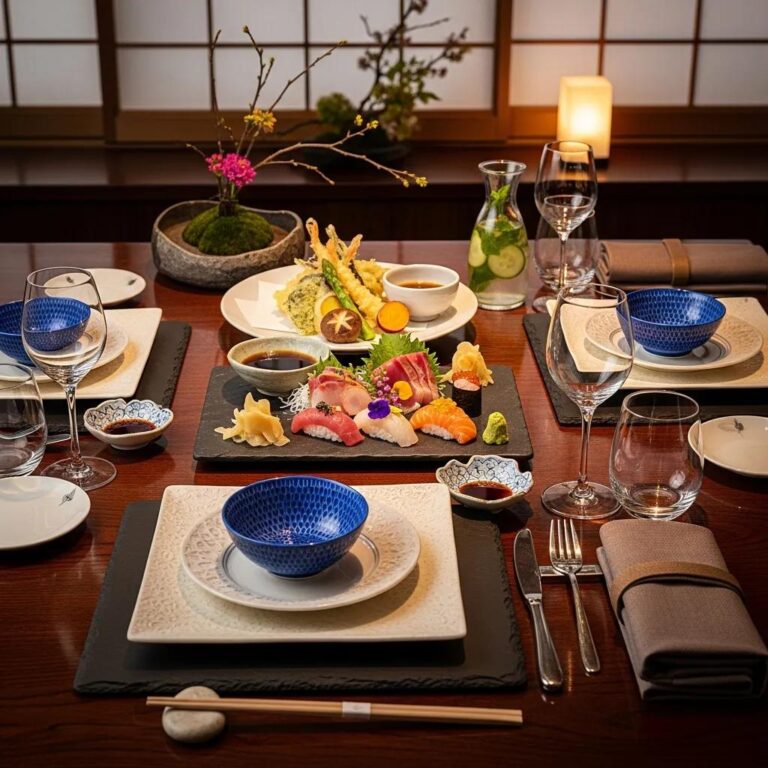
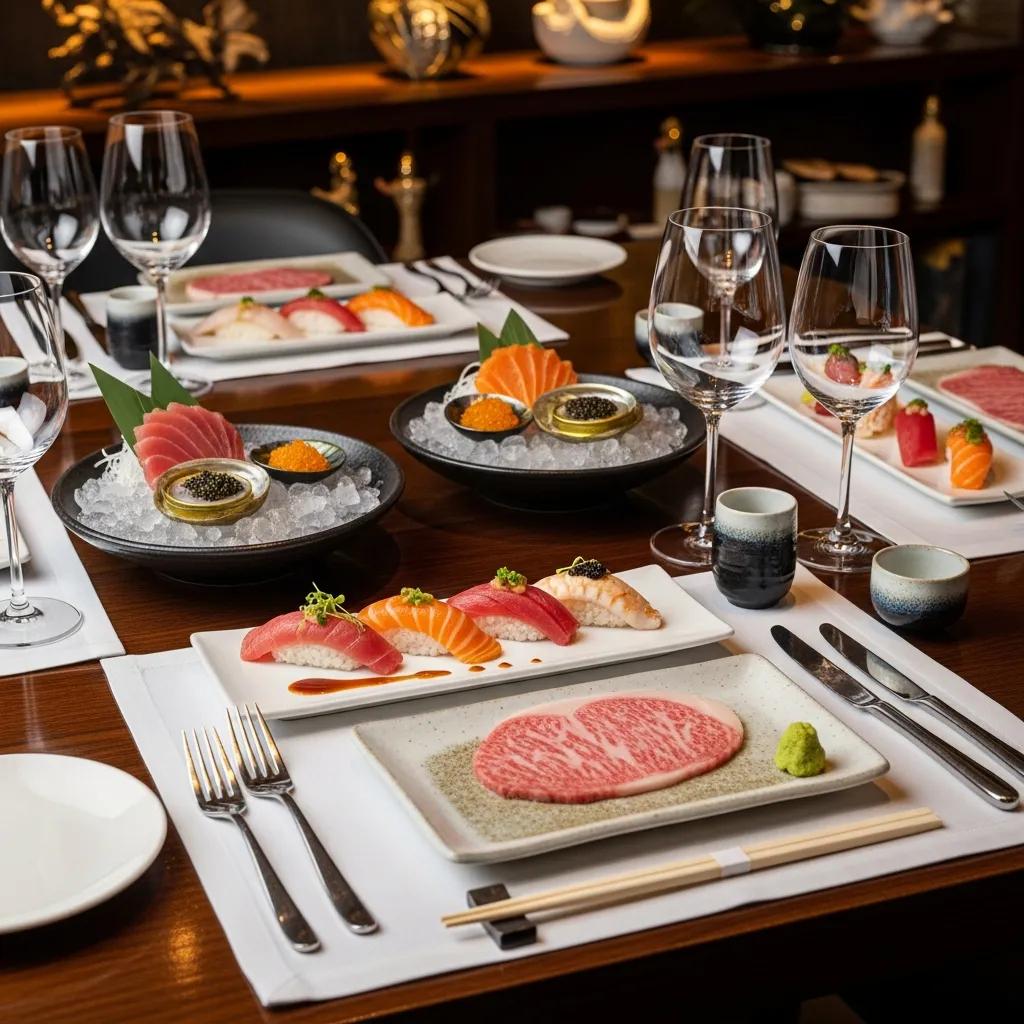
The Kaviar chef’s table is a counter-side tasting that puts guests close to technique, plating, and live chef narration. Courses are sequenced to highlight seasonal seafood and classic sushi craft, with signature moments for A5 Wagyu and caviar that heighten contrast and texture. Guests benefit from heightened freshness, attentive pacing, and context about sourcing and technique — elements that turn a meal into a memorable, sensory-driven occasion. For diners who want a focused, theatrical tasting, the chef’s table replaces a standard dinner with a multi-course journey led by the chef.
We keep these services intentionally selective to preserve intimacy and quality: counter seating is limited and menus are curated from premium ingredients. Use our Reservation and Menu pages to check availability and note personalization requests so our team can plan private or celebratory bookings in Pasadena.
The chef’s table at Kaviar centers on three defining features:
- Direct Chef Interaction: The chef explains technique, sourcing and plating decisions in real time.
- Omakase Sequence: Courses move from delicate sushi and sashimi toward richer grilled and Wagyu moments.
- Signature Ingredient Moments: Focused services showcase Miyazaki A5 Wagyu and select caviars.
Those elements combine into a clear sensory arc that culminates in a personalized dining narrative and show how the intimate setting amplifies each course.
How Does the Intimate Chef’s Table Setting Enhance Your Dining?
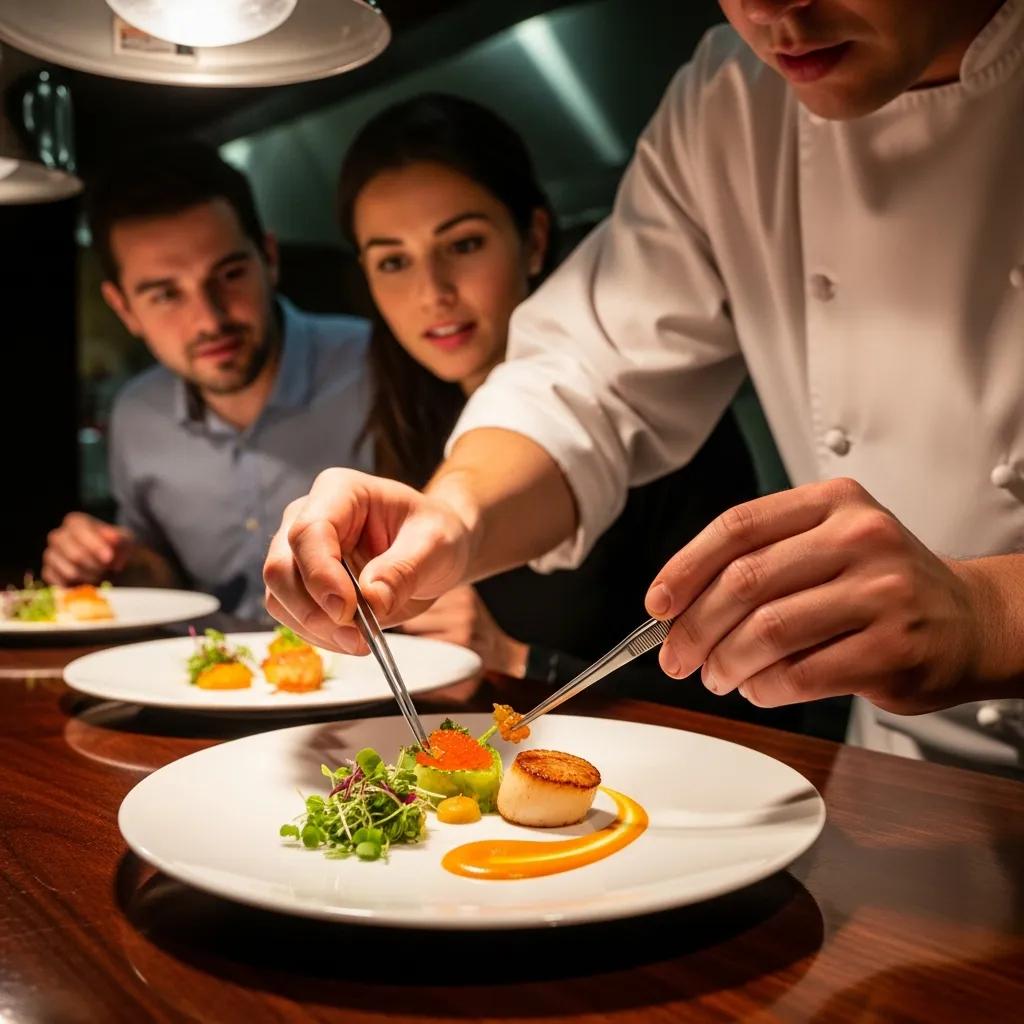
Sitting at the chef’s table shortens the distance between preparation and plate: you watch finishing touches, timing and seasoning come together live. That proximity reinforces perceived freshness — dishes are plated and served at their peak — and enriches storytelling when the chef describes a fish’s origin or the technique behind a wagyu sear. Service timing is flexible: we can speed up or slow down depending on your preference and the conversation at the counter, allowing custom pacing for courses and pairings. The sensory payoff is immediate — ideal textures, concentrated aromas and the context that makes each bite memorable.
This closeness also makes small personalizations and on-the-spot adjustments possible — trimming portions or shifting seasoning — which builds trust in the chef’s craft and deepens the curated nature of the evening.
Who Is Chef John Hans Yeo and What Is His Role in the Experience?
Chef John Hans Yeo designs our chef’s table menus and leads the kitchen interaction that defines the omakase. He shapes the menu sequence, paces service and narrates each course so guests understand the reasons behind preparation and pairing choices. Chef Yeo emphasizes seasonal sourcing, precise knife work and selective use of ultra-premium items like Miyazaki A5 Wagyu and specialty caviars to create standout moments within the tasting. By personally guiding service, he balances theatrical technique with sincere culinary intent, ensuring each guest receives a thoughtfully composed and bespoke dining narrative.
His involvement directly informs how the omakase unfolds — the next section maps Kaviar’s course architecture and how we interpret traditional Japanese practices for a modern table.
How Does the Omakase Journey at Kaviar Showcase Modern Japanese Cuisine?
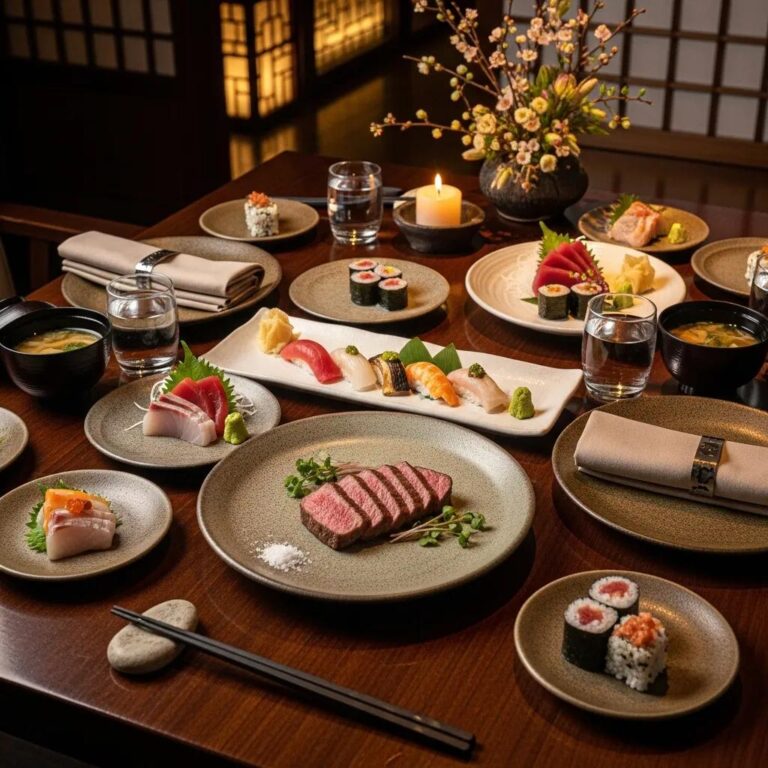
Our omakase blends classical Edomae techniques with contemporary refinements in sourcing, finishing and plating. The journey is driven by sequence: clean, textural sushi and sashimi open the meal; grilled or seared items follow; heavier Wagyu and caviar services close the arc. Balancing acidity, fat, temperature and texture creates complementary contrasts that maximize each premium ingredient’s impact. The result is a coherent tasting narrative that both teaches and delights, with an emphasis on technique and provenance.
Below is a compact map linking common course categories to technique and pairing logic so guests can anticipate the structure of a Kaviar omakase.
This map shows how technique and pairing at Kaviar create a structured progression, preparing guests for the flavor shifts ahead and helping them communicate preferences before the meal begins.
What Traditional and Modern Elements Define Kaviar’s Omakase Menu?
Our omakase honors traditional Japanese methods — Edomae rice, meticulous knife work and restrained seasoning — while incorporating modern techniques like precise temperature control, contemporary plating and occasional sous-vide or smoke finishes. That hybrid approach preserves the purity of raw seafood while amplifying texture and aroma to meet contemporary fine-dining expectations. Guests experience the restraint of classic sushi alongside layered, inventive treatments; each course is both respectful and surprising, and serves as a lesson in provenance and technique.
These stylistic choices determine seasonal ingredients and signature dishes served at the counter, described next to give diners a clear sense of what to expect.
Which Seasonal Ingredients and Signature Dishes Are Featured?
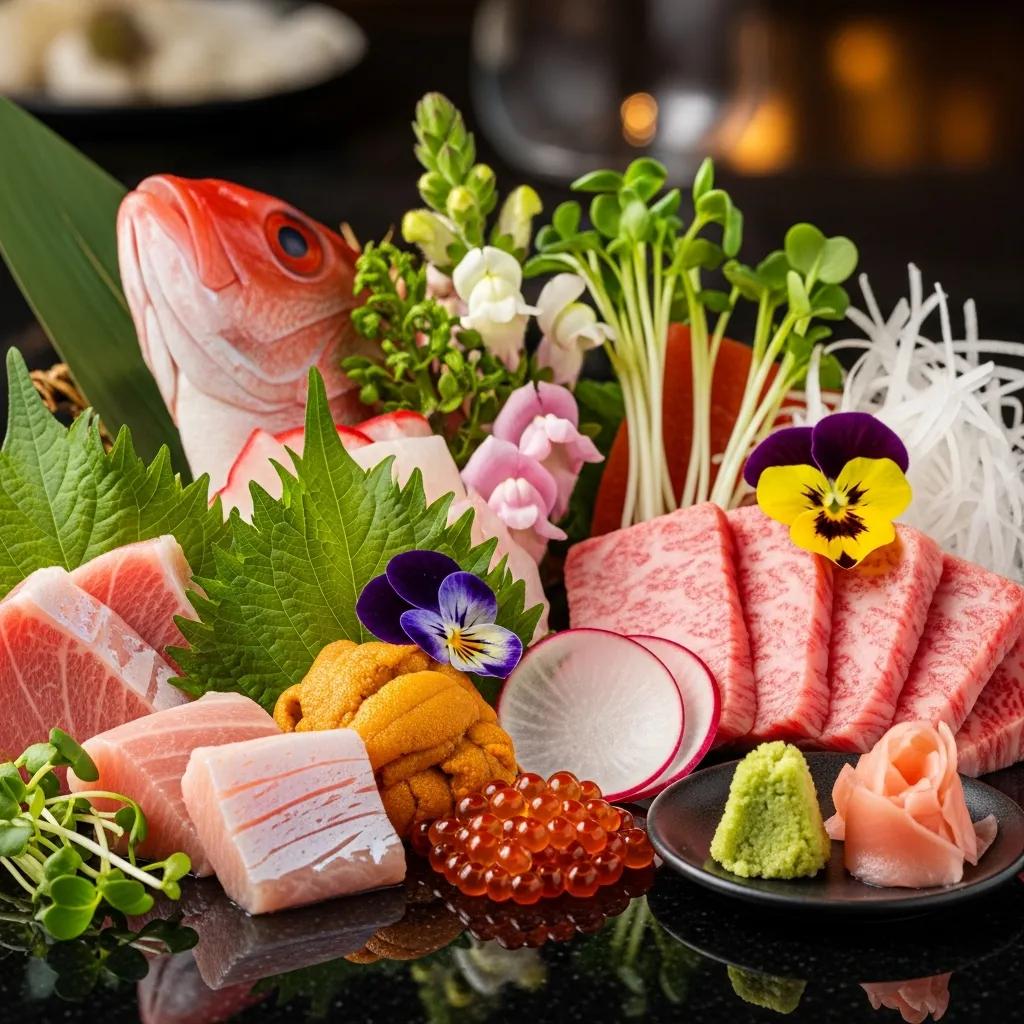
Our tasting menu changes with the seasons, prioritizing daily fish selections, peak produce and signature moments for Miyazaki A5 Wagyu and select caviars. Seasonal fish lead sashimi and sushi courses where freshness and varietal nuance matter most; root vegetables and small produce inform palate-cleansing interludes and garnishes. Typical highlights include delicate Edomae-style nigiri, a warm seared course that plays with fat and smoke, and a finale where wagyu and a subtle caviar accent create a contrast of richness and brine. This rotation keeps repeat visits fresh and allows the chef room to personalize each tasting.
Seasonality is also what enables deeper personalization and adaptation — topics we cover in the booking and customization section below.
Why Are A5 Wagyu and Caviar Central to the Kaviar Chef’s Table?
Miyazaki A5 Wagyu and premium caviars anchor the tasting because their intensity and rarity create memorable peak moments. These ingredients concentrate umami, fat and texture into a single course, heightening the contrast between lighter and richer courses. For guests, that creates a clear crescendo: after delicate bites, a Wagyu or caviar service redefines the meal’s gustatory peak. These moments also let the chef demonstrate refined finishing and pairing strategies that underscore provenance and craft.
To clarify service styles, the table below compares the core premium items used in signature moments at the chef’s table.
This comparison explains why these ingredients are reserved for peak courses and how their preparation highlights texture and flavor. Recognizing these differences helps guests appreciate the chef’s intent when signature moments arrive at the counter.
What Makes Miyazaki A5 Wagyu a Premium Dining Highlight?
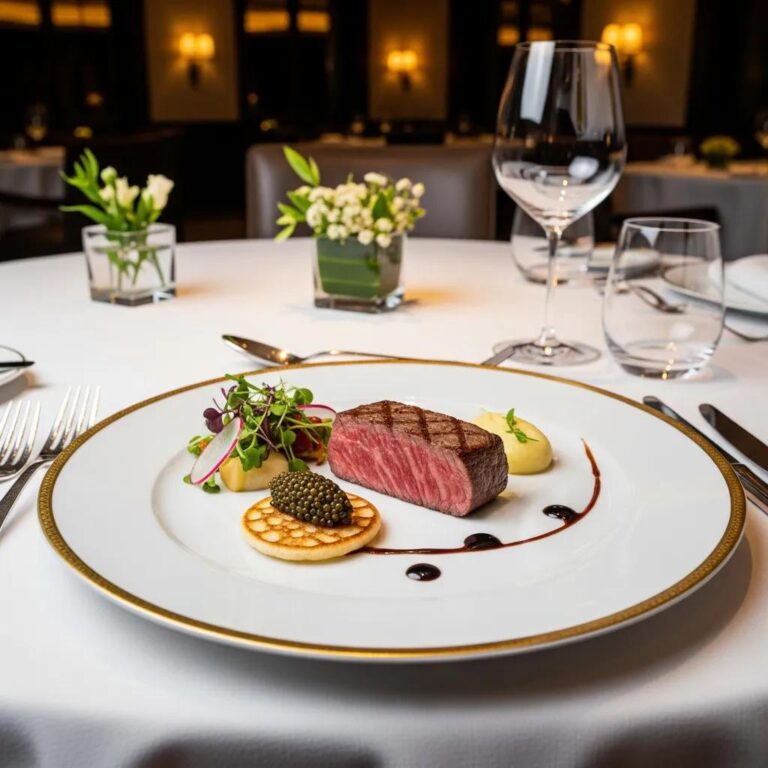
Miyazaki A5 Wagyu is prized for its extreme marbling, which creates a near–melt-in-the-mouth texture and concentrated umami that can turn a single course into a lasting memory. The A5 grade denotes top-tier quality; the beef responds best to brief, precise searing rather than long cooking, preserving tenderness while forming a savory crust. For guests, small, perfectly timed bites reveal nuanced fat rendering and depth of flavor that pair beautifully with restrained condiments or sparkling wine. At the chef’s table, Miyazaki A5 functions as a climactic course that emphasizes the tasting menu’s luxury focus.
Because the beef shines with minimal treatment, presentations favor subtle seasoning and exact timing so the breed and marbling remain the focal point.
How Are Kaluga and Osetra Caviar Served and Paired at Kaviar?
We serve Kaluga and Osetra caviar to highlight texture and saline complexity: chilled, carefully portioned and presented to preserve each pearl’s integrity. Options include neutral carriers like small blinis or direct service with mother-of-pearl or other non-metal spoons to avoid metallic notes. Pairings aim to cleanse the palate and elevate brininess — Champagne or delicate sake are common choices that balance salt and fat without masking nuance. The tasting moment is measured and ceremonial; portions are small and meant to be savored slowly so texture and finish come through.
These caviar presentations act as punctuation within the tasting, creating contrast with surrounding courses.
How Can You Book and Customize Your Exclusive Chef’s Table Experience?
Booking and customizing a chef’s table is straightforward but benefits from early, specific communication. Choose your date and party size, then tell us about dietary restrictions, celebratory details or ingredient preferences so the kitchen can plan sourcing and pacing. The earlier and clearer the request, the more customization is possible — menu swaps, celebratory additions and tailored pairings are easier to arrange with lead time. For guests ready to plan, we recommend confirming logistics early and including personalization notes with the reservation.
Below is a step-by-step guide designed for quick clarity on how to book.
- Pick a Date and Party Size: Select preferred dates and the number of seats for the chef’s counter or private option.
- Share Dietary Needs: Note allergies, preferences, and any celebration details so the menu can be adapted.
- Request Personalization: Indicate ingredient highlights, pairing preferences or surprise elements so the chef can plan sourcing and pacing.
Following these steps increases the chance of a tailored, smoothly executed evening and leads naturally to available reservation formats.
Kaviar accepts reservation notes and customization requests through our standard booking channels; reference the restaurant’s reservation information when preparing your request. Clear instructions at booking time help the kitchen deliver an omakase that matches your expectations.
Below is a concise table outlining booking formats and recommended lead times so guests can plan realistically.
What Are the Reservation Options and Group Sizes Available?
Chef’s table seating prioritizes counter spots for direct interaction, with small-group layouts that let multiple guests share the experience within an intimate space. Counter seating is optimal for 1–6 guests to preserve intimacy and let the chef engage with each diner; larger private events require additional lead time and bespoke coordination. These capacity limits protect quality: fewer seats let the kitchen time courses precisely and preserve premium-ingredient integrity. Choose the seating format that fits your occasion and allow extra notice for larger groups.
If you’re planning a private event or special arrangement, early communication ensures the chef can source specific ingredients and design a tasting that meets your expectations without compromising quality.
How Can Guests Personalize Their Chef’s Tasting Menu?
Guests personalize their tasting by sharing dietary restrictions, ingredient preferences or celebratory requests at booking, which allows the chef to adapt course order and pacing. Typically, written notes at reservation time let the kitchen plan substitutions, create vegetarian or pescatarian tracks, and add special touches like celebratory desserts. Major customizations — for example, a fully vegetarian multi-course tasting — require more lead time so seasonal sourcing can be arranged. The benefit is a tasting that reflects your occasion while respecting the chef’s creative vision.
Clear, early communication is the most effective way to ensure the tasting is both bespoke and seamless.
What Can You Expect Behind the Scenes of the Kaviar Chef’s Table?
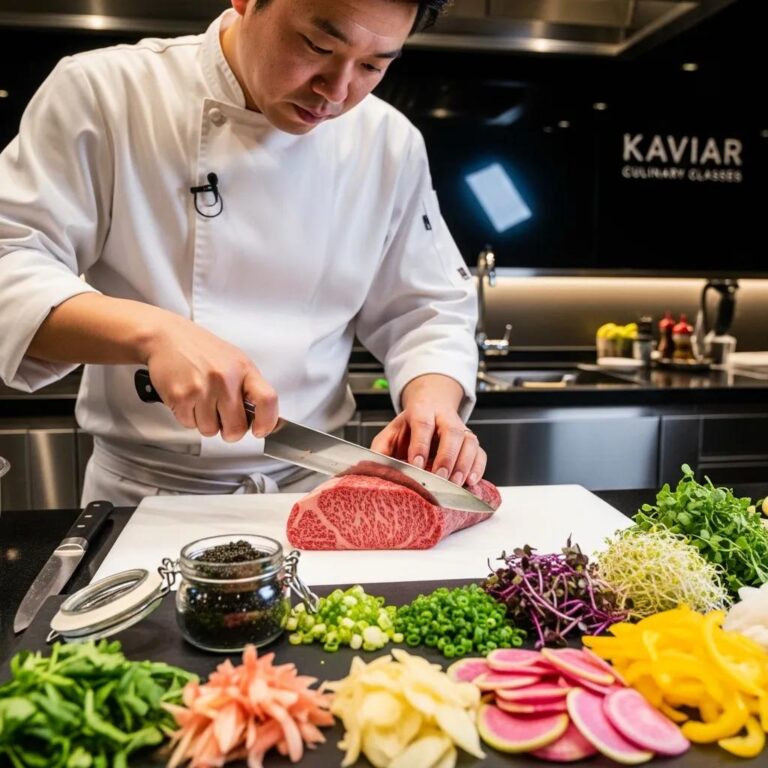
Behind the scenes, the chef’s table runs on precise kitchen choreography, accurate timing and pre-service mise en place so each plate can be finished and served at its peak. Ingredients are staged, temperature windows monitored, and final seasoning applied in view of guests to guarantee consistent texture and presentation. That operational discipline delivers the technical precision and hospitality you notice across the evening — the payoff is a polished, memorable tasting.
Which Visuals Capture the Chef’s Table and Omakase Preparation?
Strong visuals include close-ups of plated wagyu and caviar pearls, counter shots of the chef at work, and short clips of finishing techniques like searing or spooning caviar. Still images show texture and color; short video conveys timing, sound and motion — all useful cues for prospective guests. ALT text and concise captions should mention technique and provenance to support context and SEO. For example, a caption might note the finishing salt used on an A5 sear or the origin of a caviar lot, linking the image to culinary intent.
Well-captioned and optimized visuals help guests picture the experience and make informed reservation choices.
- Image types to include: chef portrait, counter action shot, close-up of signature wagyu slice.
- Video clips to include: 10–20 second clips of a final sear, caviar spooning, and the plated sequence.
- ALT text guidance: reference technique, ingredient and a sensory word in 8–12 words.
These assets give prospective guests a clear sense of ambiance, service style and culinary focus.
How Does the Kitchen Interaction Elevate the Dining Experience?
Kitchen interaction turns technical steps into story — when a chef explains a fish’s origin or demonstrates a finishing technique, guests gain context that deepens enjoyment. That context creates emotional engagement; understanding provenance and method raises perceived value and satisfaction. Live finishing, such as a last-second wagyu sear, also optimizes texture and aroma immediately before tasting, an effect a dining room rarely replicates. These interactive moments transform a meal from passive consumption into an educative performance that rewards curiosity and attention.
That live dialogue also allows micro-adjustments in pacing and seasoning so each guest’s preferences are respected, improving personalization and overall enjoyment.
What Are the Most Common Questions About Booking Kaviar’s Chef’s Table?
Guests frequently ask about pricing drivers, dietary accommodations, lead times and cancellation or private-event logistics. Clear answers reduce friction and set realistic expectations. Price typically reflects course count, the inclusion of Miyazaki A5 Wagyu or specialty caviars, and whether beverage pairings are added — so costs can vary by season and customization. For dietary needs, disclose restrictions at booking so the chef can plan substitutions. When unsure, contacting our reservations team is the best way to get current availability and specifics.
Below are concise FAQs for quick decision-making and featured-snippet style discovery.
- What influences the cost of a chef’s table? Primary drivers are premium ingredients, course count and beverage pairings.
- Can the chef accommodate dietary restrictions? Yes — please disclose allergies and preferences at booking so we can plan suitable substitutions.
- How far in advance should I reserve for a private event? Private or larger-group requests benefit from 7–14 days’ notice to allow sourcing and planning.
How Much Does the Chef’s Table Experience Cost in Pasadena?
Pricing for the chef’s table varies with ingredient choices, course count and pairing selections; Miyazaki A5 Wagyu and specialty caviars are notable cost drivers. Because premium sourcing and seasonal availability affect procurement, prices can fluctuate. We recommend confirming current pricing with reservations when booking so you can select the level of luxury and customization you prefer.
Contact reservations early for the most accurate, up-to-date pricing tailored to your requested menu and party size.
Are Dietary Restrictions or Special Requests Accommodated?
Yes. Kaviar accommodates dietary restrictions and special requests when provided in advance so the chef can design alternate course sequences or substitute ingredients without disrupting flow. At booking, note allergies, religious dietary laws or lifestyle preferences and the kitchen will re-provision and plan alternate courses. Major customizations, such as a fully vegetarian multi-course tasting, require earlier notice to match seasonal sourcing with the requested menu. Providing specifics ahead of time ensures food safety and a seamless, tailored experience.
Clear dietary information during reservation helps the chef preserve the omakase narrative while honoring guest needs.
Reservation and Contact Note
For reservations or questions about availability and personalization at Kaviar Restaurant in Pasadena, please use the restaurant’s reservation channels to confirm seating and discuss bespoke requests. Our reservations team will help coordinate timing, pacing and menu details so parties planning an elevated omakase — including those featuring Miyazaki A5 Wagyu or specialty caviars — can arrive ready to enjoy a thoughtfully prepared evening.
This completes our guide to booking, experiencing and customizing a chef’s table at Kaviar, giving you the practical information needed to plan a refined, memorable omakase evening.
Sensory Marketing in Fine Dining: Taste, Ambience, and Omakase Experiences
Fine dining is a multisensory journey where taste and ambience shape lasting impressions and define perceptions of luxury. This paper examines how taste — extending beyond flavor to include texture, presentation and storytelling — and carefully curated ambience work together to heighten emotional and sensory impact. Using examples like Japanese omakase and farm-to-table service, it shows how deliberate, multi-sensory design enhances satisfaction, builds emotional connections and supports premium pricing.
How Taste and Ambience Shape Consumer Perceptions—Sensory Marketing in Fine Dining, 2024
Frequently Asked Questions
What is the ideal group size for the chef’s table experience?
We recommend 1–6 guests for the chef’s table. This size preserves intimacy and allows the chef to engage directly with each diner. Larger groups can be accommodated with special arrangements, but they require more lead time to maintain the same level of service and ingredient quality.
How can I prepare for my chef’s table experience at Kaviar?
Before your visit, review our menu and note any dietary restrictions. Share those details when booking so the chef can tailor the menu. Also, bring an open mind — omakase is a sequence of seasonal courses designed to be experienced in order. Being receptive to new flavors will enhance the evening.
What types of beverages are recommended to pair with the tasting menu?
We recommend sake, wine and Champagne selections tailored to the progression of the meal. Lighter courses pair well with crisp white wine or dry sake; grilled items benefit from medium-bodied sake or light reds; Miyazaki A5 Wagyu pairs beautifully with sparkling wine or richer sakes. The chef is happy to suggest pairings based on your chosen menu.
Can I request specific ingredients for my tasting menu?
Yes. You can request specific ingredients when you make your reservation. Clear, early communication increases the chance we can source and include those items. Availability depends on seasonality and quality, but we do our best to accommodate thoughtful requests.
What is the cancellation policy for the chef’s table experience?
Cancellation guidelines vary by party size and the arrangements made. Generally, we ask for 24–48 hours’ notice for smaller bookings and 7–14 days for larger groups or private events so we can manage sourcing and scheduling. Please confirm the current policy with reservations when you book.
Is there a dress code for dining at Kaviar’s chef’s table?
There’s no strict dress code, but we recommend smart casual or upscale attire to match the refined, intimate atmosphere. Comfortable, polished clothing lets you enjoy the experience while feeling at ease in our dining room.
Conclusion
The Kaviar chef’s table is a carefully crafted journey through modern Japanese cuisine, centered on seasonal sourcing and premium highlights like Miyazaki A5 Wagyu and select caviars. The intimate counter, direct chef interaction and deliberate pacing create a sensory, education-rich experience perfect for special occasions. Plan ahead, share your preferences at booking, and we’ll tailor an evening that feels personal and memorable. Discover omakase at Kaviar and reserve your chef’s table for an exclusive tasting in Pasadena.