



What to Expect at a Fine Dining Restaurant Like Kaviar: Pasadena’s Premier Japanese Luxury Experience
Dining at Kaviar is a paced, ingredient-led experience where provenance, presentation, and attentive service come together to mark a special occasion. This guide explains the elements that define that experience: how our omakase tasting menu is composed, what to expect from signature ingredients like Miyazaki A5 Wagyu and Kaluga caviar, and practical steps for planning your visit. Many guests arrive unsure how omakase differs from à la carte service, what to wear, or when to reserve; we answer those questions with clear, sensory descriptions and straightforward advice. You’ll learn the hallmarks of Japanese fine dining—ambience, etiquette, and pacing—the structure of an omakase journey, notable menu highlights, and how to request special arrangements. Throughout, we use Kaviar Pasadena as an example to illustrate these principles.
What Defines the Pasadena Fine Dining Experience at Kaviar?
Fine dining in Pasadena centers on exacting ingredient choices, purposeful pacing, and service that times explanation and attention with quiet precision. The result is value born from memorable flavors, artful plating, and an intimate atmosphere that favors conversation and tasting—guests leave with vivid sensory impressions, not just full plates. Practically, this means seasonal menus, tasting formats, and staff choreography that align courses with beverage pairings and guest rhythm. Here in Pasadena, Kaviar embodies these principles by highlighting premium items—A5 Wagyu, Kaluga caviar, and curated omakase sequences—within a restrained, welcoming setting. The sections that follow unpack how ingredient quality and thoughtful service elevate the entire meal.
The distinguishing features of a luxury Japanese dining experience are rooted in provenance, technique, presentation, and ritualized service:
- Provenance and careful sourcing: Seafood and Wagyu are chosen for seasonality and top grading.
- Refined technique: Precise knife work, calibrated heat, and subtle seasoning let each ingredient speak.
- Intentional plating: Courses balance texture, color, and aroma to create a layered sensory impression.
- Choreographed service: Timing and small rituals—like caviar presentation—shape the guest’s emotional arc.
These hallmarks set expectations for guests considering an upscale tasting menu and lead naturally into how Kaviar elevates Japanese dishes through superior ingredients and execution.
How Does Kaviar Elevate Japanese Fine Dining with Premium Ingredients?
We elevate classic Japanese preparations by starting with exceptional ingredients and using techniques that concentrate texture and umami. Sourced seafood and specialty items are treated with targeted heat, curing, and light seasoning so the ingredient’s character remains central to each concise course. Whether it’s nigiri, seared Wagyu, or a small uni portion, preparations emphasize contrast—between neta (topping) and shari (rice), or rich beef fat and bright condiments. Descriptors like silky, buttery, saline-bright, and umami-rich help guests anticipate flavor direction and intensity. Knowing how we source and prepare each item helps diners appreciate how every small course contributes to an overall narrative of restraint and luxury.
What Makes Kaviar’s Ambiance and Service Truly Luxurious?
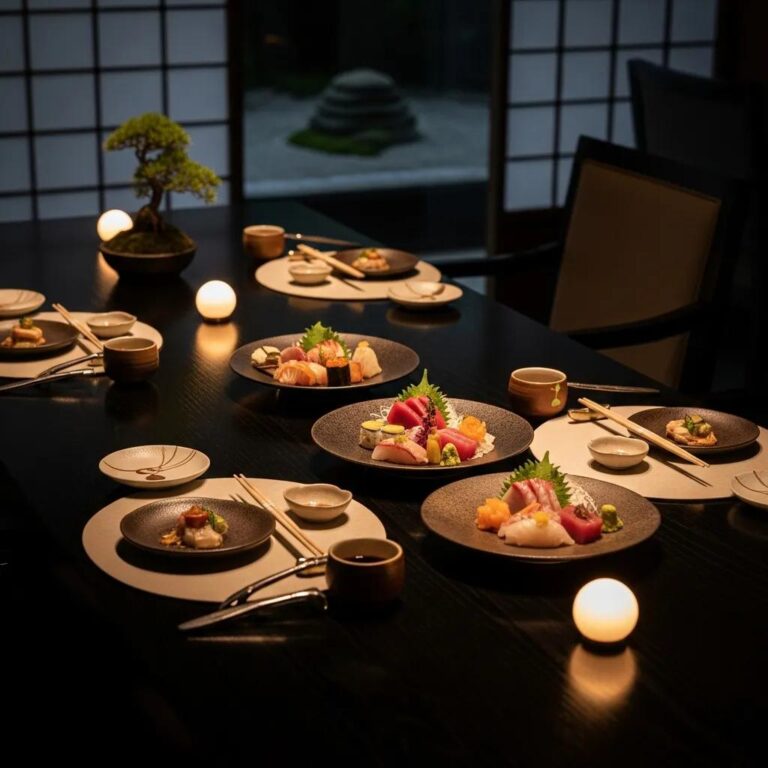
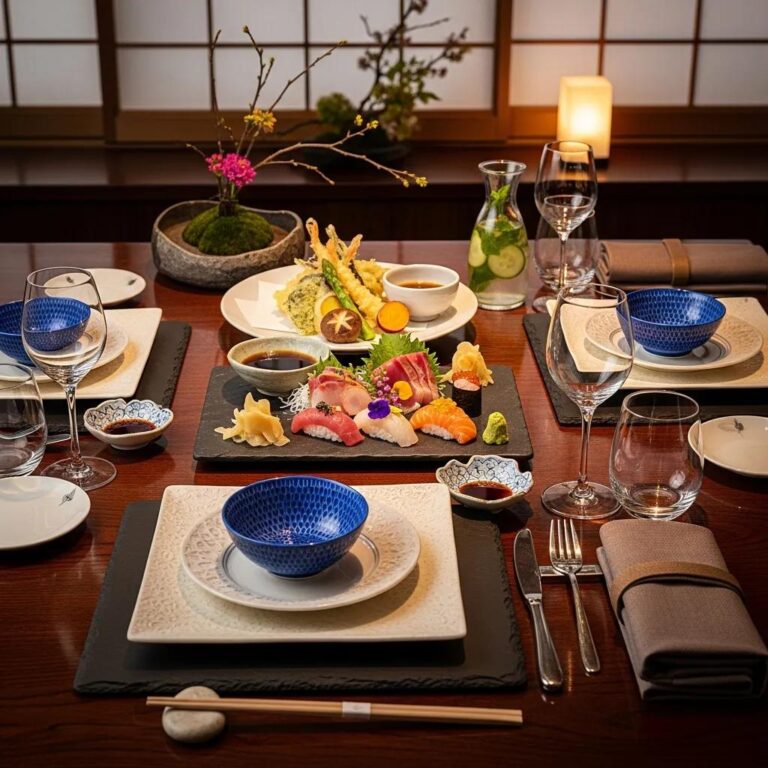
Ambiance at Kaviar is crafted through muted lighting, controlled acoustics, thoughtful spacing, and warm, tactile materials. Our service rhythm blends explanation with discretion: servers time courses, perform tableside touches such as caviar service, and manage pacing so guests are neither hurried nor waiting. Small details—weighty linens, precise flatware, and minimal, evocative tableware—reinforce a calm environment and signal care. Together, these elements allow tasting menus and omakase to unfold like a story, with the room and the team supporting each sensory beat and guiding guests from course to course.
What Is the Omakase Experience at Kaviar and Why Is It Unique?

Omakase is a chef-led tasting in which the kitchen composes a progression of small courses driven by seasonality, market availability, and the chef’s intent. The chef selects the freshest items, sequences them for contrast in flavor and texture, and—when appropriate—adjusts the flow for guests’ preferences. The result is a focused, high-attention meal that typically lasts one to two hours, depending on course count and pacing. Omakase immerses diners in the chef’s craft and introduces ingredients they might not encounter otherwise. Below are the features that make omakase at a restaurant like Kaviar distinct and why guests reserve it for special moments.
- Seasonal curation: Ingredients shift with the market to showcase peak freshness and variety.
- Chef interaction: The chef directs the sequence, often offering brief context or accommodating requests.
- Signature premium items: Expect highlights like Miyazaki A5 Wagyu, Kaluga caviar, and seasonal uni and sashimi.
- Pacing and narrative: Courses are arranged to build contrast and keep the tasting balanced from start to finish.
These elements combine into a considered tasting flow; the next section explains how the kitchen crafts menus and what you can expect from typical course stages.
How Does Kaviar Curate Its Seasonal Omakase Menu?
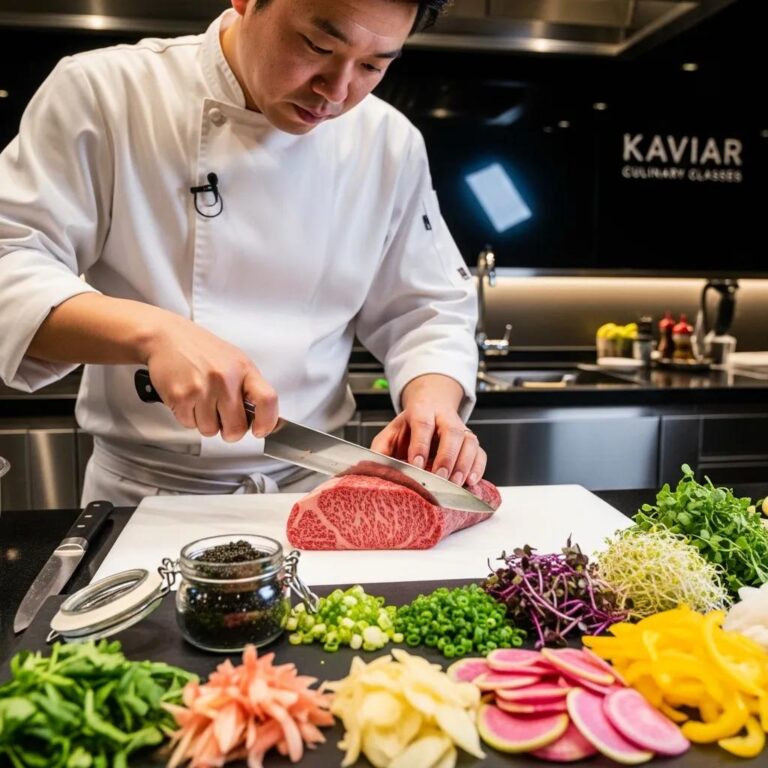
Menu curation starts with trusted suppliers, market availability, and iterative tasting sessions where the chef evaluates texture, fat, and flavor balance. The process includes sampling fish, assessing Wagyu for marbling and aroma, and pairing caviar with complementary accompaniments—supplier schedules and seasonal windows determine what’s possible on any given night. The chef then plans a progression that moves from lighter to richer flavors—opening with delicate sashimi and concluding with seared Wagyu or a concentrated uni course—to preserve palate clarity and maximize contrast. This workflow ensures each omakase service feels fresh, coherent, and true to the season and the chef’s vision.
Below is a concise overview of typical omakase course stages and the guest experience.
What Signature Dishes Feature in Kaviar’s Omakase, Including A5 Wagyu and Caviar?
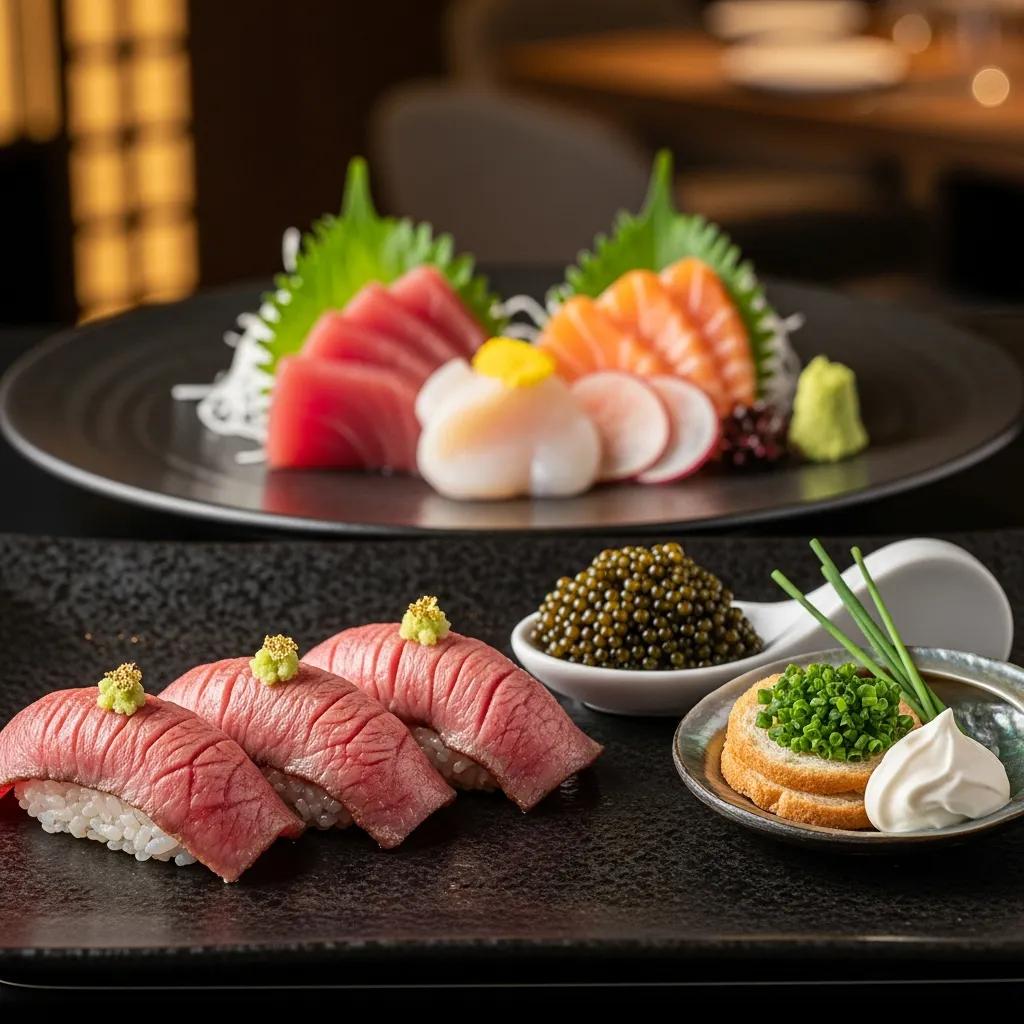
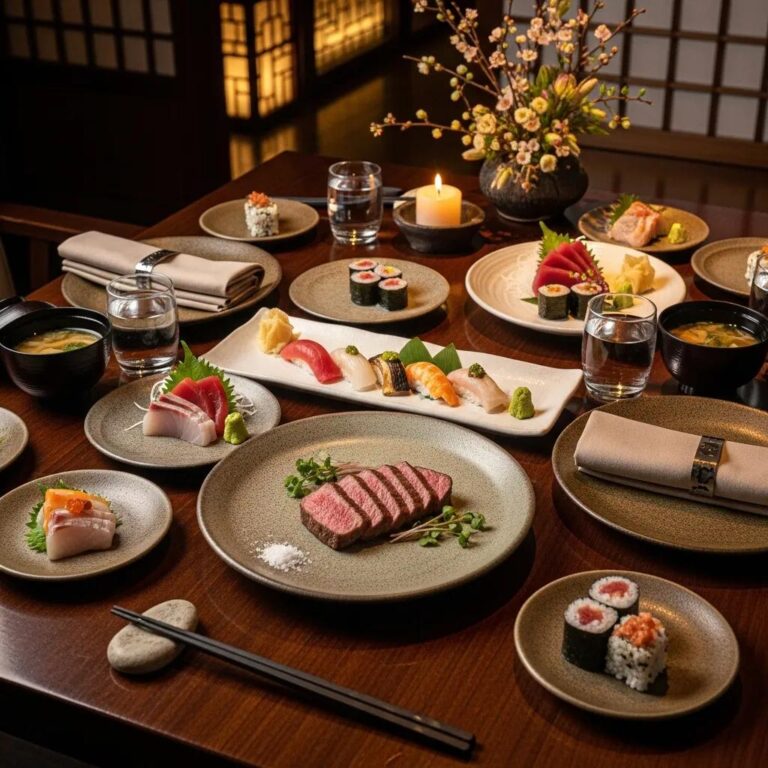
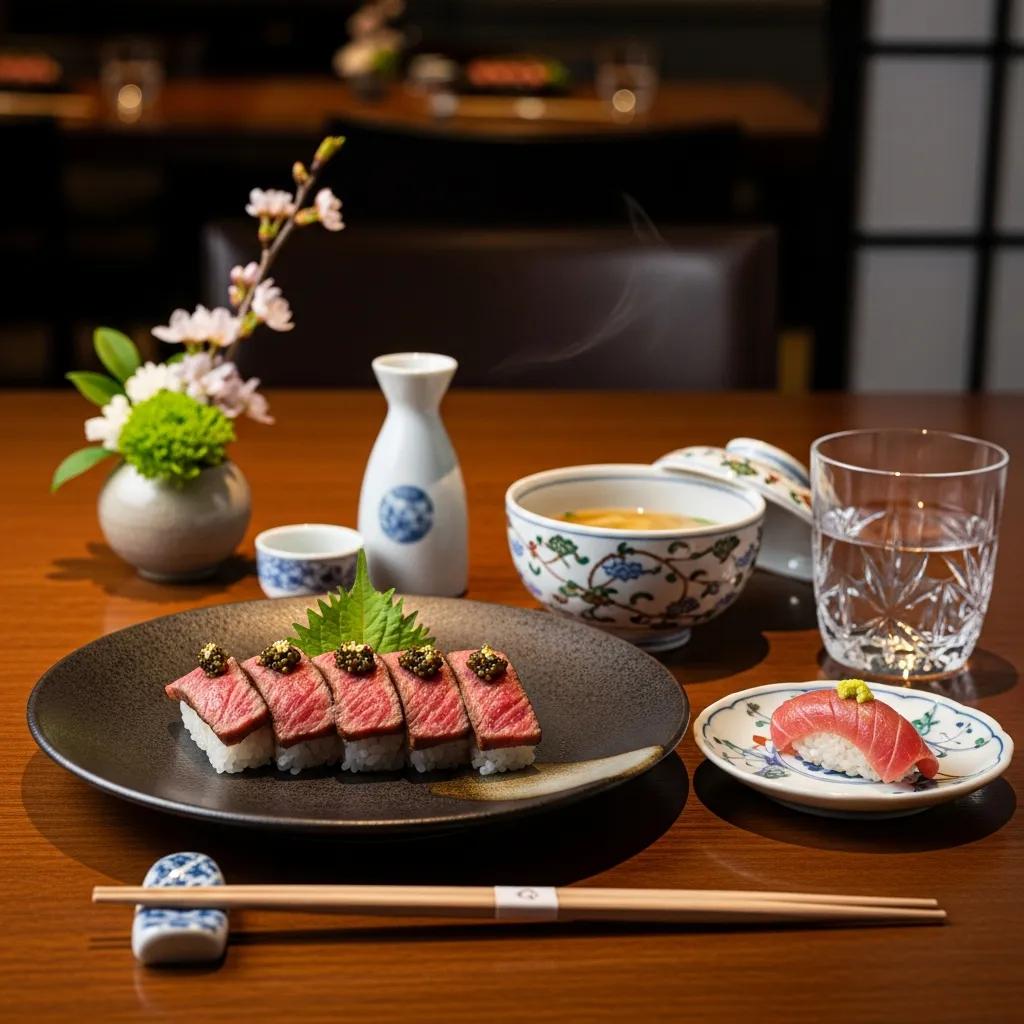
Signature dishes rotate with the season but typically include concentrated showcases of key ingredients: pristine sashimi, a creamy uni course, Kaluga caviar presented with simple accoutrements, and Miyazaki A5 Wagyu served as seared slices or nigiri to highlight marbling. Preparations are designed to amplify each ingredient’s best qualities—gentle seasoning for sashimi, chilled service for caviar, quick sears for Wagyu—so texture and aroma remain the primary storytellers. Small garnishes and temperature contrasts are added deliberately. These moments are often the emotional high points of the meal and are placed to maximize contrast and memorability.
How to Plan Your Visit: Reservations, Dress Code, and Dining Etiquette at Kaviar
Planning a visit to a fine dining Japanese restaurant requires attention to reservations, timing, attire, and etiquette so the service flows smoothly and respectfully for both guests and staff. Reservations are commonly required for omakase and strongly recommended on busy nights; booking in advance secures counter seats or preferred tables and allows the kitchen to prepare appropriate portions. Dress leans toward smart casual or semi-formal to match the setting; considerate behavior—limited phone use and timely arrival—helps preserve the experience for everyone. The sections below offer concrete reservation steps and concise guidance on dress and etiquette for high-end Japanese dining.
For booking an omakase or a special occasion, follow these recommended steps:
- Choose your date and confirm party size: Accurate headcounts secure proper seating arrangements.
- Select a reservation channel: Call the restaurant or use Resy/OpenTable to request counter seats or a table.
- Note special requests: Include dietary restrictions, celebration details, or seating preferences when booking.
- Allow sufficient lead time: Reserve early for weekends and holidays to secure omakase availability.
These steps smooth the booking process and help the kitchen prepare. The table below summarizes common reservation methods and what to expect.
What Are the Best Ways to Make a Reservation at Kaviar Pasadena?
Reserve by calling the restaurant or using Resy/OpenTable and indicate if you prefer the omakase counter or a private table. Sharing dietary notes and celebration details when booking helps the kitchen plan and enhances the experience. Calling offers direct conversation for complex requests, while Resy and OpenTable provide convenient online scheduling and alerts. For peak nights and holidays, allow extra lead time and specify omakase so the kitchen can set aside the right number of tasting portions. Any confirmation details or prepayment policies will be communicated through your chosen reservation channel.
What Is the Recommended Dress Code and Dining Etiquette for a Luxury Japanese Restaurant?
Appropriate attire for upscale Japanese dining ranges from smart casual to semi-formal—collared shirts, blouses, dresses, and tailored trousers are preferred over athletic or loudly casual clothing—to match the restaurant’s refined tone and show respect for the service. Etiquette includes arriving on time, silencing phones, avoiding strong perfumes that can interfere with tasting, and following the server’s cues during multi-course service to preserve pacing. For omakase, avoid asking the chef to change core courses on the spot; instead, communicate dietary needs when booking so the menu can be adjusted thoughtfully. These practices support the intended flow and enhance everyone’s enjoyment of a timed, multi-course meal.
What Signature Dishes and Premium Ingredients Can Diners Expect at Kaviar?
At a high-end Japanese restaurant, expect a carefully curated selection of premium ingredients presented with sensory-first techniques: richly marbled Miyazaki A5 Wagyu, briny Kaluga caviar with classic accoutrements, and seasonal uni or sashimi highlighting texture and ocean sweetness. Ingredients are selected for provenance and peak condition, then prepared to spotlight mouthfeel and umami rather than hide flavors under heavy sauces. The comparisons below clarify tasting notes, typical presentation, and ideal pairings so guests can anticipate texture, flavor, and service style.
What Are the Characteristics of Miyazaki A5 Wagyu Served at Kaviar?
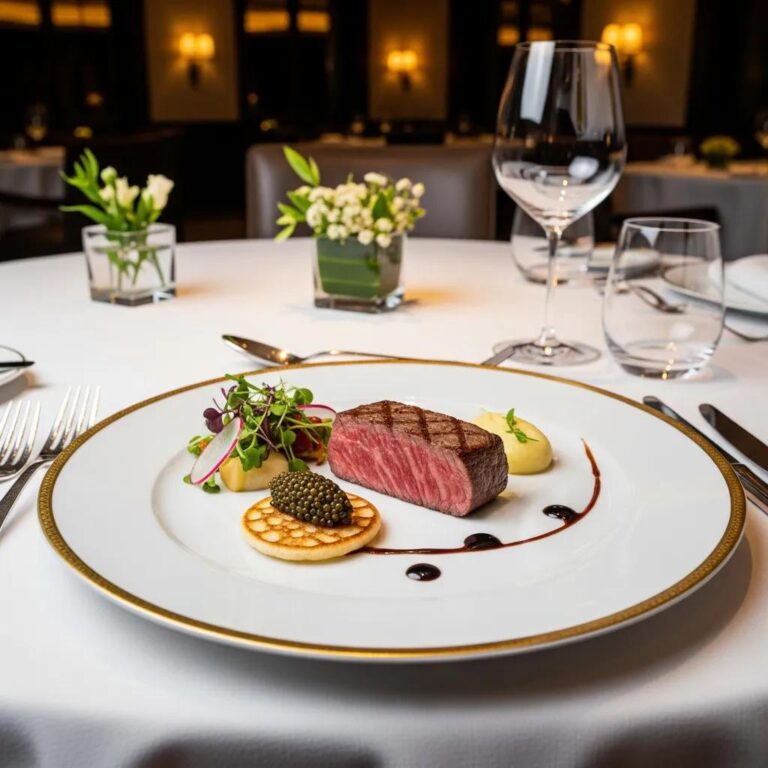
Miyazaki A5 Wagyu is prized for dense intramuscular fat that renders to a silky, melt-in-the-mouth texture, delivering concentrated umami and buttery notes. At the counter, preparations favor brevity—a quick sear, thin slice, or Wagyu nigiri—so the fat softens and aromas emerge without overwhelming the palate. Portions are intentionally small to maintain balance within the omakase sequence and to let diners appreciate contrast with a lighter preceding course. Subtle condiments or a restrained brush of tare are used to harmonize rather than mask the meat’s intrinsic flavors.
How Is Kaviar’s Exquisite Kaluga Caviar Presented and Served?
Kaluga caviar is served chilled, often on ice, with classic accompaniments such as small blini, crème fraîche, and minced chives so the saline, buttery pearls remain the focus. Tasting is deliberate—place a small amount on the back of the hand or a blini, let the texture and brine register, then add accompaniments. Because caviar pearls burst with nuanced salinity and minerality, pairings favor neutral, cleansing beverages that reset the palate between bites. Portions are modest by design, intended as a highlight within the tasting sequence rather than a large standalone course.
How Does Kaviar’s Ambiance and Service Enhance the Fine Dining Experience?
Ambiance and service are the unseen framework that shape how guests perceive timing, flavor progression, and overall value. A calm interior with clear sightlines turns chef interactions into focal moments, while trained staff manage rhythm so dishes arrive at ideal temperatures and in purposeful order. Small rituals—tableside caviar service, concise provenance notes, and considered lighting—elevate sensory moments and create an emotional throughline for the meal. The subsections below detail the physical design and staff behaviors that sustain this elevated environment.
What Elements Create Kaviar’s Sophisticated and Serene Dining Environment?
Sophistication comes from material choices, lighting, and acoustic control that prioritize comfort and attention to the food. Seating favors intimacy and views of the counter for omakase guests; tableware and linens are selected for tactile quality and understated elegance. Warm, directional lighting reveals color and texture without glare, and sound-absorbing finishes help keep conversation private and the room calm. These elements support a tasting menu’s pacing and ensure sensory focus stays on the food and the chef’s work.
How Does Kaviar’s Staff Deliver Impeccable Service to Guests?
Our team delivers attentive service through focused training, clear roles, and an emphasis on timing and guest-centered communication that anticipates needs without intruding. Servers manage course intervals, explain dishes succinctly to orient guests, and time beverage pours to complement flavor transitions; they also coordinate tableside rituals like caviar service to create moments of ceremony. Personalized touches—remembering preferences or arranging surprises for celebrations—add warmth, while careful pacing preserves the chef’s intended arc. These practices translate kitchen precision into a seamless, memorable dining experience.
What Are Common Questions About Dining at Kaviar?
Guests commonly ask about dietary accommodations, accessibility, parking, and how to handle special requests—details that shape reservation choices and on-site comfort. Clear advance communication at booking allows the restaurant to tailor the omakase where possible, and practical arrival information reduces stress. The brief FAQ below answers typical questions so guests arrive prepared and confident.
What Should Guests Know About Dietary Restrictions and Special Requests?
If you have dietary restrictions, note them when booking so the kitchen can adapt the omakase flow where feasible; some signature items are central to the tasting and may be harder to substitute, but many elements can be adjusted for allergies or strong preferences. The best practice is to list allergies or avoidances at reservation and confirm on arrival to ensure safe handling. For celebratory touches or requests like a small cake or special seating, provide details in advance via your reservation channel so the team can prepare. Early transparency yields the most flexible, satisfying results for both guests and the kitchen.
Where Is Kaviar Located and What Are Parking or Accessibility Options?
Kaviar Restaurant is located at 70 N Raymond Avenue, Suite 250, Pasadena, CA. Plan to arrive a few minutes early to allow time for nearby parking or drop-off. Many guests use on-street meters or nearby public lots; arriving early helps avoid delays at check-in. We can often accommodate accessibility needs—please note mobility requirements when booking so we can reserve suitable seating and coordinate assistance. For reservations or specific access questions, contact the restaurant directly to confirm arrangements.
- Contact for reservations and questions: (626) 605-0330
- Address: 70 N Raymond Avenue, Suite 250, Pasadena, CA
Frequently Asked Questions
What is the ideal time to visit Kaviar for an omakase experience?
Dinner service is the ideal time for omakase, when the full range of seasonal ingredients and the chef’s creativity are on display. Reservations are recommended—especially on weekends and special dates—to ensure availability. Arriving a little early lets you settle in and enjoy the atmosphere before service begins. Dining during off-peak hours can offer a quieter, more intimate experience if that is your preference.
Can guests request specific dishes during the omakase experience?
Omakase is intended as a curated journey led by the chef. Guests should share dietary restrictions or strong preferences when booking; during service, the chef generally follows the planned progression based on seasonal availability. If you have dislikes or allergies, notify us in advance so the menu can be adjusted appropriately.
What types of beverages pair well with Kaviar’s omakase menu?
Sake is a classic pairing, with styles ranging from dry to fruity that complement umami-rich courses. Light, crisp white wines or sparkling wines are excellent with seafood and richer items like A5 Wagyu. Non-alcoholic options—sparkling water or delicate teas—also work well to cleanse the palate. Our staff can recommend pairings tailored to the evening’s menu.
Is there a minimum age requirement for dining at Kaviar?
Kaviar welcomes guests of all ages, though we recommend considering whether a child will be comfortable with a multi-course tasting that unfolds over an hour or more. For specific age policies related to omakase, please check with the restaurant when booking.
What should guests do if they are running late for their reservation?
If you’re running late, call the restaurant as soon as possible. We will advise whether your reservation can be held or if adjustments are needed. Late arrivals can affect the pacing of an omakase service, so timely communication helps us maintain quality for your party and others.
Are there options for private dining or special events at Kaviar?
Kaviar offers private dining and event options for birthdays, anniversaries, and corporate gatherings. Contact us to discuss available packages, menu customization, and seating. Early planning is recommended to secure your preferred date and allow the kitchen to accommodate special requests for a tailored experience.
Conclusion
An evening at Kaviar blends premium ingredients, meticulous service, and a thoughtful omakase rhythm to turn a meal into a memorable occasion. This guide outlines what to expect—from the silky notes of Miyazaki A5 Wagyu to the quiet elegance of our dining room—and how to plan your visit. For a truly immersive experience, consider reserving omakase for your next special moment. We look forward to welcoming you to Kaviar and sharing our craft.