







The Art of Crafting Artisanal Cheeses: Techniques, Varieties, and Benefits
Artisanal cheese describes small-batch, hand-crafted cheeses made with attentive milk selection, traditional technique, and deliberate aging to create distinctive textures and flavors. This guide lays out how artisan cheeses differ from industrial products, walks through core cheesemaking steps and affinage, and offers practical pairing, nutrition, and home-production advice for cooks and hosts. From delicate chèvre to crystalline aged wheels, the article explains how milk, cultures, rennet and time interact, using clear process steps and sensory cues. You’ll find techniques for shaping texture and taste, aging strategies, an overview of major cheese families, notes on nutrition and probiotics, pairing ideas with wine, beer and sake, plus approachable recipes for fresh cheeses. The structure follows definition → process → classification → nutrition → pairing → how-to so you leave with both understanding and next steps for tasting, serving, or trying cheese at home.
What Is Artisanal Cheese and How Is It Defined?
Artisanal cheese is made in small batches with hands-on control and an emphasis on flavor expression driven by milk quality and time-honored technique. At its core, artisan cheese is the product of selected milk (cow, goat, sheep), starter cultures and rennet, shaped by the cheesemaker’s choices about curd handling, salting and aging. The chief advantage of artisanal methods is traceable flavor complexity and terroir that mass-produced cheeses rarely capture—resulting in unique sensory profiles for chefs, cheesemongers and diners. Grasping these fundamentals clarifies the differences between artisan, farmstead and industrial approaches and shows how milk source and ingredients steer the final character of a cheese.
What Distinguishes Artisan, Farmstead, and Industrial Cheeses?
Scale, milk provenance and mechanization separate artisan, farmstead and industrial cheeses—and those differences determine flavor depth and traceability. Farmstead cheeses are made on the same farm where the milk is produced, highlighting single-source terroir. Artisan producers often work in small batches and may source milk from trusted farms, while industrial producers depend on standardized cultures and mechanized processes for consistency and shelf life. Those choices affect price, culinary uses and the possibility for singular pairings. Understanding these distinctions helps explain why certain cheeses taste and behave differently in the kitchen and at the table.
What Are the Core Ingredients in Artisanal Cheese Making?
Artisanal cheese depends on a short list of essentials—milk, starter cultures, rennet and salt—each playing a clear functional and flavor role. Milk species (cow, goat, sheep) set the fat, protein and aromatic baseline; starter cultures acidify the milk and seed flavor; rennet turns milk into curd; and salt seasons, preserves and controls moisture. Optional additions—herbs, molds, smoke—create signature varieties, while the choice between raw and pasteurized milk affects complexity and regulatory aging rules. Knowing these ingredients helps tasters and home makers predict texture and taste, and leads directly into the step-by-step cheesemaking workflow.
- Core ingredients: milk, starter cultures, rennet and salt.
- Milk source (cow, goat, sheep) determines fat/protein balance and texture.
- Starter cultures and microflora drive acidification, flavor and probiotic traits.
- Salt seasons the cheese, controls moisture and influences rind formation.
These component roles set the stage for the practical process steps that follow.
How Is Artisanal Cheese Made? Step-by-Step Artisan Cheese Making Techniques
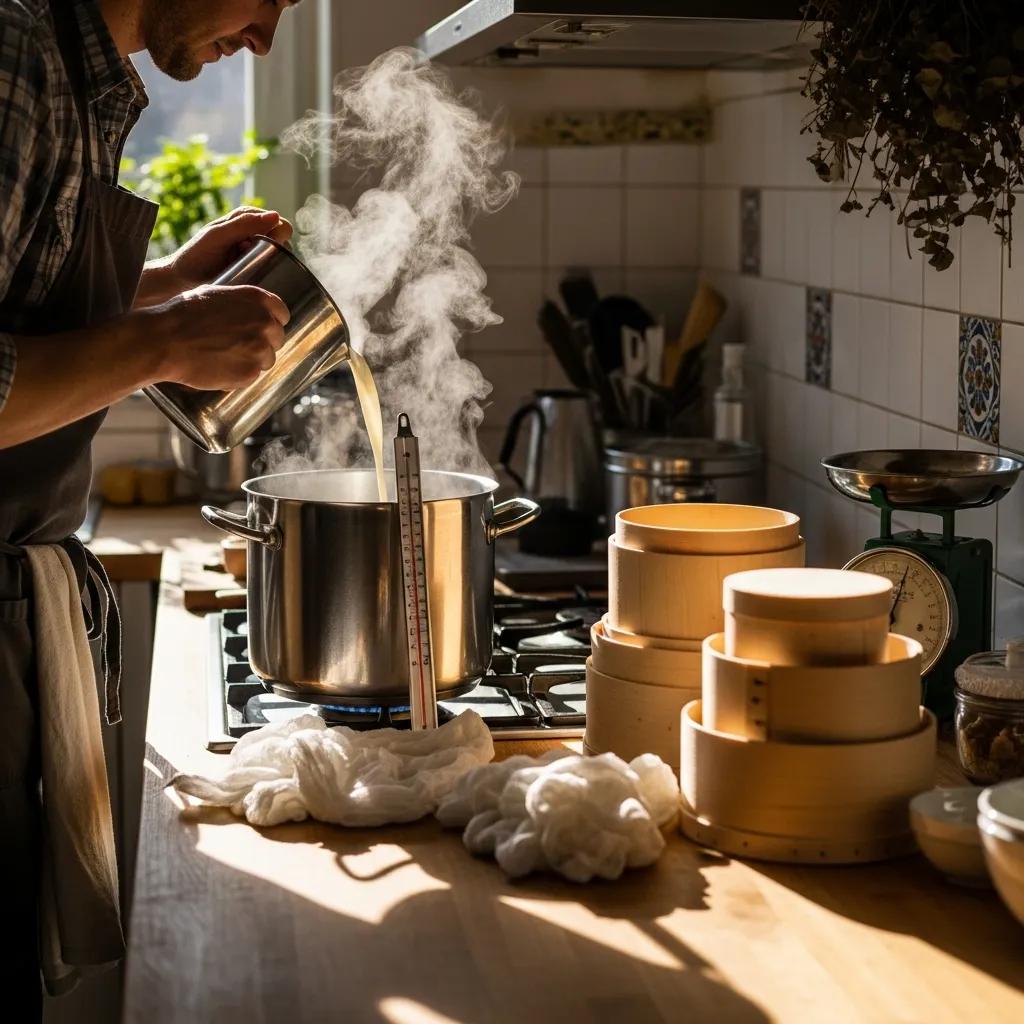
Making artisanal cheese transforms milk into a stable, flavorful product through controlled acidification, coagulation, curd handling and aging. The process begins with the decision to use raw or pasteurized milk, followed by adding starter cultures to acidify, then rennet to set the curd. From there you cut, cook, drain, shape, salt and age—the choices at each step control moisture, pH and microbial growth. Understanding these control points lets you reliably influence texture and flavor, whether you aim for a fresh ricotta or a year‑aged alpine wheel. The overview below highlights essential actions, equipment and tips to keep results safe and consistent.
What Are the Essential Steps in the Cheesemaking Process?
The cheesemaking workflow is a predictable sequence that depends on careful temperature, timing and hygiene. Heat and prepare the milk, add cultures to start acidification, then introduce rennet to form curds. Cut the curds to release whey and control moisture; gently heat or stir to the desired firmness; drain, transfer curds to molds and press if required; then salt by brine or dry-salting and move the cheese into aging. Clean equipment and steady temperature control reduce spoilage and help produce reliable textures. Below is a quick reference linking each step to the tools and outcomes you can expect.
Different cheesemaking steps require specific tools and outcomes:
Use this table as a concise checklist for home or small-scale production—attention at every step yields more consistent artisan cheeses.
How Does Aging Influence Artisanal Cheese Flavor and Texture?
Aging, or affinage, is where enzymes and microbes reshape proteins and fats—proteolysis and lipolysis—turning creamy curd into crumbly, nutty or crystalline textures and producing layered flavor compounds like free amino acids and short-chain fatty acids. Temperature, humidity and the rind’s resident microflora guide whether a cheese goes soft and oozy or dry and crystalline; blue and washed-rind varieties rely on specific molds and bacteria to build their signature profiles. Controlled aging rewards patience with nuanced aroma, textural contrast and savory depth; poor conditions, by contrast, invite off-flavors or spoilage.
With a clear sense of how time and environment alter cheese, a maker can choose the right aging regime to reach the flavor profile they want and to plan appropriate pairings and service.
What Are the Main Types of Artisanal Cheese and Their Characteristics?
Artisan cheeses group into families—fresh, soft‑ripened, semi‑soft, hard and blue—defined by moisture, aging method and dominant flavors. The main differentiator is water activity and microbial action during production and affinage: fresh cheeses keep more moisture and lactic brightness, while aged hard cheeses concentrate protein and often form crunchy crystals. For chefs and hosts, knowing these categories helps pick the right cheese for a recipe, board or pairing. The table below summarizes common types and useful pairing cues.
Introductory overview of main types and their attributes:
What Defines Fresh, Soft-Ripened, and Semi-Soft Cheeses?
Fresh cheeses are unripened, high in moisture and prized for bright acidity and immediate freshness. Soft‑ripened cheeses develop an edible white rind from surface molds and offer a creamy interior with subtle mushroomy notes. Semi‑soft cheeses sit between those textures—sliceable and meltable, versatile in the kitchen. These differences come down to curd handling and salt/moisture management: fresh cheeses see minimal processing, soft‑ripened varieties encourage surface microflora during affinage, and semi‑soft styles are often washed or lightly aged to retain pliability. Match each type to the right culinary role—fresh for salads and spreads, soft‑ripened for elegant pairings, semi‑soft for sandwiches and melting applications.
How Do Hard and Blue Cheeses Differ in Texture and Taste?
Hard cheeses are made to concentrate protein and lower moisture, developing tyrosine crystals and deep umami through long aging. Blue cheeses use Penicillium cultures to form veins and deliver sharp, piquant flavors. The biochemistry differs—proteolysis in hard cheeses creates crystalline texture and savory depth, while enzymatic mold action in blues produces strong aromatics and lipolytic notes. Hard cheeses are excellent grated or shaved over dishes and pair with bold wines; blue cheeses add a potent, salty counterpoint to salads, dressings and boards where a small amount goes a long way. Knowing these contrasts helps you use each cheese most effectively in cooking and pairing.
What Are the Health and Nutritional Benefits of Artisan Cheese?
Artisanal cheeses are nutrient-dense: high‑quality protein, fat‑soluble vitamins (A, D, K2), calcium and often B12. Some varieties also carry strain‑specific cultures that can offer probiotic benefits when live cultures survive processing and aging. These foods deliver bioavailable minerals and, in certain cases, live lactic cultures that can support gut microbial diversity—though the extent of probiotic benefit varies by cheese type, aging and milk treatment. For consumers, artisan cheeses can be a satisfying, nutrient-rich choice when eaten in moderation; portion control helps manage saturated fat and sodium. Below is a compact comparison to help you scan typical attributes across representative artisan cheeses.
This snapshot shows that nutrient density is a consistent advantage, while probiotic value depends on production method and whether live cultures remain active.
How Do Probiotics and Nutrients in Artisanal Cheese Support Wellness?
Certain artisan cheeses carry live lactic cultures that can interact transiently with the gut microbiome and support digestion in some people, while the concentrated vitamins, minerals and protein contribute to bone health and satiety. Live bacteria can help metabolize lactose and, for some consumers, reduce discomfort; fats and fat‑soluble vitamins provide energy and micronutrients. Practical guidance: choose cheeses labeled for live cultures or minimally processed varieties, and enjoy them as part of a balanced diet. Be mindful of individual tolerances and follow safe aging and handling practices to maximize both safety and benefit.
Artisanal cheeses—particularly traditional varieties found in parts of Africa—also play a role in local nutrition and rural economies by supplying affordable, nutrient-rich foods and supporting small-scale producers.
African Artisanal Cheese: Nutritional Benefits and Economic Impact
Fermented milk products and artisanal cheeses have long been staples in many African rural diets, supplying essential nutrients that support child growth and community health. Varieties such as wara, karish, ayib, takammart, wagashi, domiati and ras illustrate the diversity of regional cheesemaking. Expanding small-scale artisanal production can improve nutritional outcomes, boost local incomes and empower farmers. This review outlines production and consumption patterns, evaluates opportunities and challenges, and highlights areas for research and quality improvements at the community level.
A review of artisanal cheese making: An African perspective, G Esposito, 2021
What Are the Differences Between Raw Milk and Pasteurized Artisan Cheeses?
- Raw milk cheeses can offer more complex, microflora-driven flavors but are often subject to regulatory aging rules.
- Pasteurized cheeses prioritize safety and consistency and rely on added cultures to develop flavor.
- Vulnerable populations should avoid raw milk cheeses to reduce foodborne risk.
- Producers and home cheesemakers must focus on sanitation and correct aging to ensure safety.
These trade-offs—safety versus flavor complexity—frame choices for makers and consumers and lead naturally into pairing and presentation tips for enjoying artisan cheeses.
How Can You Enjoy and Pair Artisanal Cheeses?
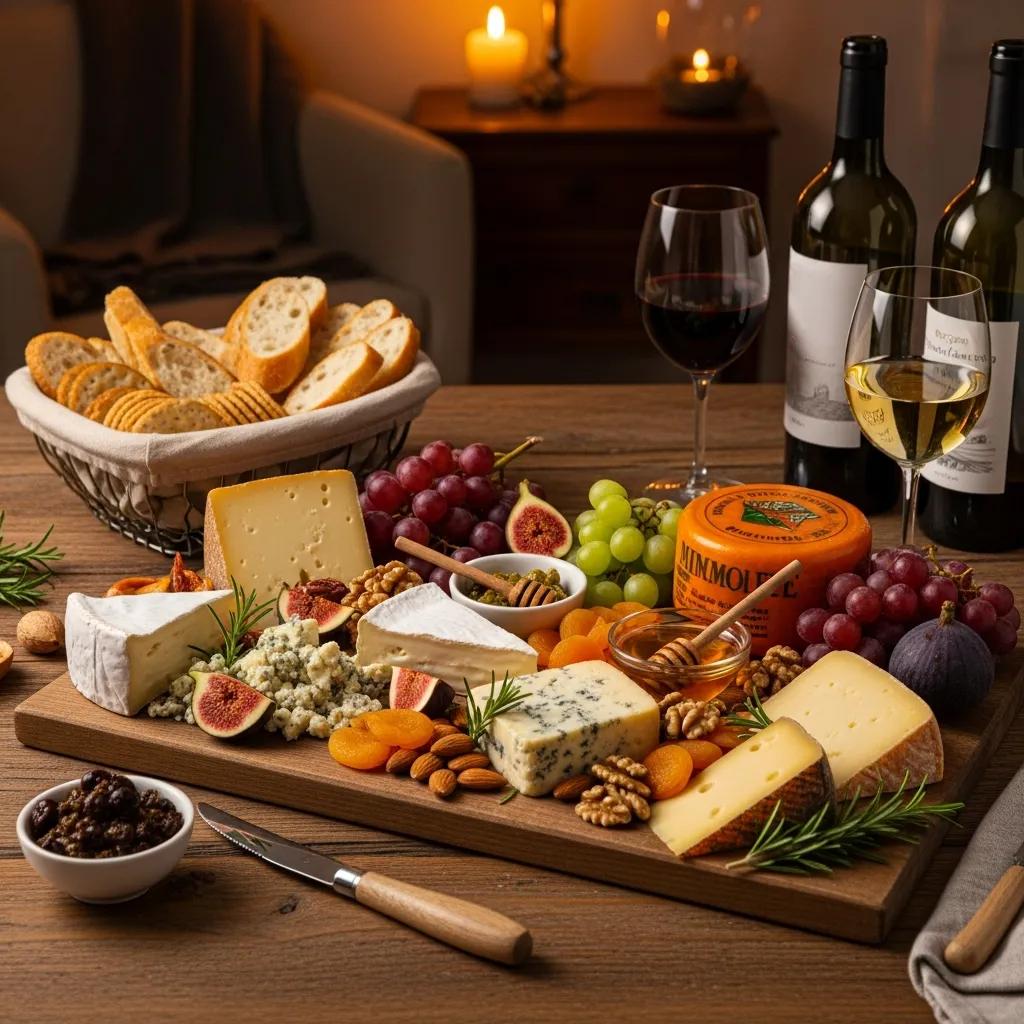
Pairing artisanal cheeses is about balancing intensity, texture and flavor—matching bold cheeses with sweet or acidic contrasts and matching delicate cheeses with lighter beverages. The principle is sensory balance: fat and salt soften acidity, effervescence or tannin can cut richness, and contrasting textures sharpen perception. Thoughtful pairings elevate the whole meal, whether you’re serving wine, beer, sake or nonalcoholic options. The guidelines below explain pairing logic, beverage suggestions and service tips so hosts can create memorable tasting sequences.
What Are the Best Wine and Food Pairings for Artisan Cheeses?
Good pairings follow either intensity match or complementary contrast—light, fresh cheeses work with crisp whites or sparkling wines; creamy soft‑ripened cheeses pair beautifully with Champagne or light reds; intense blues suit sweet, fortified wines or robust ales. Sake and beer are excellent alternatives: junmai sake complements creamy textures with umami balance, while hoppy IPAs can stand up to sharper semi‑soft cheeses. A simple rule: pair similar intensity levels or introduce sweetness/acidity to refresh the palate between bites. With that logic you can build balanced tasting sequences and thoughtfully curated cheese boards.
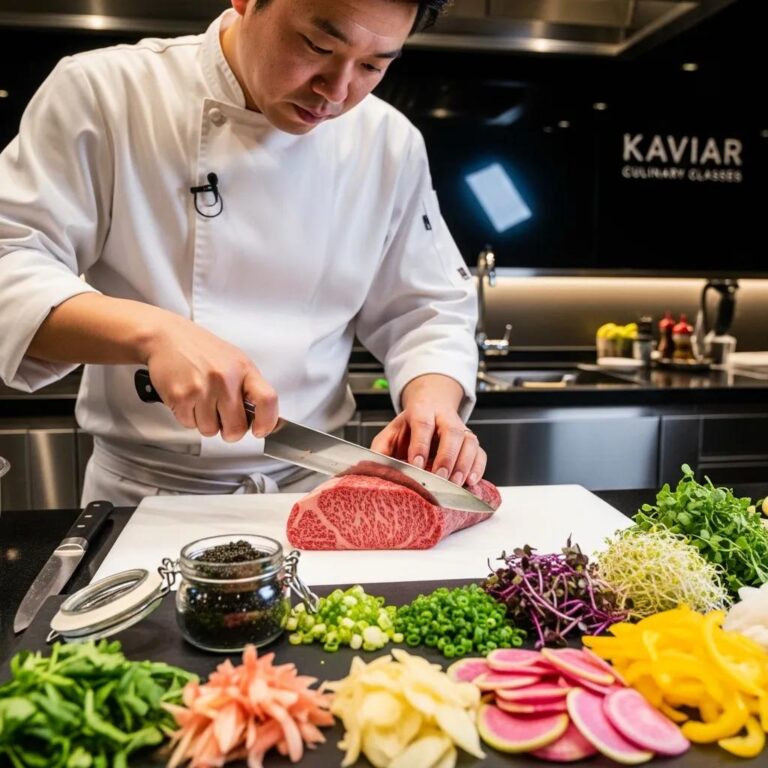
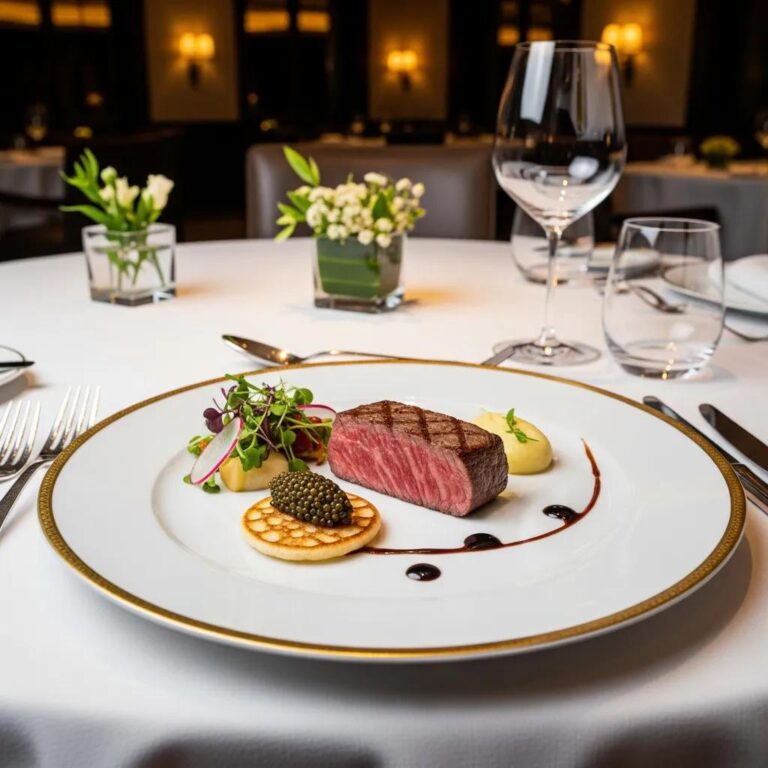
Kaviar Restaurant applies a similar pairing philosophy on our menu, marrying premium ingredients with beverages selected to balance intensity and cleanse the palate. In our fine‑dining service we contrast textures and flavors—think the saline pop of caviar against the richness of A5 Wagyu—so diners experience composed, ingredient‑forward tasting sequences. If you want to see these principles in action, view our menu or make reservations through our usual channels.
- Pair light, fresh cheeses with sparkling wines or crisp whites.
- Match creamy soft‑ripened cheeses with Champagne, sake, or light red wines.
- Pair strong blues with sweet fortified wines or robust beers to balance intensity.
Use these options as a practical toolkit for hosting and tasting. The next section covers plating and board-building to present cheeses attractively.
How Do You Build the Perfect Cheese Board for Entertaining?
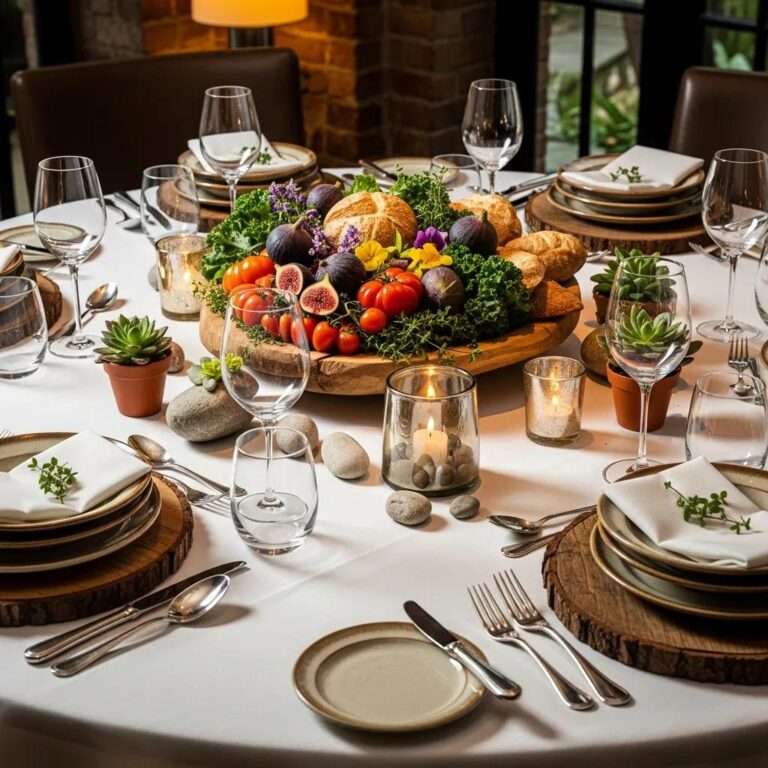
A balanced cheese board selects 3–5 cheeses that span textures—fresh, soft, semi‑soft and hard—paired with bread or crackers, fresh and dried fruit, nuts and a sweet or acidic condiment for contrast. The key is variety with cohesion: include a mild, creamy choice, a pungent or blue accent, a nutty aged option and a fresh spreadable cheese, then add palate‑cleansing accompaniments. Portioning guidance: 2–3 ounces per person for a multi‑course tasting, or 1–2 ounces per person for appetizer service. Serve cheeses slightly below room temperature to reveal fuller aroma and texture, and label each item so guests can navigate the board with ease.
- Select 3–5 cheeses covering a range of textures and intensities.
- Include accompaniments: bread/crackers, fruit, nuts and preserves for contrast.
- Follow portion guidance: 1–3 ounces per person depending on service type.
- Serve at proper temperatures to reveal full texture and aroma.
This checklist helps hosts build boards that highlight artisan cheeses and readies you to move from home tasting to professional contexts.
How Can You Make Artisanal Cheese at Home? Homemade Cheese Recipes and Tips
Home cheesemaking is approachable when you begin with fresh cheeses like ricotta and chèvre—these require minimal equipment, short timeframes and carry lower food‑safety risk when sanitation is observed. The approachable mechanism here is acid coagulation: heat, acid and straining produce stable, flavorful results. Aged cheeses need more gear and controlled affinage. The benefits of making cheese at home include fresh flavor, the ability to customize herbs or smoke, and hands‑on learning about dairy transformation. Below are practical equipment notes and recipe guidance to get you started safely and successfully.
For beginners, start with simple recipes to learn the basic processes before advancing to pressed or aged varieties.
Beginner’s Guide to Artisanal Cheesemaking: Simple Techniques
In beginner cheesemaking classes we focus on fresh cheeses to demystify the process—queso blanco, ricotta and chèvre teach how heat and acid form curds and how draining and seasoning shape a finished cheese.
Artisan Cheese Making at Home: Techniques & Recipes for Mastering World-Class Cheeses [A Cookbook], 2011
What Basic Equipment and Ingredients Are Needed for Home Cheesemaking?
A minimal setup includes a large heavy pot, an accurate thermometer, cheesecloth or fine strainer, molds or bowls for shaping, and core ingredients: high‑quality milk, cultures or acids (lemon/vinegar for the simplest cheeses), rennet for pressed types, and salt for seasoning and preservation. Success hinges on temperature control, clean surfaces and patience while draining and setting; a reliable thermometer and sanitized utensils will improve outcomes more than specialty molds for beginners. Start with household tools, upgrade as you explore aged cheeses, and follow sanitation and temperature checkpoints to minimize failures and get consistent batches.
- Essential tools: large pot, thermometer, cheesecloth, molds or bowls.
- Core ingredients: high‑quality milk, cultures or acidulants, rennet (if needed), and salt.
- Hygiene is crucial: sanitize equipment and keep milk cold until use.
- Budget tip: begin with fresh cheeses before investing in aging equipment.
This shopping and sanitation checklist supports safe, repeatable home cheesemaking and leads into simple starter recipes.
What Are Simple Artisan Cheese Recipes for Beginners?
Fresh ricotta and basic chèvre are reliable first projects: both are quick—heat milk, add acid or culture, separate curds from whey, drain in cheesecloth and chill—yielding fresh cheese in under two hours with little gear. Ricotta typically uses acid applied to hot milk or whey, while chèvre relies on starter cultures and gentler acidification with overnight draining for tang. A concise ricotta method: heat milk and a splash of cream to 185°F (85°C), add acid (lemon juice or vinegar) until curds form, drain 1–2 hours, season and refrigerate. Troubleshooting tips: avoid scorching by stirring, watch the curd set visually, and adjust drain time to control moisture.
These recipes give home cooks an immediate sense of dairy transformation and prepare you to compare techniques and pairings at professional tastings. If you’d like to experience how artisan textures and luxury ingredients interplay in a curated setting, consider visiting us at Kaviar—reservations are available through our reservation page.
This guide closes by inviting you to explore cheeses through tasting, making and pairing—and to use both home practice and curated dining to deepen your appreciation for artisan craft and service.
Frequently Asked Questions
What is the difference between artisan cheese and industrial cheese in terms of production methods?
Artisan cheese is made in small batches using traditional, hands‑on techniques that prioritize flavor and provenance. Industrial cheese is produced at scale with mechanized processes and standardized cultures to ensure consistency and long shelf life. Artisan makers may use raw or minimally processed milk and emphasize unique microflora, while industrial producers rely on predictable starter cultures and additives. Those production choices explain why artisan cheeses often present greater complexity and distinctiveness.
Can I use any type of milk for making artisanal cheese at home?
You can use cow, goat or sheep milk for cheesemaking, and each brings different character. Cow’s milk is versatile, goat’s milk yields a bright tang and sheep’s milk is richer and silkier. For beginners, high‑quality pasteurized milk is a safer, more predictable starting point; once you’re comfortable, experimenting with raw milk (where legal) can unlock additional depth of flavor.
What are some common mistakes to avoid when making cheese at home?
Common pitfalls include poor temperature control, inadequate sanitation and rushing curd setting or draining. Overheating can scorch milk; underheating can prevent proper curd formation. Unsanitary equipment invites unwanted bacteria, and hasty draining leaves cheeses too wet. Follow recipes closely, keep your workspace clean and be patient at each stage to improve results.
How can I tell if my artisanal cheese has gone bad?
Warning signs include off odors, unexpected discoloration and mold growth that isn’t normal for that style. For example, blue cheeses normally develop veins, but other cheeses should not show stray molds. Excessive slime or a sour taste are further signs to discard the cheese. Store cheeses wrapped in wax or cheese paper in the refrigerator to extend freshness.
What are some creative ways to use artisanal cheese in cooking?
Artisanal cheeses can elevate many dishes. Fresh cheeses like ricotta and chèvre are excellent in salads, pastas and on toasts. Soft‑ripened cheeses like Brie are delightful baked with fruit and nuts. Hard cheeses such as aged Cheddar or Parmesan are perfect for grating over soups and pasta. Blue cheeses add depth to dressings or roasted vegetables—small amounts go a long way. Try mixing textures and flavors to discover new combinations.
What should I consider when pairing artisanal cheese with beverages?
Consider intensity and flavor profile: light cheeses pair with crisp whites or sparkling wines, creamy soft‑ripened cheeses work with Champagne or lighter reds, and aged, robust cheeses suit full‑bodied reds or fortified wines. Contrasts—like sweet wine with salty blue cheese—also work well. The aim is balance: the beverage should either match the cheese’s intensity or refresh the palate between bites.
Conclusion
Artisanal cheese brings concentrated flavor, nutritional value and culinary versatility that set it apart from mass‑produced options. Learning the basics—from ingredient choices to aging technique—deepens appreciation for each variety and helps you use cheeses more confidently in cooking and entertaining. Try a new cheese, experiment with a simple homemade recipe, or experience a curated tasting to explore how texture, terroir and pairing shape the way we enjoy cheese.