



Tasting Menu vs A La Carte — Which Dining Experience Best Fits Your Fine‑Dining Moment?
Deciding between a tasting menu and an à la carte meal changes everything — from tempo and portioning to discovery and control — making this choice central to any refined dining outing.
We’ll walk you through both formats, the trade‑offs diners commonly face, and simple criteria to help you choose based on occasion, budget, and appetite for culinary adventure. At Kaviar in Pasadena we offer a chef‑led tasting alongside an ingredient‑forward à la carte selection, featuring standout elements like A5 Wagyu and our elevated Caviar Service to illustrate how each approach plays out in modern Japanese fine dining. By the end, you’ll understand what a tasting menu delivers, when à la carte offers better flexibility, how the two compare on cost, portions, and control, and practical steps to reserve the right experience.
What Is a Tasting Menu and What Are Its Key Benefits?
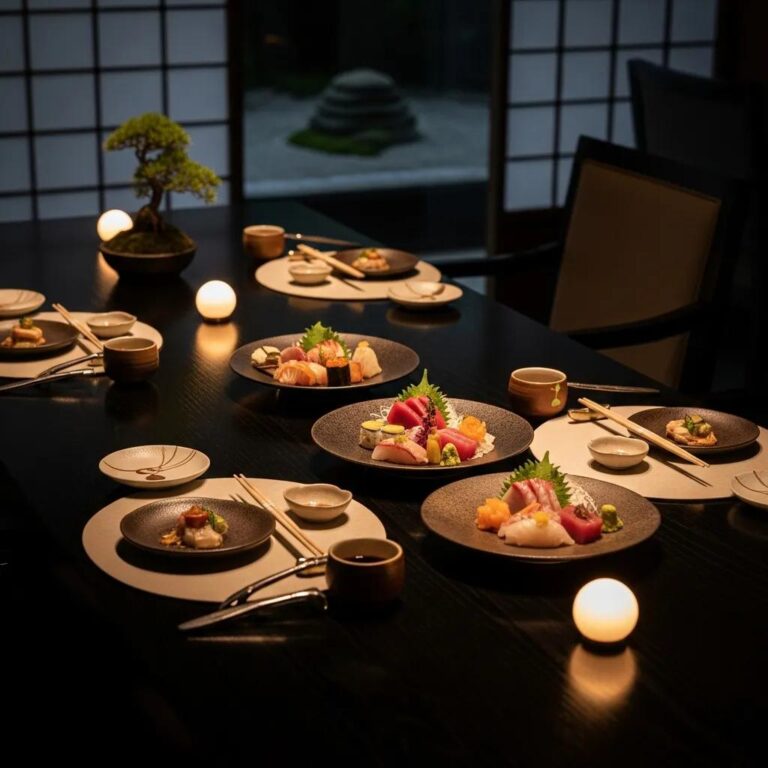
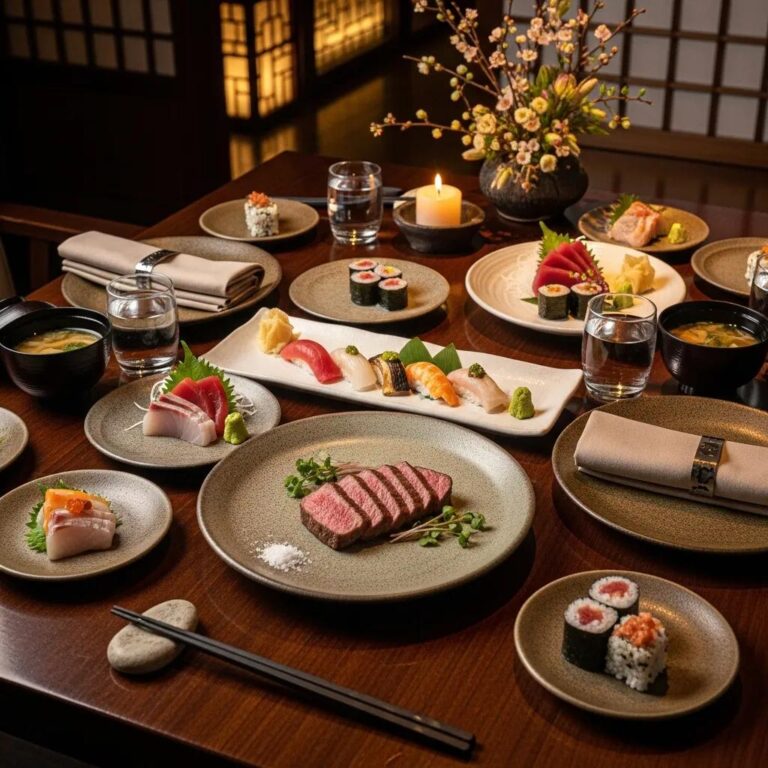
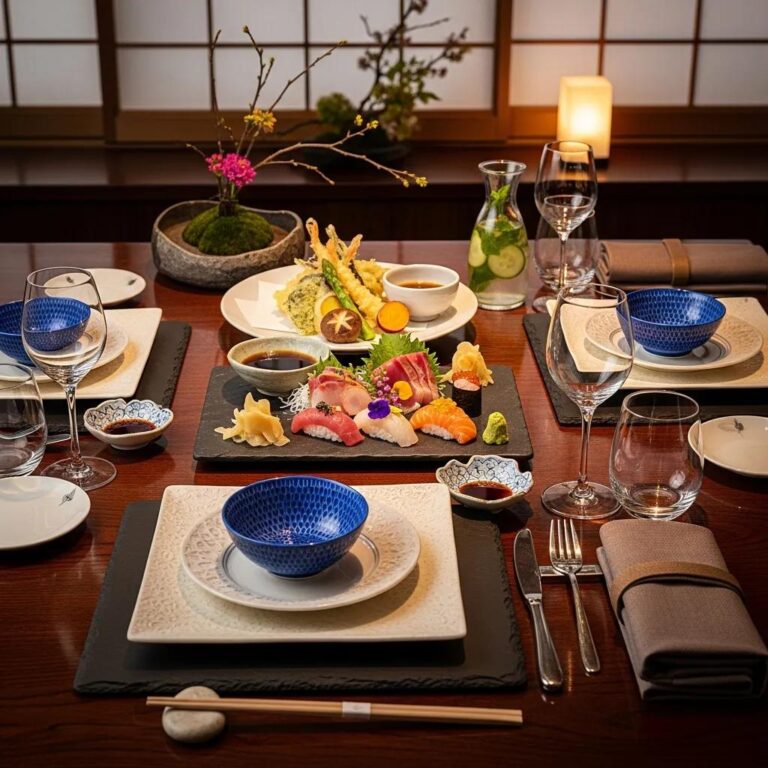
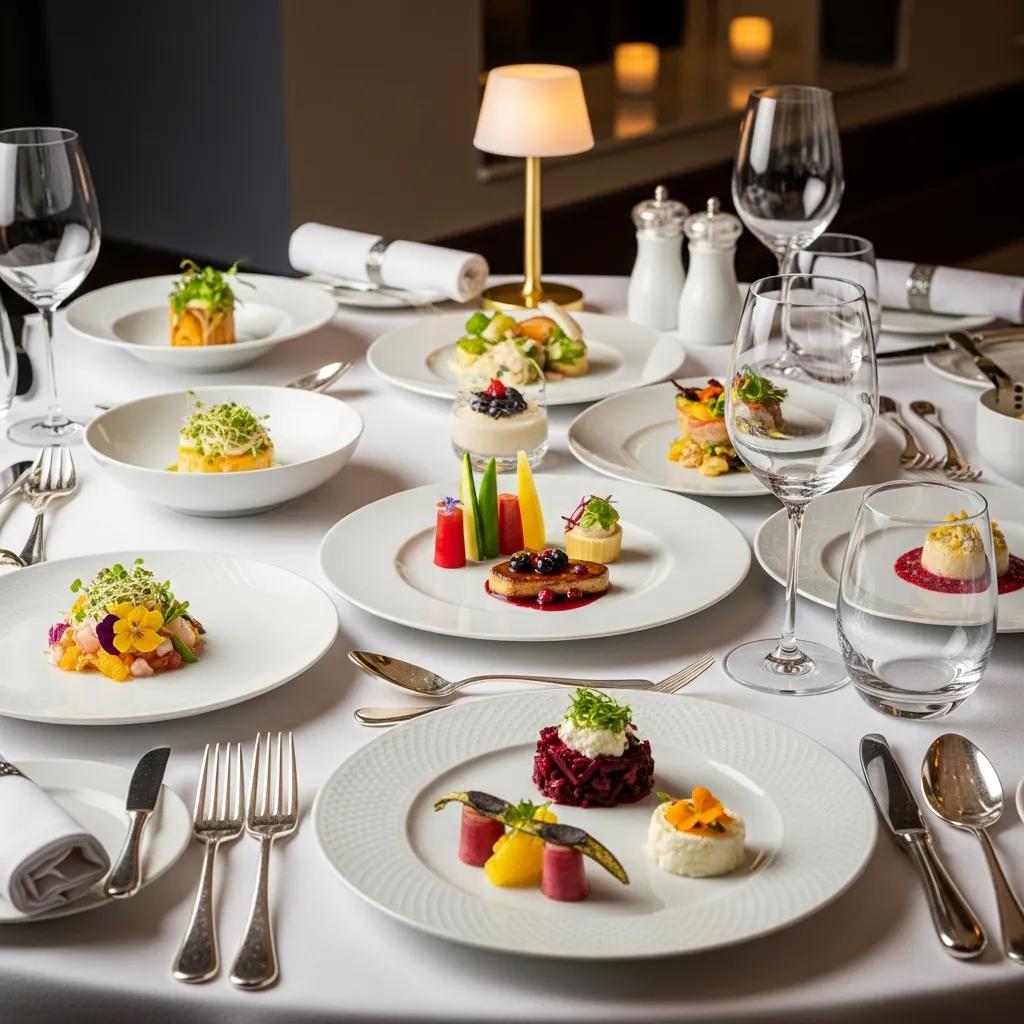
A tasting menu is a chef‑curated, multi‑course sequence that tells a deliberate culinary story through measured portions. The kitchen controls course order, temperature, and texture so each bite builds on the last instead of arriving as separate choices. Benefits include focused discovery, steady pacing, and concentrated moments that showcase flagship ingredients—think prized seafood or premium beef—creating memorable peaks. Tasting menus also remove decision fatigue and invite trust in the chef’s vision, making them ideal when you want to be guided through an intentional dining narrative. Below we unpack how a chef’s curation and the sense of exploration deliver value distinct from à la carte dining.
How Does a Chef’s Curated Multi-Course Experience Enhance Dining?
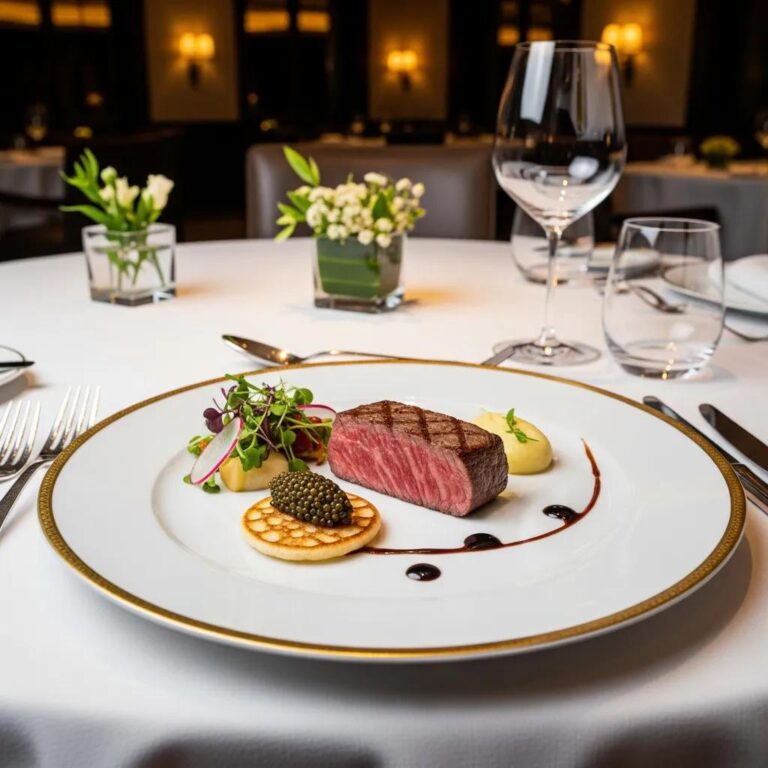
Chef curation elevates a meal by sequencing courses to create contrast and harmony—balancing texture, acidity, and fat across an arc that reaches a satisfying finish. Each small plate acts like a movement in a composition: the chef sets the tempo and portions to maximize the impact of rare ingredients. For example, a single course might spotlight A5 Wagyu’s marbling at a precise temperature with a bright accent to cut the richness. The result is sensory storytelling: the relationship between dishes becomes part of the pleasure, encouraging guests to experience the meal as a cohesive whole rather than a series of isolated choices. That deliberate sequencing is why tasting menus shine for culinary exploration.
Why Is a Tasting Menu Ideal for Culinary Exploration and Discovery?
Tasting menus accelerate discovery by exposing diners to a broad range of techniques, preparations, and rare ingredients in one sitting. Sampling multiple small plates introduces cuts, pairings, and flavors you might not order on your own, fast‑tracking your understanding of a cuisine or a chef’s point of view. Trusting the chef allows creative risks—uni, toro, or a delicate caviar accent—to land without prior knowledge. Meals in this format often spark conversation and curiosity, prompting questions about provenance, pairings, and culinary philosophy. Many restaurants, including Kaviar, use tasting sequences to showcase seasonal and premium ingredients in a thoughtful, ordered way.
What Are the Advantages of Choosing A La Carte Dining?
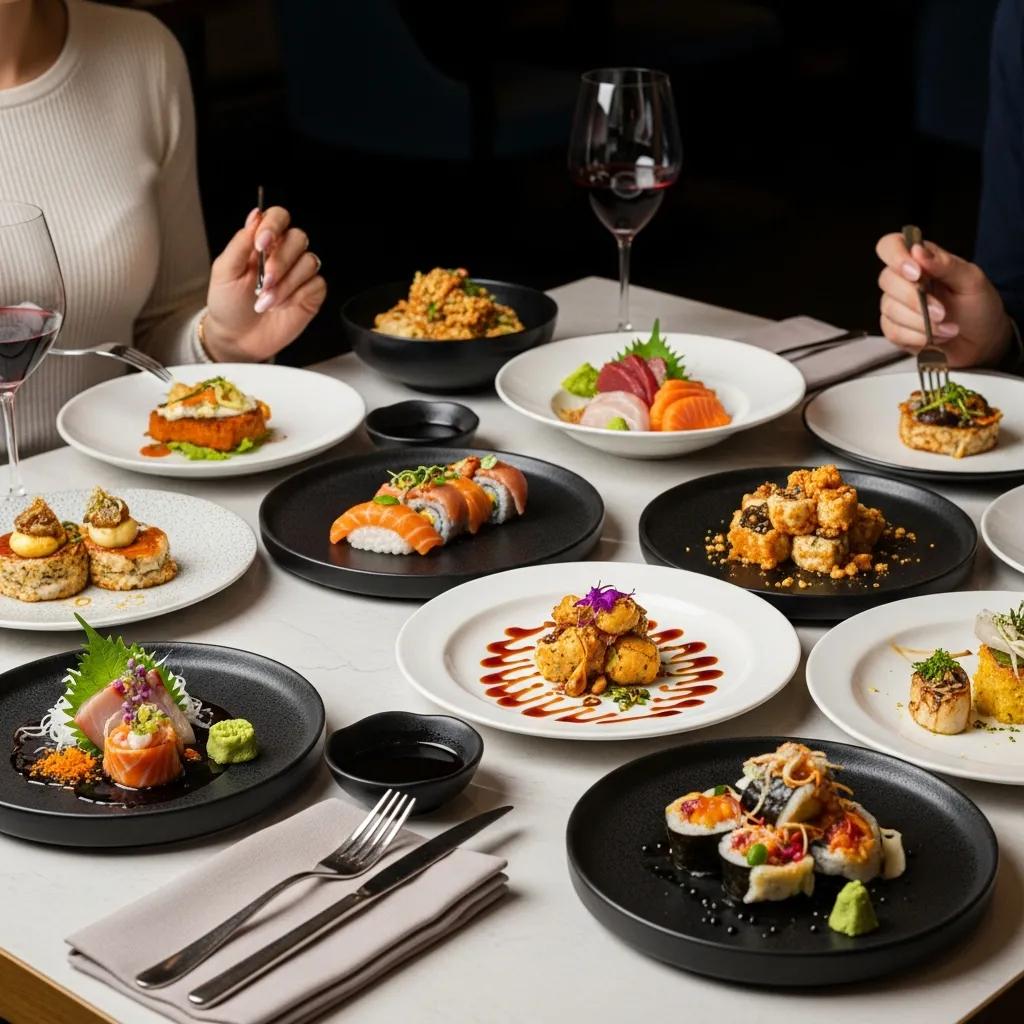
À la carte dining lets guests pick individual dishes, giving maximum flexibility in portions, pacing, and budget while keeping control over ingredients and dietary needs. This format follows diner preference rather than a set sequence, making it well suited to mixed groups, selective eaters, and anyone tailoring a meal to a particular appetite or occasion. Advantages include clear cost control, simpler accommodation of substitutions or allergies, and the ability to focus on signature items that define a restaurant. Below we explain how à la carte supports personalization and highlight signature dishes that make it a compelling choice at an upscale Japanese restaurant.
How Does A La Carte Offer Flexibility and Personalized Choice?
À la carte lets guests combine starters, mains, and sides to match hunger level, sharing style, and dietary needs—so portions and cost stay in your hands. You can order several small plates to share or concentrate on one premium item, adjusting pacing and quantity as you go instead of following a fixed sequence. This control is especially useful for groups with varied tastes or for pairing specific dishes with wine or sake by choice. À la carte menus often call out signature preparations, making it easy to prioritize favorites while still sampling the kitchen’s best techniques. These practical benefits show how Kaviar’s à la carte offerings highlight the format’s strengths.
Which Signature Dishes Make Kaviar’s A La Carte Menu Unique?
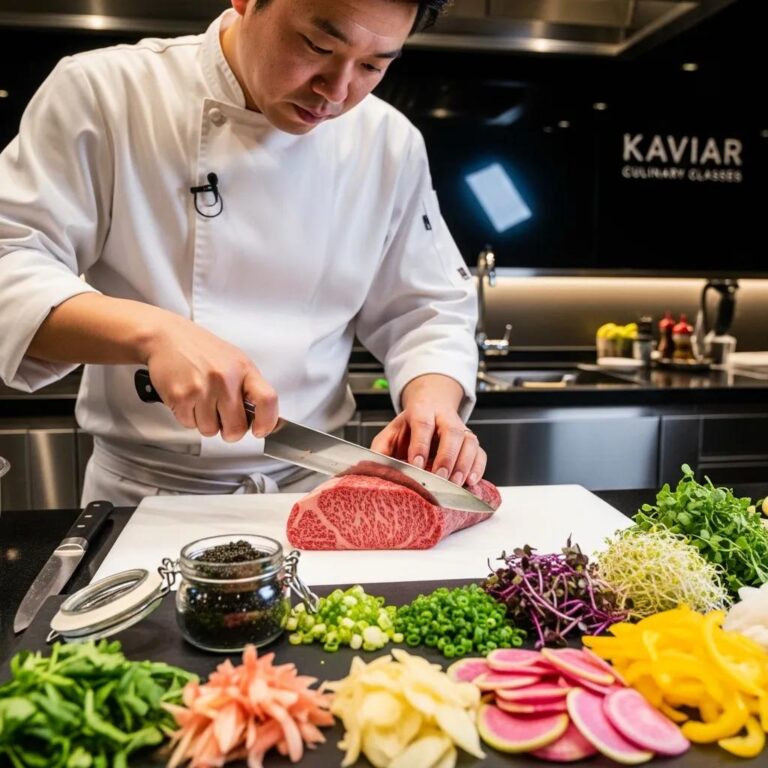
Kaviar’s à la carte emphasizes ingredient‑led dishes that let guests build a tailored fine‑dining experience focused on quality and technique. Signature items like A5 Wagyu preparations and our distinguished Caviar Service act as premium anchors for those who prefer to order luxury elements individually. High‑grade sushi and sashimi also feature prominently, so guests can select specific cuts or toro pieces to match appetite and preference. These menu highlights show how à la carte lets patrons shape their own narrative—opting for a concentrated indulgence or assembling a varied progression of plates. The ability to single out items like Wagyu tartare or a caviar course is a clear reason many choose à la carte.
What Are the Main Differences Between Tasting Menu and A La Carte?
The core differences between a tasting menu and à la carte center on cost predictability, portioning, dining time, and degree of culinary control—each shaping the guest experience. Tasting menus concentrate cost into a single, predictable per‑person price and usually require more time because of multiple, deliberately paced courses. À la carte spreads spending across chosen items and allows flexible timing and portion sizes. Chef control contrasts with diner control: tasting menus hand the narrative to the kitchen, while à la carte returns choice to the guest. These distinctions affect perceived value, discovery potential, and suitability for groups with mixed preferences. The table below summarizes the practical attributes most diners weigh when choosing a format.
This comparison clarifies how format choice aligns with dining goals. Below is a closer look at cost, portioning, and time expectations.
How Do Cost, Portion Size, and Dining Time Compare?
Cost, portion size, and dining time vary between formats: tasting menus typically carry a single, higher per‑person price covering multiple courses, while à la carte spending depends on the dishes you choose. Portions in a tasting are calibrated as many small courses that together satisfy; à la carte portions are discrete and scalable, so you can order more or less as desired. Time commitment is another trade‑off—tasting experiences often take two hours or more to allow for proper pacing and service, while à la carte meals can be quick or leisurely depending on ordering and table dynamics. Knowing these expectations helps you plan logistics like timing and transportation, and sets up the next discussion on culinary control and experience.
What Type of Culinary Control and Experience Does Each Offer?
Tasting menus offer strong chef control, where each course is chosen to convey a narrative or technique; à la carte emphasizes diner control, allowing you to assemble a meal around personal tastes. Chef control delivers a cohesive sensory story and often introduces pairings and transitions you might not discover on your own. Diner control favors predictability and customization, which is helpful for dietary needs or budget limits. Perceived value shifts accordingly: tasting menus feel theatrical and educational with curated peaks, while à la carte feels like efficient luxury where selective indulgences are savored. Understanding that contrast helps you choose the format that matches your priorities—next we apply those ideas to typical diner profiles at Kaviar.
How Do You Decide Which Dining Experience Is Right for You at Kaviar?
Your choice at Kaviar depends on occasion, curiosity, available time, and whether you prioritize discovery or control. Food enthusiasts and milestone celebrations often lean toward the tasting menu for its curated arc and the chance to sample seasonal and rare ingredients. Groups with varied preferences, dietary restrictions, or limited time usually prefer à la carte. Practical considerations—such as whether you want a predictable per‑person spend or the freedom to order signature items like A5 Wagyu tartare—should guide your decision. The bullets below translate these criteria into clear rules and scenario‑based recommendations to help you match intent to format.
- Occasion: Choose a tasting menu for celebrations; choose à la carte for flexible group meals.
- Curiosity: Choose tasting to explore the chef’s creativity; choose à la carte when you want control.
- Time and Budget: Choose à la carte for variable timing and spending; choose tasting for a single, predictable experience.
When Should Food Enthusiasts Choose the Tasting Menu?
Choose the tasting menu when you want a curated narrative that spotlights technique, rare ingredients, and chef‑driven pairings across multiple courses. It’s especially compelling if you’re curious to see how premium elements—like caviar accents or a focused Wagyu course—are woven into a larger progression. Tasting rewards curiosity and a willingness to be guided, offering concentrated insight into flavor development, sourcing, and preparation. If discovery and trusting the kitchen to present a cohesive journey are your priorities, the tasting menu at a Japanese fine‑dining venue is likely to be the most memorable choice.
Which Occasions Are Best Suited for A La Carte or Tasting Menus?
Certain occasions naturally favor one format: milestone celebrations, anniversaries, and chef‑focused evenings often call for tasting menus, while business lunches, casual luxury dinners, and groups with mixed dietary needs usually prefer à la carte. Tasting menus create ceremony and work best when you have time to linger; à la carte supports staggered arrivals, split checks, and selective ordering. Hybrid approaches can also succeed—starting à la carte and adding a signature tasting course or special item lets you enjoy both control and discovery. These occasion‑based pairings help you plan the meal that best suits your guests and goals, and highlight why Kaviar’s ingredient focus makes either format compelling.
Why Choose Kaviar Restaurant for Your Japanese Fine Dining Experience?
Kaviar in Pasadena brings premium ingredients and meticulous technique together to create memorable dining moments. Our menu structure — offering both à la carte and chef‑driven formats — allows you to choose between a personalized ordering path and a guided tasting narrative, with items like A5 Wagyu and an elevated Caviar Service serving as touchpoints for both approaches. Service and ambiance support either format: attentive pacing enhances tasting sequences, while knowledgeable staff help à la carte diners navigate signature items and pairings. Below is a concise summary of standout ingredients and the guest benefits they provide.
How Do Premium Ingredients Like A5 Wagyu and Caviar Elevate Your Meal?
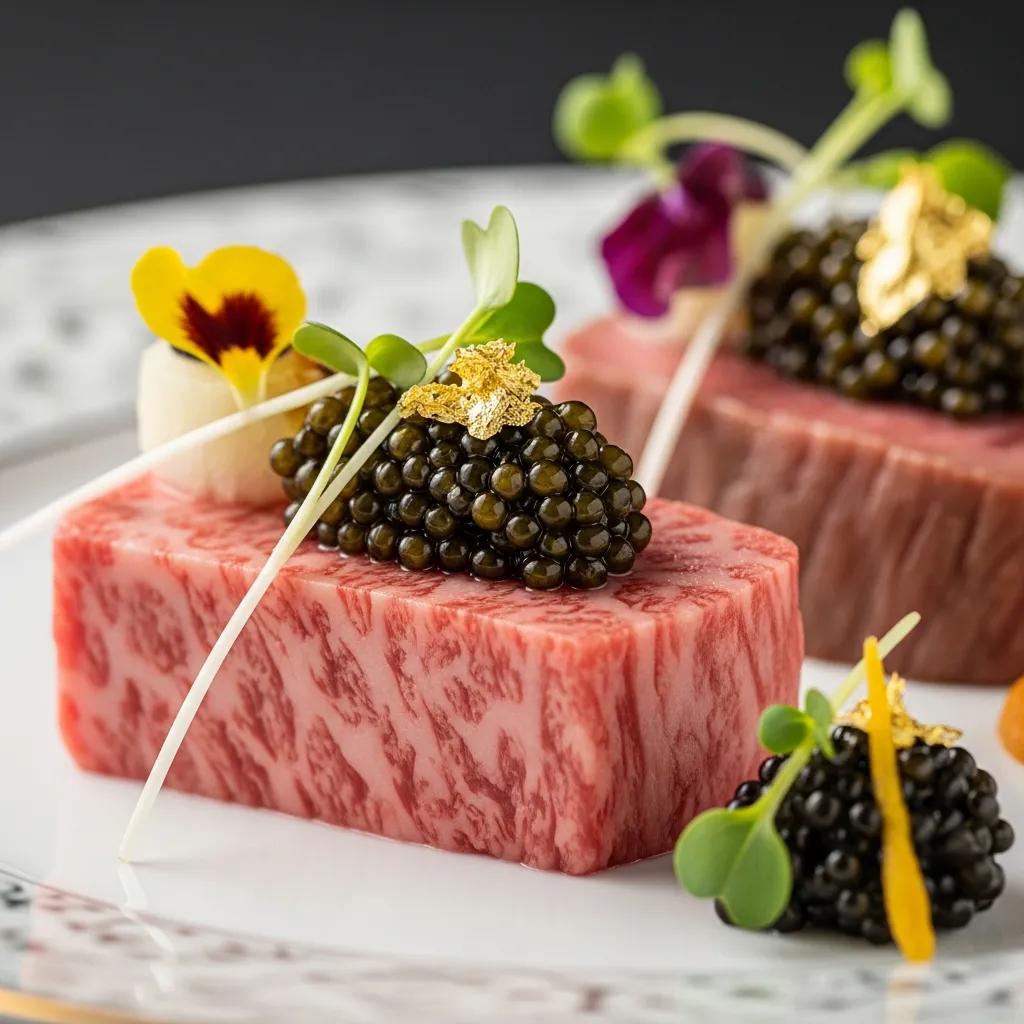
Premium ingredients elevate a meal by introducing rare textures, concentrated flavors, and sensory contrasts that anchor a course or define a sequence. A5 Wagyu offers a supple, buttery texture from intense marbling; chefs highlight it with restrained seasoning and precise temperatures so richness reads as balance rather than excess. Caviar brings saline brightness and delicate pop that can contrast fatty components or lift a seafood course as a finishing accent. Used thoughtfully—either as an à la carte anchor or a curated tasting moment—these ingredients raise a meal’s perceived value and memorability, inviting appreciation for provenance, technique, and the chef’s intent.
What Makes Kaviar’s Ambiance and Service Ideal for Luxury Dining?
Kaviar’s ambiance and service follow fine‑dining principles that prioritize attentiveness, measured pacing, and staff knowledge to explain techniques and provenance without interrupting the meal. Teams trained in menu storytelling enhance tasting menus by providing context and pairing suggestions, while in à la carte settings they guide portioning and recommend signature items for sharing or solo dining. Thoughtful lighting, seating flow, and acoustics support conversation and the appreciation of subtle flavors, making either format feel deliberate and elevated. These details matter when you reserve your visit, and we cover practical reservation guidance next.
How Can You Reserve Your Perfect Dining Experience at Kaviar?
Booking the right experience at Kaviar means choosing your preferred format, noting special requests, and reserving with enough lead time to secure seating and ingredient availability. Best practices include reviewing the menu to decide between a tasting narrative or à la carte ordering, communicating dietary restrictions or celebratory notes when you book, and allowing extra time for tasting menus that require longer service windows. Kaviar lists menu and reservation details online; use the restaurant’s reservation channel or its public listing to confirm availability. Below are practical steps to turn intent into a seamless visit.
- Decide Format First: Choose tasting for a curated journey; choose à la carte for flexible ordering.
- Check Availability: Book early—tasting seats often fill sooner than à la carte.
- Communicate Needs: Note allergies, preferred pacing, or celebration details when reserving.
What Are the Best Ways to Book a Table for Tasting Menu or A La Carte?
Use the restaurant’s official reservation channel or its public business listing to confirm seating and availability, and specify whether you prefer the tasting menu or à la carte. When booking, include guest count, dietary restrictions, and any occasion notes so the team can plan pacing and ingredient allocation. For tasting menus or omakase‑style seating, reserve further in advance to secure limited spots and allow the kitchen to source seasonal items. Clear communication at booking improves the chance of a smooth, personalized experience.
How Does Planning Ahead Enhance Your Luxury Dining Visit?
Planning ahead helps ensure seating and ingredient availability, lets the kitchen prepare bespoke elements or source premium items, and aligns service pacing with your expectations. Early notice of allergies or celebratory details allows staff to adapt courses or add signature touches, improving both safety and delight. For tasting menus, booking early secures the time block needed for an unhurried sequence; for à la carte it helps guarantee access to limited items like special Wagyu cuts or curated caviar offerings. Thoughtful planning reduces stress, increases personalization, and elevates the overall dining outcome.
- Confirm your format and guest count early to secure preferred seating.
- Provide dietary or occasion notes so the team can tailor service.
- Allow extra time on the night for tasting menus to enjoy full pacing and pairings.
These practical steps complete the reservation guidance and prepare you to choose the dining style that best matches your intentions.
Frequently Asked Questions
What is the typical duration of a tasting menu experience?
Expect a tasting menu to last roughly two to three hours. That window allows for careful pacing, course presentations, and the time to savor each flavor and texture. If you have plans afterward, factor in the longer service so you can enjoy the experience without feeling rushed.
Can dietary restrictions be accommodated in a tasting menu?
Yes. Kaviar and many fine‑dining kitchens will accommodate allergies and dietary preferences when notified in advance. Chefs can often adjust or replace courses so guests can enjoy the tasting. The extent of substitutions depends on the menu and sourcing, so early communication is recommended.
How do wine pairings work with tasting menus?
Wine pairings are selected to complement each course and enhance the overall narrative. Sommeliers pick wines for their acidity, texture, and flavor match to the dishes. Guests can choose curated pairings when booking a tasting menu for a seamless integration of food and wine that deepens the experience.
Is it possible to switch between tasting menu and a la carte during a meal?
Mixing formats mid‑meal isn’t standard, since each is designed to deliver a distinct experience. Some restaurants may allow guests to add à la carte items after a tasting, but policies vary. Ask our team about flexibility when you book so expectations are clear.
What should I wear for a fine dining experience at Kaviar?
We recommend smart casual to formal attire. Polished, well‑fitted clothing suits the upscale setting—think dress shirts and slacks for men, and elegant dresses or tailored separates for women. Dressing thoughtfully complements the ambiance and honors the experience for everyone.
Are there any special occasions that are particularly suited for a tasting menu?
Yes. Tasting menus are ideal for anniversaries, birthdays, and milestone celebrations. Their curated nature creates a memorable, ceremonial experience that pairs well with attentive service and a refined atmosphere—perfect for marking special moments.
Conclusion
Choosing between a tasting menu and à la carte shapes your fine‑dining experience around discovery or control. Both formats offer distinct rewards—from the storytelling and surprise of a tasting menu to the flexibility and focus of à la carte—so the best choice depends on your occasion and priorities. Explore Kaviar’s offerings to find the experience that fits your plans and palate.