




Kaviar’s Cheese Program in Pasadena: A Curated Fine‑Dining Cheese & Pairing Experience
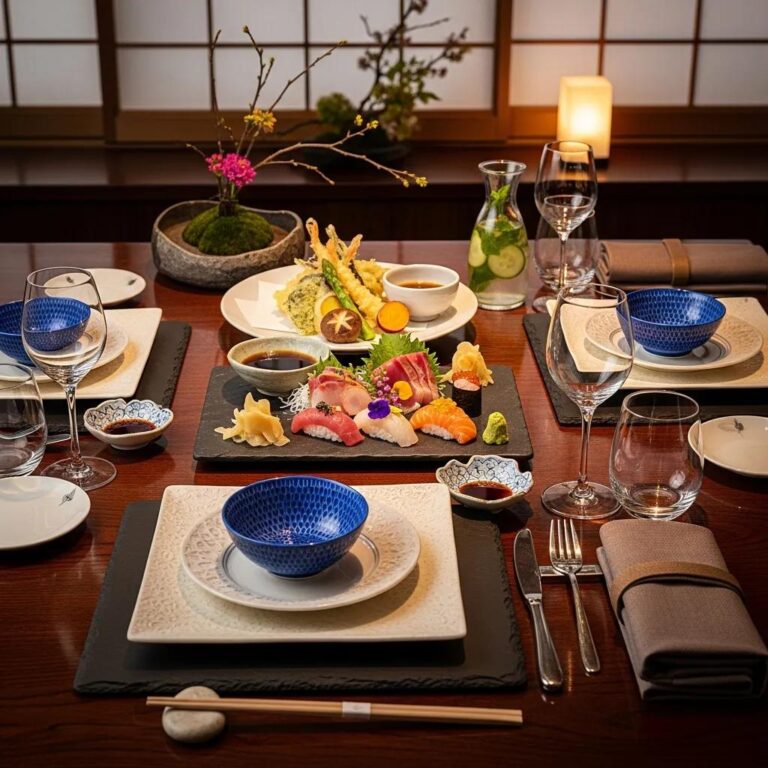
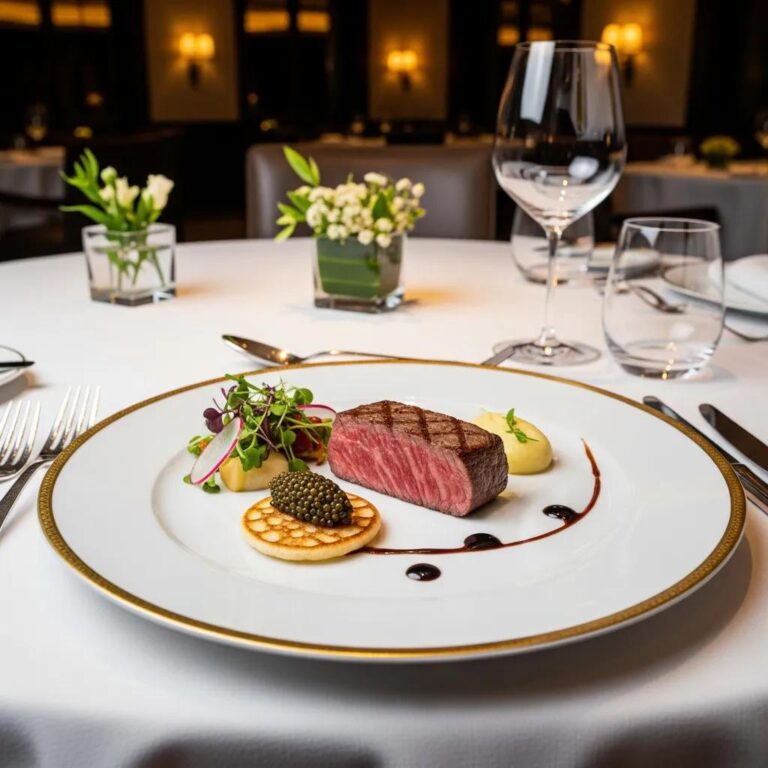
At Kaviar we’ve developed a focused gourmet cheese program that complements our Japanese omakase by pairing select artisanal cheeses with precisely chosen beverages and considered plating for discerning diners in Pasadena. This guide explains our selection philosophy, the categories we use, and practical pairing principles—covering wine, sake and caviar—so you can see how cheese finds a place within a luxury Japanese tasting sequence. Guests pursuing omakase or A5 Wagyu often wonder how cheese can coexist with delicate seafood and intense umami; here we show when it works and why. You’ll learn which cheeses we favor, how our sommeliers arrange pairings, what to expect from private or sommelier-led tastings, and how to reserve a cheese-focused experience. The next section describes Kaviar’s place in Pasadena and how artisanal cheese is woven into our fine‑dining program.
What makes Kaviar’s cheese selection distinct in Pasadena?
Our cheese program intentionally bridges Japanese tasting order with rare, locally sourced artisanal cheeses to create complementary umami and textural contrasts within an omakase framework. The kitchen and beverage team prioritize balance—matching a cheese’s intensity to the courses before and after—so a cheese moment never overwhelms delicate seafood or an A5 Wagyu course. We emphasize provenance and milk source, choosing cheeses whose tasting notes either echo or provide counterpoint to Japanese condiments and sake profiles, shaping a refined sensory arc. These guiding principles drive our pacing, plate composition, and pairing choices, and they set up concrete examples of how we fuse techniques below.
What sets Kaviar apart in Pasadena:
- An elevated fine‑dining environment with meticulous service and course sequencing that respect omakase traditions.
- Thoughtful integration of cheese into signature experiences—omakase, A5 Wagyu, and caviar—for layered tasting narratives.
- A commitment to rare, artisanal and locally produced cheeses selected for provenance and complementary tasting notes.
- Sommelier and cheesemonger collaboration to create considered pairings across wine, sake and caviar that guide the diner’s palate.
These points outline both our conceptual positioning and the practical service choices that follow in the description of our approach.
How we marry Japanese fine dining with artisanal cheese
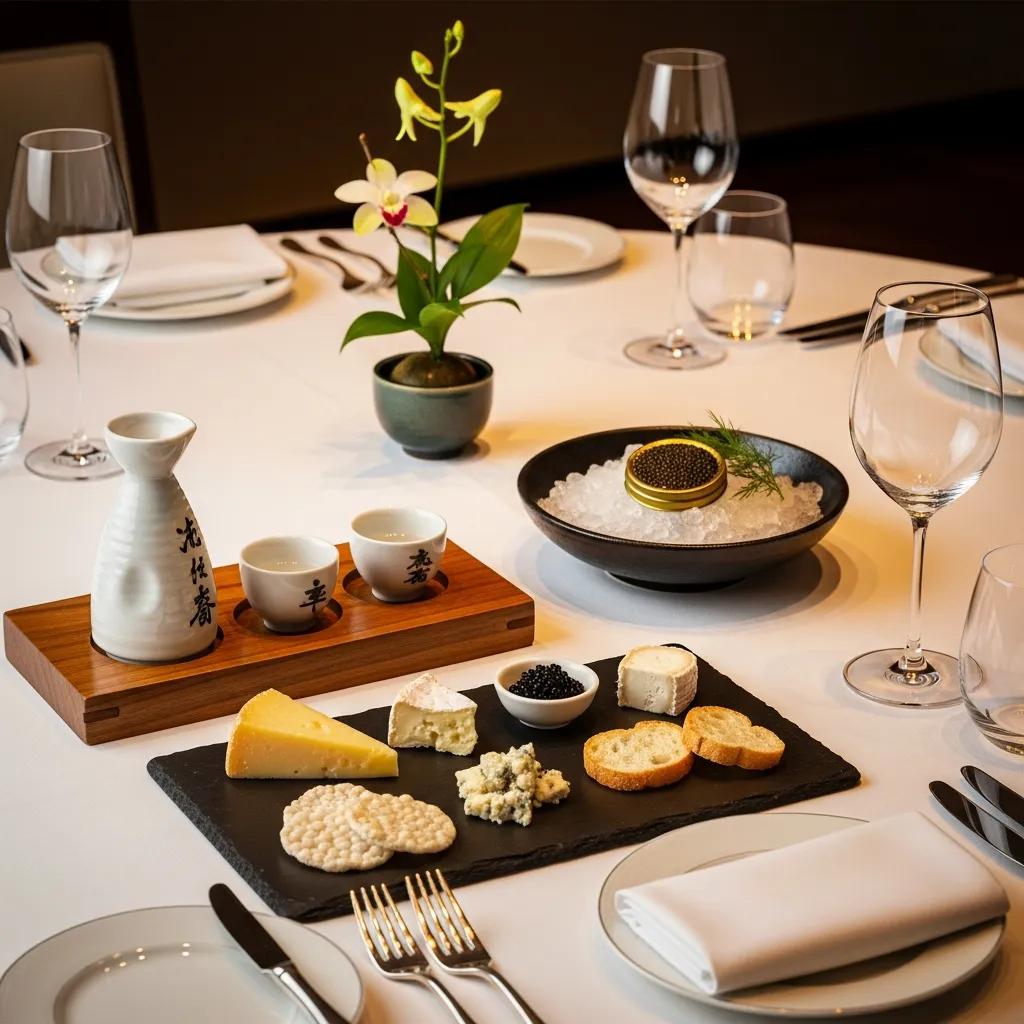
We use cheese as a deliberate palate architect: it appears where texture or fat will enhance contrast, refresh the palate, or bridge toward a richer protein like A5 Wagyu. Our culinary philosophy centers on balance and umami management—serving a creamy, mild‑rinded cheese after a vinegared course to soften acidity, or introducing a nutty semi‑hard to complement soy‑reduced preparations. In practice, a single, focused cheese course may be woven into the omakase or presented alongside a sake flight so acidity, salt and texture are carefully calibrated. This sequencing supports a cohesive tasting narrative; the next section lists premium selections that exemplify the approach.
Which premium and rare cheeses appear in our rotation?
We showcase seasonal and premium cheeses chosen for provenance, milk source and tasting profile so each selection pairs naturally with Japanese flavors or luxury ingredients like caviar. Typical examples include a triple‑cream cheese prized for its buttery richness, an aged semi‑hard with nutty‑caramel notes, an alpine‑style cheese with savory depth, and a restrained blue whose saline edge plays against briny caviar. Every item is sourced with attention to origin and small‑batch production to ensure rarity and distinct tasting notes that support the omakase narrative. The table below gives representative examples and the reasoning behind each choice.
Which types of gourmet cheese do we offer at Kaviar?
Our cheesemonger and culinary team organize selections into soft, semi‑hard, hard, blue and seasonal rare categories so each serves a clear role in sequencing and pairings. Differences hinge on texture, aging and milk source—factors that determine how a cheese interacts with acidity, salt, fat and umami. Typical roles: soft cheeses act as creamy palate bridges, semi‑hard cheeses bring nutty mid‑course weight, hard cheeses offer savory umami closure, and blue cheeses serve as saline, aromatic accents to caviar or bold sake. Knowing these categories helps guests choose pairings and anticipate how cheese will complement other elements in an omakase tasting.
The table below clarifies characteristic attributes for common categories and helps servers recommend pairings based on texture and flavor balance.
These comparisons show how texture, flavor and service temperature guide pairing choices and practical service at Kaviar.
Characteristics of soft, semi‑hard and hard cheeses in our program
Soft cheeses in our program bring creaminess, gentle lactic tang and a smooth mouthfeel that can bridge acidic or vinegared courses; they’re portioned and served slightly chilled to preserve delicacy. Semi‑hard cheeses offer nutty, layered flavors with moderate fat and melting character that pair well with medium‑bodied wines or richer sake, and are best at room temperature to reveal aroma. Hard cheeses are aged and concentrated—umami‑forward with crystalline texture and a long finish—suited as closing elements or paired with concentrated beverages to match intensity. Understanding these traits helps guests and servers sequence courses and choose accompaniments; the next section highlights rare varieties that complement our signature dishes.
Which rare and unique cheeses complement Kaviar’s menu?
Our rotation includes seasonal small‑batch wheels, limited alpine‑style affinés and regional artisan varieties selected to complement Japanese ingredients like soy, yuzu or katsuobushi. We focus on terroir and milk source—sheep and goat cheeses often provide acidity that offsets fatty cuts like A5 Wagyu, while aged cow cheeses add umami that echoes soy reductions. Seasonal offerings appear for short windows and may require advance notice for reservations, ensuring exclusivity and peak freshness. These selective choices reinforce our luxury positioning and lead into the mechanics of pairing.
How we craft expert cheese and wine pairings
Our pairing work is principles‑based: we balance intensity, acidity, textural contrast and flavor‑bridging so each match elevates both cheese and beverage without overpowering the plate. The sommelier evaluates cheese attributes—fat, salt, sweetness, umami—and aligns them with beverage features like acidity, tannin, residual sugar and effervescence to either complement or create a harmonious contrast. Pairing also considers omakase sequencing, so a beverage chosen for a cheese moment may anticipate the following dish. The result is curated, research‑informed pairings across wine, sake and caviar; sample pairings and sake/caviar integration follow.
Pairing principles we follow:
- Match intensity: Lighter cheeses with lighter wines or ginjo sake; reserve bolder wines for aged or hard cheeses.
- Balance acidity: Use acidic or sparkling beverages to cut through rich, creamy textures.
- Texture contrast: Pair creamy cheeses with effervescence or high acidity to refresh the palate.
- Flavor bridge: Choose beverages that share flavor notes—nutty wines with nutty cheeses, or umami‑forward sake with aged cheeses.
Recommended wine and cheese pairings for fine dining
Our practical pairings emphasize stylistic harmony and texture continuity: Champagne or fine sparkling cuts through the richness of triple‑cream cheeses, while a bright Chardonnay can highlight buttery nuances without masking delicate lactic notes. Pinot Noir complements semi‑hard alpine‑style cheeses by mirroring red fruit and light tannin, and aged Gouda pairs naturally with tawny or aged fortified wines where caramel and crystalline elements align. Our sommelier’s approach centers on matching body and finish—lighter wines for delicate cheeses, fuller or fortified wines for aged, umami‑rich pieces. Below are a few tested recommendations.
- Champagne or fine sparkling: refreshes the richness of triple‑cream soft cheeses.
- Pinot Noir: pairs with Gruyère‑style semi‑hard cheeses for fruit‑and‑savory balance.
- Tawny Port or aged fortified: mirrors the caramelized notes of aged Gouda‑style cheeses.
How we include sake and caviar in cheese pairings
Sake and caviar function as complementary texture and flavor elements: sake’s spectrum—from full‑bodied junmai to floral ginjo—offers umami and acidity that can mirror or contrast cheese profiles, while caviar brings saline pop and a focused textural accent that elevates creamy or subtly sweet cheeses. A junmai with earthy umami pairs well with aged hard cheeses to reinforce savory notes; a delicate ginjo supports soft, creamy cheeses without overtaking aroma. We use caviar sparingly—as a micro‑garnish or on a small blini—so its salinity highlights a cheese’s richness. This measured approach emphasizes sequencing and portion control and leads into our tasting formats.
What to expect from Kaviar’s cheese tasting experiences in Pasadena
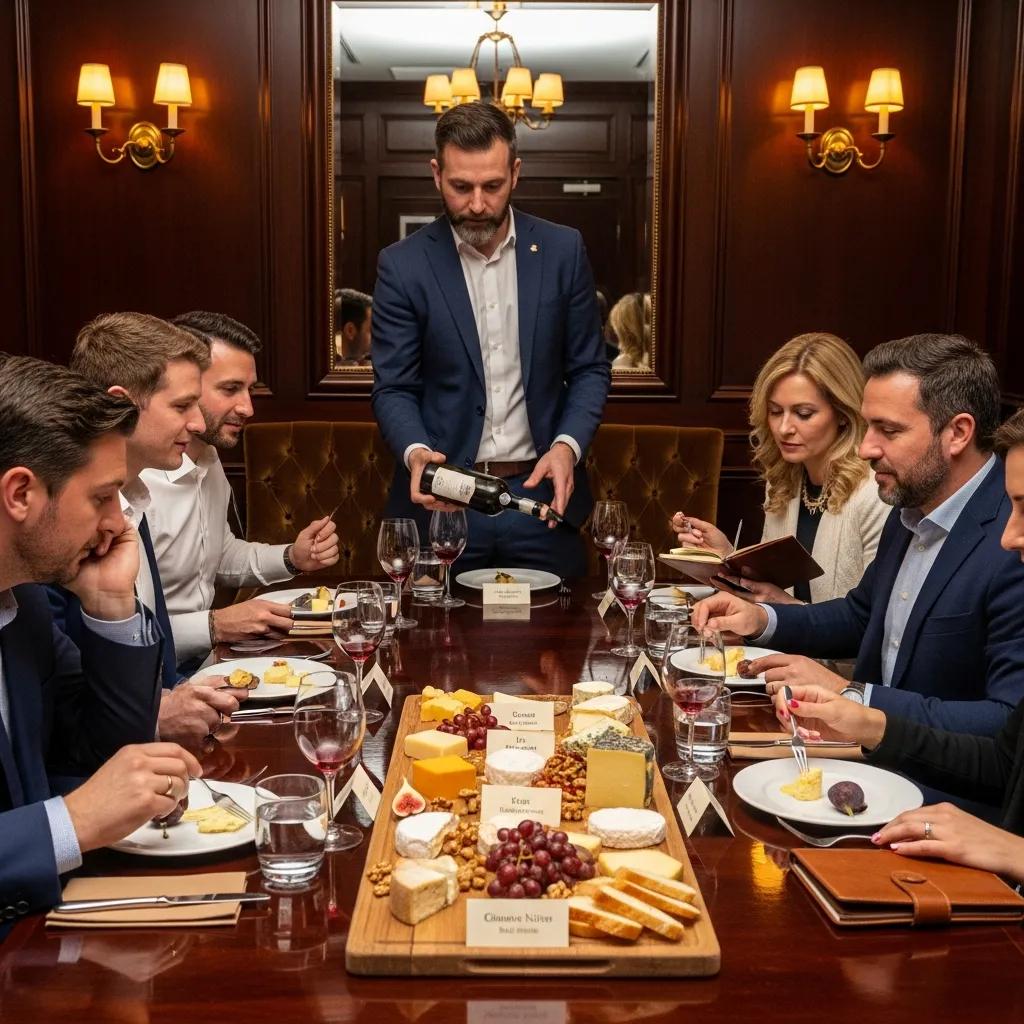
Our luxury cheese tastings are educational and sensory-driven, offered as sommelier‑led sessions, private events or integrated omakase moments that explore texture, provenance and pairing logic with wine, sake and occasional caviar accents. Formats include private tastings tailored for groups, sommelier‑led flights pairing multiple cheeses with beverages, and an omakase cheese course presented as a curated interlude. Sessions focus on guided tasting notes, palate‑reset techniques and interactive Q&A so guests leave with a clearer understanding of pairing principles and a memorable sensory arc. The table below helps you choose the right format.
How private and sommelier‑led tastings are conducted
Tastings begin with a warm introduction to sourcing and service goals, then proceed in an ordered sequence that moves from lighter to bolder textures and from lower to higher intensity in both cheese and beverage. The sommelier explains tasting notes, demonstrates pairing principles—such as cutting acidity and creating texture contrast—and provides small palate cleansers between samples to reset the senses. Guests are invited to ask questions, try alternate pairings and explore variations; group sizes remain intimate to preserve service quality and conversation. This structured format delivers an educational yet sensory‑forward experience; next we outline how an omakase cheese course is sequenced.
How the omakase cheese course fits into our menu
An omakase cheese course is placed intentionally—either as a mid‑point palate bridge or a late‑course interlude that contrasts earlier seafood dishes and primes the diner for richer proteins like A5 Wagyu. Chefs sequence cheese to highlight texture contrasts—introducing a soft cheese after a vinegared course to soothe acidity or a nutty semi‑hard before a sauced protein to echo savory notes. Presentation is minimalist and precise: modest portions, thoughtful accompaniments and suggested beverage matches that follow the omakase’s sensory narrative. This preserves Japanese tasting principles while allowing selective cheese moments to expand the menu’s expression.
How to reserve and enjoy our gourmet cheese offerings
Reserving a cheese‑focused experience is straightforward: select your preferred format, tell us party size and dietary preferences, and request rare or seasonal cheeses in advance so we can confirm availability. Because some items are small‑batch or seasonal, we recommend early notice for private tastings or special pairings that include caviar or A5 Wagyu. The reservation process includes confirmation of format, discussion of beverage pairings and any accessibility or dietary notes to tailor the experience. Below is a concise booking checklist to guide your reservation.
- Choose your format: private tasting, sommelier‑led session, or omakase with an added cheese course.
- Provide date, party size and dietary needs: note milk allergies, vegetarian preferences or other restrictions.
- Request rare cheeses or special pairings: indicate if you want caviar or A5 Wagyu pairings so we can source accordingly.
- Confirm booking details and any deposits: finalize time and special requests as our staff advises.
These steps make booking clear; the next section explains how to inquire about events and private experiences.
What to expect from our reservation process for tastings
To secure a tasting, specify the format and preferred dates, share guest count and dietary restrictions, and request any special pairings or rare selections that need advance sourcing. Our team will confirm available slots, discuss menu adaptations and recommend beverage flights based on group preferences; deposits or prepayment may apply depending on the format and will be confirmed at booking. Letting us know allergies or strong dislikes up front allows the sommelier to curate safe, satisfying alternatives without disrupting the tasting flow. This streamlined process helps us prepare and deliver a refined, personalized experience.
Are private or special‑event cheese pairings available?
Yes. We offer private dinners, corporate tastings and chef’s‑table formats where cheese‑focused pairings are fully customizable for groups seeking an elevated, educational event with sommelier guidance and curated beverage flights. Events can be tailored for pacing, number of pairings and inclusion of luxury ingredients like caviar or A5 Wagyu. Tell us your goals—educational, celebratory or corporate—and provide estimated headcount, preferred dates and any special requests so we can arrange sourcing and staffing. These bespoke offerings extend our fine‑dining story into private and celebratory contexts; the following section answers common questions.
Common questions about cheese and pairings at Kaviar
Guests often ask which cheeses best suit a fine‑dining tasting, how to pair cheese with sake and caviar, and how dietary restrictions are managed. Below we offer concise guidance so you know what to expect before you book. Our team provides informed recommendations for multi‑course experiences and clear advice on sake‑cheese‑caviar interactions so guests can anticipate the tasting arc.
Which gourmet cheeses work best for a fine‑dining tasting?
We recommend a balanced set that offers textural variety and pairing flexibility across a multi‑course menu: a creamy triple‑cream for richness, a fresh chèvre for acidity and lift, a nutty alpine‑style semi‑hard for savory mid‑course weight, an aged hard for umami depth, and a restrained blue as an accent. Each selection is chosen to perform alongside wine, sake or caviar; portioning and accompaniments are adjusted to fit the omakase flow.
- Triple‑cream soft: lush and creamy; pairs with sparkling to cut richness.
- Fresh chèvre: bright and acidic; pairs with crisp ginjo sake.
- Alpine‑style semi‑hard: nutty and savory; matches Pinot Noir or aged white.
- Aged hard: concentrated, umami‑rich; pairs with fortified or fuller wines.
- Mellow blue: saline accent; pairs with sweet wine or caviar.
This selection provides a flexible framework for fine‑dining sequences and leads into sake and caviar pairing techniques.
How do you pair cheese with Japanese sake and caviar?
Pairing cheese with sake and caviar focuses on umami balance, texture contrast and careful sequencing: choose junmai sakes for aged or umami‑forward cheeses to reinforce savory notes, select ginjo or daiginjo styles for soft, fragrant cheeses to preserve aroma, and use caviar as a precise saline accent to lift creamy textures without overpowering them. Three illustrative pairings we often present are a delicate cream cheese with ginjo and a micro caviar garnish for contrast; a nutty semi‑hard with junmai to echo savory depth; and a small shard of aged hard cheese paired with a richer sake or sweet fortified to mirror caramelized, crystalline flavors.
- Soft cheese + Ginjo sake + micro‑caviar: floral aromatics support cream; caviar adds saline pop.
- Semi‑hard alpine + Junmai sake: umami reinforcement and textural harmony.
- Aged hard + Rich sake or sweet fortified: mirrors caramelized sugars and crystalline texture.
These examples offer practical starting points for guests and close our guided overview of cheese at Kaviar.
Frequently Asked Questions
What dietary restrictions can Kaviar accommodate during cheese tastings?
We design tastings to be inclusive and can accommodate a range of dietary needs, including lactose sensitivity, vegetarian preferences and allergies. Please tell us about any restrictions when you reserve so our culinary team can plan alternatives that preserve the quality and luxury of the experience.
How often does Kaviar update its cheese selection?
Our cheese selection rotates regularly to reflect seasonal availability and new artisanal offerings. This ensures a diverse and fresh range of flavors and textures aligned with our commitment to provenance. Ask about the current selection when booking or during your visit—some items are limited‑time features.
Can guests purchase cheese to take home after a tasting?
Yes—select cheeses from the tasting may be available for purchase to take home. Availability depends on the current selection, so please ask the staff during your visit if you’d like to take a favorite home.
What is the ideal time to arrive for a cheese tasting at Kaviar?
We recommend arriving at least 15 minutes before your scheduled tasting to settle in, review the menu and speak with the sommelier about any preferences or dietary needs. Arriving slightly early helps create a relaxed atmosphere for the curated experience.
Are there special events or themed cheese tastings at Kaviar?
Occasionally we host special events and themed tastings focused on regions, particular cheese styles or pairing techniques. Check our website or subscribe to our newsletter for announcements—these events often feature exclusive selections and expert‑led conversation.
How can guests provide feedback about their cheese tasting experience?
We welcome guest feedback as an essential part of refining our offerings. Share your thoughts with staff at the end of your tasting or via follow‑up surveys sent by email. Constructive comments help us maintain and elevate the standard of our pairings and service.
Conclusion
Our gourmet cheese selection is designed to deepen the fine‑dining experience at Kaviar by thoughtfully integrating artisanal cheeses with Japanese tasting principles, creating layered textures and complementary flavors. This curated approach enhances the omakase and teaches guests the art of pairing cheese with wine, sake and caviar. To explore these pairings and reserve a tasting, visit our website. Experience Kaviar’s cheese program and discover another dimension of refined dining.