



Petits Fours & After‑Dinner Delights — Kaviar Pasadena
At Kaviar, the final moments of a tasting are intentional: a short, considered sequence of petits fours and after‑dinner bites that marry Japanese technique with luxury ingredients. This page explains how we interpret petits fours in a fine‑dining, Japanese‑inspired context, describes signature sweets and their core components, and shows how an omakase dessert sequence completes a multi‑course savory tasting. Understanding presentation, flavor anchors like matcha and yuzu, and pairing principles helps guests choose and elevate their experience. Below we define our approach, outline likely signature items and a side‑by‑side tasting guide, explain the omakase dessert flow and beverage matches, and offer reservation tips and trend notes so you know what to expect from a dessert‑forward evening at Kaviar in Pasadena.
What Are Petits Fours and After‑Dinner Delights at Kaviar?
Petits fours are bite‑sized desserts meant to close a meal with concentrated flavor and a refined textural moment. At Kaviar, they’re shaped by Japanese ingredients and a restrained pastry approach. Each miniature is crafted to deliver a single, palate‑resolving idea—sweetness, acid, or subtle bitterness—that complements the savory sequence and lingers as the meal’s last impression.
For guests, that means a complete meal arc where dessert echoes earlier motifs—sea‑salted notes, gentle umami—or provides a deliberate contrast, turning the finale into a thoughtful, memorable punctuation rather than an afterthought.
The sections that follow explain our Japanese‑inspired methodology and why diners seeking a luxury dessert experience in Pasadena often opt for a chef‑curated tasting that includes petits fours.
How Does Kaviar Define Japanese‑Inspired Petits Fours?
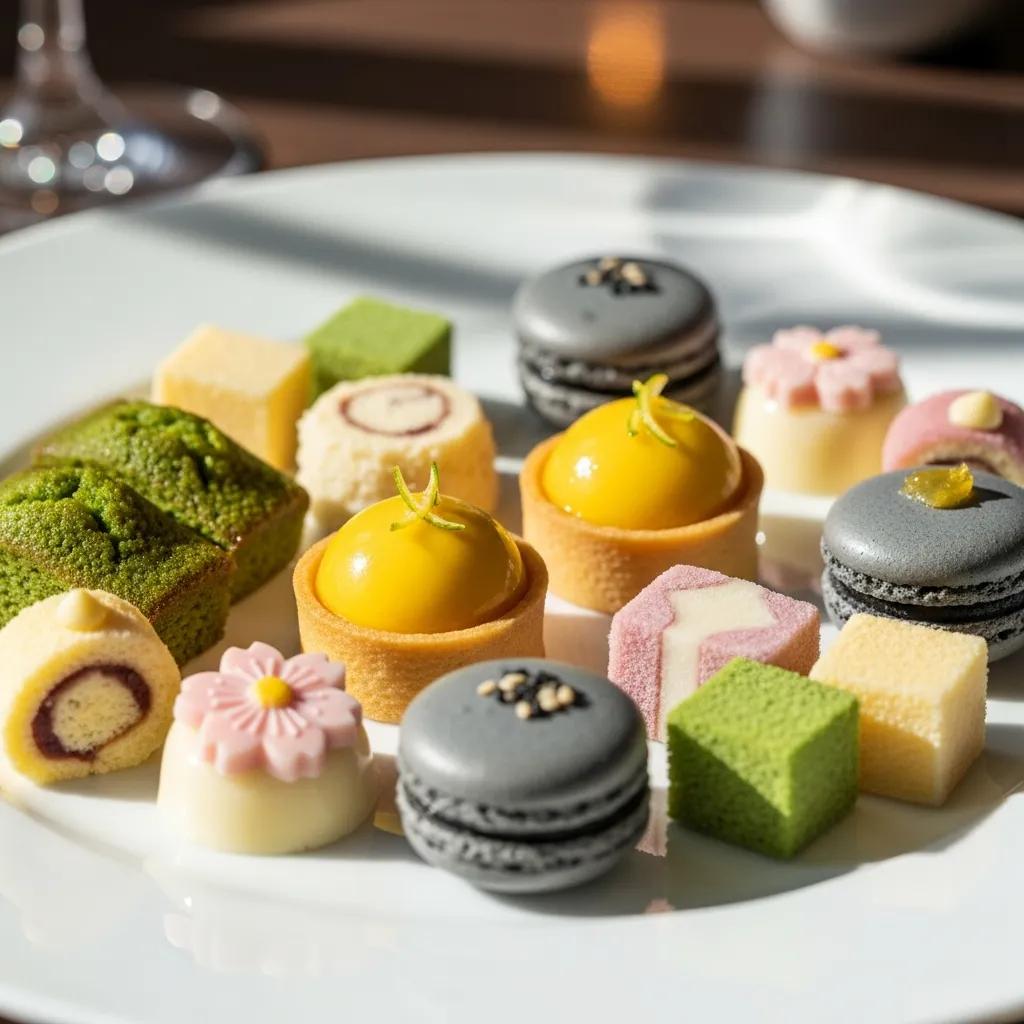
Our petits fours emphasize matcha, yuzu, black sesame, tender mochi textures and occasional use of sake kasu to concentrate flavor in miniature form. Precision—tempering, glazing and delicate assembly—ensures each bite balances sweetness, acidity and umami. That restraint lets small accents like white‑chocolate glaze or a sliver of gold leaf register without overwhelming the core flavor.
The finished sequence is a compact sensory journey: bittersweet matcha, bright yuzu and nutty black sesame delivered across creamy ganache, crisp shells and pillowy mochi.
Knowing this approach gives diners clear expectations for how our petits fours resolve the tasting arc with seasonal accents and careful balance.
Why Choose Kaviar for Luxury After‑Dinner Desserts in Pasadena?
We place desserts within the same provenance‑and‑technique story that defines our savory tasting—ingredients of the highest quality and the same exacting technique found in sushi and omakase. Opting for Kaviar’s after‑dinner sweets means choosing chef‑curated finishes that prioritize flavor continuity and purposeful contrast.
Guests benefit from a cohesive tasting architecture: dessert is a continuation of the chef’s story, not a standalone detour. That focus increases perceived value and creates lasting finales.
If you prefer a crafted dessert arc, note it when booking so the team can sync timing and pairings with the full tasting experience.
Which Signature Petits Fours and Sweet Bites Does Kaviar Offer?
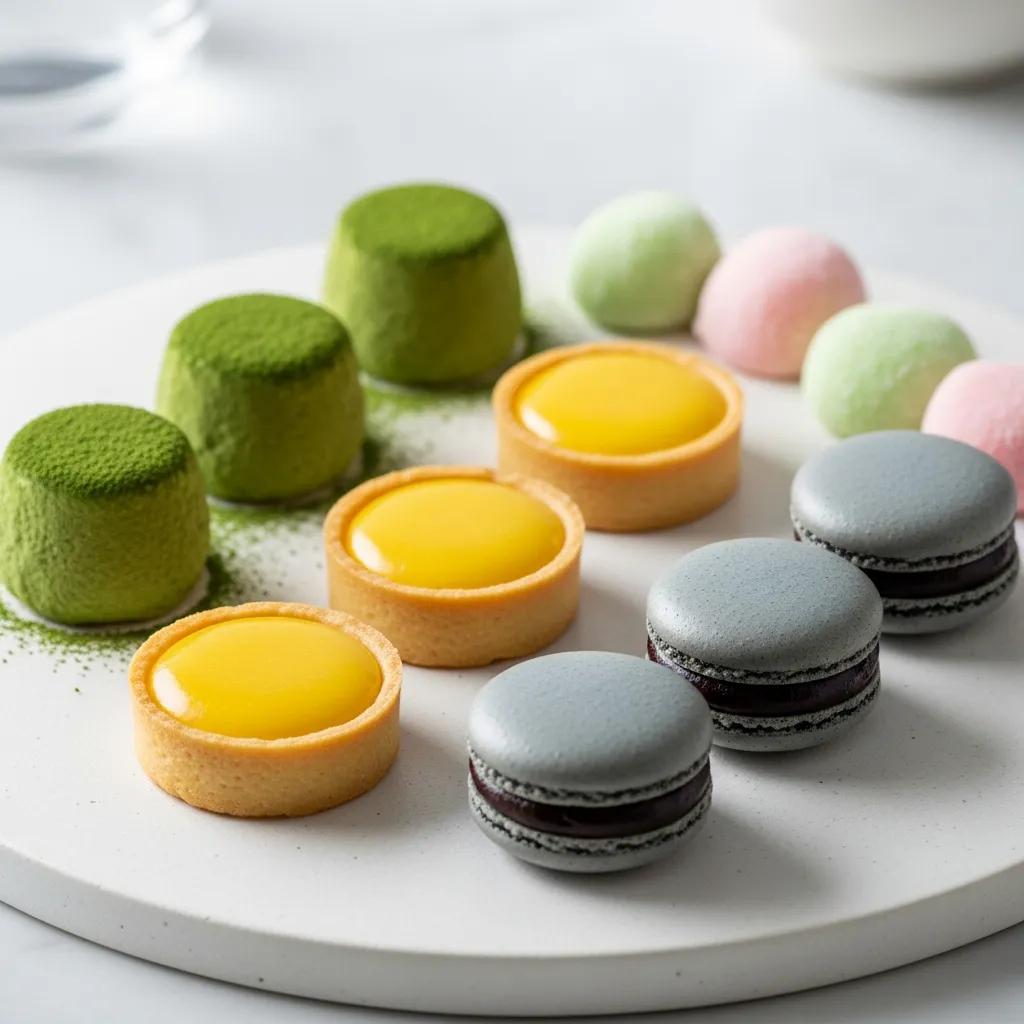
Our signature petits fours and sweet bites draw from Japanese flavors with luxury accents, designed to pair seamlessly with sake and dessert wines. The pastry team curates a rotating selection that highlights seasonal produce alongside staples like matcha and yuzu, presenting each item in bite‑size portions to invite tasting across temperatures and textures.
Below is a concise snapshot of representative items to illustrate the direction and sensory focus before a detailed ingredient table clarifies differences and tasting notes.
- Matcha petits fours — bitter ceremonial matcha balanced with velvety white chocolate for layered depth.
- Yuzu tartlets — bright citrus curd set in a crisp, buttery shell for a refreshing palate lift.
- Black sesame macarons — toasted, nutty filling with a delicate crunch and supple interior.
- Mochi petit bites — pillowy rice‑cake texture with subtle sweetness and rotating seasonal fillings.
These examples demonstrate how contrast and balance work at bite scale, helping guests select the small sweets that best fit their palate or pairing preference.
Introductory comparison of signature petits fours to help diners choose among textures and flavors.
What Are the Key Ingredients in Kaviar’s Petits Fours Collection?
Our petits fours prioritize Japanese flavor signatures—matcha, yuzu, black sesame, sake kasu and mochi—often finished with luxury touches like gold leaf or a white‑chocolate sheen for visual and flavor contrast. Each element has a purpose: matcha brings vegetal bitterness, yuzu adds fragrant acidity, black sesame supplies roasted depth, and sake kasu lends umami and fermentation nuance. These choices also determine texture—glutinous components provide chew while tempered chocolate or glazes give a satisfying snap. Recognizing these roles helps guests predict how each bite will interact with the savory sequence and whether they prefer contrast or echo.
How Are These Gourmet Sweet Bites Presented and Crafted?
Presentation follows fine‑dining conventions—plated sequences, spoon‑served amuse‑bouche or compact assortments—each composed to showcase a petit four’s key texture and flavor in a single gesture.
Craftsmanship pairs classic pastry technique with Japanese restraint: exact glazing, tempered chocolate work and micro‑garnishes—a single citrus zest or a fleck of gold—to signal luxury without excess.
Service formats shift with the tasting: a quiet plated assortment at the table or a small trolley for a more theatrical moment. Either way, minimal visuals and tactile promise reinforce the tasting narrative and make petits fours an intentional part of the meal cadence.
What Is the Omakase Dessert Experience at Kaviar?
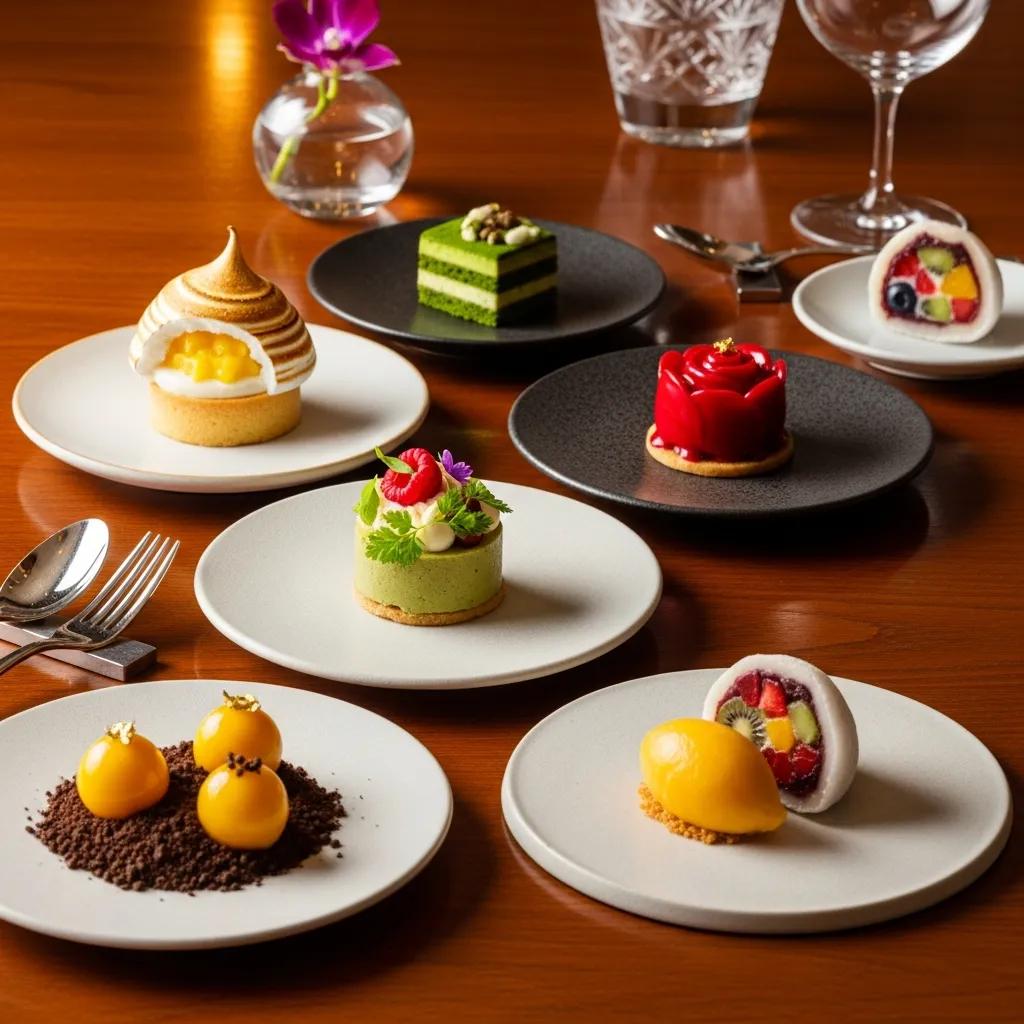
Omakase dessert is a chef‑curated sequence of small sweets served at the close of a tasting. The chef selects and orders desserts to resolve flavors and shape a final narrative arc for the meal.
Execution depends on the chef’s choices—textures, acids and sweetness progressions are arranged to cleanse, contrast or echo earlier savory plates and to leave a deliberate last impression.
For guests, omakase dessert offers a tailored ending aligned with the evening’s seasonal ingredients, often revealing unexpected pairings and a stronger sense of culinary authorship.
The following sections explain how dessert omakase pairs with Japanese fine dining and which beverages typically complement these sequences.
Harmonizing dessert omakase with the preceding savory tasting emphasizes continuity and palate resetting: lighter textures and citrus or bitter notes prepare the palate for the final sip or bite. The chef sequences items from subtle to more assertive so sweetness increases thoughtfully or is applied sparingly to avoid masking savory aftertastes. Seasonal transitions—citrus to tea to fermented notes—guide the palate from umami‑rich mains to a satisfying sweet resolution. These sequencing principles make desserts feel like an integral chapter rather than an addendum.
Pairing Flavors and Sequencing Tastes in Fine Dining
Plating is only one part of the story; the order in which you taste elements shapes flavour perception. Effective sequencing can use similarity, contrast or synergy to maximize impact—pairings that echo shared compounds, deliberate contrasts, or combinations that unlock new sensations often perform best. Cultural and psychological factors matter as much as chemistry when designing a memorable tasting sequence.
Pairing flavours and the temporal order of tasting, C Spence, 2017
Below are pairing examples and reservation context for guests who wish to include an omakase dessert in their booking.
How Does the Omakase Dessert Pair with Japanese Fine Dining?
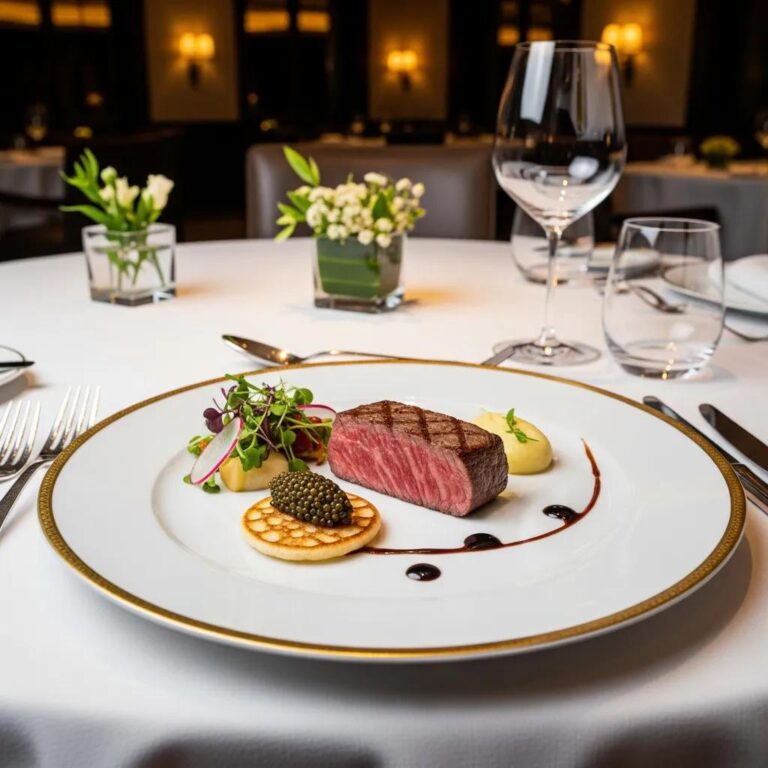
The omakase dessert sequence intentionally mirrors or contrasts motifs from the savory courses. For example, after an A5 Wagyu plate the chef might serve a bright yuzu sorbet to reset the palate.
This approach creates a logical progression: intensity from rich umami gives way to acidity or bitter‑sweet notes that restore balance and highlight lingering flavors without dulling the palate.
Texture also bridges courses—light sorbets or aerated creams follow fatty mains to provide lift, while denser petits fours echo toasted or caramelized elements from earlier dishes.
These choices ensure the dessert sequence reads as an extension of the tasting rather than a separate service.
Which Beverage Pairings Complement the Omakase Dessert?
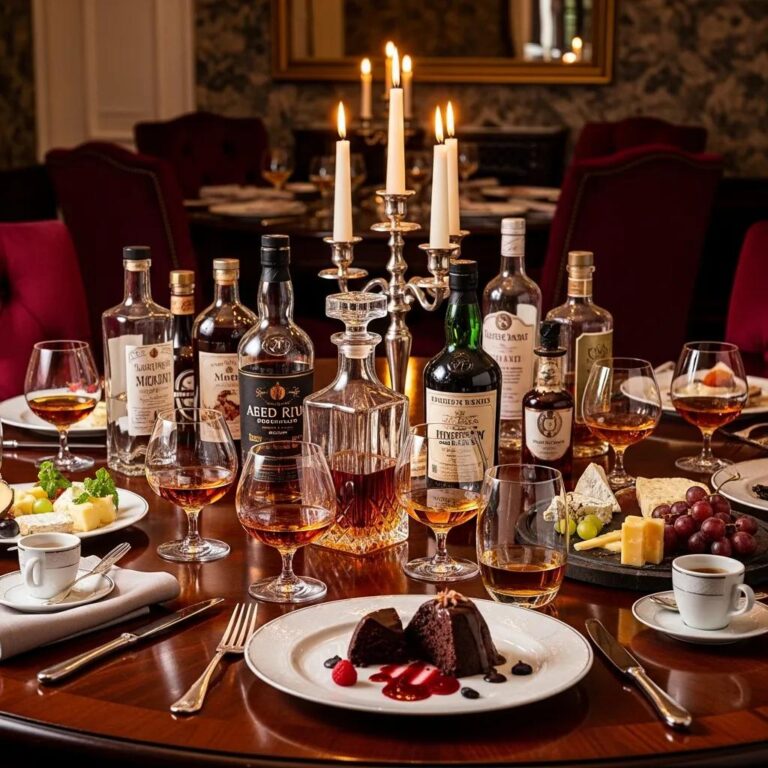
Beverage pairing for omakase desserts leans on sake, dessert wines, Japanese whisky and floral or roasted teas to match texture and flavor intensity through the sequence.
We often recommend chilled sparkling sake with citrus sorbet for lift, a Tokubetsu Junmai alongside matcha‑forward bites to ground umami, and an aged Japanese whisky to underscore richer black sesame or caramelized finishes.
Temperature and glassware matter: chill lighter, aromatic sweets; serve fuller desserts slightly warmer to open aromatic esters. Thoughtful pairings let each petit four reveal complementary relationships instead of competing.
How Does Kaviar’s After‑Dinner Menu Enhance the Fine Dining Experience?
We treat after‑dinner offerings as a deliberate element of our culinary philosophy—desserts reinforce balance, seasonality and Japanese influence while amplifying the luxury narrative established by premium ingredients.
Desserts resolve the tasting by providing contrast or thematic echoes, increase perceived value through craftsmanship, and encourage repeat visits when the final impression meets expectations.
Centering petits fours and omakase desserts within the tasting demonstrates how pastry technique and ingredient sourcing contribute directly to guest satisfaction and word‑of‑mouth for luxury dining in Pasadena.
The following table highlights our guiding philosophy and how desserts reference premium savory motifs.
What Is Kaviar’s Philosophy on Crafting After‑Dinner Delights?
Our dessert philosophy centers on balance, seasonality and a Japanese aesthetic of restraint. Each petit four is designed to resolve or echo the tasting narrative in miniature; desserts should never overwhelm but instead provide a considered ending that highlights technique and ingredient nuance.
By sourcing seasonal citrus, matcha and fermented elements like sake kasu, our pastry team rotates offerings to keep the menu fresh throughout service.
Treating dessert as part of the chef’s curated sequence ensures consistent intent from amuse‑bouche through petits fours.
How Do After‑Dinner Delights Complement Kaviar’s Premium Ingredients?
After‑dinner bites can reference premium savory ingredients by echoing textures or flavor motifs—such as a saline counterpoint to caviar or a toasted note that harmonizes with seared A5 Wagyu—without recreating savory preparations.
This culinary logic uses contrast (acid vs. fat) and complement (shared aromatic compounds) to create a satisfying progression that reinforces our luxury identity.
For guests, these echoes produce cohesion: familiar elements return in new textures or sweetness levels, reinforcing the narrative of a masterful, integrated tasting menu and enhancing perceived sophistication.
Where Can You Experience Kaviar’s Petits Fours and After‑Dinner Delights in Pasadena?
Kaviar presents these petits fours and omakase desserts as part of our fine‑dining tasting formats at the Pasadena location. Reservations are recommended for seats that include chef‑curated sequences.
Our address anchors us in central Pasadena; guests seeking an omakase dessert or a tasting with petits fours should indicate that preference when booking so the kitchen can align timing.
Local diners often note presentation and the sense of occasion tied to dessert sequences, so advance reservation is practical for anyone prioritizing a dessert‑forward experience.
Below are practical reservation steps and an overview of diner sentiment and where to consult public reviews.
How to Reserve Your Luxury Dessert Experience at Kaviar?
To reserve a dessert‑forward experience, book a tasting or omakase‑style seat and request the omakase dessert sequence so the kitchen can plan timing and pairings. Reservations are handled via our reservations page.
When booking, tell us any dietary preferences or a desire for specific dessert elements (for example, a matcha‑forward sequence) so the team can adapt the tasting accordingly.
Timing matters: notifying the kitchen that you want a dessert omakase helps synchronize savory pacing and beverage service.
Checking local review platforms and our menu pages can provide additional context before you book.
What Do Pasadena Diners Say About Kaviar’s Dessert Offerings?
Pasadena diners regularly praise the presentation, flavor balance and thoughtful pairings that make petits fours feel like a deliberate extension of the tasting rather than an afterthought.
Reviews often highlight the artistry of miniature sweets and the success of pairing suggestions when noted in advance—a consistent appreciation for craftsmanship.
For prospective guests, these impressions suggest that reservations with dessert notes tend to deliver a more synchronized and memorable finale. For current opinions, consult local review listings and our public profile.
What Are the Trends and Innovations in Japanese Fine Dining Desserts?
Contemporary trends emphasize matcha and yuzu prominence, sustainable sourcing, multisensory presentation and the revival of fermented elements like sake kasu to introduce umami into sweets. Chefs blend artisanal pastry technique with Japanese flavors to create novel textures and surprising pairings—black sesame with citrus or tea‑smoked elements for aroma, for example. Visual storytelling and compact theatrical moments (micro‑trolleys or plated reveals) also shape how petits fours are presented to maximize social and sensory impact. The sections below look at flavor trends and practical lessons Kaviar can draw from top‑tier practice.
Today’s dessert menus focus on flavor identity, presentation and sustainability, forming a distinct fine‑dining dessert language diners increasingly expect. Matcha and yuzu act as recognizable anchors, while techniques like freeze‑drying and micro‑garnishing add texture and visual clarity without heavy sweetness. These innovations allow restaurants to present petits fours that feel contemporary and culturally rooted—clear avenues for Kaviar to deepen its dessert program.
How Are Japanese Flavors Like Matcha and Yuzu Shaping Dessert Menus?
Matcha and yuzu are primary signifiers that bring tradition and modern versatility to desserts: matcha provides bitter‑green depth while yuzu supplies bright, fragrant acidity that lifts heavy courses.
Texture strategies pair matcha with creamy ganaches or crunchy shells to offset bitterness, while yuzu appears in sorbets or curds as a palate cleanser between richer bites.
Both flavors work functionally—matcha to ground, yuzu to refresh—and culturally, making them staples in contemporary petits fours.
What Can Kaviar Learn from Michelin‑Starred Competitors’ Dessert Experiences?
Top practitioners stress visual storytelling, curated dessert sequences with surprise elements, and clear menu transparency—lessons Kaviar can adopt without imitation.
Practical takeaways include concise menu descriptions for petits fours, offering optional omakase dessert add‑ons at reservation time, and documenting pairings and ingredient highlights to guide guests.
- Prioritize seasonal, Japanese‑centric ingredients to preserve authenticity and freshness.
- Offer a clear omakase dessert option at booking to manage expectations and kitchen flow.
- Document pairings and ingredient callouts to guide guests and improve discoverability.
Applying these principles helps Kaviar align with industry best practice and deliver a dessert program that feels both contemporary and rooted in Japanese technique.
Frequently Asked Questions
What is the significance of using seasonal ingredients in Kaviar’s desserts?
Seasonal ingredients matter because they deliver peak flavor and texture. By sourcing fruit and produce at their best, the pastry team creates desserts that reflect the season and change throughout the year—encouraging repeat visits and offering guests a fresh experience each time.
How does Kaviar ensure a cohesive dessert experience with the savory courses?
We design desserts to complement the savory progression through careful sequencing of flavor, texture and temperature. A rich main may be followed by a bright yuzu sorbet, for example, to reset the palate. Aligning dessert with the tasting menu creates a unified dining journey that feels intentional and complete.
Are there any dietary accommodations available for Kaviar’s dessert offerings?
We strive to accommodate dietary needs. When you reserve, please share any restrictions—gluten‑free, vegan, nut allergies—and the kitchen will adapt dessert options where possible so everyone can enjoy Kaviar’s petits fours without compromise.
What types of beverages pair well with Kaviar’s dessert selections?
Beverage pairing is integral to the dessert experience. Lighter citrus‑based sweets pair well with chilled sake or sparkling sake; matcha‑forward items work with Tokubetsu Junmai or green tea; richer black sesame finishes pair beautifully with aged Japanese whisky or dessert wine. Ask your server for tailored suggestions.
How does Kaviar’s dessert presentation enhance the dining experience?
Presentation emphasizes minimalist elegance and craftsmanship. Precise glazing, micro‑garnishes and careful plating let each petit four read clearly on the plate and amplify the tasting’s final impression. The visual moment is part of the multisensory narrative.
What trends are influencing Kaviar’s dessert menu development?
Trends shaping our dessert program include sustainable sourcing, inventive flavor pairings and the renewed use of traditional Japanese ingredients like sake kasu. Techniques that add texture and aroma—freeze‑drying, micro‑garnishing and subtle smoking—allow us to create contemporary interpretations that remain rooted in Japanese flavor.
Conclusion
Experiencing Kaviar’s petits fours and after‑dinner delights is a deliberate and memorable close to a tasting—Japanese flavors meet fine‑dining technique to create small moments that leave a lasting impression. For a full dessert‑forward evening, reserve a tasting that includes the omakase dessert sequence. Join us and discover how a thoughtful dessert arc elevates the entire meal.