



From Farm to Table: Kaviar’s Sourcing Philosophy for Japanese Fine Dining in Pasadena
At Kaviar, farm-to-table isn’t a catchphrase — it’s how we build every tasting menu. Our sourcing centers on provenance, seasonality and ingredient integrity so each course in our omakase and tasting menus reads like a clear, delicious story. In this piece we explain what “farm to table” means in a Japanese fine-dining context, how we select and handle standout items such as Miyazaki A5 Wagyu and Kaluga caviar, and the sustainable seafood practices that protect flavor and the oceans that provide it. You’ll also find practical guidance for experiencing this approach at Kaviar — from curated omakase sequences and service rituals to reservation tips. Expect concrete examples of local partnerships, ingredient-level quality control, chef-led curation, and straightforward steps to plan your visit with confidence.
What Defines Kaviar’s Farm to Table Commitment in Pasadena?
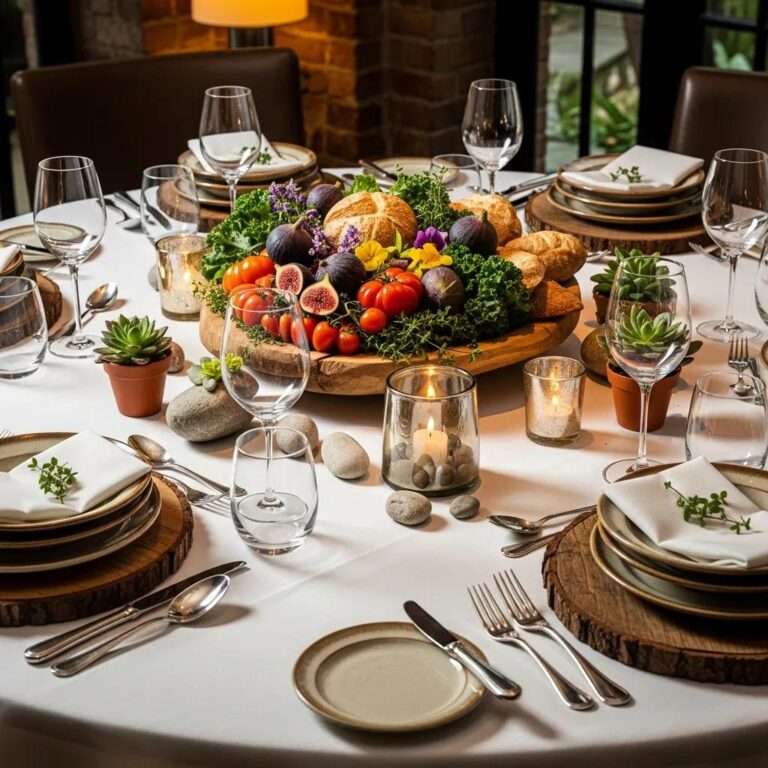
Our farm-to-table commitment is a deliberate chain: it starts with trusted producers and ends with a dish that highlights the ingredient’s natural voice. We favor short supply lines, harvest windows that match peak flavor, and documented traceability so items arrive at their best. By marrying Japanese technique with carefully chosen local microgreens, heirloom vegetables and seasonal produce, our menus shift with the agricultural calendar and put flavor clarity first. This approach reduces waste, strengthens our relationships with growers, and gives guests a transparent narrative that connects farming practice to plate. The points below summarize how that commitment shows up in daily operations.
Kaviar’s farm-to-table commitment is evident in these operational pillars:
- Local partnerships: We prioritize nearby farms that demonstrate reliable quality and responsible growing methods.
- Seasonal rotation: Menus are refreshed to follow harvest cycles and peak flavor windows.
- Traceability and record-keeping: We document deliveries so specific batches of produce can be linked to menu items.
These pillars create menu transparency and guest trust, and they set the stage for how we manage individual farm relationships to keep the kitchen supplied.
How Does Kaviar Partner with Local Farms for Seasonal Produce?
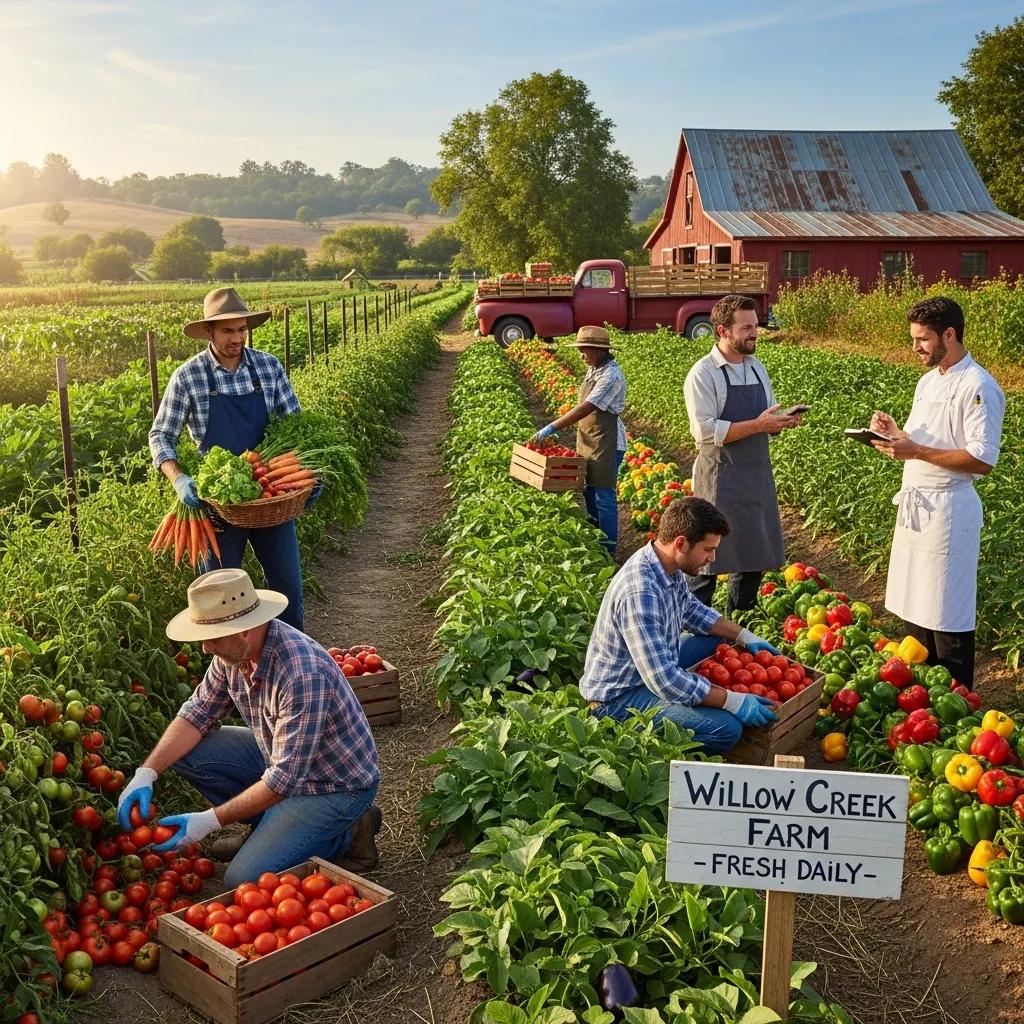
We select farm partners based on consistent flavor, proximity and sustainable practices. Preference goes to growers who use minimal intervention, plan crops by season and can deliver quickly so delicate items — microgreens, baby herbs, heirloom vegetables — reach us with texture and aroma intact. Deliveries often arrive weekly and are timed to the kitchen’s prep schedule; our team inspects each delivery for ripeness and blemish-free condition before it becomes mise en place. That rhythm lets chefs showcase single-farm ingredients in specific courses and rotate preparations as availability shifts, reinforcing seasonality across every tasting menu. These operational details explain why seasonal sourcing sharpens the clarity and balance of our Japanese preparations.
Which Seasonal Ingredients Shape Kaviar’s Menu Throughout the Year?
Seasonality organizes our ingredient roster into four seasonal snapshots. Spring brings tender microgreens, early shallots and wild herbs for bright starters; summer offers heirloom tomatoes and sweet corn that pair beautifully with chilled seafood. Fall turns toward root vegetables and late mushrooms for warm, umami-forward dishes; winter favors brassicas and preserved citrus to support richer proteins like wagyu and braised fish. Our chefs choose techniques — raw, lightly seared, pickled or slow-braised — to showcase each ingredient’s essential flavor and texture. This season-by-season map explains how farm cycles form the backbone of Kaviar’s menu curation.
This table illustrates representative local partnerships; Kaviar updates supplier details as seasonal commitments change and welcomes guest inquiries during booking.
How Does Kaviar Source Premium Ingredients Like A5 Wagyu and Caviar?
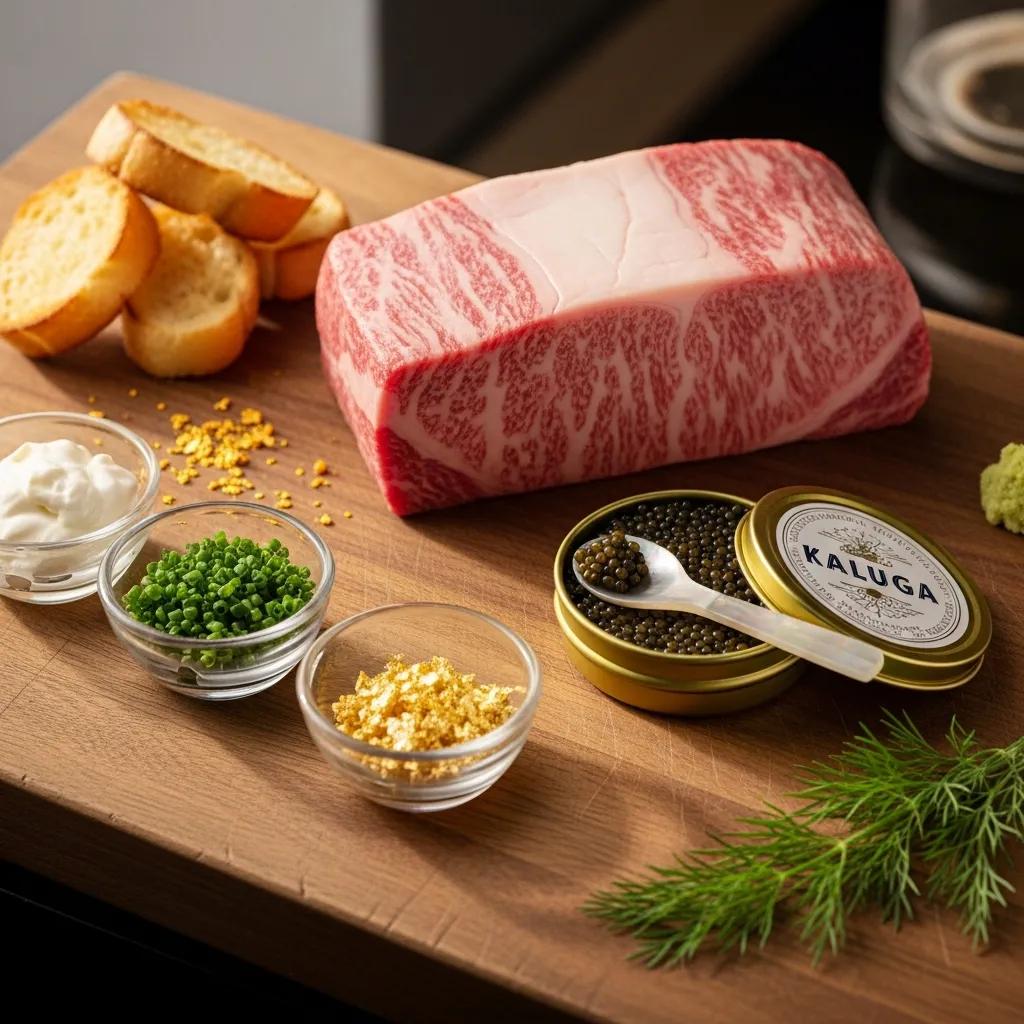
For premium proteins we focus on provenance, grading and strict handling so each ingredient’s defining qualities arrive intact. With items like Miyazaki A5 Wagyu and Kaluga caviar, our selection criteria include documented origin, recognized quality grade and cold-chain integrity so marbling, texture and delicate roe perform as expected. These ingredients appear in omakase and a la carte offerings where minimal seasoning and precise technique amplify natural flavor rather than cover it. The table below clarifies provenance, grade and typical culinary use for these premium items.
This comparison shows how provenance and grade inform technique and guest experience when premium proteins are featured.
Where Does Kaviar Source Its Authentic Miyazaki A5 Wagyu?
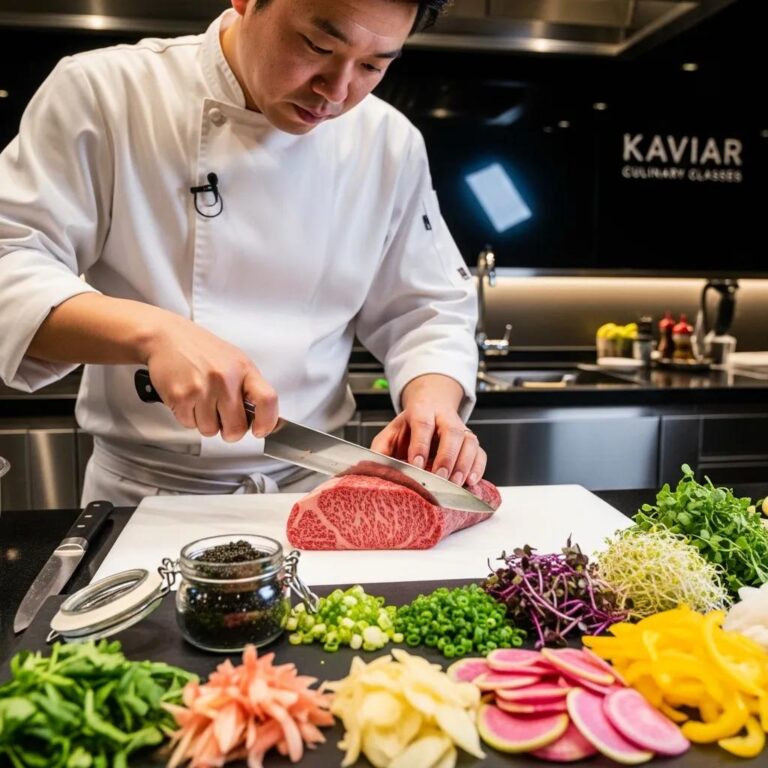
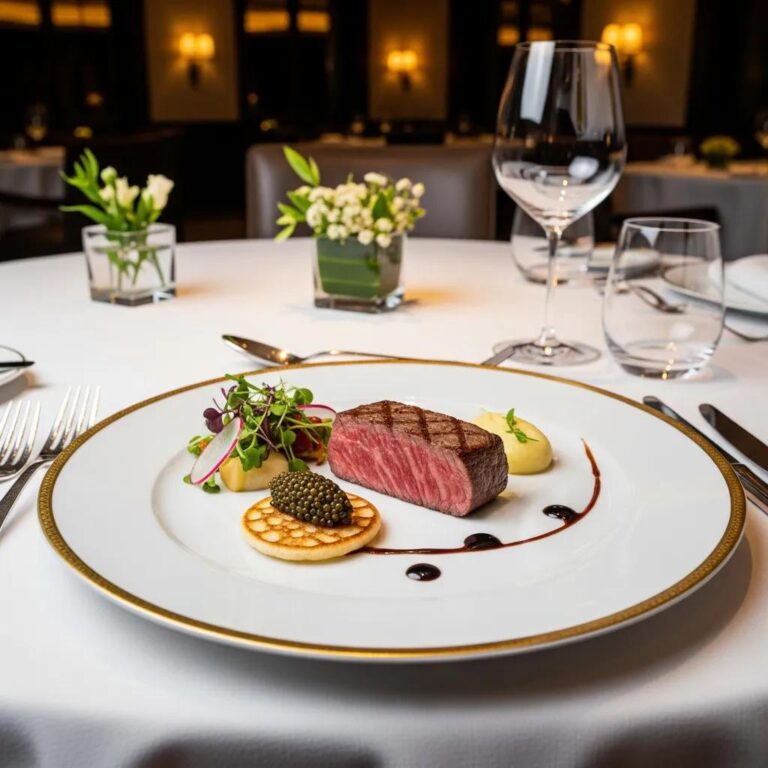
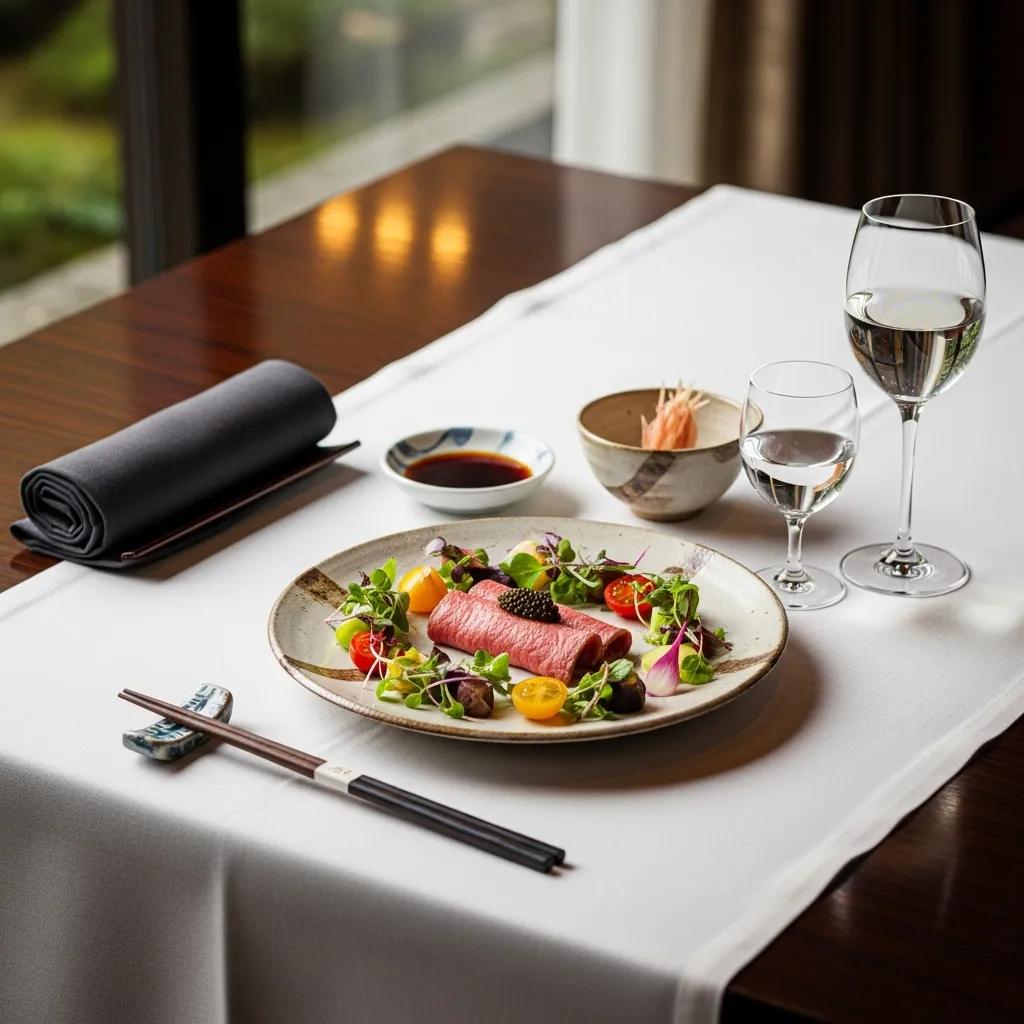
Miyazaki A5 Wagyu is prized for deep intramuscular marbling and a fat that melts gently, producing a silky mouthfeel and nuanced beef flavor. We source certified Miyazaki-origin A5 beef — the top grade for marbling, color and texture under Japanese standards — because it delivers predictable cooking behavior and a distinct luxury profile. Kaviar maintains cold-chain controls on import, portions on-site to preserve tenderness, and uses restrained seasoning and precise temperatures so the marbling, not heavy sauces, remains the focus. When A5 appears in an omakase sequence, the preparation is intentionally simple to let the beef’s character shine.
Japanese Wagyu Beef Industry: Quality, Genetics, and Management Challenges
In Japan, Wagyu cattle include four breeds: Black, Brown, Shorthorn and Polled. Today the Wagyu name covers cattle produced both in Japan and in countries such as Australia and the United States. In recent years, intramuscular fat percentage in beef from Japanese Black cattle has risen above 30% in some cases. The Japanese Black breed tends to produce carcass lipids with higher monounsaturated fatty acids than other breeds. However, the industry faces challenges: high production costs, manure disposal, reliance on imported feed, and food‑security risks from diseases introduced via feed. To address these issues, feeding systems must become more efficient and management practices should improve to support farmers, food security and local environments.
The Japanese Wagyu beef industry: Current situation and future prospects—A review, 2018
What Makes Kaluga Caviar a Signature Ingredient at Kaviar?
We choose Kaluga caviar for its large, glossy pearls and a buttery, rounded flavor that complements restrained Japanese preparations. Responsibly farmed Kaluga‑type caviar gives us batch-level traceability and consistent texture, which makes pairing precise and repeatable. In the kitchen we use caviar sparingly — a dollop on chilled seafood, folded into a creamy accent, or placed atop rice or small bites — to add saline brightness, luxurious mouthfeel and a visual flourish. Service keeps presentations chilled and simple so the caviar’s delicate flavor remains intact, and our staff offer pairing guidance to balance salt, fat and acidity. The aim is amplification, not dominance.
Why Is Transparency and Quality Control Central to Kaviar’s Sourcing Philosophy?
Transparency and quality control mean documented supplier vetting, batch-level traceability and clear communication to guests about where ingredients come from and how they are handled. These practices reduce uncertainty around premium items, help the kitchen manage supply shifts, and give front-of-house teams the provenance stories diners want to hear. Our traceability workflow includes receiving checks, lot labeling and record-keeping that ties deliveries to menu items — processes that support food-safety best practices and make origin stories verifiable. We choose suppliers for both flavor and their willingness to document harvest conditions and dates. Explaining these systems helps guests see why transparency matters and how it leads to consistent plate quality.
How Does Kaviar Ensure Ethical and Traceable Ingredient Sourcing?
Ethical, traceable sourcing at Kaviar begins with consistent vetting criteria and thorough incoming documentation. We review farming and aquaculture practices, communication cadence and traceability evidence rather than relying solely on labels. On receipt, products are inspected visually and organoleptically, logged with delivery dates and lot numbers, and stored with first-in, first-out rotation to preserve quality. Our front-of-house team is trained to share these sourcing notes with guests, connecting diners to the origin story of each dish. These controls safeguard quality and create meaningful provenance narratives during service.
In What Ways Does the Chef’s Vision Influence Ingredient Selection?
The chef’s vision turns provenance and seasonal availability into a coherent culinary story. Chefs select ingredients that meet our quality and traceability standards and that offer specific sensory traits — texture contrasts, aromatic notes and fat profiles — which can be arranged into a tasting progression. Supplier visits, tastings and conversations with growers or fishers help chefs choose particular cultivars, cuts or harvest windows that fit planned techniques. In this curator role, sourcing is culinary-first: an ingredient must support the intended taste experience, which then guides preparation, sequencing and plating. Seeing the chef as curator clarifies why sourcing is both artistic and operational.
What Unique Experiences Does Kaviar Offer Through Its Omakase and Fine Dining Menus?
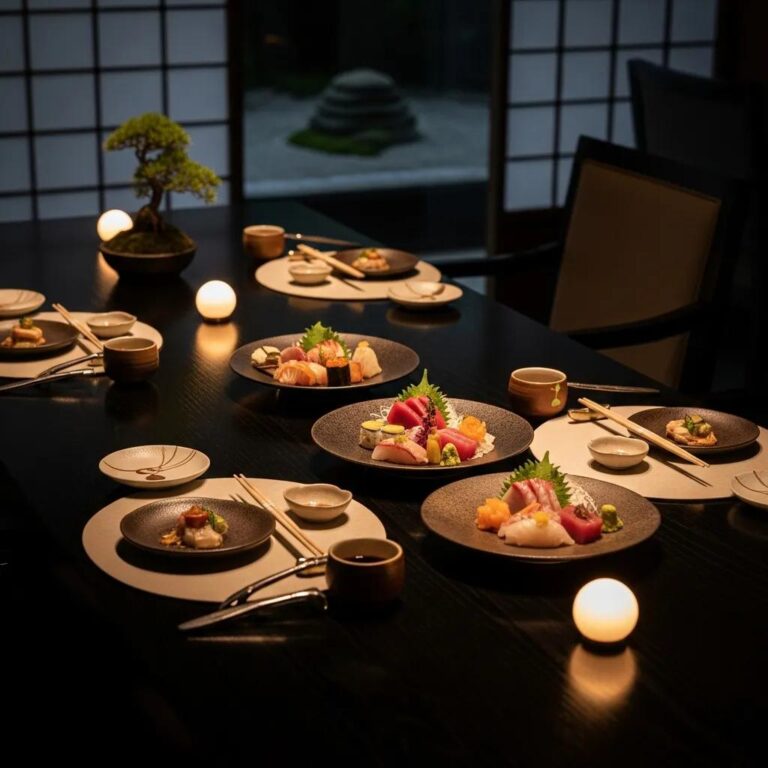
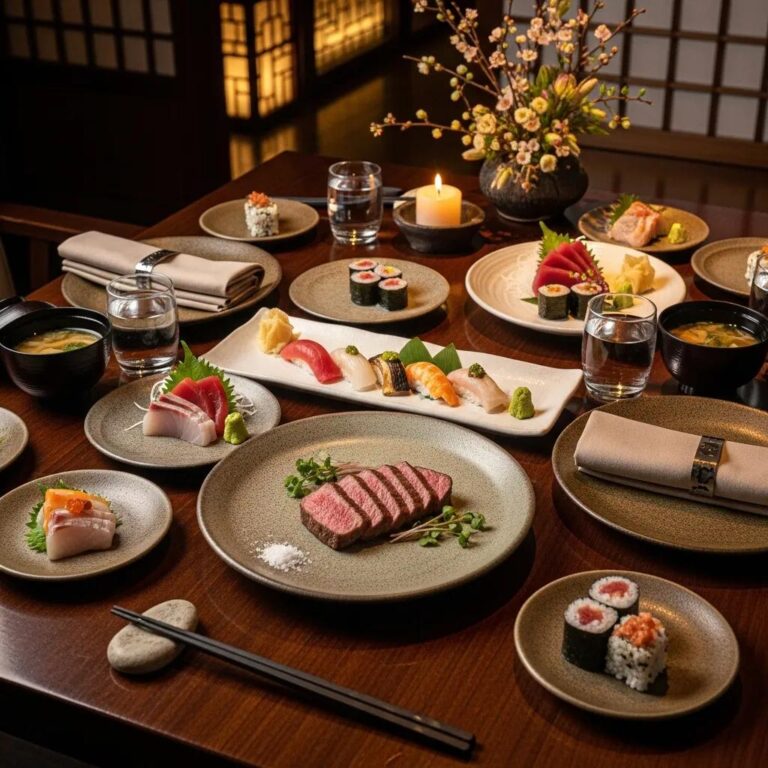
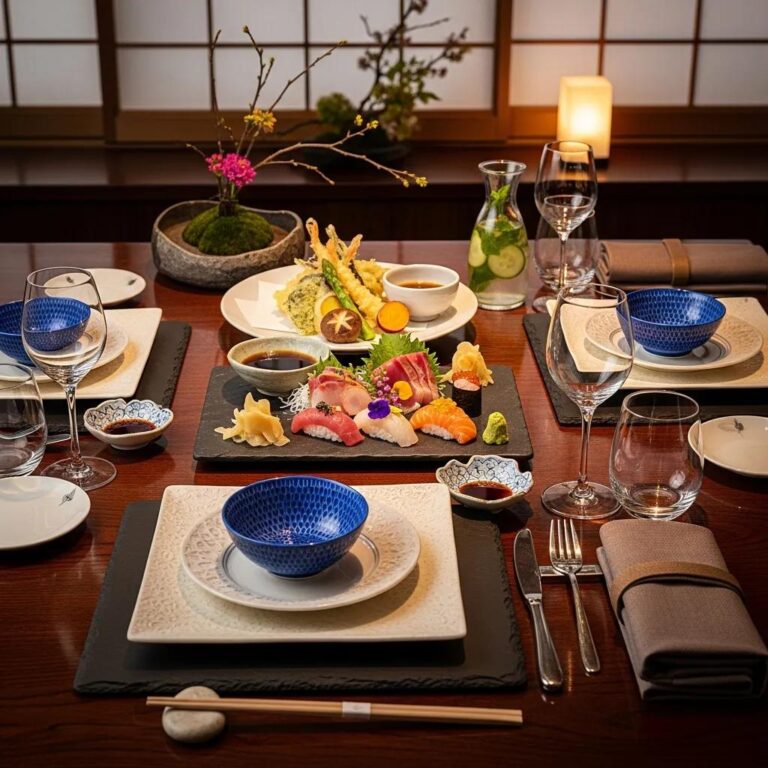
Our omakase and tasting menus are narrative-driven sequences that connect seasonality and provenance to a thoughtful sensory arc. Courses are arranged to introduce brightness, build texture and finish with luxurious proteins. Each omakase is shaped by what’s available from land and sea: single-farm vegetables often appear early, while premium proteins anchor later courses. Service rituals — concise provenance notes, deliberate pacing to respect temperature and texture, and restrained beverage pairings — ensure each element supports the ingredient. Below is a representative tasting flow that shows how Kaviar translates sourcing into an experiential meal.
A typical tasting progression at Kaviar might follow this sequence:
- Amuse-bouche with microgreens: A single-farm herb bite that announces the season.
- Chilled seafood course: Highlights freshness and sustainable sourcing with light citrus.
- Vegetable-forward intermediate: Heirloom produce presented with a restrained dressing.
- Premium protein course: Seared Miyazaki A5 Wagyu or a caviar-accented dish to close the sequence.
This progression shows how provenance informs pacing and balance and leads naturally to booking advice for guests who want an omakase experience.
How Is the Seasonal Omakase Menu Curated Around Farm to Table Ingredients?
Curation starts with an inventory of seasonal items and evolves through a sequencing workshop where chefs pair textures, temperatures and flavor arcs. The team assigns each ingredient a course role — bright, raw preparations early, richer, fattier items later — so provenance remains readable across the sequence. Chefs test minimal interventions to confirm that local produce can stand alone or support proteins without being masked, and they refine plating to spotlight details like microgreen aromatics or scallop sweetness. This method ensures every omakase communicates season and place, guiding diners from local harvest to refined execution.
What Luxury Dining Elements Complement Kaviar’s Sourcing Philosophy?
At Kaviar, luxury elements — meticulous plating, exacting temperature control and carefully chosen pairings — exist to reveal ingredient integrity, not to distract from it. Presentation favors clean lines and restrained garnishes that signal provenance (a microgreen placed to denote single-farm origin, for example), while service pacing preserves the hot-and-cold contrasts central to Japanese technique. Beverage pairings — light sakes, crisp whites or thoughtful non‑alcoholic options — are selected to enhance texture and salinity, complementing rather than competing with premium ingredients. Together, these choices create a focused, elevated dining moment that reflects our chef’s provenance-driven intent.
How Does Kaviar Support Sustainable Seafood and Ethical Ocean Sourcing?
Kaviar supports sustainable seafood by favoring suppliers who document sourcing methods, harvest seasons and handling practices that limit ecological impact and protect flavor. We distinguish between farmed and wild-capture sources based on species-specific sustainability profiles and prioritize suppliers who provide traceability records for each shipment. Ethical sourcing reduces variability in product quality, enables reliable menu planning and helps protect preferred species for the long term. The table below compares common seafood sourcing methods and the implications for quality and sustainability.
This comparison highlights how sourcing choices affect both ecological outcomes and plate-level quality, inviting guests to consider provenance as part of the flavor story.
What Sustainable Seafood Practices Does Kaviar Follow?
Our sustainable practices include selecting suppliers for traceability, buying seasonally to avoid out-of-season pressure, and prioritizing aquaculture when it offers lower ecological impact and steady quality. Procurement asks for harvest dates and handling steps so we can maintain cold-chain integrity and predictable sensory results. When using wild-capture species, we time menu placement to seasonal peaks to preserve texture and flavor while avoiding overfished periods. These measures reduce waste, improve menu planning and keep culinary standards aligned with environmental stewardship.
How Does Ethical Sourcing Enhance the Quality of Kaviar’s Seafood Dishes?
Ethical sourcing improves quality by ensuring seafood reaches the kitchen at peak freshness with consistent texture and predictable fat or sweetness profiles that chefs depend on for delicate techniques. Traceable supply chains lower the risk of spoilage and variability, enabling raw or lightly cured preparations that require uncompromised ingredients. Operationally, consistent sourcing reduces waste and supports tight mise en place, which improves service timing and presentation. For guests, ethical sourcing deepens the table narrative, linking taste to origin and reinforcing confidence in both flavor and stewardship.
How Can Diners Experience Kaviar’s Farm to Table Philosophy Through Reservations and Menu Choices?
To experience our farm-to-table philosophy, explore menu sections that highlight provenance, choose the omakase tasting menu for a curated seasonal journey, and tell us about sourcing or dietary preferences when you reserve. The menu is organized to indicate omakase, a la carte and caviar service items with provenance notes where relevant and is updated seasonally to reflect current farm and seafood availability. To reserve, use Kaviar Restaurant’s online reservation page or call the restaurant to secure omakase seating and note any sourcing questions or dietary restrictions. These steps help the kitchen deliver the intended seasonal narrative and accommodate provenance requests when possible.
When planning a visit, follow these practical steps:
- Review menu sections: Note where omakase, a la carte and caviar service items appear and look for provenance cues.
- Reserve in advance: Book omakase early to secure limited seasonal allocations.
- Communicate preferences: Share dietary needs or sourcing questions at booking so our team can prepare.
These steps help diners get the most from our provenance-driven offerings. Next, we outline where to find current menu details and how to make reservations.
Where Can You Explore Kaviar’s Menu Featuring Farm to Table Ingredients?
Kaviar publishes menu sections that call out where farm-sourced ingredients and premium proteins appear — typically marking omakase, a la carte and caviar service items with brief sourcing notes. Menus are refreshed to reflect harvest windows and seafood availability, so we recommend checking the current menu before booking to preview seasonal highlights and course structure. Entrées often carry short provenance mentions — for example, Miyazaki A5 Wagyu or Kaluga caviar in select courses — so you can identify where premium items appear. Reviewing the menu ahead of time helps you choose the experience that best matches your interest in provenance-driven dining.
How Do You Make Reservations to Enjoy Kaviar’s Premium Japanese Dining in Pasadena?
To reserve an omakase or tasting menu, use Kaviar Restaurant’s reservation system or call the restaurant to discuss dates, party size and any sourcing or dietary notes. Omakase seats are limited and tied to seasonal ingredient availability, so advance booking is recommended. When you reserve, let us know if you’d like specific provenance details, accessibility accommodations or a celebratory setup so we can prepare. Direct communication lets the kitchen align procurement and plating with your expectations and seasonal realities.
Frequently Asked Questions
What is the significance of seasonal ingredients in Kaviar’s dining experience?
Seasonal ingredients are central to our cuisine because they offer the freshest flavor and clearest expression of place. By aligning our menus with the agricultural calendar, we highlight each ingredient’s unique character — aroma, texture and peak taste — while supporting local growers. Seasonality is a core principle of Japanese dining and it shapes how we compose and pace each tasting menu.
How does Kaviar ensure the quality of its seafood?
We ensure seafood quality through careful supplier vetting and strict traceability. We work with suppliers who provide harvest dates and handling documentation, and we maintain cold-chain protocols and regular inspections on receipt. These measures protect freshness and flavor while supporting responsible sourcing practices.
What role does the chef play in ingredient selection at Kaviar?
The chef leads ingredient selection by marrying seasonal availability and provenance with culinary intent. Through supplier visits and tastings, the chef chooses specific cultivars, cuts and harvest windows that best suit planned techniques. This curator role ensures every ingredient supports an intended sensory outcome and a cohesive tasting sequence.
How does Kaviar’s sourcing philosophy impact the dining experience?
Our sourcing philosophy deepens the dining experience by connecting flavor to origin. Transparency around provenance lets diners appreciate the story behind each dish, while seasonal, locally driven choices sharpen taste and texture. The result is a meal that’s both a sensory journey and a thoughtful expression of sustainable practice.
What are the benefits of choosing the omakase menu at Kaviar?
Omakase offers a curated progression that showcases the best seasonal ingredients we have on any given day. It highlights the chef’s creativity, sequences contrasting textures and flavors, and delivers a narrative-driven tasting that emphasizes freshness, quality and provenance.
How does Kaviar communicate its sourcing practices to diners?
We communicate sourcing through clear menu notes and informed front-of-house staff. Menu items often include short provenance details, and our team is trained to share origin stories and answer questions so guests understand the quality and sustainability behind their meal.
What steps can diners take to maximize their experience at Kaviar?
To maximize your visit: review the menu in advance to spot seasonal highlights, reserve early for omakase to secure limited allocations, and tell us any dietary restrictions or sourcing interests when booking so we can tailor the experience.
Conclusion
Kaviar’s farm-to-table approach elevates every meal by centering seasonal ingredients, local partnerships and rigorous provenance. This commitment supports sustainable practice and creates a clearer connection between diner and source. For the fullest expression of that journey, reserve our omakase menu — each course is a chapter in a seasonally driven story of provenance and craftsmanship. Explore Kaviar’s offerings and experience Japanese fine dining crafted with care and clarity.