




Share Your Kaviar Experience — Reviews & Customer Feedback for Kaviar Restaurant in Pasadena
We invite you to share your Kaviar experience to help other diners discover our approach to Japanese fine dining and to guide our ongoing improvements. This page explains how to leave feedback, which details make a helpful review, where to find existing ratings, and how we use guest input to refine omakase sequences, A5 Wagyu preparations, and caviar service. Many guests ask how to describe premium ingredients, evaluate service pacing, and post platform-specific reviews that influence discovery; this guide gives clear, actionable steps and sample phrases you can adapt. You’ll learn which platforms work best for verified reviews, concise best practices for constructive feedback, and how to highlight the dish- and service-level details that matter to future guests and to our team. The article covers: how to share your dining story, common guest themes, how Kaviar handles feedback, detailed prompts for describing food and service, platform-specific submission tips, and short answers to frequent questions about leaving feedback for Kaviar in Pasadena.
How can you share your Kaviar dining experience?
Sharing your visit means recording sensory details, service observations, and the occasion context—either publicly on review platforms or privately through our feedback channels. Public reviews pair a star or rating with written comments and optional photos that show presentation and portion; private feedback goes straight to management for direct follow-up. A structured review helps future guests and signals to the kitchen and service team where to focus refinements. Below are the main platforms and methods diners use when sharing a fine‑dining experience, plus guidance on when to choose public versus private feedback and how to describe premium menu elements.
Which platforms can you use to review Kaviar Restaurant?
Choose platforms based on whether you want your words to be widely visible or clearly tied to a verified reservation. Google Business Profile and Yelp reach a broad audience—photos and specific dish names increase the review’s usefulness. OpenTable and Resy typically prompt verified‑reservation reviews after dining, which helps us match feedback to a particular service instance. For operational concerns you’d prefer handled privately, use the restaurant’s reservation or feedback channels and include the visit date and seating time so our team can locate the record and respond promptly.
What are the best practices for writing a Kaviar review?
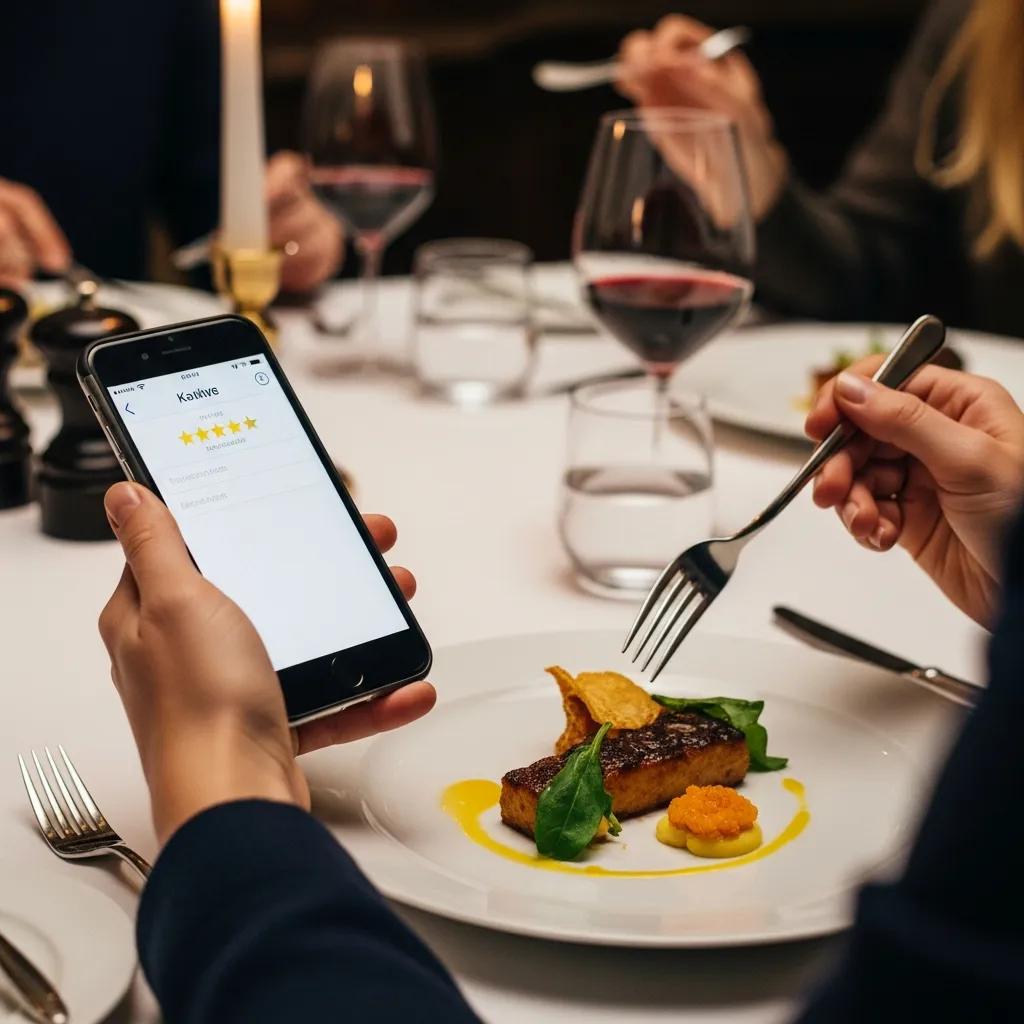
A useful review balances sensory detail with constructive context so future diners and our team can act on your observations. Where possible, name signature dishes—describe texture, doneness, seasoning, and presentation instead of offering only broad praise or criticism. Note the occasion, party size, and any timing issues or standout service moments to give actionable insight. Keep the tone respectful and solution‑oriented so your feedback stays credible and valuable to both prospective guests and our staff.
What do guests say about Kaviar’s Japanese fine dining in Pasadena?
Guest feedback for restaurants like Kaviar usually centers on three things: ingredient quality, chef‑led pacing, and attentive service. Reviews often highlight how premium ingredients shape perceived value and memorable moments—references to omakase sequences, A5 Wagyu, and caviar service recur frequently. Hospitality cadence—how courses are timed and how the team describes each course—also appears often, because it frames the tasting experience. Summarizing these patterns helps future diners decide what to highlight in their own reviews and what to prioritize when booking for special occasions.
Understanding customer perceptions of fine dining matters for both guests and restaurateurs.
Content Analysis of Online Reviews for Fine Dining Restaurants
ABSTRACT: This study examines the positive and negative attributes customers mention in online reviews of a high‑end restaurant. The sample consists of reviews for an upscale establishment operating inside a private museum in Istanbul. Using TripAdvisor as the source, the researchers conducted a qualitative content analysis of 78 Turkish online reviews. The analysis grouped customer comments into four dimensions—food, service, atmosphere, and other factors—and found that taste, service quality, food originality, and environmental uniqueness were frequently cited as strengths in the reviews analyzed.
Which customer testimonials highlight the omakase and A5 Wagyu experience?
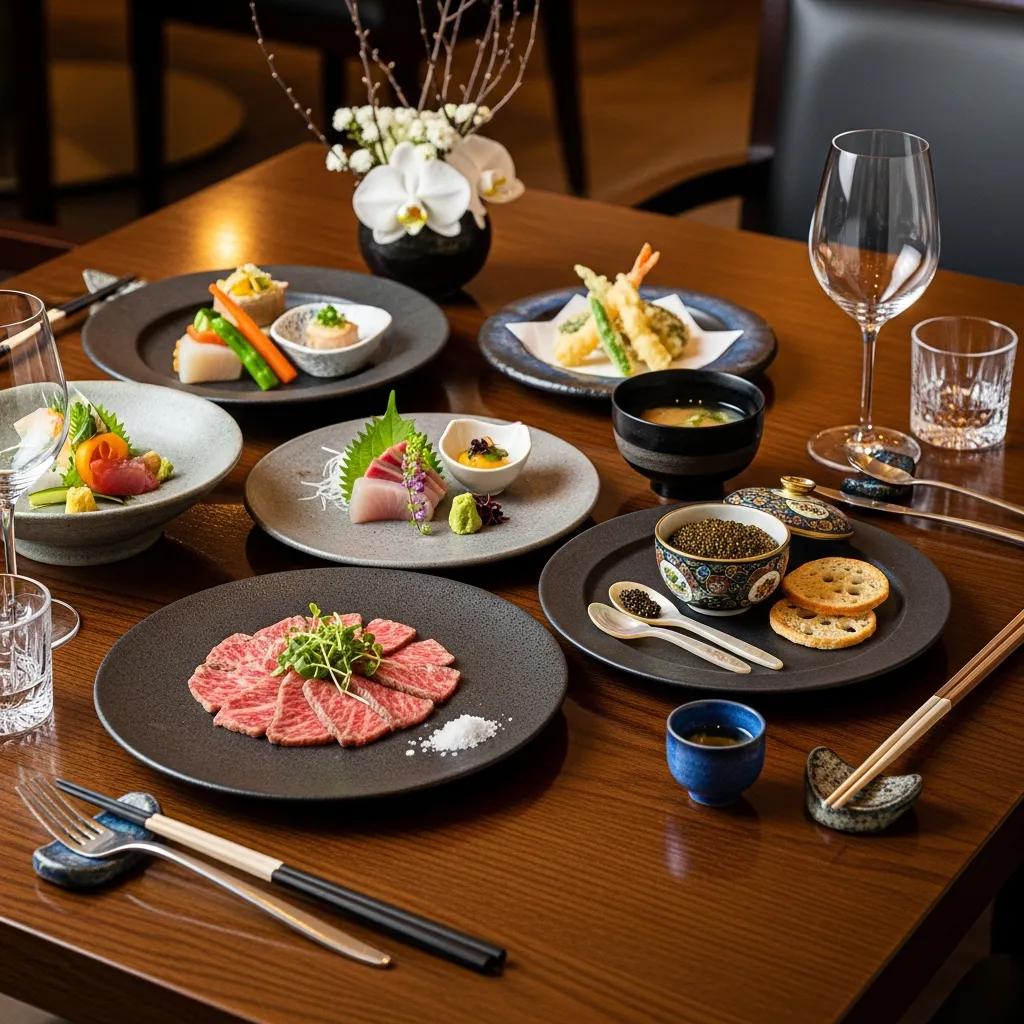
Many guests point to the craftsmanship behind omakase sequences and the technical execution of A5 Wagyu as standout moments. Omakase reviews often mention chef interaction, seasonal ingredient choices, and how courses linked together—details that help readers follow the tasting’s narrative arc. For A5 Wagyu, reviewers commonly describe marbling, richness, and how fat and seasoning played together—insights that clarify portion expectations and value perception. Calling out these specifics in your review helps future diners know what to expect from similar tasting experiences.
How do guests describe the luxury ambiance and service at Kaviar?
Reviews that describe luxury ambiance usually mention intimacy, lighting, and the formality of service—cues that signal suitability for celebrations or focused tasting dinners. Service comments often reference staff knowledge about pairings and the pacing between courses—both central to a fine‑dining assessment—and note how staff handle special requests or dietary needs. Guests who describe a balance between polished service and relaxed attention help others decide whether Kaviar is right for a quiet date, a small celebration, or an exploratory tasting. These details also help us calibrate ambiance and staffing for different occasions.
Why is your feedback important to Kaviar Restaurant?
Your feedback is a practical signal that guides our operational priorities, menu evolution, and staff training. A well‑constructed review gives us specific, actionable information rather than general impressions. When diners report food quality, service flow, or seating comfort in measurable terms, management can map those observations to concrete changes—recipe tweaks, adjusted course pacing, or targeted training. Public reviews also affect search visibility and reservation intent, since aggregate ratings and descriptive keywords (like omakase, A5 Wagyu, Kaluga Caviar) help guests find Kaviar for the right occasion. Below is a simple mapping showing how specific review elements translate into restaurant outcomes and why detailed feedback matters.
Different types of feedback lead to distinct operational improvements and guest outcomes.
Concrete feedback enables measurable improvements that benefit future guests and supports a data‑driven approach to refining a tasting experience. Focusing reviews on specific aspects increases the chance management will act and your input will lead to visible improvement.
How does Kaviar use reviews to enhance the dining experience?
We look for patterns in reviews to prioritize menu updates, service training, and reservation procedures. Recurring comments about ingredient balance, course length, or staff knowledge point us to where to invest. For example, multiple notes about course pacing may prompt timing or staffing adjustments; feedback about inconsistent presentation can lead to standardized plating protocols. Reviews that reference ingredients like A5 Wagyu or Kaluga Caviar also help us understand guest perceptions of value and pairing preferences, guiding future menu curation. The result is a feedback loop where public comments and private notes inform incremental changes that retain culinary intent while improving guest satisfaction.
How does Kaviar respond to customer reviews?
We aim to acknowledge public feedback and address substantive concerns with personalized responses—thanking reviewers, clarifying misunderstandings, and outlining follow‑up steps when appropriate. Our typical reply includes a prompt acknowledgment, a brief expression of appreciation or apology, and an invitation to continue the conversation privately for operational details. We prioritize timely engagement so guests feel heard and staff can investigate actionable issues; if a review raises safety or health concerns, we escalate to management for direct remediation. Courteous, clear responses help maintain trust and encourage constructive dialogue between diners and our team.
What should you include in your Kaviar review?
A high‑utility review covers the core elements future diners and our kitchen find most useful: specific dishes and ingredients, service attributes, ambiance, timing, and overall value. Highlight signature items that defined your meal—describe texture, seasoning, and presentation for A5 Wagyu; note pairing and mouthfeel for caviar; and explain chef interaction and course progression for the omakase. Adding context—party size, occasion, reservation time—and whether wine pairings or tasting supplements influenced your impressions helps us interpret your comments accurately. The prompts and examples below turn abstract guidance into concrete phrasing you can adapt.
The table below compares dish‑specific review prompts so reviewers know what to comment on for each premium item.
How to describe food quality: A5 Wagyu, omakase, and caviar dishes
For A5 Wagyu, focus on marbling patterns, perceived richness, and doneness relative to the cut; mention portion size and whether seasoning enhanced rather than masked the beef. For omakase, note the logic of the sequence, ingredient seasonality, and how staff explanations shaped your appreciation. For caviar, describe texture, salinity, and any pairing that shifted the tasting profile, such as a delicate starch or neutral cream. Concrete sensory words and short comparisons help readers form realistic expectations about value and flavor.
How to evaluate service excellence and ambiance in your review
Judge service by greeting quality, menu and pairing knowledge, timing between courses, and responsiveness to special requests—specific examples make reviews more actionable. Describe ambiance elements—lighting, noise level, and seating intimacy—and say how they fit the occasion you hosted to guide others choosing a venue. When noting shortcomings, suggest outcomes (for example, “more frequent check‑ins would improve flow”) so feedback stays constructive. A simple rubric—greeting, knowledge, timing, accommodation—helps you structure comments for balanced coverage of front‑of‑house performance.
Where can you find and leave reviews for Kaviar Restaurant in Pasadena?
Public platforms and verified‑reservation systems capture different review signals; choose based on visibility, verification, and whether you want public or private feedback. Google Business Profile and Yelp provide broad reach and strong search visibility, making them ideal for reviews you want widely seen. OpenTable and Resy commonly prompt verified‑diner reviews tied to reservations, which helps us correlate feedback to a specific service instance. Below are concise, platform‑specific steps and tips for submitting helpful reviews on each major channel.
The following table provides step‑by‑step guidance and tips for leaving reviews across common platforms.
How to leave a Google review for Kaviar
To leave a Google review, find our listing, select a star rating, and write about your experience—adding photos to show presentation and portion. Try to name dishes like A5 Wagyu or Kaluga Caviar when they influenced your rating, and include the occasion or reservation time to contextualize crowding or pacing. Uploading a couple of sharp photos increases your review’s usefulness for other diners. Posting soon after your meal preserves detail and keeps observations fresh and actionable.
How to submit reviews on Yelp, OpenTable, and Resy
On Yelp, write a descriptive review that follows community guidelines—include sensory detail and avoid promotional or defamatory language. OpenTable and Resy will often prompt verified‑reservation feedback; respond to those prompts and reference your seating time and menu choices for clarity. For operational concerns you want handled privately, use our direct feedback channels so staff can follow up while you optionally post a brief public note. Observing platform‑specific etiquette increases the chance your review helps other diners and leads to meaningful follow‑up from our team.
Frequently Asked Questions
What should I consider when writing a review for Kaviar?
Focus on specific elements future diners will find useful: which dishes you ordered, details about flavor, texture, and presentation, and service quality—staff knowledge and attentiveness. Note the ambiance and how it affected your experience, and add context like the occasion and party size. Aim for a balanced tone that highlights strengths and suggests improvements when relevant.
How can I ensure my review stands out?
Be specific and descriptive. Use sensory language—describe the marbling of A5 Wagyu or the texture of Kaluga caviar—and include high‑quality photos to boost credibility. Mention unique moments, such as an interaction with the chef or a memorable service gesture. A short, well‑told scene can give readers a clearer picture of what to expect at Kaviar.
Is there a best time to leave a review?
Leave a review soon after your meal while details are fresh—this helps you capture flavors, service nuances, and the overall impression accurately. Timely reviews also give other diners immediate insight and provide our team with prompt information to act on if needed.
Can I edit my review after posting it?
Yes—most platforms let you edit your review. If you want to add details or clarify points, log into the platform where you posted and update your entry. Editing is useful after a follow‑up visit or if you receive a response that changes your perspective.
What if I had a negative experience at Kaviar?
If something fell short, offer constructive feedback focused on specific issues—service delays, food temperature, or presentation inconsistencies—and suggest how it might improve. For major concerns, consider contacting us privately so we can investigate and resolve the matter directly. Thoughtful, actionable feedback helps us improve.
How does Kaviar use customer feedback?
We use feedback to guide operational improvements, menu adjustments, and staff training. By tracking patterns across reviews, we identify areas needing attention—service pacing, ingredient balance, or presentation consistency—and make data‑driven changes that enhance the dining experience. Public reviews also influence how potential guests discover Kaviar, making them an important part of our engagement strategy.
Why should I leave a review for Kaviar Restaurant?
Your review helps future diners choose the right venue for their occasion and supports our continuous improvement by highlighting successes and areas for refinement. Public reviews affect search visibility and aggregate ratings many guests use to decide where to reserve; detailed comments about omakase or A5 Wagyu inform menu decisions and supplier choices. Constructive, specific feedback converts impressions into actionable items our team can address. By describing what stood out and why, you help create a better dining ecosystem for everyone.
Can I leave anonymous or private feedback?
Anonymity depends on the platform: some public sites show a username, while reservation platforms may show verified‑diner markers. If you prefer privacy, use our direct feedback channels to communicate with management without publishing your identity; for public praise that helps discovery, consider a named review with specific details. When you contact us privately, include reservation details and dates so staff can investigate and respond effectively.
- Kaviar values both public visibility and private resolution: public reviews help other diners, while private feedback lets management respond directly.
- Include reservation details in private feedback so staff can locate your visit and act quickly.
- Be specific in either public or private feedback—mention dishes, timing, and any staff interactions that mattered.
These practical steps make it easier to share feedback that’s meaningful, fair, and actionable.
When you’re ready to experience Kaviar’s upscale Japanese tasting—featuring premium ingredients like Kaluga caviar and Miyazaki A5 Wagyu alongside our curated omakase sequences—consider securing a reservation through our standard booking channels. After your meal, please share detailed feedback on the platforms you prefer or via our direct feedback so we can continue improving service, pacing, and menu selection; your observations about food quality, service, and ambiance are the inputs that guide our refinements and reservation guidance for future guests.
Conclusion
Sharing your Kaviar dining experience helps fellow guests make informed choices and plays a vital role in improving our offerings. By leaving detailed feedback on dishes, service, and ambiance, you contribute to a continuous improvement loop that benefits everyone. We encourage you to post your insights on the review platforms you prefer or to contact us directly so Kaviar can continue refining an exceptional Japanese fine‑dining experience. Explore the menu and reserve a table to enjoy a memorable meal you’ll want to share.