



Our Promise: Service Excellence in Luxury Japanese Fine Dining
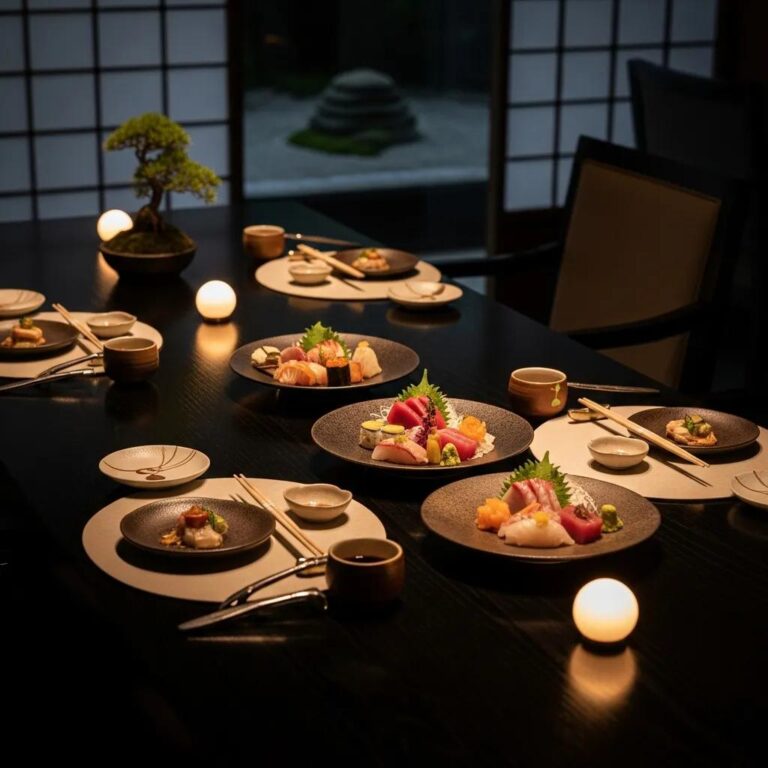
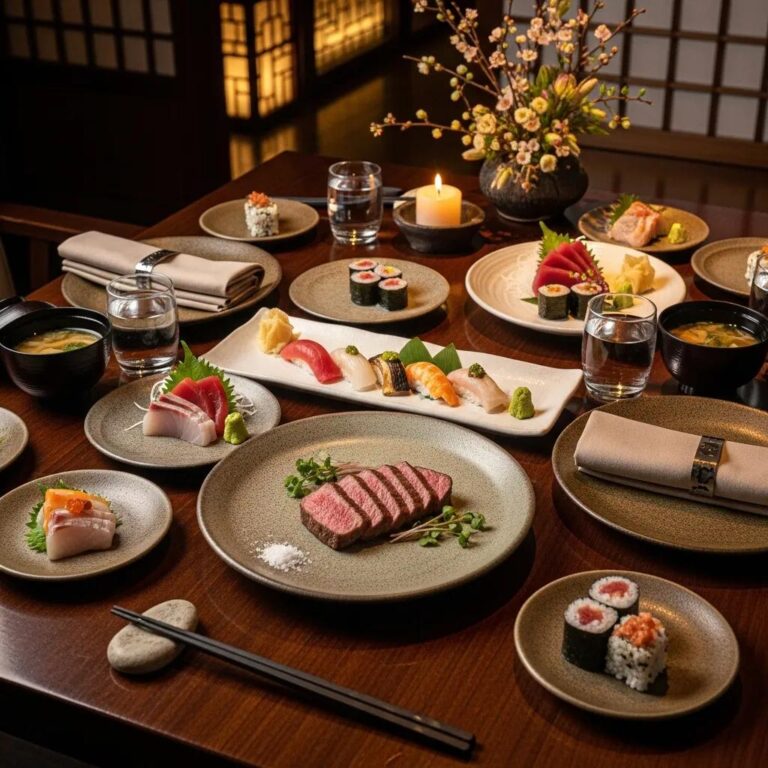
At Kaviar, customer service excellence means combining the quiet rigor of traditional Japanese hospitality with modern, deeply personal service to craft unforgettable fine dining moments. This article shows how principles such as omotenashi, anticipatory attentiveness, and flawless technical execution become real at the table — the systems that support them and the benefits guests notice. Our diners come for more than extraordinary cuisine — from omakase to A5 Wagyu and caviar — they come for careful pacing, thoughtful storytelling, and individual attention. You’ll learn the hallmarks of luxury service, how we tailor omakase, the rituals around premium ingredients, the booking-to-arrival workflow that enables customization, our staff training approach, and how continuous refinement keeps standards high. Practical examples throughout show how attentive service and smart reservation systems work together to anticipate preferences, protect dietary needs, and lift every course. This guidance is for discerning guests and operators seeking a service framework that blends technology with human judgement.
What Defines Exceptional Customer Service in Luxury Dining?
Exceptional service in luxury dining is personalized attention delivered through anticipatory care, technical precision, and meaningful storytelling that heightens the guest’s sense of value. The process is a loop of listening, preparing, executing, and refining: we capture preferences, align kitchen and front-of-house, perform service with exacting skill, and use narrative to frame each dish — creating a coherent sensory and emotional journey. The outcome is measurable: higher perceived quality, deeper engagement, and a stronger desire to return. Below are the practical hallmarks that make this level of service tangible.
The hallmarks of exceptional luxury dining include:
- Personalization: Service tailored to each guest’s tastes, allergies, and ideal pacing.
- Anticipatory service: Team members notice and address needs before they are voiced — from topping drinks to checking temperatures.
- Technical excellence: Impeccable timing, plating, and thermal control that protect ingredient integrity.
- Discreet attentiveness: Care that’s visible without interrupting the intimacy of the meal.
Together, these hallmarks shape a seamless dining arc where culinary craft and human insight meet. That foundation leads naturally to how Japanese hospitality traditions inform modern fine dining practices.
These ideas draw directly from Japanese hospitality traditions that place guest wellbeing and thoughtful service at the center of every interaction.
Omotenashi: Thoughtful Hospitality and Shared Respect
Omotenashi is characterized by its roots in Japanese tradition, an ability to read guests’ unspoken needs (thoughtfulness), a sense of mutual participation between host and guest (equality), and a manner that feels natural rather than formal. This concept reframes hospitality as a cultural practice as much as a service method.
What is Omotenashi? A comparative analysis with service and hospitality in the Japanese lodging industry, 2021
How Kaviar Brings Traditional Japanese Hospitality to the Table
Omotenashi — wholehearted, anticipatory hospitality — shows up as practices that protect guest dignity, offer unobtrusive help, and prepare with care. At Kaviar, omotenashi is both a mindset and an operating model: staff read subtle cues, pace service to the rhythm of the meal, and frame each dish with respectful context. Greeting rituals, course cadence, and ingredient narration are all shaped by this principle, reducing friction and increasing delight so guests can focus on flavor and company rather than logistics. Seeing omotenashi in practice makes clear why attentiveness is not mere form; it is central to the perception of luxury.
Why Attentiveness Matters at a Fine Dining Table
Attentiveness is the visible practice that turns hospitality ideals into results: it keeps dishes at the right temperature, meets common needs proactively, and sustains an atmosphere that’s supported but never intrusive. In practice this means timed bread service, precise clearing, and reading nonverbal cues to adjust pacing or lighting. Attentive teams also resolve small issues quietly — replacing glassware or adjusting seating — and communicate these actions with calm professionalism. For guests, this discreet competence increases perceived value, builds trust, and amplifies the impact of premium ingredients and the meal’s story. From here, we explain how personalization emerges within the omakase format.
How Kaviar Personalizes the Japanese Omakase Experience
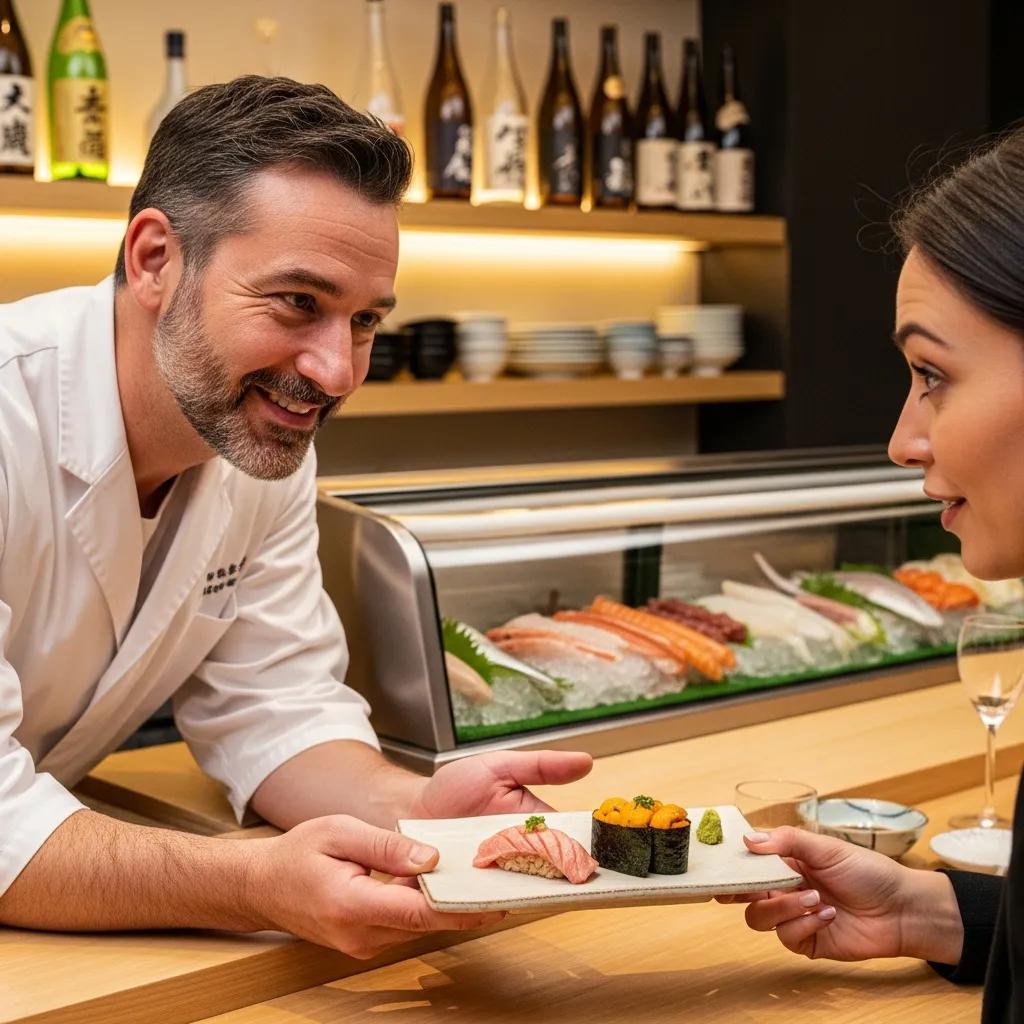
Personalizing omakase depends on real-time chef‑guest exchange, pre-arrival preference capture, and flexible course design that adapts to taste, allergies, and pacing. The approach combines intake (capturing preferences), in-service dialogue (chef or server adjustments), and adaptive execution (substituting ingredients or reordering courses) to produce a bespoke tasting progression. The result is a menu that feels made for the individual — each bite reflecting provenance and personal context. Below is a clear mapping of personalization elements to operational attributes and typical guest outcomes.
This view shows how specific actions create predictable guest benefits — from safety to satisfaction. With preference capture systems in place, chefs can craft sequences that honor tradition while fitting individual needs, which leads to practical methods for personalization.
Personalized culinary journeys succeed when taste and atmosphere work together to create lasting, memorable moments.
Sensory Marketing in Fine Dining: Taste, Ambience, and Omakase
Fine dining is a multisensory journey where flavor and ambience combine to form lasting impressions and shape perceptions of luxury. This work examines how taste — including texture, presentation, and storytelling — and ambience — sight, sound, and touch — integrate through sensory marketing. Examples such as omakase illustrate how cohesive narratives elevate the overall experience.
How Taste and Ambience Shape Consumer Perceptions—Sensory Marketing in Fine Dining, 2024
Chef–Guest Interaction: The Heart of Personalized Omakase
Chef‑guest interaction is the living core of a tailored omakase: it lets chefs read reactions, gather quick feedback, and refine upcoming courses. Mechanisms include short conversational checks between courses, presentation prompts that invite responses, and on‑the‑spot substitutions when guests indicate preferences. For example, noting a preference for richer textures may lead the chef to introduce a lightly seared element or tweak seasoning in a later course. This exchange makes the meal feel reactive and bespoke rather than fixed. Effective interaction relies on culinary skill paired with empathetic communication — a topic addressed later in our training section.
How We Accommodate Dietary Preferences and Guest Needs
Dietary care starts at reservation and continues through confirmation and service, using layered checks to ensure safety and satisfaction. Typical steps include logging allergies at booking, pre‑service confirmations that restate restrictions, kitchen substitution protocols, and discreet in‑service verifications before courses arrive. When substitutions are required, the kitchen selects alternatives that preserve flavor intent and narration; servers then offer a concise explanation. Clear documentation and front‑to‑back communication make sure accommodations are seamless and do not disrupt the guest’s experience.
How Kaviar Elevates Service for Premium Ingredients Like A5 Wagyu and Caviar
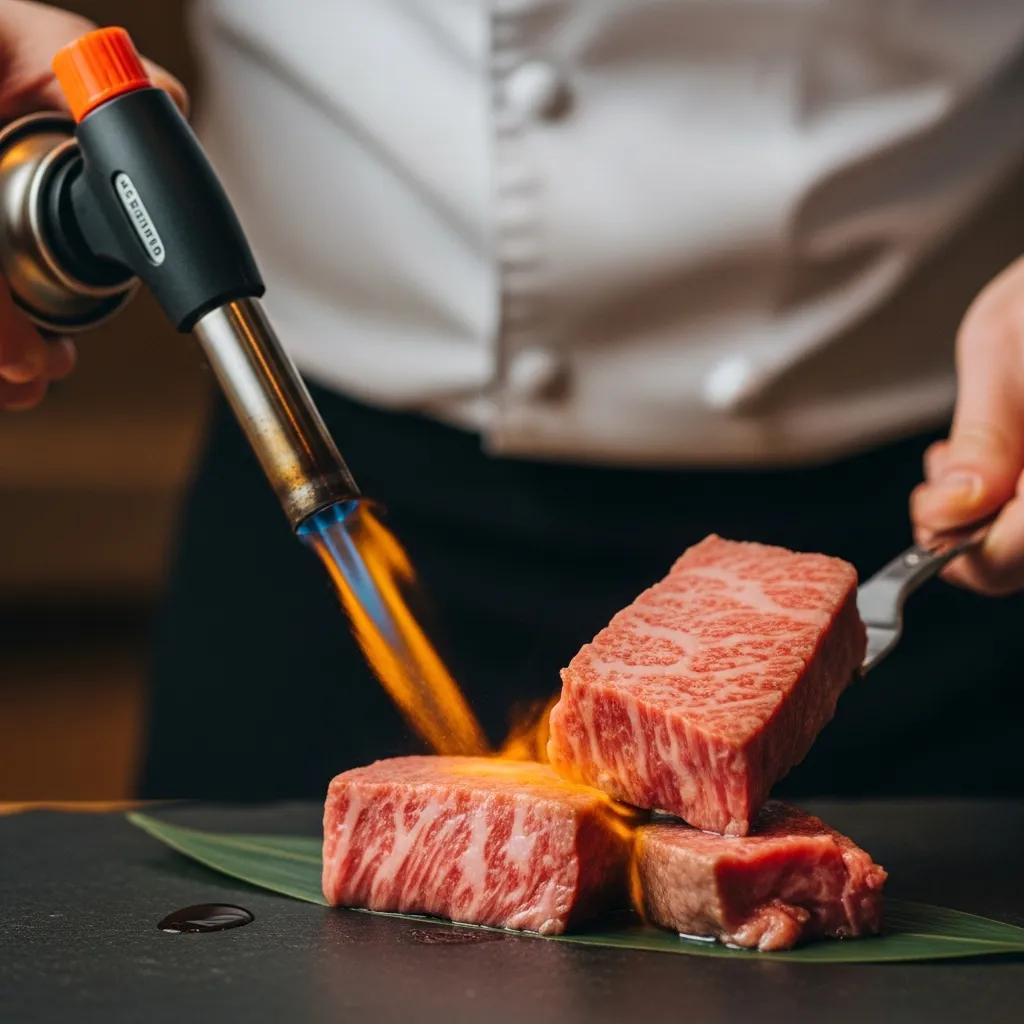
Service for premium ingredients relies on rituals that protect flavor, texture, and provenance while creating a memorable presentation. The approach centers on exact temperature control, purpose‑built tools, and guided tasting notes that heighten appreciation. For A5 Wagyu we emphasize quick searing, a short rest, and precise slicing to showcase marbling and mouthfeel; for caviar we use non‑metal implements, chilled presentation, and considered accompaniments. The table below compares ritual elements and the guest benefits they create.
These comparisons show how deliberate tools and rituals lead directly to superior tasting outcomes and stronger impressions of luxury. Thoughtful imagery and staff narration extend those values online, and accessible alt text helps photographs tell the same story.
Image and photography recommendations for premium dishes:
- Write alt text that names the ingredient and service ritual, for example: “A5 Wagyu — thinly sliced and seared to highlight marbling, finished with sea salt.”
- Photograph service moments such as table‑side searing or caviar portioning with close detail to emphasize texture and craft.
- Use consistent, controlled lighting to reveal marbling and the pearl‑like sheen of caviar without overexposure.
These guidelines translate in‑person ritual to visual media while preserving the link between ingredient, technique, and guest benefit. Next, we outline the micro‑rituals behind each ingredient class.
What Are the Rituals Behind A5 Wagyu Presentation and Service?
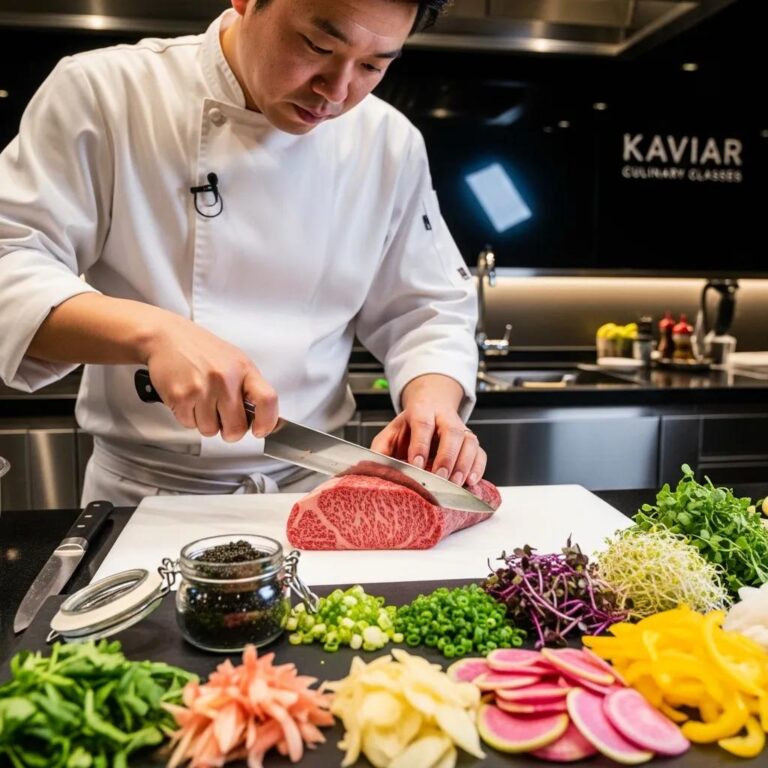
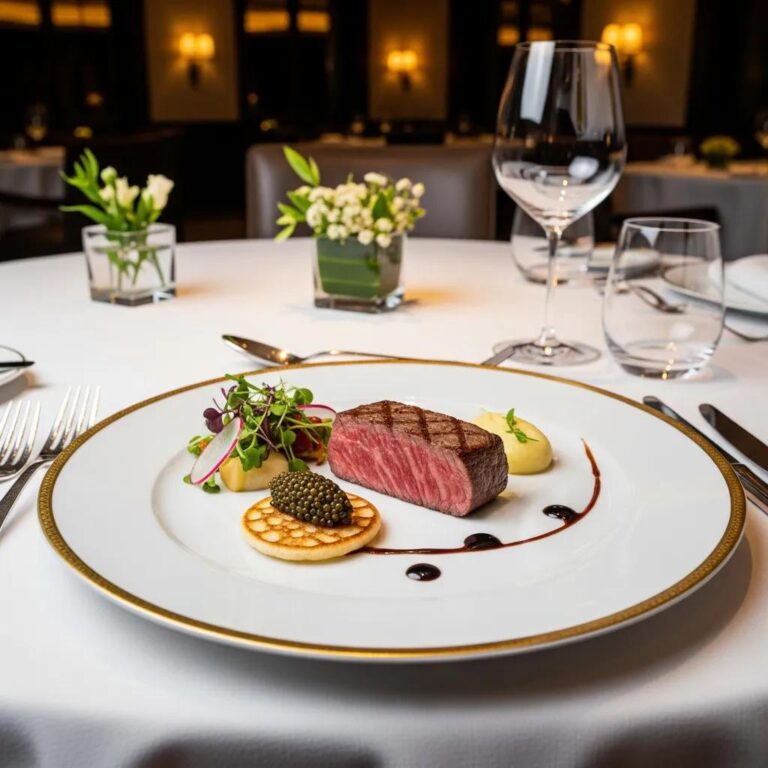
A5 Wagyu service focuses on thermal control and precise cutting to showcase succulence and texture contrast. Typically, each piece is briefly seared to render surface fat, rested so juices redistribute, then thinly sliced to reveal marbling. Servers provide provenance and a recommended tasting order, guiding guests from texture to finish. Plates are composed simply so color and marbling stand out, and seasoning is used sparingly — often a delicate flake salt — so the meat’s richness remains central. This ritual turns each bite into an intentional study of fat, melt‑in‑the‑mouth texture, and concentrated umami.
How Caviar Service Is Delivered with Care and Expertise
Caviar service preserves delicate flavor and pairs the roe with accoutrements that support rather than mask it. Best practices include serving chilled, portioning with non‑metal spoons to avoid metallic notes, and offering small accompaniments like blini and crème fraîche for texture and balanced fat. Staff share concise provenance notes and a tasting order to highlight subtle differences between varieties, helping guests discern brine, finish, and mouthfeel. Controlled portions and measured pacing — small spoonfuls between bites — sustain the tasting arc without overwhelming the palate, making caviar a refined interlude within the meal.
What Makes Kaviar’s Reservation and Guest Relations Seamless and Personalized?
Seamless reservation and guest relations depend on consistent data capture, multiple booking channels, and processes that turn reservation notes into concrete pre‑seating tasks. The system records preferences at booking, confirms them before arrival, and routes notes to both front‑of‑house and kitchen so preparations match expectations. The result is a coordinated arrival where seating, dietary accommodations, and special requests are already reflected in table setup and service choreography. The table below shows how each booking channel captures the information that enables personalization.
This mapping shows where personalization originates and how it flows into operational readiness. A clear booking‑to‑arrival flow then ensures those data points are activated during service.
The booking‑to‑arrival flow typically follows these steps:
- Reservation: Guest selects date and time, optionally adding dietary notes or occasion details.
- Confirmation: The system or staff sends a confirmation that restates key requests.
- Pre‑shift briefing: Front‑of‑house and kitchen review notes before service begins.
- Arrival handling: The host reconfirms preferences and seats guests with accommodations already in place.
Following this flow reduces surprises and ensures the dining experience begins on a tailored foundation. The next sections explain how digital platforms and manual processes complement one another.
How Digital Tools Improve the Reservation Experience
Digital booking platforms capture structured data that makes personalization scalable: they record dietary restrictions, past visit notes, and guest preferences for future recall. Integrations with in‑house systems automate confirmations and reminders, freeing staff to focus on personal touches rather than admin. These platforms also provide audit trails that help prepare for special occasions and coordinate cross‑team action. Crucially, digital capture complements — it does not replace — human verification: servers still reconfirm critical items on arrival. That balance preserves speed while keeping the empathy central to luxury service.
How Special Requests and Preferences Are Managed Before Arrival
Special requests follow a documented workflow so kitchen and front‑of‑house act in unison: reservation notes are entered into the guest profile, the lead server and chef review them during pre‑shift briefings, and table setup is adjusted as needed. Actions may include customized place settings, allergen‑safe plating plans, or celebration details; each task is logged and assigned. A final check at arrival reconfirms details and timing, minimizing miscommunication. This checklist approach ensures special requests enhance the experience without disrupting operations.
How Does Kaviar Train and Empower Its Attentive Staff for Service Excellence?
Training and empowerment marry formal instruction in Japanese service protocols with hands‑on coaching that builds judgement and confidence. Modules cover ingredient provenance, timing and pacing, presentation narration, and allergy‑safe handling. Role‑playing and staged service drills develop nonverbal observation and discreet intervention skills, while knowledge‑sharing sessions deepen culinary context. Empowerment policies authorize front‑line staff to make minor on‑the‑spot decisions that preserve guest comfort. Together, these elements produce teams who deliver consistent, empathetic, and technically assured service.
To illustrate common training elements, consider this practical list of program components:
- Pre‑service briefings: Daily reviews of menu changes, allergies, and special requests.
- Role‑play drills: Simulated guest interactions to practice pacing and narration.
- Ingredient workshops: Sessions on provenance, tasting notes, and pairing logic.
- Feedback loops: Post‑service debriefs to capture lessons and improvements.
A structured program ensures staff not only learn protocols but also internalize the judgement to apply them smoothly. The following sections outline specific practices and how expertise improves guest outcomes.
What Training Practices Ensure Mastery of Japanese Fine Dining Service?
Mastery comes from a curriculum that blends technical service skills with cultural context: modules cover timing and clearing rituals, narration techniques that convey provenance concisely, and hands‑on drills for table‑side searing or caviar portioning. Assessments include observed service runs and peer feedback, and refresher sessions maintain consistency. Emphasis on observation trains staff to notice unspoken needs and respond proactively, embedding anticipatory service into daily practice. This approach creates staff who balance ritual precision with warm engagement.
How Staff Expertise Enhances the Overall Dining Experience
Expert staff turn culinary craft into meaningful guest moments: they suggest tasting order, recommend pairings that complement texture and fat, and tell brief provenance stories that deepen appreciation. These interactions increase perceived value by linking sensory impressions to origin and technique. When staff pace a meal expertly or recommend a palate cleanser at the right moment, the narrative tightens and satisfaction rises. In short, expertise multiplies the effect of great ingredients and creative cooking.
Why Continuous Improvement Is Central to Kaviar’s Service Philosophy
Continuous improvement keeps standards high by creating feedback loops that surface guest insights, measure service KPIs, and iterate on processes to close gaps between expectation and delivery. Practically, this means reviewing guest comments, analyzing metrics like pacing variance and substitution accuracy, and testing small process changes informed by industry developments. The result is an evolving service model that stays current with guest preferences and technology while preserving the human elements that define luxury hospitality. Below are the primary mechanisms we use to remain adaptive and relevant.
Continuous improvement mechanisms:
- Guest feedback analysis: Systematic review of comments to identify recurring opportunities.
- KPI tracking: Monitoring pacing, substitution accuracy, and reservation fulfillment.
- Trend monitoring: Keeping an eye on industry shifts in presentation and technology to inform refinements.
By closing the loop from insight to practice, teams keep service standards high and adapt to changing expectations. The following sections explain how feedback and technology collaborate in that effort.
How Kaviar Uses Guest Feedback and Industry Trends
Guest feedback comes from direct comments, reservation notes, and review channels, and is synthesized into actionable insights that inform training, menu tweaks, and service adjustments. Teams prioritize recurring themes — such as pacing or clarity of narration — and run targeted experiments during single service periods before broader rollouts. Industry trends inform aesthetic and technical updates, but every change is filtered through our service philosophy to ensure cultural and operational fit. This iterative approach lets us refine without losing the core identity of attentive, personalized hospitality.
What Role Does Technology Play in Balancing Automation with Human Touch?
Technology streamlines data capture — logging preferences, automating confirmations, and integrating guest history — while leaving judgement and empathy to our people. Automation reduces administrative burden and improves recall, but human judgement is essential for reading mood, adjusting pacing, and delivering narrative context. We use personal data ethically and respect privacy so personalization feels considered, not intrusive. In practice, technology sharpens precision while staff preserve the warmth and adaptability that define luxury dining.
Frequently Asked Questions
What is the significance of omotenashi in luxury dining?
Omotenashi is the Japanese approach to hospitality focused on selfless care and attention to detail. In luxury dining it means anticipating a guest’s needs without prompting, creating a feeling of being genuinely looked after. For us, practicing omotenashi builds an atmosphere of respect and ease that turns an excellent meal into a memorable experience.
How does Kaviar ensure dietary restrictions are respected during service?
We treat dietary restrictions as integral to service: details are captured at booking, reconfirmed before arrival, and checked discreetly at each course. The kitchen follows substitution protocols designed to preserve the dish’s intent, and staff explain changes briefly and confidently. This layered process protects guest safety while keeping the tasting experience intact.
What training methods does Kaviar use to maintain service excellence?
Our training blends formal instruction with hands‑on practice. Team members learn Japanese service traditions, ingredient background, and guest interaction techniques, then rehearse scenarios through role play and staged service. Regular feedback and debriefs reinforce learning, so staff deliver consistent, composed, and thoughtful service.
How does Kaviar personalize the dining experience for repeat guests?
We keep detailed guest profiles that record preferences, past orders, and special requests. That information is available to staff during reservations and service, allowing us to anticipate familiar preferences and add thoughtful touches. The result is a sense of familiarity and exclusivity on each return visit.
What role does technology play in enhancing the dining experience at Kaviar?
Technology helps by capturing guest preferences, automating confirmations, and integrating data across systems so staff can spend more time on personalized service. Digital tools track dietary needs and special requests, but the final judgment — reading a guest’s mood or adjusting pacing — always belongs to our team. Technology amplifies efficiency without replacing human warmth.
How does Kaviar incorporate guest feedback into its service model?
We gather feedback from direct comments, reservation notes, and reviews, then translate recurring themes into training, menu updates, and service changes. Small experiments test improvements in a single service before wider adoption. By listening and acting, we keep our service responsive and aligned with guest expectations.
Conclusion
Rooted in omotenashi and driven by careful personalization, Kaviar elevates luxury dining through meticulous attention and anticipatory hospitality. Guests receive not only exceptional cuisine but a seamless experience that honors their preferences and dietary needs. By continually refining our practices and listening to guests, we ensure each visit feels considered and memorable. Experience Kaviar — reserve your table and discover our approach to modern Japanese fine dining.