



Understanding Kaviar’s Fine‑Dining Menu: Luxury Japanese Cuisine and Signature Dishes in Pasadena
At Kaviar, we offer a clear, focused look at our fine‑dining menu, signature preparations, and the omakase experience for guests seeking elevated Japanese cuisine in Pasadena. This guide explains what makes Kaviar a luxury destination—spotlighting marquee ingredients like A5 Wagyu, Kaluga caviar, and uni—and lays out how the menu is organized across cold, hot, sushi, sashimi, and signature roll categories. If you’re searching for omakase, A5 Wagyu in Pasadena, or caviar‑forward tasting menus, you’ll find clear expectations here on course flow, ingredient provenance, and pairing suggestions. Read on for our culinary philosophy, sensory descriptions of standout dishes, a sample omakase progression, recommended sake and wine matches, and practical reservation tips to help you plan a memorable visit.
What Defines the Kaviar Fine Dining Experience in Pasadena?
Kaviar’s fine‑dining identity rests on exacting Japanese technique applied to premium ingredients, thoughtful presentation, and service that values pacing and sensory discovery. We emphasize provenance—think Kaluga caviar and Miyazaki A5 Wagyu—while balancing traditional knife work and rice care with contemporary plating and occasional cross‑genre dishes like uni pasta. The goal is a curated tasting narrative where each course reveals layers of flavor and spotlights our best components. This approach clarifies why Kaviar operates as a reservation‑forward, upscale venue in Pasadena and what guests should expect when booking.
Kaviar’s defining features include:
- Careful sourcing of premium ingredients and marquee offerings that anchor the menu.
- A respectful balance of traditional Japanese technique and modern culinary innovation.
- Intimate presentations, precise plating, and close attention to texture.
- A reservation‑forward model that enables personalized omakase and considered pacing.
Those elements shape our course sequencing and explain why reservations improve personalization and seating for a refined dining experience.
How Does Kaviar Combine Traditional and Innovative Japanese Culinary Techniques?
We marry time‑honored Japanese practices—sharp knife work, meticulous rice handling, and seasonal sourcing—with contemporary methods that emphasize texture and visual impact. Our chefs honor traditional treatments such as careful fish handling and subtle dashi seasoning, then layer in modern tools like precise temperature control, composed plating, and selective cross‑genre elements to let signature ingredients sing. Dishes such as uni pasta translate Japanese umami into familiar formats without losing restraint. This mix of tradition and invention sets expectations for how each course balances comfort and surprise.
What Makes Kaviar’s Ambiance and Presentation Unique in Luxury Dining?
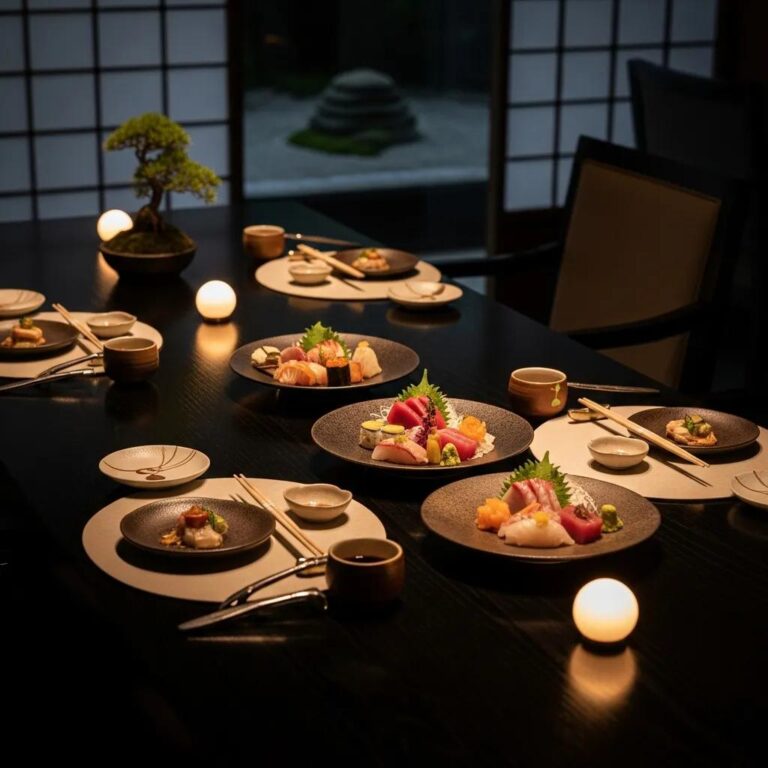
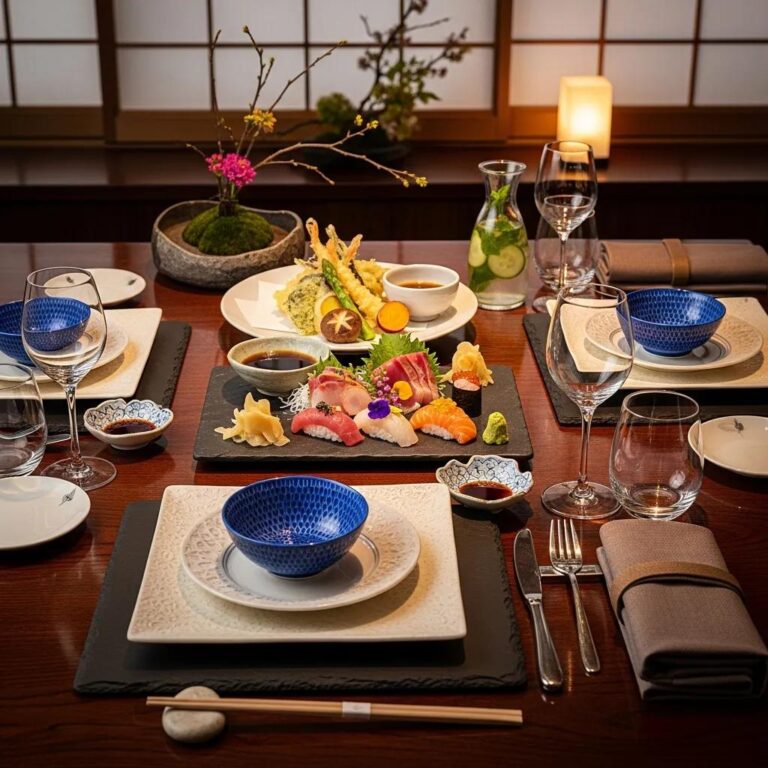
Kaviar’s dining room and plating favor refined minimalism: considered lighting, handpicked tableware, and finishing details—sometimes even edible gold—enhance the moment without stealing the spotlight. Service rituals—timely course delivery, clear notes on provenance, and carefully portioned plating—support a deliberate rhythm that encourages tasting and reflection. Plating emphasizes color and textural contrast, with focal touches like a Toro Tartare finished in 24k gold so that visual impact mirrors flavor depth. In short, ambiance and dishcraft cooperate to make each plate a distinct, memorable moment.
What Are the Signature Dishes and Premium Ingredients on Kaviar’s Menu?
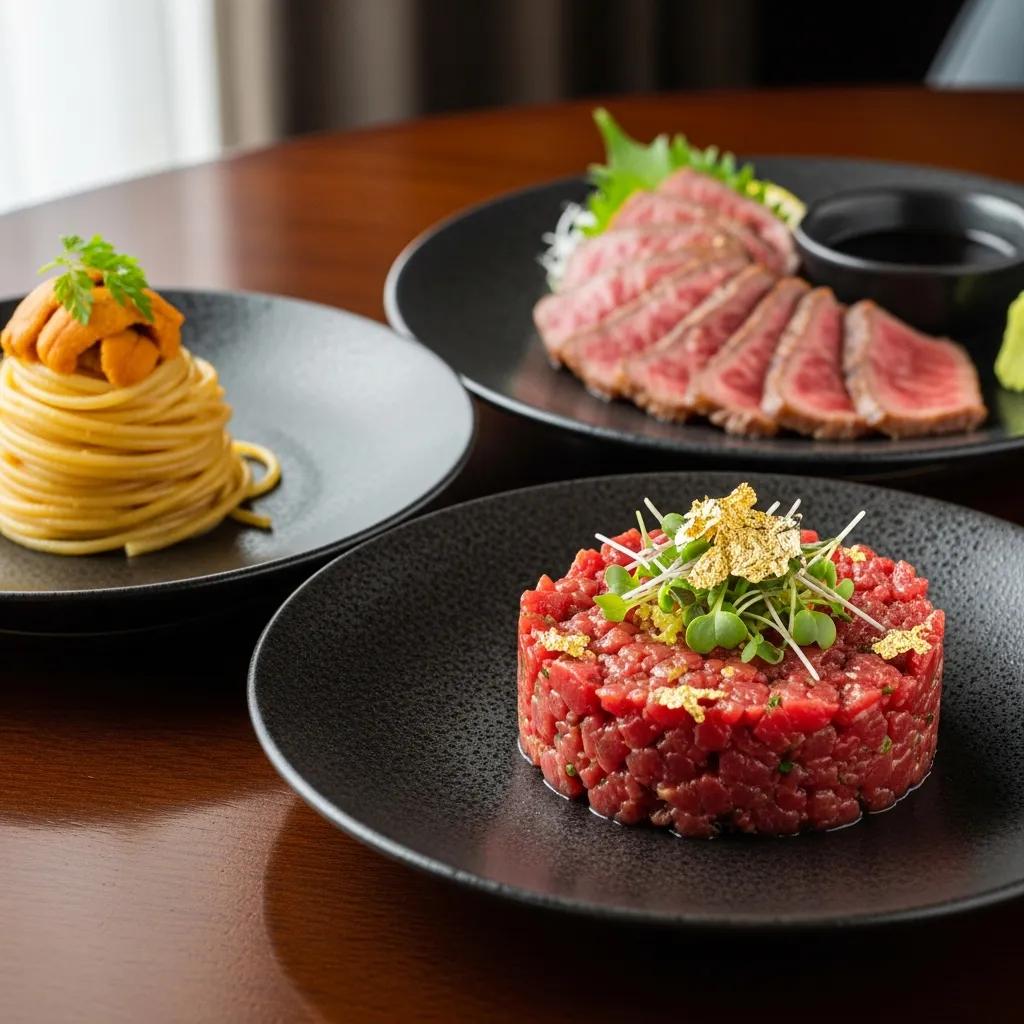
Kaviar’s menu is centered on marquee dishes and ingredients that attract diners seeking luxury Japanese dining—Miyazaki A5 Wagyu, Kaluga caviar, uni preparations, Toro Tartare with 24k gold, and uni pasta among them. Each item acts as both ingredient and moment: A5 Wagyu offers intense marbling and buttery texture, Kaluga caviar brings saline bursts and depth, and uni lends a creamy, oceanic sweetness that works across sushi and pasta formats. We use these premium elements to create focal courses that showcase provenance, technique, and restrained seasoning. Below are our prominent signatures with short tasting notes to help you prioritize reservations and selections.
Kaviar’s signature items include:
- Toro Tartare with 24k gold: Silky fatty tuna, gently seasoned and finished with a gilded touch for elegant presentation.
- Uni Pasta: A velvety sea‑urchin sauce that clings to pasta—Italian form, Japanese umami.
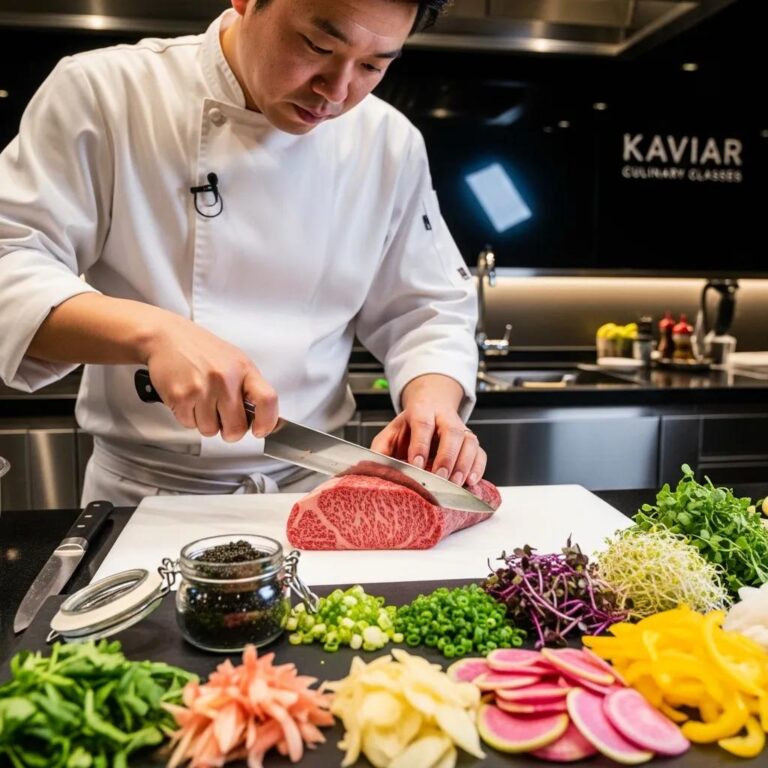
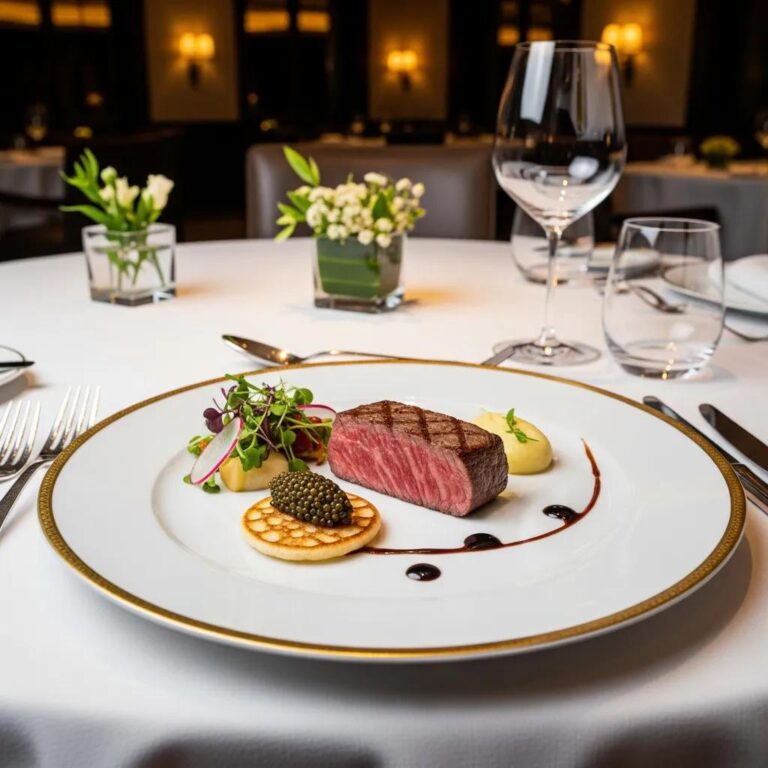
- Miyazaki A5 Wagyu: Ultra‑marbled beef showcased for its melt‑in‑the‑mouth texture and delicate fat sweetness.
- Kaluga Caviar Service: Rounded, briny pearls used as garnish or centerpieces to elevate richness.
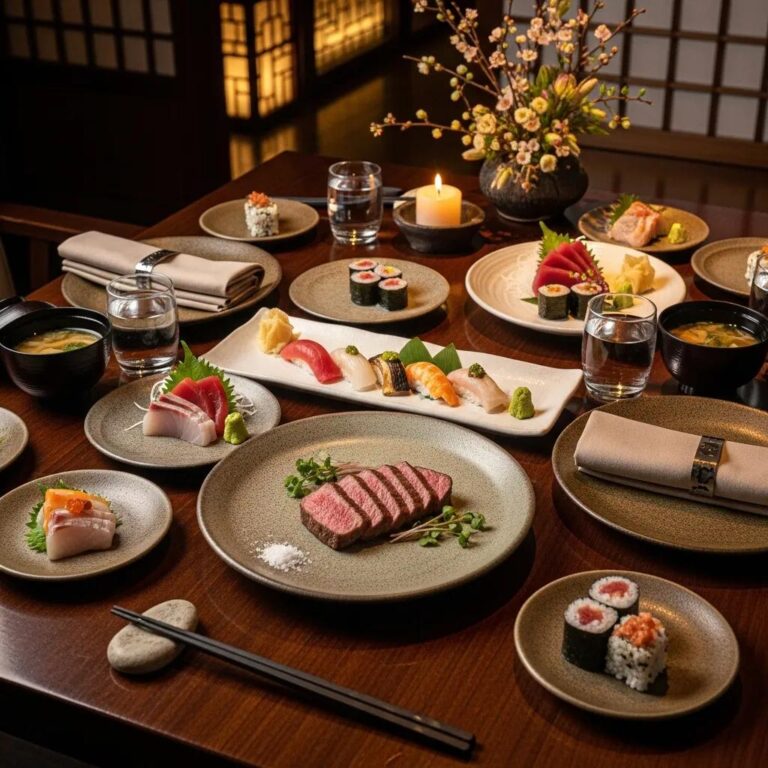
- Selection of sushi and sashimi: Seasonal fish chosen to highlight knife skill and balanced rice technique.
Introductory comparison of premium ingredients:
The table below contrasts key premium ingredients at Kaviar—outlining origin notes, tasting impressions, and presentation styles—so you can see why each becomes a centerpiece on the tasting menu.
This comparison highlights how each ingredient contributes a distinct sensory role and why they’re focal points on our tasting menu.
Why Is A5 Wagyu Considered the Highlight of Kaviar’s Menu?
A5 Wagyu is celebrated for exceptional intramuscular fat, fine marbling, and a silk‑like texture that seems to dissolve on the tongue—giving concentrated savory richness rather than blunt fattiness. At Kaviar, Miyazaki A5 Wagyu is prepared with restraint so the beef’s natural umami and mouth‑coating quality remain front and center. Guests prize A5 for its tactile softness and lingering savory finish, which pairs best with minimal garnishes and carefully chosen beverages. Appreciating these qualities explains our portioning choices and pairing guidance designed to complement—not compete with—the meat’s subtle sweetness.
How Does Kaviar Feature Kaluga Caviar and Uni in Its Culinary Offerings?
We use Kaluga caviar and uni both as starring elements and as finishing touches to add texture and saline contrast across courses. Kaluga’s delicate pearls provide briny pops on tartare, blini‑style bites, or composed morsels, while uni’s creamy umami works equally well on its own or folded into dishes like uni pasta. Typical service etiquette—small portions, savoring by spoonfuls, or pairing with neutral carriers—ensures these ingredients amplify other components rather than overpower them. By spotlighting caviar and uni, Kaviar signals value while delivering layered taste experiences that reward attention.
How Does the Omakase Experience at Kaviar Showcase Seasonal and Chef‑Selected Dishes?
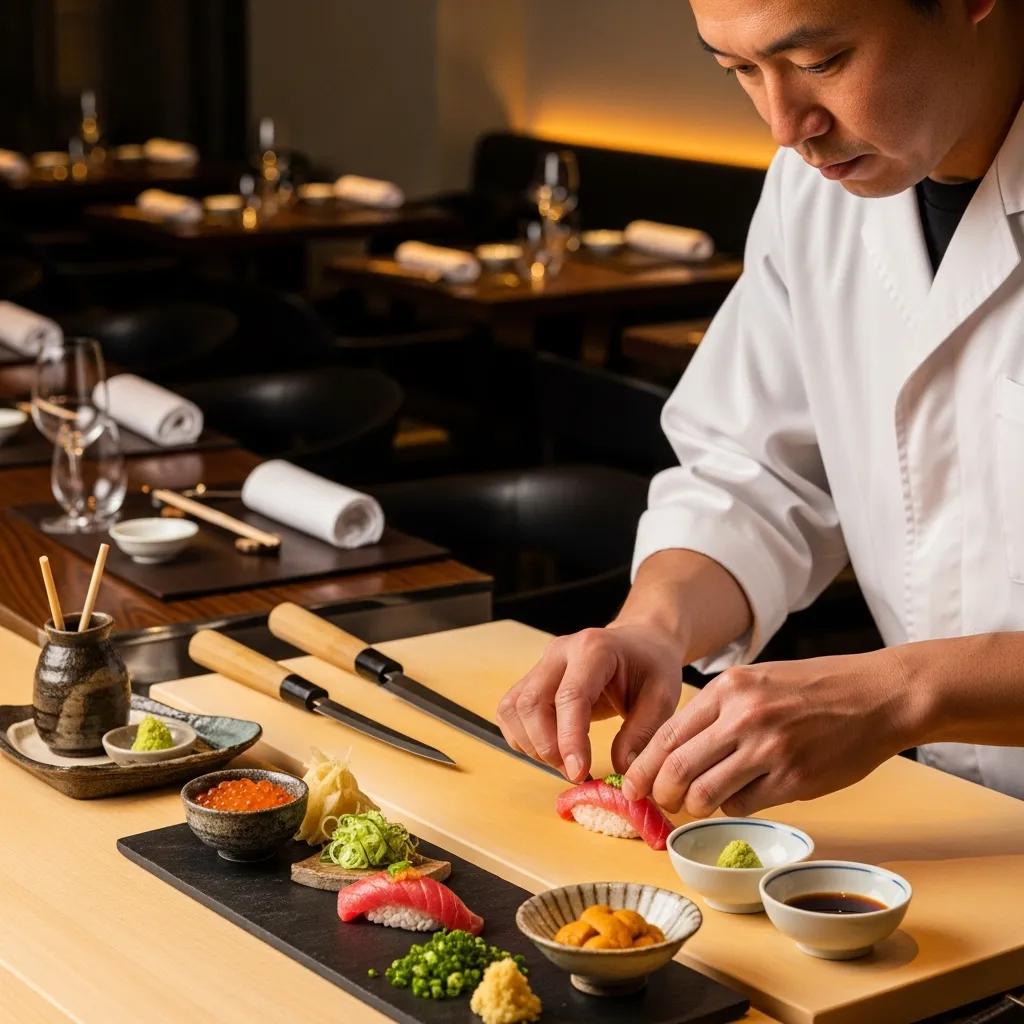
Omakase at Kaviar is a chef‑led tasting journey where seasonality, ingredient quality, and chef discretion shape course sequencing. Entrusting the menu to the chef allows us to present items at their peak—mixing cold and hot preparations, sushi, sashimi, and occasional signature plates that may spotlight A5 Wagyu, Kaluga caviar, or uni when available. The format creates a narrative in which texture, temperature, and flavor evolve throughout the meal. We can also personalize the sequence for dietary needs or preferences. For guests wanting a comprehensive view of Kaviar’s range, omakase delivers high‑touch interaction and a balanced sensory arc.
This chef‑curated approach is a hallmark of high‑end Japanese dining, where careful planning and guest segmentation support a superior experience.
Omakase Restaurant Management and Development
This study examines operational challenges and strategic choices at a high‑end Japanese omakase restaurant—covering topics such as management, customer segmentation, and revenue strategies for medium‑sized fine‑dining establishments.
A typical omakase course progression at Kaviar might include:
- Amuse‑bouche / seasonal small bite to prime the palate.
- Cold dish or sashimi sequence highlighting seasonal fish.
- Hot preparation or composed small plate introducing warmth and depth.
- Sushi nigiri sequence moving from delicate to richer toppings.
- Signature protein or showpiece (for example, A5 Wagyu or a uni‑forward item).
- Palate cleanser and dessert to close the meal with balance.
This sequence illustrates how we pace contrast and richness so each course remains meaningful and guests understand the arc of a chef‑curated tasting.
What Can Diners Expect from Kaviar’s Omakase Journey and Chef’s Selections?
Expect an omakase that blends seasonal sourcing with exacting technique: a series of small courses that shift in temperature, texture, and seasoning to build toward richer flavors. Early plates refresh and awaken the palate, mid‑meal items display finesse with seafood and rice, and later selections highlight more decadent ingredients—A5 Wagyu or caviar—when appropriate. We can accommodate dietary notes and preferences in advance while keeping the chef’s concept intact. Knowing the progression helps guests pace themselves, choose pairings, and appreciate the deliberate move from delicate to sumptuous.
How Do Reservations Enhance the Personalized Omakase Dining Experience?
Booking ahead is essential for an optimal omakase: it lets the kitchen plan ingredient sourcing, arrange seating, and personalize the progression—particularly for limited marquee items. Guests who reserve in advance can note dietary restrictions, request celebratory touches, and secure preferred service times, allowing the chef to tailor the tasting. Kaviar accepts reservations through multiple channels—phone bookings, major reservation platforms, and the restaurant reservation page—so you can make requests and confirm details. Planning ahead increases the chances of including premium ingredients and enjoying the most refined progression.
Quick recommendation: make omakase reservations with lead time, record significant preferences, and ask about seat availability to maximize customization and the chance to include specialty items.
How Is Kaviar’s Menu Structured Across Cold, Hot, Sushi, Sashimi, and Signature Rolls?
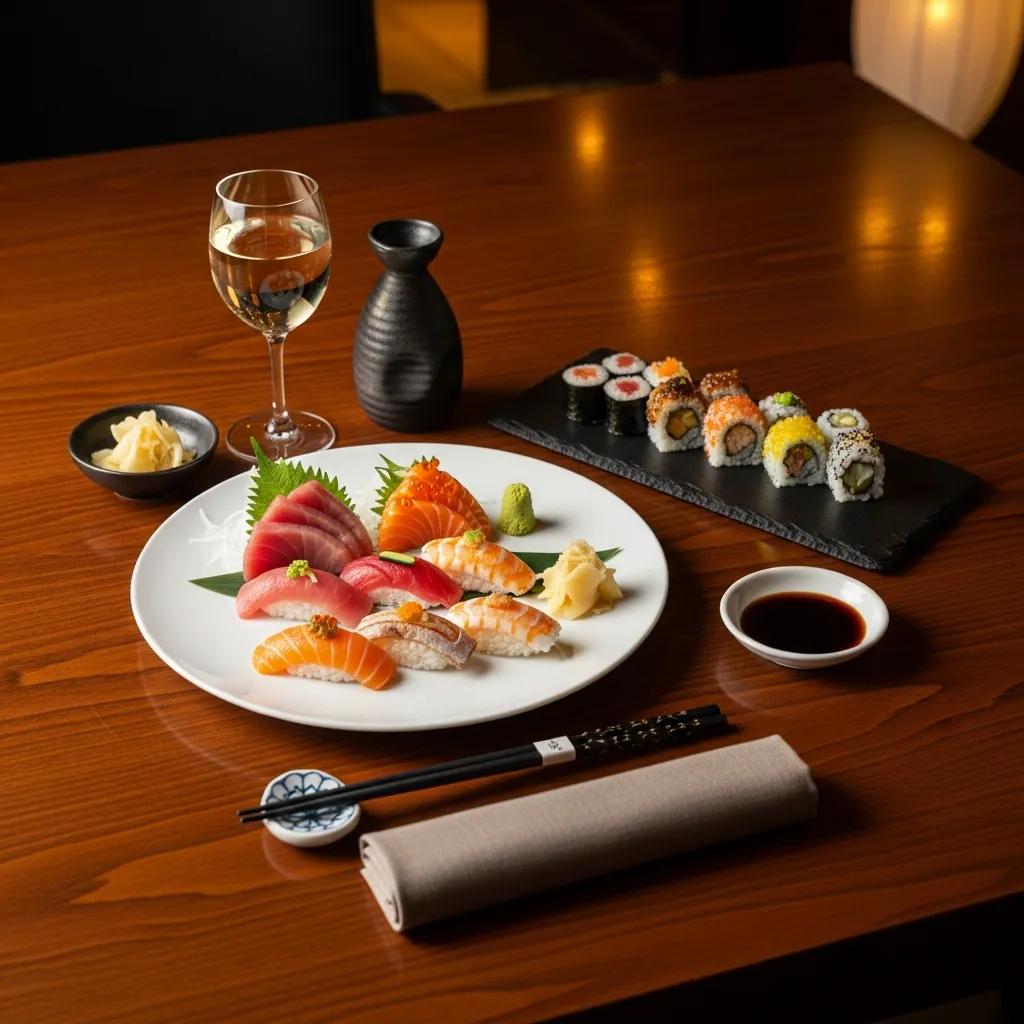
Our menu is organized into Cold, Hot, Sushi, Sashimi, and Signature Rolls to guide guests through temperature and texture contrasts while showcasing premium ingredients across categories. Cold dishes highlight raw or lightly cured items; Hot preparations add caramelized or warming elements that deepen umami. Sushi and sashimi focus on knife skill, rice balance, and fish quality—typically progressing from lighter to richer toppings. Signature Rolls and composed plates offer creative moments—like uni pasta or gilded tartare—where Japanese technique meets contemporary presentation. This structure helps guests choose à la carte or follow an omakase narrative.
Introductory quick‑reference of menu categories and pairings:
This quick guide shows how category‑driven techniques and pairings make menu navigation and beverage choices more intuitive.
What Are the Key Features of Each Menu Category at Kaviar?
Each category emphasizes a particular facet of ingredient quality and technique: Cold items spotlight freshness and acid control; Hot dishes emphasize warmth, caramelization, and depth; Sushi focuses on the balance between rice and fish; Sashimi highlights pure texture and flavor; and Signature Rolls present inventive pairings of flavors and textures. Portions and plating reflect fine‑dining standards—smaller, deliberate servings intended for tasting and sharing. We elevate each category through premium sourcing and precise seasoning that enhances rather than hides primary flavors. Understanding these distinctions helps guests build a balanced meal, whether ordering à la carte or choosing omakase.
How Do These Categories Reflect Kaviar’s Commitment to Fine Dining Excellence?
Together, the menu categories represent our commitment to sourcing, exact execution, and deliberate pacing—core pillars of fine dining. By grouping traditional forms (sashimi, nigiri) alongside signature innovations (uni pasta, gilded tartare), we create a curated narrative that rewards attentive tasting. Careful portioning, plating, and sequencing ensure each dish supports the whole rather than competing for attention. This architecture clarifies expectations for guests and signals our standards across ingredients, technique, and service.
The artistry and cultural depth of Japanese fine dining—especially traditions like kaiseki—underscore the culinary expression we aim to reflect at Kaviar.
The Aesthetics of Kaiseki: Japanese Fine Dining Artistry
This paper examines kaiseki—the traditional multi‑course Japanese meal—and its evolution from tea‑ceremony roots into a refined fine‑dining form. It explores core aesthetic principles such as seasonality and visual balance, the philosophical ties to wabi‑sabi and mindfulness, and how tableware and natural presentation play into the experience. The study also addresses contemporary adaptations and kaiseki’s influence on global fine dining.
What Are the Recommended Sake and Wine Pairings to Complement Kaviar’s Fine Dining Menu?
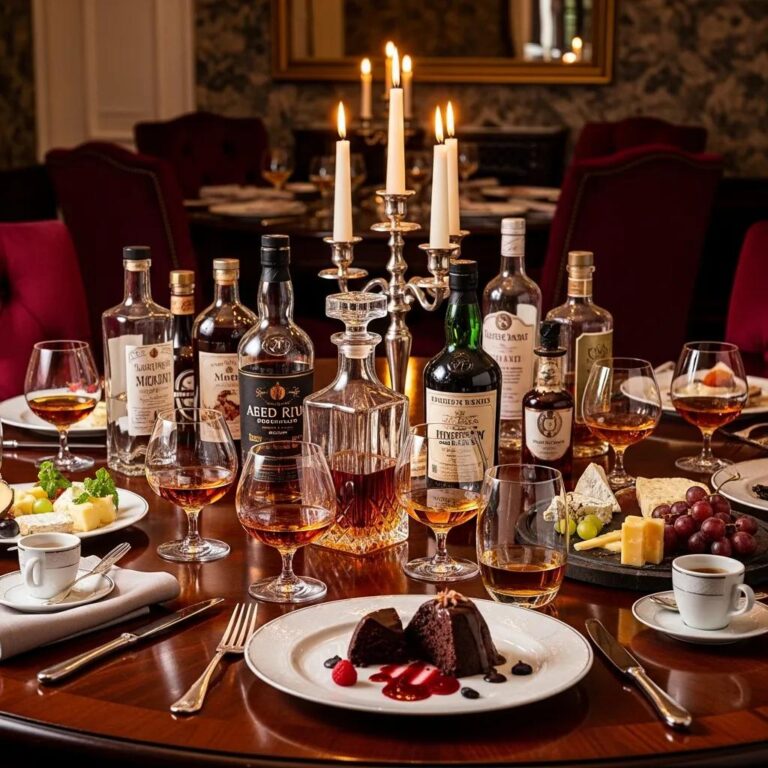
Thoughtful pairings enhance our menu by matching sake and wine styles to a dish’s texture and intensity—delicate sakes for raw seafood, aromatic whites for lighter composed plates, and sparkling wines or light reds for richer, fattier items like A5 Wagyu. The pairing principle is balance: acidity and bubbles cut through fat, umami‑friendly sakes elevate oceanic flavors, and gentle tannins support savory beef without masking nuance. The chart below links dish categories to recommended sake varieties and wine styles with a short rationale for each match.
Pairing chart for Kaviar menu categories:
Use this chart as a practical, flavor‑focused guide to enhance particular menu moments and choose complementary beverages.
Which Sake Varieties Best Enhance Kaviar’s Signature Dishes?
Sake selection depends on texture and intensity: Ginjo and Daiginjo work well with sashimi and high‑clarity seafood because their aromatic lift amplifies delicate flavors, while Junmai styles—with more body—pair nicely with creamy uni or richer composed plates. For fatty items like toro or Wagyu, a fuller, well‑rounded sake or a light red can match umami and fat. Temperature matters: chill delicate Ginjo, serve Junmai slightly chilled or at room temperature, and present richer sakes a bit warmer to emphasize depth. These choices ensure the beverage supports the ingredient rather than competing with it.
How Does Wine Selection Elevate the Luxury Japanese Dining Experience?
Wine adds complementary textures and acidity profiles that play well with Japanese priorities—freshness, subtle umami, and precise seasoning. Sparkling wine refreshes the palate between richer bites, aromatic whites accent herbal and citrus notes in composed dishes, and light‑bodied reds with soft tannins can stand up to richer beef courses like A5 Wagyu. Working with our service team or sommelier to select bottles based on course sequencing lets guests create a beverage arc that mirrors the meal’s pacing. Thoughtful wine choices deepen the sensory narrative and highlight finer tasting details across the menu.
How Can Guests Make Reservations and What Should They Expect When Visiting Kaviar?
Kaviar is reservation‑forward so we can ensure proper pacing, sourcing, and seating—especially for omakase and premium ingredients. Guests should plan ahead for omakase and weekend services. We accept reservations via our reservation page, popular booking platforms, and by phone—so you can note preferences, dietary restrictions, or celebratory requests. Arrive on time, share allergies in advance, and allow the kitchen to guide pacing for the best experience. Below are practical booking tips and dining etiquette to help first‑time and returning guests prepare for a refined visit.
Available reservation channels and practical booking steps:
- Phone: Call the restaurant’s listed number for immediate questions or to confirm special requests.
- Reservation platforms: Use common booking services for convenience and instant confirmations.
- Restaurant reservation page: Use our online form to specify party size and notes.
These options provide flexibility—phone is ideal for special accommodations; online platforms are convenient for standard bookings. Planning ahead improves access to limited omakase seating and specialty ingredients.
What Are the Available Reservation Channels for Booking at Kaviar?
You can book a table at Kaviar by calling us directly, booking through major reservation platforms, or submitting a request on our reservation page. Each channel serves different needs: phone is best for immediate confirmations or specific accommodations, reservation platforms are convenient for routine bookings, and the reservation page lets you leave detailed notes about dietary restrictions or celebrations. When arranging omakase, advance notice via any channel increases the likelihood of including premium items and securing preferred seating.
What Dining Etiquette and Menu Insights Should Guests Know Before Their Visit?
For a smooth fine‑dining visit, arrive on time, dress smart‑casual appropriate for an upscale Japanese setting, and be prepared to pace the meal—portions are intentionally small to encourage tasting and discovery. Please silence mobile phones to preserve the intimate atmosphere, and notify us of allergies or strong preferences in advance so the kitchen can adapt the omakase or tasting sequence. Tipping according to local custom and consulting staff about pairings will enhance your experience and open opportunities for tailored recommendations. These practices help guests focus on nuance and enjoy Kaviar’s curated service.
- Arrive on time so pacing and other guests aren’t disrupted.
- Note dietary restrictions ahead to allow for thoughtful personalization.
- Pace yourself through tasting portions to fully appreciate the progression.
Following these guidelines ensures a respectful, immersive, and satisfying fine‑dining experience.
Frequently Asked Questions
What is the significance of the omakase experience at Kaviar?
Omakase at Kaviar is a chef‑curated tasting journey that highlights seasonality and culinary creativity. The chef selects each course based on the freshest available ingredients, offering a sequence of textures and flavors that reveal technique and provenance. Guests can share dietary preferences ahead of time, and the omakase evolves through the meal to create a cohesive, personalized narrative.
How does Kaviar ensure the quality of its ingredients?
We prioritize ingredient quality through careful sourcing from trusted suppliers and local markets, emphasizing seasonal and sustainable options. Signature items like A5 Wagyu and Kaluga caviar are selected for superior taste and texture. Our chefs apply preparation methods that highlight natural flavors while respecting traditional Japanese technique.
What types of beverages pair well with Kaviar’s menu?
Kaviar offers a curated sake and wine list chosen to complement our menu. Delicate sashimi pairs well with light, aromatic sakes such as Ginjo or Daiginjo; richer items like A5 Wagyu respond nicely to light‑bodied reds or aged sakes. Pairings are intended to balance flavors and textures—guests are encouraged to consult our sommelier for tailored recommendations.
What should guests expect in terms of service at Kaviar?
Expect attentive, knowledgeable service that enhances the meal. Our team provides clear explanations of dishes, including sourcing and preparation, and paces courses so guests can savor each moment. Timely delivery and thoughtful attention to preferences are part of Kaviar’s fine‑dining standard, ensuring each visit feels considered and personal.
Are there vegetarian or vegan options available at Kaviar?
Although Kaviar focuses on premium seafood and meats, we offer vegetarian options that highlight seasonal produce and creative preparations. Guests with dietary restrictions should let us know when booking so the kitchen can prepare tailored dishes. We strive to make the fine‑dining experience accessible to a range of preferences.
How can guests prepare for their visit to Kaviar?
To prepare, make reservations in advance—especially for omakase or busy nights—arrive on time, and dress smart‑casual. Share any dietary restrictions or special requests ahead of time to enhance personalization. Reviewing the menu categories can also help guests make informed choices and fully enjoy the tasting progression.
Conclusion
A visit to Kaviar is a carefully staged journey through luxury Japanese cuisine, featuring standout ingredients like A5 Wagyu and Kaluga caviar. Attention to sourcing, presentation, and service elevates each meal into a memorable experience. To get the most from our omakase and specialty offerings, we recommend reserving in advance. Explore our menu and book your table to discover the flavors and craftsmanship we bring to Pasadena.