



Effective Restaurant Marketing for Fine Dining: How to Attract and Delight Discerning Guests
Fine‑dining marketing is the thoughtful use of storytelling, service design, and targeted channels to bring discerning diners through the door and convert interest into confirmed reservations. This guide explains why luxury restaurants win when marketing highlights provenance, sensory detail, and a frictionless booking experience. You’ll find concrete tactics hospitality teams can use right away: high‑impact campaign ideas, conversion‑first digital techniques, branding frameworks tied to premium ingredients, retention playbooks using events and membership, review management, and how local sourcing deepens authenticity. Each section pairs practical checklists and comparison tables with examples teams can adapt to attract guests searching for Japanese fine dining, omakase, A5 Wagyu, and caviar experiences.
Which Fine‑Dining Marketing Ideas Deliver the Biggest Return for Luxury Restaurants?
The most effective fine‑dining marketing ideas are high‑leverage actions that boost perceived value and produce measurable reservation gains by making experience, provenance, and exclusivity tangible. These tactics work because they turn abstract luxury signals—rare ingredients, curated service—into the clear cues that prompt bookings. The approaches that perform best emphasize visual storytelling, thoughtful personalization, limited events, local partnerships, and membership programs focused on experiences rather than discounts. Below is a concise list of the top tactics and why they matter for upscale hospitality.
High‑impact tactics for luxury restaurants include:
- Visual storytelling that showcases plated courses and service moments to raise perceived value.
- Personalization powered by guest data to craft tailored tasting journeys and drive repeat visits.
- Limited‑seat, invitation‑style events that create scarcity and organic word‑of‑mouth.
- Local sourcing narratives that prove provenance and support premium pricing.
- Membership and loyalty experiences built around access and moments—not discounts.
Together these tactics form a coordinated strategy: strong visuals elevate first impressions, personalization turns interest into loyalty, and events plus partnerships sustain long‑term value.
Intro to comparison table: The table below compares these high‑impact tactics by cost, expected effect, and best use case to help teams prioritize where to invest first.
Use this comparison to prioritize tactics that drive near‑term reservation lift while strengthening your long‑term luxury positioning.
How Does Visual Storytelling Lift Perception for Fine Dining Brands?

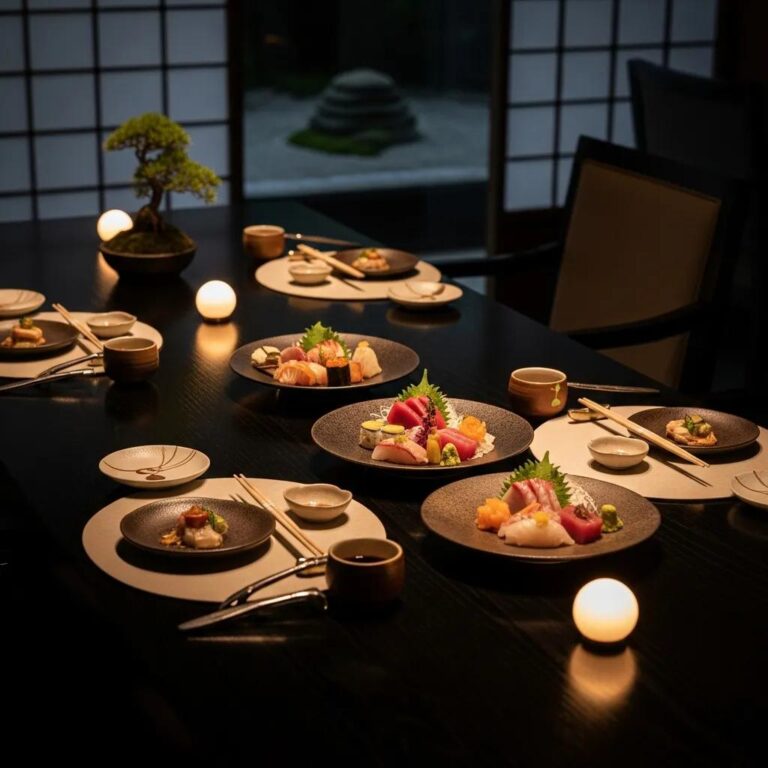
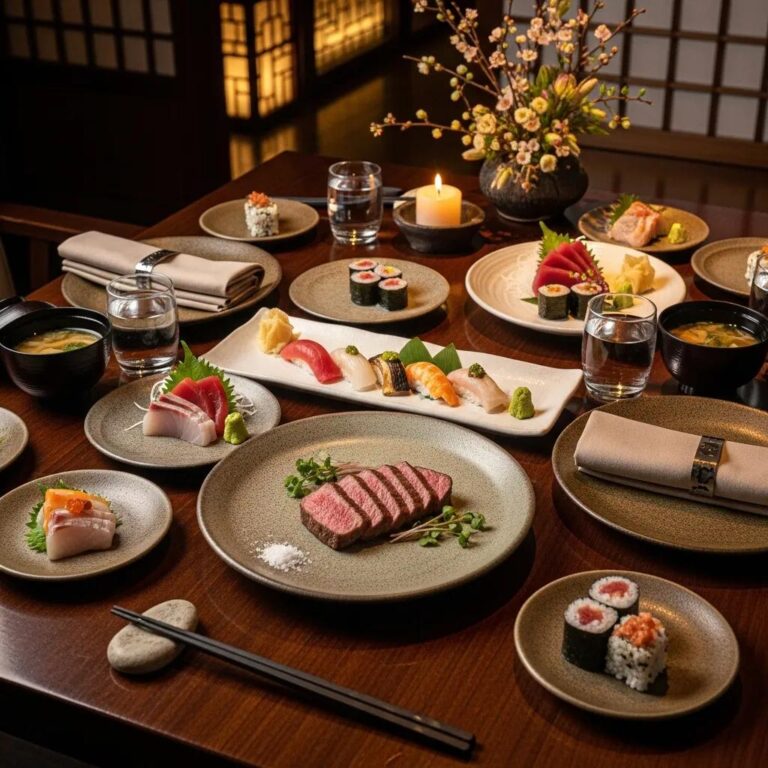
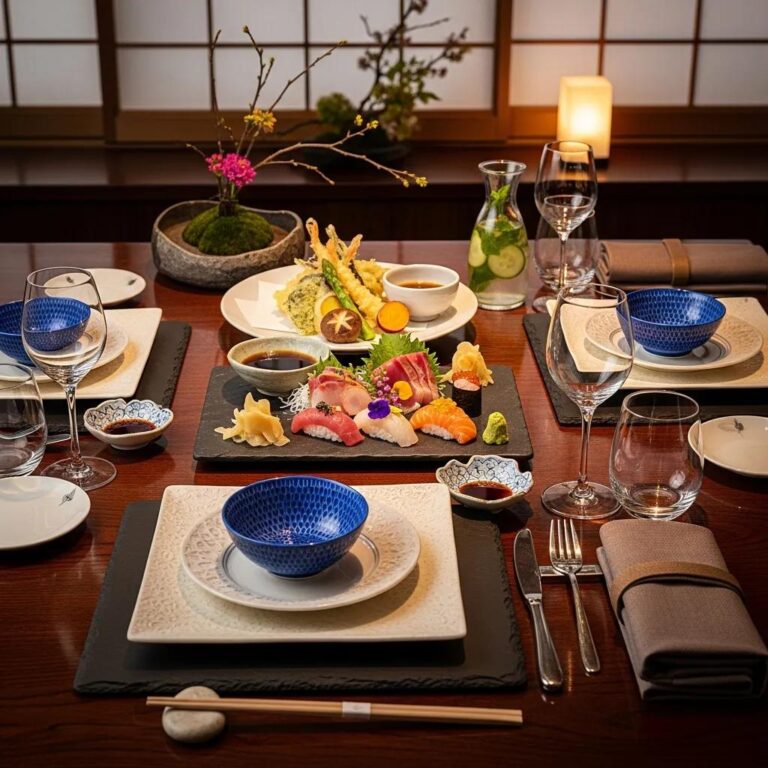
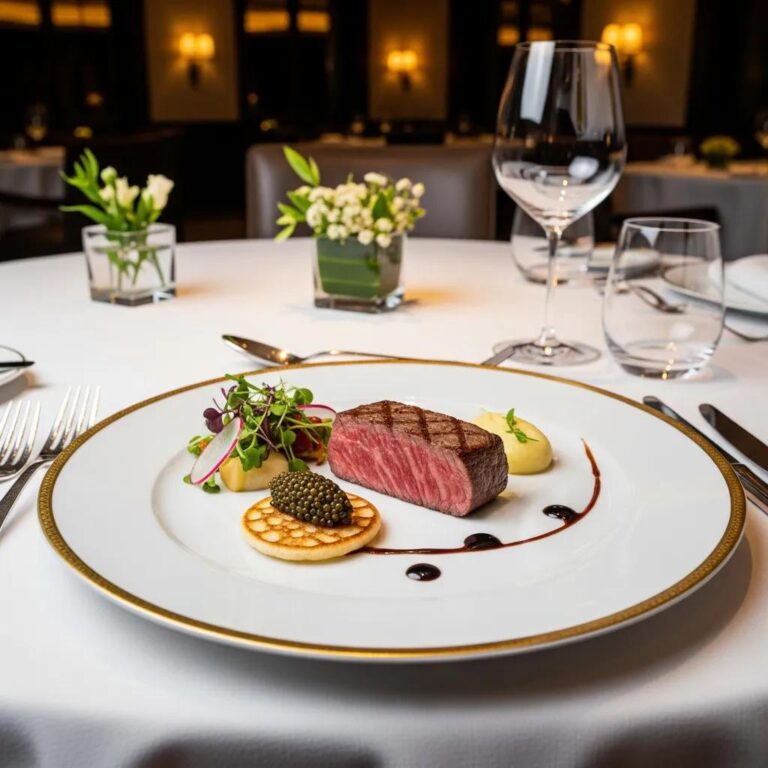
Visual storytelling uses professional photography, short video, and considered layout to communicate taste, texture, and service choreography at a glance. High‑production images and reels translate sensory details—the sheen of sashimi, the marbling of A5 Wagyu, the lustre of caviar—into digital cues that justify premium pricing. A strong visual program combines a homepage hero, plated sequences for menu pages, and short social reels of the omakase flow; every asset should be optimized with descriptive filenames and ALT text to support SEO and accessibility. When visuals set accurate expectations, conversion improves—and personalization becomes the next step to deliver on that promise.
Implementation priorities: a compelling homepage hero, a concise gallery for menu pages, and short-form social videos that show service rhythm and plated reveals.
Why Is Personalization Essential in Upscale Hospitality Marketing?
Personalization means using reservation notes, past orders, and CRM signals to tailor pre‑visit communication, in‑service moments, and post‑visit outreach. At the luxury level, guests expect bespoke attention; personalization increases average check, repeat visits, and referrals. Useful data sources include reservation details, CRM records, and pairing choices from prior visits—use them to offer curated tasting paths, birthday menus, or preferred beverage pairings. Always be transparent about data use and allow opt‑ins for bespoke communications. Track repeat‑booking rates, average spend, and customer lifetime value to refine segments and deepen personalization over time.
How Can High‑End Restaurants Use Digital Marketing to Drive More Reservations?
Digital marketing for luxury restaurants should be conversion‑first: remove friction between discovery and booking while preserving a sense of exclusivity. Affluent diners research thoroughly and convert when signals of quality, availability, and convenience align—clear CTAs, visible booking widgets, and reservation schema build trust and improve conversion. Prioritize a mobile‑first website, targeted social campaigns for discovery, segmented email to re‑engage high‑value guests, and paid retargeting for visitors who reached the reservation flow. The checklist below lays out practical channel actions to boost both short‑term bookings and long‑term acquisition.
Key digital channels and actions:
- Website UX: prominent CTAs and one‑click booking widgets to reduce friction.
- Instagram and short‑form video to tell sensory stories and spark discovery.
- Segmented email to convert past guests and promote limited events.
- Paid search and retargeting to capture high‑intent queries and recover abandoned visitors.
These channels should funnel into a seamless reservation flow—once traffic arrives, clarity and ease of booking are critical to convert interest into reservations.
Intro to channel EAV table: The table below maps digital channels to their primary uses and tactical examples for driving reservations.
What Role Do Social Media and Influencer Partners Play in Fine‑Dining Promotion?
Social media and selective influencer partnerships extend your visual work and create social proof—critical where perceived exclusivity drives demand. Choose partners for fit and credibility over raw follower count; local food writers and niche fine‑dining creators often convert better than mass audiences. High‑converting formats include event takeovers, curated menu reveals, and invite‑only tastings with trackable links. Measure ROI via direct booking attribution, reservation uplifts after campaigns, and engagement‑to‑conversion rates to decide which relationships to scale. Well‑managed collaborations feed the reservation pipeline and support earned media that reinforces your positioning.
How Does a Streamlined Online Reservation System Improve Guest Acquisition?
A streamlined reservation system removes roadblocks by minimizing steps, clarifying policies, and offering multiple booking channels—direct widget, OpenTable, and Resy—so high‑intent diners can choose their preferred method. Best practices: mobile‑first booking flow, clear cancellation and deposit policies, and the ability to capture dietary preferences at booking. Feed reservation data into a CRM to enable personalization and post‑visit outreach. Implement reservation schema to improve search visibility and enable booking‑rich snippets that boost click‑through and conversions.
What Branding Strategies Work Best for Fine Dining Restaurants?
Branding for fine dining must communicate provenance, sensory promise, and service choreography in a way that justifies premium pricing and builds loyal guests. Strong brands align narrative about ingredients and chef curation with visual identity and service scripts across menu, website, and dining room. Signature offerings—omakase tasting menus, A5 Wagyu courses, caviar service—become brand hooks that fuel PR, menus, and paid media. Below we outline how to translate premium ingredients and thoughtful service into consistent brand signals that resonate with high‑end diners.
How Can Storytelling Bring Luxury Ingredients Like A5 Wagyu and Caviar to Life?
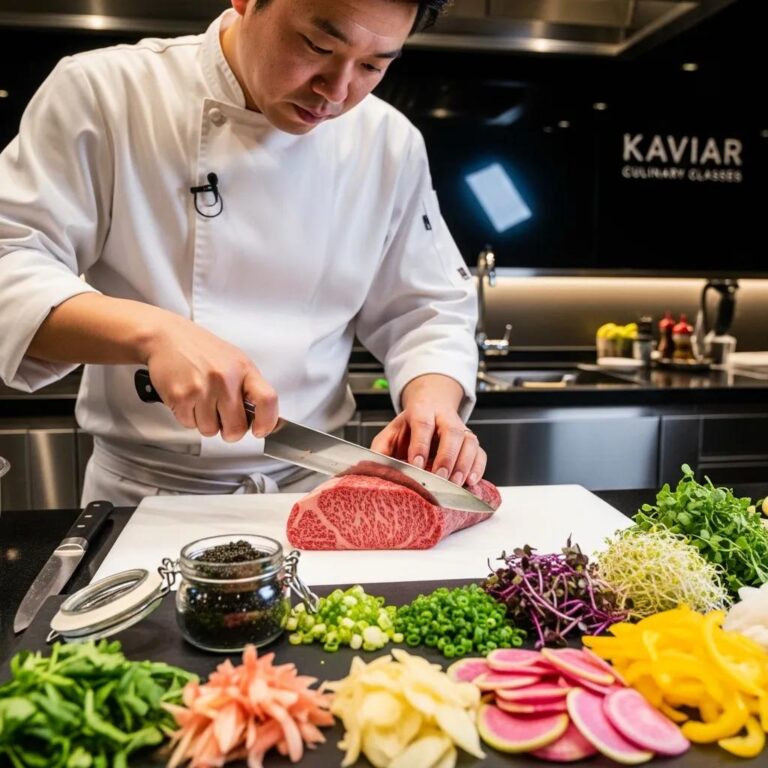
Storytelling turns provenance into perceived value by explaining rarity, sourcing, and ideal pairings in concise, sensory language. Describe A5 Wagyu’s marbling and recommended preparations, or outline caviar varieties and service rituals—keep the copy accessible and evocative so it justifies premium menu lines. Use menu item schema () to signal ingredients to search engines and improve discovery for queries like “A5 Wagyu Pasadena.” Train front‑of‑house with short scripts that reinforce provenance and pairing notes during service. Consistent storytelling across channels increases guests’ willingness to book and pay for our signature dishes.
Create structured, SEO‑ready content that highlights Kaviar’s fine‑dining experience, signature offerings, premium ingredients, and reservation intent. Focus on attracting high‑intent diners searching for Japanese fine dining, omakase, A5 Wagyu, caviar, and luxury dining in Pasadena.
Local Food Culture Branding for Urban Consumer Appeal
This study examined how specialist food marketers interpret local and regional food culture when positioning food brands for urban consumers. Researchers interviewed eight marketing consultants in two phases—semi‑structured interviews followed by hands‑on evaluation of sample products—and analysed responses using contemporary country‑of‑origin theory. Findings show that associating a product with a local or regional food culture can attract urban consumers; consultants treat locality as a crafted narrative that reflects city diners’ ideals of countryside provenance.
Why Is an Experiential Dining Atmosphere Critical for Upscale Hospitality?
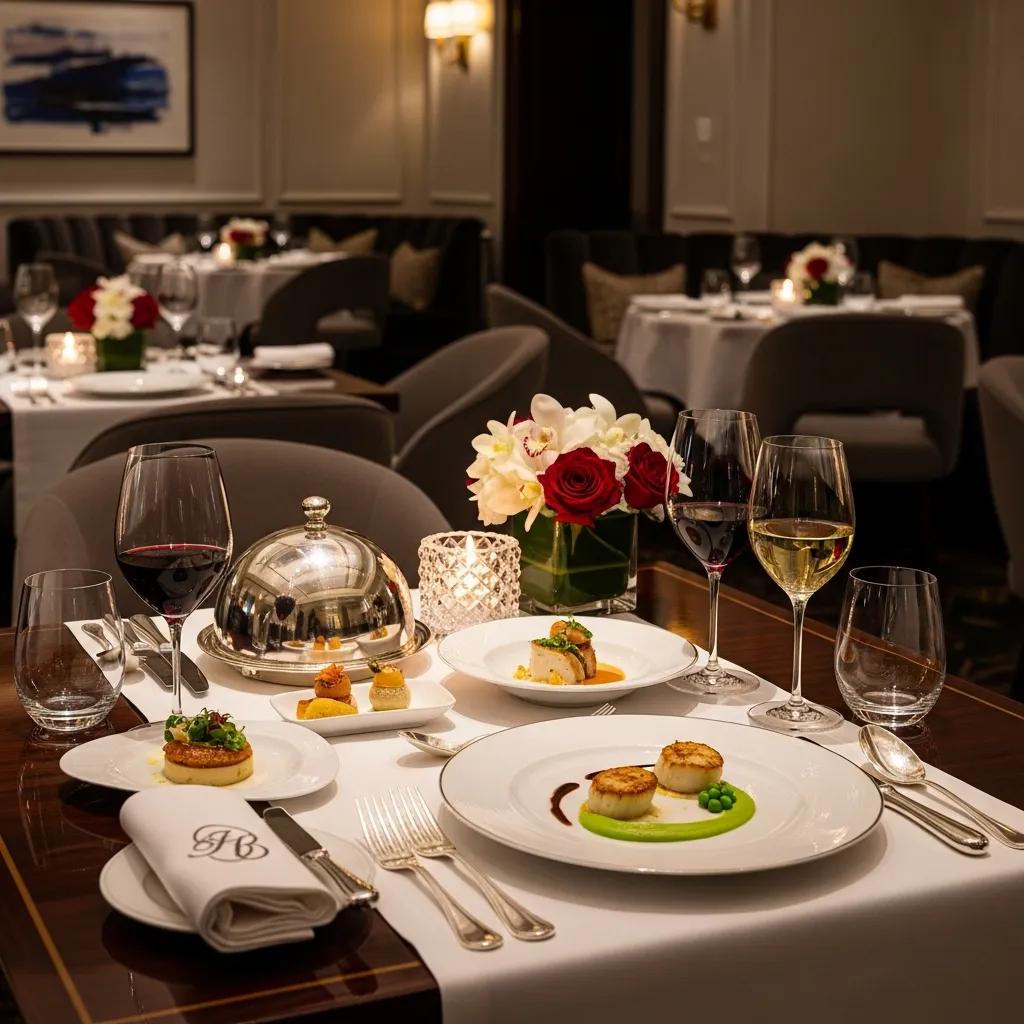
An experiential atmosphere coordinates pacing, lighting, music, and service choreography so every course becomes a memorable moment that encourages word‑of‑mouth and repeat visits. A deliberate sequence—entrance ritual, plated reveal, palate reset, thoughtful close—turns first‑time guests into advocates. Service playbooks and timing rehearsals keep experiences consistent across shifts, while chef’s‑table and private tastings offer higher‑margin touchpoints for VIPs. Investing in atmosphere design and operational repeatability raises guest satisfaction and lifetime spend in measurable ways.
How Do Exclusive Events and Loyalty Programs Increase Retention for Fine Dining?
Exclusive events and bespoke loyalty programs create controlled scarcity and deepen relationships with high‑value guests—driving frequency and lifetime value. Events serve as both revenue and marketing moments, illustrating the restaurant’s range and generating social proof when executed well. Luxury loyalty should favor experiential rewards—early access, private tastings, seasonal previews—over transactional discounts to protect brand prestige. The list below outlines event formats that showcase craft while building retention among VIPs.
Exclusive events that build loyalty include:
- Chef’s‑table evenings with behind‑the‑scenes interaction with the kitchen.
- Ingredient‑focused nights centered on a single luxury product such as A5 Wagyu or premium caviar.
- Private tasting menus and pairing dinners for intimate, invitation‑only groups.
Events turn occasional visitors into a select audience; promote them through segmented email and direct invitations to maximize attendance from high‑value guests.
Intro to EAV table on event/loyalty design: The table below compares event types, target guests, and marketing benefits to help plan profitable, loyalty‑driving experiences.
Which Event Formats Best Showcase Fine Dining?
Formats that emphasize rarity and interaction work best: chef’s‑table dinners, single‑ingredient showcases, and collaborative pop‑ups with guest sommeliers or sake specialists. These settings let chefs demonstrate technique and provenance while giving guests shareable narratives that drive earned media. Price events to reflect exclusivity—ticketed, limited seats—and target marketing to existing guests and high‑intent locals via email and private invites. Measure success by attendance, average spend per head, and booking lift among attendees; the most memorable events generate measurable repeat business.
How Should Loyalty Programs Be Designed for High‑End Guests?
Luxury loyalty succeeds when recognition and access take precedence over discounts. Offer tiered access, invitation‑only tastings, and guaranteed booking windows to deliver tangible value without commoditizing the brand. Capture data at booking for targeted outreach—anniversary offers, chef‑curated menus, priority reservations—that reinforce emotional loyalty. Reward frequency and spend with experiential perks—early booking for special events, access to limited items, private‑dining credits—rather than percentage discounts. Track retention, frequency uplift, and incremental revenue from members to refine tiers and benefits over time.
How Critical Are Online Reviews and Reputation Management for Luxury Restaurants?
Online reviews and reputation management matter because upscale diners rely heavily on peer validation and recent feedback when choosing where to book. Positive, descriptive reviews increase trust and conversion. Effective reputation work combines proactive solicitation of high‑quality reviews, daily monitoring across key platforms, and timely, professional responses that mirror luxury service standards. Best practices: ask satisfied guests for reviews, focus on platforms that drive bookings, and use thoughtful response templates for praise and criticism. Below are immediate actions luxury hospitality teams can implement.
Best practices for encouraging and managing guest reviews:
- Ask for reviews within 24–72 hours of a visit using personalized, consented messages to satisfied guests.
- Prioritize the review platforms high‑intent diners use and monitor them consistently.
- Respond promptly with service‑oriented replies that acknowledge specifics and offer resolution when needed.
How Should Restaurants Encourage and Manage Guest Reviews?
Timing, channel choice, and tone matter. Request reviews soon after memorable visits with personalized messages that reference a dish or service moment to improve response rates. Maintain a daily monitoring cadence for platforms that influence reservations and escalate serious issues for private resolution. Use templated but customized responses: thank positive reviewers with a specific reference, and reply to negative feedback with acknowledgment, empathy, and an invitation to continue the conversation offline. Thoughtful review management protects reputation and signals attentiveness to prospective guests.
How Do Reviews Affect Fine‑Dining Reservation Decisions?
Reviews provide social proof and practical context—timing, noise level, dress code—that influence booking decisions for luxury diners. A steady stream of recent, descriptive 4–5 star reviews increases the likelihood a guest will reserve. Track KPIs such as review volume, average rating, sentiment trends, and conversion from review pages to reservations to understand whether reputation translates into bookings. Regularly analysing review content also surfaces operational improvements and marketing stories worth amplifying.
What Role Do Local Sourcing and Sustainability Play in Fine‑Dining Marketing?
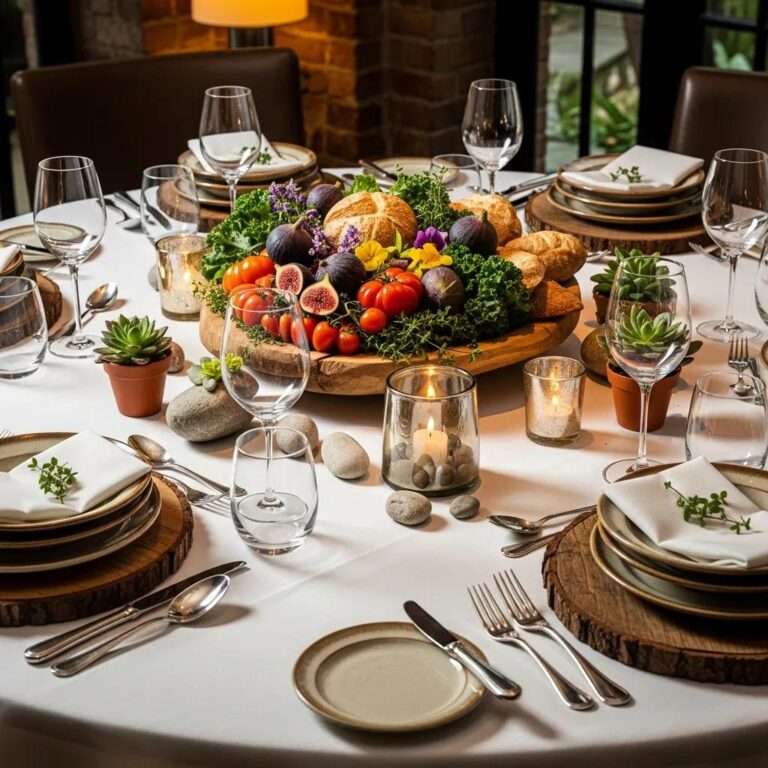
Local sourcing and genuine sustainability deepen brand authenticity and distinguish a fine‑dining restaurant by linking the menu to community and season. Upscale diners increasingly prize provenance, freshness, and transparent sourcing; telling supplier stories builds trust and supports premium pricing. Marketing should lift seasonal supplier spotlights, include sourcing notes on menus, and share measurable sustainability actions to avoid greenwashing. Below is a practical mapping of common local ingredients to seasonality and marketing hooks to help craft authentic narratives.
Intro to ingredient table: The table below ties local ingredients to source/seasonality and suggests marketing hooks that reinforce authenticity and guest appeal.
How Does Highlighting Local Ingredients Strengthen Brand Authenticity?
Highlighting local ingredients connects the plate to place, season, and people—turning menu items into stories about craft and community. Use supplier spotlights, brief bios on the site or menu, and posts that show farm visits or day‑of shipments to make provenance tangible. Build menus and promotions around seasonality to create urgency and novelty. Track engagement on supplier content and measure reservation lifts during seasonal launches to quantify impact and refine storytelling.
Why Are Sustainability Practices Valued by Upscale Diners?
Upscale diners increasingly expect ethical and environmental transparency. Meaningful sustainability actions—supplier partnerships with clear standards, kitchen waste‑reduction, and honest communication of trade‑offs—build trust and encourage repeat visits. Avoid greenwashing by publishing concrete initiatives and progress metrics, and use storytelling to explain how choices improve flavor and quality. Communicating sustainability in specific terms enhances credibility and can be decisive for discerning guests choosing between comparable luxury options.
Create structured, SEO‑optimized content that highlights Kaviar’s fine‑dining experience, signature dishes, premium ingredients, and reservation intent. Focus on attracting high‑intent diners searching for Japanese fine dining, omakase, A5 Wagyu, caviar, and luxury restaurant experiences in Pasadena. For Kaviar Restaurant reservations, bookings are accepted through Resy, OpenTable, and by phone—mirror this reservation‑first approach across digital channels to convert interest into confirmed bookings.
As a local example, Kaviar Restaurant models an omakase‑forward, reservation‑centric approach that highlights A5 Wagyu and caviar service within a refined dining atmosphere. Prioritizing reservations helps preserve the curated experience and enables staff to deliver personalized tasting journeys—showing how visual storytelling, provenance, and booking optimization combine to attract high‑intent diners and foster repeat patronage.
Frequently Asked Questions
What are the key elements of a successful fine dining marketing strategy?
A strong fine‑dining marketing strategy blends clear storytelling, striking visuals, and bespoke guest experiences. Core elements include provenance‑led messaging, sensory narratives, and targeted digital channels like social and email. Exclusive events and membership programs deepen engagement and encourage repeat visits. Focus on these areas to attract high‑intent diners and convert interest into reservations that deliver memorable experiences.
How can restaurants effectively use social media to attract high‑end diners?
Use social platforms to surface high‑quality visuals, behind‑the‑scenes moments, and the stories behind dishes. Instagram and short‑form video are especially effective for conveying atmosphere and craftsmanship. Partner with local food writers and niche fine‑dining creators for credibility, and engage actively with followers to build a community around your brand. Consistent, thoughtfully produced content draws guests who seek exclusive culinary experiences.
What metrics should restaurants track to measure their marketing success?
Track reservation conversion rate, average spend per guest, and retention to measure financial impact. Supplement those with digital signals—website traffic, email open rates, social engagement—and reputation metrics like review volume and average rating. These KPIs together show whether marketing drives bookings and long‑term guest value.
How can fine dining restaurants create a memorable guest experience?
Memorable experiences hinge on attention to detail: personalized service, a carefully curated menu, and an atmosphere tuned to pacing, lighting, and sound. Add unique moments—chef interactions, limited tastings, thoughtful parting gestures—to create emotional resonance. Consistent staff training ensures each guest receives the same elevated care that encourages return visits.
What role does sustainability play in attracting upscale diners?
Sustainability matters because many upscale diners prioritize ethical and environmental choices. Emphasise local sourcing, seasonal menus, and measurable waste‑reduction efforts to communicate authenticity. Be specific in your messaging to avoid vague claims—clear actions and progress build trust and can be a deciding factor for conscientious guests.
How can restaurants effectively manage their online reputation?
Actively solicit reviews from satisfied guests and respond promptly across platforms. Use personalized, service‑oriented replies that reflect your luxury standards. Regular monitoring and a structured review workflow—ask, monitor, respond, escalate—protects reputation and converts positive sentiment into bookings.
Conclusion
When fine‑dining marketing centers on clear storytelling, sensory visuals, and thoughtful personalization, restaurants attract higher‑intent guests and build lasting loyalty. Use digital channels strategically, highlight local provenance, and design exclusive experiences to reinforce your premium positioning. These tactics drive immediate reservations while deepening long‑term brand equity—helping you welcome the right guests and deliver exceptional, repeatable moments. Discover how tailored marketing can elevate your restaurant’s presence and bring discerning diners through your door.