




How the Digital Shift in Food Criticism Is Redefining the Role of Food Critics
Reviews have moved beyond ink-and-paper columns into a fast, visual ecosystem of blogs, social feeds and aggregated guest feedback — and that change has altered who guides diners and how they decide. This piece traces that transition, contrasts traditional culinary journalism with contemporary digital criticism, and lays out practical implications for restaurants, reviewers and diners drawn to fine dining. You’ll learn how critic authority has shifted, which platform mechanics shape discovery, and which reputation tactics actually drive reservations. We also look ahead: AI-powered recommendations, tighter personalization and why visual storytelling now defines a dish’s reach. Practical checklists and comparison tables show how restaurants can respond to critique and use high-quality imagery and curated experiences to protect prestige and attract intent-driven guests.
What Is the Traditional Role of Food Critics in Culinary Journalism?
Historically, food critics served as expert evaluators—bringing repeat visits, consistent criteria and long-form analysis to the table. Their work set standards across service, technique and presentation by relying on methods like anonymity, multiple tastings and contextualized judgment. That methodological rigor favored comparative assessment over fleeting impressions, helping fine dining operations refine menus and service. Appreciating this role explains why some restaurants still pursue traditional critics even as digital voices multiply; the next section shows how that influence has played out over time.
How Have Food Critics Influenced Fine Dining and Restaurant Reviews?
Critics have helped shape fine dining by defining benchmarks for skill, plating and service that restaurants aim to meet for prestige and steady bookings. Reviews, features and curated lists produce reputational signals that can shift reservation demand, pricing and even a chef’s career trajectory. A single notable review could attract discerning diners for months and prompt changes in sourcing or menu focus. This legacy influence explains why established critics still carry weight with certain audiences, even as new, distributed voices appear.
Why Do Traditional Food Critics Remain Relevant Today?
Traditional critics still matter because experience, historical perspective and transparent methodology provide context short-form content rarely does. Serious diners value reviews that connect technique, provenance and culinary lineage — that explain why a tasting progression or ingredient choice matters. Critics’ authority also feeds into award systems and long-form coverage that continue to shape elite dining reputations. Recognizing this helps restaurants balance curated fine-dining experiences with the immediacy of online feedback, which we discuss next when looking at social platforms’ disruptive effects.
How Has Social Media Transformed Food Blogging and Digital Food Criticism?
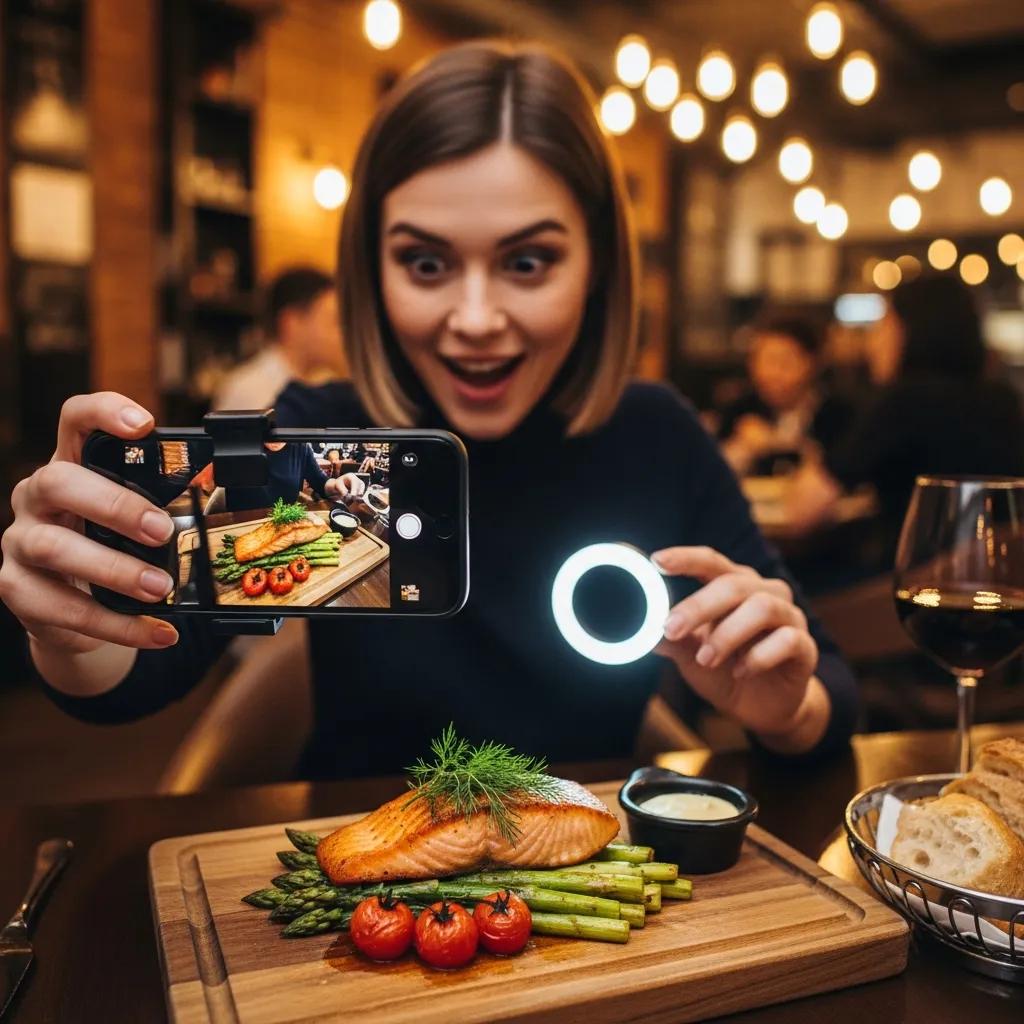
Social media has democratized voice, privileged visual-first storytelling and sped up trend cycles — reshaping discovery and reputation across casual and fine dining alike. Platforms magnify user-generated posts and let micro-influencers move bookings quickly via engagement-driven algorithms. Authority has thus flattened: viral shareability can outpace methodological rigor, and restaurants must now think in terms of discoverability and visual impact. Below we contrast bloggers with traditional critics and unpack platform mechanics that matter for operators.
What Are the Key Differences Between Food Bloggers and Traditional Food Critics?
Bloggers and critics differ in standards, format and incentives. Bloggers lean on personal voice, frequent posts and accessible recommendations; critics rely on comparative assessment, anonymity and longer-form analysis. Bloggers may publish immediate impressions, accept sponsored coverage, and aim for lifestyle resonance; critics prioritize repeat visits, consistent scoring and industry context. Diners looking for an approachable recommendation may prefer bloggers, while those researching omakase or A5 Wagyu often turn to critics’ deeper reads. Understanding these distinctions helps restaurants shape outreach and hospitality to each reviewer type.
- Food bloggers: story-driven, visual-forward and frequent updates geared toward accessibility.
- Traditional critics: repeat visits, structured scoring and contextual analysis that support industry credibility.
- Influencers and micro-creators: operate on monetization models that can include sponsored visits or affiliate links.
That contrast clarifies why outreach and content prep should vary by reviewer profile — a topic we follow with platform-specific implications.
Food bloggers on social platforms play a meaningful role in shaping what diners discover and choose.
Food Bloggers on Twitter: Influencing Dining Habits in the Digital Age
Food bloggers on platforms like Twitter shape dining habits by sharing experiences, recommendations and appetizing photography that followers trust for discovery. Their posts — from picture-led impressions to detailed write-ups — make finding new restaurants more immediate and social. This shift moves authority beyond traditional print, expanding who influences diners in the digital era.
Food bloggers on the Twitter social network: Yummy, healthy, homemade, and vegan food, L Pilař, 2022
How Do Platforms Like Instagram and TikTok Influence Restaurant Reviews?
Instagram and TikTok reward visual hooks, short narratives and engagement signals, producing fast spikes in interest for standout dishes or rituals. Visual formats turn plated moments—a chef’s final flourish or a caviar service—into discoverable assets that convert viewers into guests when paired with clear reservation pathways. Algorithms prioritize watch time, saves and shares, so concise videos that tell a technique-or-atmosphere story often outrank static critique for reach. Restaurants that design authentic, capture-ready moments can benefit without compromising the guest experience; the next section explains how to manage the feedback those platforms generate.
How Do Restaurants Navigate Online Reviews and Manage Their Digital Reputation?
Reputation management blends monitoring, consistent response frameworks and strategic amplification of positive experiences to protect bookings and brand value. Restaurants use monitoring tools to aggregate reviews, set protocols for tone and timing, and train staff in guest recovery so negative moments can become retained customers. Turning praise into discoverable proof requires permissioned UGC curation, ready-to-share testimonials and up-to-date menus and galleries that sync with booking flows. The table below compares common response approaches and their measurable effects on reservations, and the section ends with a short checklist for putting these practices into action.
Different response approaches and their expected impact on reservations:
These approaches show that a balanced mix — prompt acknowledgment, sincere remediation and thoughtful amplification — yields the strongest reservation outcomes. Use the checklist below to operationalize those patterns.
- Monitor aggregated reviews daily with platform-agnostic dashboards and alerts.
- Respond quickly and empathetically, offering offline remediation when appropriate.
- Curate high-quality guest photos and testimonials for controlled sharing across owned channels.
Standardizing these steps helps convert feedback into reservation momentum and creates a repeatable foundation for media and influencer engagement, which we illustrate next through a restaurant-specific perspective.
What Strategies Does Kaviar Restaurant Use to Engage with Food Critics and Digital Influencers?
At Kaviar, engagement with critics and creators centers on thoughtful hospitality, transparent menu information, and visual readiness that honors our fine-dining identity. We invite trusted evaluators to preview service, stage omakase seating mindfully and ensure signature moments—A5 Wagyu, caviar service—are presented with context. Accurate menu descriptions and polished gallery assets reduce misinformation and support fair critique. These practices show how luxury operators can balance exclusivity with discoverability and shape internal protocols for media visits and reservations.
How Can Restaurants Leverage Positive Feedback and Respond to Criticism Effectively?
Amplify praise by featuring selected testimonials, using permissioned guest photos for social proof, and weaving favorable excerpts into confirmations and email outreach. When addressing criticism, follow a clear sequence: acknowledge, investigate, offer remediation and follow up. That restores confidence and signals accountability to future guests. Internally, route feedback into training, quality control and menu adjustments so problems don’t repeat. Use templated replies as time-savers, but personalize each message to maintain genuine voice and protect your fine-dining reputation under public scrutiny.
Research shows food and beverage bloggers on social media influence potential customers’ dining decisions by shaping perceptions and preferences.
Social Media Food Bloggers: Impact on Consumer Dining Decisions
Research finds that food and beverage bloggers on social platforms influence potential customers’ choices by shaping perceptions and highlighting dining experiences. Their content affects discovery and trust, underscoring a broader shift in where diners seek recommendations — from established critics to everyday creators.
The Effect of Social Media Food Bloggers on Followers’ Decisions as Potential Customers, EFAA Basiouny, 2022
What Are the Emerging Trends Shaping the Future of Food Journalism and Restaurant Evaluation?
Key trends include AI-driven summaries and recommendation engines, deeper personalization of dining experiences, and platform convergence that marries editorial authority with UGC signals. These forces will change how diners find restaurants and how reviews are evaluated. AI can surface trending dishes, aggregate sentiment and tailor suggestions, while highly personalized tasting menus make one-size-fits-all reviews less useful. As platforms converge, restaurants should provide structured data and consistent visual assets so algorithms represent their offerings accurately. The table below maps technologies, use cases and likely effects on discoverability and reviews.
Emerging technologies and their likely effects:
AI can broaden reach through personalization and summaries, but restaurants must supply detailed metadata and narrative context to ensure nuanced experiences are represented faithfully. The following subsections explore AI’s roles and how personalization changes review practices.
How Is AI Changing Restaurant Recommendations and Food Criticism?
AI combines UGC, critic reviews and behavioral signals to surface personalized options — yet it can amplify noisy, viral signals at the expense of technical merit. Common uses include menu parsing for ingredient cues, sentiment aggregation to flag recurring service issues, and surfacing niche dishes like omakase to likely audiences. Risks include biased sampling and decontextualized summaries that obscure craftsmanship. Restaurants that provide structured menu data and clear descriptions help AI interpret their offering and protect the integrity of evaluative signals.
What Role Will Personalized Dining Experiences Play in Future Food Reviews?
Personalized formats — tailored omakase, bespoke tasting sequences and diet-aware menus — force reviewers and platforms to contextualize evaluation by guest profile and occasion instead of issuing absolute rankings. When an experience is individualized, meaningful assessment must note variables such as course choices, dietary constraints and guest expectations. For Kaviar, delivering personalized omakase and curated tasting sequences is a competitive advantage; it also means reviews should include richer contextual notes and platforms must support more detailed metadata for each visit.
Why Is Visual Storytelling Crucial in Modern Food Media and Criticism?
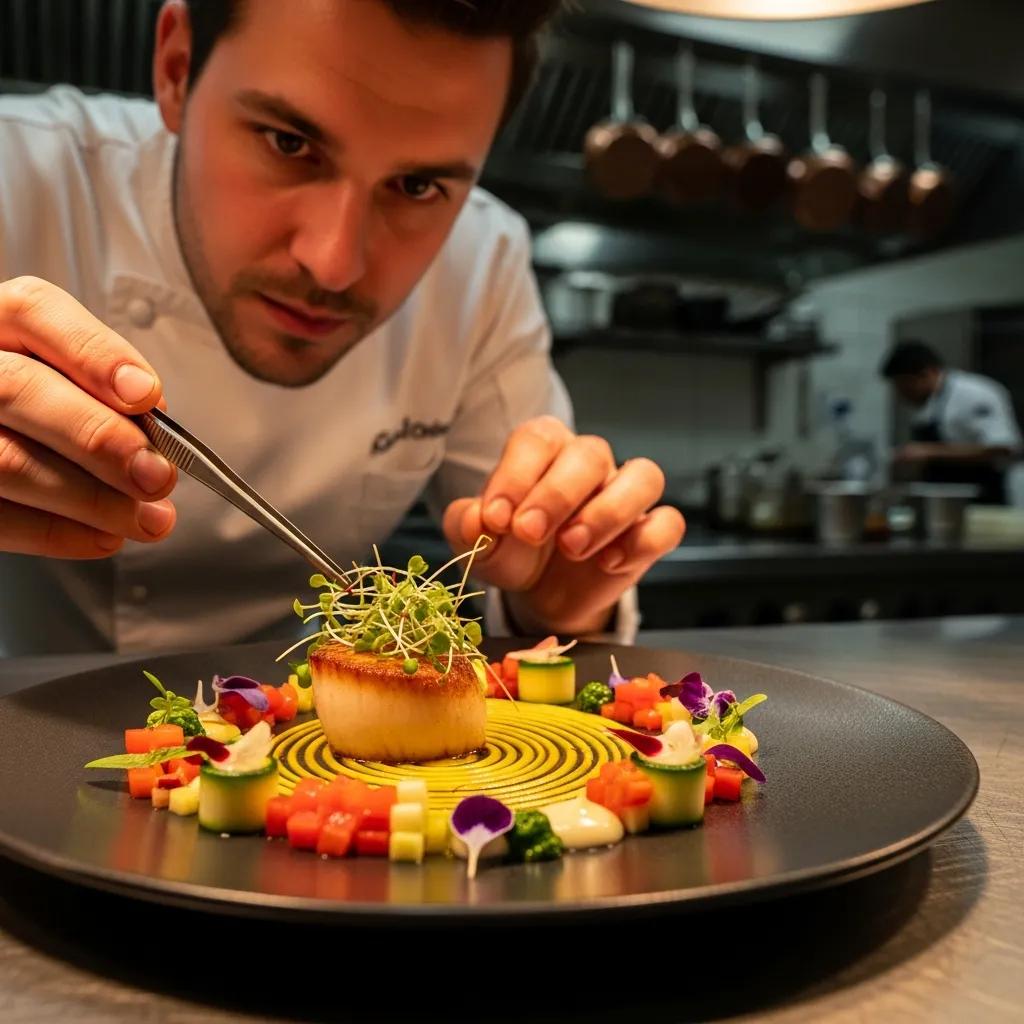
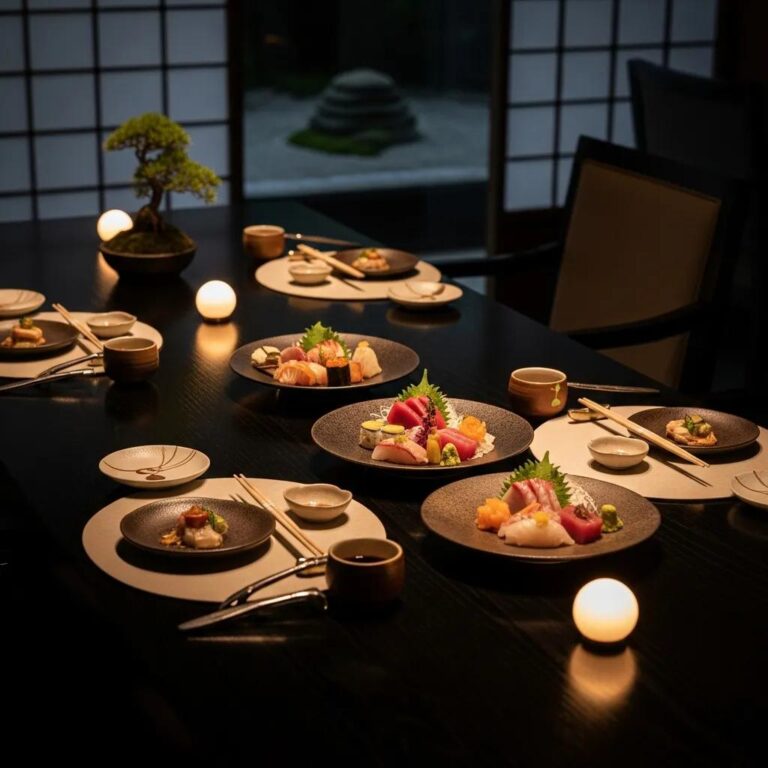
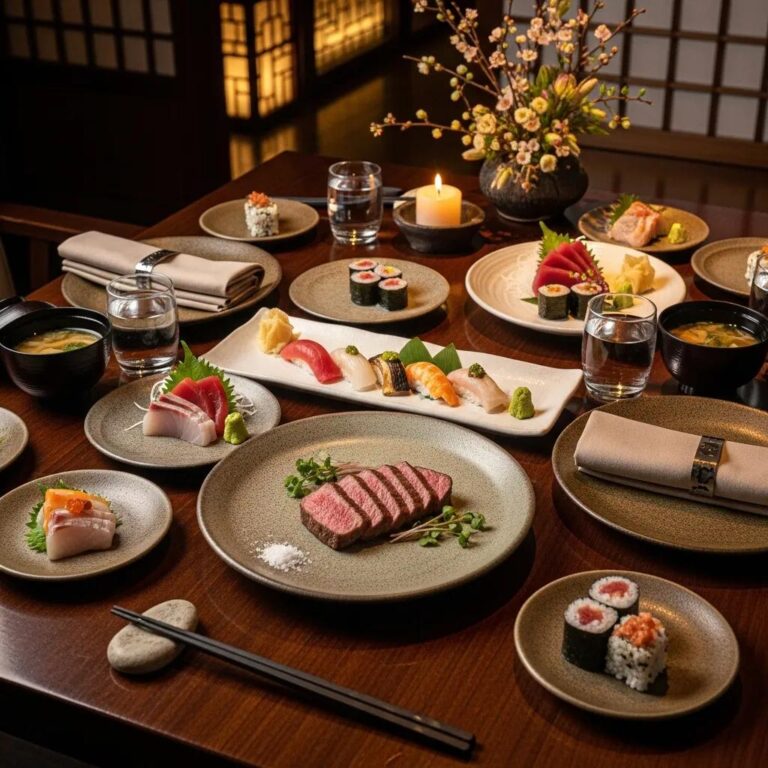
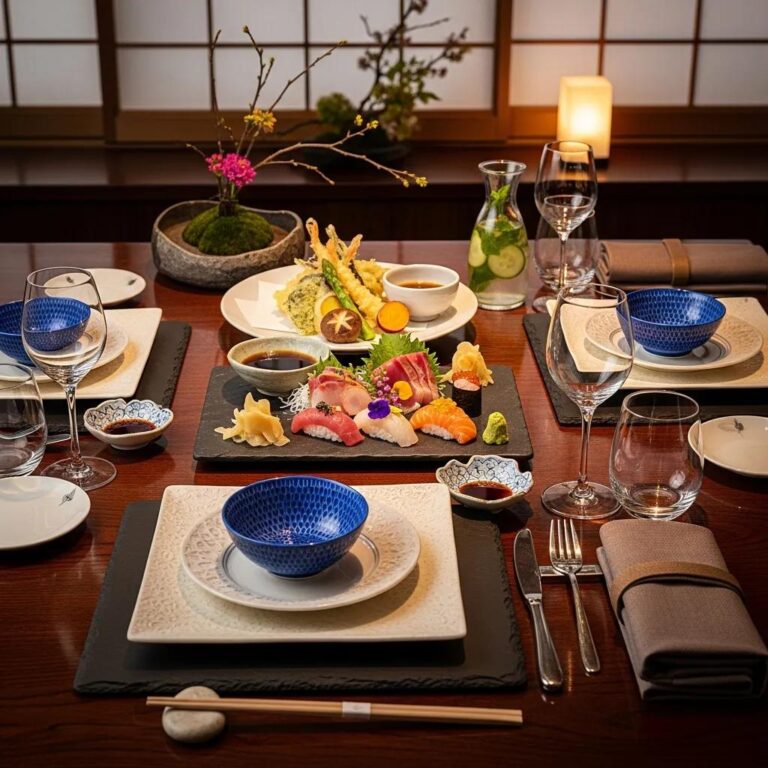
Visual storytelling matters because photos and short videos immediately communicate texture, portion size and atmosphere — primary signals for online discovery and booking decisions. Strong imagery conveys craftsmanship, provenance and plating precision faster than prose, helping diners judge whether an experience suits their expectations. Optimized assets — with thoughtful ALT text and descriptive filenames — also boost search and accessibility. The table below compares visual asset types and their strategic uses to help restaurants plan a balanced multimedia approach.
Comparing visual assets and expected platform benefits:
A mix of close-ups, short videos and curated galleries supports both discovery and conversion goals. The next subsections offer practical photo and video guidance and use Kaviar’s signature dishes as examples.
How Does Food Photography Enhance the Perception of Fine Dining?
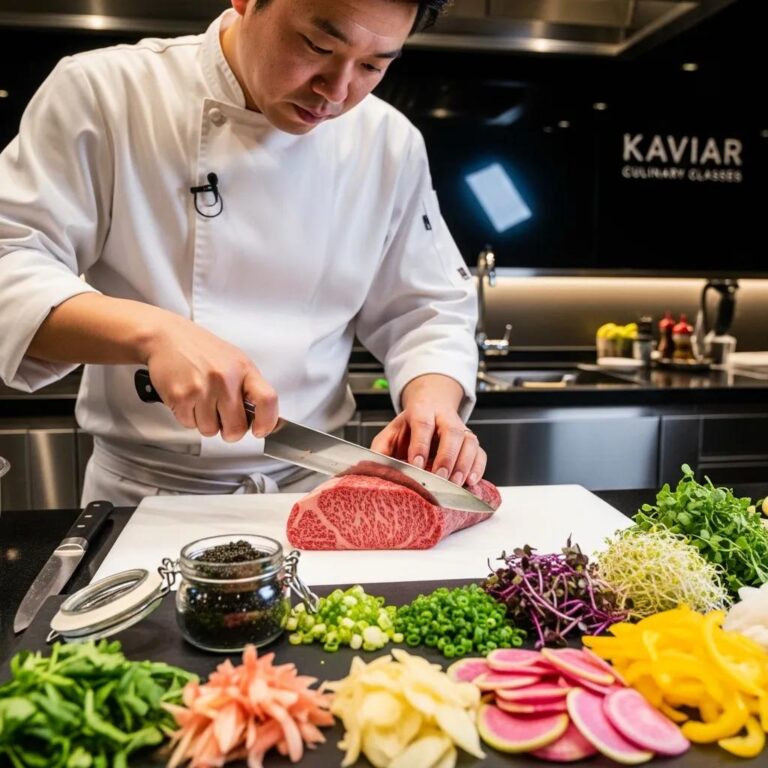
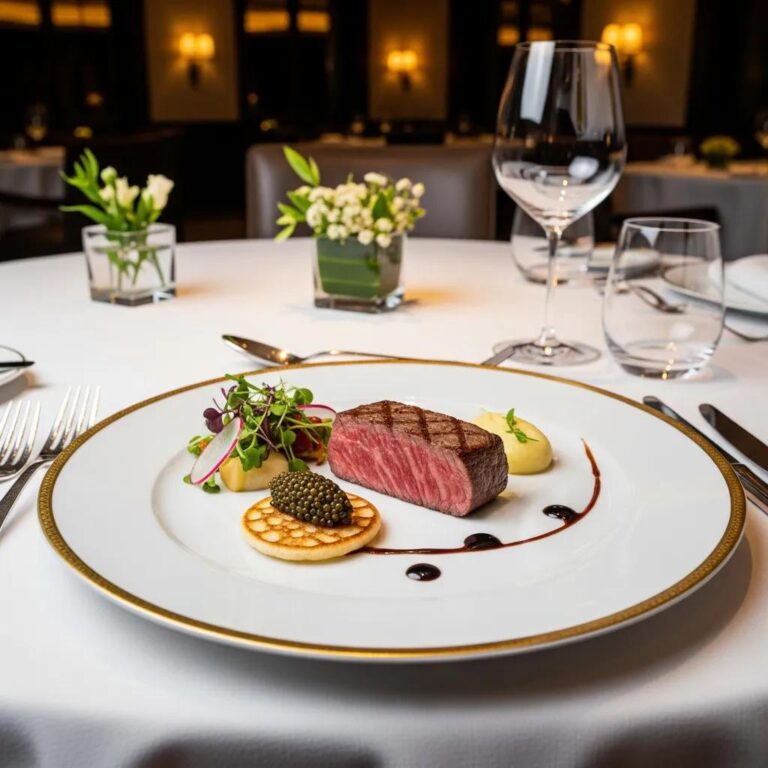
Good food photography raises perceived value by showing texture, plating precision and ingredient quality through controlled light, selective focus and thoughtful table context. Photographers pair close-ups of A5 Wagyu marbling or a caviar service with wider shots of the dining room to convey craft and atmosphere. Consistent color grading and composition build brand recognition across galleries and social channels; ALT text should include dish name, key ingredients and sensory cues to aid SEO and accessibility. These practices guide how operators stage dishes for critics and creators alike.
- Use warm, directional lighting to reveal texture and sheen on premium proteins.
- Pair intimate close-ups with a secondary contextual shot to tell the full story.
- Standardize image filenames and ALT text to include the dish name and key ingredient descriptors.
Applying these standards ensures imagery supports critical narratives and conversion — which leads into the next section on short-form video.
What Impact Do Short-Form Videos Have on Food Discovery and Criticism?
Short-form video amplifies shareability and can quickly elevate a dish or service moment into broader conversation, attracting diners who value spectacle and ritual. Fifteen- to sixty-second reels that showcase chef movements, plating reveals or a caviar service create narrative hooks algorithms favor and convert discovery into bookings when paired with clear CTAs on owned channels. Prioritize story — craft, guest reaction and service rhythm — rather than product-only clips. For fine dining, strike a balance: preserve dignity and context while creating visually arresting moments.
How Has the Evolution of Restaurant Reviews Affected Consumer Dining Decisions?
As reviews expanded from lone critics to an ecosystem of aggregated ratings, UGC and influencer impressions, diners now rely on social proof, visual confirmation and quick sentiment checks. Booking intent often depends on a blend of critic opinion, platform scores and recent guest posts. Restaurants must therefore manage curated narratives and real-time feedback to sustain demand. The following subsections examine UGC’s role and the impact of platforms like Yelp on upscale operations.
What Is the Role of User-Generated Content in Shaping Restaurant Reputation?
User-generated content serves as social proof that complements critics’ analysis by offering volume, immediacy and authentic photos many diners trust. High-quality UGC that accurately shows portion, plating and atmosphere reinforces a restaurant’s promise; inconsistent or misleading posts create expectation gaps. Restaurants should curate permissioned guest images, encourage tagged posts for discoverability and moderate to surface representative content that matches brand positioning. This curation improves aggregate impressions and helps critics’ contextualized reviews reach a wider audience.
How Do Online Review Platforms Like Yelp Affect Fine Dining Establishments?
Yelp and similar platforms amplify aggregate scores, enable filter-driven discovery and present snapshot views that can miss the nuance of tasting menus or omakase. For upscale restaurants, a simple numerical rating may not reflect variable, occasion-specific experiences, so operators should supply detailed menu descriptions, price context and gallery assets to frame ratings. Active engagement — answering feedback, telling the chef’s story and keeping reservation info current — lowers friction for prospective bookers. Balancing curated storytelling with responsiveness on review platforms helps preserve the intended diner mix and perceived value.
Managing digital ecosystems requires restaurants to evolve processes and capabilities — a central challenge for operators today.
Restaurant Managers and the Digital Ecosystem: Social Media Management
Digital platforms have created interconnected ecosystems where organizations, users and stakeholders meet, share knowledge and influence one another. To manage and benefit from these ecosystems, restaurants must develop new processes and capabilities. This research explores how managers perceive and approach the digital landscape, how they manage it in practice, and which organizational competences support effective social media management.
Organizational capabilities for social media management: How restaurant managers approach to the digital ecosystem, 2020
Kaviar Restaurant delivers curated Japanese fine dining in Pasadena with the view that consistent visual storytelling and attentive reviewer hospitality directly influence reservation intent. By staging signature moments — omakase sequences, A5 Wagyu presentations and refined caviar service — we align the guest experience with the narratives critics and creators share. Guests seeking a luxury Japanese dining experience in Pasadena can review Kaviar’s menu, gallery and reservation options to choose the visit that best fits their occasion.
Frequently Asked Questions
How do food critics assess the quality of a restaurant?
Critics typically use a consistent methodology: multiple visits, anonymity and attention to service, technique and atmosphere. Many employ scoring frameworks and comparative judgment to offer readers a reliable sense of consistency and quality across visits. This discipline helps diners make informed choices about dining at higher-end establishments.
What impact does user-generated content have on restaurant marketing?
User-generated content provides authentic social proof and visual validation that resonates with potential guests. Curated, permissioned UGC builds trust, extends reach and often performs better on social channels than branded posts. When managed thoughtfully, it becomes a powerful complement to formal reviews and a practical marketing asset.
How can restaurants effectively respond to negative reviews?
Responding effectively means acknowledging the issue quickly, investigating the situation, offering a sincere remedy and following up. Public responses show accountability; private remediation can recover relationships. The goal is to turn a poor experience into an opportunity to demonstrate care and regain trust.
What role does visual storytelling play in food criticism?
Visual storytelling conveys the sensory core of a dining experience — texture, portion, atmosphere — in seconds. Strong images and video help diners decide whether a restaurant matches their expectations and can be the tipping point that moves someone from discovery to booking.
How do social media platforms influence food trends?
Social platforms accelerate trend discovery by amplifying engaging visuals and short narratives. Influencers and everyday users can spark viral interest in dishes, techniques or restaurants, broadening where trends originate beyond the traditional critic ecosystem and creating a more diverse culinary conversation.
What strategies can restaurants use to enhance their online presence?
Focus on high-quality visuals, consistent storytelling and active community engagement. Keep menus and booking links current, use SEO-friendly descriptions, and encourage permissioned guest content to increase discoverability. Together these tactics create a reliable, discoverable presence that converts interest into reservations.
How can restaurants measure the effectiveness of their digital marketing efforts?
Track website traffic, social engagement and reservation conversions. Use Google Analytics for on-site behavior and platform analytics for content performance. Monitor review volume and sentiment to understand reputation trends. These metrics reveal what’s working and where to refine your approach.
Conclusion
The evolution of food criticism in the digital age makes adaptation essential: traditional and modern voices now coexist, and visual storytelling and UGC play starring roles in discovery. By understanding these dynamics and applying clear reputation and content strategies, restaurants can protect their prestige and attract discerning diners. Embrace the tools and practices outlined here to refine your presence and make every reservation-worthy moment count.