




The Art of Fermentation in Gourmet Food and Fine Dining: Exploring Japanese Fermentation and Umami-Rich Culinary Experiences
Fermentation is a deliberate culinary craft chefs use to turn humble ingredients into layered umami, aroma, and texture—the hallmarks of a refined tasting menu. This article outlines how koji, miso, and tsukemono build savory depth, preserve seasonal bounty, and create unexpected pairings with luxury elements like A5 Wagyu and caviar. You’ll find clear explanations of the chemistry behind umami, an overview of classic Japanese ferments in professional kitchens, and practical examples of how fermentation appears in omakase service. We also cover probiotic and wellness considerations, present core techniques in an easy-to-scan EAV-style table, and show how mindful fermentation cuts waste while amplifying flavor. Finally, we connect these ideas to Pasadena’s dining scene and explain how to experience a fermentation-forward omakase at Kaviar, including reservation options.
What Is the Role of Fermentation in Japanese Fine Dining?
In Japanese fine dining, fermentation is both a preservation method and a precision flavor tool: it heightens umami, softens texture, and produces layered savory complexity. Chefs guide microbes to break proteins and starches into glutamates and nucleotides, concentrating taste and enriching mouthfeel across a multi-course progression. Beyond taste, fermentation extends ingredient life and lets kitchens celebrate seasonality by turning surplus produce into balanced condiments. These functional and sensory advantages make fermentation indispensable to contemporary omakase menus that prize depth, harmony, and longevity in every course.
Fermentation fills four practical culinary roles:
- Preservation and season extension—safe, acidified or aged preparations that last beyond peak harvest.
- Flavor concentration—conversion of larger molecules into savory compounds that deepen sauces and glazes.
- Texture transformation—creating silky pastes, tenderized proteins, and crisp pickles for contrast.
- Aroma layering—introducing fermented esters and acids that complement seafood and aged meats.
These roles lead naturally to the biochemical processes that generate umami and to the staple Japanese ferments used in fine dining.
How Does Fermentation Enhance Umami and Flavor Profiles?
Fermentation releases umami by enzymatically breaking proteins into free amino acids—most notably glutamate—and producing nucleotides that work together to intensify savory perception. Organisms such as Aspergillus (koji), lactobacilli, and yeast drive proteolysis and amino acid formation, concentrating taste compounds in miso, shoyu, and aged reductions. The outcome isn’t just saltiness but a multi-stage savoriness: a bright first note, then sustained glutamate depth and a long, resonant finish. Chefs use these elements sparingly—light brushes of koji glaze, a restrained spoon of miso emulsion, or a single fermented garnish—to guide each bite’s trajectory and maintain balance.
That biochemical context explains why fermented components act as flavor multipliers rather than blunt seasonings, and it clarifies which ferments chefs choose to achieve specific sensory aims.
Which Traditional Fermented Ingredients Define Japanese Gourmet Cuisine?
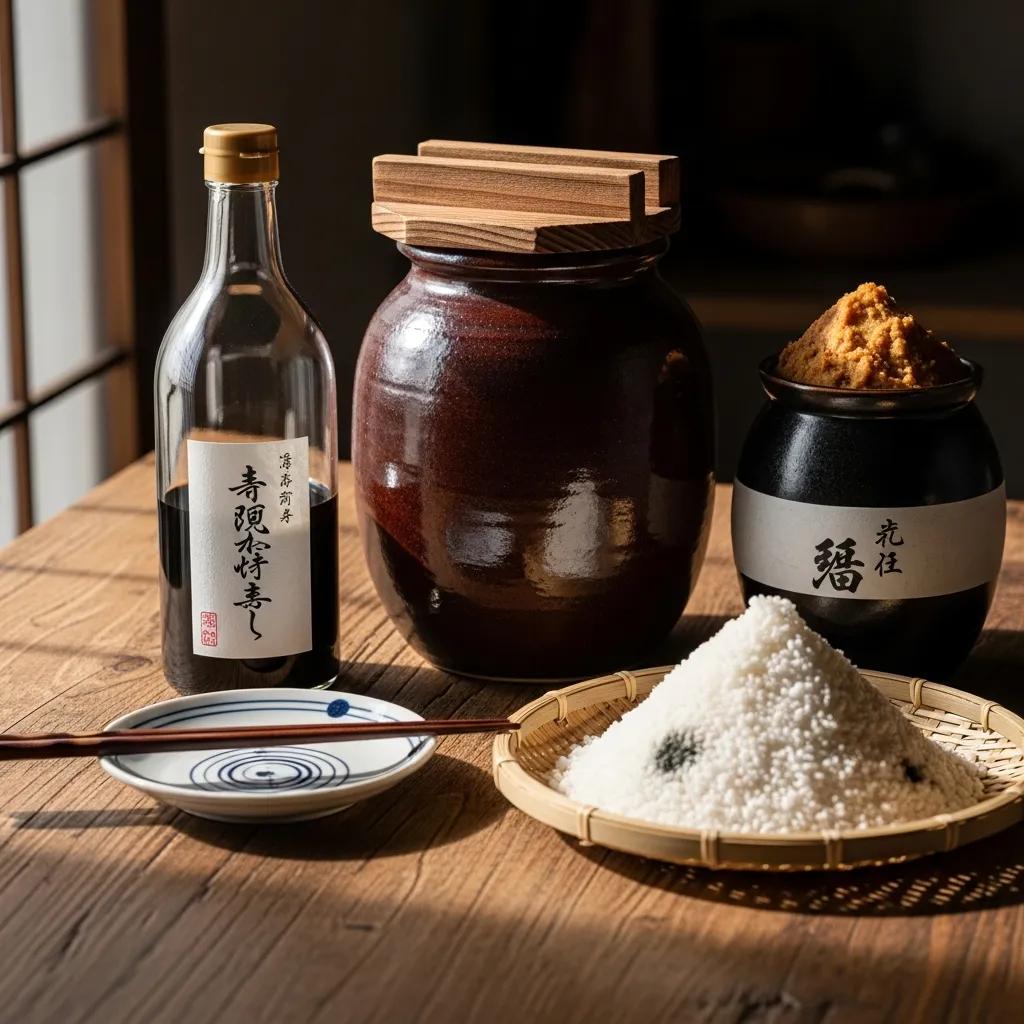
Core Japanese ferments form the flavor architecture of fine dining, each offering distinct savory and aromatic notes chefs treat like seasoning tools.
- Miso (fermented soybean paste): rich, nutty, and subtly sweet—used in glazes, emulsions, and broths.
- Shoyu / soy sauce: a salty, umami-forward seasoning that finishes dishes or reduces into concentrated sauces.
- Koji (Aspergillus oryzae on rice or barley): the enzymatic starter for miso and shoyu, also employed to age and tenderize proteins.
- Mirin: a sweet rice wine that adds glossy sweetness and balances fatty flavors.
- Tsukemono (Japanese pickles): vinegar- or lacto-fermented vegetables that provide acidity and refreshing texture.
- Sake: a fermented rice beverage often reduced into sauces or used to lift marinades with subtle umami.
Used with restraint in omakase, these ferments layer flavor and contrast textures—helping diners read the craft behind each pairing.
How Does Kaviar Restaurant Incorporate Fermentation into Its Omakase Experience?
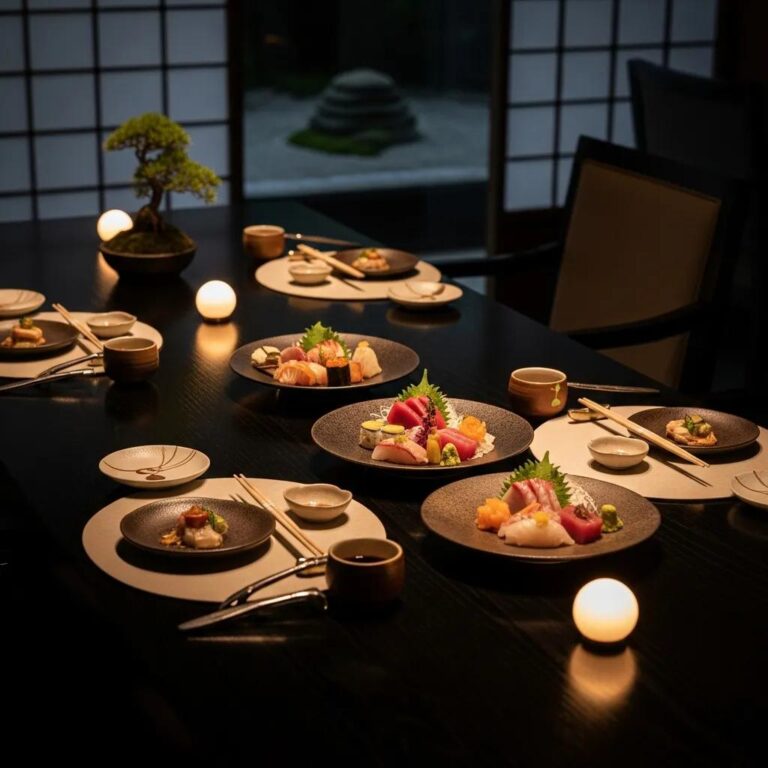
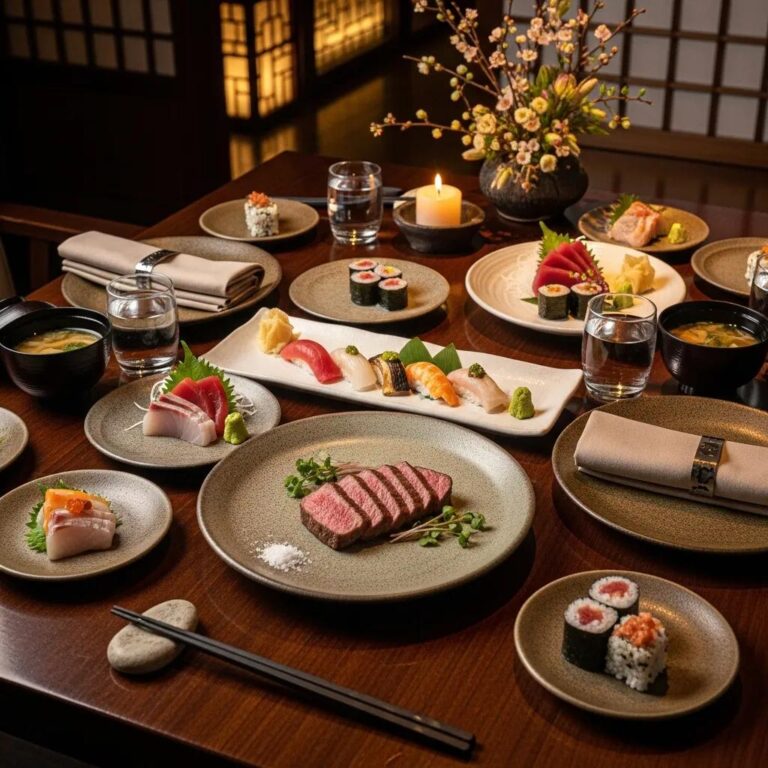
At Kaviar, fermentation appears as small, purposeful accents woven through a chef-curated progression that foregrounds premium, seasonal ingredients. Our omakase uses fermented elements to balance richness—adding acid, salt, or aged umami in micro-portions that enhance rather than mask the main item. Garnishes and condiments are chosen to complement A5 Wagyu, caviar, and fresh seafood without overwhelming their natural quality. This measured approach ensures guests encounter textural contrast and savory depth at deliberate moments during the tasting.
Below is a concise mapping showing how specific menu items commonly pair with fermented components at Kaviar, illustrating practical pairings and the kitchen’s intent.
This course-by-course view clarifies how fermentation functions across a Kaviar tasting, helping guests see how small fermented elements amplify each plate. To taste a fermentation-forward omakase, reservations are offered by phone, Resy, and OpenTable—booking early helps secure a seat for the chef’s seasonal program.
What Fermented Flavors Are Featured in Kaviar’s Chef-Curated Tasting Menus?
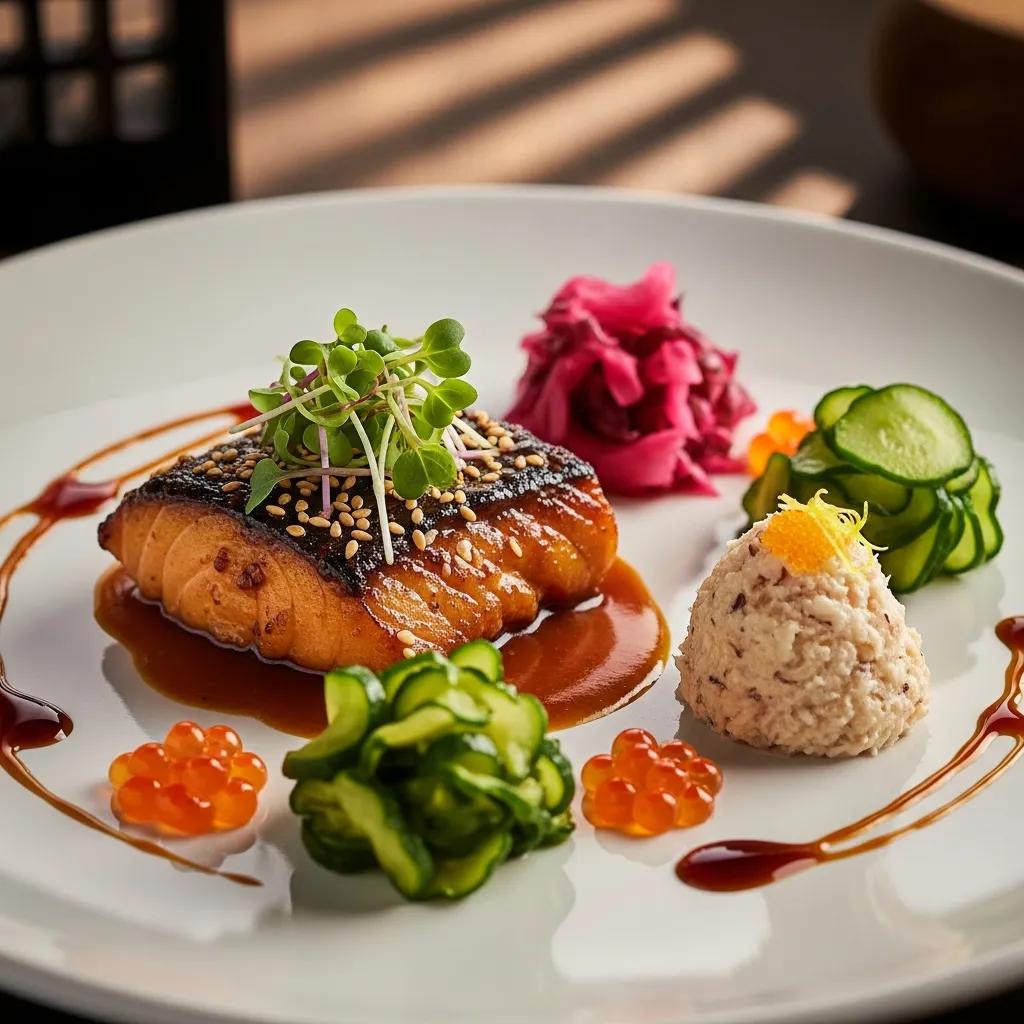
Our tasting menus favor concentrated, subtle fermented accents that support main ingredients without overpowering them. Expect details like a miso-milk emulsion with a delicate oyster, a dab of koji-cured butter melting over seared fish, or micro-pickles between courses to reset the palate. These touches create tension and release across the tasting—acid to cut fat, sweet-savory notes to enhance sweetness, and aged umami to deepen finishes. Components rotate with the seasons, and fermentation helps stabilize ingredients when supply shifts.
Placed at strategic moments, fermented textures and flavors keep the menu balanced and dynamic from the first bite to the last, showing how fermentation serves both technique and structure in omakase.
How Does Fermentation Elevate Premium Ingredients Like A5 Wagyu and Caviar?
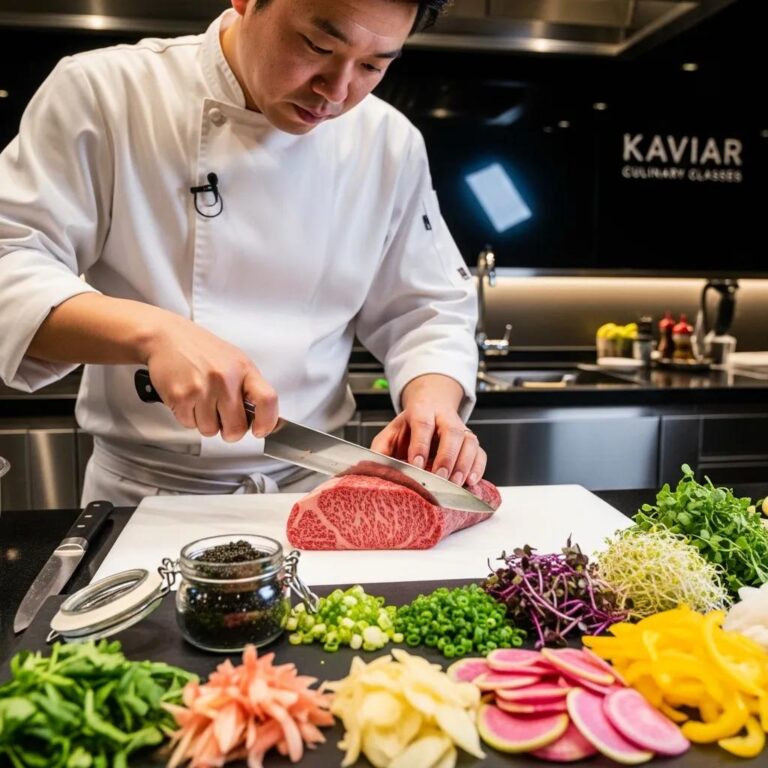
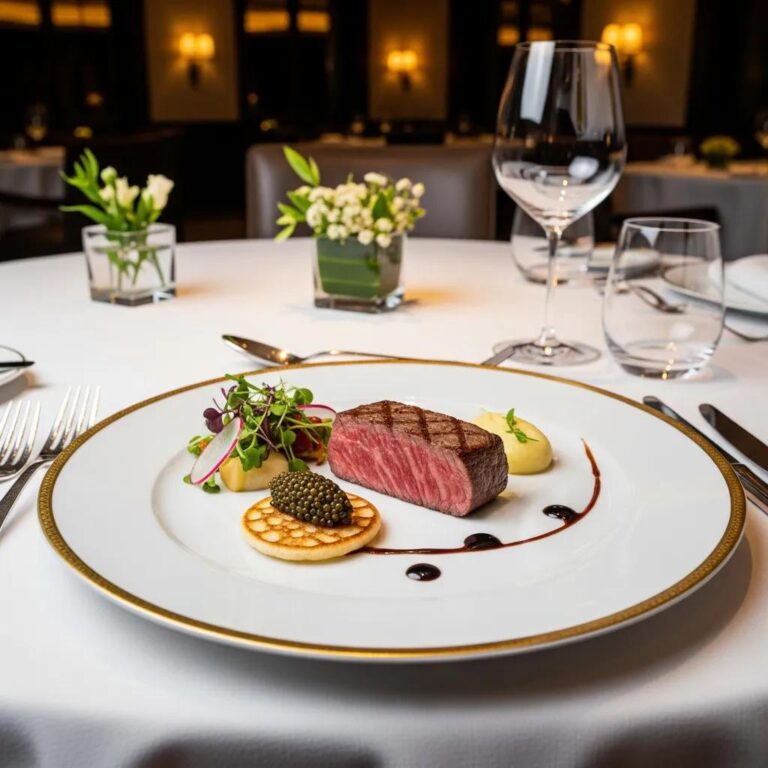
Fermentation elevates luxury proteins by adding layered umami and complementary acidity that balance richness and reveal nuance. On A5 Wagyu, a thin koji glaze or miso-seasoned accompaniment caramelizes and concentrates savory compounds that echo the beef’s marbling and buttery mouthfeel. With caviar, delicate fermented accents—such as a lightly acidulated tsukemono or an aged soy-scented crème—provide lift and contrast, highlighting saline subtleties without hiding texture. The interplay of fat, salt, and fermented glutamates makes premium ingredients taste both more pronounced and more refined.
That pairing logic explains why chefs use fermentation as a catalytic partner—not a substitute for top-quality produce—shaping the sensory arc of each course.
What Are the Health and Wellness Benefits of Probiotic Fine Dining?
Fermented foods can offer probiotic and prebiotic benefits that ease digestion and help guests process multi-course meals—when the preparations include live cultures or prebiotic substrates. In fine dining, chefs often combine cooked, aged ferments (flavor-first) with lightly pickled or live-culture items (probiotic-forward) to balance taste with wellness. Live tsukemono and unpasteurized miso can introduce beneficial microbes; fermented grains and legumes supply prebiotic fibers that feed gut flora. Thoughtfully placed on a tasting menu, these elements can aid digestion between rich courses and add a health-conscious dimension to luxury dining.
Quick considerations for diners evaluating multi-course menus:
- Live cultures: look for lightly lacto-fermented pickles and some unpasteurized miso.
- Flavor-first ferments: expect long-aged shoyu or cooked miso reductions to be pasteurized or heat-treated.
- Dining tip: small portions of live ferments between richer courses can help digestion.
How Do Fermented Foods Support Gut Health and Digestion?
Fermented foods support digestion by providing microbes, enzymes, and fermentation-derived compounds that aid nutrient breakdown and microbial balance. When a dish contains live cultures—such as certain pickles or unpasteurized miso—those microbes may interact with the resident microbiota to support digestive processes. Enzymes produced during fermentation can pre-digest proteins and starches, reducing digestive load. Note that many fine-dining ferments are cooked or pasteurized for safety, so probiotic benefit varies by preparation. Knowing this helps chefs and guests choose ferments with specific wellness goals in mind.
Understanding these differences lets diners distinguish live probiotic options from aged, flavor-forward ferments and request menu notes when they want particular health outcomes.
Why Is Probiotic Cuisine Gaining Popularity in Luxury Dining?
Probiotic cuisine has found a place in luxury dining because guests now expect experiences that combine craft, provenance, and wellness. Fermentation bridges sensory pleasure and nutritional intent—showcasing artisanal technique, supporting sustainability through preservation, and offering gut-friendly options alongside indulgence. Fermentation’s storytelling potential—house starters, seasonal pickles, and in-house misos—also matches modern diners’ appetite for provenance and purpose, making it a natural fit for refined, experiential menus.
That context leads into the specific techniques chefs rely on—why koji, pickling, and brewing remain central to sophisticated kitchens.
Which Japanese Fermentation Techniques Are Used in Gourmet Food Preparation?
Gourmet kitchens use a range of Japanese fermentation techniques—koji cultivation, lacto-fermentation for pickles, and brewing for sake and mirin—each chosen to achieve precise flavor and texture goals. Chefs select methods based on desired enzymatic activity, timing, and the structural role of a ferment in a dish. Koji-driven processes enable controlled proteolysis for aging proteins or creating sweet-savory balance; lacto-fermentation brings bright acidity and crunchy texture for palate cleansers; mirin and sake yield sweet, umami-rich liquids for glazing and seasoning. Mastery of timing and microbial care ensures consistent, high-quality results in a fine-dining setting.
What Is Koji and How Is It Used in Luxury Japanese Cuisine?
Koji is the cultured mold Aspergillus oryzae grown on rice, barley, or soy to produce enzymes that convert starches and proteins into sugars and amino acids. In luxury kitchens, chefs use koji to age fish and meats gently, to build sweet-savory glazes, and to make delicate umami pastes that respect an ingredient’s subtlety. Koji-aging brings tenderization and nuanced aromatics while retaining the ingredient’s integrity—an enzymatic approach to depth rather than heavy seasoning.
Recognizing koji’s biochemical role explains why chefs rely on it to create controlled complexity and harmonious pairings across a tasting menu.
How Are Tsukemono, Sake, and Mirin Crafted Through Fermentation?
Tsukemono are made by submerging vegetables in salt, rice bran, or vinegar-based media and allowing controlled microbial or enzymatic action to develop acidity and texture. Sake is brewed through parallel fermentation: koji converts rice starches into sugars, and yeast then ferments those sugars into alcohol, producing nuanced aromatics and umami precursors. Mirin is produced similarly but retains higher residual sugars and lower alcohol than sake, and it’s typically used for glazing and balancing dishes. Each process varies in timing and microbial control, and chefs tailor acidity or concentrate residues to suit plating, pairing, and mouthfeel objectives in fine dining.
These production notes connect technique to application and make it clearer why a chef picks one ferment over another when composing a course.
How Does Sustainable Fermentation Practice Enhance Fine Dining at Kaviar?
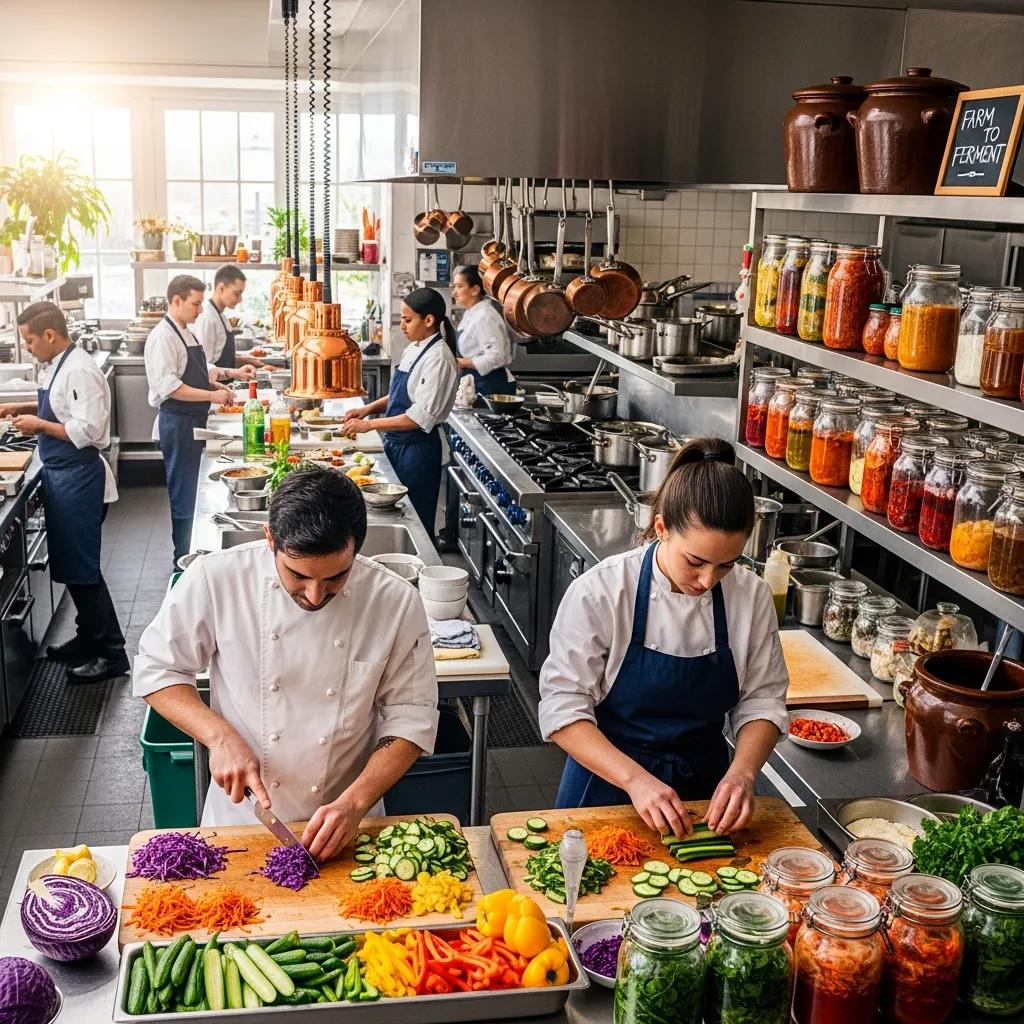
Sustainable fermentation reduces waste and turns low-value inputs into high-impact components, aligning culinary excellence with environmental care. By converting trimmings into pickles, aging sauces from koji lees, or preserving seasonal harvests in miso or vinegar, kitchens cut spoilage and stretch ingredients further. These practices support local sourcing—encouraging seasonal purchasing and fuller use of whole animals and produce—and in a luxury setting they also create flavorful narratives that resonate with thoughtful diners.
Fermentation in Restaurants: Enhancing Flavors, Textures, and Sustainability
Fermenting Foods in Restaurants. Concerns about sustainable food systems and food waste have pushed restaurants to rethink production and sourcing. Diners increasingly favor natural, minimally processed foods, and kitchens are responding with farm-to-table practices and creative reuse. Fermentation offers a practical path to near-zero waste by converting ingredients into shelf-stable, flavor-rich products over timelines that range from days to years. Beyond preservation, fermentation enhances texture, concentrates flavor, and can improve nutritional value—making it a powerful tool for restaurants committed to both taste and responsibility.
Fermenting Foods in Restaurants, 2024
What Are the Environmental Benefits of Fermentation in Gourmet Kitchens?
Fermentation helps the environment by extending shelf life, lowering energy-dependent storage needs, and enabling smarter purchasing. Lacto-fermenting vegetables or curing fish reduces daily waste; koji aging can rescue marginal cuts by improving tenderness and flavor so they don’t get discarded. These methods often reduce refrigeration demand and turn small inputs into concentrated condiments, lowering resource use per served dish. The net effect is a smaller kitchen footprint and new flavor assets that enrich the menu.
How Does Kaviar Implement Ethical Sourcing and Zero-Waste Fermentation?
Kaviar pairs careful sourcing of premium products—caviar, A5 Wagyu, and seasonal seafood—with on-site fermentation that repurposes trims and excess produce into tsukemono, miso dressings, and aged sauces. Those prepared ferments reappear on the tasting menu as micro-accompaniments or finishing elements, turning potential waste into signature flavors. This circular approach improves dish quality while signaling our commitment to sustainability; guests interested in this practice may reserve through phone, Resy, or OpenTable.
Our operating model shows how sustainable fermentation can be both ecologically sound and gastronomically rewarding, reinforcing provenance and taste in equal measure.
Where Can You Experience the Art of Fermentation in Pasadena’s Fine Dining Scene?
Pasadena’s fine-dining community increasingly treats fermentation as a sign of culinary sophistication and sustainability. Kaviar situates itself in this trend by pairing premium ingredients with thoughtful fermented accents. Diners seeking an omakase that emphasizes umami and seasonal preservation will find fermentation woven into tasting sequences that highlight technique and terroir. With fermented condiments, koji-aged treatments, and pickled intermezzi, local restaurants add depth and contrast to luxury plates while telling a coherent culinary story. Choose a tasting menu that calls out fermentation to ensure a purposeful sensory journey.
Why Is Kaviar Restaurant Pasadena’s Premier Destination for Fermented Japanese Cuisine?
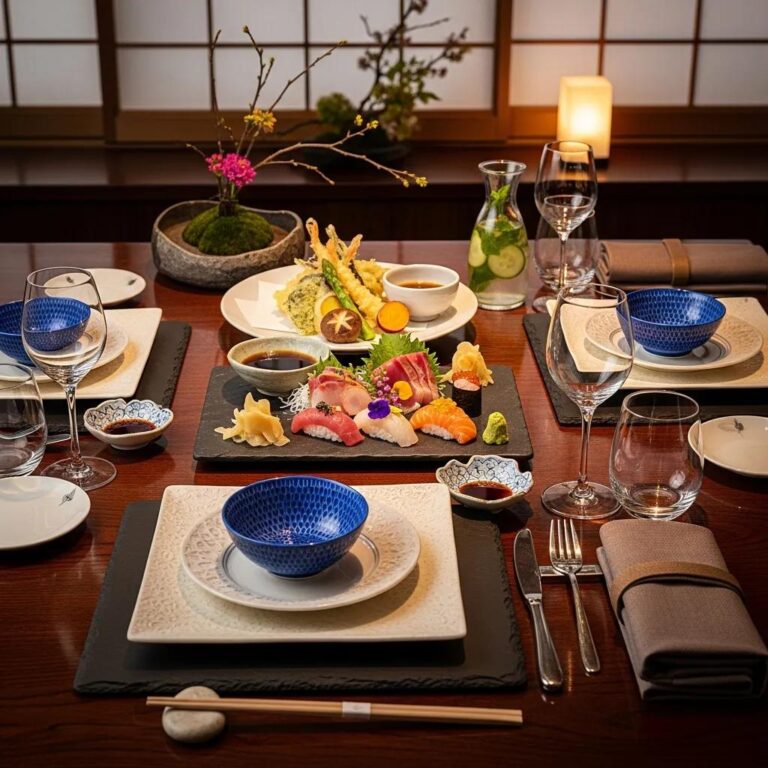
Kaviar brings together chef-led omakase, premium ingredients like caviar and A5 Wagyu, and a deliberate fermentation philosophy that deepens each course with nuanced umami and textural contrast. Our refined dining room frames an experiential tasting where fermented accents are used with intention to balance richness and refresh the palate. Kaviar’s focus on artisanal technique, seasonal sourcing, and preservation sets it apart from peers who don’t foreground fermentation, creating a tasting that celebrates both ingredient quality and culinary craft.
That positioning explains why guests looking for fermented fine dining in Pasadena often consider Kaviar and points naturally to booking details below.
How Can You Reserve a Fermented Fine Dining Experience at Kaviar?
Booking a fermentation-forward omakase at Kaviar is simple and designed for guests planning an intentional meal. Secure a table via phone or through reservation platforms like Resy and OpenTable, and remember that chef-curated tastings have limited seating and advance demand. When you book, tell us any dietary restrictions or preferences—whether you’re seeking probiotic-forward items or avoiding certain ferments—so the kitchen can adapt the experience. Early reservations help the chef plan seasonal, fermentation-driven preparations tailored to your visit.
- Reservation channels: Phone, Resy, OpenTable for booking and special requests.
- Booking advice: Reserve early for omakase availability and note dietary needs.
- Expectations: A multi-course, chef-led tasting with fermented accents and seasonal variation.
These steps make it easy to plan a fermentation-forward fine dining visit to Kaviar in Pasadena.
Frequently Asked Questions
What are the different types of fermentation techniques used in Japanese cuisine?
Japanese cuisine uses several fermentation methods: koji cultivation, lacto-fermentation, and brewing. Koji cultivation uses Aspergillus oryzae to convert starches in rice or barley into enzymes that build umami. Lacto-fermentation pickles vegetables to create tang and crunch. Brewing—used for sake and mirin—relies on koji and yeast to turn rice into complex, aromatic liquids. Each technique contributes distinct flavors and textures to the culinary palette.
How can diners identify probiotic-rich dishes in fine dining?
Diners can spot probiotic-rich dishes by looking for menu notes that call out live cultures—examples include certain tsukemono and unpasteurized miso. Chefs may label these items or explain them to guests. When making a reservation, ask about probiotic offerings if you want dishes that specifically aim to deliver live cultures during your tasting.
What role does fermentation play in sustainability within fine dining?
Fermentation supports sustainability by reducing food waste and extending ingredient life. Turning surplus produce into pickles or sauces lets kitchens use more of each harvest and minimizes disposal. This approach pairs well with local, seasonal sourcing and helps restaurants offer flavorful, responsibly made dishes—appealing to diners who value both taste and environmental stewardship.
How does fermentation affect the flavor of luxury ingredients?
Fermentation deepens the flavor of luxury ingredients by layering umami and balancing richness with acidity. A koji glaze on A5 Wagyu will caramelize to intensify savory notes and highlight buttery texture. Similarly, subtle fermented accents alongside caviar lift delicate flavors without overpowering them. The careful balance between fat, salt, and fermented glutamates creates a more nuanced tasting experience.
What are the health benefits of including fermented foods in a fine dining experience?
Including fermented items in a tasting can offer gut-friendly benefits—when those items contain live cultures or beneficial enzymes. Tsukemono and unpasteurized miso may introduce probiotics that support digestion; fermentation enzymes can help break down complex foods. Because many ferments are cooked or aged for flavor and safety, probiotic benefit varies; if wellness is a priority, ask the kitchen which items are live-culture preparations.
How can diners experience the art of fermentation at Kaviar Restaurant?
To experience fermentation at Kaviar, reserve a seat for our chef-led omakase, which incorporates a variety of fermented components. The tasting is designed to highlight seasonal ingredients and the subtleties of fermentation through considered pairings. Book in advance and share dietary preferences so we can tailor the experience to emphasize the fermented elements you’d like to explore.
Conclusion
Fermentation in fine dining brings more than flavor: it supports sustainability, enhances texture, and can offer digestive benefits when live cultures are present. Understanding traditional Japanese ferments helps diners read the intent behind each course. For those ready to explore these techniques in practice, Kaviar offers an omakase that celebrates fermented ingredients with precision and restraint. Reserve your table to experience a tasting that honors both taste and technique.