



Molecular Gastronomy: The Science Behind the Plate and Culinary Innovation
Molecular gastronomy explores how physics and chemistry shape cooking — and how chefs translate that knowledge into deliberate techniques that alter flavor, texture, aroma, and visual storytelling. This article walks through the core ideas behind the practice, the signature techniques chefs use (spherification, sous vide, emulsification, gelification), and why these methods matter in modern fine dining. You’ll get clear, practical explanations of the basics — from protein denaturation to the Maillard reaction — plus technique overviews, dish-level examples, and tips for experiencing this cuisine at an upscale Japanese restaurant in Pasadena. Throughout, terms like molecular gastronomy, food science, spherification, sous vide, A5 Wagyu, and caviar dishes are used to make this a useful reference for curious diners and culinary students alike.
What Is Molecular Gastronomy? Definition and Key Concepts
Molecular gastronomy is the scientific study of cooking that examines how ingredients behave under controlled physical and chemical conditions, and how those behaviors can be used to create new culinary outcomes. It looks at mechanisms — how heat unfolds proteins, how hydrocolloids set liquids, how emulsifiers stabilize mixtures — so chefs can shape texture, control aroma release, and concentrate flavor. The payoff is consistency: repeatable results that let the kitchen design precise sensory experiences across every service. By linking laboratory insight with kitchen technique, molecular gastronomy informs ingredient choices and method selection to elevate a dining experience without losing its soul.
Molecular gastronomy revolves around a handful of guiding concepts that inform experimentation and menu design:
- Texture design: sculpting mouthfeel with gels, foams, and emulsions to change how a bite is perceived.
- Precision cooking: controlling time and temperature (for example, sous vide) to reach exact doneness and tenderness.
- Encapsulation and timed release: using spherification or coatings to deliver flavor at a chosen moment.
- Stabilization and gelification: deploying hydrocolloids like agar-agar or xanthan gum to hold shapes and present ingredients in new forms.
These concepts naturally raise the question of how scientific inquiry differs from culinary practice and who first framed the field — distinctions that clarify the boundary between research and restaurant craft.
How Does Molecular Gastronomy Differ from Molecular Cuisine?
Think of molecular gastronomy as the research discipline that explains why transformations occur in cooking, and molecular cuisine as the creative practice that applies those findings on the plate. Scientists such as Hervé This and Nicholas Kurti laid out the chemistry and physics; chefs adapted their insights into techniques and tasting sequences. Molecular cuisine is the translation of those tools into guest experiences — unexpected textures, thoughtful juxtapositions, and storytelling through plating — all while honoring culinary traditions. That distinction helps diners see research as the toolkit and cuisine as the artistry that uses it.
Who Are the Pioneers of Molecular Gastronomy?
Several figures shaped the modern dialogue between science and cooking. Hervé This and Nicholas Kurti introduced laboratory-style inquiry to culinary questions, defining terms and experimenting with fundamental processes. Chefs like Ferran Adrià and Heston Blumenthal then turned those ideas into restaurant practice, popularizing foams, deconstruction, and other techniques that foreground sensory surprise. Their work bridged academic study and professional kitchens, inspiring chefs and researchers to refine ingredients and methods for clearer flavor and more compelling textures.
What Are the Core Techniques of Molecular Gastronomy?
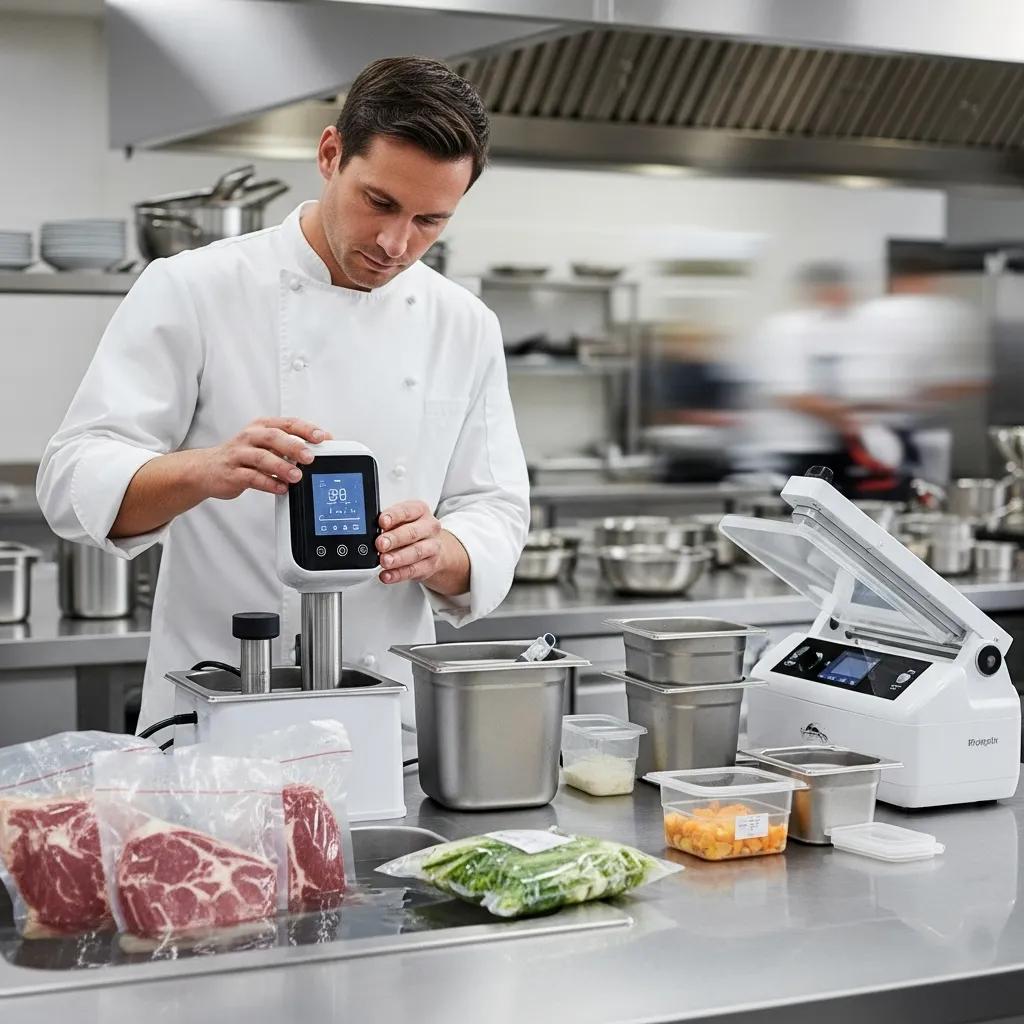
Molecular gastronomy depends on a compact toolbox of reproducible techniques that alter texture, temperature, and flavor delivery to achieve precise sensory effects. Each method rests on a straightforward mechanism — crosslinking polymers, phase change, or controlled heat transfer — and produces predictable results when paired with the right ingredients and equipment. Understanding these approaches helps chefs and curious diners appreciate why a dish behaves a certain way in the mouth and how ingredients respond under control. Here’s a concise overview of the principal techniques and what they deliver.
- Spherification: Forms liquid-filled pearls by crosslinking alginate with calcium, creating a delicate gel membrane that bursts on the tongue.
- Sous Vide: Cooks proteins at precise low temperatures inside vacuum-sealed pouches, delivering uniform doneness and superior tenderness.
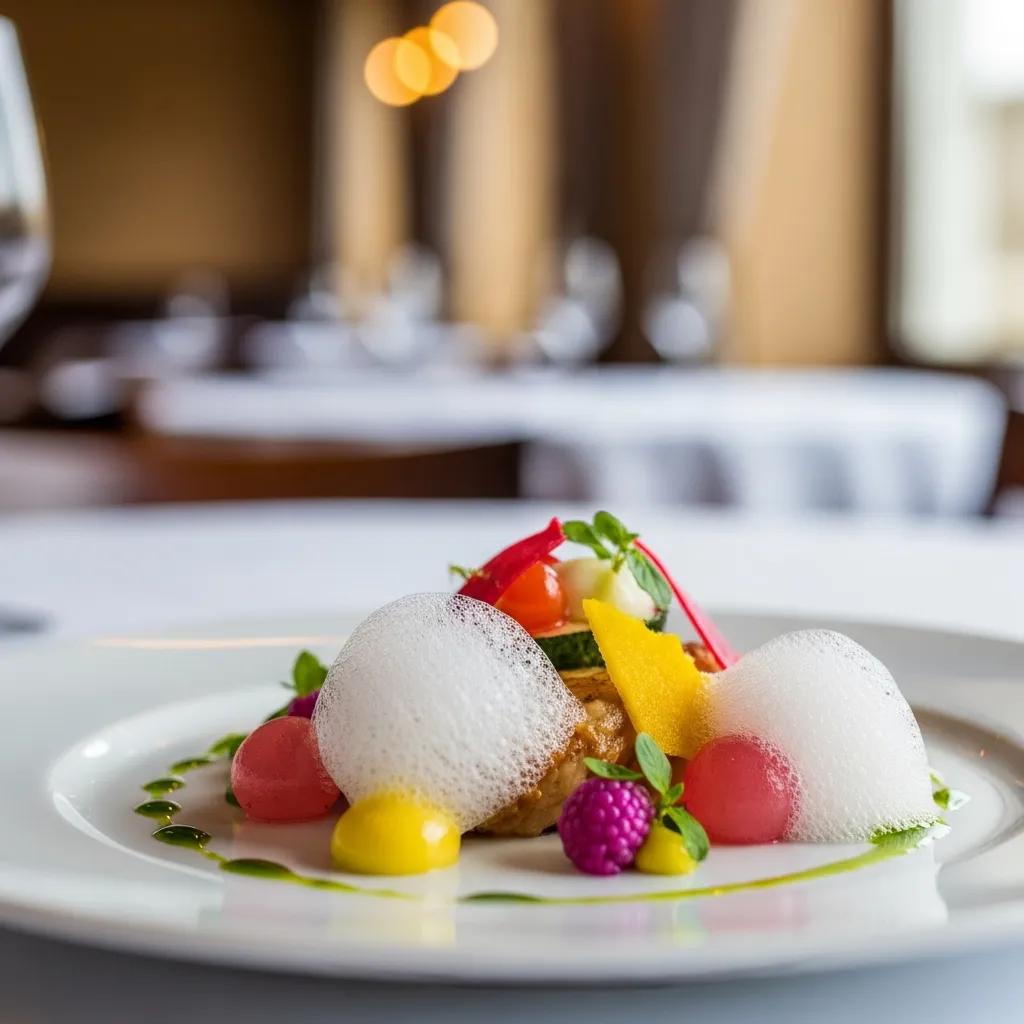
- Emulsification & Foams: Stabilizes air-liquid interfaces with lecithin or xanthan to concentrate aroma and lighten mouthfeel.
- Gelification (Agar/Gelatin): Uses hydrocolloids to set liquids into stable textures for sculpted plating and controlled mouthfeel.
- Deconstruction & Reassembly: Separates components to showcase contrasting textures and flavors, then recombines them to tell a culinary story.
How Does Spherification Create Edible Pearls?
Spherification relies on a controlled chemical reaction: sodium alginate in a liquid meets calcium ions and forms a thin gel membrane through ionic crosslinking. The result is a fragile sphere that encapsulates liquid and releases flavor when bitten. Reverse spherification — where calcium is in the flavored liquid and the alginate is in the bath — suits thicker preparations and longer hold times; direct spherification works best for clear, water-based liquids to be served promptly. Chefs use the technique to mimic caviar, concentrate sauces, or add a playful, textural surprise to a dish.
What Is Sous Vide and How Does It Perfect Cooking?
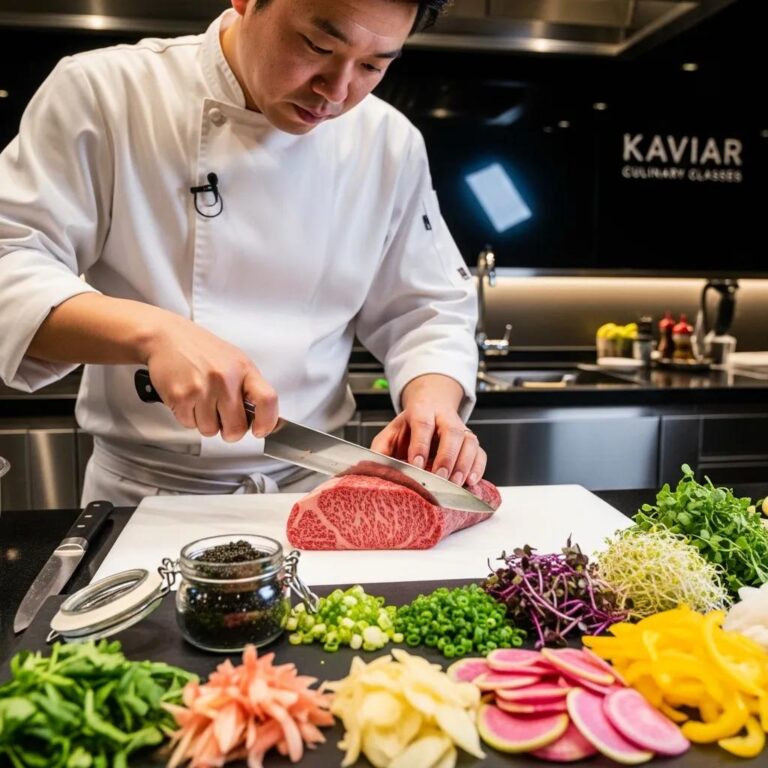
Sous vide is precise temperature cooking: food is vacuum-sealed and held in a temperature-controlled water bath so heat penetrates evenly without overcooking. Extended holds convert collagen to gelatin and denature muscle proteins predictably, producing tender, consistent texture while preserving moisture. For luxury proteins like A5 Wagyu, sous vide lets the kitchen control fat rendering and mouthfeel with surgical accuracy. Safe practice requires attention to time‑temperature guidelines to manage microbial risk while maximizing flavor and texture.
How Do Emulsification and Foams Enhance Texture and Flavor?
Emulsification stabilizes oil and water together using emulsifiers such as lecithin, while foams suspend air in a stabilized liquid matrix with aids like xanthan or a siphon. These techniques change mouthfeel and amplify aroma: foams act as immediate aroma carriers, releasing volatiles the moment they touch the air or palate, and light emulsions deliver concentrated flavor without weight. In fine dining, understated foams and delicate emulsions balance richness and freshness, particularly alongside tender proteins or intense umami elements.
What Role Does Deconstruction Play in Modern Plating?
Deconstruction takes a familiar dish apart to isolate textures and flavors, inviting diners to experience each component deliberately before combining them. By separating sauces, proteins, and garnishes and presenting them with distinct textures, chefs spotlight contrasts — crisp versus silky, acidic versus fatty — that deepen engagement. Deconstruction often pairs with modern techniques such as gelification or spherification to introduce unexpected textural interplay while preserving the dish’s core flavors. The result reframes tradition through a controlled, narrative-minded approach.
How Does Food Chemistry Explain the Science of Cooking?
Food chemistry describes the molecular interactions that produce taste, aroma, and texture during cooking and underpins the controlled techniques used in contemporary gastronomy. Key reactions — the Maillard browning that creates savory aroma, protein denaturation that changes texture, starch gelatinization that thickens sauces — are predictable events chefs exploit to build consistent flavor. Knowing how hydrocolloids, salts, and acids alter structure lets cooks manage moisture, set textures, and stabilize emulsions. Mapping these relationships helps chefs convert predictability into reliably repeatable dining experiences.
What Chemical and Physical Changes Occur in Molecular Gastronomy?
Prominent changes include protein denaturation and coagulation, Maillard browning, carbohydrate gelatinization, and phase stabilization with emulsifiers or hydrocolloids. Heat unfolds polypeptide chains and firms texture; Maillard reactions between amino acids and sugars generate browned color and complex aromas; starch gelatinization thickens and stabilizes textures; hydrocolloids form gels or increase viscosity to alter mouthfeel. Chefs sequence these changes to build flavor while preserving desired textures across a tasting.
How Are Hydrocolloids and Ingredients Like Agar-Agar Used?
Hydrocolloids — agar-agar, gelatin, xanthan gum, carrageenan — are polysaccharides or proteins used to thicken, gel, or stabilize liquids at predictable temperatures and doses. Agar-agar sets firm gels that hold at room temperature and tolerate heat, making it ideal for plateable elements; gelatin yields softer, melt-in-the-mouth textures; xanthan gum raises viscosity and stabilizes emulsions without setting. Chefs choose hydrocolloids by mouthfeel, melting point, and clarity, using precise measurements so textures hold through service yet dissolve pleasingly in the mouth.
How Is Molecular Gastronomy Applied in Fine Dining Experiences?
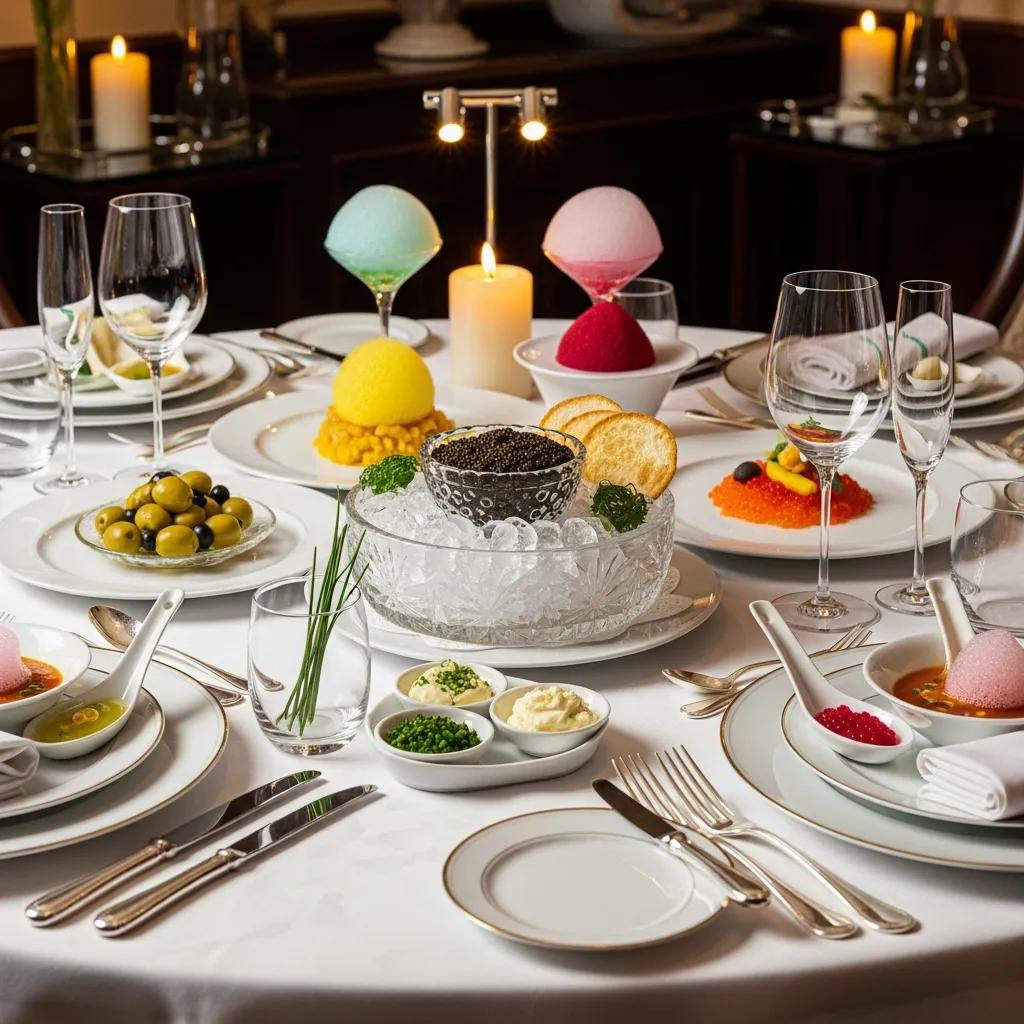
Chefs use molecular techniques as tools to sharpen flavor delivery, create textural contrast, and shape the arc of a tasting menu — all while honoring ingredient integrity. In fine dining, precision methods intensify the essence of premium ingredients: concentrating uni, coaxing Wagyu fat to a silk-like texture, or forming pearls that echo caviar. These approaches stage multi-step interactions where sight, smell, and mouthfeel are deliberately orchestrated to leave a lasting impression. Below we outline how these methods translate into a Japanese fine-dining context and offer concrete dish examples.
How Does Kaviar Restaurant Incorporate Molecular Gastronomy in Japanese Cuisine?
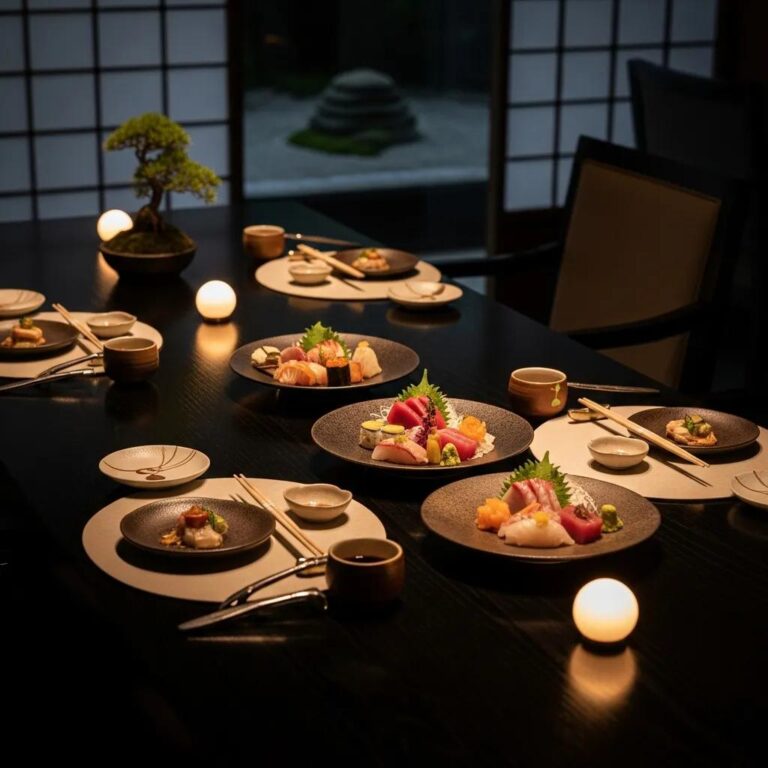
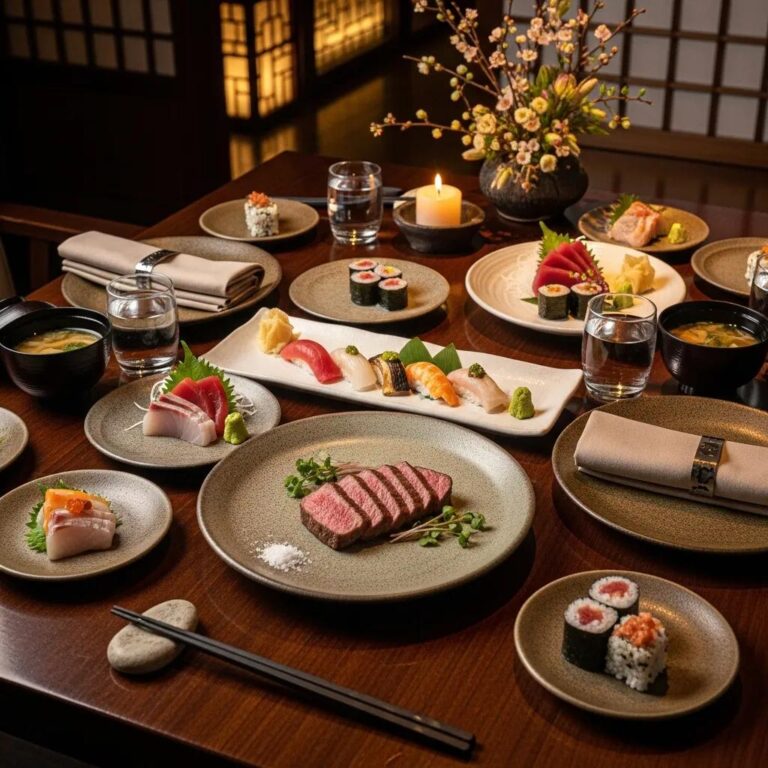
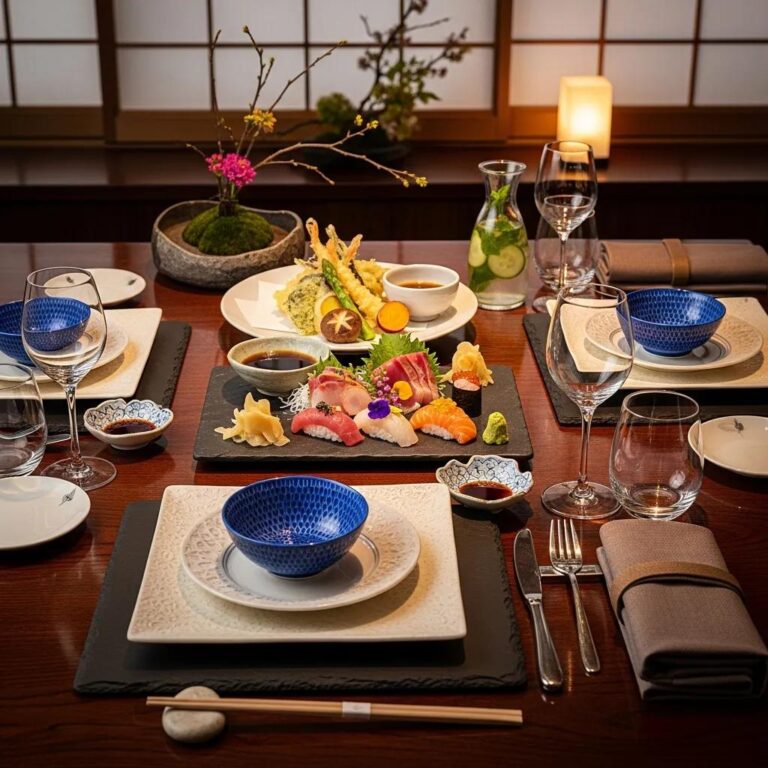
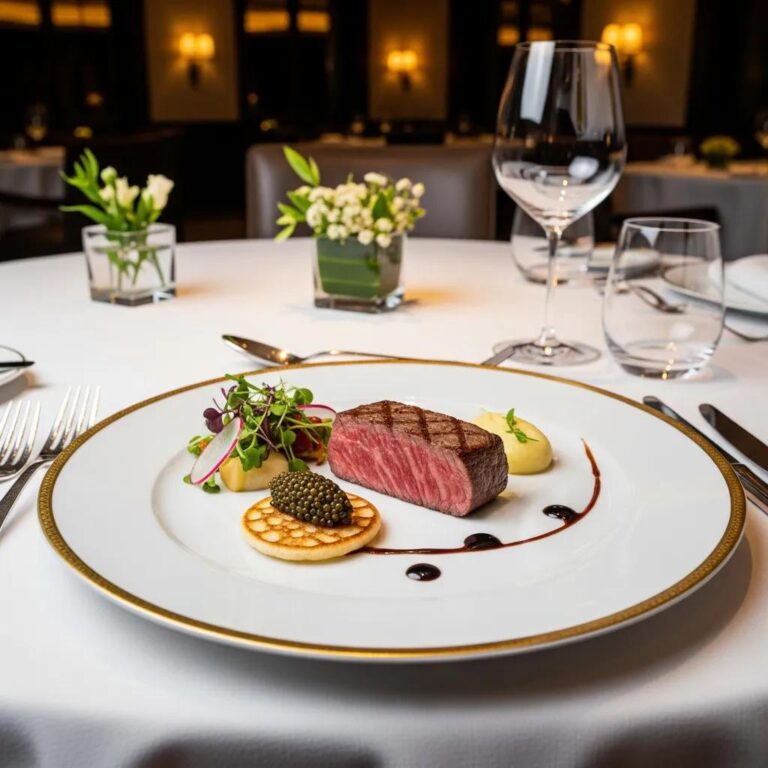
Kaviar Restaurant in Pasadena applies modern technique with a deep respect for Japanese tradition. Our site highlights a luxurious omakase and signature offerings — signature dishes built around premium ingredients such as Kaviar Exquisite Kaluga caviar, Toro Tartare with 24k gold, A5 Wagyu Tartare, and Uni Pasta with caviar and quail egg. In practice, chefs use sous vide to fine-tune Wagyu tenderness, spherification to make caviar-like bursts from concentrated broths, and gelification to plate delicate sauces that keep their shape under careful presentation. These technique-to-dish pairings preserve umami-forward character while introducing refined textures and precise release mechanisms that heighten each tasting moment and invite guests to reserve the full omakase.
What Signature Dishes Showcase Culinary Innovation at Kaviar?
Below is a focused, menu-oriented table linking named dishes to techniques and the guest experience, showing how science supports luxury ingredients and presentation.
How Does Molecular Gastronomy Enhance the Sensory Dining Experience?
Molecular techniques shape when aromas are released, how textures evolve in the mouth, and how visual cues set expectations. Foams concentrate volatile aromatics for an immediate nose; spherified elements delay flavor until they rupture. Deconstructed plating and precise compositions guide guests through contrasts that crescendo into umami or brightness. These deliberate choices sharpen memory of the meal, making high-end dishes both emotionally resonant and technically impressive — especially when paired with ingredients like A5 Wagyu and Kaluga caviar.
Why Is Molecular Gastronomy Important for Culinary Innovation and Food Science?
Molecular gastronomy matters because it links empirical research with kitchen practice, enabling chefs to innovate thoughtfully and use ingredients more efficiently. By systematizing transformations, the field speeds technique adoption, improves reproducibility, and supports concentration or substitution strategies that reduce waste. It also informs culinary education and industry standards, fostering collaboration among chefs, chemists, and sensory specialists. As restaurants embrace scientific rigor, diners enjoy more consistent, expressive, and carefully considered cuisine grounded in measurable outcomes.
- Technique transfer: Scientific frameworks let kitchens reproduce successful methods and raise overall quality.
- Ingredient efficiency: Encapsulation and concentration can intensify flavor while using less raw material.
- Educational value: Research-based methods promote safer, more predictable culinary innovation in professional kitchens.
How Has Molecular Gastronomy Influenced Modernist and Experiential Dining?
Molecular gastronomy introduced tools and a vocabulary that let chefs design immersive tasting menus with clear narrative arcs, sensory contrasts, and technical precision. It expanded dining from pure tradition into multisensory staging, where aroma, texture, and visual surprise carry as much weight as taste. Renowned practitioners showed that science-informed cooking can remain approachable and culturally rooted, encouraging wider acceptance among fine-dining audiences. The result: higher expectations for creativity and story-driven meals.
What Are the Future Directions of Molecular Gastronomy in Gastronomy?
Looking ahead, emphasis will shift toward sustainability, accessibility, and hybrid approaches that blend craft and scientific control. Expect broader use of precision extraction to maximize flavor from sustainable sources, more low-energy preservation methods, and digital tools for monitoring temperature and texture. As immersion circulators and hydrocolloid kits become more accessible, home and professional kitchens alike will experiment more. Continued research will refine safe, scalable practices, making molecular methods a standard part of culinary training rather than an isolated niche.
How Can Diners Experience Molecular Gastronomy at Kaviar?
To experience molecular gastronomy as a diner, choose tasting menus or omakase that highlight technique-driven expression, share dietary needs in advance, and come ready for a paced, sequential tasting with chef interaction. Tasting sequences generally move from lighter, brighter bites to richer, more texturally complex courses, with moments that spotlight a technique — a spherified burst or an aromatic foam. Knowing the flow helps guests savor textures deliberately and appreciate the craft behind each course, especially when premium ingredients are featured.
How Do You Reserve a Table for a Molecular Gastronomy Experience?
To book a tasting or omakase at Kaviar, use the restaurant’s reservation channels — phone, Resy, or OpenTable — and note any dietary restrictions or seating preferences. Follow these simple steps to secure your experience:
- Check availability: Look for tasting-menu or omakase slots on your preferred booking platform and compare dates.
- Communicate needs: Tell us about allergies, dietary restrictions, or special occasions so the kitchen can plan accordingly.
- Confirm arrival details: Note recommended arrival time and any pre-arrival instructions provided by the restaurant.
What Should Guests Expect from a Molecular Gastronomy Omakase?
An omakase rooted in molecular technique is a carefully paced tasting led by the chef, with small courses that showcase method and ingredient interplay. Expect intimate pacing, brief context from the chef or server about key elements, subtle theatrical moments — aromatic plates or textural surprises — and an emphasis on mindful tasting rather than hurried consumption. Guests will encounter varied textures and temperature contrasts and are encouraged to pause between bites to notice aroma, mouthfeel, and aftertaste. This guided format deepens appreciation for the technique-driven choices that make each course distinct.
- Tasting progression: Courses move from clean, bright starters to richer, more complex offerings.
- Chef interaction: Receive short explanations about techniques or ingredients that inform the tasting.
- Sensory focus: Guests are invited to observe texture transitions, aroma release, and flavor sequencing.
Frequently Asked Questions
What are the health and safety considerations when dining at a molecular gastronomy restaurant?
Food safety is fundamental. Professional kitchens follow strict time‑temperature rules for techniques like sous vide to limit bacterial risk. If you have allergies or dietary restrictions, tell us when you book so the team can plan safely. Knowing the methods used — spherification, emulsification, etc. — can also reassure diners about ingredient handling and preparation.
Can molecular gastronomy techniques be replicated at home?
Many techniques are accessible at home with proper tools and care. Spherification uses sodium alginate and calcium salts available from specialty suppliers, and sous vide cooking is possible with affordable immersion circulators. Follow tested recipes and safety guidelines; understand the principles so you achieve predictable, safe results.
How does molecular gastronomy influence food presentation?
Molecular techniques expand presentation possibilities, letting chefs present familiar flavors in surprising forms — sauces set as gels, foams that lift aroma, or pearls that burst. This visual and textural inventiveness elevates appeal and invites diners to explore flavors in new, memorable ways.
What are some common misconceptions about molecular gastronomy?
A common myth is that molecular gastronomy is all gimmick and strange ingredients. In truth, it’s grounded in science that enhances flavor, texture, and presentation while respecting culinary tradition. Another misconception is that it’s only for professionals; many techniques can be simplified for home cooks, making the science of cooking approachable and rewarding.
How does molecular gastronomy contribute to sustainability in dining?
Molecular approaches can improve sustainability by concentrating flavor and reducing waste. Encapsulation and concentration let chefs extract more impact from smaller quantities of ingredients, and precision cooking can elevate less expensive cuts. Creativity and efficiency together help build a more sustainable fine-dining practice.
What role does sensory science play in molecular gastronomy?
Sensory science guides how dishes engage sight, smell, taste, and touch. Chefs use this knowledge to design plates that release aroma at specific moments or change texture in the mouth, enhancing perceived flavor and emotional response. Thoughtful sensory design makes meals more memorable and enjoyable.
How can diners best prepare for a molecular gastronomy dining experience?
Prepare by reviewing the menu and understanding the techniques involved. Be open to new textures and flavor pairings, and communicate any dietary needs when reserving. Curiosity and a willingness to engage with the chef or staff will make the experience richer and more informative.
Conclusion
Molecular gastronomy blends scientific method with culinary artistry to refine flavor, texture, and presentation. Recognizing techniques like spherification and sous vide deepens appreciation for the craft behind each course. We invite you to explore these innovations at Kaviar Restaurant, where tradition and modern technique meet. Reserve your table and discover a thoughtful, memorable culinary journey.