




Icons of Michelin Cuisine: Chefs, Restaurants, and the Art of Fine Dining
The Michelin star is shorthand for a certain kind of dining: meticulous sourcing, exacting technique, and service that makes a meal feel deliberate and memorable. This feature breaks down what “Michelin-level” really means, profiles the chefs who shaped modern fine dining, and shows how their philosophies appear in tasting menus, omakase, and ingredient-forward plates. You’ll learn which Japanese masters defined contemporary omakase, how signature restaurants express a chef’s vision, and why ingredients like A5 Wagyu and caviar signal luxury. We also look at how Michelin criteria steer global dining trends and point readers to Kaviar Restaurant in Pasadena — a local example of omakase, Miyazaki A5 Wagyu, and curated caviar service that channels those same principles. Expect quick-reference lists, EAV-style comparisons, and clear reservation tips for planning an elevated meal.
Who Are the Most Famous Michelin Star Chefs and What Defines Their Legacy?
Michelin-starred chefs leave a mark by combining creativity, technical rigor, and influence: they craft signature dishes, refine sourcing, and train teams that spread their approach. Their work creates recognizable movements in hospitality—tasting-menu structures, pacing rituals, and ingredient priorities that diners learn to expect. Knowing a chef’s legacy helps you predict the feel of a meal, whether at a flagship restaurant abroad or a local spot inspired by the same standards.
These names cross styles and continents. Below is a compact reference to three emblematic figures and the legacy each is best known for.
- Jiro Ono: The sushi master who codified obsessive sourcing, rice technique, and the omakase ideal.
- Massimo Bottura: An Italian visionary who reimagines regional classics through playful, conceptual cuisine.
- Ferran Adrià: A pioneer of experimental technique whose work expanded texture and presentation in fine dining.
Across styles they share core traits Michelin values: relentless consistency, a distinct culinary voice, and deep supplier relationships. Recognizing those traits helps you read the sensory and service cues that signal Michelin-level dining.
What Are the Key Achievements of Iconic Michelin Star Chefs?
Top chefs build reputations through awards, landmark restaurants, and technical innovations that shift industry standards. Typical milestones include multiple-starred venues, signature dishes that enter culinary vocabulary, and leadership in movements—whether a kaiseki revival or a new Mediterranean approach. These institutions often double as training grounds and test kitchens, amplifying a chef’s influence beyond a single menu. Tracing these achievements shows how techniques and presentation styles become accepted practice in fine dining.
Those milestones shape how chefs run their kitchens: a proponent of slow preservation will design restrained, slow-paced menus; an innovator will layer surprising textures and concepts. Behind every celebrated menu are investments in sourcing, staff training, and iterative testing so every service reads like the chef’s standard.
How Do Michelin Star Awards Reflect Culinary Excellence?
Michelin awards map to five consistent criteria—ingredient quality, mastery of flavor and technique, the chef’s personality in the food, value for money, and consistency. Inspectors visit anonymously and repeatedly, evaluating sourcing, execution, and whether the menu communicates a coherent point of view. For diners, the star is a signal that kitchen craft and front-of-house service meet elevated expectations. For restaurants, it reshapes hiring, supplier partnerships, and service discipline to sustain that level over time.
That framework explains why many kitchens emphasize seasonal, provenance-driven plates and relentless repetition: those practices align directly with Michelin’s scoring and create the systems that produce repeatable excellence.
Which Japanese Michelin Star Chefs Have Shaped Fine Dining and Omakase Experiences?
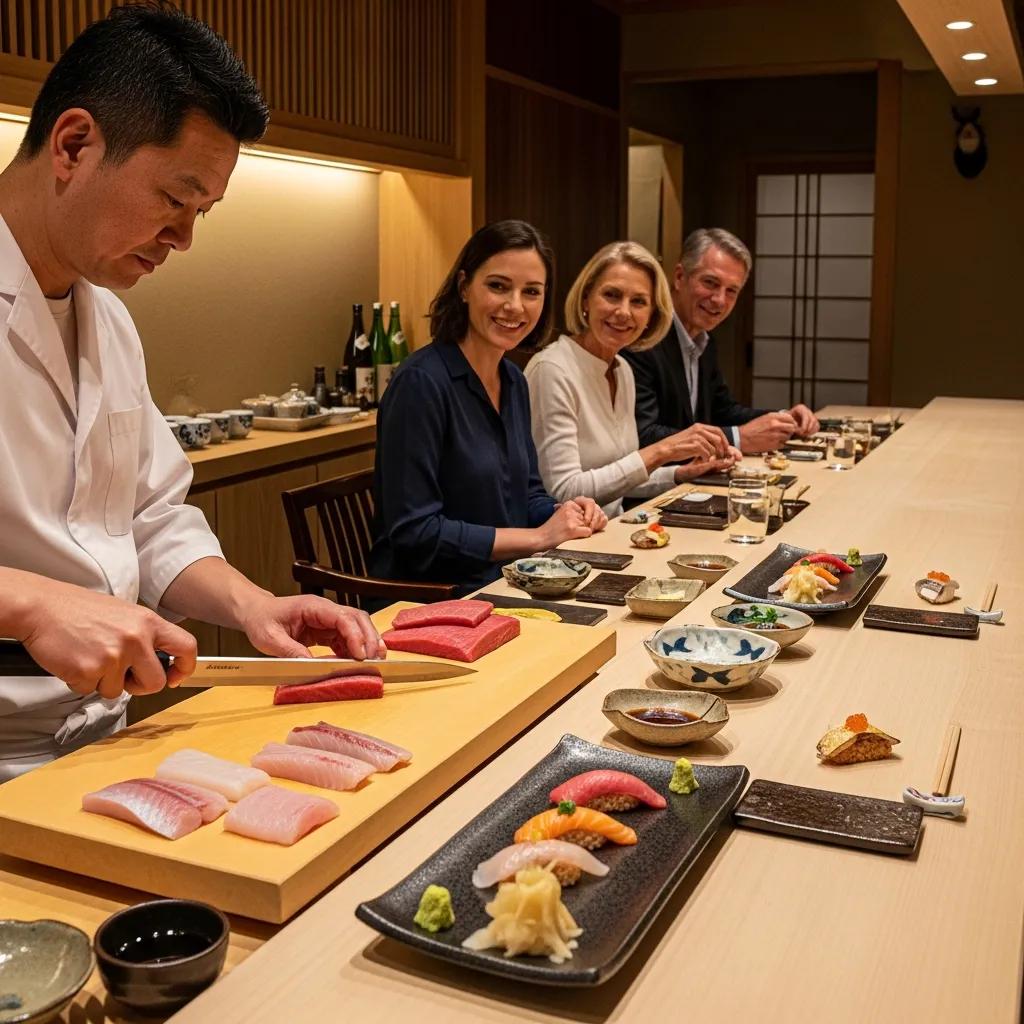
Japanese Michelin-star chefs refined omakase and kaiseki by centering provenance, discipline, and the chef–guest relationship. Their approach celebrates minimalism, seasonality, and ritualized pacing so each course contributes to a cumulative story. They perfected rice finishing, knife work, and temperature control, and they taught the value of restraint—letting ingredients speak clearly. Those lessons inform tasting rooms and omakase counters worldwide.
By showing how refinement produces intensity, Japanese masters reshaped global expectations for tasting formats and influenced many contemporary dining rooms.
What Makes Jiro Ono a Legendary Sushi Master?
Jiro Ono’s reputation comes from treating every element—rice, fish, seasoning, timing—as a craft to be perfected. His obsessive sourcing, exact rice seasoning, and decades of hands-on practice produce precise bites where small adjustments deliver clear flavor differences. For diners, that means a tightly controlled omakase where temperature and seasoning are calibrated to reveal the chef’s standards. Jiro’s emphasis on apprenticeship and repetition also set a model for training chefs who can reproduce that exacting level of service.
Understanding his methods clarifies why many omakase chefs prioritize lineage, rigorous training, and supplier intimacy as paths to Michelin-level sushi.
Jiro Dreams of Sushi
A documentary that captures Jiro Ono’s dedication and craft
“Jiro Dreams of Sushi” offers an intimate look at the focus and discipline behind Jiro Ono’s work, and why those qualities are central to Michelin-caliber mastery.
How Do Yoshihiro Murata and Masa Takayama Innovate Japanese Cuisine?
Yoshihiro Murata and Masa Takayama illustrate two complementary trajectories in modern Japanese dining. Murata preserves and renews kaiseki—balancing seasonality, ceremonial plating, and cultural stewardship while introducing contemporary touches. Takayama translates omakase precision into international dining contexts, adapting technique to local ingredients and audiences without sacrificing rigor. Both expand what Japanese fine dining can be, showing traditional principles can evolve in presentation, pacing, and sourcing while remaining authentic.
Knowing their differences helps diners choose the experience they want—ritualized kaiseki, pure sushi precision, or a hybrid, globally minded omakase.
What Are the Signature Restaurants of Michelin Star Chefs and Their Unique Culinary Philosophies?
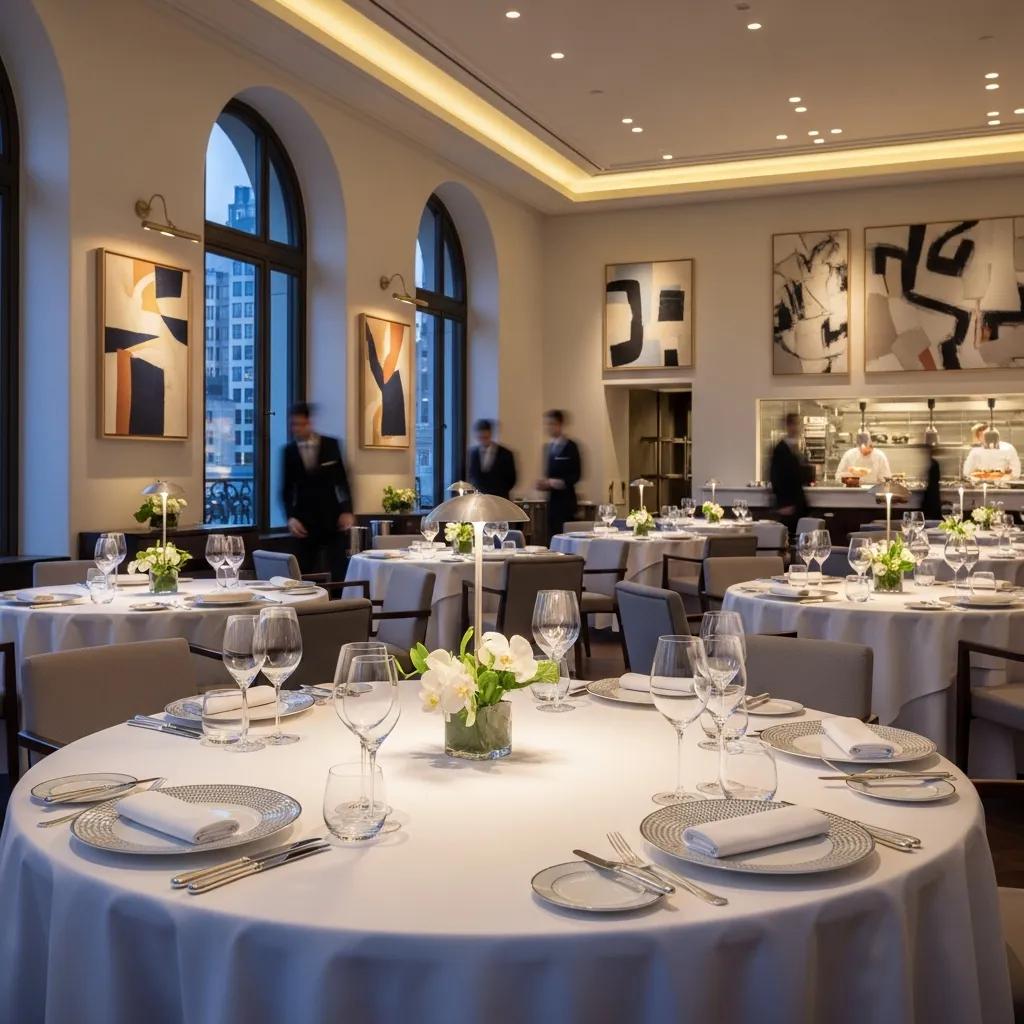
A signature restaurant translates a chef’s philosophy into every detail: menu architecture, service choreography, ambiance, and ingredient curation all work together to tell a unified story. These houses choose pacing, sourcing, and presentation deliberately so each course contributes to a coherent point of view. Comparing them reveals valid but different paths to excellence—some prioritize craft and repetition, others favor conceptual storytelling or a sense of place.
Below is an EAV-style comparison of emblematic restaurants, their guiding philosophy, and a representative signature element that defines each house.
Signature restaurants express unique culinary philosophies through menu design, service, and ingredient focus.
How Do Restaurants Like Sukiyabashi Jiro and Osteria Francescana Define Fine Dining?
Sukiyabashi Jiro represents a disciplined model: repetition, restraint, and exact technique—rice seasoning and fish handling that create near-religious focus on consistency. The dining room supports that focus with minimal distractions and tightly controlled pacing. By contrast, Osteria Francescana treats fine dining as storytelling—reworking regional ingredients into conceptual dishes that provoke memory and emotion. Both reach Michelin recognition, but by different means: one through technical perfection, the other through intellectual and sensory surprise.
Knowing these distinctions helps you pick restaurants that match your taste—whether you value disciplined purity or inventive narrative—while seeing how each path satisfies Michelin criteria.
What Role Do Premium Ingredients Like A5 Wagyu and Caviar Play in These Restaurants?
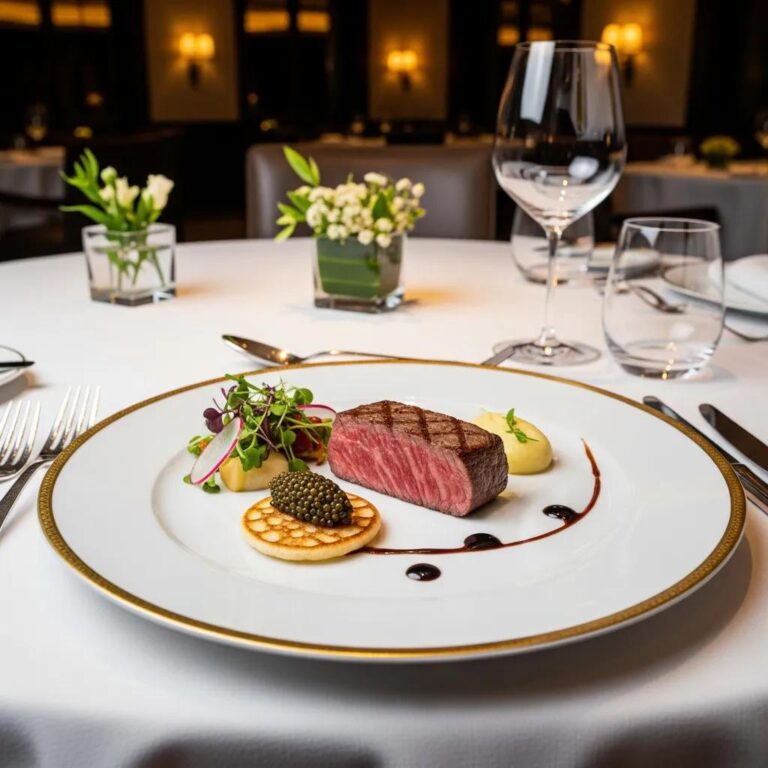
Ingredients like A5 Wagyu and caviar offer both sensory payoff and a statement of provenance. Wagyu delivers a buttery texture from its marbling; caviar adds saline complexity and a visual flourish. Chefs choose preparation methods—low-temperature searing for Wagyu, chilled presentations for caviar—that honor the ingredient instead of obscuring it. These components often anchor signature dishes and act as shorthand for a restaurant’s intent: when provenance and technique align, a single course can define an entire menu.
Locally, some restaurants mirror these priorities. Kaviar Restaurant in Pasadena, for example, features A5 Wagyu, focused caviar service, and omakase sequencing to offer a neighborhood expression of those Michelin-level attentions.
How Does the Michelin Star System Influence Global Fine Dining Trends and Chef Profiles?
Michelin’s framework nudges the industry toward greater investment in sourcing, staff training, and repeatable service protocols. Restaurants chasing recognition refine pacing, formalize recipes, and build direct supplier ties—priorities that spread as industry norms. Stars can reshape a chef’s career, prompting new openings, mentorship roles, or media platforms, while also raising pressure to maintain standards across services and locations. The net effect is higher expectations and faster adoption of trends aligned with Michelin criteria.
As a result, diners see more narrative-driven tasting menus, transparent sourcing, and chef-led formats like omakase—trends Michelin helps normalize.
Recent Michelin-amplified trends include experiential tasting, sustainability-forward sourcing, and cross-cultural reinterpretation of classic formats.
- Experiential Tasting: Multi-course menus that emphasize pacing and storytelling.
- Sustainable Sourcing: Stronger focus on provenance and reliable supplier relationships.
- Cross-Cultural Innovation: Technical and traditional fusion that broadens regional repertoires.
The Tasting Menu: A Culinary Journey
A look at how tasting menus shape modern fine dining
The tasting menu—explored in “The Tasting Menu”—has become a cornerstone of Michelin-level dining, giving chefs a structured way to present technique, seasonality, and narrative across multiple courses.
These shifts show how Michelin standards drive both creativity and the operational investments needed to sustain it.
What Criteria Determine Michelin Star Ratings for Restaurants and Chefs?
Inspectors judge restaurants on five practical criteria: ingredient quality, mastery of technique, the chef’s personality in the cooking, value for money, and consistency over time. They look at provenance and freshness, technique and balance of flavors, and whether dishes convey a coherent culinary voice. Consistency is verified through repeat visits or multiple inspectors, while value considers whether the experience fits the price. These measures explain why many ambitious kitchens invest in direct sourcing, extended training, and repeated menu testing.
Operational investments—supplier partnerships, staff systems, and testing—map directly to how Michelin evaluates excellence.
How Are Omakase and Luxury Dining Experiences Connected to Michelin Standards?
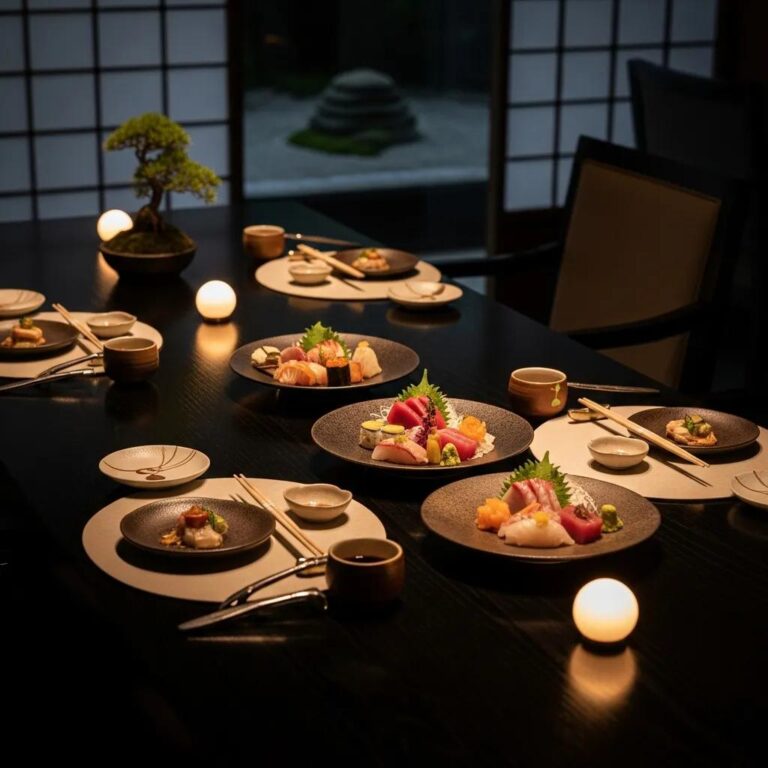
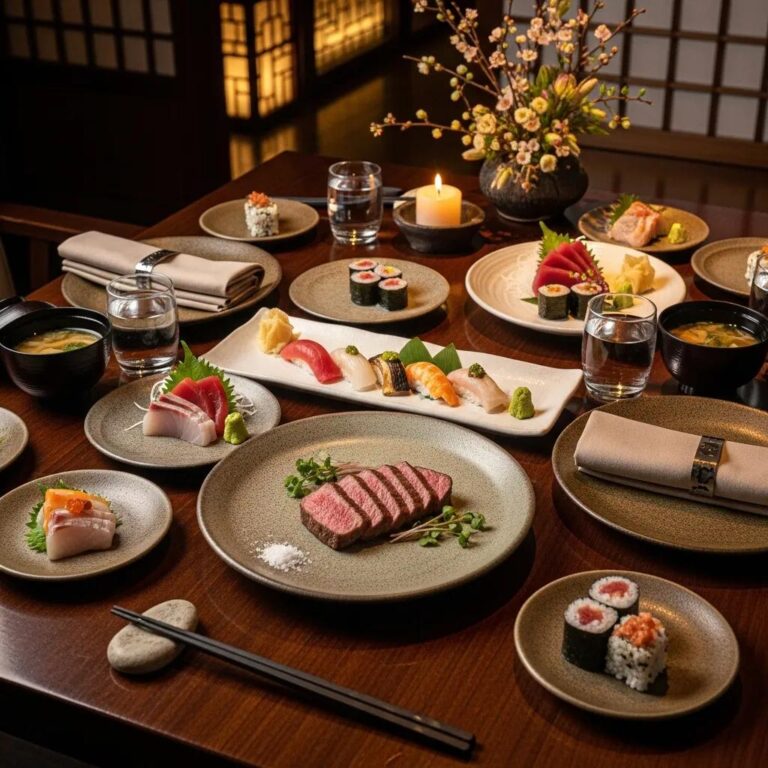
Omakase and Michelin priorities naturally overlap: both emphasize chef-led sequencing, provenance, and precise execution. In omakase, the chef curates courses around seasonality and availability, showing technical skill in live preparation and timing. The intimacy and pacing of omakase foreground the chef’s personality and control of the narrative—qualities Michelin inspectors assess. For diners seeking Michelin-caliber experiences, omakase is a direct way to engage the chef’s technique and sourcing in a focused, sequential format.
That alignment is why high-end sushi and omakase bars often adopt rigorous training, strict sourcing standards, and tightly managed service flows that mirror Michelin expectations.
How Can You Experience Michelin Star-Level Dining Locally: The Case of Kaviar Restaurant in Pasadena?
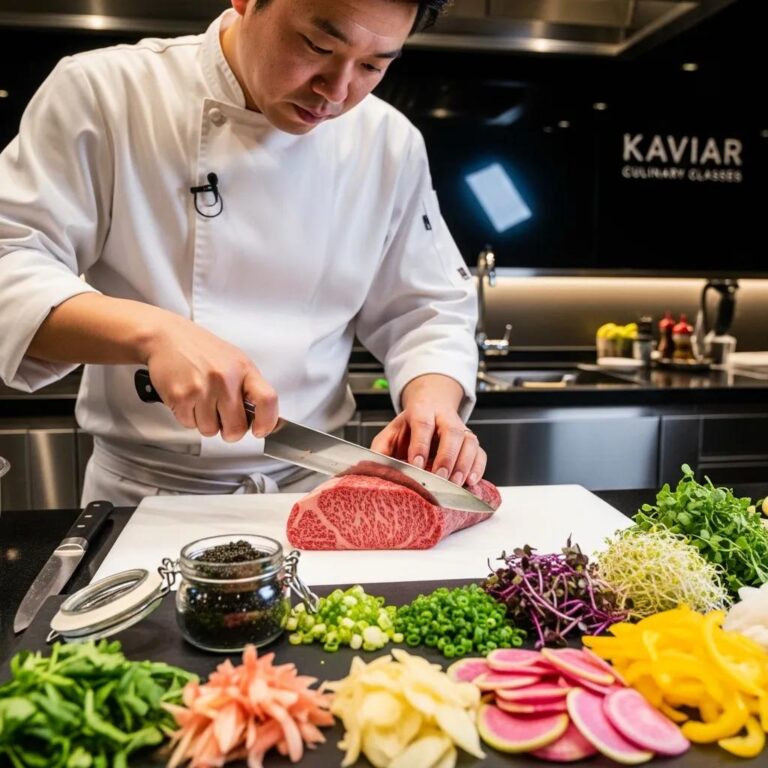
Kaviar Restaurant in Pasadena channels Michelin attributes into a local, approachable setting: chef-led omakase sequencing, Miyazaki A5 Wagyu, and curated caviar service delivered with careful pacing and attention to detail. The kitchen follows the same priorities as top tasting rooms—provenance, technical execution, and a clear chef narrative—while keeping the experience accessible to regional diners. The result is a condensed Michelin-like journey: curated courses, standout luxury ingredients, and attentive service that reflect fine-dining discipline at a neighborhood scale.
Below is an EAV-style table linking select Kaviar menu items to their primary ingredient and the culinary idea behind each dish, showing how Michelin-level practices become tangible plates.
This table maps Kaviar menu items to core ingredients and the Michelin-inspired values they express.
What Omakase and Luxury Wagyu Beef Dishes Does Kaviar Offer Inspired by Michelin Chefs?
Kaviar’s omakase and Wagyu dishes reflect Michelin influence by centering seasonal seafood and Miyazaki A5 Wagyu, preparing each item to emphasize texture and pure flavor rather than heavy sauces. Standouts include a Toro Tartare finished with caviar and 24k gold leaf—kept restrained so tuna and brine contrast cleanly—and Miyazaki A5 Wagyu that’s briefly seared or gently warmed to render marbling into a silky mouthfeel. The omakase sequences these rich moments alongside lighter courses to keep the palate clear and the chef’s narrative coherent.
These dishes show how premium ingredients and precise execution—two pillars of Michelin cuisine—translate into an elevated yet approachable local menu.
Practical reservation tips follow to help you book these experiences.
- Reserve Early: Omakase and Wagyu-focused seatings book fast—plan ahead for weekend or chef-led services.
- Use Multiple Channels: Kaviar accepts reservations via Resy, OpenTable, or by phone for flexibility.
- Specify Requests: When booking, note dietary needs, desired pacing, or requests for Wagyu or caviar-forward courses so the kitchen can prepare.
These steps improve your chances of getting the exact experience you want and let the kitchen accommodate requests without disrupting service flow.
How to Reserve a Fine Dining Experience at Kaviar Featuring Premium Ingredients?
Reserve at Kaviar by choosing your preferred platform—Resy, OpenTable, or phone—and indicating the experience you want, whether omakase or a Wagyu-centric seating. Book several weeks ahead for peak times, share any allergies or preferences when you reserve, and note if you’d like Miyazaki A5 Wagyu or a caviar-focused menu. On arrival you can expect a paced, chef-directed sequence where the team times service and plating to preserve texture and temperature. A simple call-to-action for guests: “Reserve via Resy or OpenTable, or call to request an omakase or Wagyu-focused seating.”
Following these steps helps ensure a tailored, Michelin-caliber rhythm and gives the restaurant time to source and prepare premium ingredients for your meal.
What Are Common Questions About Michelin Star Chefs and Their Restaurants?
Readers often search for quick answers about Michelin stars, chef reputations, and how to find comparable local experiences. Short, direct responses capture those intents and guide dining decisions. One answer below also points to how to reserve at Kaviar, aligning local interest with practical guidance.
Quick answers to frequent questions about Michelin stars and high-end dining.
- What is a Michelin Star?: An independent rating awarded to restaurants that meet strict criteria for ingredient quality, technique, chef personality, value, and consistency.
- Why do stars matter?: Stars signal reproducible excellence to diners and the industry, influencing reservations, sourcing, and chefs’ careers.
- How can I find Michelin-level dining locally?: Look for chef-driven tasting menus, clear provenance, and consistent service cues—sequenced pacing and direct chef involvement are strong indicators.
Who Holds the Most Michelin Stars Worldwide?
A small group of chefs and restaurateurs hold the highest Michelin totals, typically by operating multiple acclaimed venues and sustaining excellence over time. Because star counts change, context matters more than raw numbers: look at how those stars reflect consistent menus, trained teams, and reliable supplier relationships. For current tallies, consult Michelin’s official records or recent coverage for up-to-date figures.
That nuance helps you weigh reputation against the actual dining experience, rather than assuming star totals alone tell the full story.
How Do Chefs Earn and Maintain Michelin Stars?
Chefs win and keep Michelin stars by pairing top-tier ingredients with flawless technique, a clear culinary identity, and systems that ensure consistency across services and seasons. Earning stars requires repeated demonstration of high standards—supplier partnerships, deep staff training, and continuous menu refinement. Maintaining stars means ongoing attention: menu updates, service calibration, and internal accountability to prevent quality drift. The chef–kitchen–supplier relationship underpins a star-worthy operation, which is why many celebrated restaurants invest heavily in those areas.
This operational discipline explains why Michelin recognition usually reflects steady, behind-the-scenes work rather than one-off spectacle.
Frequently Asked Questions
What is the significance of the Michelin star system in the culinary world?
Michelin stars are a widely respected benchmark that indicate exceptional dining quality. Inspectors evaluate five core areas—ingredient quality, technique, the chef’s culinary voice, perceived value, and consistency—so a star signals both artistic and operational standards. The designation raises a restaurant’s profile and encourages ongoing innovation and discipline.
How do Michelin-starred chefs influence culinary trends?
Michelin-starred chefs set examples in sourcing, technique, and presentation that other kitchens often emulate. Their innovations—whether in sustainability, flavor combinations, or service formats—ripple across the industry as peers adopt best practices and new ideas. Many stars also mentor the next generation, spreading influence through training and new projects.
What are the common characteristics of Michelin-starred restaurants?
Common traits include a rigorous focus on ingredient quality, precise execution, and a coherent culinary philosophy that reveals the chef’s personality. These restaurants often serve seasonal menus, present thoughtful plating, and pair attentive service with a carefully designed dining environment that complements the cuisine.
How can diners prepare for a Michelin-star dining experience?
Prepare by researching the restaurant’s menu style and booking early—especially for omakase or tasting menus. Note dietary restrictions when you reserve, be open to the chef’s pacing and choices, and arrive ready to enjoy a sequenced experience where each course builds on the last.
What role does seasonal sourcing play in Michelin-level cuisine?
Seasonal sourcing ensures peak flavor and supports sustainability and traceability. Chefs who prioritize seasonality can craft menus that reflect the moment, and those choices align closely with Michelin’s emphasis on ingredient quality and provenance.
How does the dining experience differ between Michelin-starred restaurants and other fine dining establishments?
Michelin-starred venues often emphasize higher precision, originality, and service discipline. Tasting menus are typically more tightly choreographed to showcase a chef’s voice and technique, and front-of-house teams are trained to enhance the meal’s timing and presentation. The overall effect is a cohesive narrative where ambiance, food, and service form a considered whole.
Conclusion
Exploring Michelin-star chefs and their philosophies reveals how technique, provenance, and personal expression combine to define fine dining. That knowledge sharpens appreciation and helps you choose restaurants that embody those standards. If you’re ready to experience a focused, ingredient-forward menu, consider reserving at Kaviar Restaurant to try their curated omakase and premium offerings. Treat dining as an exploration—reserve, taste, and discover the craft behind each course.