



Craft Beer & Gourmet Pairings: A Connoisseur’s Guide to Perfect Matches in Fine Dining
At Kaviar, we approach craft beer pairing as a precision tool: malt, hops, yeast character, carbonation and body are used deliberately to lift premium ingredients, never to drown them out. This guide explains why beer pairing matters for Japanese fine dining, how beer components interact with umami-rich elements like A5 Wagyu and caviar, and the practical rules beverage directors and chefs use to shape multi-course pairing menus. You’ll find focused pairing rules, style-by-style recommendations for omakase and luxury plates, a flavor-profile crosswalk between beer elements and gourmet tastes, and a clear template for building tasting-menu flows. The piece is organized into five practical sections: pairing fundamentals for Japanese cuisine; top luxury food + beer combinations with quick-reference tables; flavor-profile crosswalks; step-by-step menu design for pairing services; and common mistakes with corrections. Concepts such as intensity matching, carbonation as a palate cleanser, and complementary versus contrasting strategies are used throughout so chefs and discerning diners leave with restaurant-ready guidance on craft beer pairings.
How Do You Pair Craft Beer with Japanese Fine Dining?
Pairing craft beer with Japanese fine dining rests on three practical mechanics: match intensity so delicate textures remain intact; use carbonation and temperature to refresh the palate between bites; and choose complementary or contrasting flavors to accentuate umami and brine. Intensity matching prevents a beer’s body or bitterness from masking sashimi, while carbonation and acidity brighten the mouth after fatty courses like A5 Wagyu. Complementary pairings echo a dish’s flavors — malty sweetness with a caramelized glaze, for example — while contrasts, such as an acidic saison against a fatty cut, add lift and balance. Mastering these mechanics gives chefs and beverage teams reliable rules for sequencing beers through an omakase and for sizing pours to avoid diner fatigue.
Here’s a concise reference: favor moderate-temperature, low-IBU beers for delicate seafood; rely on carbonation and acid to cut fat; and sequence pours from light to bold to protect palate sensitivity. These three rules are short, service-ready guidelines that servers and beer directors can use every night.
- Match intensity — pick a beer with equal or lower body than the dish so flavors stay balanced and textures remain clear.
- Use temperature and carbonation — chilled, effervescent beers act as palate cleansers after rich or fatty bites.
- Choose complement or contrast deliberately — mirror shared flavor compounds for harmony, or use acid/bitterness for refreshing contrast.
These rules give immediate operational direction for front-of-house teams and set the stage for the specific recommendations below.
What Are the Best Omakase Craft Beer Recommendations?
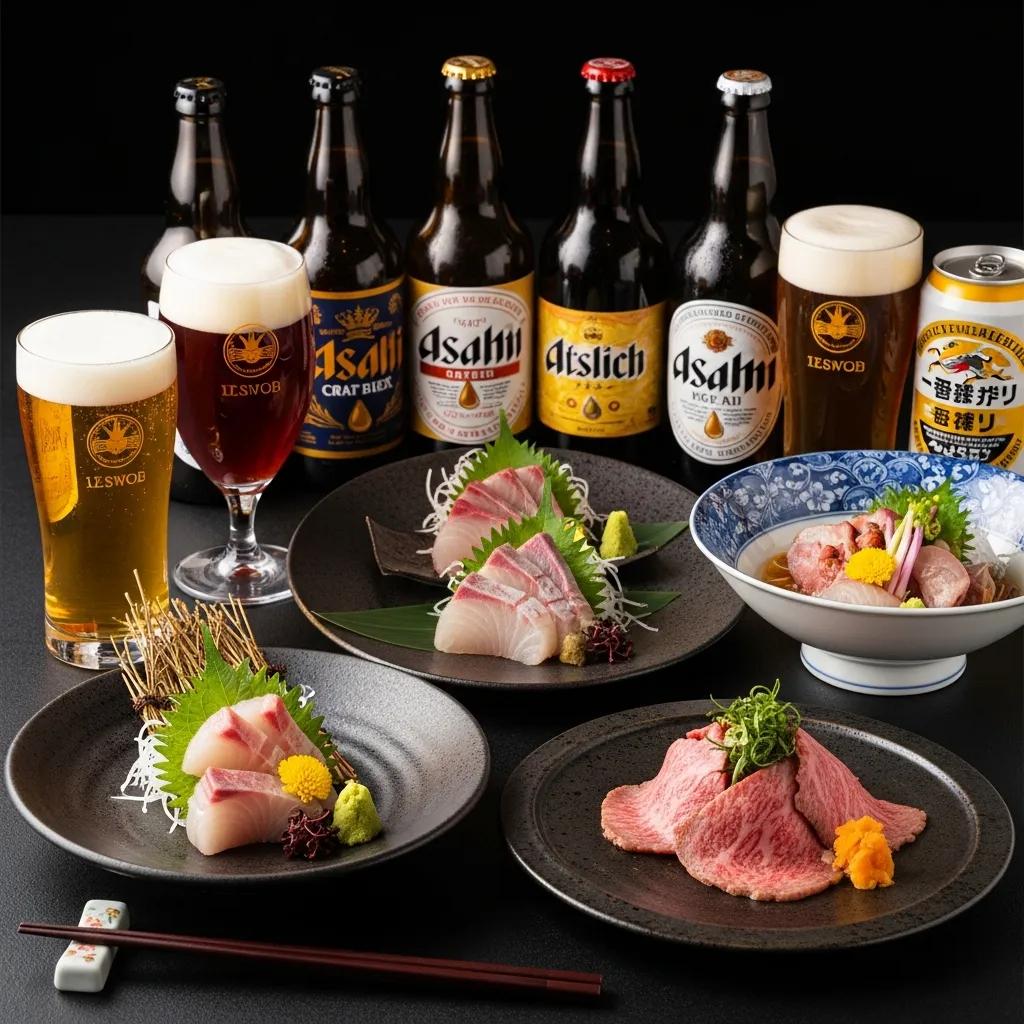
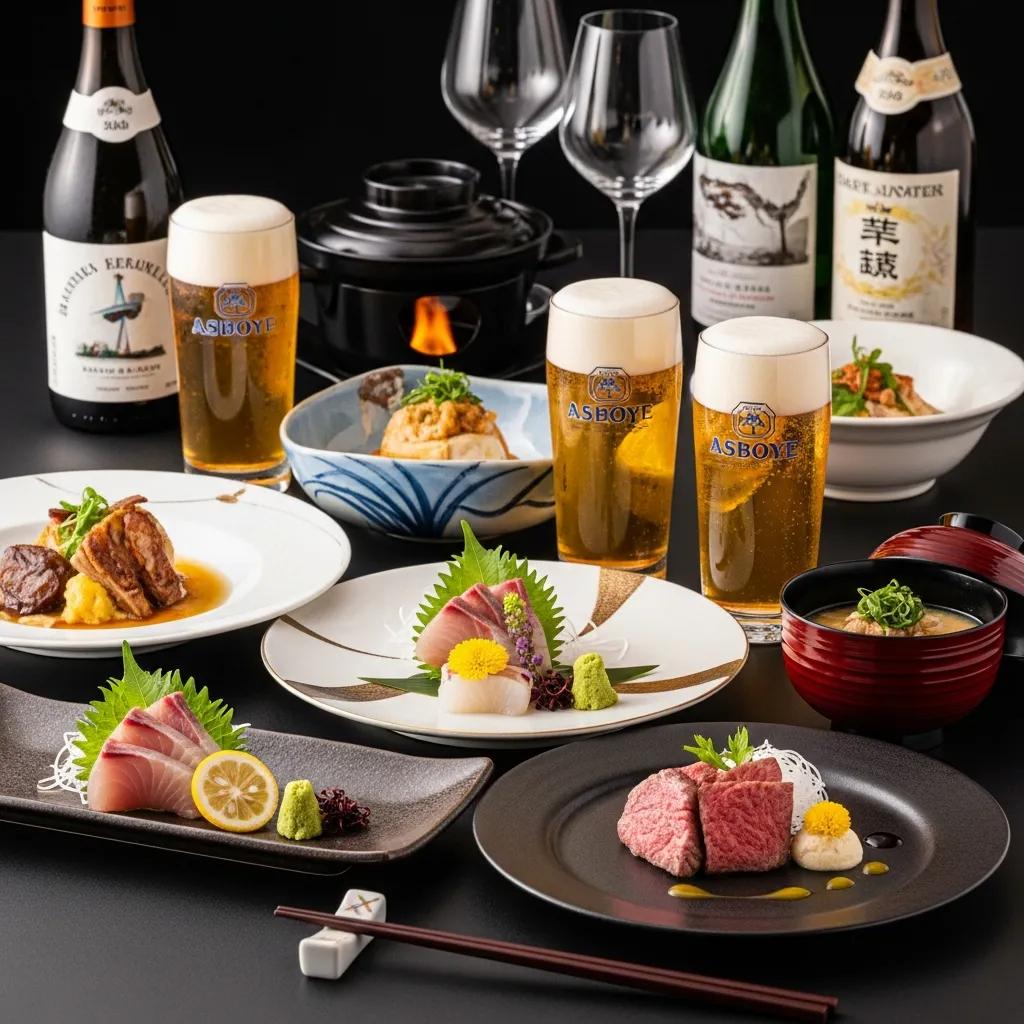
Omakase moves from light to rich, and beer should follow that arc to protect fragile flavors and then support heft. Begin with very light, highly carbonated lagers or pilsners for raw sashimi — their lift and subtle malt won’t obscure saline notes or texture. For pickled or vinegared bites, introduce saisons or kettle-soured pales where mild acidity and fruity esters complement the acidity. Reserve restrained amber ales or barrel-aged selections for cooked, intensely umami bites that demand a more assertive companion. Sequencing beers this way preserves palate clarity and builds a narrative that mirrors omakase pacing.
How Does Craft Beer Complement A5 Wagyu Beef?
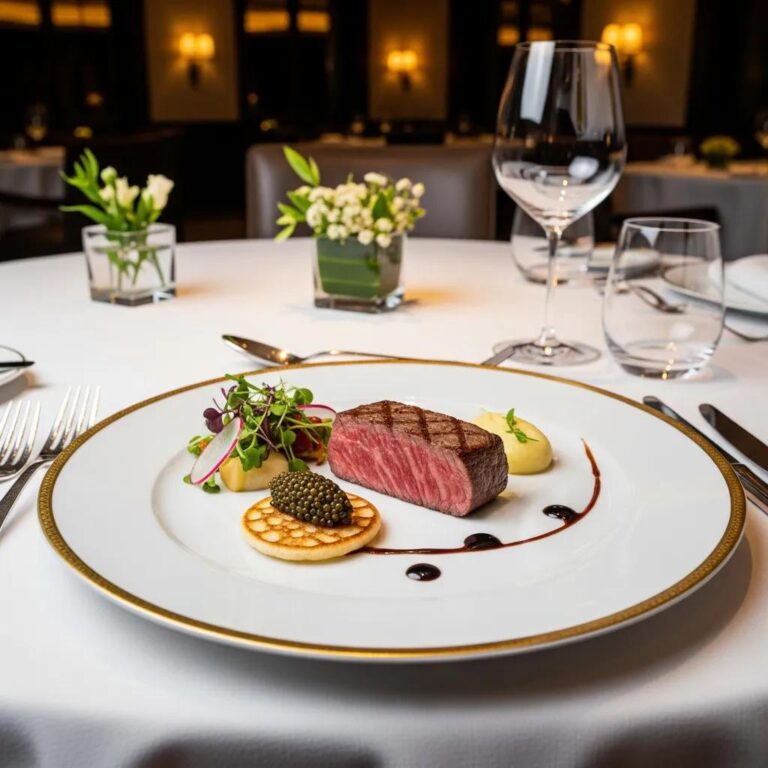
A5 Wagyu’s hallmark is abundant, silk-like fat, so pairings should cut richness while honoring beefy umami. Carbonation and measured bitterness function as mechanical cleansers; malt-forward ambers or dry saisons can echo caramelized crust without clashing with the meat. Oxidative, aged strong ales or sherry-like barleywines may serve as a flavor echo in small, controlled pours, but timing and portion size are vital so alcohol and residual sweetness don’t overpower nuance. A modest tasting pour presented right after the beef frames Wagyu’s richness as a centerpiece within the tasting sequence.
Many fine kitchens translate these strategies into short tasting notes and suggested pour sizes per course, which helps servers present pairings with authority and clarity.
The core principles that support successful pairings — contrast, similarity and synergy — are well-established in sensory science.
Flavor Pairing Principles: Similarity, Contrast, and Synergy in Food and Drink
This review explores how sequencing and pairing taste sensations shape a meal. It examines chemical, psychological and computational approaches to combining flavours, and evaluates three broad pairing strategies: similarity (matching foods and drinks with shared flavour compounds), contrast (pairings that deliberately differ to create balance), and synergy (combinations that produce new, harmonious sensations). The authors conclude that psychological and cultural context, alongside chemical insights, offer useful guidance for effective flavour combinations.
Pairing flavours and the temporal order of tasting, C Spence, 2017
What Are the Top Craft Beer and Luxury Gourmet Food Combinations?
Successful luxury pairings align a beer’s dominant elements with a dish’s primary drivers: salt, fat, umami, texture and aromatic lift. A strong match either echoes a key flavor — malt sweetness with a seared scallop glaze — or introduces contrast by adding acidity or bitterness to refresh the palate. Below is a concise mapping to help chefs and diners choose quickly.
This quick-reference table is designed for service teams and chefs to adapt pairings on the fly. Use it as a checklist during tastings to verify how texture, salt and aromatics interact.
To see these ideas in practice, many Pasadena fine-dining venues that specialize in omakase and premium ingredients apply the same logic when recommending beers across multi-course menus. Kaviar, for example, positions craft beer as a considered complement to omakase and A5 Wagyu by selecting polished, low-IBU lagers and saisons for seafood courses and richer, malt-forward choices for beef. These curated pairings support Kaviar’s aim to showcase upscale Japanese fine dining and to encourage reservations through a distinct beer-pairing experience that highlights signature dishes and premium ingredients.
How to Pair Craft Beer with Caviar for an Elegant Experience?
Caviar demands restraint: avoid heavy roast or aggressive hop bitterness that will mask nuance. Opt for high-carbonation, low-residue beers that let brine and texture sing. Crisp pilsners and delicate lagers work well — their clean malt and effervescence preserve the roe’s saline pop. Wheat beers or light saisons can be elegant alternatives when a soft fruity ester is wanted for gentle contrast. Serve caviar in small tastings with measured pours so the beer frames the bite instead of taking center stage.
Which Craft Beers Enhance Fine Dining in Luxury Restaurants like Pasadena?
In a luxury dining room, beer choices should match service rituals — tasting pours, careful glass selection and strict temperature control — to signal refinement. Polished, versatile styles such as pilsner, saison, pale ale and restrained amber ales cover most courses while allowing seasonal releases to add novelty. Presentation matters: small stemmed tasting glasses and precise serving temps elevate perception, and beer directors should prepare concise tasting notes that mirror wine language to meet guest expectations. This service model eases the transition from traditional sake or wine to craft beer as a deliberate pairing option for discerning diners.
Building a practical framework for food and beverage pairing depends on understanding both strategy and sensory science.
Developing a General Model for Food and Beverage Pairing Strategies
Research into pairing strategies shows that finding consistent rules is challenging. This study aims to identify what creates a successful match between food and drink and to build a general, transferable model. It draws on expert knowledge and sensory science to outline principles that help predict good matches for wine and beer alongside food.
From expert knowledge and sensory science to a general model of food and beverage pairing with wine and beer, A Giboreau, 2019
What Are the Flavor Profiles to Consider When Pairing Craft Beer with Gourmet Foods?
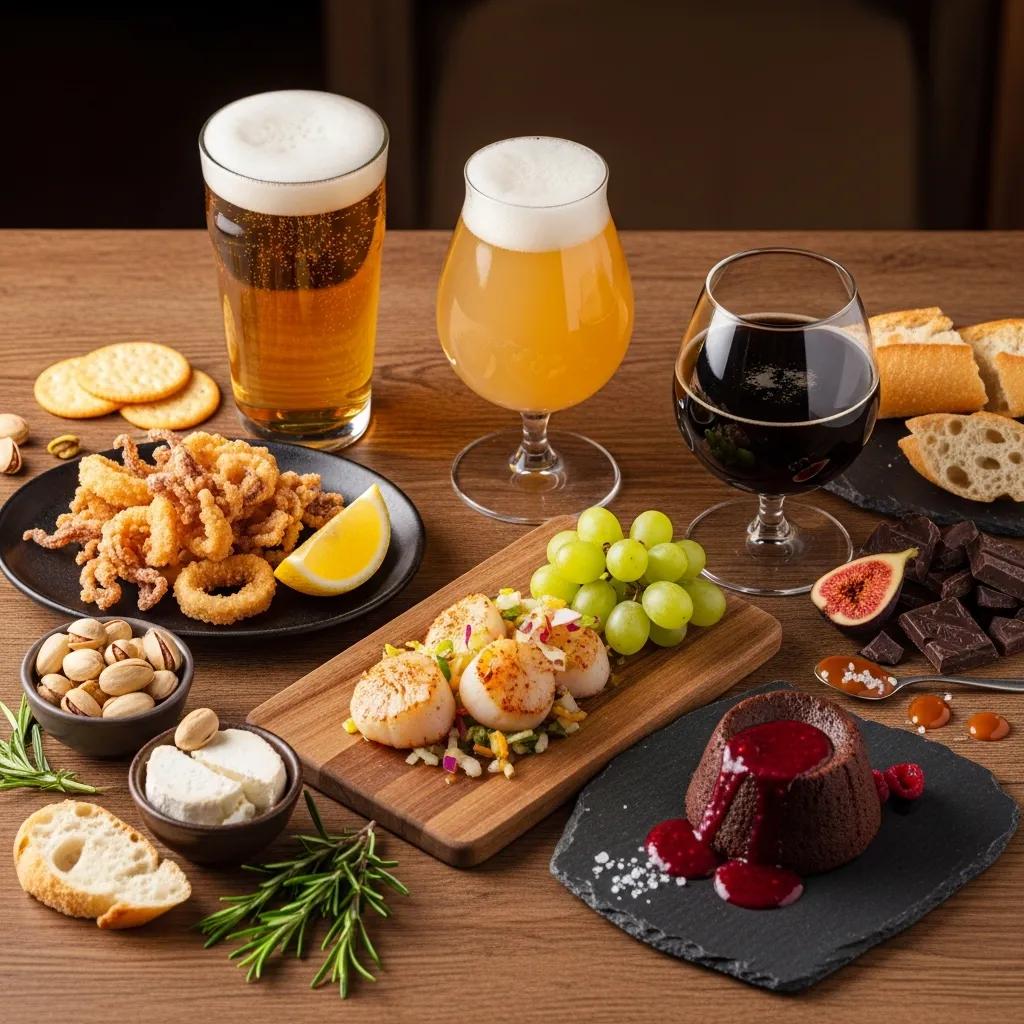
Effective pairing relies on five flavor axes — sweetness, acidity, bitterness, umami and body — and on knowing how beer components map to each. Malt adds sweetness and weight; hops bring bitterness and aromatic lift; yeast supplies esters and phenolics that add fruit or spice; and carbonation changes mouthfeel and perceived acidity. Treat these elements as building blocks: mirror a dish’s dominant axis for harmony or introduce contrast to reset the palate. The crosswalk below clarifies which beer-style elements best match common gourmet flavors.
How Do Beer Styles Influence Gourmet Food Pairings?
Beer styles steer pairing choices through their dominant sensory signatures: acidity and tartness are excellent at cutting fat; hop aroma can lift herbaceous or charred notes; and malt body complements caramelized or roasted components. For raw seafood, lean, high-carbonation styles keep the palate bright; for richer meats, malt weight and subtle oxidative notes echo savory depth. Collaboration between chefs and beer directors should center on tasting trials where mouthfeel and finish are evaluated against a dish’s sauce and seasoning to ensure the beer enhances rather than competes with primary flavors.
What Gourmet Food Flavors Best Match Popular Craft Beer Types?
Rely on shared flavor compounds and textural logic to build dependable crosswalks: citrusy hop notes pair well with grilled or charred flavors that share volatile aromatics, while estery saisons complement briny shellfish through yeast-derived fruitiness. Contrast works when acidity meets fat — for example, sours or saisons with creamy foie to lift and reset the palate between bites. When developing pairings, test both complementary and contrasting approaches and keep tasting notes that record whether the beer highlights a dish’s core element or provides a balancing counterpoint.
How Can You Create Memorable Craft Beer and Gourmet Food Pairing Menus?
Designing a pairing menu demands a thoughtful flow that moves from light to heavy, with palate cleansers and measured pours to prevent fatigue. Start by defining the menu’s theme and anchor dishes, then select beers that serve complementary or contrasting roles; taste iteratively and tweak seasoning to harmonize with chosen beers. Service timing matters: pours should be small, accompanied by concise tasting notes, and scheduled so carbonation and temperature match each beer’s intended interaction with the dish. Operational items — keg rotation, glassware inventory and staff tasting sessions — keep delivery consistent and elevate the guest experience.
This operational checklist helps teams set pour-size expectations and timing while keeping diners comfortable through controlled alcohol exposure.
What Are the Steps to Designing a Balanced Beer Pairing Menu?
- Define theme and anchor dishes: Shape the tasting’s narrative and identify sensory highlights.
- Shortlist beer styles and conduct trials: Use measured pours to observe interactions and refine seasoning.
- Finalize service logistics and train staff: Prepare glassware, timing and presentation scripts for consistent delivery.
These steps create a repeatable workflow that preserves quality as menus evolve.
In practice, restaurants devoted to upscale Japanese dining often offer beer pairings as curated add-ons to omakase or tasting menus. Kaviar’s approach illustrates this: we emphasize seasonal ingredients and signature elements like A5 Wagyu and caviar while integrating modest, well-chosen craft beer pours that complement — not compete with — sake or wine. Kaviar presents pairings as part of the reservation experience, training staff to describe pairings as thoughtful enhancements and calibrating portions so guests enjoy a full multi-course tasting without excess alcohol.
How to Incorporate Seasonal and Regional Ingredients in Pairings?
Seasonality should guide both dishes and beer choices: spring seafood and floral produce pair naturally with lighter, florally inclined beers, while winter game and braised preparations call for spiced, malt-forward styles. Partner with local producers to source peak ingredients and rotate pairings monthly or quarterly to stay aligned with availability. For regional specificity, feature local small-batch beers that reflect terroir — yeast character and local hops — and present them as exclusive offerings to boost perceived value. Update tasting notes and reservation copy to communicate seasonal changes and invite repeat visits.
What Are Common Mistakes to Avoid in Craft Beer and Gourmet Food Pairing?
Typical pairing errors come from intensity mismatches, poor service timing and ignoring guest preferences — all of which can undermine an otherwise thoughtful menu. Overpowering beers with delicate seafood erase intended flavors; generous pours across many courses lead to palate and alcohol fatigue; and untrained staff who don’t ask about preferences or allergies risk guest dissatisfaction. Correct these issues with intensity rules, restrained pour sizes and scripted alternatives so the tasting remains coherent for a range of diners.
- Serving high-IBU, heavily roasted beers with delicate raw seafood without an intervening palate cleanser.
- Using full-size pours across many courses, causing palate fatigue and dulled flavor perception.
- Failing to offer low-alcohol or non-beer alternatives for guests who prefer lighter options or have dietary restrictions.
Each mistake has a simple fix: match intensity, reduce pour sizes and offer suitable alternatives without breaking the tasting’s flow.
Why Is Overpowering Flavor a Pairing Risk?
Overpowering components mute delicate nuances and collapse a multi-course narrative into a single dominant note. A heavily roasted stout with sashimi will drown the fish’s brine and subtle sweetness, erasing the gradual discoveries an omakase is meant to reveal. Remedies include choosing low-IBU, lower-ABV options for early courses, saving bolder beers for later service, and using small, deliberate tasting pours to maintain balance. Sequencing from lightest to boldest and following intensity-matching rules keeps each course’s sensory arc intact.
How to Adjust Pairings for Different Palates and Preferences?
Personalization preserves guest satisfaction: offer substitutions such as session ales, lower-ABV versions or non-alcoholic craft beers for diners sensitive to bitterness or alcohol. Train servers to ask two quick preference questions at seating — bitterness tolerance and alcohol preference — and give them a short script for explaining substitutions without interrupting the tasting flow. Provide sparkling water or sake alternatives that maintain acidity or carbonation roles when guests decline beer. These adjustments keep the menu’s structure while respecting individual tastes.
For high-end operations, preparing alternatives ahead of service and scripting their presentation ensures a seamless, personalized tasting that still honors the chef’s intended sequence.
Kaviar weaves these guest-adjustment practices into reservations and service by framing pairings as curated enhancements and training staff to offer substitutions and pacing advice that protect the omakase narrative and promote comfortable, reservation-driven dining.
As craft beer becomes more common in fine dining, restaurants need practical frameworks to integrate it thoughtfully into beverage programs.
Craft Beer Lists in Fine Dining: Expanding Beverage Options
Although craft beer lists remain less common in many American fine-dining rooms, an increasing number of establishments are adding curated beer selections to broaden guest choice. Presenting local craft beers thoughtfully can enhance the dining experience and reflect contemporary drinking culture.
Beer, food, and flavor: a guide to tasting, pairing, and the culture of craft beer, 2012
Frequently Asked Questions
What are the key benefits of pairing craft beer with gourmet food?
Thoughtful beer pairings amplify a meal’s flavors and textures. Craft beer’s complexity can either mirror a dish’s dominant notes or create a refreshing counterpoint, making each bite more dynamic. Carbonation cleanses the palate between rich courses, while malt and hop profiles can echo or accentuate specific flavors. A considered pairing also introduces guests to new combinations, making the dining experience more memorable.
How can I choose the right beer for a specific gourmet dish?
Start by identifying the dish’s main flavor drivers — sweetness, acidity, salt, umami and texture. Match the beer’s character to those elements: malty beers pair well with caramelized flavors; hoppy beers lift herbaceous notes. Consider texture and richness: lighter beers suit delicate seafood, richer beers support hearty meats. Regular tasting trials are the fastest way to refine reliable pairings.
Are there specific beer styles that work best with certain cuisines?
Yes. Light lagers and pilsners pair beautifully with delicate dishes like sushi and sashimi, while saisons complement fermented vegetables and shellfish. Stouts and porters pair naturally with braised meats and chocolate desserts. Understanding both the cuisine’s flavor logic and a beer style’s sensory profile makes building consistent pairings straightforward.
How can I incorporate seasonal ingredients into my beer pairings?
Match beers to seasonal produce and peak ingredients: spring seafood and floral vegetables call for lighter, floral beers; winter game and braised flavors benefit from spiced, malt-forward ales. Work with local suppliers to source peak-quality items and rotate pairings monthly or quarterly. Promoting seasonal pairings in tasting notes and reservation pages encourages repeat visits and underscores the restaurant’s connection to place.
What are some common mistakes to avoid when pairing craft beer with gourmet food?
Common pitfalls include serving overpowering beers with delicate dishes, offering large pours across many courses, and failing to consider guest preferences or restrictions. These errors can mask flavors and reduce enjoyment. Prevent them by matching intensity, controlling pour sizes and providing thoughtful alternatives to accommodate diverse diners.
How can I train staff to effectively present beer pairings to guests?
Train staff with concise tasting notes and pairing rationale so they can speak confidently at service. Use role-play to practice guest interactions and preference questions. Regular staff tastings keep the team up to date on seasonal changes and new offerings, ensuring they can make informed, on-brand recommendations that enhance the guest experience.
Conclusion
When done with care, craft beer pairing elevates fine dining by revealing new facets of each dish. By understanding flavor mechanics and following clear service rules, chefs and beverage teams can craft memorable tasting journeys that honor both food and beer. Explore our curated beer selections designed to complement premium ingredients and enhance your next tasting menu. Discover the art of pairing and make your next meal a distinct, memorable occasion.