



French Culinary Heritage: How Tradition Shapes Modern Fine Dining
French culinary heritage is the set of techniques, institutions, and aesthetic principles that codified much of Western fine dining and turned meals into ritual. This article traces how those traditions developed, outlines the defining methods and mother sauces, and explains why French standards still guide chefs from haute cuisine to contemporary fusion. You’ll find a concise timeline, a clear look at the core cooking methods that travelled worldwide, and an examination of luxury ingredients—caviar, truffles, foie gras—that moved from royal tables to international menus. For diners and chefs, understanding these roots clarifies why precision in plating, sourcing, and technique matters when choosing a tasting menu or chef-led omakase. We also connect this history to modern Japanese fine dining and show how a Pasadena restaurant applies these standards with premium ingredients and chef-forward service. The article proceeds through historical development, technique and sauce analysis, a study of luxury ingredients, links to modern innovation, institutional stewardship, and the movements that redefined restaurant culture.
What Is the Historical Evolution of French Culinary Heritage?
French culinary heritage grew from regional and courtly cooking into a nationally recognized gastronomy through institutionalization and professionalization. Early changes came from refined practice in royal kitchens, the influence of Italian court cuisine during the Renaissance, and the steady standardization introduced by professional cooks. Those developments produced repeatable methods and clearer recipes—tools that benefited both chefs and diners. The practical result was reliable classical training and systems—recipe codification and the brigade de cuisine—that allowed cuisine to scale from private households to celebrated restaurants. Seeing these structural shifts helps explain how France came to set culinary standards used in professional kitchens around the world.
How Did French Cuisine Develop from the Middle Ages to the French Revolution?
Medieval French kitchens were diverse by region, focused on preservation, and favored layered spices at feasts and court rituals that prized abundance and spectacle. During the Renaissance, Italian imports brought new ingredients and a sharpened attention to presentation. In the 17th and 18th centuries, cooking moved away from courtly banquets toward urban, professional kitchens as chefs began publishing recipes and formalizing methods. The French Revolution dispersed aristocratic cooks into inns and restaurants, accelerating public dining and spreading techniques across social classes. Those social changes set the scene for later chefs to codify practice into teachable systems.
Brillat-Savarin and Escoffier: Foundations of Modern French Cuisine
In the early 1800s Jean Anthelme Brillat-Savarin and Grimod de La Reynière shaped modern food writing and taste culture. Brillat-Savarin’s La Physiologie du Goût (1825) fused literary flair with culinary observation and helped frame gastronomy as an art. He influenced cooks and thinkers of his era, including Marie-Antoine Carême, who began simplifying and codifying haute cuisine into clearer forms. Throughout the 19th century other writers—Jules Gouffé, Urbain Dubois, Émile Bernard—continued that codification until Auguste Escoffier published Le Guide Culinaire in 1903. Regarded as a classic, Le Guide Culinaire remains a touchstone for professional kitchens and culinary training.
Who Are the Iconic Chefs That Shaped French Gastronomy?
A handful of chefs turned practice into durable knowledge and helped shape the modern culinary profession through books, institutions, and kitchen organization. Their contributions remain central to how chefs train and how restaurants operate today.
- François Pierre La Varenne — systematized regional techniques and translated medieval practice into clearer recipes and balanced flavors.
- Marie‑Antoine Carême — elevated presentation and pastry architecture, pioneering elaborate service and culinary aesthetics.
- Auguste Escoffier — modernized kitchen organization with the brigade system and streamlined menu service, building the operational backbone of professional restaurants.
These figures converted hands‑on practice into teachable frameworks; their legacy still informs how contemporary kitchens train teams and structure service.
What Are the Traditional French Gastronomy Techniques and Their Global Adoption?
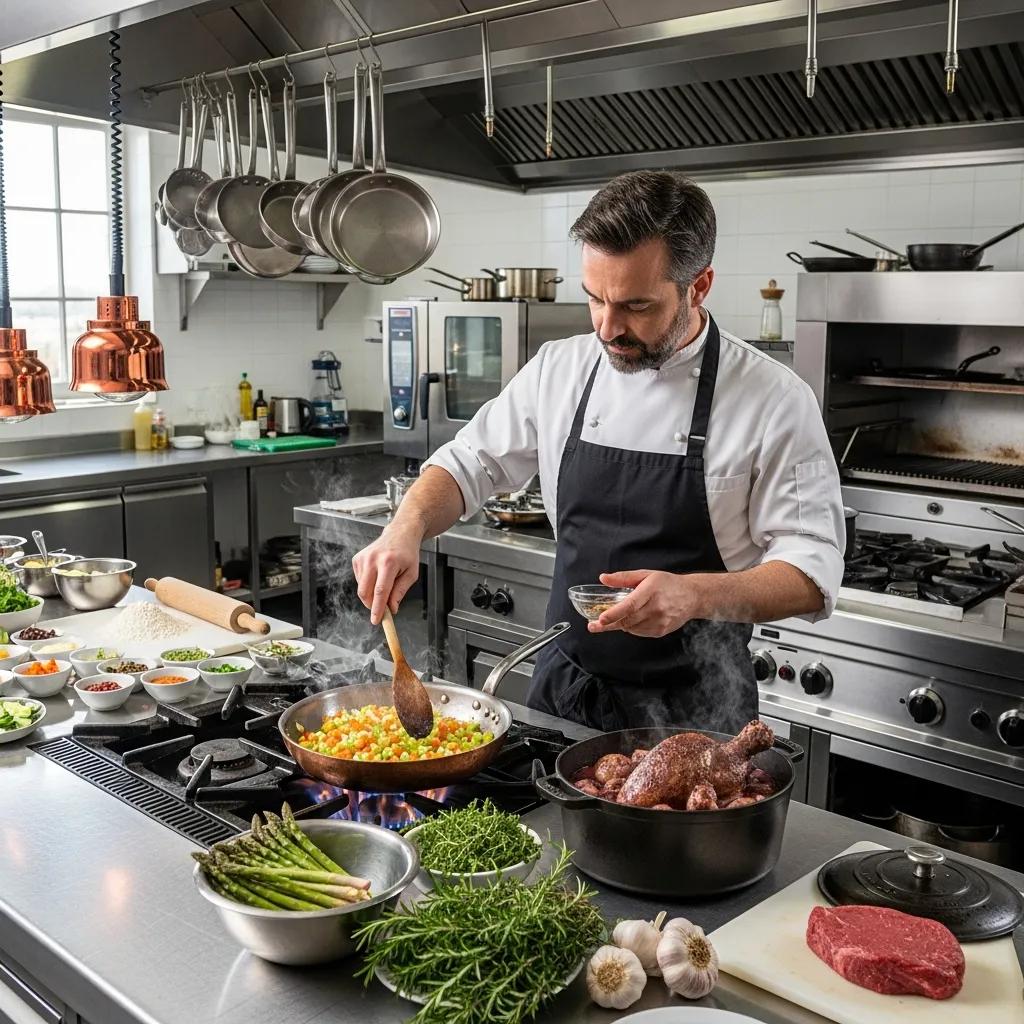
Classical French gastronomy centers on a core set of repeatable techniques—precise heat control, thoughtful sauce-making, and disciplined pastry work—that produce consistent flavor and presentation. These methods emphasize controlled reactions (browning, emulsification, reduction) and component preparation (stocks, finished sauces, laminated doughs) to achieve reliable texture, taste, and visual harmony. Once taught as technique rather than secret lore, these practices traveled into other culinary systems and allowed chefs from diverse backgrounds to elevate local ingredients on a classical foundation. Below we compare these methods with modern examples and show how they appear outside France.
What Are the Core French Cooking Methods Like Sautéing, Braising, and Poaching?
Sautéing, braising, and poaching are foundational French methods that manage heat, moisture, and timing to deliver consistent results across proteins and vegetables. Sautéing uses high heat and fat for quick browning and concentrated flavor while preserving interior texture—think pan‑seared cuts or seared seafood. Braising combines dry and moist heat to break down collagen and develop depth in tougher cuts, now seen in global ragùs and slow Wagyu preparations. Poaching gently cooks fragile proteins at low temperatures for tender results—parallel Japanese simmering techniques often emphasize the same precise timing and temperature control.
Below is a focused comparison of these core techniques and how contemporary chefs adopt them.
These examples show how methods transfer as practical tools, letting chefs reinterpret texture and flavor across cuisines.
How Have French Mother Sauces and Patisserie Influenced Global Culinary Arts?
The five mother sauces—béchamel, velouté, espagnole, sauce tomate, and hollandaise—function as bases for countless derivatives and form the backbone of many global sauce repertoires. Pâtisserie techniques—lamination, custards, glazes—standardized pastry construction and elevated desserts into a technical discipline. Chefs use these modular templates to create signature sauces and sweets while preserving balance and structure, letting local ingredients shine within a classical method. Recognizing these templates gives cooks a reliable framework for innovation and consistency in both savory and sweet courses.
Key practical takeaways:
- Mother sauces provide structural frameworks for countless derivatives that complement proteins and vegetables.
- Pâtisserie techniques produce repeatable textures—flakiness, creaminess, gloss—that pastry chefs reproduce worldwide.
- Modular technique encourages thoughtful fusion: swap ingredients while preserving proven methods.
How Has French Culinary Heritage Influenced Global Fine Dining and Luxury Ingredients?
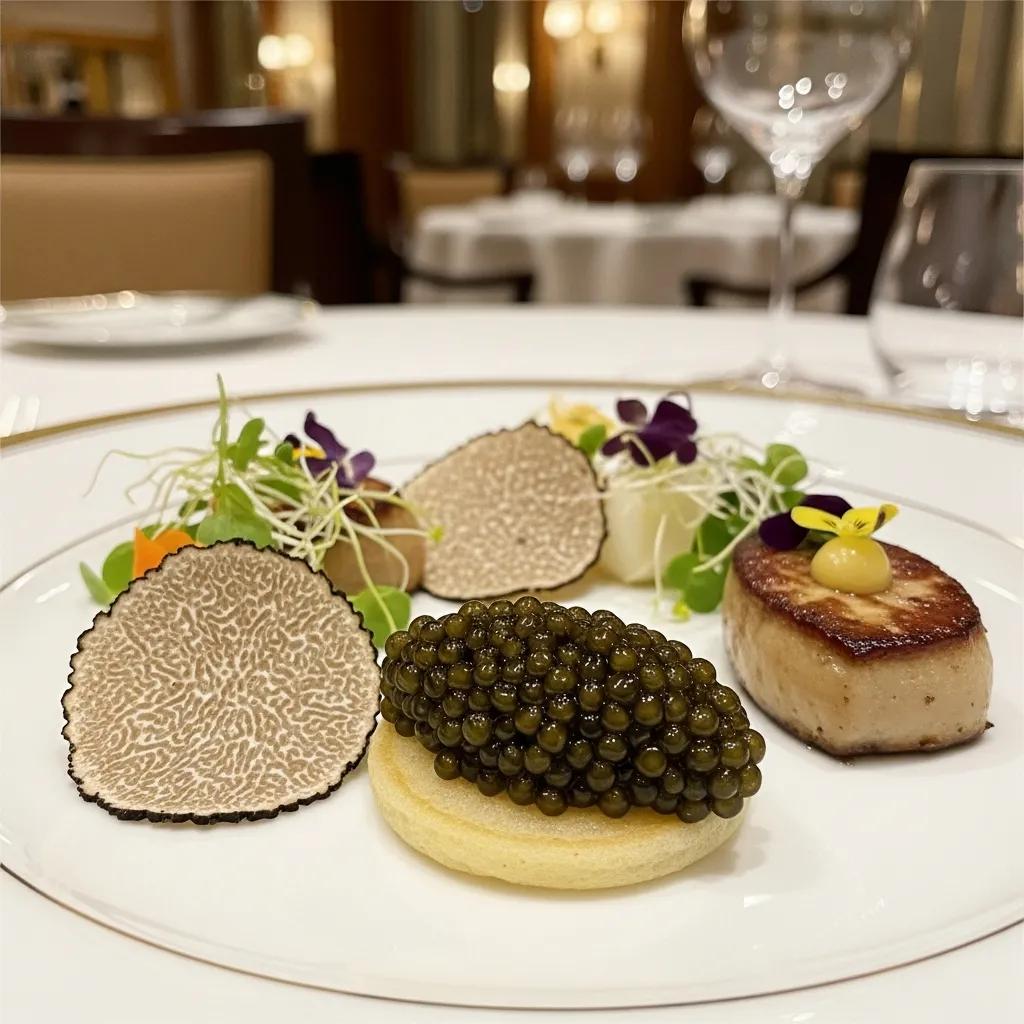
French culinary tradition elevated certain foods into luxury ingredients through rigorous attention to sourcing, finishing, and presentation—turning caviar, truffles, and foie gras into culinary signifiers. Ritualized service, codified pairings, and validation from elite institutions created a vocabulary of luxury that restaurants worldwide adopted. For chefs and diners today, this lineage explains why some items command premium treatment and how provenance and presentation shape perceived value at the table.
What Role Does Caviar Play in French and International Fine Dining?
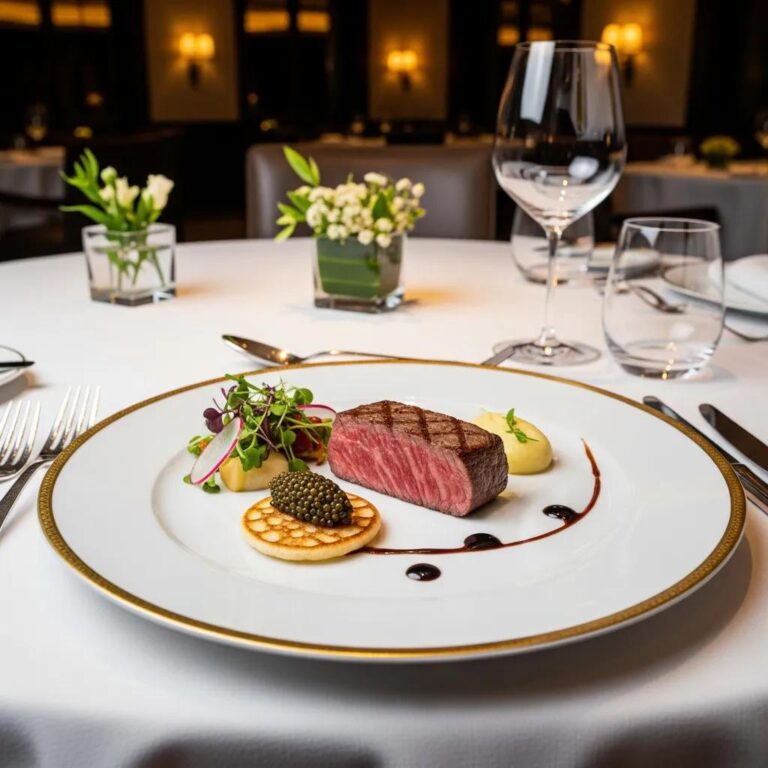
Caviar became associated with elite dining because of its rarity, delicate texture, and established pairing traditions—served chilled, often with neutral accompaniments and careful portioning to showcase brine and mouthfeel. In French and international contexts caviar serves as a finishing accent that turns a dish ceremonial, pairing well with creams, blinis, or delicate tartares to balance salt and fat. Contemporary chefs use caviar creatively—as an accent on seafood or tartare—and in some Japanese chef‑driven settings it tops raw preparations to add saline contrast and luxurious texture. One Pasadena restaurant demonstrates this translation by featuring caviar in chef‑led dishes that marry European luxury with precise Japanese technique; guests may reserve a tasting experience to explore these offerings in person.
This mapping shows classical roles preserved even as chefs reinterpret ingredients with new aesthetics.
How Have French Delicacies Like Truffles and Foie Gras Shaped Global Cuisine?
Truffles and foie gras gained international renown through aristocratic patronage and culinary literature that codified their prized status. Truffle aroma acts as a finishing flourish used sparingly for maximum effect; foie gras contributes rich, silky texture whether integrated into sauces or served as a seared course. Contemporary debates around ethics and sustainability have shifted sourcing and menu placement—some chefs explore alternatives or emphasize transparent provenance. Practically, these ingredients shape menu strategy by defining price points and creating signature dishes that attract diners seeking rarity and depth.
How Does French Culinary Tradition Connect to Modern Fine Dining Innovations?
French tradition connects to modern fine dining through transferable principles—meticulous mise en place, an emphasis on balance, and disciplined technique—that become tools for innovation. These principles help chefs systematize creativity: precise preparation reduces variability, classical technique ensures control over texture and flavor, and considered plating communicates aesthetic intent. Contemporary innovation uses these tools to blend local ingredients and new service formats, producing dishes that honor classical lineage while offering fresh experiences.
In What Ways Do French Principles Shape Contemporary Japanese Fine Dining?
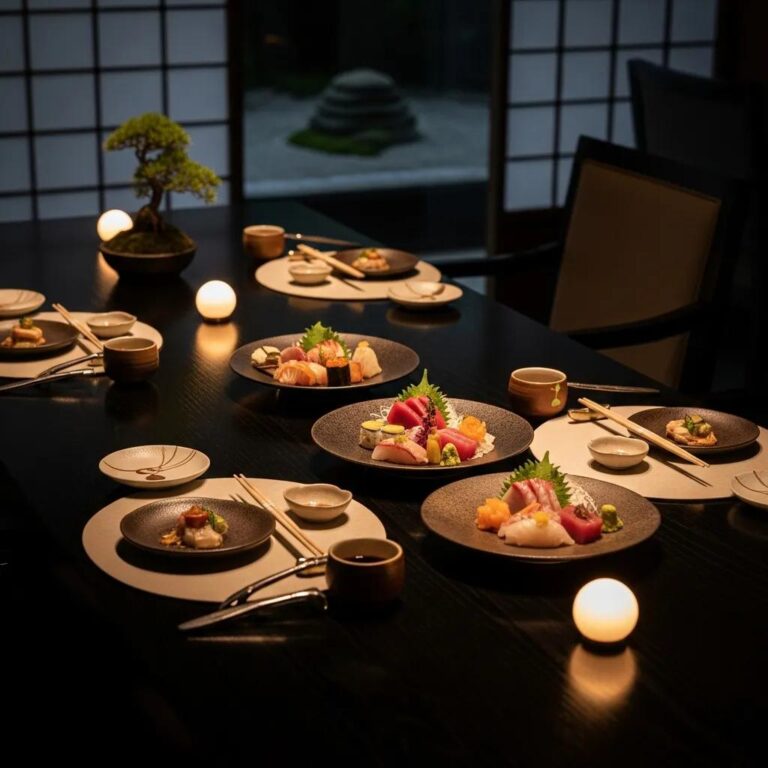
French principles—mise en place, reduction and sauce logic, and a focus on balance—inform Japanese fine dining by offering structural methods that enhance precision within omakase and chef‑driven formats. Kitchen organization echoes the brigade in task division, while French sauce thinking shapes how umami‑rich stocks and reductions are built to complement ingredients like kombu, uni, and premium beef. Plating blends French attention to composition with Japanese minimalism, yielding clean presentations where each element supports a central flavor idea. Chefs trained in both traditions often combine techniques to respect ingredient integrity while using classical seasoning and finishing approaches.
How Does Kaviar Restaurant Embody a Fusion of French Heritage and Japanese Excellence?
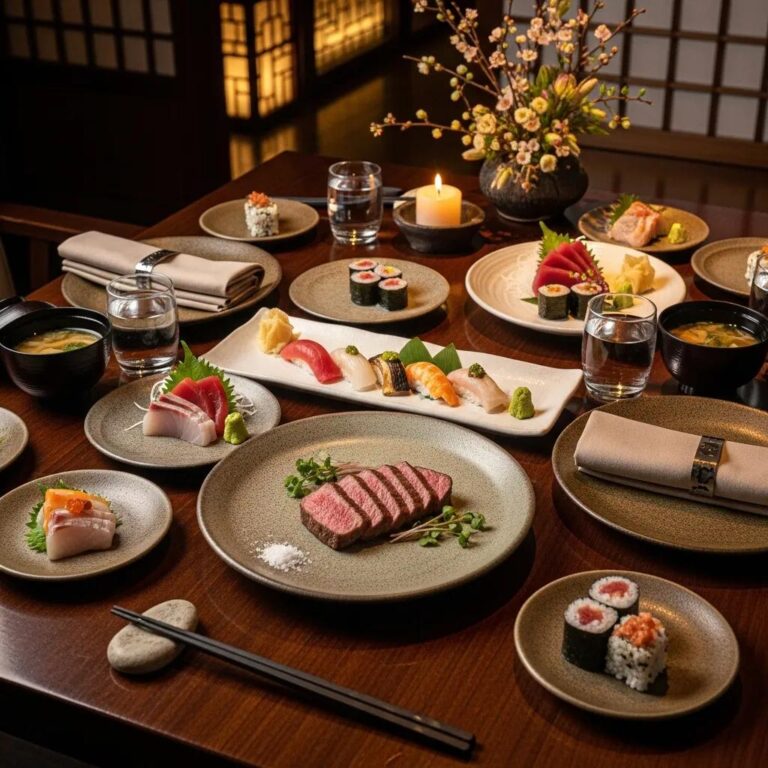
Kaviar Restaurant in Pasadena practices a thoughtful fusion of French fine‑dining standards with Japanese execution: premium ingredients, chef‑led presentations, and attentive service. The menu highlights ingredients tied to French luxury—caviar among them—while centering Japanese preparations like uni pasta and A5 Wagyu. By marrying classical finishing with modern Japanese restraint, Kaviar presents courses that feel both precise and immediate. Signature dishes—tartares finished with luxurious accents, or omakase‑style sequences with exact searing—illustrate this synthesis. For diners seeking that hybrid experience, Kaviar invites you to explore the menu and reserve a tasting to taste how premium ingredients and rigorous technique come together.
What Are the Key Facts and Cultural Significance of French Culinary Heritage?
French culinary heritage matters as a living tradition and a codified set of practices recognized for social ritual and craft. Preservation happens through formal culinary education, public rituals like multi‑course meals, and institutional recognition that frames cuisine as part of national identity. The practical benefit is twofold: it keeps artisan techniques alive through teaching, and it signals to global audiences that French gastronomy represents both craftsmanship and ceremony worth studying and experiencing.
Why Is French Cuisine Recognized by UNESCO as Intangible Cultural Heritage?
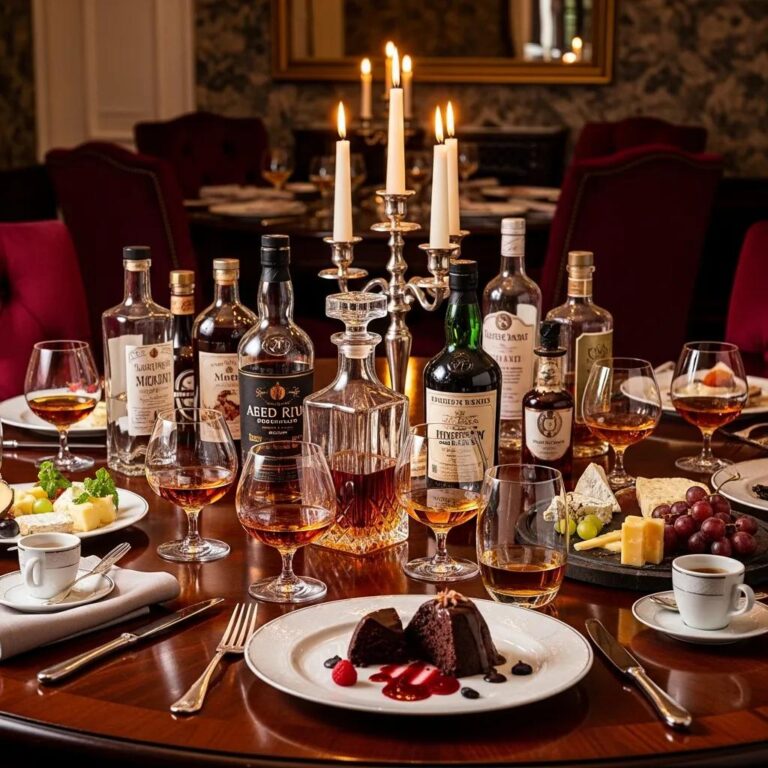
In 2010 UNESCO inscribed the “gastronomic meal of the French” as intangible cultural heritage because of its codified rituals—shared meals that emphasize seasonal products, balance between courses, and ceremonial service—which embody social cohesion and identity. The designation highlighted transmission of knowledge, community participation, and the ritual progression of courses that function as culinary diplomacy between hosts and guests. That recognition supports preservation, culinary education, and the idea that meals can be cultural events rather than mere consumption, underscoring why training and ritual remain central to French culinary pedagogy.
How Do Culinary Institutions Like Le Cordon Bleu Preserve French Gastronomy?
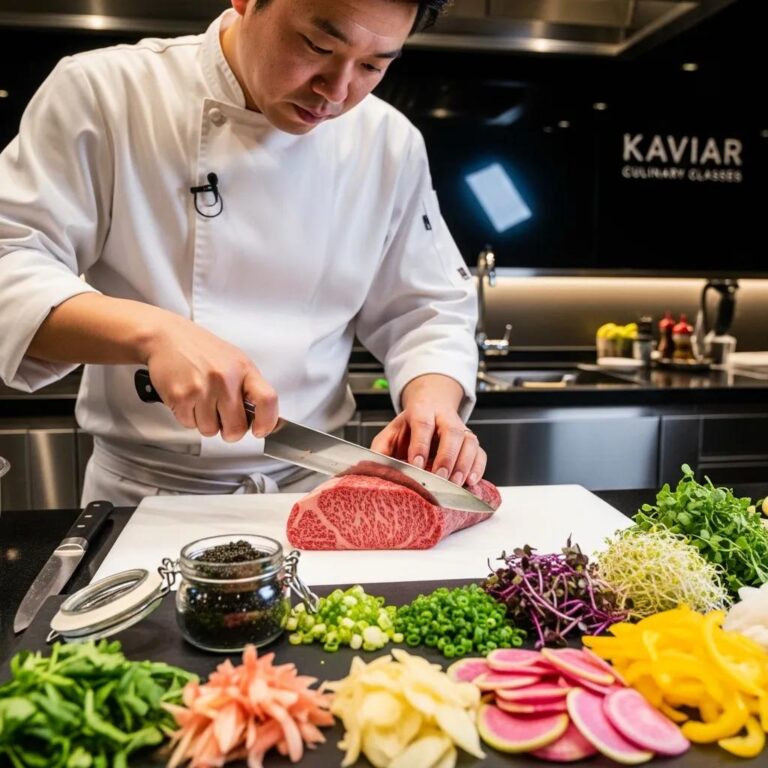
Institutions such as Le Cordon Bleu and École Ducasse preserve French methods by teaching standardized techniques and professional practices through structured curricula and certifications. These programs focus on core skills—knife work, sauce technique, pastry foundations—and create alumni networks that spread classical approaches into kitchens worldwide. By pairing rigorous hands‑on training with theory, these schools keep technical knowledge accessible to new cohorts of chefs while updating content to reflect sustainability and contemporary innovation. Their role helps ensure continuity in culinary heritage.
How Has the Evolution of French Cooking Influenced Global Culinary Trends?
French cooking’s evolution—from courtly banquets to haute cuisine, then nouvelle cuisine and modernist movements—shaped global culinary trends by shifting emphasis on presentation, ingredient quality, and cooking philosophy. Each movement introduced new mechanisms that changed how chefs source ingredients, construct menus, and plate dishes, influencing restaurant culture internationally. For modern kitchens, that history offers a palette of ideas chefs adapt when balancing tradition and innovation.
What Are the Major Culinary Movements from Haute Cuisine to Nouvelle Cuisine?
Haute cuisine favored elaborate preparations, formality, and rich sauces, defining fine dining in the 19th and early 20th centuries. Nouvelle cuisine reacted to that heaviness by prioritizing freshness, shorter cook times, and artistic plating in the 1960s and 1970s. Later modernist and contemporary movements brought technique‑driven experimentation—sous‑vide, foams, molecular methods—while a parallel trend emphasized ingredient‑led, local sourcing and minimal intervention. Each movement shifted priorities between technique, ingredient, and presentation, offering chefs varied approaches to combine and reinterpret.
- Haute Cuisine: elaborate technique, layered sauces, formal service.
- Nouvelle Cuisine: lightness, simplicity, emphasis on fresh ingredients.
- Modern/Contemporary: technique innovation, ingredient integrity, sustainability focus.
These movements chart a trajectory from complexity toward clarity and experimentation that continues to influence global fine dining.
How Do Modern Chefs Adapt French Techniques in Global Fine Dining Today?
Today’s chefs adapt French techniques by combining classical methods with local sourcing, novel ingredients, and contemporary service concepts to create context‑driven menus. Tools like reduction, emulsification, and laminated pastry remain for the control they provide, but chefs pair them with regional proteins, plant‑forward options, and transparent sourcing to meet modern expectations. Case studies worldwide show chefs using classical knife work and sauce logic to elevate everyday ingredients into tasting‑menu moments—demonstrating that technique is scaffolding for creativity, not a prescription for flavor. This adaptive approach keeps French heritage alive as a practical resource for culinary innovation.
Frequently Asked Questions
What are the key characteristics of French culinary techniques that influence global cuisine?
French techniques emphasize precision, control, and purposeful flavor development. Methods like sautéing, braising, and poaching prioritize heat management and careful preparation to create consistent textures and balanced tastes. That structured approach—along with mother sauces—gives chefs worldwide a reliable toolkit for elevating local ingredients without losing classical foundation.
How do French culinary traditions impact modern dining experiences?
French traditions shape modern dining by underlining presentation, ingredient quality, and service rituals. Attention to plating and the ordered progression of courses creates a sense of occasion. Chefs borrow these conventions to craft tasting menus that marry classical technique with contemporary ideas, ensuring each course communicates intention and leaves a memorable impression.
What role do culinary schools play in preserving French gastronomy?
Culinary schools such as Le Cordon Bleu preserve French gastronomy by teaching standardized techniques and professional practices through structured programs. These institutions pass core skills—knife work, sauce technique, pastry foundations—to new generations of chefs, while updating curricula to reflect sustainability and modern innovation, ensuring classical methods remain relevant.
How has the perception of luxury ingredients like truffles and foie gras evolved?
Perceptions have shifted as diners pay more attention to sustainability and ethics. Where truffles and foie gras once signaled unexamined opulence, modern diners look for provenance and responsible sourcing. Chefs respond with clearer sourcing practices, alternative preparations, or smaller, more intentional uses that honor flavor while addressing ethical concerns.
What is the significance of French cuisine being recognized as UNESCO Intangible Cultural Heritage?
UNESCO recognition highlights the cultural importance of French dining rituals—the seasonal focus, course progression, and ceremonial service—that promote social cohesion and identity. The designation supports efforts to preserve culinary knowledge, encourages education, and elevates meals to cultural events rather than mere consumption, reinforcing why ritual and training remain central to French gastronomy.
How do modern chefs incorporate French techniques into their culinary practices?
Modern chefs blend classical methods with local ingredients and contemporary styles. Emulsification, reduction, and precise knife skills are retained for their control over flavor and texture, then adapted to local contexts—turning familiar ingredients into refined tasting‑menu elements. This hybrid approach keeps French technique a living, adaptable foundation for innovation.
Conclusion
French culinary heritage continues to shape global gastronomy—its techniques, sauces, and reverence for premium ingredients remain relevant tools for today’s chefs. Understanding these traditions deepens appreciation at the table and gives cooks a dependable framework for innovation. Embracing those principles can elevate both home cooking and fine‑dining experiences; explore them further to refine your culinary journey.