



Precision Cooking: How Kaviar Crafts Japanese Fine‑Dining, Bite by Bite
Precision cooking is the deliberate control of technique, timing, and temperature to achieve consistent sensory results. In Japanese fine dining, that discipline sharpens texture, aroma, and balance to a high standard. Here we define what precision cooking means, outline the core techniques that ensure repeatable excellence, and explain why provenance matters for ingredients like Miyazaki A5 Wagyu and Kaluga caviar. You’ll find practical details—knife angles, temperature bands, plating principles—and how these choices shape an omakase at Kaviar in Pasadena. This piece also demonstrates how our service applies those principles and shows what diners should look for when evaluating tasting menus and recognizing the craft behind authentic Japanese fine dining.
What Defines Precision Cooking in Japanese Fine Dining at Kaviar?
At Kaviar, precision cooking means aligning sourcing, technique, and plating so seasonal ingredients deliver consistent flavor and texture. The work is measurement-driven: exact knife strokes, calibrated sears or sous‑vide ranges, and choreographed plating rhythms each govern the chemical and physical changes in a dish. The outcome is repeatable excellence—guests experience the same melt‑in‑the‑mouth wagyu and the same silken sashimi because the kitchen controls the key variables. These principles are how refined Japanese kitchens translate tradition into reliably elevated dining. The sections that follow give concrete examples of those practices and show how they appear on a luxury tasting menu.
This section highlights three core features of precision cooking that diners will notice and chefs must manage.
- Measured Technique: Every cut, sear, and temperature choice is selected to produce a predictable texture and mouthfeel.
- Ingredient Fidelity: Strict selection and provenance standards ensure the raw material responds as expected to technique.
- Composed Presentation: Plating and pacing protect temperature and texture while communicating intent to the diner.
Together these features form a service architecture where each element supports the next—understanding them clarifies how Kaviar operationalizes precision in daily service.
How Does Kaviar Apply Japanese Culinary Accuracy in Its Dishes?
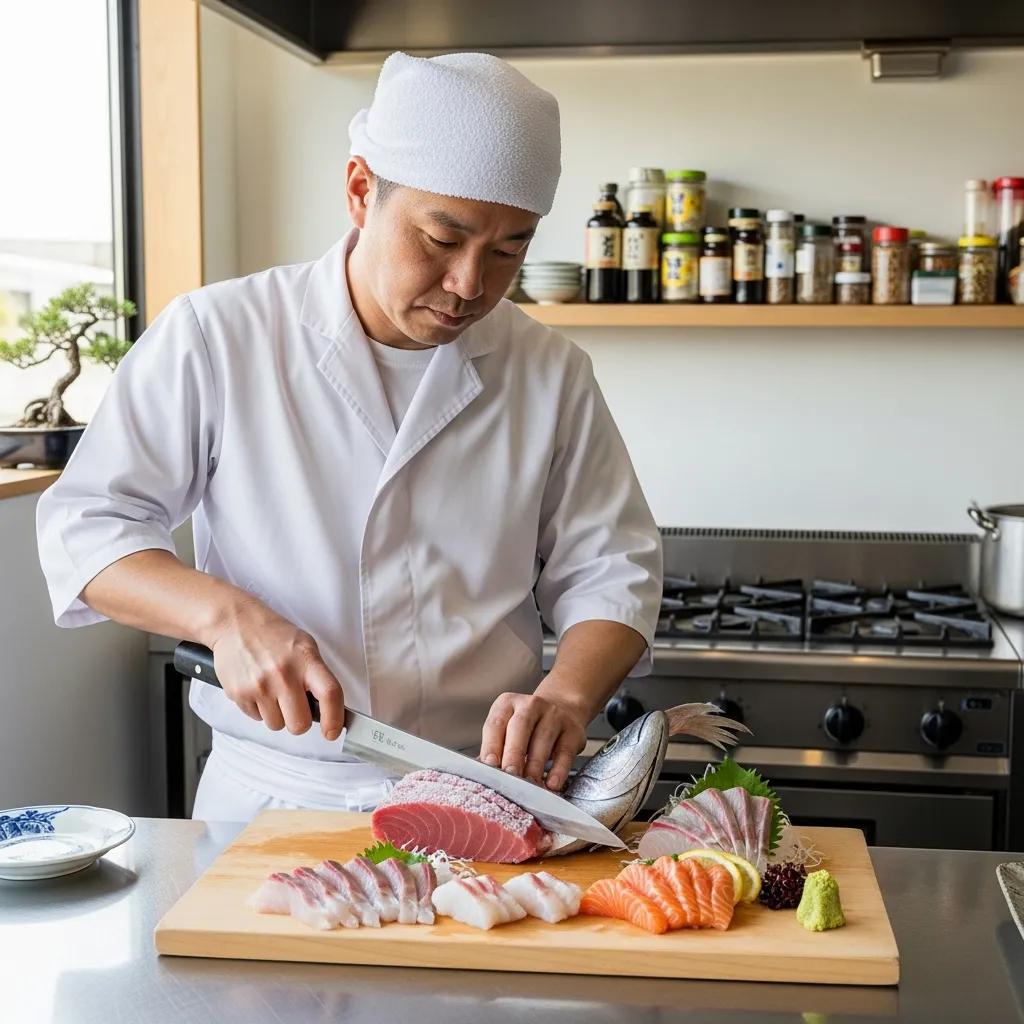
We translate culinary accuracy into practice through standardized staging, ritualized service sequences, and continuous sensory checks that protect ingredient integrity. Chefs calibrate blades and rehearse cuts so sashimi keeps translucent edges and the intended mouthfeel, while proteins like A5 Wagyu follow strict time‑and‑temperature protocols so fat renders without collapsing the muscle. Mise en place is arranged so plating cadence matches cooking windows—hot plates arrive at peak temperature and chilled items keep their ideal cool. This operational rigor lets us deliver a cohesive tasting progression where each plate intentionally responds to what came before. The next section explains the science behind how precision shapes flavor and texture.
Why Is Culinary Precision Essential for Flavor and Texture?
Precision matters because biochemical changes—protein denaturation, fat rendering, enzymatic shifts—happen in narrow time and temperature bands that determine the sensory result. Controlled denaturation preserves tenderness; overcooking dries proteins. Gradual fat rendering at specific temperatures produces a silky mouthfeel instead of greasy collapse. Precision reduces variability so umami concentrates predictably and textures—like the ribbon‑soft bite of sashimi—remain intact. In practice, that scientific reality makes measurement tools and timing checklists as essential as trained senses in a modern Japanese kitchen. The following section breaks down the master techniques that put these principles into action.
Which Masterful Techniques Shape Kaviar’s Precision Cooking?
Precision cooking rests on a concise set of high‑skill techniques—knife mastery, temperature control, and controlled hydration or fermentation—that together shape flavor and texture. Each technique targets a specific molecular or structural change: knives control cell rupture and surface area, temperature governs protein and lipid phase changes, and fermentation develops layered umami over time. The result is predictable sensory architecture: clean textures, focused flavors, and layered mouthfeel that support every course in a tasting menu. Below are the primary techniques used in precision Japanese kitchens and why they matter.
- Knife Skill and Cut Technique: Exact slicing manages tissue rupture and surface area to shape texture and presentation.
- Temperature Control (Searing, Sous‑Vide): Calibrated heat manages fat rendering and protein denaturation for consistent doneness.
- Controlled Fermentation and Curing: Time‑driven biochemical changes concentrate umami and preserve delicate seafood.
These techniques interact in service—slice geometry affects seasoning uptake, which then informs the temperature strategy—so understanding that interplay leads to a closer look at knife mechanics and wagyu temperature control.
Below is a concise comparison of these techniques, their core metrics, and intended outcomes before we explore knife skills and wagyu preparation in greater detail.
How Are Knife Skills Perfected for Sashimi and Sushi?
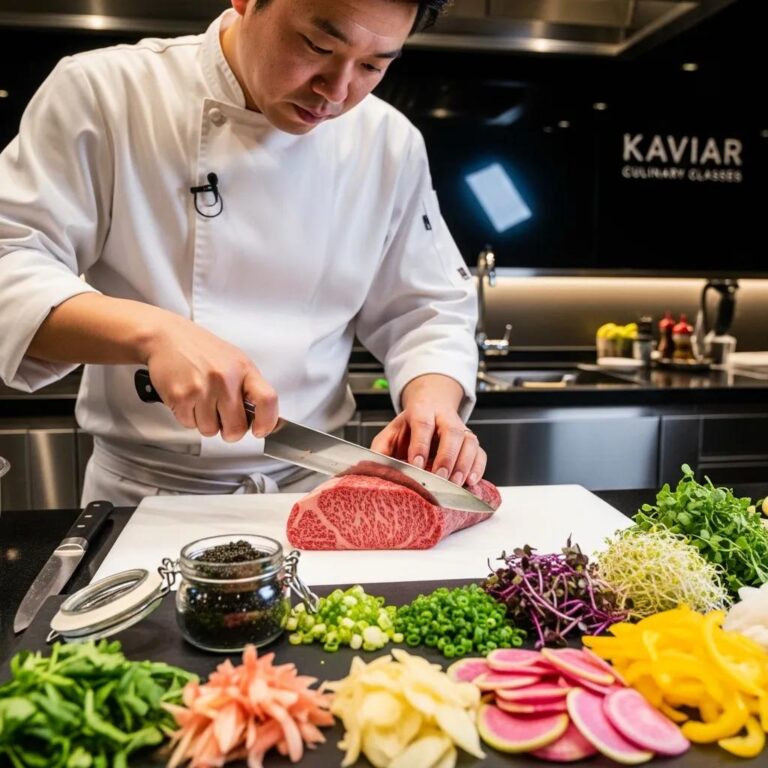
Knife skill is refined through careful instrument choice, blade geometry, and disciplined repetition that standardizes slice thickness and angle. Chefs favor blades with fine bevels and long, single‑stroke geometry to produce smooth, translucent slices rather than ragged cuts; regular sharpening and stropping maintain the edge consistency needed for repeatable results. Physically, a steady blade angle limits cell rupture and surface moisture loss, preserving flavor and ensuring predictable interaction with rice. Properly executed sashimi delivers a balanced chew and clean mouthfeel that showcases the ingredient—knife mastery also guides plating decisions where cut size interacts with garnishes and sauces.
What Role Does Temperature Control Play in A5 Wagyu Preparation?
Temperature control is the critical variable for highly marbled cuts like Miyazaki A5 Wagyu: slow, precise heat renders intermuscular fat without overcooking lean fibers. Typical approaches pair narrow sear windows with short sous‑vide cycles followed by a controlled finish; defined surface sear temperatures and brief contact times create a crust while keeping the interior in a low, even range where fat remains viscous rather than fully liquefied. The result is a melt‑in‑the‑mouth texture with concentrated umami and aromatic notes preserved. Knowing these temperature bands helps the kitchen decide between direct searing for immediacy and sous‑vide for absolute control; the next section looks at sourcing that makes those techniques worthwhile.
How Does Kaviar Source and Elevate Premium Ingredients?
Ingredient selection is the foundation of precision cooking: predictable technique depends on predictable raw materials chosen for grade, traceability, and sensory potential. Kaviar emphasizes provenance and strict standards—Miyazaki A5 Wagyu’s marbling score or Kaluga caviar’s bead integrity, for example—because these traits predict how an ingredient responds to precise methods. Careful sourcing both reduces variability and creates a canvas where technique highlights innate qualities rather than masking flaws. Below is an EAV‑style comparison of premium ingredients and how selection criteria shape serving suggestions that honor their origins.
What Makes Miyazaki A5 Wagyu the Pinnacle of Luxury Dining?
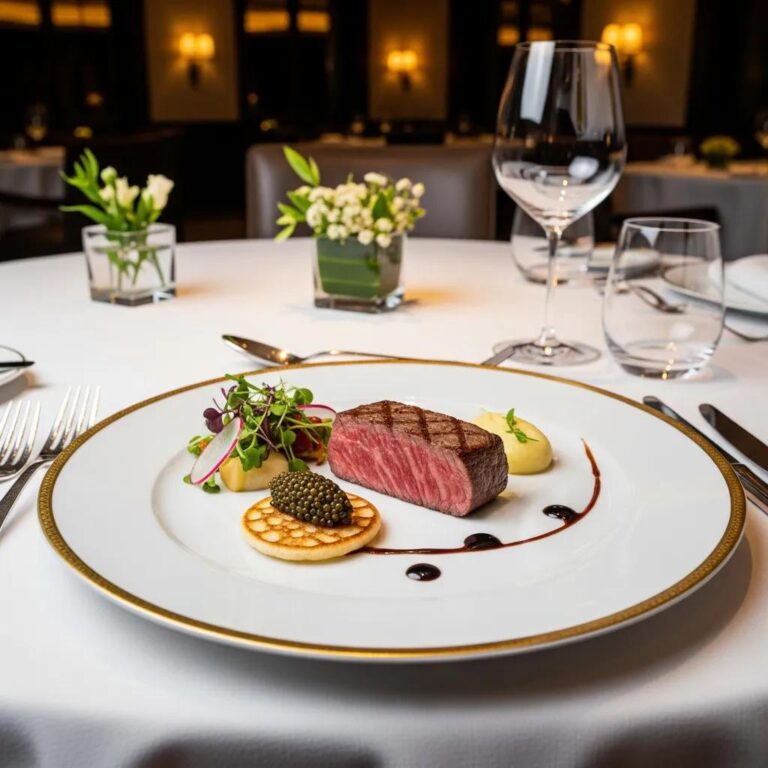
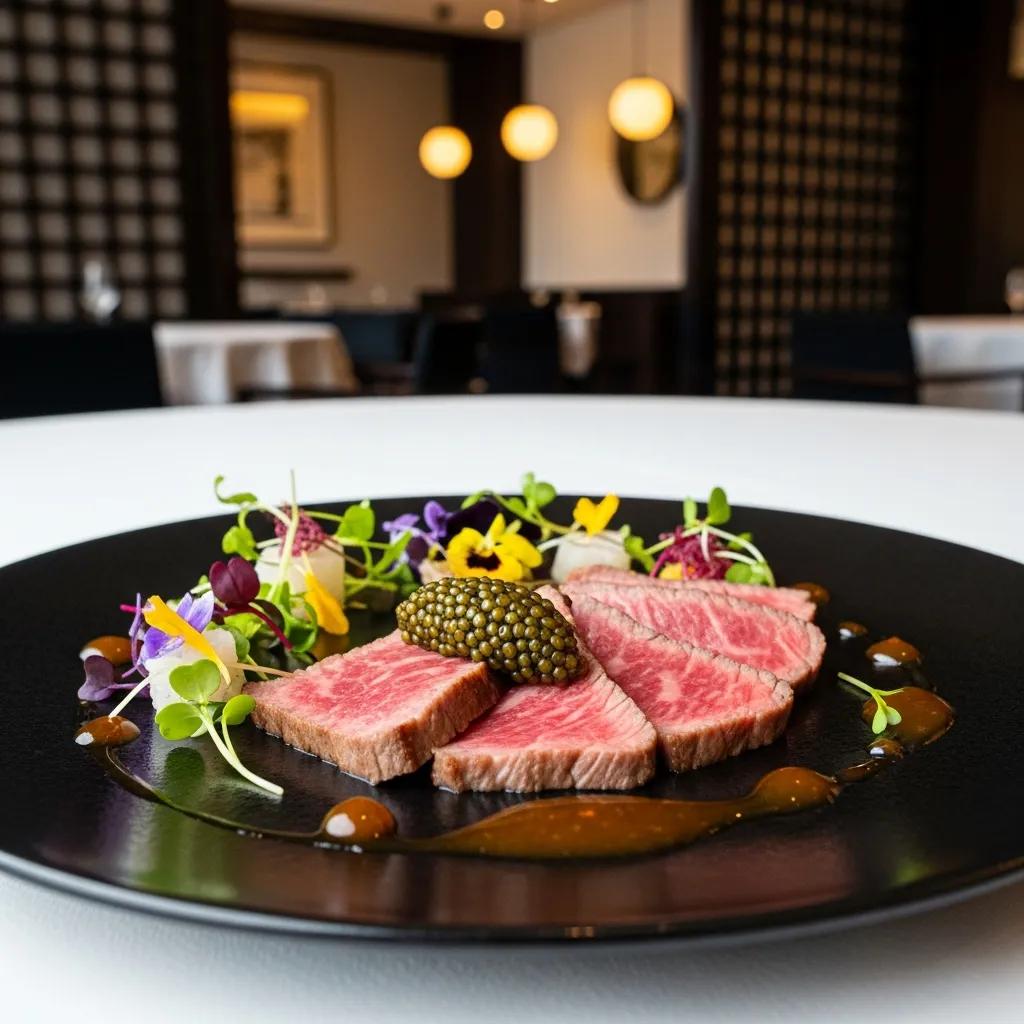
Miyazaki A5 Wagyu stands out because its exceptional marbling and strict grading create a fat‑to‑muscle matrix that yields unmatched tenderness and flavor when handled precisely. The intramuscular fat melts at lower temperatures, producing a silky mouthfeel and concentrated savory compounds that amplify umami. In practice, chefs use short, high‑energy sears or low‑temperature precision cooking to render fat while keeping muscle texture intact, allowing the cut’s natural aroma to shine. For diners, the result is an immediate sensation of silk on the palate—an experience that depends on consistent sourcing and disciplined execution.
How Is Kaluga Caviar Selected and Prepared for Signature Dishes?
Kaluga caviar is chosen for bead integrity, membrane resilience, and balanced salinity—qualities that define its texture and flavor on the plate. Selection focuses on uniform size and a glossy, intact membrane that gives a gentle pop and creamy release of brine and nutty notes; these traits guide pairings and temperature decisions. Preparation is minimal and exact: cold service, careful scooping to avoid membrane rupture, and restrained accompaniments that let the caviar’s subtle aromatics speak. Served on neutral vessels at the right chill, Kaluga’s pearls retain their personality and deliver the intended textural contrast and saline complexity.
What Is the Omakase Culinary Art Experience at Kaviar?
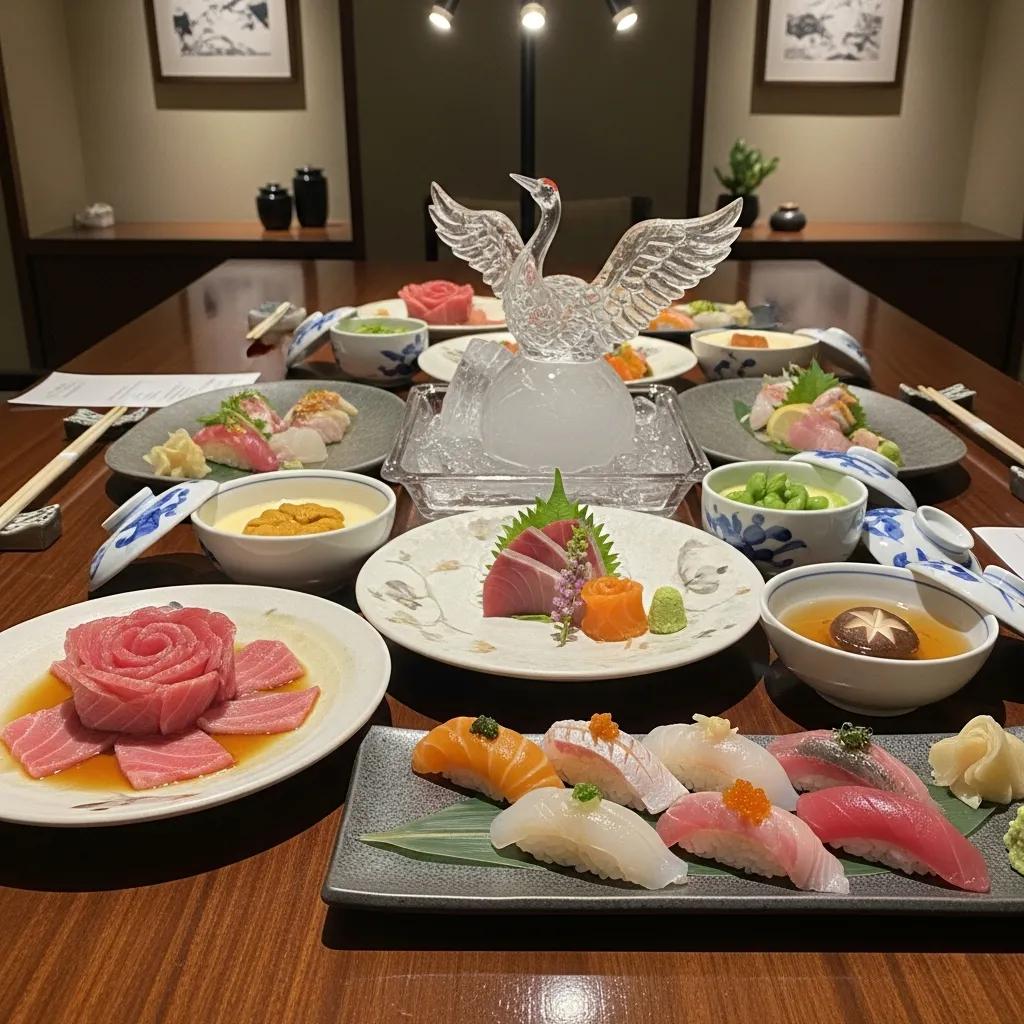
Omakase is a chef‑led tasting format in which diners entrust the menu sequence to the kitchen, letting precision cooking and seasonality tell a curated story. Omakase unfolds iteratively: each course builds flavor, contrasts texture, and advances a paced arc that reaches a thoughtful finale. For guests it’s a personalized, educational, sensory journey where technique and provenance are revealed course by course. At Kaviar, omakase highlights knife skill, temperature discipline, and premium pairings in a sequence calibrated to maximize cumulative impact. The outline below shows how a typical progression displays precision at every stage.
- Amuse & Seasonal Starter: Small, focused bites that introduce the evening’s flavor theme and reset the palate.
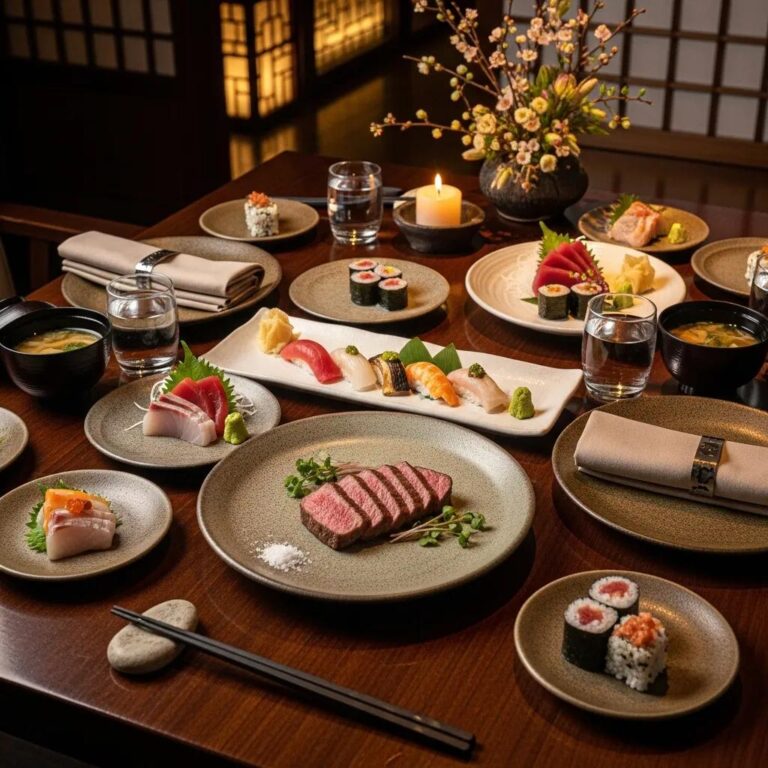
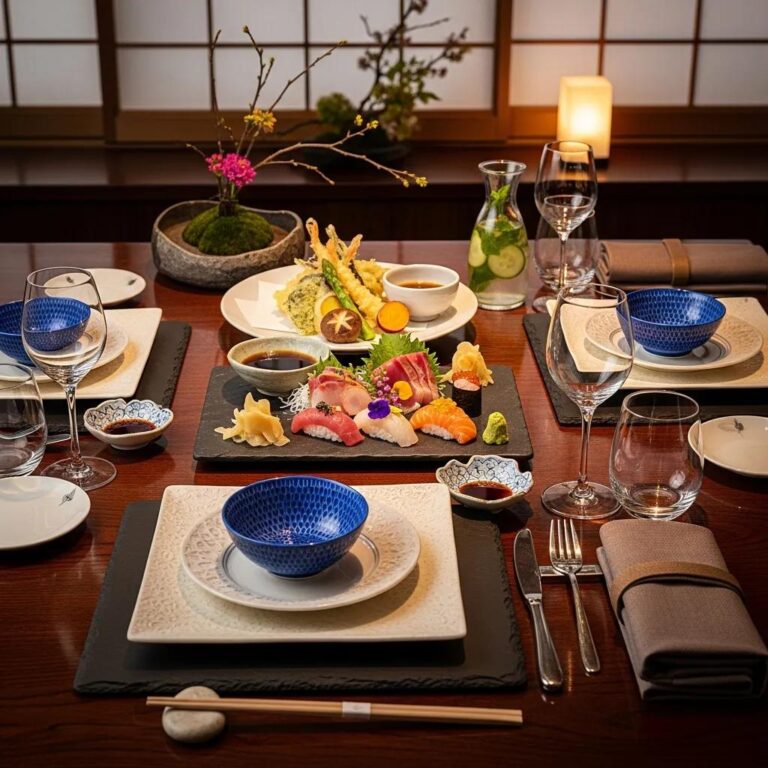
- Sashimi Sequence: Several fish, sliced to precise thickness and served at target temperatures to emphasize texture.
- Premium Protein Course: Miyazaki A5 Wagyu or other luxury proteins cooked within narrow temperature windows to optimize fat rendering.
- Palate Cleanser & Simpler Courses: Light, acid‑balanced items to refresh the palate before dessert.
- Dessert & Farewell: A subtle finish that echoes earlier notes and closes the narrative.
This ordered progression allows the chef to demonstrate precision deliberately and sets clear expectations for how each technical choice supports the menu arc.
How Does the Omakase Menu Showcase Precision Cooking?
Omakase reveals precision when sequencing, portioning, and timing are synchronized so each technique’s effect is experienced cleanly. Sashimi slices are cut and briefly rested to reach optimal mouth temperature and dryness, then plated so the diner can taste each fish at its peak. A premium wagyu course might be sous‑vide to an exact internal temperature, then given a precise sear to create textural contrast—this method pairing showcases both control and restraint. Service pacing is integral: the kitchen times delivery so hot items don’t cool and cold items don’t warm. Those coordinated actions make omakase both a technical showcase and an intimate tasting story.
Why Is Omakase Considered a Luxury Culinary Journey in Pasadena?
In Pasadena, omakase reads as luxury because it combines scarcity (limited seatings and curated menus), craftsmanship (high‑skill technique), and personalization (direct chef interaction) in a format that requires attention and time. The experience reflects a broader appetite for experiential dining—guests seeking crafted narratives and a close connection to the makers rather than a la carte convenience. Locally, omakase stands out by offering rare ingredients and tight execution that typical formats can’t match. For diners after a deeply technical, personalized meal, omakase trades time and focus for a high‑value sensory education where the chef’s precision becomes the guest’s reward.
How Does Kaviar Present and Plate Dishes as an Art Form?
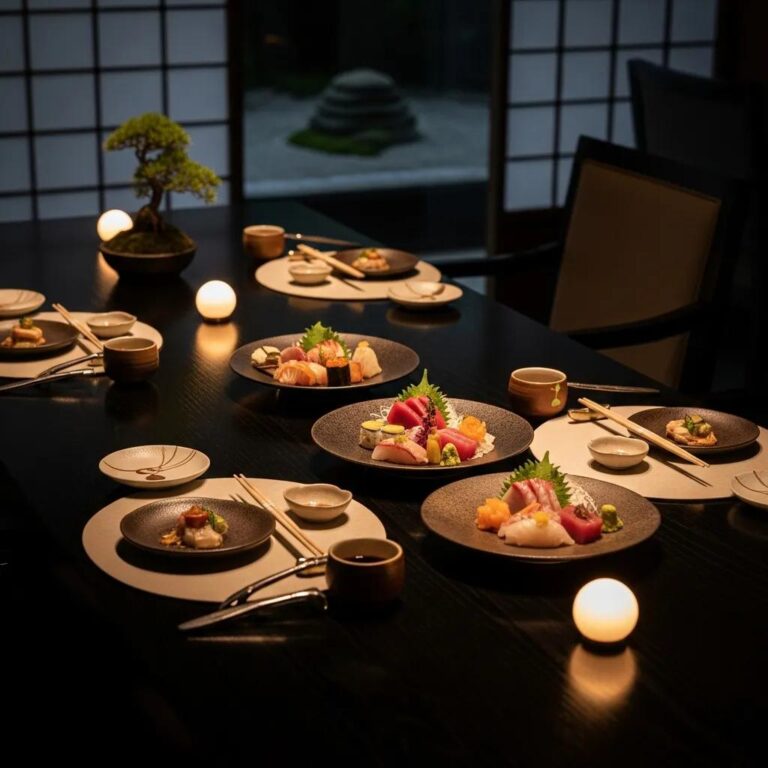
Plating in Japanese fine dining follows aesthetic principles—seasonality, negative space, balance, and vessel choice—that form a visual grammar communicating taste expectations and preserving sensory integrity. Visual cues prime perception, so carefully composed plates reinforce the technical achievements from the kitchen. The benefit is stronger memorability and clearer signaling of intended flavor relationships; a plate that balances color and texture also helps diners anticipate contrast and progression. The table below breaks down key plating elements and explains how each contributes to the guest experience before we share practical examples.
The Aesthetics of Kaiseki: Japanese Fine Dining and Culinary Art
Kaiseki, the traditional multi‑course Japanese meal, represents one of the most refined expressions of culinary art, rooted in cultural and philosophical principles. This study traces kaiseki from its tea‑ceremony origins to its place in contemporary fine dining, and it examines core aesthetic principles—seasonality, visual balance, and natural presentation—that reflect a broader Japanese worldview. The paper explores how wabi‑sabi and Zen mindfulness inform a meditative dining rhythm, and it highlights the importance of tableware and naturalistic plating techniques. Finally, the study considers modern adaptations and kaiseki’s influence on global fine dining, showing how this tradition continues to evolve while preserving its aesthetic heart.
What Are the Key Elements of Japanese Plating at Kaviar?
At Kaviar, the key elements of Japanese plating—seasonality, restrained garnishing, careful vessel selection, and intentional negative space—work together to present food that looks purposeful and tastes true. Each visual cue communicates something about flavor, temperature, and portion, helping diners “read” the plate before tasting. Practically, chefs select vessels that hold temperature, use garnishes that complement rather than compete, and leave breathing room around delicate items to prevent condensation and texture loss. These choices protect the precision achieved in the kitchen and signal the intended tasting order.
How Does Presentation Enhance the Overall Dining Experience?
Presentation amplifies the experience by aligning expectation with delivery: visual structure primes taste and emotional response. Research and modern sensory theory show that symmetry, color contrast, and textural cues influence perceived intensity and enjoyment, so intentional plating can heighten the effect of precise cooking. In service, pacing and visual cues tell a diner when to sip, when to reset the palate, and how to approach each bite, improving coherence across the tasting. When presentation supports the kitchen’s technical aims—temperature, texture, seasoning—the whole meal becomes more satisfying and memorable.
How Can Diners Experience Kaviar’s Precision Cooking Firsthand?
To experience Kaviar’s precision cooking, start with a reservation and an openness to a paced, chef‑led tasting that emphasizes technique and provenance. Smooth service begins with advance notes about dietary needs, an understanding of the expected length of an omakase seating, and a readiness for chef interaction that clarifies technique and ingredient choices. The payoff is a guided sensory education where timing, portioning, and presentation are arranged for maximum impact. Guests who value culinary accuracy will find Kaviar’s structure—carefully timed courses and exacting service—creates the ideal conditions to enjoy refined Japanese fine dining in Pasadena. Below are practical booking tips and how ambiance supports the culinary approach.
- Booking Lead Time: Reserve early for limited omakase seatings and special ingredient availability.
- Dietary Communication: Tell us about allergies or restrictions ahead of time so the chef can craft a suitable sequence.
- Time Commitment: Expect a paced, multi‑course progression that rewards presence and patience.
These preparation steps reduce friction and let guests experience the intended sequence without interruption. The paragraph below outlines what to expect in more detail.
What Should Guests Expect When Booking a Table at Kaviar?
Expect a curated, time‑aware dining experience where seating is limited and courses arrive with deliberate timing to showcase technique and ingredient quality. Typical expectations include pre‑visit communication about dietary needs, modest lead times for reservations due to limited seating, and an invitation to engage with the chef during service to learn how precision choices shape each course. Dress and etiquette are understated and respectful, supporting a focused tasting environment that protects temperatures and presentation. Knowing these norms ensures a smoother, more rewarding omakase and helps diners appreciate how ambiance and service preserve culinary precision.
How Does Kaviar’s Luxury Ambiance Complement Its Culinary Philosophy?
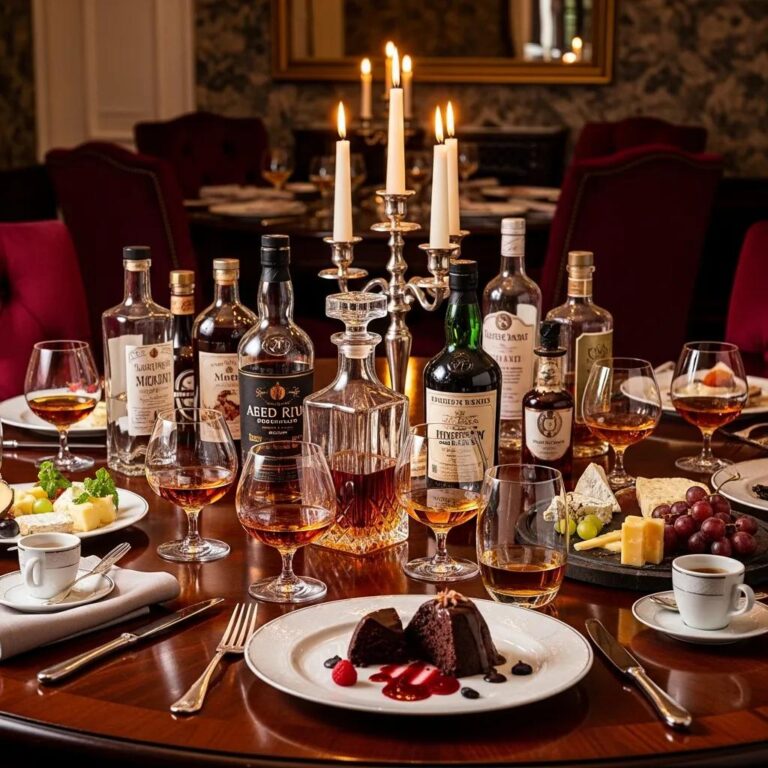
Kaviar’s ambiance—thoughtful lighting, controlled acoustics, and choreographed service—extends the kitchen’s precision by protecting appearance and timing, and by directing guest attention. Quality lighting preserves color and temperature perception, seating arrangements control sightlines so plating can be appreciated, and service pacing aligns with culinary windows so dishes are enjoyed at ideal states. The result is an integrated setting where hospitality choices amplify rather than compete with the technical achievements on the plate, deepening appreciation and making each measured technique more perceptible.
- Reserve thoughtfully: Plan ahead to secure premium seatings and signature dishes.
- Communicate needs early: Dietary details let the chef adapt the omakase sequence.
- Be present: A paced tasting rewards focused engagement with each course and technique.
Following these steps helps guests encounter the full intent behind Kaviar’s precision cooking and get the most sensory return from a carefully curated tasting.
Frequently Asked Questions
What is the significance of ingredient provenance in precision cooking?
Provenance is essential because predictable results start with predictable ingredients. Sourcing items like Miyazaki A5 Wagyu and Kaluga caviar by grade and traceability reduces variability and lets technique highlight an ingredient’s best qualities. When chefs know an item’s origin and characteristics, they can choose methods that elevate—not mask—its natural flavor and texture.
How does Kaviar ensure consistency in its omakase experience?
Consistency comes from meticulous planning and disciplined execution. Each course builds on the last with strict attention to timing, temperature, and presentation. Our team follows protocols for preparation and plating so every dish meets the restaurant’s standards, allowing guests to enjoy a seamless progression of flavors and textures.
What role does plating play in enhancing the dining experience at Kaviar?
Plating is both communication and preservation: thoughtful arrangement of color, texture, and space primes expectation and protects the food’s temperature and structure. Good plating signals how to approach a dish and amplifies the work done in the kitchen, making each course more memorable and true to the chef’s intent.
How can diners prepare for their omakase experience at Kaviar?
Prepare by reserving early and sharing dietary restrictions in advance so the chef can design an appropriate sequence. Allow time for a paced multi‑course meal and come ready to engage with the service—the experience rewards focus and curiosity.
What makes the omakase experience at Kaviar unique compared to other dining formats?
Kaviar’s omakase is chef‑led and deeply curated. Instead of choosing à la carte, diners entrust the kitchen to craft a narrative around seasonality and technique. The result is a personalized tasting that emphasizes rare ingredients, precise methods, and direct engagement with the culinary team—an experience that’s both educational and sensory.
How does Kaviar’s ambiance contribute to the overall dining experience?
Our ambiance is designed to support the food: lighting that preserves color, acoustics that allow conversation without distraction, and seating that highlights presentation. Those hospitality choices help guests focus on the meal and enable the technical details on the plate to be fully appreciated.
Conclusion
Precision cooking at Kaviar is more than technique—it’s a way of shaping each moment of a tasting to reveal ingredient, craft, and intention. By understanding the methods and provenance that define our approach, diners can engage more deeply with the omakase experience. We invite you to reserve a seat and taste the deliberate care behind every course. Discover the textures and flavors that define Japanese fine dining at Kaviar.