



Premium Spirits & Liqueurs at Kaviar’s Pasadena Bar — Japanese Whisky, Sake, and Crafted Cocktails
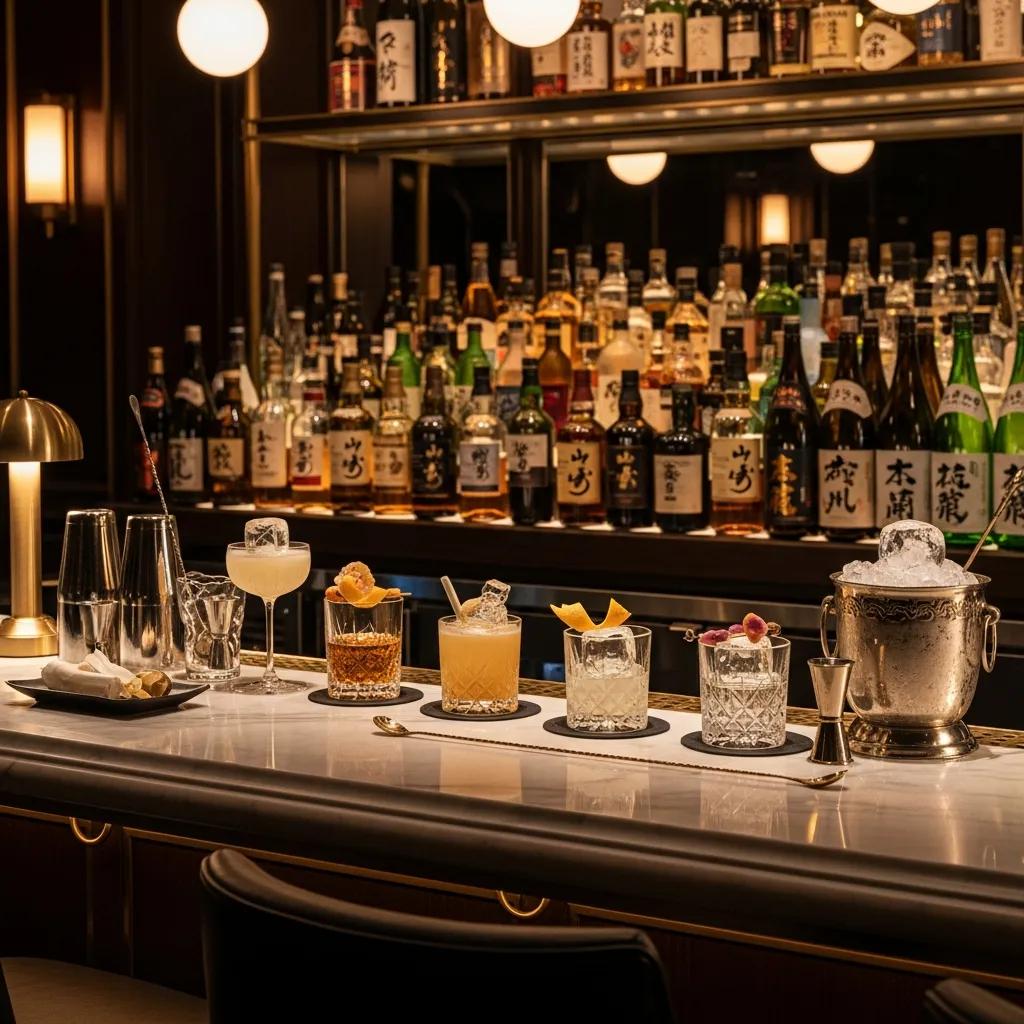
At Kaviar, our bar program is designed to sit seamlessly alongside our Japanese fine dining. We pair a curated collection of premium spirits, rare liqueurs, and thoughtfully composed cocktails with omakase, A5 Wagyu, and caviar to create a single, elevated dining narrative for guests in Pasadena. This guide explains what makes a Japanese whisky “premium,” why sake and specialty liqueurs matter for pairing, and how to choose between single malt and blended expressions. You’ll learn which sake styles suit raw fish and delicate nigiri, how signature cocktails and after‑dinner liqueurs can complete a tasting menu, and practical pairing principles useful when booking an omakase. We also compare representative whiskies and cocktails, explain tasting vocabulary to use at the bar, and show how Kaviar integrates these options into our reservation‑forward fine dining experience.
Which premium Japanese whiskies do we offer at Kaviar’s Pasadena bar?
Premium Japanese whiskies are defined by careful distillation, considered maturation, and flavor profiles that complement delicate Japanese cuisine. Our selection spans single malts and blended whiskies, each chosen for the way its aromatics and structure play with seafood, cured fish, and richer proteins. When we evaluate a bottle we listen for nose, palate, and finish—qualities that determine whether a spirit will harmonize with sashimi or stand up to A5 Wagyu. Knowing these categories helps guests request the right expression at the bar and get the most from tasting flights and curated pours. The sections below break down featured types and the tasting-note framework we use to guide pairings.
Which single malt and blended Japanese whiskies are featured?
Single malt expressions come from a single distillery and tend to highlight malt-driven flavors—rice grain, gentle peat, orchard fruit, and honey—while blended whiskies combine different barrels and styles to achieve balance and complexity. In a fine‑dining setting we often present single malts for reflective sipping or tasting sequences; blends are used as flexible partners across multiple courses. Ask for a single malt to savor delicate aromatics before heavier dishes, or choose a blend when you want a consistent bridge from sushi to richer mains. Sequencing matters: begin with lighter, aromatic single malts, then move to fuller blends as the meal gains intensity.
What tasting notes and origins define our Japanese whisky selection?
We describe whiskies by nose, palate, and finish—aromatic lift, flavor core, and lingering character—because each element informs pairing choices. On the nose you may encounter floral or orchard fruits; on the palate toasted grain, citrus peel, or a soft smoke; and on the finish spice, caramel, or saline minerality—clues that suggest likely food partners. Distillery style and regional influence also matter: coastal‑influenced whiskies often carry saline notes that pair beautifully with sashimi, while inland or heavily matured expressions better complement grilled or fatty preparations. Mapping these tasting components to menu items helps you choose pours that either contrast with or complement a dish. The table below summarizes how category attributes guide pairing decisions.
Different whiskies show distinct strengths that make them better suited to tasting flights or single‑pour moments.
This comparison clarifies how category‑level traits inform pairing choices and tasting order at a premium bar.
Beyond category guidance, we often arrange tasting flights to move from lighter to heavier expressions; that progression reveals development across nose, palate, and finish and primes the palate for a transition to sake or cocktails.
How can you pair omakase with premium sake and spirits at Kaviar?
Pairing omakase with sake and spirits comes down to matching texture, intensity, and aromatics to each course so beverages either support or thoughtfully contrast flavors to elevate the tasting sequence. The guiding principle is to align beverage acidity and umami with the rice, fish, and seasoning on the plate: higher‑acidity, lighter sakes highlight delicate nigiri, while fuller spirits anchor richer or seared items. Practical pairing rests on three pillars—match intensity, respect temperature and vessel, and sequence from subtle to robust—so diners can move through an omakase with confidence. The subsections below outline which sake families suit raw fish and which spirits and wines work with signature dishes like A5 Wagyu.
Which sake types work best with sushi and sashimi?
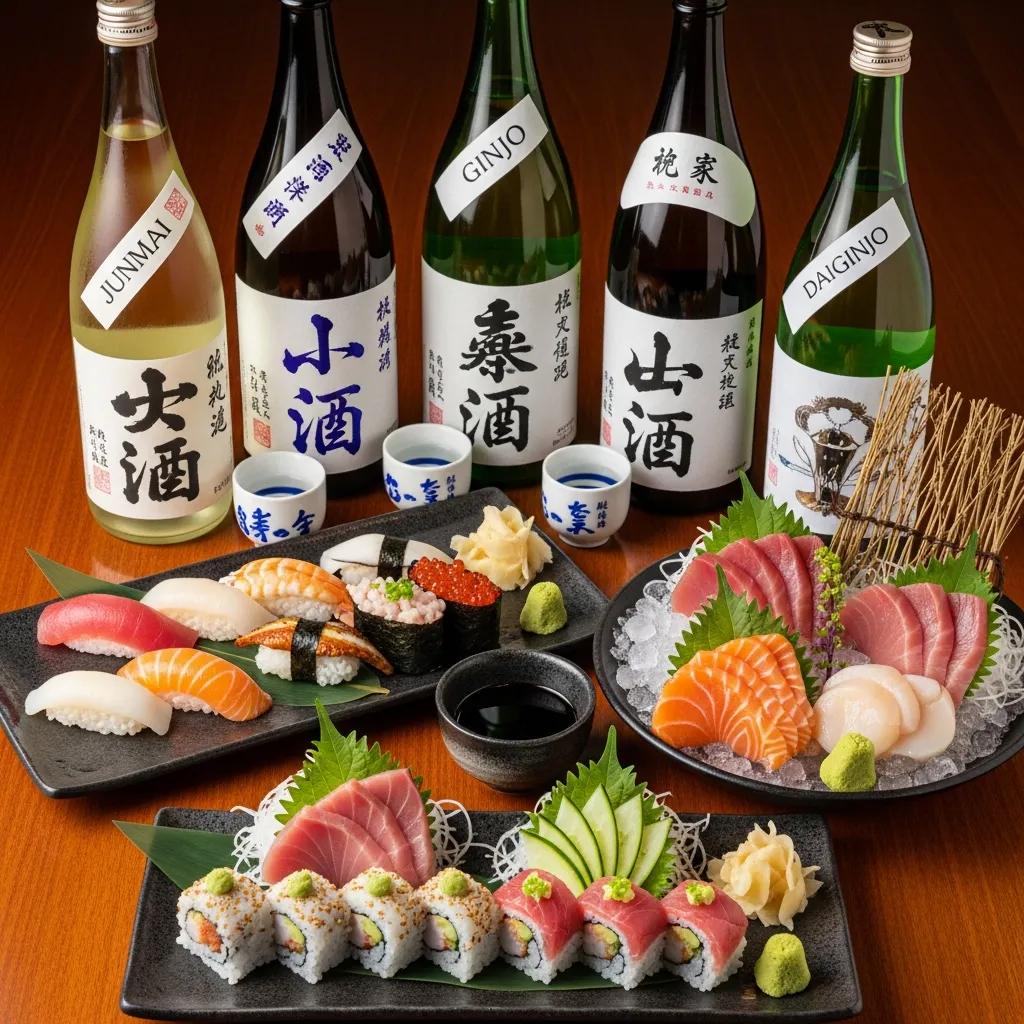
Junmai, Ginjo, and Daiginjo differ in rice polish, aromatic lift, and body, so each has a natural place at the counter. Junmai tends to offer body and rice‑driven umami that pairs with richer fish or soy‑accented bites; Ginjo and Daiginjo bring floral and fruity aromatics that elevate delicate white fish and lightly seasoned nigiri. Temperature matters: chilled Ginjo/Daiginjo preserves delicate aromatics for sashimi, while a slightly warmer Junmai opens texture for fattier cuts. Choosing sake by style and serving temperature enhances freshness and highlights the interplay of rice, sea, and fat through an omakase progression.
Use this concise matrix to match common omakase elements with recommended sake styles.
After covering sake basics, many guests ask how whiskies and wines fit into an omakase. The next section outlines spirit and wine matches for heavier signature items like A5 Wagyu and offers serving tips you can reference when making a reservation. Kaviar also provides curated pairing suggestions alongside omakase seating to ensure harmony between what’s poured and what’s served.
Which spirits and wines complement Kaviar’s signature dishes like A5 Wagyu?
Rich items such as A5 Wagyu benefit from beverages with structure—subtle oak, soft tannins, or warming spice—that support fat without masking delicate flavor. Full‑bodied whiskies with rounded oak and toasted grain notes bring warmth and depth that harmonize with umami and marbling; low‑tannin reds or aromatic whites with bright acidity can lift richness without covering nuance. Fortified wines and digestifs make thoughtful finishers, offering an oxidative or sweet counterpoint to savory mains. Service tips include slightly cooler red temperatures and small, concentrated whisky pours to preserve balance and keep the meat’s texture front and center.
Which signature craft cocktails and luxury liqueurs define Kaviar’s bar experience?

Our signature cocktails are built to accompany the meal. We blend seasonal produce, Japanese ingredients like yuzu and shiso, and classical technique so each drink supports a course rather than competes with it. Luxury liqueurs and digestifs are selected for layered aromatics and balanced sweetness that can cleanse the palate, round out dessert, or pair with cheese. The bar’s focus is balance—acidity, bitterness, sweetness, and aromatic complexity—so cocktails enhance caviar, sashimi, and grilled items. The sections below outline representative cocktail styles and the rare liqueurs that elevate the final act of a tasting menu.
Which Japanese‑inspired and classic cocktails are available?
Japanese‑inspired cocktails typically use local citrus, rice‑forward techniques, and botanicals like shiso to create clear, precise profiles; classic recipes receive subtle reinterpretation—rice‑washed martinis or barrel‑aged stirred drinks, for example. Drinks are crafted with food in mind: citrus‑led cocktails for raw fish, herbal, umami‑accented drinks for vegetable courses, and richer spirit‑forward cocktails for heavier proteins. The menu rotates seasonally to reflect market produce and omakase changes, so the cocktail list remains dynamic and food‑focused. Below are a few representative concepts and their pairing intent.
- Citrus‑Shiso Highball: Yuzu and shiso brighten sashimi courses and refresh the palate.
- Rice‑Washed Martini: A subtle rice texture complements delicate nigiri without masking flavor.
- Barrel‑Aged Old Fashioned: Oak and warming spice add depth beside grilled or richer mains.
These concepts illustrate how technique and Japanese ingredients are used to support the tasting menu and lead into rare liqueurs and digestifs discussed next.
What rare and after‑dinner liqueurs enhance the fine dining experience?
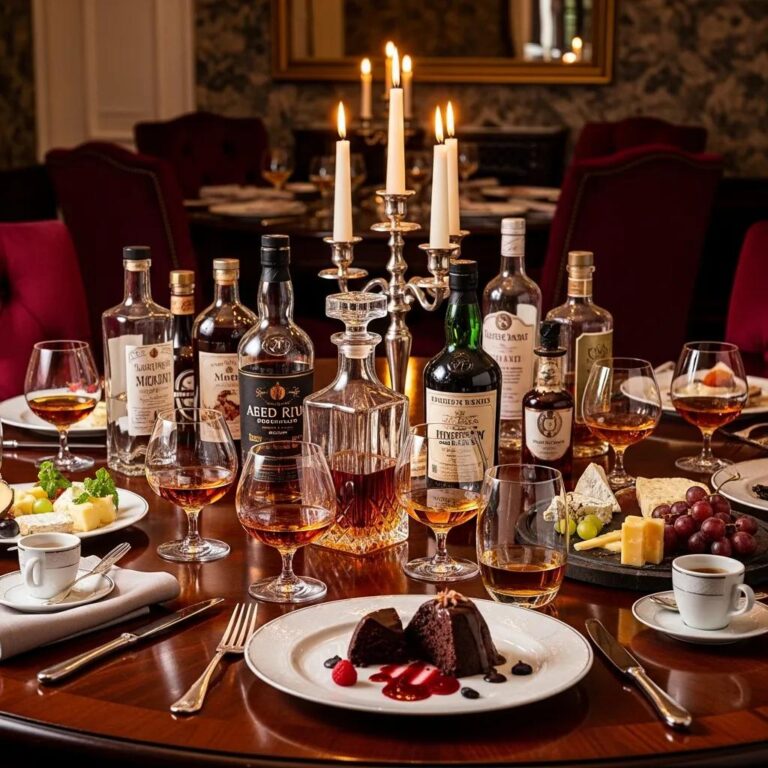
After‑dinner liqueurs and digestifs—amaro‑style bitters, complex cordials, and aged sweet spirits—settle the palate and extend conversation after a meal. We select rarer bottles for layered aromatics and restrained sweetness that harmonize with desserts or cheese, offering botanical, nutty, or bittersweet finishes. Served in small pours at cellar or slightly cool temperature, these bottles preserve nuance and make the post‑meal moment feel like an additional course. Typical pairings include a herbaceous amaro with citrus desserts or a nutty liqueur alongside a light cheese to balance sugar and acidity.
To make our offerings transparent, here is a concise menu table showing signature cocktails and their defining attributes.
After this look at cocktails and digestifs, the next section explains how our curation and service philosophy make these beverage choices effective in an omakase setting and what guests should expect when reserving.
At Kaviar, the bar program reinforces the meal’s story—curated cocktails and liqueurs rotate with seasonal omakase menus to enhance the guest experience.
Why choose Kaviar’s bar for a premium spirits and fine dining experience in Pasadena?
We integrate spirit curation with menu planning so each beverage supports the restaurant’s culinary narrative and signature ingredients like caviar and A5 Wagyu. Our selection emphasizes quality, provenance, and staff knowledge so every pour—sake, whisky, or cocktail—serves the meal’s progression. Guests benefit from a team trained to describe nose, palate, and finish and to recommend beverage sequencing that complements omakase. The following subsections detail our curation practices and summarize why experts and diners note the bar’s role in elevating the overall experience.
How do we curate our exclusive spirits and cocktail menu?
Curation at Kaviar focuses on sourcing, chef‑and‑bartender collaboration, and seasonal rotation to keep beverages aligned with evolving menus. Selection criteria include spirit quality, distillery reputation, flavor relevance to Japanese cuisine, and measured scarcity that enhances the experience. Our team works with distributors and producers to secure limited releases and adapts cocktail recipes to showcase Japanese ingredients, balancing rare bottles for collectors with versatile options that pair across a multi‑course tasting menu.
These principles produce a beverage program that is both educational and complementary, preparing guests for thoughtful pairings and memorable tasting progressions.
What do experts and guests say about our bar program?
Industry observers and guests often highlight that knowledgeable service and considered pairings turn a meal into a curated experience—where beverages clarify flavor and spotlight signature ingredients. Our focus on tasting vocabulary and structured pairing guidance helps diners notice subtle connections between spirits and dishes. Most feedback emphasizes sequencing—beginning with lighter sakes or low‑ABV cocktails and moving to richer whiskies or digestifs—as a defining element of the meal’s rhythm. Those moments underline how a curated beverage program can sharpen flavor clarity and refine pacing.
The next section offers practical booking steps so guests can reserve seating that allows them to engage fully with Kaviar’s beverage program during an omakase or bar‑focused evening.
Our reservation‑forward approach ensures guests seeking curated pairings can request beverage guidance or omakase seating when booking, aligning expectations before arrival.
Where can you find Kaviar’s premium spirits and make reservations in Pasadena?
Kaviar is an upscale Japanese fine‑dining destination in Pasadena, and our bar program is integrated with the culinary offering to deliver cohesive pairing experiences for omakase, A5 Wagyu, and caviar‑forward menus. To reserve a bar‑forward tasting or omakase counter seat, use our reservation channels and note any pairing preferences when booking. For the latest hours and exact location details, check our official online listings and Google Business Profile. Below we offer step‑by‑step booking guidance and what to communicate when arranging an experiential dinner.
How to book a table for an exclusive bar and omakase experience?
Booking is simple: select the omakase or tasting option when you make a reservation, indicate whether you prefer bar seating or the counter, and tell us any dietary restrictions or pairing preferences so our team can prepare. Lead times vary with demand, so booking in advance helps us arrange specific beverage pairings or source special bottles. When requesting pairings, indicate whether you prefer a sake‑led, whisky‑led, or cocktail‑led progression so we can tailor pours accordingly. These details help secure an ideal evening and allow the bar to align its curated spirits with the night’s menu.
This guidance lets guests request particular beverage sequences and ensures our team can coordinate pairings that complement the omakase flow.
What are the bar hours and location details for Kaviar Restaurant?
For current hours and precise location, please consult Kaviar’s official online listing and Google Business Profile where we maintain updated opening times, address details, and reservation links. Checking these sources before arrival ensures you have the latest information on seat availability and any special pairing menus. Guests arriving for an omakase or bar tasting should allow time to discuss pairing preferences with our staff so we can deliver a seamless food‑and‑drink integration throughout the meal.
This practical guidance helps guests prepare for arrival and coordinate reservations and pairing requests ahead of time.
How does Kaviar’s bar reflect the latest trends in premium spirits and craft cocktails?
Our program responds to current trends—premiumization, interest in aged and limited Japanese whisky, and rising appreciation for sake and craft liqueurs—by curating offerings that meet modern diners’ expectations for provenance, tasting depth, and thoughtful presentation. We embrace craft cocktail practices through seasonal ingredients, Japanese flavor integration, and measured presentation that enhances experiential dining without spectacle. Balancing rare bottle acquisitions with approachable, food‑friendly cocktails ensures both collectors and food‑centric guests find value. The subsections below summarize the trends shaping our menu and how we apply craft practices to the omakase context.
What are the current trends in Japanese whisky and luxury liqueurs?
Key trends include heightened demand for aged and limited Japanese whiskies, a stronger role for sake as a serious pairing beverage, and renewed interest in artisan liqueurs and digestifs that emphasize complexity over sweetness. Diners and collectors increasingly seek transparency—origin, tasting notes, and pairing suggestions—so bars are providing provenance and guided tastings. This environment encourages tasting flights, curated pairings, and smaller pours so guests can explore rare expressions without committing to a bottle. Understanding these trends helps guests know what to request and helps bars deliver both educational and sensory experiences.
These market shifts directly inform our curation, leading us to balance rare acquisitions with approachable, food‑friendly beverage options.
Japanese Fermented Foods and Alcoholic Beverages: Sake and Shochu
A concise overview of Japan’s traditional fermented beverages—sake and shochu—covering microbes, production methods, functionality, and noted health attributes. This summary provides useful context for understanding sake’s role in Japanese dining and pairing practice.
Ethnic fermented foods and alcoholic beverages of Japan, 2016
How does Kaviar incorporate craft cocktail culture and experiential dining?
We incorporate craft cocktail principles by using seasonal produce, Japanese ingredients such as yuzu and shiso, and bartending techniques that emphasize clarity and food compatibility. Thoughtful presentation—appropriate glassware, attention to temperature, and restrained theatrical touches—elevates the drinking moment without distracting from the meal. Bartenders work closely with chefs to design cocktails that mirror the omakase progression so each drink functions as a pairing tool rather than a standalone spectacle. The result is an experiential approach where cocktails, sakes, and whiskies are woven into the meal’s narrative, enhancing both taste and memory.
This collaboration and attention to craft ensure our beverage choices remain contemporary, purposeful, and aligned with 2024 guest expectations.
Frequently Asked Questions
What is the difference between Junmai, Ginjo, and Daiginjo sake?
Junmai, Ginjo, and Daiginjo differ mainly by how much the rice is polished and by their resulting flavor profiles. Junmai is made from pure rice and tends to be fuller and more umami‑driven—good with richer dishes. Ginjo is milder and more aromatic, often floral or fruity, and suits delicate sushi. Daiginjo is polished the most and is the most refined, offering complex aromas that elevate light sashimi. Knowing these differences helps you choose the right sake for each course.
How can I enhance my experience with tasting flights at Kaviar?
For the best tasting‑flight experience, start with lighter, aromatic sakes or whiskies and progress to richer, more robust expressions. That sequencing lets your palate adjust and reveals nuance in each pour. Lean on our staff—our team will explain tasting notes and pairing suggestions and help you select complementary flavors so the flight aligns with your meal and amplifies the cuisine.
Are there seasonal variations in the cocktail menu at Kaviar?
Yes. Our cocktail menu changes with the seasons to reflect fresh produce and to complement the evolving omakase. The bar team incorporates seasonal fruits, herbs, and other market items so cocktails remain in harmony with the dishes being served. Ask about current seasonal cocktails when you visit—these selections are crafted to enhance the night’s menu.
What role do luxury liqueurs play in the dining experience at Kaviar?
Luxury liqueurs serve several roles: they can cleanse the palate, provide a gentle finish to the meal, or pair with desserts and cheeses to balance sweetness. We choose bottles for layered aromatics and measured sweetness so the after‑dinner pours extend the dining experience and create a considered conclusion to the meal.
How does Kaviar ensure the quality of its spirits and cocktails?
Quality comes from careful curation, collaboration, and ongoing training. Our bar team sources from respected distilleries and producers, works with sommeliers and chefs to align flavor profiles with cuisine, and continually refines techniques to maintain consistency. Regular tastings and staff education ensure informed recommendations and high service standards.
Can I request specific pairings when making a reservation at Kaviar?
Absolutely. When you book, let us know if you prefer sake‑led, whisky‑led, or cocktail‑led pairings and share any dietary restrictions. That information lets our team prepare tailored beverage selections and ensures a seamless integration of food and drink throughout your visit.
Conclusion
Thoughtful spirits and liqueurs amplify Kaviar’s dining experience. Our curated selection of Japanese whiskies, sakes, and craft cocktails is designed to complement the cuisine and deepen your appreciation of flavor and pairing technique. We invite you to explore these offerings and reserve a table to experience the art of pairing at Kaviar.