



How Culinary Influencers Are Redefining Fine Dining: Food Bloggers, Short-Form Video, and the New Booking Path
Creators on Instagram, TikTok and YouTube have turned food into a visual language—and that language now guides how many guests discover and choose restaurants. This article breaks down how food blogger marketing reshapes formats, spotlights premium ingredients, and drives reservation intent for upscale dining. You’ll see why short-form video and curated photography reshape discoverability, how dishes like A5 Wagyu and caviar become menu magnets, and which collaboration models deliver authentic reach for luxury restaurants. We map platform mechanics, practical influencer partnership tactics, and likely trends—AI-assisted content and immersive experiences—that matter to restaurateurs and diners. A tactical playbook focused on Kaviar Restaurant in Pasadena shows how our signature dishes and reservation flows can live inside influencer campaigns without losing editorial integrity. By the end, you’ll have clear steps to sharpen content, measure conversions, and turn discovery into bookings.
How Have Culinary Influencers Changed Food Content Creation?
Influencers shifted discovery away from long, formal reviews and toward short, image-first moments that emphasize texture, technique and story. Algorithms reward watch time, saves and shares—so cinematic close-ups of marbling or a chef’s finishing move get amplified, turning visual detail into social currency. That creates a simple pipeline: a short clip or Reel sparks discovery, UGC multiplies exposure, and intent-to-visit often follows. The takeaway for restaurants is practical: design dishes that taste outstanding and photograph even better. Visual hooks win attention, narrative hooks build trust, and consistent post formats create searchable pockets of content that sustain discoverability over time. Next, we look at which platforms best serve each format and why creators pick one network over another.
Which Platforms Fuel the Rise of Culinary Creators?
Each platform has its strengths and audience expectations, and matching format to channel maximizes reach. Instagram favors curated visuals and Reels—great for polished plating and behind-the-scenes Stories that keep a brand present. TikTok rewards short, often candid clips with high virality; creators use quick reveals, first-bite reactions and clever edits that prompt viewers to visit. YouTube hosts longer storytelling—tasting menus, chef interviews and documentary-style features—that build credibility over time. Creators usually repurpose content—quick cuts for TikTok, a refined Reel for Instagram, and a longer tasting narrative for YouTube—so a single shoot can feed multiple discovery paths. The next section contrasts this creator-driven ecosystem with the older era of food criticism and shows how trust dynamics have shifted.
How Did Food Coverage Move from Critics to Digital Tastemakers?
The shift reflects a democratization of taste and the rise of social proof. Traditional critics offered depth and authority but reached smaller, slower audiences. Digital tastemakers combine personality, cadence and direct engagement—followers see the people behind the recommendation, ask questions and watch instant reactions—creating a sense of shared experience critics rarely provide. This also enables hyper-local discovery: micro-influencers can trigger immediate foot traffic by showcasing a single moment—a plating trick, a signature bite—that feels reachable. As creators blend entertainment with expertise, restaurants must balance curated storytelling and authenticity to keep credibility while gaining visibility. That balance sets up the next discussion: how influencers affect luxury dining.
#Foodporn: Instagram Influencers and Culinary Creativity
# foodporn: examining Instagram food influencers through the systems model of creativity — J. Fulton, 2022
How Do Culinary Influencers Affect Luxury Dining and Restaurant Marketing?
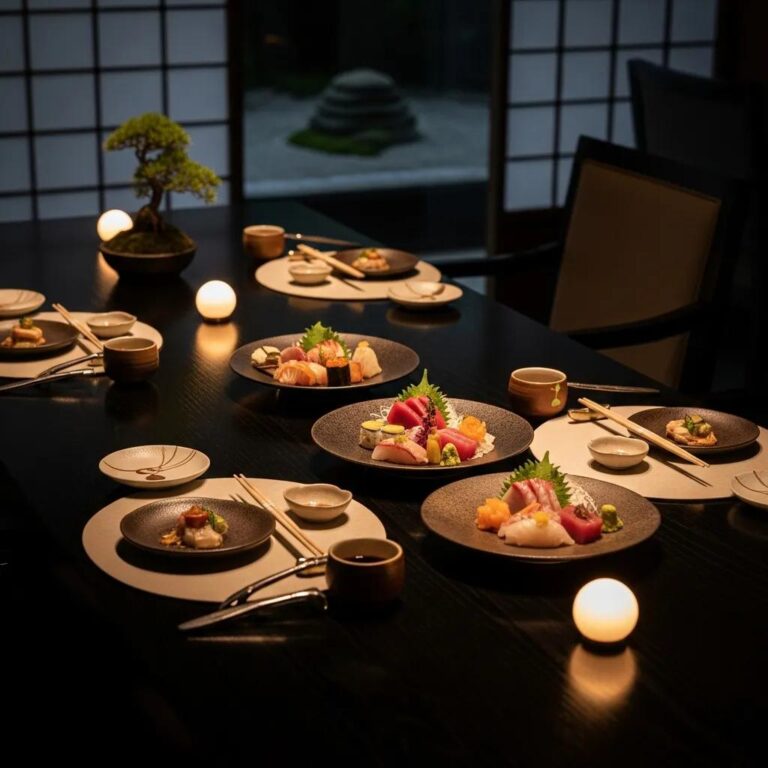
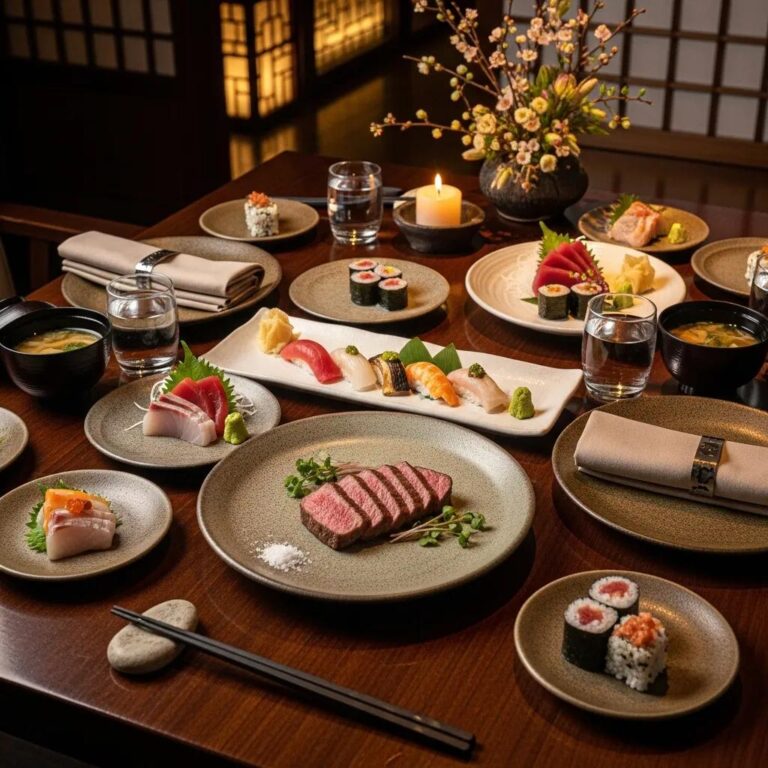
For luxury restaurants, influencers increase visibility, reshape perceived value and speed up reservation decisions. High-quality visuals—close-ups of marbling, pearlescent caviar or gold-leaf accents—act as visual shorthand for luxury and can turn specialty dishes into widely requested experiences. Story-driven posts and repeat UGC supply social proof that reduces the friction between discovery and booking: endorsements, comments and saved posts signal trust. The most relevant metrics for premium restaurants are visibility (reach and impressions), engagement (saves and shares) and downstream conversions (inquiries and reservations)—together they show influencer ROI.
The table below outlines content types and the effects they typically have on premium dishes to help marketers choose formats that align with reservation intent and brand positioning.
This mix—fast-discovery clips backed by curated imagery and longer context—creates both immediate reservation intent and longer-term prestige. Next, we’ll examine how influencers spotlight premium ingredients like A5 Wagyu and caviar.
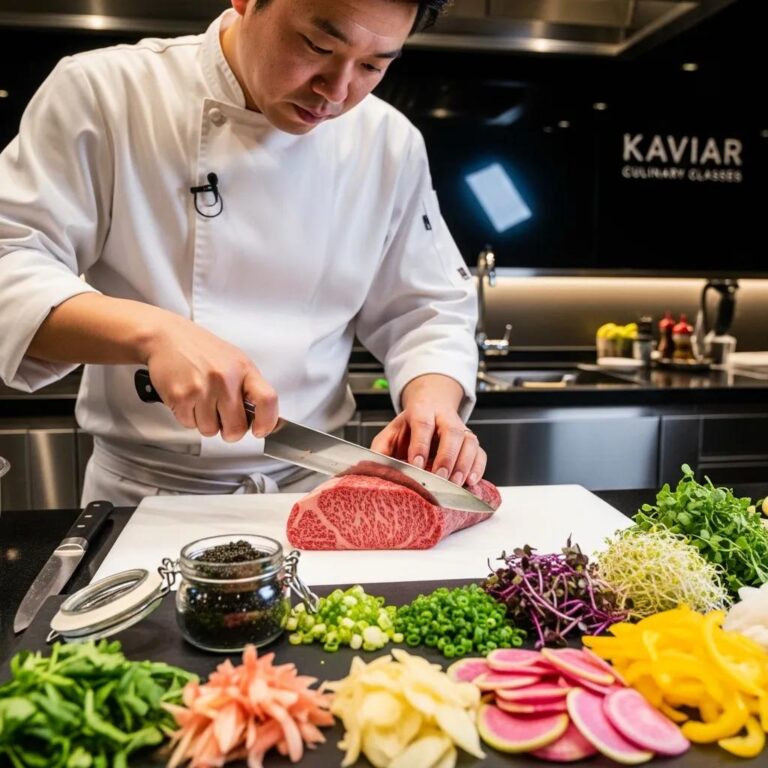
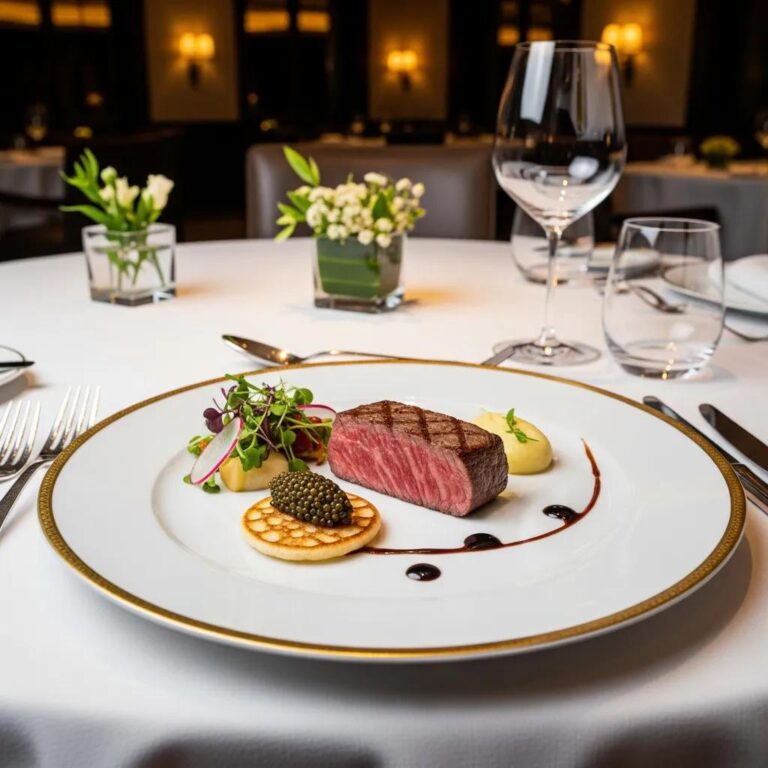
When creators highlight luxury ingredients, they layer origin, technique and sensory detail to create storytelling value. Close-up video of A5 Wagyu marbling and a slow plating reveal communicates texture and indulgence; a tasting note describing umami and mouthfeel adds credibility. Caviar receives attention through visual cues—pearlescent beads, lacquered spoons or ritualized service—and origin stories that stress rarity and provenance. Dishes such as Toro Tartare and Uni Pasta perform well because their color and texture translate clearly on camera; tableside rituals and finishing moments make them even more shareable. Creators match format to purpose: TikTok for quick reactions, Instagram for hero photos and YouTube for deeper sourcing interviews. These visual and narrative tactics turn curiosity into visits by framing premium ingredients as experiences rather than line items on a menu.
How Does Social Proof Drive Reservation Intent?
Social proof converts attention into action by signaling popularity, quality and trust. When several creators and diners post UGC about the same dish, potential guests read that as evidence of quality and reduce the perceived risk of a premium price. Endorsements from respected bloggers and repeated positive comments lift reservation intent through behavioral validation—people follow others’ choices when they expect similar enjoyment. Restaurants convert social proof into bookings by embedding clear CTAs in profiles and linking posts to reservation channels; consistent messaging across posts amplifies the funnel from discovery to booking.
ROI in Influencer Marketing: Profitability and KPIs for Engagement
This study examines profitability and measurable KPIs in influencer marketing strategies, using mixed methods—literature review, surveys, expert interviews, statistical analysis and a case study. Findings emphasize that engagement often predicts campaign success better than follower count. Micro-influencers tend to deliver higher engagement at lower cost than macro creators. The research evaluates KPIs such as brand awareness, engagement, traffic, sales and retention, and discusses alternative ROI measures beyond direct sales.
ROI in the age of digital persuasion: An in-depth examination of profitability and key performance indicators in Influencer Marketing Strategies, 2024
Coordinated influencer activity—planned sequences, repeat mentions and cross-posting—moves audiences from discovery to reservation more reliably than isolated posts.
What Collaboration Strategies Work Best for Luxury Restaurants?
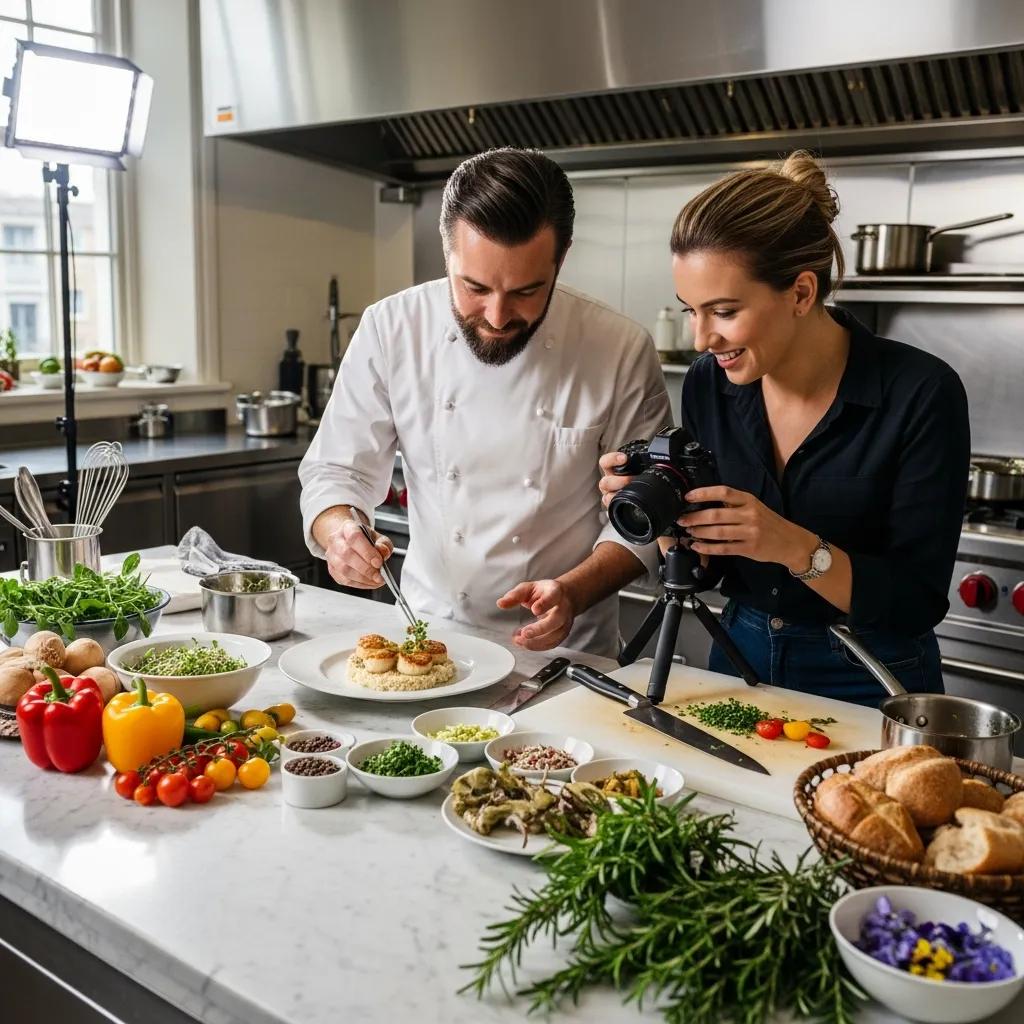
Luxury restaurants should focus on experience-first storytelling, measurable deliverables and audience alignment. Effective approaches include invite-only tastings to create exclusivity, chef takeovers that spotlight technique, co-created content that preserves authenticity, and UGC incentive programs that scale mentions without diluting voice. Measurement frameworks should follow engagement and downstream reservation signals to evaluate ROI. Contracts must be clear about deliverables—Reels, carousels, usage rights and timelines—while leaving room for the influencer’s creative voice. Choose micro-influencers when you want local conversion and niche credibility; choose macro creators when you need a one-time visibility surge. The table below compares collaboration models and expected outcomes to help select the right approach.
How Can Local and Niche Influencers Lift Pasadena’s Fine Dining Scene?
Local and niche creators drive immediate relevance and foot traffic by activating audiences who already trust their taste. For Pasadena, influencers focused on Japanese cuisine, sushi or luxury dining bring subject-matter credibility that lifestyle accounts may lack—so their followers are closer to conversion. Outreach can include targeted invitations to neighborhood tastings, exclusive small-group menus and geo-tagged content to boost local discovery. Track short-term uplift—mentions, reservation inquiries and covers—to measure return. Local creators also aggregate into a neighborhood narrative that can transform a hidden gem into a must-visit destination.
- Local creators create neighborhood relevance quickly with accessible, relatable moments.
- Niche experts add depth and targeted credibility for specialized menus.
- Tactical outreach should include personalized invites, clear deliverables and follow-up measurement.
These tactics feed into contracts and creative scopes that protect authenticity while delivering measurable outcomes.
What Partnership Models Preserve Authenticity?
Authentic partnerships balance a well-defined scope with creative freedom: prioritize immersive editorial content over purely transactional posts. Good agreements specify content types (Reel, Story series, long-form video), timing, usage rights and performance metrics while allowing the influencer room to use their voice. Experience-first activations—chef’s table invites, collaborative dishes or co-hosted events—create unique, shareable assets that feel genuine and tend to be reshared. Contracts can include cross-posting, highlight reels and tagging requirements to boost discoverability. Measure success by tracking both engagement and downstream booking signals and iterate on the model.
- Experience-First: Build immersive moments influencers can honestly document.
- Co-Creation: Invite creators into menu or presentation development for deeper buy-in.
- Clear Metrics: Agree on KPIs—engagement, mentions and reservation inquiries—before launch.
These models prepare restaurants to respond to how social trends shape diner behavior and conversion paths.
How Are Social Media Trends Changing Diners’ Choices?
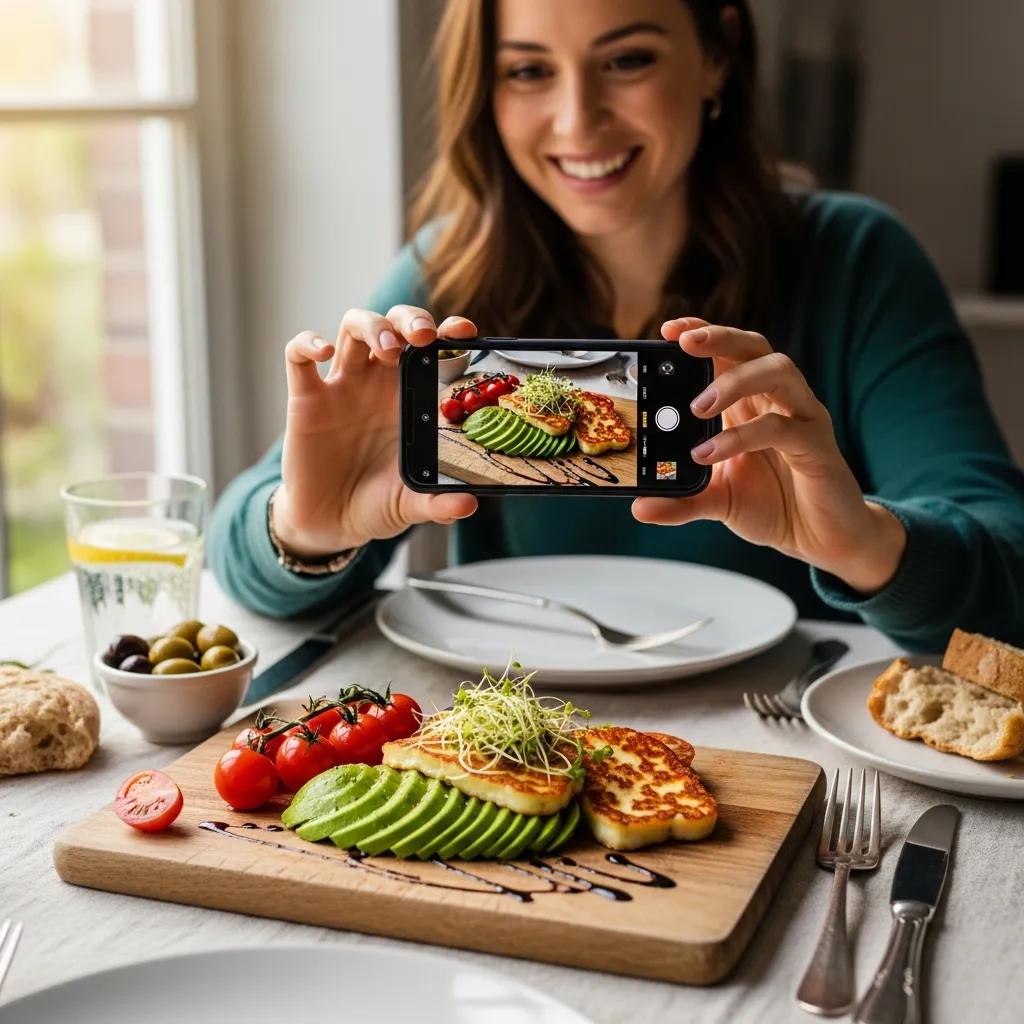
Social trends shift what diners look for by making discovery immediate, visual and socially validated. Short-form moments focus on a single sensory cue—crispy skin, a glossy finish or a gold accent—that can spark rapid demand for dishes that deliver that cue in real life. Platform-driven discovery turns into visits when creators add credible context (chef commentary or diner reaction) and when restaurants make booking straightforward. For operators, the priority is aligning menu highlights with platform-friendly moments and making reservation steps obvious in profiles and posts. The table below summarizes the content types that most influence selection and how restaurants should prioritize them for premium dishes.
Because social discovery often precedes intent, diners inspired by Instagram or TikTok commonly look for immediate booking options. Restaurants that tie visual storytelling to clear reservation pathways—phone, Resy or OpenTable—capture intent more effectively. For nearby diners, make reservations visible and easy in profiles and booking systems to reduce friction between desire and a confirmed table.
What’s Next for Culinary Influencing and Food Content?
The future blends higher production values with continued demand for authenticity and measurable results. New formats—AR previews, AI-assisted editing and immersive pop-ups—will create fresh storytelling hooks that drive both engagement and visits. Audiences will still reward creators who balance polish with candid, sensory-first moments, so luxury restaurants should craft shareable experiences without over-staging them. Measurement will tighten as booking analytics and UGC attribution link engagement to reservation intent. Restaurants that build platform-ready assets now and track conversion paths will be better positioned to benefit.
How Will Innovation and Authenticity Shape Food Influencer Marketing?
Innovation enables more interactive previews while authenticity remains the currency that converts attention into attendance. Hybrid content—hero shots followed by candid first-bite reactions—pairs aspiration with relatability and suits both TikTok and Instagram. Restaurants should build repeatable assets: plated walkthroughs, chef Q&A segments and short documentaries creators can adapt. Measure success with both engagement and downstream booking signals to verify whether innovation drives revenue.
Which Emerging Technologies Will Change Food Content?
Several tools will influence content production and distribution. AI editing speeds creation of multiple short-form cuts from one shoot, increasing cadence without ballooning budgets. AR filters can give potential guests a glimpse of table settings or a signature dish on their phone, raising pre-booking confidence. Reservation integrations that connect social posts to booking systems shorten the path from discovery to reservation and improve conversion. Thoughtful pilots of these technologies help restaurants scale creative output while keeping the authenticity that drives bookings.
- AI Editing: Automates cuts and captions to scale output.
- AR Filters: Lets guests imagine the experience before they arrive.
- Reservation Integrations: Streamlines the discovery-to-booking journey to capture intent.
These trends set up practical, restaurant-specific tactics—illustrated next with recommendations for Kaviar Restaurant.
How Can Kaviar Restaurant Use Culinary Influencers to Strengthen Its Brand?
Kaviar Restaurant—a fine dining Japanese kitchen in Pasadena known for luxury ingredients—can turn influencer attention into bookings by mapping signature dishes to clear content angles and direct CTAs. The playbook should prioritize visually arresting items—A5 Wagyu, Miyazaki A5 Wagyu variations, Toro Tartare with 24k gold, Uni Pasta and the caviar service—as creative hooks for short-form virality and hero photography. Activations could include invite-only omakase tastings for local creators, chef-led plating demos for longer-form pieces, and UGC incentive programs to encourage guest posts. All influencer content should point viewers to our reservation channels—phone, Resy and OpenTable—so editorial value stays intact while intent is captured. The table below pairs dishes with recommended content angles and channels for immediate use.
Use this mapping to create platform-specific assets for each dish and ensure CTAs point to phone, Resy or OpenTable reservations. Next, we examine which dishes naturally succeed with influencer audiences and why.
Which Dishes Perform Best with Food Influencers?
Kaviar’s signature plates lend themselves to influencer storytelling because they combine visual drama with clear sensory narratives. A5 Wagyu makes a compelling hero shot and slicing video that emphasizes marbling and mouthfeel; Toro Tartare with gold leaf provides an immediate luxury cue that plays well on short-form feeds. Uni Pasta’s glossy, creamy texture and saline-sweet notes work for slow-motion bites and chef commentary, while a curated caviar service offers ritual and rarity ideal for carousels and reaction clips. For each dish, recommend a primary platform and a simple CTA to guide followers to booking.
- A5 Wagyu: Instagram Reel with booking direction to Resy / OpenTable.
- Toro Tartare with 24k gold: TikTok reaction clip with phone or reservation prompt.
- Uni Pasta and caviar service: Cross-post short-form video and high-res photos with reservation instructions.
These pairings help Kaviar capture influencer reach while preserving the exclusivity of the dining experience.
How Do Behind-the-Scenes Content and Chef Collaborations Increase Engagement?
Behind-the-scenes content and chef collaborations humanize the restaurant and generate reusable assets that sustain engagement. Plating walkthroughs, sourcing stories for premium ingredients, and short Q&A clips add context that raises perceived value and justifies premium pricing. Structuring collaborations as mini-series—monthly chef features or limited omakase nights—creates anticipation and recurring content creators can publish. Track engagement and conversions through post metrics and reservation inquiries to find top-performing formats and iterate. Consistent BTS assets are easily repurposed across channels, improving content ROI while keeping authenticity and tracking downstream bookings.
- Plating Walkthroughs: Demonstrate technique and sensory detail to build appreciation.
- Sourcing Stories: Share ingredient provenance to emphasize rarity and quality.
- Chef-Creator Series: Produce episodic content that encourages repeat bookings.
Pair these approaches with clear CTAs to phone, Resy and OpenTable, and Kaviar can convert influencer interest into measurable covers.
Frequently Asked Questions
What are the main benefits of working with culinary influencers?
Influencer partnerships increase visibility and credibility by placing your dishes in front of engaged audiences. Creators can highlight a restaurant’s distinguishing elements—technique, ingredients, ritual—and their authentic storytelling often drives curiosity that turns into foot traffic and reservations. Well-chosen partnerships also introduce your restaurant to new communities and help build a loyal audience around your brand.
How should restaurants measure influencer campaign success?
Measure success with engagement metrics (likes, comments, saves), reach and impressions, plus conversion signals—reservation inquiries and completed bookings. Use trackable links, unique codes or dedicated landing pages to attribute reservations to specific campaigns. Regular analysis of these metrics lets you refine targeting, content formats and influencer selection for better results.
Which content formats work best for culinary influencers?
High-quality photos, short-form videos and candid reviews perform strongly. Hero images convey aspiration, short videos capture immediate reactions and sensory moments, and authentic reviews provide the detail that builds trust. A tailored mix across platforms maximizes reach and impact.
How do influencers effectively promote premium ingredients?
Influencers spotlight premium ingredients by showing origin, technique and sensory detail—close-ups of marbling, tasting notes, and ritualized service. These elements create a narrative that elevates perceived value and frames the ingredient as an experience, not just a menu line item.
What common challenges do restaurants face with influencers?
Challenges include finding the right audience fit, preserving authenticity, and managing expectations around deliverables and timing. Misalignment in tone or audience can lead to low impact. Clear briefs, open communication and thoughtful selection of creators help reduce risk and improve outcomes.
How can restaurants keep influencer partnerships authentic?
Prioritize experiences over transactions: invite influencers to genuine tastings, allow creative freedom and work with creators whose values match your brand. Provide clear guidelines but let the influencer tell the story in their voice—authentic content resonates more and drives better engagement.
What future trends should restaurants watch in influencer marketing?
Watch AI and AR tools that speed and enrich content, immersive dining experiences that invite participation, and heightened focus on sustainability and provenance in storytelling. These trends will shape how creators promote restaurants and how guests discover and book experiences.
Conclusion
Partnering with culinary influencers gives restaurants a timely way to increase visibility, build credibility and turn curiosity into bookings. Thoughtful collaborations—rooted in experience, authenticity and clear measurement—let you showcase premium dishes and connect with the right guests. Start with targeted, platform-savvy activations and measurable CTAs to translate influencer attention into real covers and long-term brand value.