



Applying Menu Engineering Principles for Profitability in Fine Dining Japanese Restaurants
Menu engineering pairs data, behavioral insight, and thoughtful design to steer guests toward dishes that lift profitability without compromising craft. At its foundation are three tools—a menu matrix, contribution‑margin analysis, and menu psychology—that tell you which dishes to promote, reposition, reprice, or retire. In a fine‑dining Japanese kitchen, where ingredients like A5 Wagyu and caviar both define the experience and drive cost risk, these methods protect culinary intent while raising revenue per seat. This guide walks managers and chefs through core strategies, costing techniques, popularity metrics, omakase sequencing, and reservation‑to‑menu integration so you can make data‑informed menu decisions. Expect clear formulas, practical optimization steps, upscale examples, and reservation UX tactics designed to convert high‑intent diners into profitable covers.
What Are the Core Menu Engineering Strategies to Maximize Restaurant Profitability?
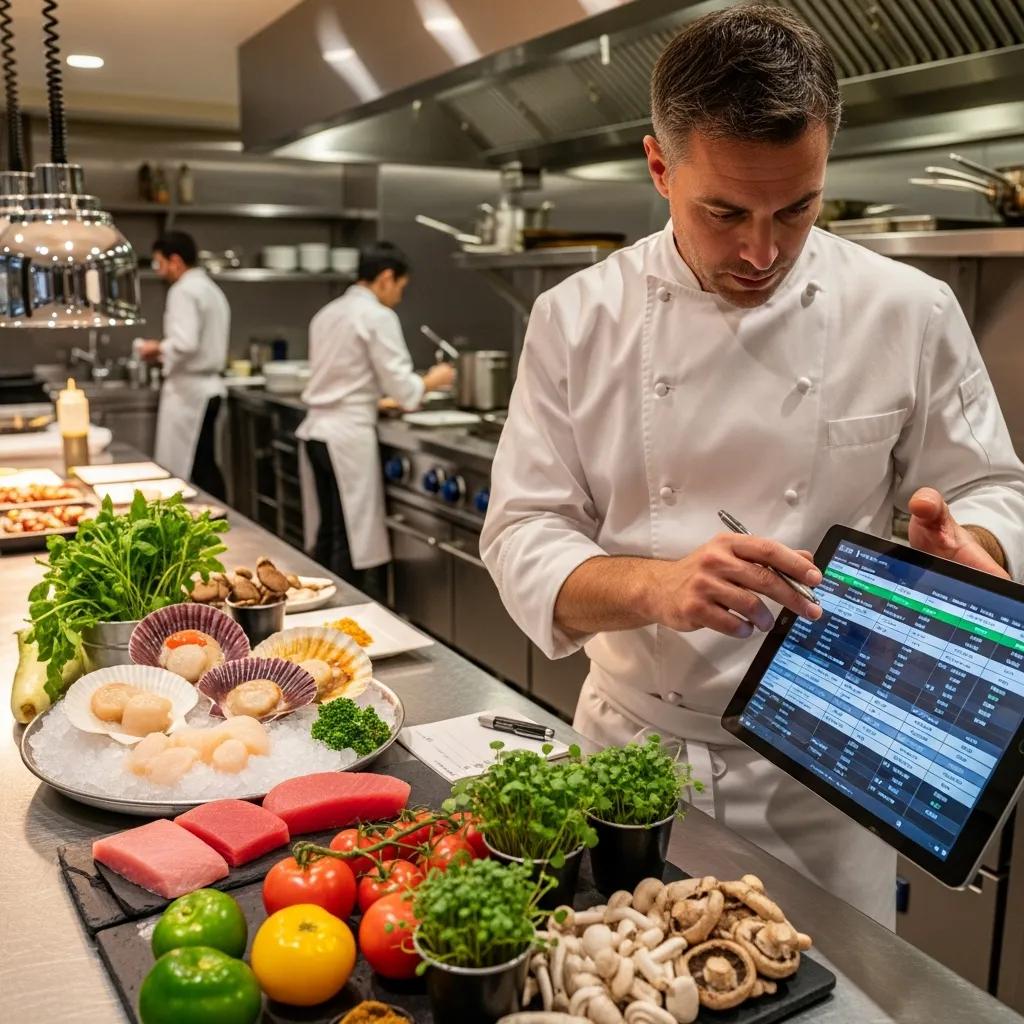
Menu engineering turns intuition into a repeatable process by tracking two complementary metrics: contribution margin and popularity index. Contribution margin shows the dollar value a dish contributes after food cost; popularity measures how often guests choose it. Together they place each dish into strategic quadrants that suggest concrete actions—from bold promotion to graceful retirement. This section outlines the practical levers—matrix categorization, value and tiered pricing, descriptive copy and placement, and subtle psychological nudges—and explains how to deploy them in a luxury Japanese setting. When paired with clear measurement and server training, these tactics raise average checks while respecting the guest experience. Expect to iterate: align FOH and BOH, measure results, and A/B test copy and placement to validate gains.
Four immediately actionable menu engineering moves:
- Use a menu matrix to map items by contribution margin and popularity, then apply quadrant‑specific tactics.
- Capture willingness to pay with value‑based and tiered pricing for premium ingredients.
- Write precise, provenance‑rich descriptions and add subtle visual callouts to lift perceived value for signature items.
- Sequence and place items to nudge guests toward high‑margin combinations without sacrificing authenticity.
Together these moves form an operational playbook: they combine quantitative discipline with gentle psychological design to produce steady uplifts in average check and margin while preserving the table experience.
What Are the Four Key Categories of Menu Engineering?
The menu matrix separates dishes into four actionable groups—Star, Plow Horse, Puzzle, and Dog—based on contribution margin and popularity. Stars are both popular and profitable: give them visible placement and reinforcing copy. Plow Horses sell well but thin margins; address them with portioning, recipe tweaks, or by pairing them with higher‑margin sides. Puzzles have strong margins but low orders; raise their profile with storytelling, repositioning, and server prompts. Dogs neither sell nor profit and deserve testing for rework, seasonal replacement, or removal.
Recommended actions by quadrant:
- Star: Spotlight with callouts, suggest pairings, and preserve portion quality.
- Plow Horse: Tighten costs through portion control, recipe refinement, or bundling with premium add‑ons.
- Puzzle: Boost visibility with narrative copy, menu relocation, and staff recommendations.
- Dog: Trial reengineering, swap seasonally, or remove to free capacity.
Applying this framework converts raw sales and cost data into prioritized operational tasks that reconcile culinary goals with financial targets.
Balancing crowd favorites with higher‑earning but less popular dishes is a familiar challenge across restaurants.
Contribution Margin and Popularity Analysis for Restaurant Menus
One of the growing tourism facilities is the restaurant that offers a certain menu. Can be ascertained with the development of restaurants in the city of Bogor and the race in competition provides satisfaction to its customers are increasing. Although customer satisfaction is one of the main goals, but there is another side that often burdens the mind of the restaurant. The burden of thought is simply presented in the following question: why is the menu that is sold in demand does not provide a significant profit, but the menu that is sold less in demand has made significant profit. One of the efforts made to face the fact this is the menu still serves as a typical restaurant menu, even though profits are not significant. On the other principle that the sale should provide benefits can still be significant, so to overcome this problem required steps up marketing strategies and design with attention to any changes that occurred.
Contribution Margin and Popularity Analysis for Top Ten Menus in the X Restaurant Bogor, AG Subakti, 2011
How Do Menu Psychology Techniques Influence Customer Choices and Profit?
Menu psychology uses predictable cognitive biases—anchoring, primacy/recency, and evocative imagery—to gently shape choices. Anchoring introduces a high‑priced reference that makes other premium options feel more reasonable. Positioning target items in the first and last visual zones (primacy and recency) captures natural attention peaks. Short descriptions that name origin, technique, or rarity increase perceived value—especially with fine‑dining guests seeking authenticity. Decoy pricing nudges selections toward mid‑tier, high‑margin options by altering perceived relative value.
Concrete examples: rewrite a dish line to highlight origin and texture, or append a concise grade—like A5—to an item to clarify its premium status. Train servers to narrate a signature ingredient; that in‑person story closes the loop between menu copy and the table experience. These techniques complement margin work and keep guest satisfaction front and center.
How Does Kaviar Restaurant Apply Menu Design for Profit in a Luxury Japanese Dining Context?
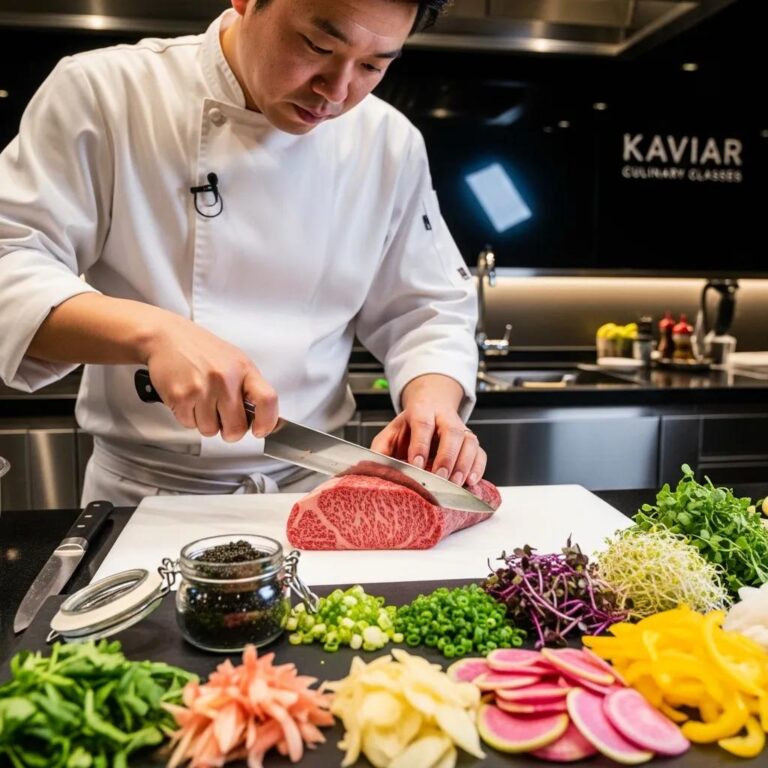
Kaviar offers a practical luxury case: menu engineering here places signature items where they reinforce both brand and margins. In a premium Japanese setting we emphasize provenance for A5 Wagyu and curated caviar services, offer tiered portions, and suggest pairings that increase spend per seat. Operationally, Kaviar reserves prime menu real estate for high‑margin signatures and empowers staff to convert interest into orders—aligning placement, pricing, and service cadence so exclusivity and margin are both protected.
Kaviar’s applied tactics include:
- Present A5 Wagyu Tartare with concise provenance and a suggested pairing to anchor a luxury perception.
- Offer tiered caviar service sizes to capture different willingness‑to‑pay segments.
- Use signature labels for omakase and chef tastings to create scarcity and demand.
These examples show how a luxury Japanese restaurant can safeguard ingredient quality while increasing revenue through careful menu design and service alignment. When copy, workflows, and training are integrated, premium dishes stay profitable without compromising the guest experience.
How Is the A5 Wagyu Positioned as a High-Profit Star Item?
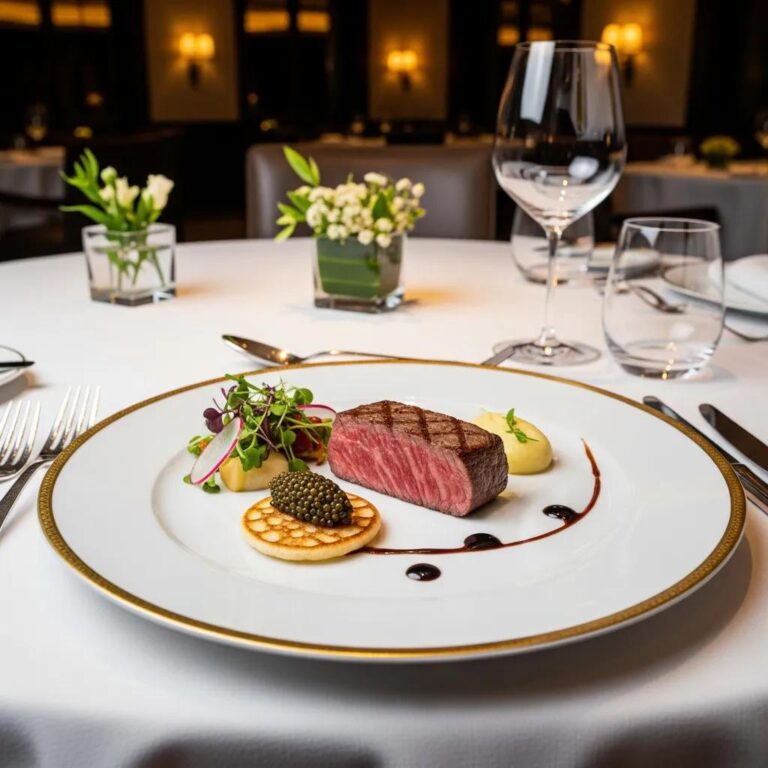
A5 Wagyu is a natural “star”: rarity, texture, and sensory impact support premium pricing and elevated contribution margins. Position it with a short, evocative line about cut and mouthfeel, place it in a high‑attention zone, and recommend a high‑margin pairing—such as a sake flight or seasonal side—to grow the check. Portioning and plating techniques preserve perceived generosity while managing cost, and server prompts that mention provenance increase acceptance of the price.
Practically, present A5 Wagyu as a shared center course to encourage add‑ons and beverage pairings. These choices convert a costly ingredient into a margin driver by increasing ancillary sales tied to the signature item and enriching the guest moment.
What Menu Engineering Principles Optimize the Caviar Service for Profitability?
Caviar lends itself to tiered pricing and tasteful bundling: multiple portion sizes capture different budgets and reduce lost sales from price sensitivity. Design touches include a brief provenance note, suggested accoutrements (light, high‑perceived‑value items with modest cost), and a restrained callout that signals exclusivity. Standardizing portion sizes and plating protects margins and cuts spoilage risk.
Bundling caviar with low‑cost, high‑value accompaniments—like blini or a small crème fraîche dollop—raises perceived value with little incremental cost, and presenting size options encourages guests to trade up. Tiered pricing, tasteful bundling, and precise portion control form a defensible approach to monetize caviar while preserving the luxury experience.
How Can Menu Item Costing Methods Improve Profit Margins in Fine Dining Menus?
Accurate costing turns culinary judgment into practical pricing by accounting for yield loss, trimming, garnish, and plating waste to calculate contribution margin per portion. Combine theoretical recipe costing with periodic physical yield checks to reconcile expected food cost with reality—this supports dynamic pricing and margin optimization. This section outlines step‑by‑step costing for premium ingredients, includes a sample EAV table, and explains how to set target food‑cost percentages and contribution margins. Update vendor prices and yield rates regularly to keep models accurate and to inform negotiation and menu adjustments.
Below is a practical costing table that demonstrates cost‑per‑portion and contribution margin examples for premium items:
What Are Effective Costing Techniques for Premium Ingredients Like A5 Wagyu and Caviar?
Costing premium items requires precise yield tracking, trim‑loss allowances, and including plating accoutrements in the per‑portion cost so margins don’t erode. Use batch‑level costing for elements shared across dishes, reconcile theoretical recipes with measured kitchen yields, and apply sensible waste percentages for trimming and spoilage. Vendor consolidation and negotiation can reduce unit cost, while portion standardization and controlled plating limit variability.
A recommended workflow: list recipe ingredients, measure yields in kitchen tests, add garnishes and condiments, and produce a final cost‑per‑portion. From there, set a menu price that meets your target contribution margin. Run sensitivity analyses to see how small changes in portioning or price affect profitability for high‑ticket items.
How Does Menu Placement Affect the Perceived Value and Profitability of Signature Dishes?
Placement shapes perception. Use visual hierarchy—primacy, recency, callouts, and whitespace—to guide attention to high‑margin offerings without pressure. Prime real estate includes the top‑right area on a printed menu or the first items visible on a mobile viewport; placing star dishes there leverages natural scanning. Visual anchors—boxed callouts, subtle icons, or concise provenance blurbs—signal scarcity and justify premium pricing for guests who value narrative.
On digital menus, place signature dishes early in the flow, use photography sparingly and tastefully, and ensure booking CTAs reference highlighted items. When visual placement is paired with crisp descriptive copy and server storytelling, you create a consistent value narrative that supports higher prices and better margins.
What Role Does the Omakase Experience Play in Enhancing Menu Profitability?
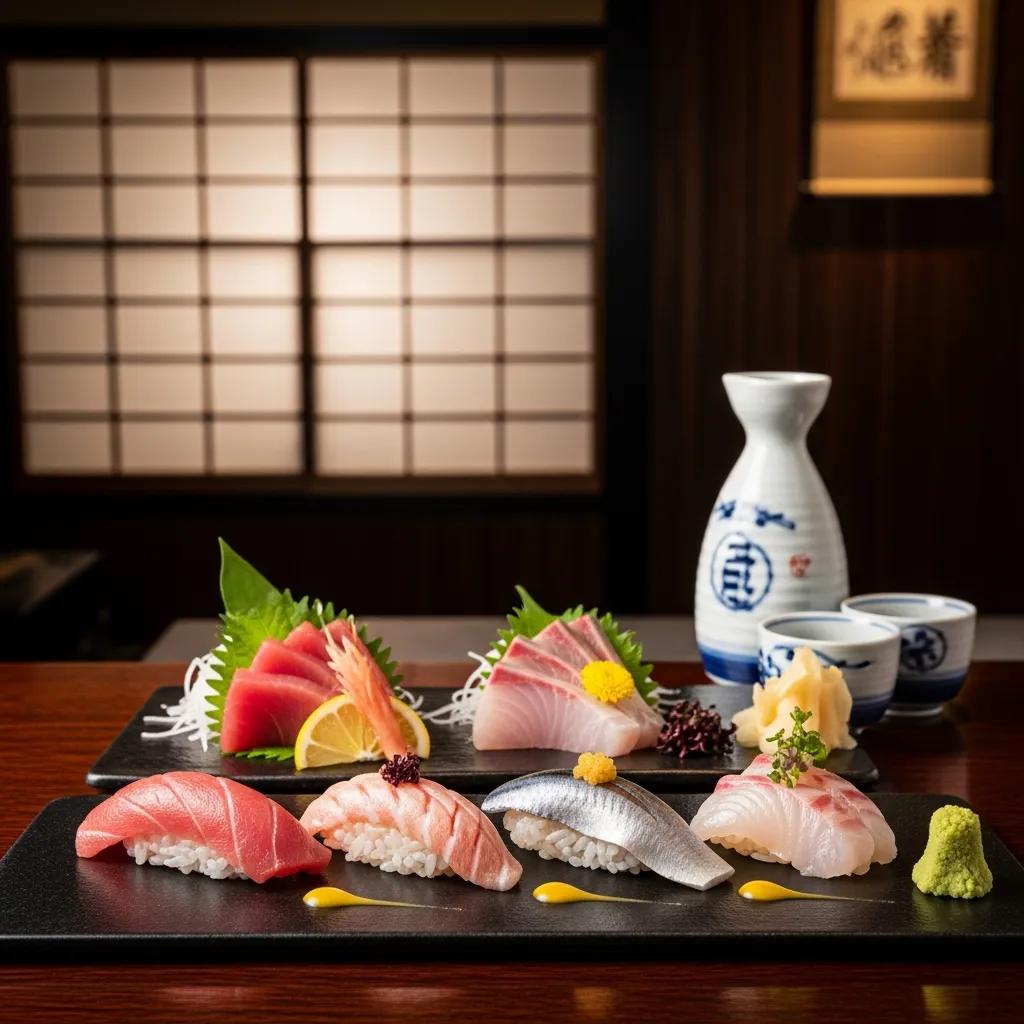
Omakase is a powerful revenue model: a fixed‑price tasting bundles sequencing, scarcity, and storytelling into a premium experience that maximizes revenue per seat. When chefs control progression, they can allocate high‑cost ingredients strategically—saving a climactic premium course for maximum impact—while balancing food cost against perceived value. Limited seating and timed services create scarcity that raises willingness to pay; dynamic pricing by seating or day lets you capture different demand segments. Below we outline sequencing tactics, cost‑balancing techniques, and communication strategies that preserve authenticity while improving financial outcomes.
Practical practices for an omakase that honors craft and margins:
- Sequence courses to build toward the highest‑cost ingredient, conserving premium components until perceived value peaks.
- Use several small, high‑impact dishes that showcase technique rather than large portions to control per‑seat cost.
- Offer optional add‑ons—extra A5 Wagyu or caviar tiers—so guests can tailor spend without altering the core tasting flow.
These design choices preserve omakase’s ritual and storytelling while delivering predictable per‑cover margins and clear upsell paths.
How Is the Omakase Menu Engineered to Balance Authenticity and Profit?
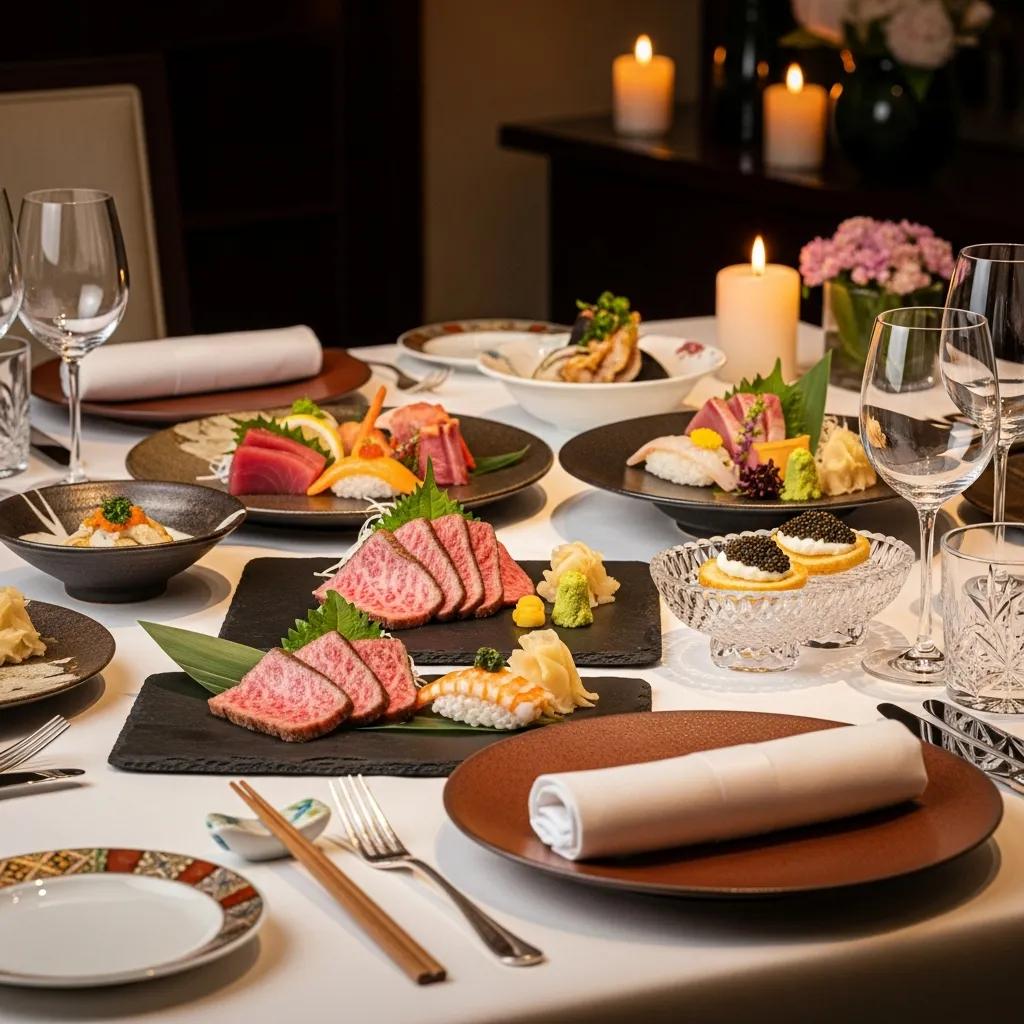
Engineering omakase is choreography: sequence dishes to highlight seasonal luxury ingredients, control portions, and plan substitutions that preserve the narrative while containing cost. Build a baseline tasting that meets target food cost, and offer a limited number of upgrade slots for premium add‑ons. Seasonal substitutions and advance prep reduce waste and keep per‑seat cost predictable, while careful plating and narration maintain authenticity. This lets chefs showcase A5 Wagyu or caviar in climactic moments without inflating the baseline price.
Operationally, track per‑seat food cost by service and adjust fixed prices or upgrade availability based on real sales data. That keeps margins healthy while preserving creative freedom.
What Communication Techniques Highlight the Unique Value of Chef-Curated Tasting Menus?
Communication should begin before guests arrive: reservation confirmations and pre‑arrival messages set expectations and prime diners for a premium experience. In service, concise narration from the chef or server links each course to provenance and technique. Pre‑arrival messages can outline sequencing, highlight signature elements, and present optional add‑ons so guests can upgrade before sitting. After service, a follow‑up can request feedback and invite return visits at different price tiers.
Typical touchpoints: reservation confirmations, a short pre‑arrival email with suggested pairings, a server script for key dishes, and a closing remark that ties the story together—this coordinated messaging reinforces the omakase’s value.
How Does Analyzing Menu Item Popularity and Profitability Guide Menu Optimization?
Turning POS data into action requires regular analysis of popularity and contribution margin: promote stars, rework plow horses, reposition puzzles, and remove dogs. Popularity index compares an item’s orders to total orders over a chosen period; contribution margin equals menu price minus food cost. Run these reports monthly or quarterly so you can react to seasonality and supply changes. This section provides exact formulas, a sample matrix, and an action playbook for each quadrant so operators can move quickly from insight to execution.
Key metrics and how to use them:
- Contribution margin = Menu price − Food cost per portion; shows absolute per‑dish profitability.
- Popularity index = Item orders / Total orders over a period; indicates relative demand.
- Combine both metrics to classify items and prioritize interventions—promotion, cost control, repositioning, or removal.
These measurements help teams focus limited menu real estate and kitchen capacity on dishes that drive the most profit.
What Metrics Are Used to Calculate Contribution Margin and Popularity Index?
Use precise formulas so analysis is repeatable. Contribution margin = Menu price − Food cost per portion. Contribution margin ratio = Contribution margin ÷ Menu price. Popularity index = Item orders ÷ Total orders over a defined window, then normalize across categories. Example: a dish that costs $8 and sells for $28 has a $20 contribution margin (71% margin ratio). If it sold 120 times out of 3,000 orders, its popularity index is 0.04 (4%). These figures determine quadrant placement and next steps.
Standardize time windows and costing methods to keep comparisons valid and to support reliable A/B tests of menu changes.
How Can Menu Engineering Address Low-Performing Items to Boost Overall Profit?
Start with low‑risk moves: test repositioning and copy changes, then adjust price or portioning, next try recipe rework to lower cost, and finally remove and replace if those efforts fail. Pilot changes on a small scale or during off‑peak hours to measure impact with minimal risk, and use A/B testing where possible. Track lifts in orders and contribution margin, then scale successful variants across services. This staged approach preserves culinary creativity while protecting revenue.
A simple checklist for action: identify candidates, form a hypothesis, run a controlled test, analyze results, and implement or iterate.
How Can Reservation and Menu Integration Enhance Profitability Through Customer Experience?
Reservation systems are the guest’s first commercial touchpoint and a prime opportunity to pre‑sell high‑margin items through curated messaging, upsell prompts, and linked menu previews. Improve the booking flow with clear CTAs, concise menu highlights, and optional add‑ons so you capture high‑intent diners. Pre‑arrival confirmations can surface omakase availability or caviar tiers and invite guests to add upgrades before arrival—reducing friction and increasing per‑cover revenue. The ideas below cover reservation UX improvements and internal linking patterns that carry guests from discovery to booking and pre‑purchase.
Reservation tweaks that increase conversion and average check:
- Show menu highlights and limited add‑ons directly in the booking interface to capture intent.
- Offer scarce upgrade slots (for example, premium caviar or an extra A5 Wagyu portion) to create urgency.
- Use clear pre‑arrival messages that outline the tasting flow and suggest pairings or upgrades.
These steps tie front‑end booking to back‑of‑house inventory planning so upgrades are operationally feasible and profitable.
How Does Optimizing the Reservation Process Support High-Intent Diner Conversion?
Design the reservation flow with concise information architecture: include short menu previews, price ranges, and optional add‑ons in booking to reduce ambiguity and increase conversion. On third‑party platforms and your widget, add a one‑line note about signature experiences and an option to reserve add‑ons or pre‑order tastings. Clear limited‑availability language creates urgency for premium seats; pre‑paid or deposit models further increase commitment and reduce no‑shows. These UX changes turn browsers into confirmed covers and give the kitchen advance visibility for ingredient planning.
Coordinate reservation messaging with floor plans and kitchen capacity so upsells are both sellable and deliverable, protecting the guest experience while lifting revenue.
What Internal Linking Strategies Connect Menu Highlights to Reservation Calls-to-Action?
Internal linking converts site visitors into reservations by creating clear paths from menu descriptions to the booking CTA. Use intent‑driven anchor text—phrases like “omakase experience,” “reserve A5 Wagyu tasting,” or “caviar service availability”—to guide discovery to booking. Add schema‑enhanced MenuItem snippets on menu pages and link them to reservation widgets or platform CTAs nearby. Prioritize mobile placements so the booking button appears next to highlighted dishes on small screens.
Sample anchor patterns and placement tips:
- Add a short CTA near each signature dish: “Reserve this tasting” or “Inquire about caviar tiers at booking.”
- Link item detail anchors to the booking anchor within the same viewport.
- Ensure reservation options include pre‑selected add‑ons that mirror highlighted menu items.
1. Make booking text reference exact menu highlights to reduce friction and raise add‑on uptake.
2. Align pre‑arrival emails with FOH scripts so staff can deliver on promised upgrades.
3. Train reservation staff and platform descriptors to present optional add‑ons as limited and premium.
These practices create consistent touchpoints from reservation to service, aligning expectations and execution to maximize profitability.
What Internal Linking Strategies Connect Menu Highlights to Reservation Calls-to-Action?
Use intent‑driven anchor text and schema‑rich snippets to move users from menu pages to booking, improving SEO and conversion. Choose anchor phrases your guests search for—“omakase reservations” or “caviar service booking”—and link directly to the reservation widget. Position contextual CTAs next to high‑value items with a one‑sentence explanation of the upgrade or tasting. On mobile, keep CTAs within the first viewport and pre‑populate booking forms with suggested add‑ons.
Executing this strategy reduces friction between discovery and purchase and increases the chance that high‑intent diners convert to reserved seats and pre‑booked premium experiences. Also, align on‑platform descriptions (Resy/OpenTable) with onsite copy so messaging is consistent and guest expectations are protected.
This mapping shows how reservation channels can become revenue channels when linked thoughtfully to menu highlights and operational readiness. The final step is to test message variants and measure conversion so small gains can be scaled.
To see these principles in action, Kaviar Restaurant in Pasadena applies many of the tactics described—omakase sequencing, tiered caviar offerings, and signature A5 Wagyu presentations that balance culinary excellence with revenue optimization. Reservations are accepted by phone and through major platforms, and the menu features curated sushi, sashimi, and tasting progressions that reflect the strategies above.
Frequently Asked Questions
What are the benefits of using a menu matrix in fine dining?
A menu matrix helps fine‑dining restaurants categorize dishes by contribution margin and popularity. That visibility lets managers prioritize which dishes to promote, refine, or remove—so culinary intent and profitability align. With a clear matrix you can ensure high‑margin items receive the attention they deserve while optimizing overall menu performance.
How can psychological pricing strategies enhance customer spending?
Psychological pricing—like charm pricing or strategic anchoring—shapes perceived value. Small pricing cues make items feel more affordable, and placing a high‑priced reference can make mid‑tier, high‑margin options look like better choices. These subtle techniques can raise average checks without compromising the dining experience.
What role does staff training play in menu engineering?
Staff training is essential. When servers understand ingredients, pairings, and the menu’s financial goals, they can tell compelling stories and recommend high‑margin items with confidence. Well‑trained staff convert interest into orders and build a stronger guest connection, making menu engineering efforts far more effective.
How can seasonal menu changes impact profitability?
Seasonal changes let you align dishes with ingredient availability and guest expectations. Using fresh, local ingredients can lower costs and elevate flavor, while limited‑time items create urgency. Regular updates keep the menu dynamic, attract repeat visits, and can improve margins when planned around cost and demand.
What are the advantages of integrating reservation systems with menu offerings?
Linking reservations to menu highlights lets you pre‑sell high‑margin items and improve the guest journey. Showcasing add‑ons during booking captures high‑intent diners and raises average checks, while the data collected supports inventory planning and personalized outreach. It streamlines discovery to dining and boosts both satisfaction and revenue.
How can restaurants measure the success of menu engineering efforts?
Measure success with KPIs like contribution margin, popularity index, and average check. Regularly analyze sales data, run A/B tests on layout, pricing, and copy, and track changes over time. Continuous measurement lets you refine tactics and scale what works.
Conclusion
Applied thoughtfully, menu engineering helps fine‑dining Japanese restaurants increase profitability while preserving culinary integrity. By combining rigorous costing, behavioral design, and clear service alignment, operators can optimize menus to match guest preferences and lift revenue per seat. These strategies enhance financial outcomes and deepen the guest experience—start testing small changes, measure the impact, and scale the wins.