





Understanding Caviar Grades: A Connoisseur’s Guide to Quality and Selection
Caviar—salt‑cured sturgeon eggs prized for their texture, flavor, and rarity—stands as a concise marker of luxury in fine dining. This guide breaks down how caviar grades signal egg size, firmness, color, and flavor complexity, and why those cues matter when you select caviar for tasting, pairing, or presentation. Many enthusiasts find it hard to tell true sturgeon caviar from other roe or to read grading labels when ordering; understanding the criteria cuts through uncertainty and improves tasting results. Read on to learn what makes caviar distinct from roe, the key grading factors (egg size, color, firmness, malossol processing), profiles of prized sturgeon types, practical tasting steps and pairings, serving etiquette and tools, and how sustainability shapes sourcing. We also point you to tasting opportunities at Kaviar Restaurant in Pasadena for anyone wanting to experience premium caviar on a curated menu. Throughout, terms like caviar grades, types of caviar, malossol, and caviar Pasadena appear naturally to help both learning and local discovery.
What Is Caviar and How Is It Graded?
Caviar refers specifically to the salted eggs of sturgeon species; “roe” is the broader term for eggs from salmon, trout, lumpfish, and others. Grading systems evaluate eggs by size, color, firmness, flavor, and processing to communicate quality. These attributes shape mouthfeel, flavor depth, and how well a caviar pairs with beverages or dishes. Producers and graders commonly group caviar into broad categories (often Grade 1 and Grade 2) so chefs, retailers, and diners know what sensory profile to expect. Understanding grading helps you make confident choices for tasting and pairing and sets realistic expectations for price and presentation. The sections below unpack the difference between true caviar and other roe and outline what separates Grade 1 from Grade 2.
What Defines Caviar and How Does It Differ from Roe?
Caviar is the lightly processed, salt‑cured eggs of sturgeon; roe covers fish eggs in general. The distinction matters: caviar is usually treated with minimal curing—often malossol, or light salting—to preserve delicate flavors and texture, while other roes are often used for bold color or garnish. Sturgeon varieties (Beluga, Osetra, Sevruga, Kaluga, Siberian) produce characteristic egg sizes and flavor profiles that underpin caviar’s luxury reputation. For example, salmon roe is larger and sweeter but lacks the layered buttery and nutty notes prized in sturgeon caviar. Knowing these differences helps diners prioritize species and processing when judging taste and value, which leads into how graders describe Grade 1 versus Grade 2.
What Are the Main Caviar Grades and Their Characteristics?
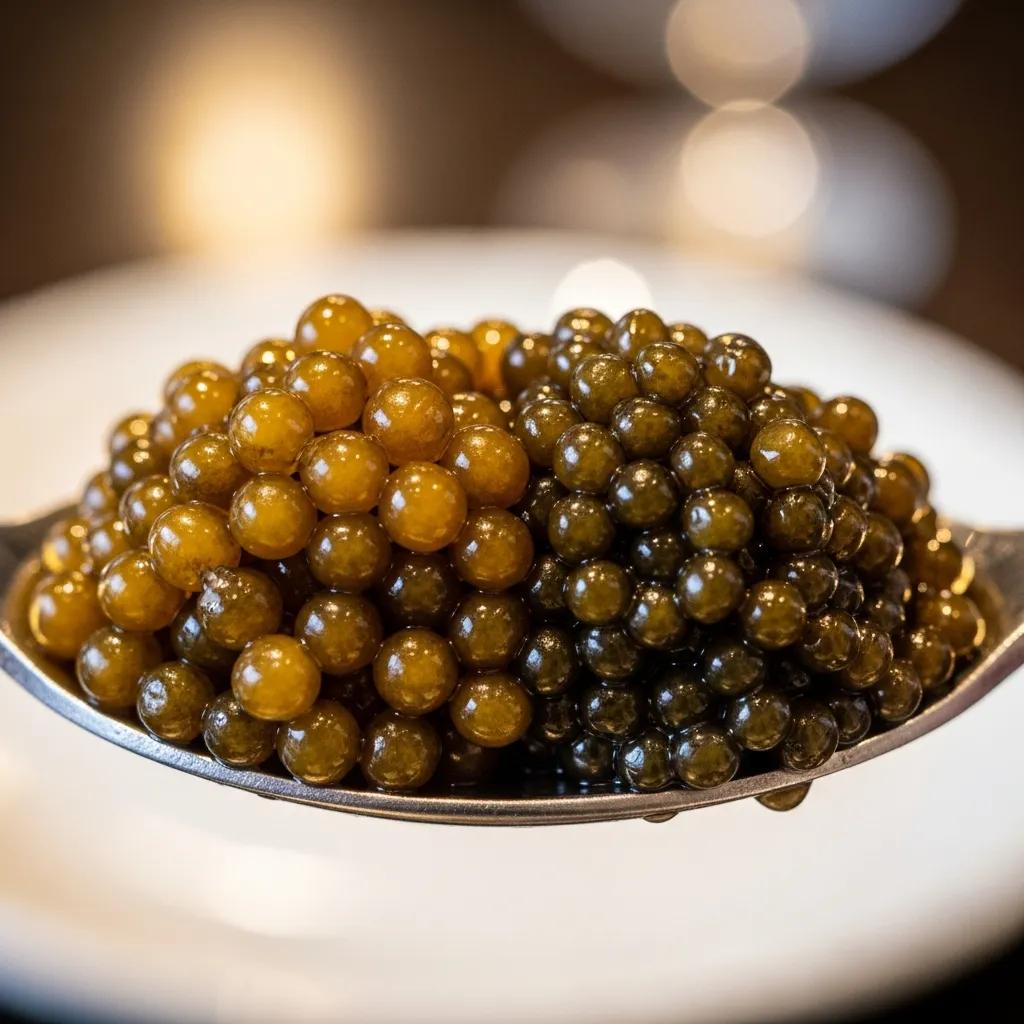
Grade 1 caviar generally shows larger, uniformly sized eggs with firm texture, high translucence, and layered, clean flavors—qualities that deliver a polished mouthfeel and finish. Grade 2 may include slightly smaller or less uniform eggs, softer texture, or minor color variation; still enjoyable, but less pristine. Graders weigh egg size, membrane “pop,” color consistency, lucidity, and flavor balance. Because malossol curing uses minimal salt, top‑grade caviar typically has restrained salinity and a long, clean finish. Chefs and sommeliers read these cues to decide plating and pairings—so a clear Grade 1 vs. Grade 2 comparison helps diners anticipate what they’ll taste.
Which Types of Sturgeon Caviar Are Most Valued?
Sturgeon caviar types—Beluga, Osetra, Sevruga, Kaluga, and Siberian—are prized differently for egg size, texture, and flavor. Chefs select varieties to complement dishes, pairings, and presentation goals. Each species offers a signature balance of buttery, nutty, or briny notes that interact differently with blini, crème fraîche, or sparkling wine. Understanding species differences clarifies price signals, rarity factors, and how a caviar will behave on the palate. Below are concise descriptions of the classic trio and a look at Kaluga and Siberian options that are increasingly featured on contemporary fine‑dining menus.
What Are the Key Features of Beluga, Osetra, and Sevruga Caviar?
Beluga is often the largest and most delicate, with a silky texture and subtle buttery finish—rare and highly prized where available. Osetra sits in the middle: medium pearls with a nutty, complex profile that pairs well with richer accompaniments. Sevruga produces smaller eggs and a more pronounced oceanic salinity, favored by those who like a lively marine note. These differences in size, texture, and flavor intensity guide chefs when arranging tasting sequences and help determine the ideal presentation in a multi‑course service.
A quick species comparison for diners:
- Beluga: Very large, silky, buttery
- Osetra: Medium, nutty, versatile
- Sevruga: Small, briny, pronounced
These markers set expectations for mouthfeel and pairings and explain why hybrid and farm‑raised alternatives are gaining traction for consistent quality.
How Does Kaluga and Siberian Caviar Compare in Quality and Flavor?
Kaluga and Kaluga hybrids often deliver large, glossy pearls with a buttery, rounded flavor that recalls Beluga while being more suited to aquaculture—an attractive sustainable luxury alternative. Siberian caviar is typically more approachable, with small to medium eggs, clean brininess, and steady availability thanks to farming practices. With careful husbandry and malossol processing, both Kaluga hybrids and Siberian varieties can achieve excellent texture and flavor, narrowing the sensory gap between farm‑raised and top wild types. Knowing these distinctions helps diners evaluate modern menu offerings and predict how a caviar will perform in both simple and elaborate preparations.
What Factors Determine Caviar Quality and Grading?
Caviar quality arises from several linked physical and processing factors: egg size and uniformity, color and lucidity, membrane firmness, flavor complexity, and the malossol curing method. Together, these determine sensory impact—large, uniform eggs with a firm pop and a clean, layered finish usually score higher. Sturgeon maturity and provenance also matter; older, well‑managed fish often produce more developed pearls. For practical selection, look for visual consistency (even color and translucency), assess membrane firmness when scooped, and judge the finish during tasting—these clues reveal grade and predict pairing success. The sections that follow explain key physical markers and how malossol preserves flavor.
How Do Egg Size, Color, and Firmness Affect Caviar Grade?
Egg size and uniformity are closely tied to perceived luxury: larger, consistent pearls give a satisfying pop and fuller mouthfeel, attributes graders often associate with higher quality. Color and lucidity indicate careful handling and curing—though desirable hues vary by species (Osetra can be high quality across a range of tones). Firmness affects how an egg releases flavor: a firm yet delicate membrane bursts cleanly to deliver briny or buttery notes; overly soft eggs can taste muddled. Visual and tactile checks therefore help predict grade and inform plating and portioning decisions for the best sensory result.
Common quality markers to check when tasting:
- Uniform pearl size: Signals consistent maturity and sorting.
- Translucent sheen: Reflects proper handling and curing.
- Clean “pop”: Indicates membrane integrity and freshness.
These markers guide both purchasing and on‑plate presentation choices, and they lead into how malossol preserves those qualities.
What Role Does Flavor Complexity and the Malossol Method Play?
Flavor complexity comes from species‑specific oils, egg maturation, and restrained curing. The malossol method—light salting—keeps those subtle buttery, nutty, or oceanic notes intact rather than masking them with salt. Minimal salting makes it easier to detect varietal characteristics and the finish, helping tasters identify origin and grade. When evaluating flavor, pay attention to initial salinity, mid‑palate development (buttery, nutty, or mineral), and the finish (clean versus fishy); a clean, lingering finish is a sign of balanced curing and high quality. Understanding malossol helps you choose caviar that will reveal nuance alongside a neutral vehicle like a blini or a delicate Champagne.
A simple checklist for tasting complexity:
- Light, balanced initial salinity
- Mid‑palate development (buttery, nutty, or oceanic)
- Clean, lingering finish
These criteria prepare you to identify flavor profiles in guided tastings and restaurant settings.
How Can You Identify and Appreciate Caviar Flavor Profiles?
Appreciating caviar starts with a mindful tasting routine: inspect color and sheen, inhale for subtle aromatics, taste a small amount on a neutral palate, and note texture and finish. This sequence isolates primary flavor families and reveals quality signals. With practice, you’ll separate buttery, nutty, briny, oceanic, and earthy notes and link them to species and processing. Pairings can then be used to highlight or temper specific flavors—so tasting technique comes first, followed by intentional pairing. The next sections list common flavor notes with tasting tips and show how pairings can accentuate those qualities.
What Are the Common Flavor Notes in Premium Caviar?
Premium caviar commonly reveals buttery, nutty, briny/oceanic, and occasionally earthy or mineral notes—each pointing to species, maturity, and processing. Buttery and nutty tones suggest richer oils and deeper maturation; briny or oceanic notes imply fresher, saline profiles. When tasting, let a pearl rest on the tongue to assess mid‑palate development and the finish rather than chewing, which masks subtle aromatics. Training your palate to recognize these families makes it easier to distinguish Beluga’s delicate butteriness from Sevruga’s assertive marine salinity.
A practical tasting progression:
- Visual: Note color, translucence, and luster.
- Aroma: Gently inhale for marine, nutty, or mineral hints.
- Taste: Place a small amount on the tongue; observe texture and finish.
These steps sharpen sensory acuity and set up smarter pairing choices described next.
How Do Pairings Enhance the Caviar Tasting Experience?

Pairings balance or amplify caviar components by adding acidity, effervescence, or neutral fat to frame the eggs’ flavor. Classic beverage matches—Champagne and chilled vodka—offer effervescence or a clean reset between bites. Accompaniments like blini and crème fraîche provide neutral starch and gentle fat that highlight texture and flavor without overpowering delicate notes. For sommelier precision, pick a wine with bright acidity to lift buttery tones, or a pure chilled spirit to clear the palate. Use restraint with accompaniments so the caviar remains the focal point. The following section translates pairing principles into concrete serving and utensil recommendations.
Common pairing options and rationale:
- Champagne: Effervescence lifts buttery and nutty notes.
- Vodka: A clean spirit to refresh the palate between bites.
- Blini & Crème Fraîche: Neutral carriers that showcase texture and flavor.
What Is the Proper Way to Serve and Enjoy Caviar?
Serving caviar correctly preserves its texture and flavor: keep it chilled, present it in a non‑metal bowl over ice, use non‑metal spoons, and offer simple accompaniments that accentuate rather than mask the eggs. Proper temperature and utensil choices protect fragile membranes and keep aromatics clear; presentation should balance beauty with portion control. Etiquette and measured serving sizes allow multiple tastings and pairing experiments without palate fatigue. The subsections below outline ideal temperatures and utensil materials, then cover accompaniments and formal tasting etiquette with practical notes for restaurant presentation.
What Are the Ideal Temperature and Utensils for Serving Caviar?
Caviar is best served well‑chilled—traditionally on crushed ice in a non‑metal bowl—to preserve firmness and prevent flavor drift. Refrigerate shortly before service to keep membranes intact and ensure a clean release of flavor. Use spoons made from mother‑of‑pearl, horn, bone, or glass to avoid metallic reactions that can impart off‑notes; metal spoons are traditionally avoided. For presentation, place the open tin in a nest of crushed ice and transfer measured amounts with small serving spoons to blini or tasting spoons—this keeps the product cold and portions consistent. Attention to chilling and utensil choice noticeably improves the tasting experience.
Utensils and temperature checklist:
- Serve on crushed ice in a non‑metal vessel
- Use mother‑of‑pearl, bone, or glass spoons
- Portion gently and sparingly to preserve texture
What Traditional Accompaniments and Etiquette Should You Follow?
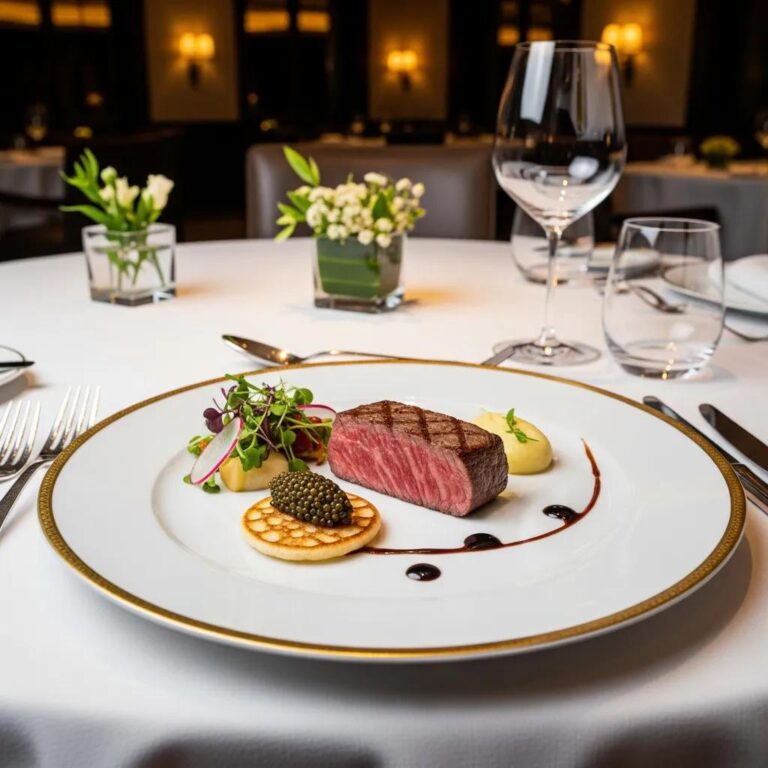
Classic accompaniments—thin blini or toast points, a small spoonful of crème fraîche, and minimal garnishes like chives—offer neutral texture and mild fat that let caviar shine. Etiquette recommends small portions (a few grams per person when tasting multiple varieties), tasting the caviar on its own first, then with accompaniments to compare notes; sharing is communal, but measured portions preserve the experience for everyone. In fine‑dining settings, plating is simple and elegant to emphasize the eggs—for example, caviar on a warm blini with a touch of crème fraîche to contrast temperature and texture. This restrained presentation prepares diners for pairing choices and menu context.
Example serving steps in sequence:
- Taste a small amount straight to assess pure flavor.
- Try with a neutral blini and a touch of crème fraîche.
- Alternate sips of Champagne or chilled vodka to refresh the palate.
Many upscale venues present caviar this way—on blini with crème fraîche—to showcase contrast. That brings us to sustainability, which increasingly guides which caviar restaurants choose.
Why Is Sustainable Sourcing Important in Caviar Selection?
Sustainable sourcing responds to declining wild sturgeon populations and traceability concerns while delivering consistent quality through responsible aquaculture. Choosing farm‑raised or certified sources helps balance culinary demand with conservation. Sustainability can also improve flavor consistency and ethical transparency—well‑managed farms produce traceable eggs with controlled malossol processing. Diners and restaurants should look for clear provenance and farming details to support responsible consumption and predictable sensory outcomes. The sections below explain how farm‑raised varieties are reshaping the market and why Kaluga hybrids are popular sustainable luxury alternatives.
How Are Farm-Raised and Sustainable Caviar Varieties Changing the Market?
Advances in aquaculture have expanded access to high‑quality, traceable caviar, letting producers control feed, maturation, and processing to achieve consistent texture and flavor akin to wild stock. Farm‑raising reduces pressure on wild populations while offering chefs reliable product characteristics for menu planning. Look for provenance statements and transparent farming practices when assessing sustainability; restaurants that share sourcing demonstrate environmental responsibility. These developments make premium caviar more accessible and ethically defensible for modern fine‑dining programs.
Key sustainability benefits include:
- Reduced pressure on wild sturgeon populations
- Clearer traceability and tighter quality control
- More consistent availability for menus and events
Careful provenance monitoring supports both conservation and culinary planning.
What Makes Kaluga Hybrid a Preferred Sustainable Luxury Option?
Kaluga hybrid caviar produces large, buttery pearls with a texture and flavor that recall Beluga while being better suited to aquaculture—making it an appealing sustainable luxury choice. Chefs often choose Kaluga hybrids when they want Beluga‑like mouthfeel but prefer farm‑raised traceability and supply stability. The hybrid’s size, lucidity, and rich finish make it ideal for elevated tasting services. As an example of sustainable menu curation, Kaviar Restaurant features a dedicated service called “Kaviar Exquisite Kaluga,” showing how a fine‑dining venue can present premium Kaluga as an ethical, luxurious option diners can enjoy in person.
This example shows how sourcing aligns with conservation goals while preserving the high‑end tasting experience, and it leads into how you can encounter these offerings locally.
How Can You Experience Premium Caviar at Kaviar Restaurant in Pasadena?
If you want an in‑person tasting, Kaviar Restaurant in Pasadena integrates premium ingredients and caviar‑forward dishes into its fine‑dining Japanese menu, offering a direct way to experience exceptional caviar in a curated setting. The menu includes a caviar service called “Kaviar Exquisite Kaluga” alongside signature dishes that use caviar for texture and saline contrast, giving guests options from stand‑alone tastings to integrated preparations. Reservations are available by phone and through common booking platforms; we recommend booking in advance for specialty caviar services to ensure availability. The sections below list signature caviar dishes and explain how to reserve a caviar experience at Kaviar.
What Signature Caviar Dishes Does Kaviar Restaurant Offer?
Kaviar Restaurant’s menu highlights caviar in several standout items: the dedicated caviar service “Kaviar Exquisite Kaluga” and dishes such as Toro Tartare with caviar and 24k gold, Wagyu Shishito with caviar, Uni Pasta, Seared Hotate, and A5 Wagyu Tartare. These preparations show how chefs use caviar—either as the central tasting item or as a finishing accent to add briny texture and visual luxury to rich proteins and seafood. For instance, Toro Tartare benefits from the contrast between fatty tuna and delicate pearls, while Uni Pasta and Seared Hotate balance sea sweetness with saline nuance. These descriptions help diners anticipate textural contrasts and inform pairing choices when reserving a tasting.
How Do You Reserve a Fine Dining Caviar Experience at Kaviar?
To reserve a caviar tasting or a table at Kaviar Restaurant in Pasadena, call the restaurant directly or book through reservation platforms like Resy and OpenTable. Advance booking is recommended for specialty caviar services to secure availability. When you book, mention interest in the “Kaviar Exquisite Kaluga” service or ask about caviar‑inclusive dishes so the kitchen can prepare and source appropriately. Sharing dietary preferences or pairing interests at reservation helps the team tailor the tasting sequence. These straightforward channels make it easy to plan a premium caviar experience at the restaurant.
Reservation channels to use:
- Phone: Call the restaurant directly at (626) 605-0330 to inquire and book.
- Resy: Use the restaurant’s presence on Resy to book online.
- OpenTable: Book through OpenTable for available time slots.
These options give flexible ways to secure a tasting and confirm caviar service availability.
Reserve your caviar experience by calling (626) 605-0330 or booking via Resy or OpenTable; mention interest in the caviar service for the most tailored tasting.
Frequently Asked Questions
How should I store caviar at home for best quality?
Store caviar refrigerated between 28°F and 32°F (-2°C to 0°C), ideally in its original tin or jar with the lid tightly sealed to limit air exposure. Once opened, consume within a few days for optimal freshness. Avoid freezing, which can damage texture and alter flavor. Always serve caviar chilled to preserve its delicate taste and mouthfeel.
How can I tell if caviar is still fresh?
Fresh caviar smells clean and briny—not fishy. The eggs should be firm and intact, offering a slight pop when bitten. Look for glossy, evenly colored pearls, which indicate careful handling and quality. If the caviar looks dull or emits a strong off‑odor, it may be past its prime. Check expiration dates and buy from reputable sources to ensure freshness.
What are common misconceptions about caviar?
One myth is that all caviar is prohibitively expensive; while top varieties command high prices, quality farm‑raised options offer more accessible choices. Another misconception is that caviar requires elaborate accompaniments—simple pairings like blinis and crème fraîche often showcase it best. Finally, people sometimes assume all caviar tastes the same, when in fact species and processing produce significant variation in flavor and texture.
Is caviar suitable for people with dietary restrictions?
Caviar is naturally gluten‑free and contains no carbohydrates, so it fits many dietary patterns. However, anyone with a fish allergy should avoid it. Because caviar is cured, it can be high in sodium—those on low‑salt diets should take care. If you have specific health concerns, consult your healthcare provider, and discuss preparation with restaurant staff when dining out.
Why is the malossol method important in caviar production?
Malossol—literally “little salt” in Russian—is a traditional, light‑salting technique that preserves the eggs’ delicate flavors and textures. Malossol caviar tends to taste cleaner and allows varietal nuances to shine rather than being masked by salt, which is why connoisseurs and chefs often prefer it for tasting and pairing.
Does sustainable sourcing affect caviar quality?
Yes. Sustainable, farm‑raised caviar can offer consistent quality and flavor while easing pressure on wild sturgeon stocks. Responsible farming practices improve traceability and product reliability, and many consumers favor ethically sourced choices. Sustainability can therefore enhance both the culinary and conservation value of caviar.
Conclusion
Knowing how caviar is graded helps you make smarter choices and enjoy more rewarding tastings. By paying attention to egg size, texture, flavor profile, and provenance, enthusiasts can better appreciate the craft behind this luxury ingredient. If you’re ready to explore these flavors in person, visit Kaviar Restaurant in Pasadena for a curated caviar tasting. Reserve your experience and let us guide you through the world of fine caviar.