



Digestifs and After-Dinner Drinks to Conclude Your Meal in Luxury Fine Dining
A digestif is the deliberate, graceful close to a refined meal: a small, concentrated after‑dinner pour—brandies, liqueurs, fortified wines, and aged Japanese spirits—meant to settle the palate, underline lingering flavors, and give a measured finish to a luxury tasting sequence. This guide defines digestifs, explains how they function in fine dining, and recommends classic and contemporary selections that pair especially well with omakase, A5 Wagyu, and caviar. If you seek a post‑meal drink that honors texture and umami without overwhelming delicate courses, you’ll find practical pairing rules, service notes, and sensory reasoning to help you choose. Expect clear category definitions, tasting profiles, curated options a fine restaurant might offer, and step‑by‑step pairing examples tied to premium ingredients. We finish by showing how a sophisticated Japanese restaurant in Pasadena can weave digestifs into the guest experience and how to request a considered after‑dinner service.
What Are Digestifs and Why Are They Essential in Fine Dining?
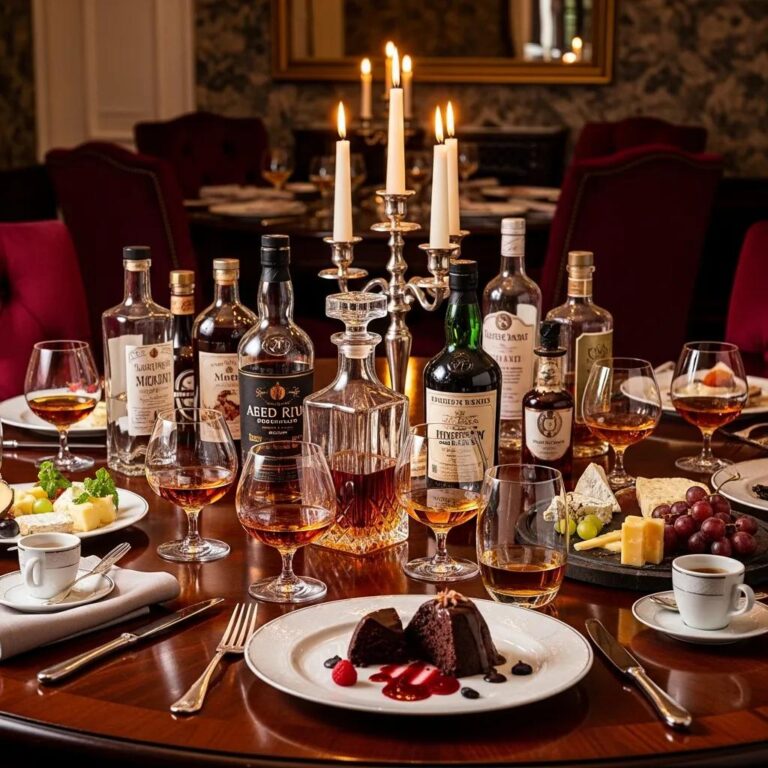
Digestifs are concentrated drinks served after the meal to mark its close and to provide sensory resolution: concentrated aromatics, textural contrast, or mineral clarity that balance fat, sugar, and umami while leaving a lasting impression. In luxury dining they are as much a ritual as a flavor choice—helping pace service, extending conversation, and giving guests a final, memorable note. Knowing categories and conventional service—glassware, portion size, and temperature—helps guests and sommeliers select pairings that lift an omakase or multi‑course beef service to its proper conclusion.
What Is a Digestif and How Does It Enhance Your Dining Experience?
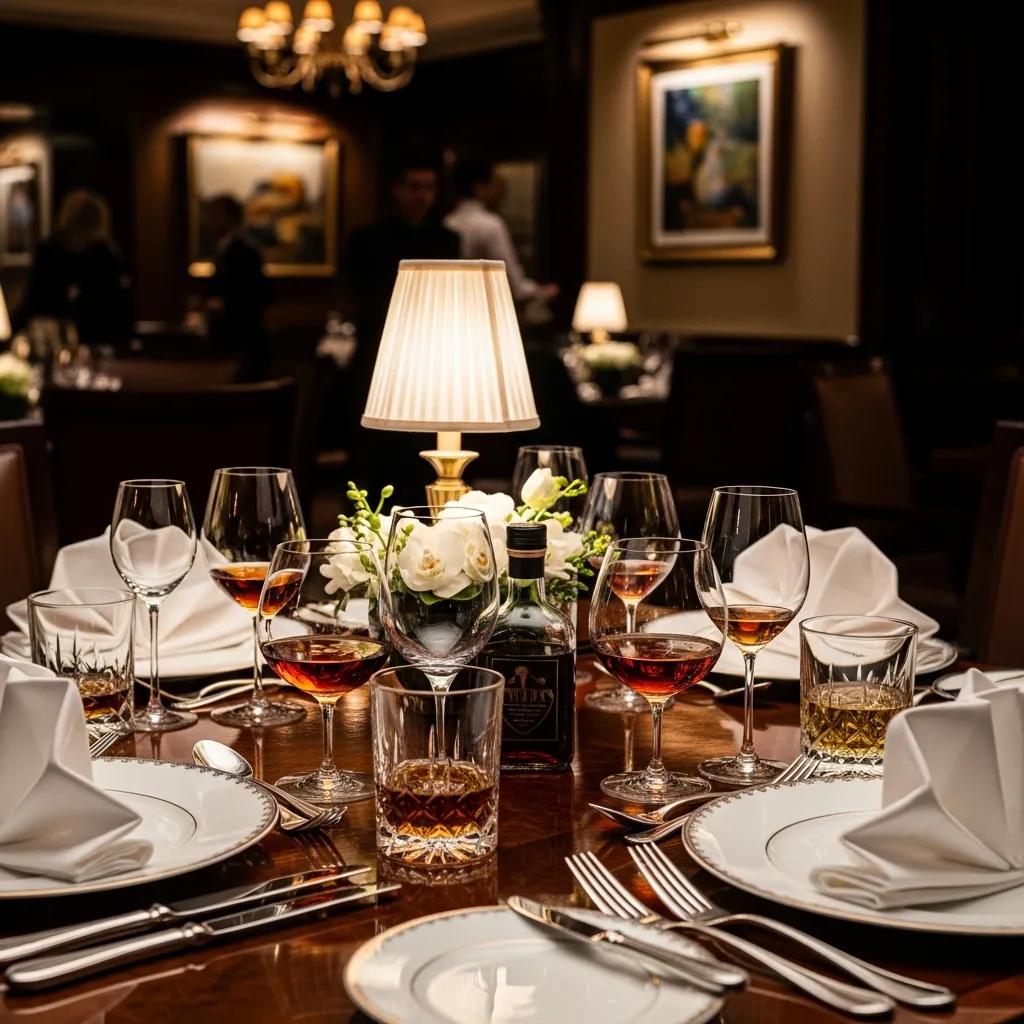
A digestif is usually a spirit, liqueur, or fortified wine enjoyed after dessert or at the meal’s end to provide aromatic closure and a definitive final statement. It works by contrast—concentrated sweetness, herbal bitterness, or oak warmth—that refreshes and reinforces the evening’s themes, whether savory umami or delicate seafood. Practically, a well‑chosen digestif prolongs conviviality, offers tactile warmth or bright clarity, and creates a finish that guests remember. Thoughtful service—small pours, tailored glassware, and precise temperatures—shapes how the drink reads alongside the meal’s final flavors.
Frequently Asked Questions
What are the best practices for serving digestifs in a fine dining setting?
Service is purposeful and precise. Select glassware that concentrates aromatics and flatters presentation. Present tasting‑sized portions so guests savor deliberately. Temperature matters—brandies at room temperature, many fortified wines slightly chilled—so follow style‑specific temperatures. And time the offer after the main course or dessert to preserve the meal’s rhythm and let guests enjoy the drink without feeling rushed.
How can I choose the right digestif for my meal?
Start with the meal’s dominant flavors and textures. Match the digestif’s intensity to the dish—robust Cognac suits fatty A5 Wagyu— or use contrast to refresh the palate, for example a bitter amaro after an oily course. Cultural continuity can also guide choices: a Japanese whisky or aged sake often harmonizes beautifully with sushi and other rice‑centric dishes.
Are there any non-alcoholic options that can serve as digestifs?
Absolutely. Non‑alcoholic finishes can be ceremonial and satisfying: herbal infusions like peppermint or chamomile, mineral or sparkling water with a lemon twist, or quality non‑alcoholic aperitifs that offer bitter and botanical notes. These alternatives provide a considered, palate‑cleansing close without alcohol.
What role do digestifs play in the overall dining experience?
Digestifs give a meal a proper ending. They encourage lingering conversation, invite reflection on the flavors enjoyed, and reinforce the restaurant’s narrative. A carefully curated after‑dinner selection elevates the dining arc and leaves guests with a composed, memorable finale.
How do cultural traditions influence the choice of digestifs?
Choices are shaped by regional customs: Italy’s amari reflect a long tradition of herbal liqueurs, while Japan favors aged sake and whisky that pair naturally with its cuisine. Cultural context informs both the drinks offered and the rituals around them, making the after‑dinner moment feel authentic to the cuisine.
What are some common misconceptions about digestifs?
One myth is that digestifs are solely medicinal. In modern fine dining their primary role is sensory and ceremonial, not therapeutic. Another misconception is that digestifs must be heavy or overpowering—many are delicate, mineral, or bitter‑leaning and designed to complement a range of finishes. Recognizing these distinctions deepens appreciation for after‑dinner service.
How Do Digestifs Aid Digestion and Provide a Sophisticated Meal Conclusion?
Historically, digestifs were credited with easing digestion through bitter botanicals and warming spirits; today we emphasize the perceived comfort and ritual more than medical claims. Botanicals such as gentian, citrus peel, and aromatic herbs create bitter‑sweet sensations that can feel cleansing and encourage salivation, which many diners describe as settling after a rich meal. Alcohol’s gentle relaxing effect also contributes to a sense of unwinding. Framing the digestif as both a sensory and social close preserves its sophistication while acknowledging that its main value in fine dining is ceremonial and experiential.
Each digestif category performs a distinct sensory role; the next section examines classic choices that pair particularly well with Japanese fine dining.
This overview clarifies how each class contributes texture and aromatics to a meal’s finale. Next, we apply these categories to pairings for Japanese fine dining.
Which Classic Digestifs Are Best for Pairing with Japanese Fine Dining?
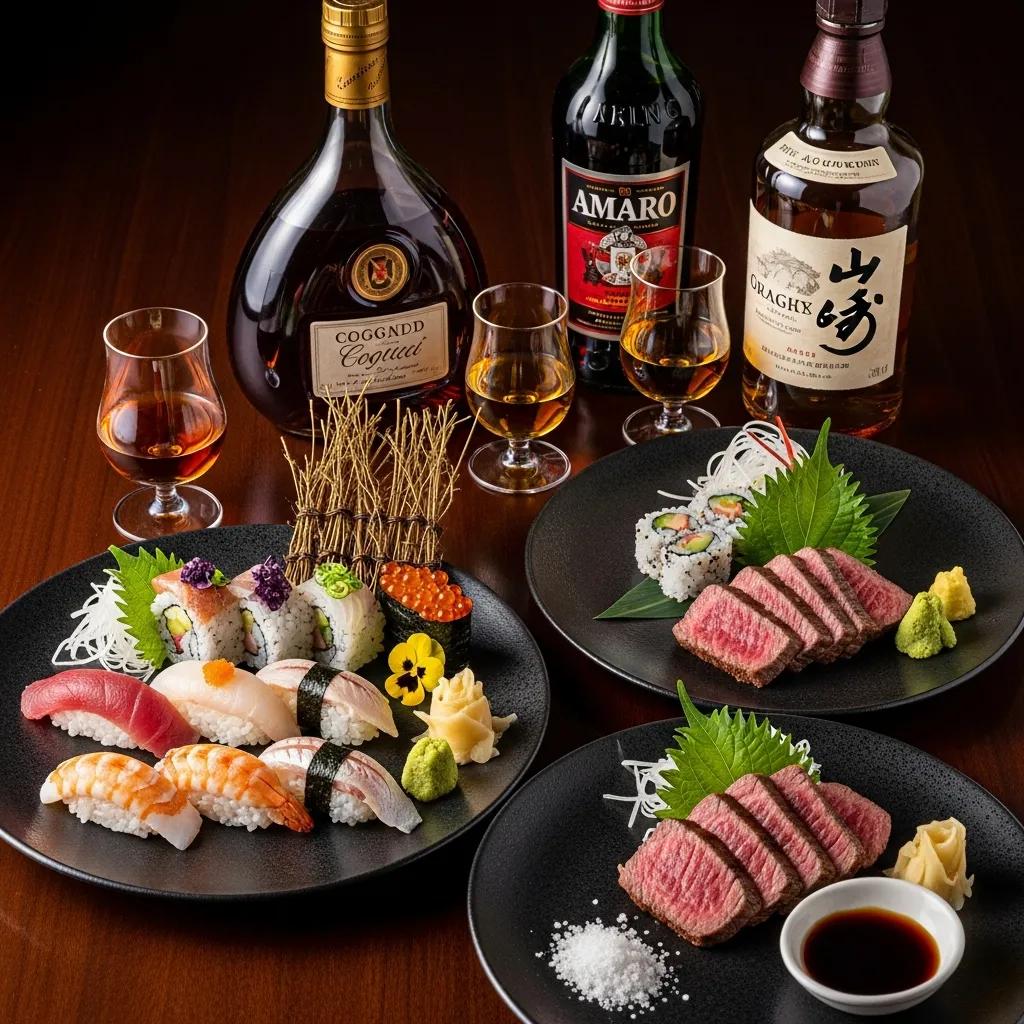
Classic digestifs work in Japanese fine dining when their textures and aromatics either mirror umami and fat or provide a clean contrast to saline, delicate flavors. Cognac and Armagnac offer oak and dried‑fruit notes that echo the richness of seared beef; amaro and herbal liqueurs bring bitter‑sweet lift to refresh after oily bites. Japanese‑aged sake and whisky provide cultural continuity and often harmonize with rice and seafood through minerality or gentle smoke. Your choice depends on whether you wish to complement richness, cut through salt and fat, or end with a bright, cleansing finish.
How Does Cognac Complement Omakase, A5 Wagyu, and Caviar?
Cognac’s toasted oak, dried fruit, and layered spice provide a generous texture that pairs naturally with fatty, umami‑forward dishes like A5 Wagyu—matching intensity while smoothing savory edges. Served slightly warmed in a tulip or small snifter, Cognac highlights caramelized fat and savory amino acids without adding bitter or astringent notes that could overwhelm delicate seafood. With caviar, a younger, fruit‑forward Cognac offers a pleasing counterpoint to saline minerality, while older cognacs with tertiary complexity can echo buttery textures. Typically, Cognac is offered after the main course or as part of a post‑beef tasting sequence.
What Are the Unique Qualities of Amaro and Herbal Liqueurs for After-Dinner Enjoyment?
Amaro and herbal liqueurs blend bitter botanicals, citrus peel, and root spices into a bitter‑sweet profile that cleanses and refreshes after rich or sweet courses. Notes like gentian, rhubarb, anise, and orange peel create layered finishes that cut through fat or complement herb‑forward dishes. A drier, more bitter amaro works well as a palate cleanser after fried or oily plates; sweeter herbal liqueurs pair with nutty or caramel desserts. Serve amaro slightly chilled in small portions to emphasize clarity and invite relaxed conversation.
To compare classic digestifs and why they suit Japanese fine dining, consider these top choices and their rationales.
- Cognac / Armagnac: Complements fatty, umami‑rich beef with oak warmth and dried‑fruit sweetness.
- Amaro: Cleanses the palate after rich courses with herbal bitterness and citrus lift.
- Aged Sake: Offers mineral clarity and gentle umami that echo seafood and saline flavors.
- Japanese Whisky: Brings smoky or malted depth to contrast rich, grilled items.
What Are the Best After-Dinner Drinks and Liqueurs Offered at Luxury Restaurants Like Kaviar?
Luxury beverage programs reflect the cuisine’s identity: fortified wines for dessert affinity, premium spirits for a lounge‑style finish, and signature cocktails that distill the restaurant’s flavor philosophy. A thoughtful list mixes classic bottles with seasonal, artisanal selections—fortified vintages, rare Japanese whiskies, and carefully chosen amari—so guests can opt for complement or contrast. Presentation matters: correct glassware, tasting‑sized pours, and staff guidance on tasting order all enhance the ritual. Kaviar’s curation, rooted in premium ingredients and omakase craft, naturally extends to a refined after‑dinner selection tailored to its menu.
Which Fortified Wines and Port Wines Elevate Dessert Pairings?
Fortified wines—Ruby and Tawny Port, vintage Port, Madeira, and aged Marsala—offer sweetness, nutty oxidation, or vibrant fruit that must be matched to dessert intensity. Ruby Ports, with bright berry notes, pair nicely with dark chocolate and fruit tarts; Tawny Ports, with caramel and toasted‑nut character, suit nut‑forward or caramelized sweets. Madeira’s acidity and oxidative profile stand up to custards and rich creams, while Marsala complements baked fruit and buttery pastries. Serve sweeter styles slightly chilled and more oxidative bottles at warmer temperatures to let aromatics open.
Choosing the right fortified wine ensures a harmonious dessert close. Next, we explore how signature after‑dinner cocktails can define a restaurant’s digestif identity.
What Signature After-Dinner Cocktails Define Kaviar’s Digestif Experience?
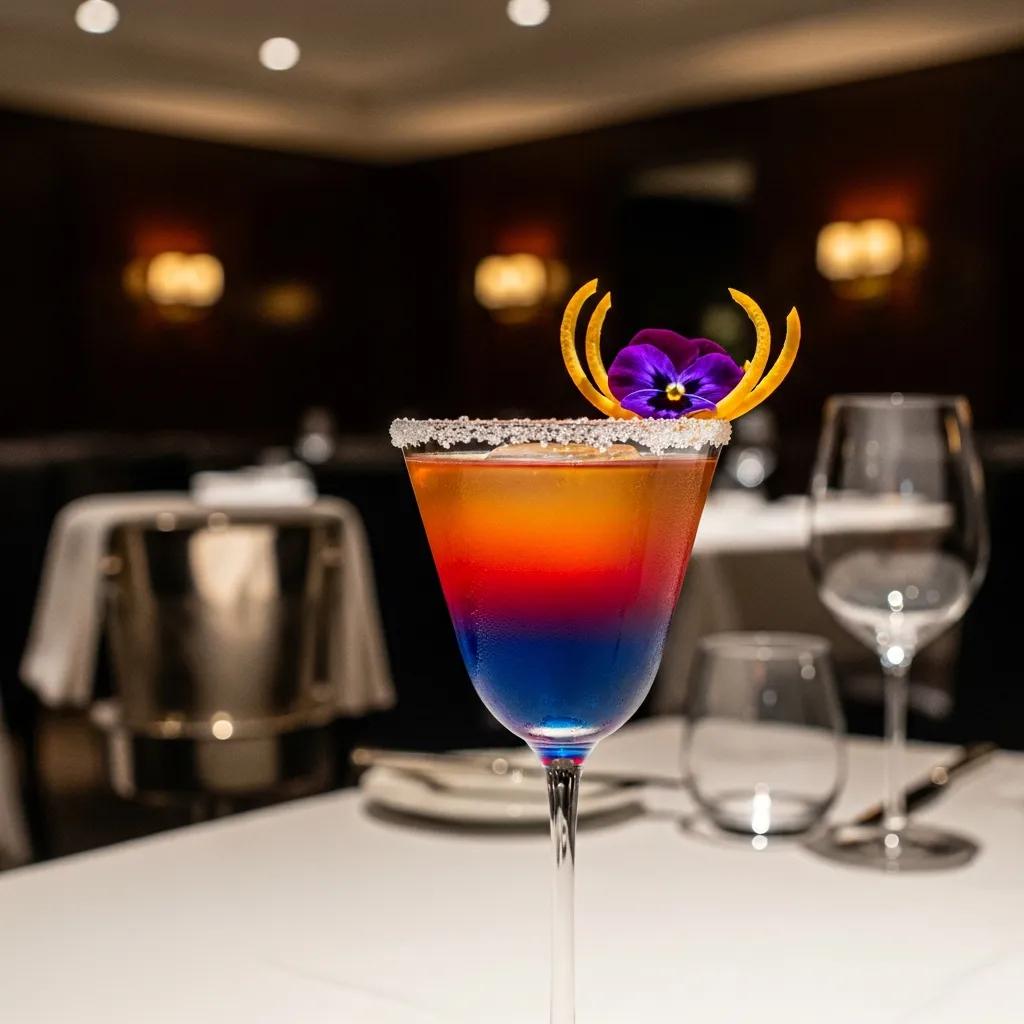
Signature after‑dinner cocktails give a restaurant a distinct finishing note without relying on gimmicks. These drinks balance spirit‑forward warmth with herbal or citrus aromatics and restrained sweetness to close a multi‑course meal. In a Japanese fine‑dining context, signature concepts often lean on local elements—aged sake or Japanese whisky—tempered with bitter or citrus accents to support umami and cleanse the palate. Presented in small, elegant glassware and explained by staff, these cocktails invite guests to extend the evening with assurance.
At Kaviar, our after‑dinner offerings prioritize balance, refinement, and a cohesive end‑of‑meal narrative that echoes our omakase and premium‑ingredient focus.
How Do You Pair Digestifs with Premium Japanese Ingredients Like A5 Wagyu and Caviar?
Pairing digestifs with premium Japanese ingredients follows simple sensory rules: match intensity with intensity, use contrast to cut fat, and look for aromatic continuity with umami and saline notes. For A5 Wagyu choose spirits with structure and oak that complement without masking the meat; for caviar favor mineral clarity or subtle bitterness that highlights saline nuance. Service order matters—offer the digestif after the main or as a short tasting sequence—and keep pours small so the memory of the cuisine remains central. Practical pairing guides help servers and guests make confident selections.
What Digestifs Best Complement the Rich Flavors of A5 Wagyu?
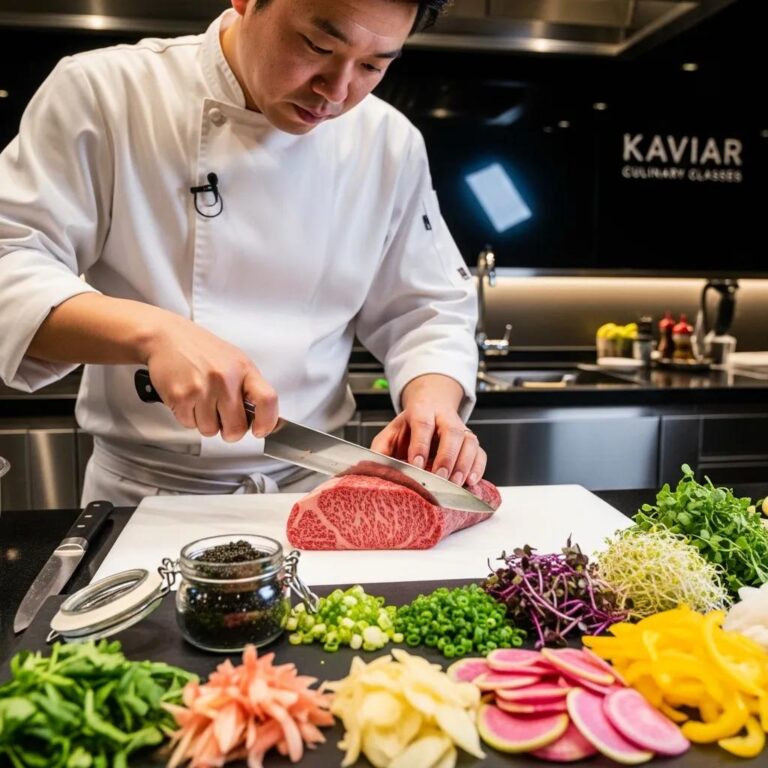
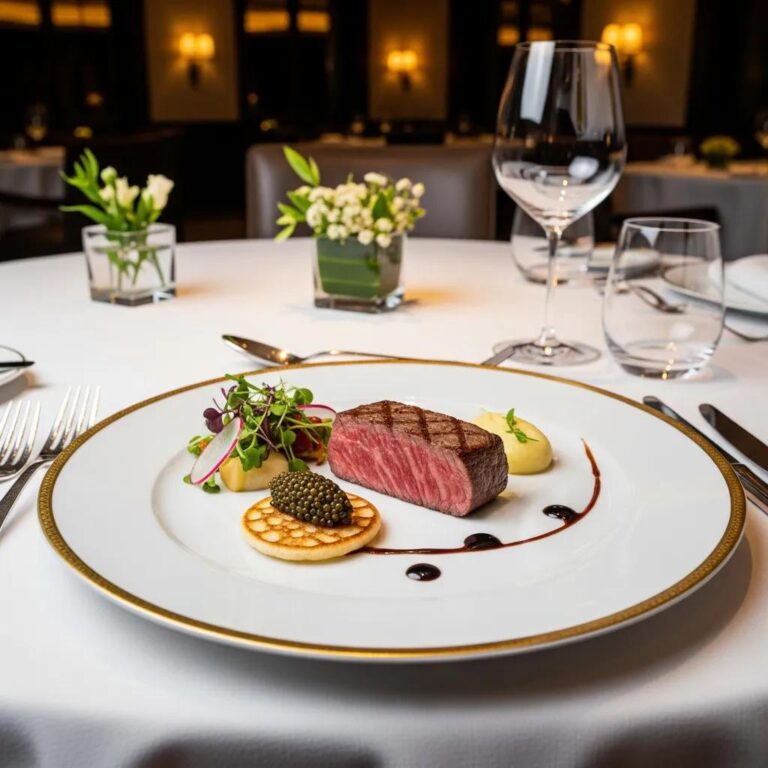
A5 Wagyu’s dense marbling and concentrated umami pair well with aged brandies and full‑bodied spirits whose oak, vanilla, and dried‑fruit notes mirror and elevate the fat. An aged Cognac or a mellow Japanese whisky creates a complementary mouthfeel where gentle smoke or tannic structure offsets richness and refreshes between bites. Alternatively, a bitter amaro can cut through fat to refresh the palate, and a small fortified pour can offer a sweet counterpoint. We recommend tasting‑sized pours and a slow, deliberate sip after the beef to let aromatics unfold.
Which After-Dinner Drinks Enhance the Luxury of Caviar Dishes?
Caviar’s saline, briny character benefits from drinks that either mirror its minerality or provide a subtle, refreshing contrast. Chilled, aged sakes with rice‑led minerality and soft umami make a culturally sympathetic match, while very dry, high‑acid sparkling wines or a clean, low‑phenol spirit add crisp contrast. Avoid heavily oaked or overtly sweet digestifs that mask caviar’s nuance; instead, opt for small, chilled pours served in narrow glassware to concentrate aroma and preserve texture. Serve the drink immediately after the caviar course to best capture its ephemeral qualities.
Pairing rules for digestifs with premium Japanese ingredients:
- Match intensity to intensity: richer dishes call for fuller‑bodied digestifs.
- Use contrast to refresh: bitter or high‑acid options cut through fat and oil.
- Respect cultural continuity: Japanese‑aged spirits often harmonize with rice and seafood.
- Mind serving temp and portion: small, accurately chilled pours reveal nuance without overwhelming.
What Is the History and Cultural Significance of Digestifs in Fine Dining?
Digestifs trace back to European traditions where herbal liqueurs and fortified wines followed a meal for perceived digestive and social closure. Over centuries the practice evolved from medicinal claims to a refined ritual of sensory completion and service choreography. Today, distilled spirits and regional liqueurs are markers of culinary identity; chefs and beverage directors reinterpret historic styles—introducing artisanal amari, small‑batch whiskies, and aged sakes—to align after‑dinner service with contemporary menus and provenance narratives. This lineage explains why digestifs remain a valued part of luxury dining rituals.
How Did Digestifs Evolve from European Traditions to Modern Luxury Dining?
Digestifs began as botanical tonics—herbs and bitter roots infused into spirits to produce palatable post‑meal elixirs. In the 18th and 19th centuries producers refined methods—aging, fortification, and distillation—transforming medicinal drinks into sophisticated liqueurs and brandies. In modern luxury dining these products are reframed as sensory finishes: menus and beverage lists are curated for identity, provenance, and rarity. Contemporary programs commonly blend European legacies with regional spirits—Japanese whisky and aged sake—to create after‑dinner experiences both historic and relevant to the cuisine served.
The principles that guide how food and drink pair—similarity, contrast, and synergy—are central to creating memorable meals.
Principles of Flavor Matching in Food and Drink
This review examines sequencing and pairing taste sensations in meal design and when combining food and drink. It surveys chemical, psychological, and computational approaches suggested for pairing flavors, and evaluates three guiding principles: similarity—matching components with common flavor compounds; contrast—pairing deliberately different flavors to create balance; and synergy—combinations that harmonize to produce emergent flavor experiences.
Pairing flavours and the temporal order of tasting, C Spence, 2017
What Are the Current Trends and Growing Interest in Digestifs in the U.S. Market?
Recent trends show a growing appetite for artisanal amari, small‑batch and rare whiskies, and premium aged sakes as diners pursue provenance and craftsmanship. Beverage programs now emphasize curated digestif lists, tasting flights, and informed service to meet fine‑dining expectations. For markets like Pasadena, this demand allows restaurants to differentiate with distinctive after‑dinner selections and rare bottles that pair directly with elevated menu features.
These signals naturally lead to practical advice for enjoying digestifs at a local fine‑dining venue.
How Can You Elevate Your Dining Experience with Digestifs at Kaviar Restaurant in Pasadena?
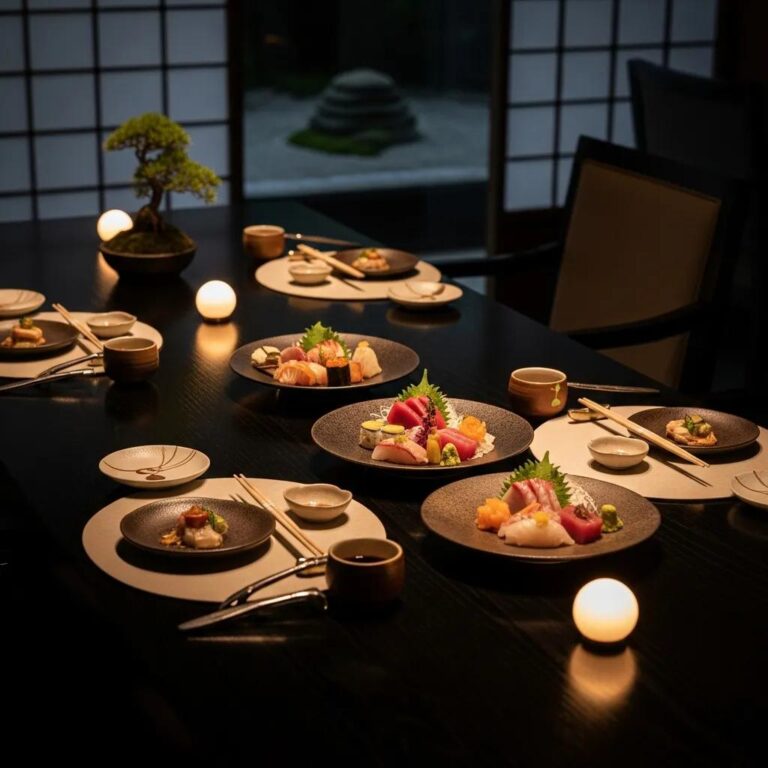
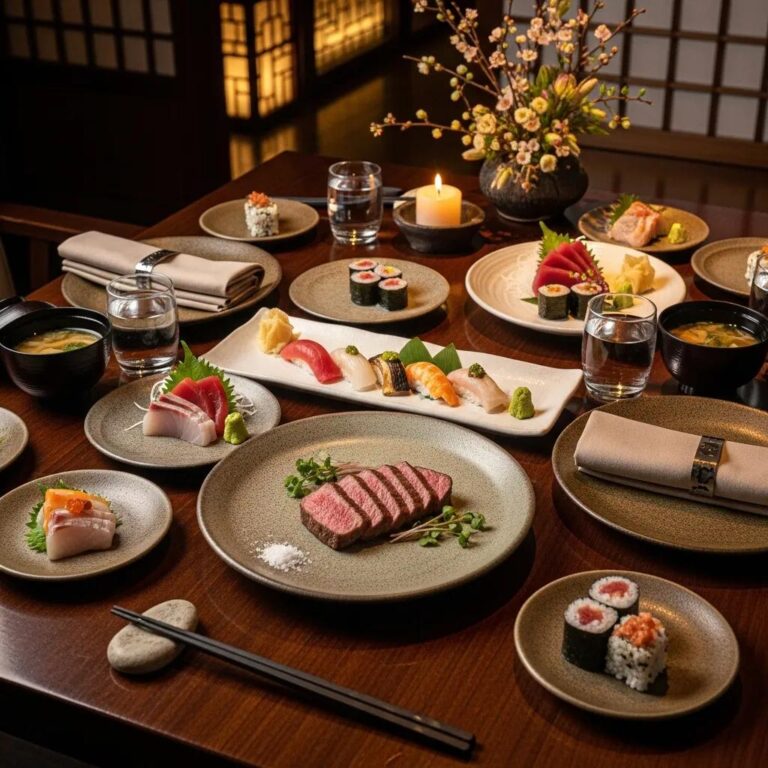
At Kaviar, digestif curation is an extension of our omakase and premium‑ingredient philosophy: after a sequence that may include A5 Wagyu, caviar, and meticulous sushi, the after‑dinner selection should feel intentional, refined, and complementary. We emphasize provenance, a quiet luxury ambiance, and a reservation‑forward service that integrates digestifs into the tasting flow rather than treating them as an afterthought. Expect staff to suggest portion sizes and tasting order, matching digestifs to your meal’s dominant flavors. Mentioning your interest in post‑meal pairings when you reserve helps us prepare special bottles or tasting suggestions for your visit.
What Makes Kaviar’s Digestif Selection Unique in Pasadena’s Fine Dining Scene?
Our curation aligns digestifs with signature dishes—omakase sequences, A5 Wagyu, and caviar—favoring premium, thoughtfully sourced bottles that reflect the kitchen’s commitment to quality. Kaviar’s presentation and reservation‑first model support guided service where staff explain tasting order and offer small‑format pours that respect scarcity. By blending European traditions with Japanese‑aged options, we craft endings that feel cohesive with the meal while giving guests access to rare and artisanal expressions in Pasadena.
How to Reserve and Enjoy Kaviar’s Exclusive After-Dinner Drink Offerings?
To experience Kaviar’s curated after‑dinner service, mention digestifs when making a reservation or tell your server on arrival so we can prepare suitable bottle selections and tasting portions. Ask the server or sommelier for a suggested tasting sequence—whether you prefer warming, complementary spirits for A5 Wagyu or a chilled, mineral approach for caviar—and request proper glassware and portion sizes to keep balance. Etiquette tips: sip slowly, let the aroma evolve between sips, and treat the digestif as a reflective close rather than a reset for more savory courses. This approach maximizes the pairing’s effect and honors the curated tasting arc.
Our curated approach helps guests complete a luxury meal with confidence, reinforcing the tasting narrative and creating a memorable finale.
- Plan in advance: Note digestif interest when reserving so we can prepare special selections.
- Ask for guidance: Request pairing suggestions based on your meal’s dominant flavors.
- Savor intentionally: Accept small pours and taste with focus to appreciate nuance.
Applied together, digestif categories, pairing rules, and considered service form a reliable toolkit for ending luxury meals with intention and style.
Conclusion
Mastering digestifs enriches the luxury dining experience by offering a deliberate, ceremonial close that complements the meal’s flavors. With a clear understanding of pairing principles and proper service, diners can elevate their after‑dinner moments with thoughtfully chosen selections. Explore Kaviar’s after‑dinner offerings to discover how premium digestifs can complete your culinary journey—reserve today and conclude your meal with quiet sophistication.