



Kaviar Spring Menu Pasadena: Spring-Forward Japanese Fine Dining — Fresh Seafood, Seasonal Produce, A5 Wagyu & Curated Caviar
At Kaviar, our spring menu brings the clarity of seasonal Japanese fine dining to Pasadena: fresh seafood, bright spring vegetables, and select luxury touches like A5 Wagyu and carefully chosen caviar. This guide walks you through what defines our spring offerings, how the omakase is paced, where Wagyu and caviar appear in the tasting, and how to reserve. If you favor tasting menus, seasonal sashimi, and upscale Japanese dining, you’ll find concise tasting notes, pairing suggestions (sake, wine, cocktails), and sourcing context to help you choose. We also cover provenance and sustainability, the chef’s sequencing strategy for peak flavor progression, and signature dishes with focused tasting descriptors. Read on to explore featured spring plates, pairing ideas, omakase logistics, and reservation tips tailored for guests seeking a refined tasting experience in Pasadena.
What Are the Highlights of Kaviar’s Spring Menu in Pasadena?
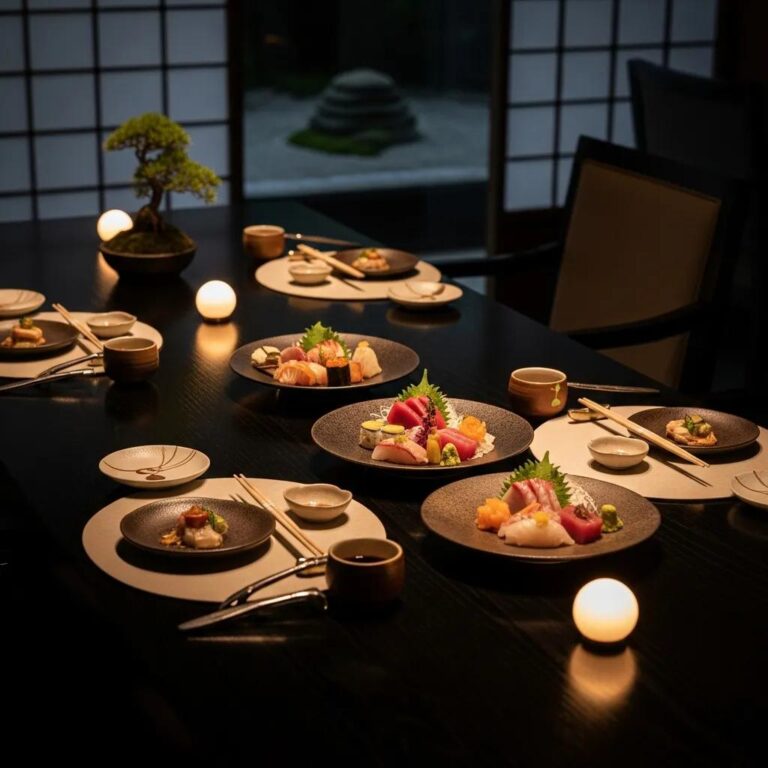
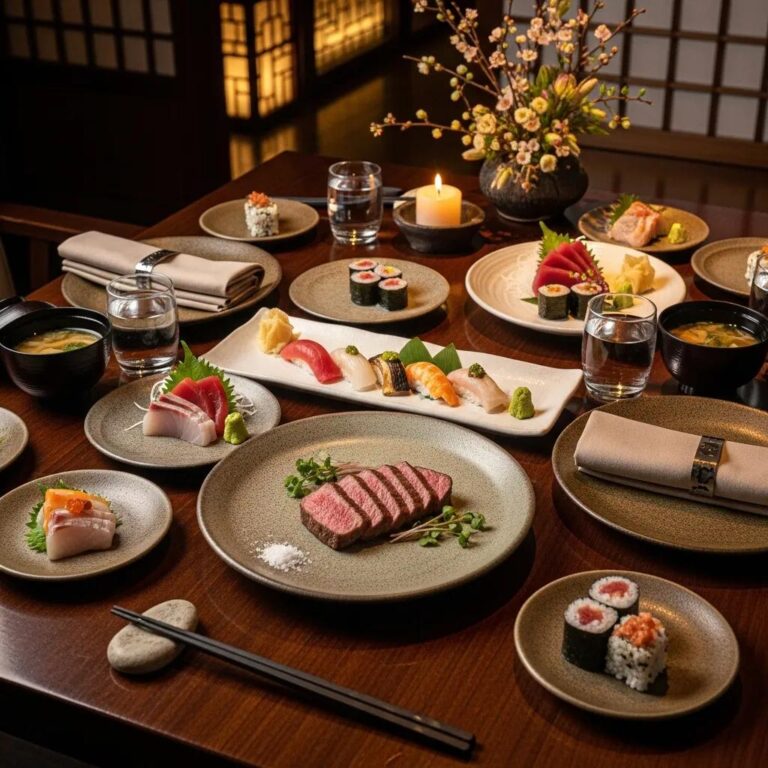
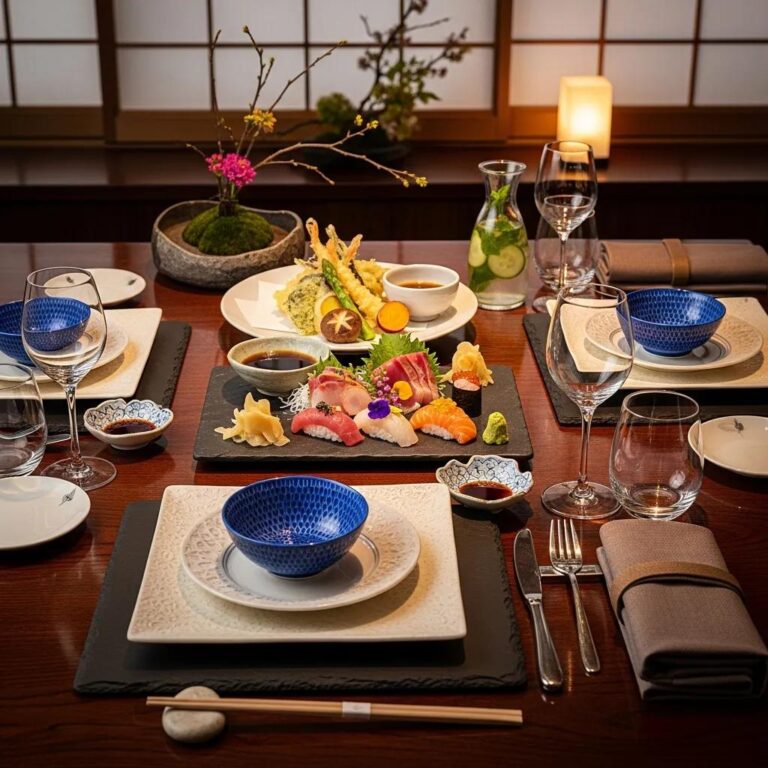
Spring at Kaviar centers on seasonal sashimi, vegetable-led courses, and standout moments featuring A5 Wagyu and plated caviar — all executed with precise Japanese technique to showcase ingredient clarity. We balance delicate spring produce with umami-forward seafood and restrained seasonings so provenance shines through. The tasting progression emphasizes texture and seasonality: contrasts such as crisp asparagus against buttery uni or seared Wagyu beside pickled radish create memorable transitions that carry the meal forward.
Below is a quick overview of signature highlights to give you a sense of menu priorities and tasting direction before we dive into dish-level detail.
Kaviar’s spring signature highlights include:
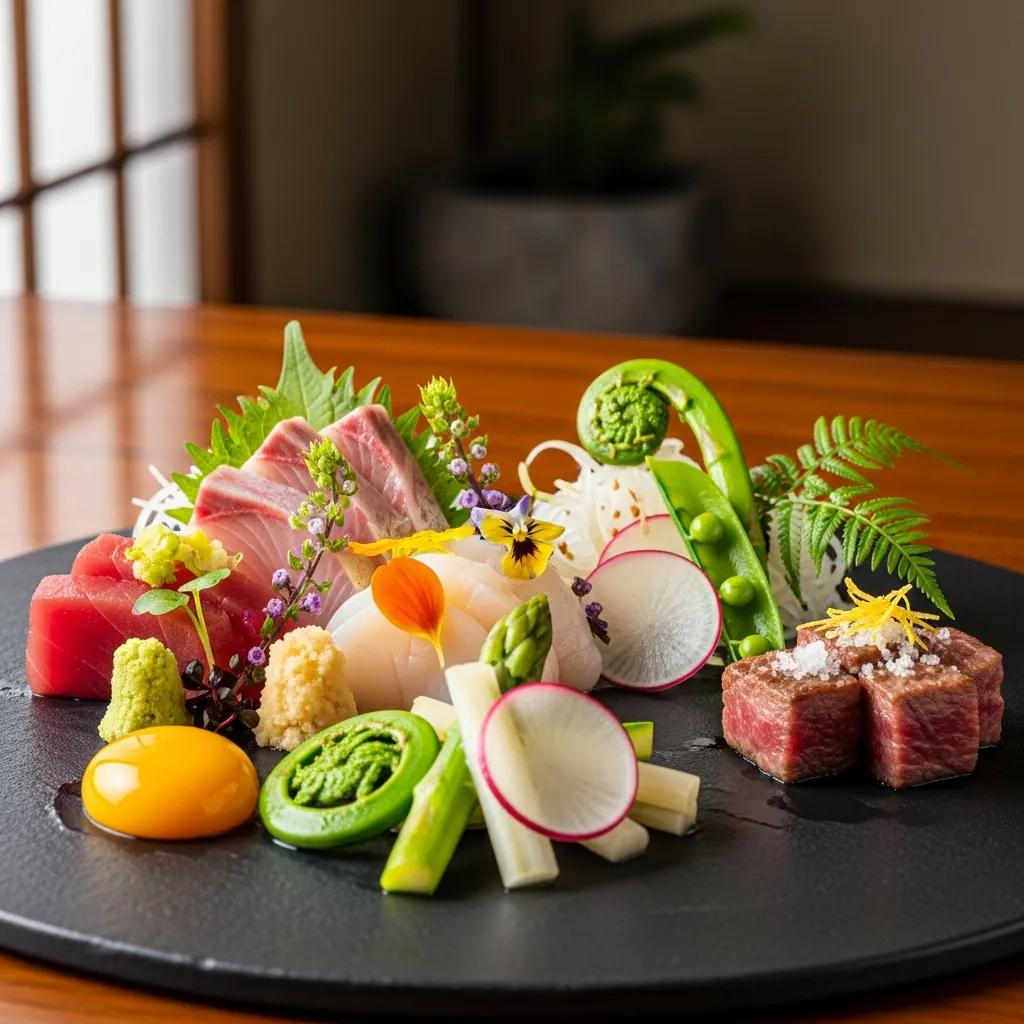
- Seasonal Sashimi Selection: Scallops and seasonal fish served with minimalist garnishes to showcase natural sweetness.
- Spring Vegetable Tempura: Lightly battered local asparagus and greens that retain snap and bright vegetal flavor.
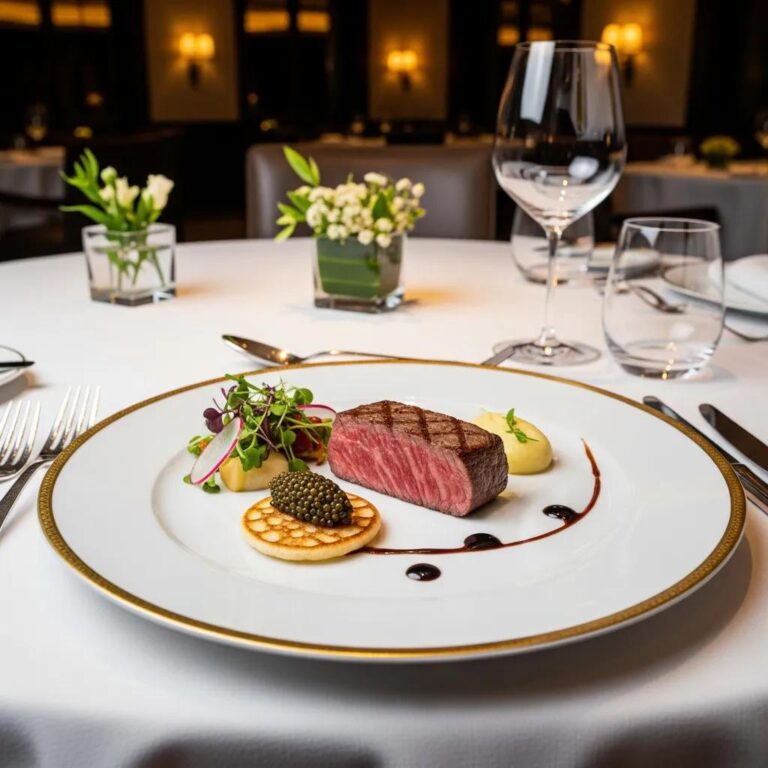
- A5 Wagyu Tasting Course: Precisely seared Wagyu in small portions to emphasize marbling and silk-like mouthfeel.
- Caviar Service Accents: Kaluga-style caviar paired with subtle acidic and creamy accents for balance.
These headline items lead into detailed dish descriptions and the EAV table below, which breaks down signature offerings for quick comparison and pairing suggestions.
The following table summarizes featured spring dishes for quick scanning and menu planning.
This table clarifies each dish’s core attributes and suggested pairings, and it flows into more detailed descriptions of individual spring preparations below.
Which Signature Spring Dishes Showcase Fresh Seasonal Ingredients?
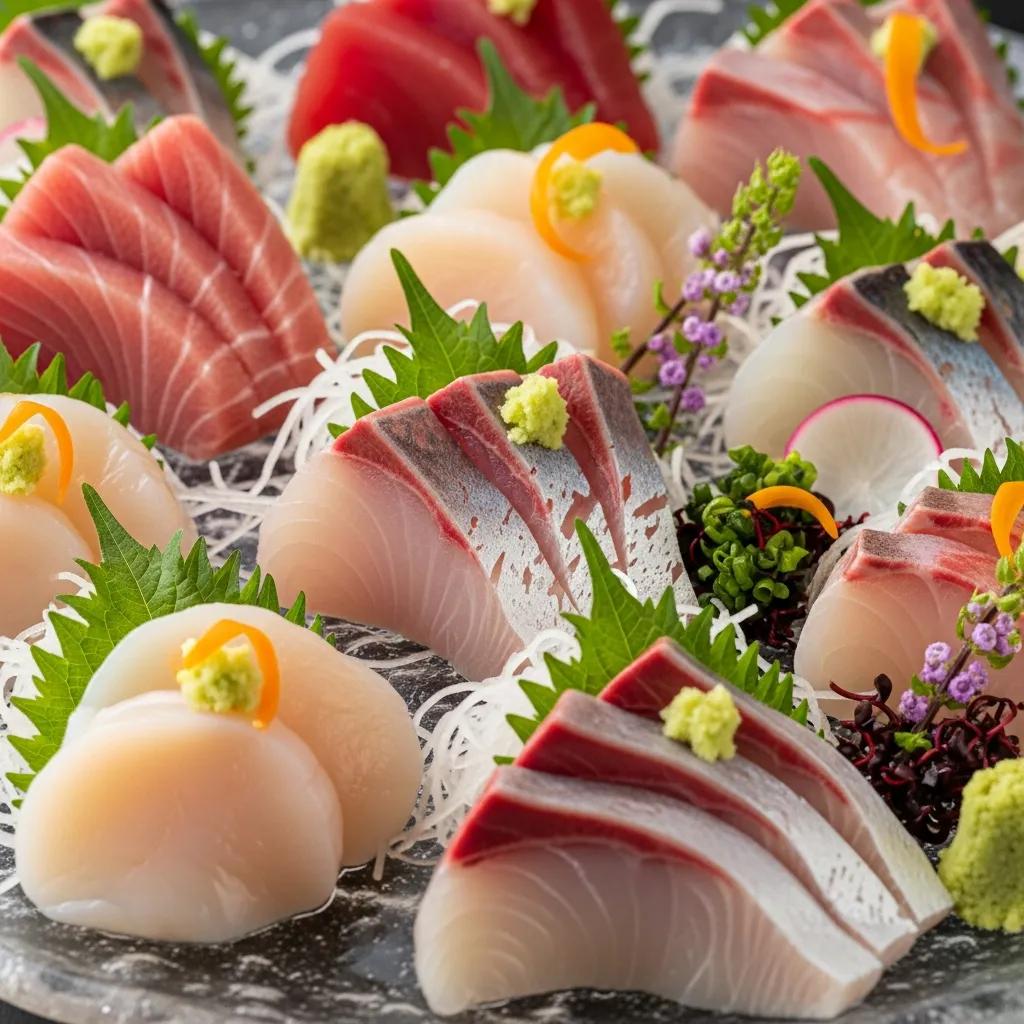
Seasonal sashimi and vegetable courses define much of our spring lineup. Each plate is built to highlight freshness and texture through restrained seasoning and exact technique. We source scallops and spring fish for raw preparations, finishing them with a touch of citrus, sesame, or yuzu to enhance natural sweetness without masking it. Vegetable treatments — grilled asparagus, pickled radish, yuzu-dressed greens — preserve snap and brightness and often act as palate-clearing bridges between richer courses.
Pairings we recommend: a light, dry sake with sashimi and a subtly acidic white or sparkling sake for vegetable-forward plates to guide the meal toward richer moments like Wagyu and caviar.
How Does Kaviar Incorporate A5 Wagyu and Caviar in Spring Offerings?
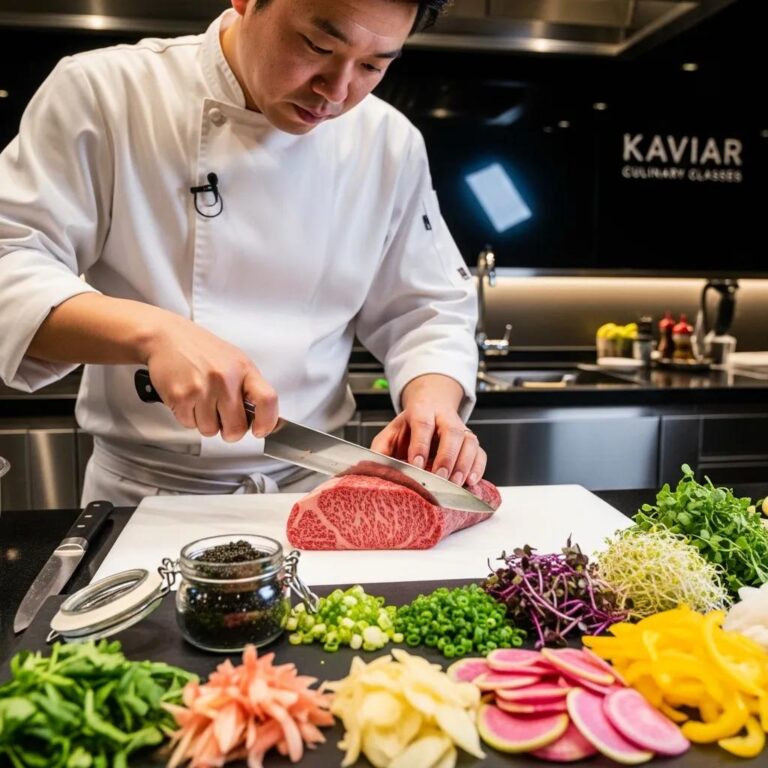
A5 Wagyu and curated caviar are used as focal luxury moments within the omakase, offered sparingly so each bite reads as a highlight. Wagyu appears in small, precise portions — seared or served tataki-style — to reveal the beef’s marbling and buttery texture while seasonal pickles or greens cut through richness. Caviar arrives as a celebratory accent, matched with delicate elements like blini, yuzu cream, and microherbs so saline and citrus notes sing alongside spring produce. These premium items are woven into the sequence to create tension and release, preparing the palate for lighter or more aromatic courses that follow.
What Makes the Spring Omakase Experience Unique at Kaviar?
Our spring omakase is a chef-led tasting journey that places seasonal seafood, refined vegetable treatments, and curated luxury ingredients in a deliberate sequence to maximize contrast and clarity. Omakase lets the chef work with the freshest arrivals and pace the meal from subtle to bold, creating a narrative that reflects spring’s rhythm in both produce and fisheries.
Expect a multi-course progression: seasonal sashimi to start, moving through cooked vegetable and shellfish interludes, and culminating in richer focal points like A5 Wagyu and caviar service.
What diners can expect from the spring omakase:
- Seasonal Course Rotation: Menus evolve with spring catches and produce.
- Curated Pacing: Courses are sequenced to balance texture and flavor progression.
- Limited Availability: Omakase seating is intentionally limited to preserve quality and focus.
These elements set clear expectations about the experience and help guests plan their visit.
Which Seasonal Ingredients Define the Spring Omakase Selection?
Spring selections highlight ingredients at their peak — scallops, uni when available, early asparagus, and bright citrus notes like yuzu — creating dishes that feel distinctly springlike. Each component can lead or support: scallops add silky sweetness, asparagus brings verdant crunch, and yuzu introduces aromatic acidity that lifts richer items.
We present these ingredients both raw and lightly cooked to preserve freshness while adding subtle contrast — a seared edge or a touch of acid to heighten complexity. This ingredient-first approach informs how the chef sequences the meal to tell a cohesive spring culinary story.
How Does the Chef Curate the Spring Omakase Journey?
The chef sequences courses to build evolving contrasts: beginning with clean, saline-driven sashimi, moving into vegetal and shellfish interludes, and finishing with concentrated flavors like seared Wagyu or caviar accents. Selection prioritizes peak freshness and traceable provenance; sequencing prepares the palate by introducing lighter textures and citrus early, with richer, oilier tastes later. Palate cleansers — pickled bites or gentle broths — are used between heavier dishes to reset sensation and maintain appetite. This careful curation ensures every course contributes to an intentional narrative and the most memorable tasting moments.
How Is A5 Wagyu Featured in Kaviar’s Spring Menu?
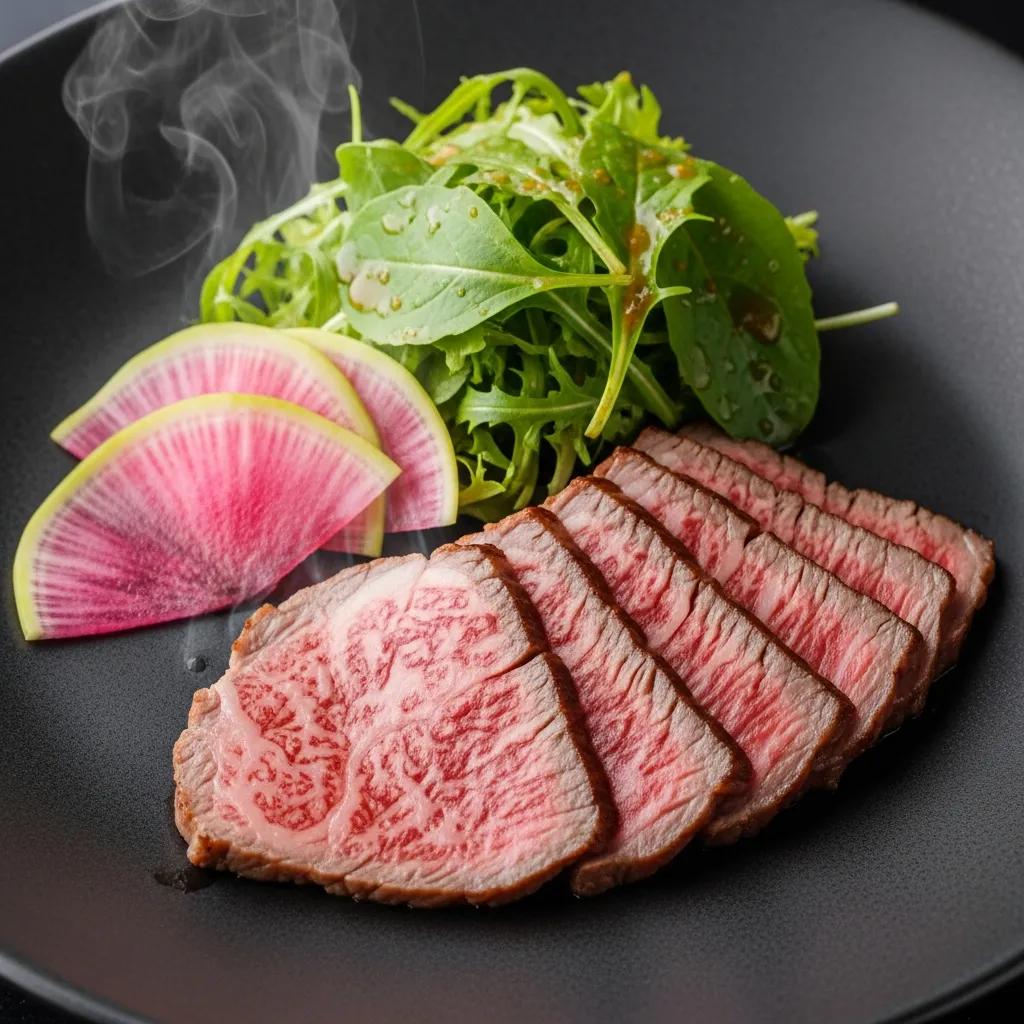
We treat A5 Wagyu as a concentrated luxury element on our spring menu, showcased in small-format preparations that highlight marbling, tenderness, and mouthfeel rather than heavy sauces. The appeal of A5 lies in its fat distribution and buttery texture; we preserve those qualities with quick sears, thin tataki slices, or small plated portions that warm the fat without masking the beef. Pairings aim to either cut through richness or mirror its umami depth — full-bodied sake, a restrained red, or pickled spring vegetables.
The EAV table below outlines typical Wagyu presentations, expected preparations, and recommended pairings, and notes limited seasonal availability so guests know to reserve in advance.
This table clarifies Wagyu presentations and pairings, and underscores that Wagyu courses are specialty items that benefit from early booking.
What Are the Spring Preparations and Pairings for A5 Wagyu?
Spring Wagyu preparations emphasize techniques that showcase marbling: a quick sear, thin tataki slices, or small plated portions paired with bright, acidic accoutrements that cut fat. Typical accompaniments include pickled radish, lightly charred spring vegetables, or a citrus-based condiment that adds lift without masking beef flavor. Beverage pairings are chosen to complement umami and fat — richer sakes with savory depth or low-tannin reds that cleanse the palate between bites. These choices lead naturally into our sourcing notes and how availability is managed through spring.
Where Does Kaviar Source Its Premium A5 Wagyu for Spring?
We emphasize traceability and clear quality markers for A5 Wagyu, noting grade and provenance while keeping supplier details concise. Guests should expect Wagyu served with information about grade and preparation, reflecting our commitment to premium ingredients and careful handling. Because A5 Wagyu is a seasonal specialty, portions are limited by market availability — we recommend booking ahead if Wagyu is a priority for your experience. This sourcing context prepares you for the caviar services that follow, which use a similar provenance and pairing approach.
Which Seasonal Caviar Services and Pairings Are Offered This Spring?
Caviar at Kaviar functions as a strategic accent: saline-rich roe paired with acid-driven and creamy accompaniments that highlight spring citrus and herb notes. Seasonal selections arrive with simple garnishes — blini, yuzu cream, chives, light pickles — to enhance texture and contrast without competing with the roe’s nuance. Pairing favors chilled sparkling sake or light, mineral whites that lift salinity and preserve a clean finish.
This table offers quick tasting guidance and pairing logic for our caviar offerings, and leads into detailed tasting notes for each selection.
What Are the Spring Caviar Selections and Tasting Notes?
Spring caviar selections balance saline pop and buttery mouthfeel, with attention to serving temperature and minimal accoutrements so nuance remains clear. Kaluga-style caviar provides larger pearls and a creamy, rounded brine that pairs well with citrus-accented creams; lighter coastal roe gives a tactile pop and brisk saline finish suited to herb-forward garnishes. We serve roe chilled to preserve pearl integrity and use modest portions so caviar functions as an accent within the tasting progression. These notes explain our conservative approach to accoutrements and lead into pairing rationale below.
How Are Spring Accoutrements Paired with Caviar at Kaviar?
Accoutrements are selected to provide textural contrast and gentle acidity or creaminess that complements roe without overpowering it — blini, yuzu cream, microherbs, and mild pickles are common examples. Pairing logic aligns accoutrements with caviar character: creamy elements soften brine, acidic notes lift the finish, and crisp textures contrast the pearl’s pop. Seasonal twists — like yuzu-infused cream or spring microgreens — add aromatic brightness that ties the caviar to the rest of the menu. This rationale connects naturally to our sourcing practices for spring seafood.
What Fresh Spring Seafood and Seasonal Ingredients Are Featured at Kaviar?
Our spring menu spotlights ingredients that peak early in the season — scallops, select seasonal fish, tender asparagus, and young greens — prepared with minimal intervention and precise technique to retain natural flavor and texture. These items are chosen for peak quality and their compatibility with Japanese preparations such as sashimi, light grilling, and gentle pickling. The menu highlights each ingredient’s role in the tasting narrative: seafood contributes saline sweetness, produce brings brightness and texture. The following section outlines sustainable sourcing practices that guide these choices and how vegetables are incorporated to support a balanced spring tasting.
Which Sustainable Practices Support Kaviar’s Spring Seafood Sourcing?
Our sustainable approach includes seasonality-based purchasing, supplier vetting for traceability, and prioritizing fisheries that practice responsible harvest methods. Aligning purchases with seasonal availability reduces reliance on out-of-season imports and supports suppliers who provide traceable deliveries that meet our quality and sustainability standards. Menu planning also considers species rotation to avoid overuse of single stocks and emphasizes whole-ingredient thinking to minimize waste. These procurement principles shape how seafood and produce appear on the menu and lead into our vegetable preparation techniques below.
How Are Seasonal Vegetables and Produce Incorporated into Dishes?
Seasonal vegetables appear as both supporting accents and central preparations — grilled asparagus, yuzu-dressed greens, and lightly pickled radish each add distinct textures and bright, acidic or bitter notes that balance proteins. Techniques focus on preserving snap and vibrancy: quick blanching, light grilling to add charred aromatics, and delicate pickling to introduce brightness. Vegetables often act as interludes between seafood and richer dishes, resetting the palate and maintaining progression through the tasting menu. These preparations also inform pairing choices and help keep the spring narrative coherent across the meal.
How Can You Reserve Your Spring Dining Experience at Kaviar?
Securing a spring reservation at Kaviar is recommended for guests seeking omakase or specialty Wagyu and caviar services, since those offerings are limited by seating and market availability. Book through our direct reservation channel or commonly used platforms; we advise advanced booking for omakase or parties that need special accommodations. If A5 Wagyu or curated caviar are priorities, note those preferences or any dietary restrictions when booking so our team can plan portioning and source appropriately. Below are practical steps and tips to increase your chance of securing high-demand spring slots.
Best ways to book and tips for spring reservations:
- Use the restaurant’s direct booking channel: Reserve early for omakase and specialty courses on busy spring evenings.
- Check Resy and OpenTable availability: These platforms show real-time seating for standard services.
- Call the restaurant for special requests: For larger parties or specific menu needs, phoning ahead helps staff accommodate you.
These booking options prepare diners for the final note on seasonal events and how to learn about special offerings below.
What Are the Best Ways to Book a Table for the Spring Menu?
The most reliable way to secure a spring tasting at Kaviar is to reserve early and indicate interest in omakase or specialty items, since omakase seats and Wagyu/caviar components are intentionally limited each service. Use direct reservations or third-party platforms like Resy and OpenTable; if possible, consider midweek or earlier-evening slots for better availability. For dietary restrictions or celebrations, contact us at booking time so the team can tailor courses and pacing. These steps also help you discover special events or promotions happening during spring.
Are There Special Spring Events or Promotions to Know About?
We occasionally host special tasting nights, seasonal pairings, or limited-seat events centered on spring ingredients. The best ways to learn about these offerings are to monitor our public listings and reservation platforms or ask when booking. Seasonal promotions often coincide with peak harvests or rare seafood arrivals and may feature curated sake, wine, or cocktail pairings that reflect spring produce. For group events or private bookings, early notice allows our kitchen to design a customized tasting sequence that highlights seasonal moments. Staying attentive to these channels ensures you don’t miss limited seasonal opportunities.
- Subscribe or check listings: Follow the channels where we announce events.
- Inquire during reservation: Ask staff about upcoming tasting nights or private options.
- Plan early for groups: Advance notice lets us customize menus around seasonal highlights.
These final booking and event tips close out the reservation guidance and reinforce that early planning helps secure peak spring experiences.
Frequently Asked Questions
What is the best time to visit Kaviar for the spring menu?
Early evening on weekdays is often the best time to visit for the spring menu — those slots typically have more availability for omakase and specialty courses. Dining earlier in the week can increase your chances of securing a reservation for high-demand items like A5 Wagyu and caviar. If you have preferences or dietary restrictions, tell us when booking so we can tailor the experience.
Are there vegetarian or vegan options available on the spring menu?
While Kaviar emphasizes seafood and meat in a Japanese fine-dining context, we offer thoughtfully composed vegetarian dishes and vegetable-forward courses. Expect seasonal tempura and composed salads with citrus dressings; for a fully vegan experience, please contact us ahead of your visit so we can confirm what can be accommodated on that day.
How often does Kaviar change its seasonal menu?
We refresh the seasonal menu regularly to reflect the freshest available ingredients. The spring menu typically runs for several months, with occasional adjustments as peak items arrive or availability shifts. We encourage frequent visits to experience the menu’s evolution and seasonal pairings.
What should I wear when dining at Kaviar?
Kaviar offers a refined yet approachable dining atmosphere; smart casual attire is recommended. There’s no strict dress code, but many guests choose upscale casual wear — dress shirts, blouses, nice dresses, slacks or tailored jeans — to match the setting. If you’re attending a special event, feel free to call ahead for guidance.
Can I customize my omakase experience at Kaviar?
Yes — we accommodate some customization. When you make a reservation, let us know dietary restrictions or preferences and the chef will do their best to adapt the omakase. Keep in mind that omakase is designed around the chef’s seasonal selections, so the extent of customization depends on that day’s offerings and availability.
Is there a corkage fee for bringing my own wine to Kaviar?
We do have a corkage policy for guests who bring their own wine; fees vary by bottle type. Please call ahead to confirm the current corkage fee and any guidelines about outside beverages so we can ensure a smooth dining experience paired with our spring menu.
Conclusion
Kaviar’s spring menu in Pasadena is built around peak-season ingredients — delicate sashimi, vibrant vegetables, and select luxury moments like A5 Wagyu and curated caviar — all crafted to enhance flavor and texture across a purposeful tasting. To fully experience these seasonal offerings, we recommend reserving in advance and enjoying the omakase journey. Explore our full menu and secure your table to taste spring at Kaviar.