




Kaviar’s Sustainability Commitments — How We Practice Eco-Conscious Luxury Japanese Dining in Pasadena
At Kaviar, we blend the exacting craft of Japanese fine dining with intentional steps to reduce our environmental footprint — without ever compromising flavor or quality. Below we outline how sustainability is woven into everything we do: from how we source ingredients and run our kitchen, to how we design seasonal omakase, partner locally, and pursue meaningful certifications. Today’s diners expect provenance and care; our approach treats sustainability as an enrichment to dishes like A5 Wagyu and caviar, not a trade-off. Read on to learn our core commitments, the verification behind signature ingredients, concrete kitchen practices that cut waste and conserve resources, how seasonality and Japanese culinary principles shape our menu choices, the local partners we work with, and the certifications we pursue to build guest confidence. We balance operational detail with clear guest-facing impacts so you can understand why sustainability improves the experience and how to reserve an omakase that reflects those values.
What Are Kaviar’s Core Sustainability Commitments in Fine Dining?
Our sustainability program rests on four interconnected pillars that protect ingredient integrity while lowering environmental impact: ethical sourcing, waste reduction and circular operations, seasonal local sourcing, and energy & water efficiency. Traceability protects provenance for prized items like A5 Wagyu and caviar; waste-reduction techniques preserve ingredient value through nose-to-tail and trim utilization. These pillars deliver tangible benefits for guests — brighter flavors, trustworthy provenance stories at the table, and a culinary practice that honors seasonality. In short, sustainability is part of our craft: thoughtful procurement and disciplined operations directly enhance the sensory qualities our guests expect.
Kaviar’s core sustainability commitments include:
- Ethical sourcing: Verifiable traceability and careful supplier vetting for premium ingredients.
- Waste reduction: Menu design, nose-to-tail use, composting, and donation channels.
- Local seasonality: Prioritizing regional produce and seafood to shorten food miles and sharpen flavor.
- Energy & water efficiency: Equipment upgrades and process controls to reduce consumption.
These pillars reinforce one another: ethical sourcing guides menu choices, and smart operations preserve ingredient quality — which naturally supports seasonal, local menus that delight diners while minimizing impact.
How Does Kaviar Ethically Source Premium Ingredients Like A5 Wagyu and Caviar?

Ethical sourcing at Kaviar starts with rigorous supplier vetting, traceability checks, and quality verification so every premium ingredient can be traced to responsible production. For A5 Wagyu and caviar we prioritize documented lineage and humane handling, ensuring luxury characteristics go hand in hand with transparent supply chains and welfare considerations. Batch records, lot numbers, and provenance paperwork let our chefs choose specific cuts or harvests that meet both taste and ethical standards. That sourcing discipline shapes our omakase sequences and gives servers confident provenance stories to share, deepening guests’ appreciation for each course.
Ingredient Branding and Process Certification for Sustainable Luxury Products
This study explores how luxury sectors have adopted socially responsible operations — including social, economic, technological and environmental considerations — and how ingredient branding and process certification can deliver the transparency luxury customers now demand. It highlights the marketing value of certification schemes (for example, the Kimberley Process in jewelry) and shows how strong sustainability positions can become a trusted signal for consumers. The paper also outlines luxury customers’ expectations and proposes a practical, stepwise tool to integrate quality and marketing for sustainable luxury offerings.
Why Is Sustainability Important to Kaviar’s Luxury Dining Experience?
Sustainability matters because provenance, ingredient quality, and storytelling are central to a meaningful luxury meal. Responsible practices amplify those elements rather than dilute them. Our guests increasingly care about traceability and stewardship; we use sustainability to enhance exclusivity — think seasonal parcels, limited-run roe, and carefully chosen A5 Wagyu cuts that become narrative highlights. Operationally, lower waste and careful sourcing protect ingredient integrity, producing cleaner flavors and better-balanced dishes. That alignment between craft and care leaves a lasting impression: each bite reflects both culinary skill and considered choices, which is essential to modern fine dining.
To reserve a seasonally curated omakase that showcases these commitments, visit our reservations page, book through Resy or OpenTable, or call the restaurant to discuss sourcing or dietary requests directly.
How Does Kaviar Ensure Ethical and Sustainable Sourcing of A5 Wagyu and Caviar?
We use layered verification: supplier vetting, provenance documentation, welfare and aquaculture practice reviews, and chain-of-custody traceability that link premium products back to their origin. For A5 Wagyu we look for transparent lineage and production notes that minimize environmental harm while preserving the marbling and flavor our diners expect. For caviar we favor traceable aquaculture or responsibly managed wild harvests that balance sturgeon welfare, stock health, and product quality. These standards are continually reviewed and inform menu selection so we can present both the sensory qualities and the sustainability story behind each signature item.
Before the sourcing comparison table, it’s helpful to explain how traceability affects menu decisions and guest communication: our culinary team selects Wagyu cuts and caviar lots that meet taste and sustainability criteria, then amplifies provenance through server narratives and menu notes to build guest confidence.
This table shows how we evaluate key ingredients and how those attributes are communicated to guests — strengthening both culinary credibility and environmental responsibility.
What Practices Define Ethical A5 Wagyu Sourcing at Kaviar?
Our ethical A5 Wagyu sourcing focuses on traceability, humane handling, and, where feasible, regenerative or lower-impact feeding and land practices. While A5 describes marbling and quality, we add ethical criteria — clear provenance records, humane transport and processing practices — to reconcile luxury attributes with stewardship. Our buying team requires origin reports, lot tracking, and production notes that verify how animals were raised. This vetting allows us to serve Wagyu as a menu highlight while ensuring guests can trust both its flavor and its footprint.
How Is Sustainable Caviar Sourced and Verified for Quality?
Sustainable caviar sourcing emphasizes aquaculture best practices, documented harvest methods, and batch traceability linking roe to specific production cycles or fisheries. Verification includes reviewing aquaculture protocols, assessing low-impact or no-kill techniques where applicable, and confirming chain-of-custody to prevent overharvest and protect sturgeon welfare. Certifications and traceability records — when available — establish both quality and sustainability. Our culinary team pairs each caviar selection with clear explanations so guests understand flavor nuances alongside conservation considerations.
What Eco-Friendly Operations Does Kaviar Implement in Its Kitchen and Dining Areas?
Our on-site operations turn sustainability commitments into daily routines that cut waste, conserve energy and water, and uphold fine-dining standards. In the kitchen we use menu engineering and nose-to-tail preparation to minimize trim waste, while composting and donation programs keep organics out of landfill. Energy-efficient appliances, LED lighting, thoughtful scheduling and staff training reduce consumption without altering food quality or service rhythm. Guest-facing steps — fewer single-use plastics, recyclable service materials, and clear sourcing communication — reinforce our ethos and prove that eco-friendly operations can coexist with meticulous plating and warm service.
Below is a concise summary of those operational measures and their benefits for both the planet and our guests.
How Does Kaviar Reduce Food Waste and Promote Zero-Waste Practices?
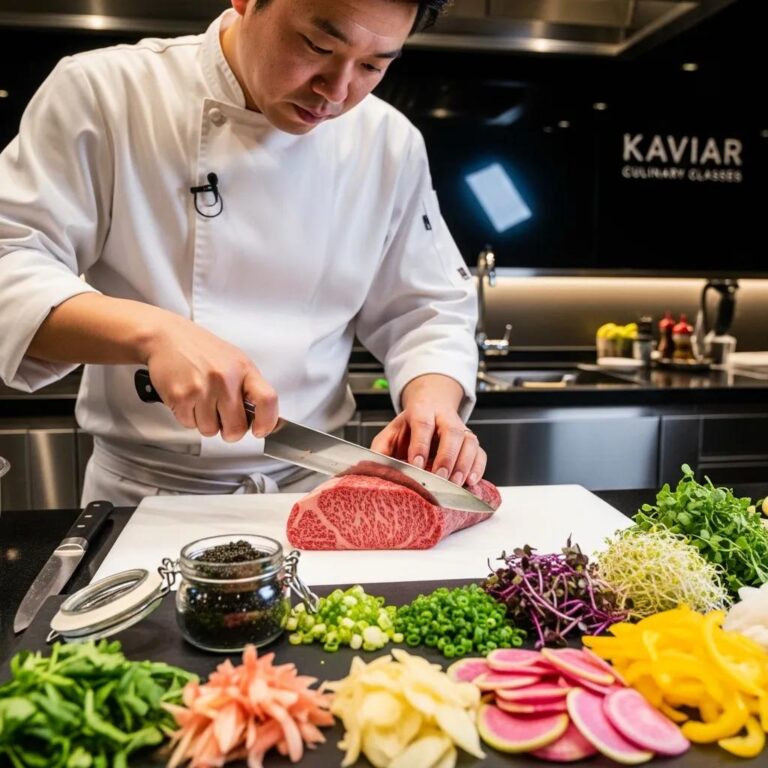
We reduce food waste through deliberate menu planning, cross-utilization of ingredients, and composting programs that divert organics from landfill. Our menu designers create omakase sequences and à la carte items that use whole ingredients across preparations — stems and bones become stocks, trimmings turn into garnishes, and surplus produce is preserved or fermented for later use. Front-of-house partnerships with local donation channels and scheduled compost pickups ensure unavoidable waste supports circular systems. These practices protect flavor, lower procurement needs, and show how zero-waste thinking can support the consistency and creativity at the heart of high-end Japanese cooking.
Kaviar’s waste-management tactics include:
- Menu design for cross-utilization: Craft sequences that use whole ingredients across courses.
- Preservation & fermentation: Extend shelf life and build nuanced flavor components.
- Composting & donation: Divert organics while supporting community needs.
Together these practices strengthen kitchen resilience and ensure guests enjoy dishes that reflect both culinary refinement and environmental care.
What Energy and Water Conservation Measures Are Used at Kaviar?
Energy and water conservation at Kaviar combine equipment choices, process controls, and staff training to lower consumption while preserving quality and service timing. We use energy-efficient cooking equipment and precision temperature controls to deliver consistent results with less energy. LED lighting and zoned controls reduce unnecessary use during quiet hours. Water-saving measures — low-flow fixtures and optimized dishwashing cycles — keep sanitation and plate quality intact with less water. Protocols for pre-batching, routine equipment maintenance, and smart scheduling also reduce peak energy demand. These choices show sustainability and luxury service can be integrated without compromise.
If guests want to learn more about these operational benefits, we welcome questions when booking a reservation and can discuss special menus or sourcing notes by phone or through Resy and OpenTable.
How Does Kaviar Incorporate Local and Seasonal Ingredients in Its Japanese Fine Dining Menu?
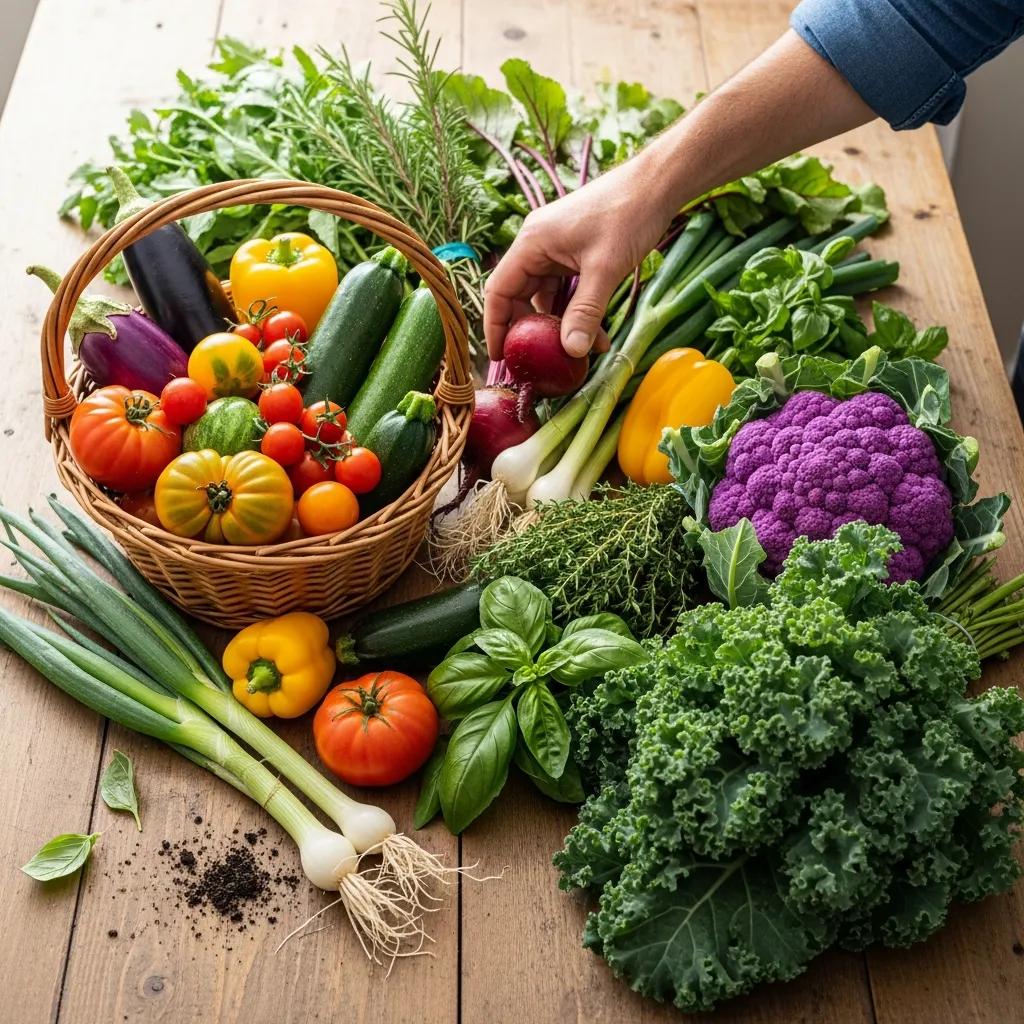
Our menu is structured around seasonality and regional availability to maximize freshness, shorten transport, and showcase ingredients at their peak. Seasonal omakase shifts with local harvests and fishery windows so chefs can highlight fleeting flavors and textures each season offers. Working closely with local producers and favoring small-batch items lets us create experiences anchored in place and time — a reflection of the Japanese value of celebrating the season. This local-first approach sharpens flavor, shortens supply chains, and strengthens our relationship with the Pasadena and Southern California food community.
To frame the benefits: local sourcing lets chefs create omakase moments that are both ecologically conscious and gastronomically exceptional, and it gives us authentic provenance stories to share at the table.
The benefits of using local produce in Kaviar’s seasonal omakase include:
- Peak freshness: A shorter harvest-to-plate window enhances texture and flavor.
- Lower food miles: Reduced transport emissions and simpler traceability.
- Community support: Strengthens local farms and builds reliable supplier relationships.
These advantages translate into more distinctive, flavorful dishes that tell a regional story and help sustain the local food economy.
What Are the Benefits of Using Local Produce in Kaviar’s Seasonal Omakase?
Local produce brings sensory, environmental, and community benefits that directly elevate the dining experience. Immediate harvest-to-plate timing intensifies flavor and texture, making subtle preparations sing. Shorter transport distances lower emissions and simplify provenance, enabling chefs and servers to share origin stories with confidence. Supporting nearby farms builds collaborative relationships that lead to menu innovation and occasional farm-to-table events. For guests, the result is brighter courses and a deeper connection to the landscape reflected on the plate.
How Does Traditional Japanese Culinary Philosophy Support Sustainability at Kaviar?
Traditional Japanese culinary philosophy — focused on seasonality (shun), respect for ingredients, and restrained technique — naturally supports sustainability at Kaviar. Shun directs us to use peak-season produce, which aligns with lower environmental costs and superior taste. Nose-to-tail thinking and respect for ingredients discourage wasteful handling. Minimalist preparation highlights intrinsic flavors, reducing the need for heavy processing or energy-intensive methods. These principles provide both ethical and operational guidance that help us design menus and kitchen practices that are elegant, sustainable, and true to culinary tradition.
How Does Kaviar Engage with the Pasadena Community to Support Sustainability?
We engage locally through partnerships with nearby farms, composting services, and community programs that promote circular resource flows and seasonal sourcing. These relationships let us source fresher produce and responsibly managed seafood while contributing to local economic vitality. Community engagement also includes educational efforts — supplier-spotlight menus, notes on provenance, and events that invite guests to learn about sustainable practice. By integrating local partners into menu planning and outreach, we strengthen the link between the dining room and the regional food system, benefiting both culinary quality and neighborhood sustainability.
Kaviar’s local partnership types typically include:
- Local farms and specialty producers supplying seasonal produce and artisanal items.
- Compost and recycling services that manage organic and recyclable waste streams responsibly.
- Community programs and educational events that share sustainable food knowledge and foster collaboration.
These partnerships shape our seasonal menus and create opportunities for guests to connect with the sources of their food, increasing transparency and trust.
What Local Partnerships Does Kaviar Maintain for Sustainable Sourcing?
Our partnerships span regional farms, fishery networks, and service providers that enable sustainable procurement and responsible waste handling. Local growers provide peak-season produce and specialty items suited to delicate preparations, while logistics partners supply compost and recycling pathways that keep organics in circulation. These relationships guide menu timing and let the kitchen build omakase courses around the freshest regional ingredients, reinforcing provenance storytelling and lowering our environmental footprint. Guests benefit from higher ingredient quality and the chance to learn how local supply chains shape their meal.
How Does Kaviar Promote Environmental Responsibility Beyond the Kitchen?
Outside daily operations we promote environmental responsibility through guest education, supplier spotlights on menus, and occasional community events highlighting sustainable producers and seasonal cycles. QR-enabled menu notes or printed descriptions explain sourcing and stewardship without interrupting service, and special evenings or collaborations with local partners offer deeper engagement for diners who want it. These initiatives invite guests to participate in our values — learning about traceability, experiencing seasonal narratives, and supporting local supply chains — extending Kaviar’s impact into the wider community and enriching the dining relationship.
If you’d like to learn more or reserve a seat for a supplier-spotlight evening, we accept reservations by phone and through Resy and OpenTable; calling the restaurant allows for more detailed questions about sustainability-focused menus.
What Certifications and Recognitions Does Kaviar Pursue to Validate Its Green Restaurant Practices?
We evaluate third-party certifications and recognitions that match our operational scale and fine-dining model as tools to validate practices and build guest confidence. Relevant frameworks include the Green Restaurant Association’s operational criteria, Marine Stewardship Council standards for sustainable seafood, and the Michelin Green Star approach for restaurants that integrate sustainability into culinary excellence. Pursuing appropriate recognitions helps us benchmark progress, identify improvements, and give guests credible trust signals about sourcing and operations — without overstating our claims.
The following table compares relevant certification pathways and how Kaviar might approach them.
This comparison helps us prioritize realistic recognitions that align with Kaviar’s luxury positioning and operations, guiding incremental improvements that matter to our guests.
Which Sustainability Certifications Are Relevant to Kaviar’s Operations?
Certifications relevant to a fine-dining Japanese restaurant assess operational practices (waste, energy, water), sourcing integrity (seafood and supply-chain standards), and the integration of sustainability into culinary quality. Each framework focuses on different criteria: some require measurable operational reductions, others validate chain-of-custody or culinary-level integration. Our approach maps existing practices to these criteria, identifies gaps, and implements targeted changes to meet certification thresholds — always without compromising the guest experience. We view recognition as a validation tool that increases transparency and trust, not as a marketing shortcut.
How Does Certification Enhance Guest Trust in Kaviar’s Eco-Friendly Commitment?
Third-party certification strengthens guest trust by providing independent verification of operational and sourcing claims. Certifications are recognizable signals — shown on menus or in communications — that a restaurant’s sustainability statements have been assessed against objective standards. For luxury diners, independent validation complements provenance storytelling and menu transparency, making it easier to appreciate both culinary quality and environmental responsibility. As we pursue the right recognitions, certified practices will be shared alongside chef-driven narratives to create a credible, compelling sustainability story that resonates with conscientious guests.
Frequently Asked Questions
What types of local partnerships does Kaviar engage in to enhance sustainability?
We work with nearby farms, responsible fisheries, and service providers to strengthen our sustainability efforts. These partnerships let us source fresh, seasonal produce and responsibly managed seafood, improving dish quality while supporting the local economy. We also partner with composting and recycling services to ensure organic and recyclable waste streams are handled responsibly. Integrating local partners into our operations fosters a community-minded approach that benefits both the restaurant and the neighborhood.
How does Kaviar educate its guests about sustainability practices?
We introduce guests to our sustainability work through supplier spotlights on menus, QR codes with sourcing details, and community events focused on sustainable practice. These initiatives invite diners to learn where their food comes from and the environmental choices behind it. By opening conversations about provenance and stewardship, we enhance the dining experience and deepen appreciation for thoughtful sourcing and craftsmanship.
What role does traditional Japanese culinary philosophy play in Kaviar’s sustainability efforts?
Traditional Japanese culinary philosophy — with its emphasis on seasonality, respect for ingredients, and restraint — aligns closely with our sustainability goals. Shun encourages use of peak-season produce, which reduces environmental cost and improves taste. Nose-to-tail thinking and ingredient respect minimize waste. This cultural framework informs menu design and daily operations, ensuring Kaviar’s offerings are both ethically considered and gastronomically excellent.
How does Kaviar ensure transparency in its sourcing practices?
We ensure transparency through thorough supplier vetting, traceability records, and clear guest communication. Premium items like A5 Wagyu and caviar are linked to responsible production methods so diners can understand the ethical and environmental aspects of their choices. By sharing provenance stories and engaging ingredient narratives, we build trust and confidence at the table.
What specific eco-friendly practices are implemented in Kaviar’s kitchen operations?
Our kitchen uses energy-efficient appliances, water-saving fixtures, and deliberate waste-reduction strategies. Menu engineering reduces food waste through cross-utilization and composting, while staff training ensures consistency in energy and water conservation. These measures reduce our environmental footprint without compromising the precision and standards of fine-dining service.
How does Kaviar’s commitment to sustainability impact the overall dining experience?
Our sustainability commitments make the dining experience fresher, more flavorful, and more meaningful. Ethical sourcing and waste reduction ensure each dish is prepared with care and respect for the environment. Guests enjoy exquisite flavors and can feel confident their choices support responsible practices. Ultimately, our sustainability work deepens the connection between the food, the environment, and the dining experience.
Conclusion
At Kaviar, sustainability enhances luxury. By combining ethical sourcing, peak-season ingredients, and eco-conscious operations, we deliver meals that are both exquisite and responsible. Prioritizing local producers and thoughtful practices results in brighter flavors, clearer provenance, and a stronger connection to the community and environment. To taste a seasonally curated omakase and learn more about our sustainable practices, reserve a table today.