


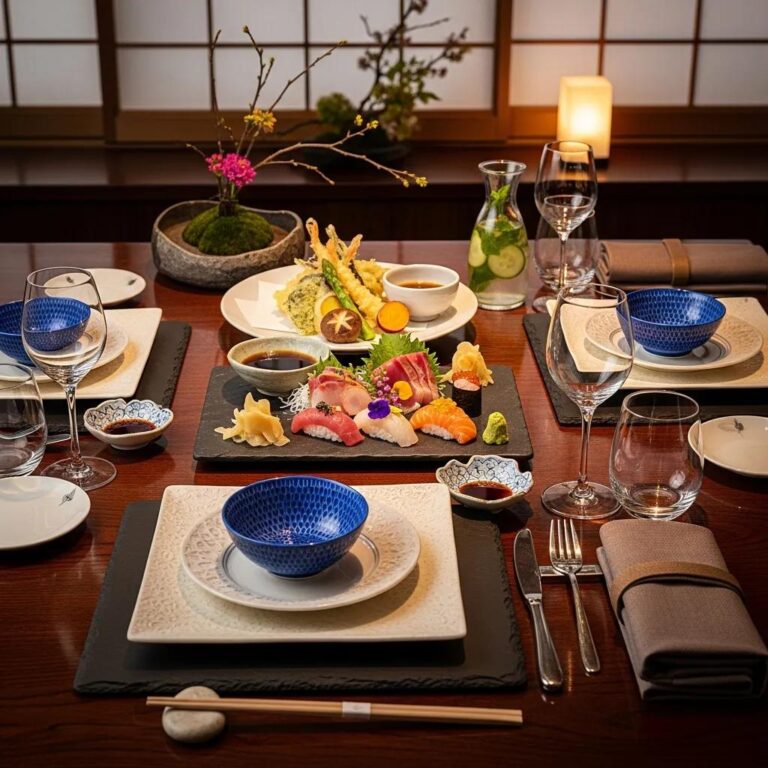

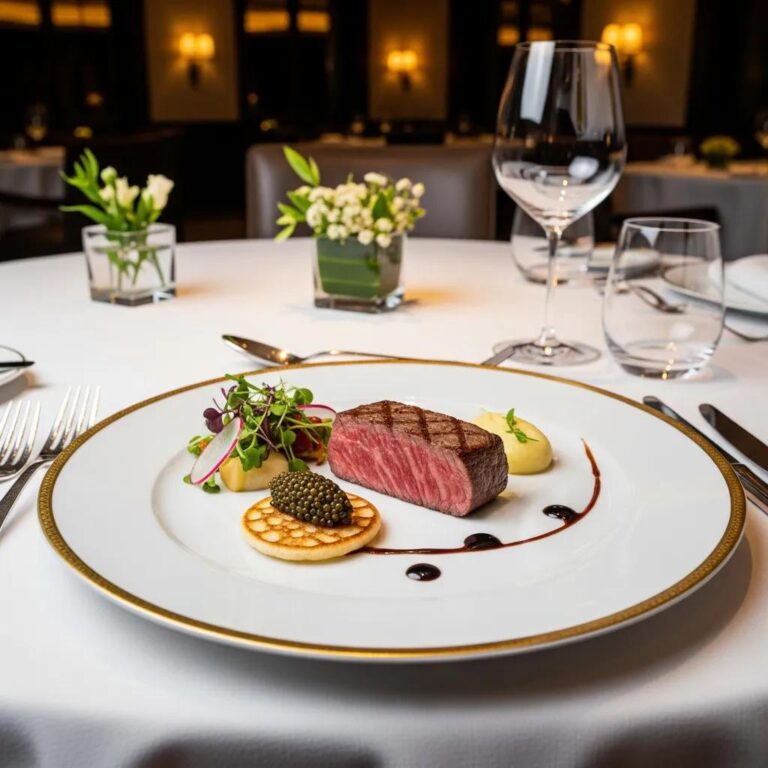

Gourmet Coffee & Specialty Tea at Kaviar — Elevating Omakase in Pasadena
Overview
Our Gourmet Coffee and Specialty Tea Program is a curated beverage sequence designed to extend the omakase experience from the first sip to the last bite. This guide explains how purpose-built coffee and tea pairings support omakase pacing, the pairing principles for A5 Wagyu and caviar, and the sourcing and craft behind every cup. Many guests look for a unified beverage story that honors Japanese balance while introducing single-origin coffees and rare teas; here we show how those stories are composed and delivered. You’ll learn what distinguishes a luxury tea service, which single-origin coffees and Japanese greens suit specific courses, and practical tips for enjoying a beverage-forward tasting. Below we cover what sets the program apart, coffee selections with comparison notes, our luxury tea catalog and pairing guidance, practical rules for pairing with omakase and luxury ingredients, sourcing and staff expertise, and how to reserve this experience in Pasadena.
What Makes Kaviar’s Gourmet Coffee and Specialty Tea Program Unique?
Our beverage program is built as an integral extension of the tasting menu: precise brewing, ceremonial tea service, and intentional timing that emphasize texture, temperature, and umami balance. Thoughtful beverage choices either provide contrast to cut richness or complement to amplify subtle flavors—helping palate clarity and pacing across the sequence. The result is a coherent, multi-sensory progression where each drink reads as an ingredient, not an afterthought. These goals are realized through specialty selections, trained service rituals, and a seasonal rotation that remains in step with the omakase flow.
We pair these offerings with the same attentive service and refined presentation that define our omakase.
Kaviar integrates the program into private and tasting reservations; guests may note beverage preferences when booking via the Reservations page or by phone. For diners who want a guided beverage tasting alongside A5 Wagyu or caviar courses, our team provides staff-led pairings during the tasting. The section that follows explains how coffee and tea shift perception of Japanese dishes and why those shifts matter for pairing.
The program is defined by a few clear differentiators:
- Beverages chosen to act as palate modulators and flavor amplifiers within the tasting menu.
- Rotating single-origin coffees and rare Japanese greens selected for omakase-style pairing.
- Precision brewing and ceremonial tea service performed by trained staff.
- Presentation standards that mirror our fine-dining plating and timing.
These points show how the beverage program supports the chef’s sequence and lead into specific examples of how individual drinks enhance courses.
How Do Our Coffee and Tea Enrich the Japanese Fine Dining Journey?
Coffee and tea work on three sensory levers: palate cleansing, umami modulation, and temperature/texture contrast. Warm Japanese greens such as sencha and gyokuro heighten perceived umami and refresh the palate between raw courses, while roasted teas like hojicha introduce toasted notes that balance grilled or fatty items. Light single-origin pour-overs can lift citrus and herbal facets in sashimi, and a well-timed espresso or macchiato can anchor dessert without masking delicate flavors. By understanding how beverages shift perception, our beverage director sequences pours so each course arrives with the ideal contrast or complement; the next section describes the features that let us do this work with precision.
What Are the Key Features of Our Luxury Beverage Selection?
The program rests on a few core capabilities: rotating single-origin coffees, seasonal tea rotations, manual brewing methods, a signature espresso blend, and ceremonial service timed with the omakase. Rotations protect freshness and provenance transparency; manual techniques—siphon, pour-over, and chawan-prepared matcha—allow extraction and temperature to be tuned to the dish. Service includes small, temperature-appropriate vessels and guided pours that explain pairing intent. Together, these elements enable precise beverage-to-course matches and set the stage for the coffee and tea highlights that follow.
Which Gourmet Coffee Selections Define Kaviar’s Coffee Program?

Our coffee program centers on a rotating lineup of single-origin pour-overs, a balanced signature espresso blend, and specialty preparations timed for the tasting sequence. The equation is simple: provenance plus brew method yields targeted flavor clarity. That lets us offer coffees that either cleanse the palate or stand up to richer textures. Guests can select a coffee to brighten sashimi or to match a richer seared finish. Below are featured single-origin coffees with origin, tasting notes, and recommended preparation for menu integration.
Table guide: The table below compares featured single-origin coffees and suggested preparations to help guests choose the best service for a given tasting moment.
This comparison shows how single-origin character, brewing choice, and menu placement align. Below we describe each selection in menu-style language and how it functions within a tasting.
These coffees rotate on our tasting menu; each selection is served with brewing notes and suggested course timing.
Highlights from Our Single-Origin Coffee Offerings
Our single-origin picks emphasize traceable provenance and sensory clarity to match omakase pacing and offer clean interludes between courses. Ethiopian Yirgacheffe, with floral top notes and bright citrus lift, works well after delicate raw fish—its tea-like body enhances aroma without weight. A high-altitude Colombian lot brings stone-fruit sweetness and medium acidity that follows a lighter grilled course with gentle sweetness. Kenyan AA, with vivid acidity and berry tones, refreshes the palate and clears fat-forward textures. These origins are practical, intentional tools in the tasting sequence; the next section outlines our signature espresso blend and its role.
How Our Signature Espresso Blend Complements Japanese Cuisine
Our signature espresso is calibrated to balance sweetness, soft bitterness, and a rounded mid-palate so it complements savory-sweet finishes and desserts without masking umami. A lighter roast preserves origin clarity and highlights citrus and herbal notes, allowing the espresso to stand alongside richer items such as seared dishes or savory custards. Service formats—short ristretto, macchiato, or a milk-based cortado—are chosen to match dessert richness or to act as a short digestive after a heavier wagyu course. Controlled extraction and clear presentation ensure the espresso supports rather than competes with delicate flavors.
- Common coffee methods include pour-over, siphon, and espresso—each selected to showcase bean attributes.
- These formats create a deliberate sensory pause and prepare the palate for the next course.
- Coffee offerings are introduced with brief provenance notes so guests understand origin and pairing intent.
With coffee covered, we turn to the tea catalog below.
What Specialty Teas Are Featured in Kaviar’s Luxury Tea Collection?
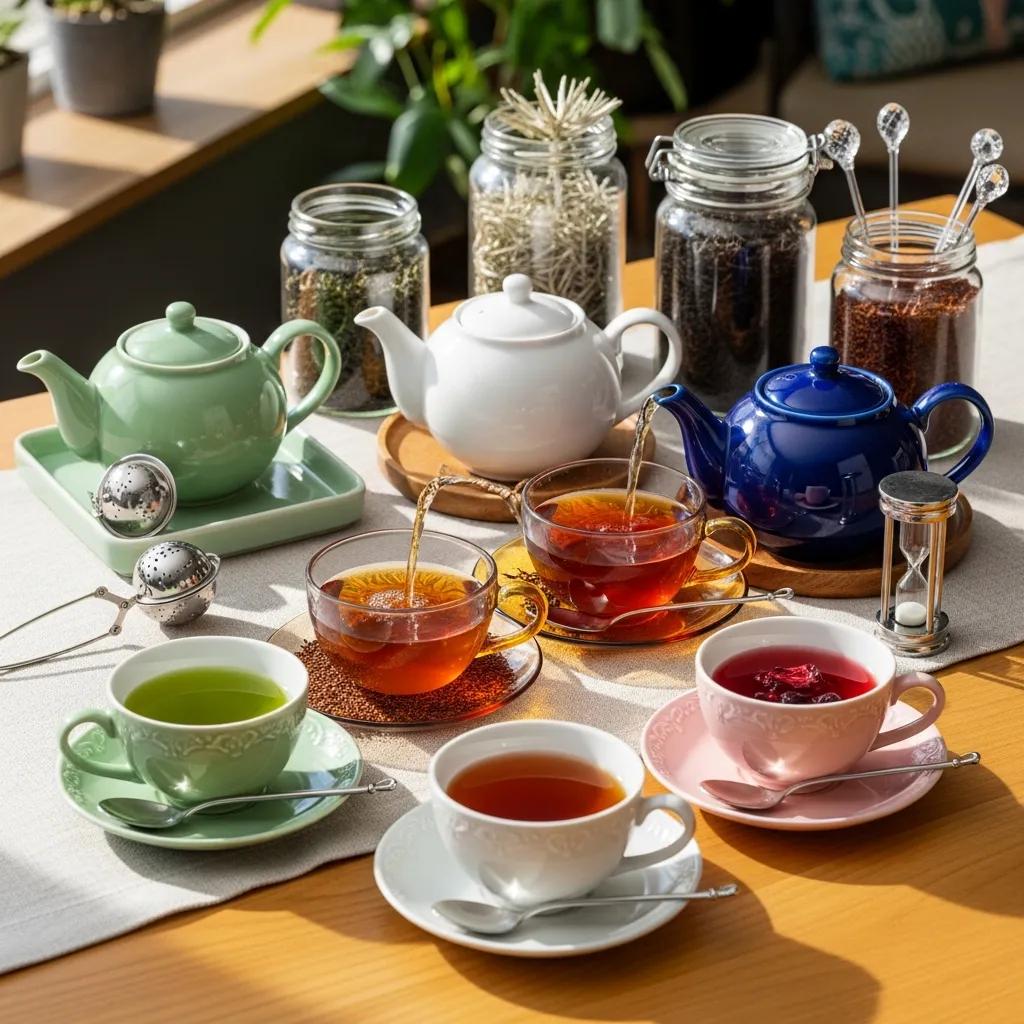
Our tea collection centers on Japanese green classics alongside rare global teas, offering cultural context and alternative pairing options. Carefully curated varietals and precise steeping produce teas that either amplify umami or provide cleansing astringency, depending on the course. Key choices—matcha for ceremonial moments, gyokuro for umami-rich raw dishes, sencha for general sashimi flow, and hojicha for roasted-course balance—give guests clear options. The table below lists core teas, regions, flavor cues, and suggested omakase pairings for easy selection by guests and staff.
Table guide: This table maps featured teas to origin, flavor cues, and suggested omakase pairings to simplify in-service recommendations.
This table clarifies how Japanese greens map to course styles and tasting outcomes. The following subsections explain pairing rules for Japanese greens and highlight rare global teas that expand our options.
We serve these teas in guided pours and recommend steeping temperatures and times that respect tradition while adapting to tasting-menu dynamics.
Which Japanese Green Teas Work Best for Omakase Pairings?
Japanese greens pair with omakase by matching intensity and umami to course weight and texture. Gyokuro’s concentrated umami and silky mouthfeel complement fatty sashimi and rich nigiri, resonating with soy-based seasonings and oceanic salt. Sencha’s brisk astringency and grassy notes refresh the palate between raw courses and cut residual oil. Hojicha’s toasted character provides a pleasant contrast for grilled items and can temper fattier cuts. Together, these greens form the backbone of our omakase tea flow.
Which Rare and Global Teas Round Out Our Selection?
Beyond Japanese classics, we include aged and rare Taiwanese oolongs, select black teas, and other oxidized teas chosen for depth and aromatic complexity. An aged oolong with honeyed oxidation can echo caramelized notes in a seared course; a delicate Darjeeling or high-elevation black tea brings floral lift that pairs well with sweeter preparations or lighter desserts. Herbal infusions—citrus, ginger, and similar blends—are available as caffeine-free palate cleansers. These global teas offer alternative pairing strategies and introduce textures and aromatics that complement our Japanese core.
- Rare and global teas broaden pairing possibilities and accommodate guest preferences for caffeine and flavor.
- Staff select these teas as alternatives when a dish benefits from oxidative or floral characteristics.
- Presentation and steeping for these teas differ from Japanese styles, with wider temperature and infusion ranges.
The sourcing and craftsmanship behind these selections are described in the next section.
How Do We Pair Coffee and Tea with Omakase, A5 Wagyu, and Caviar?
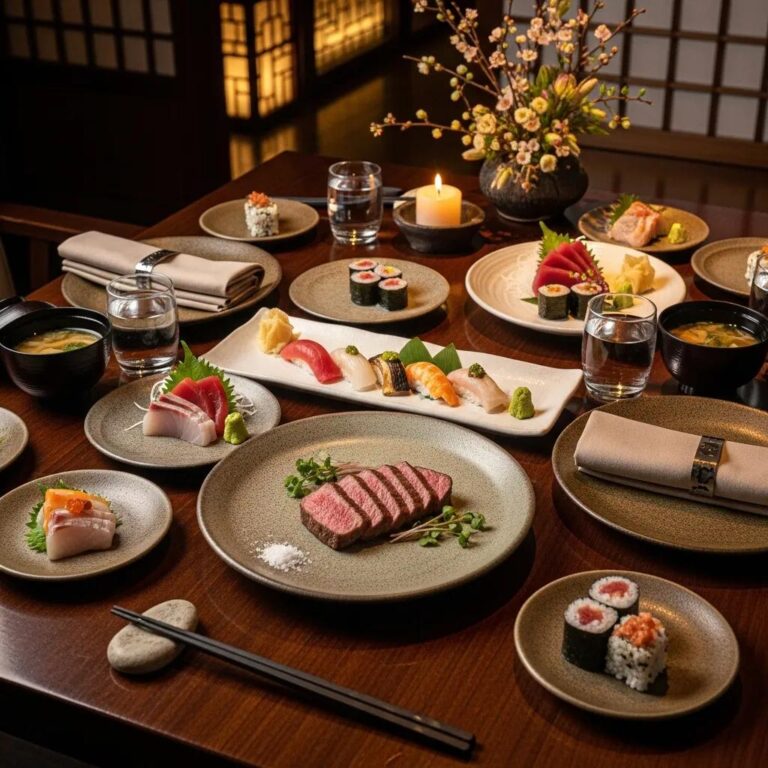
Pairing coffee and tea with omakase, A5 Wagyu, and caviar follows three guiding principles: contrast versus complement, palate cleansing, and temperature/texture balance. We use beverage acidity, roast character or oxidation, and mouthfeel to lift or balance dish richness and sharpen flavor perception. The benefit to guests is clearer, more enjoyable tasting where beverages enhance rather than obscure delicate ingredients. Below is a practical pairing table mapping representative dishes to flavor profiles, beverage matches, and serving suggestions for in-service reference.
Table guide: Use the table below as a quick reference for course-specific beverage matches and service notes during a tasting.
This table grounds our pairing rationale in clear service tactics and leads into course-by-course rules and examples below.
These principles guide staff when choosing beverage intensity and service format to meet both contrast and complement goals during an omakase.
Best Tea Pairings for Omakase Courses
Tea matching is guided by intensity, umami, and texture to preserve the chef’s intended balance across delicate and richer plates. For sashimi and raw nigiri, gyokuro or a light sencha enhance oceanic umami while keeping clarity; genmaicha or sencha suits tempura because toasted grains or mild astringency cut oil. For steamed or vinegared dishes, a gentle sencha or light oolong refreshes without masking subtle dressings. These rules help servers recommend a tea progression that mirrors the omakase sequence and transitions naturally toward heavier items like A5 Wagyu.
Which Coffee and Tea Best Complement A5 Wagyu and Caviar?
A5 Wagyu benefits from drinks that introduce acidity or toasted dryness to balance richness: a light-roast single-origin served short or a toasted hojicha can lift buttery flavors and reset the palate between bites. Caviar requires extreme subtlety: chilled gyokuro or a concentrated sencha highlights saline complexity without adding tannic or heavy roast notes. We generally reserve coffee for interludes or desserts; coffee is offered with caviar only when its acidity and body are exceptionally restrained. These guidelines keep attention on the luxury ingredients themselves.
What Is Kaviar’s Philosophy on Sourcing and Craftsmanship?
Our sourcing philosophy prioritizes traceability, seasonal selection, and partnerships with small-batch producers to ensure flavor integrity and responsible practices. Selective procurement and documented provenance let staff speak confidently about origin and processing during service. The result is consistent, high-caliber beverage character that supports precise pairings and aligns with our fine-dining values. Below are the key sourcing principles and staff expertise that shape our selections and preparation.
We maintain traceable, small-batch sourcing and invest in staff training so beverage service meets culinary standards.
- Prioritize traceable single-origin coffees and direct-trade or small-lot tea sources when available.
- Rotate beans and teas seasonally to reflect harvest cycles and keep offerings at peak freshness.
- Conduct quality checks at roast and brew stages to preserve intended flavor profiles.
These practices let us present provenance notes to guests and ensure the program’s consistency; the next subsection outlines the staff skills that bring these beverages to the dining room.
How We Ensure Ethical, Premium Sourcing of Coffee and Tea
Ethical sourcing is built on producer relationships, seasonal purchasing, and lot verification to protect flavor and working conditions without overstating claims. We source single-origin lots and rotate tea selections from trusted partners, focusing on small-batch availability and harvest-fresh quality. Quality control at reception, roast profiling, and brew testing confirm each lot meets our service standards before it becomes part of the tasting menu. These practices sustain both ethical intent and culinary reliability as the program operates in service.
Who Are the Baristas and Tea Masters Behind the Program?
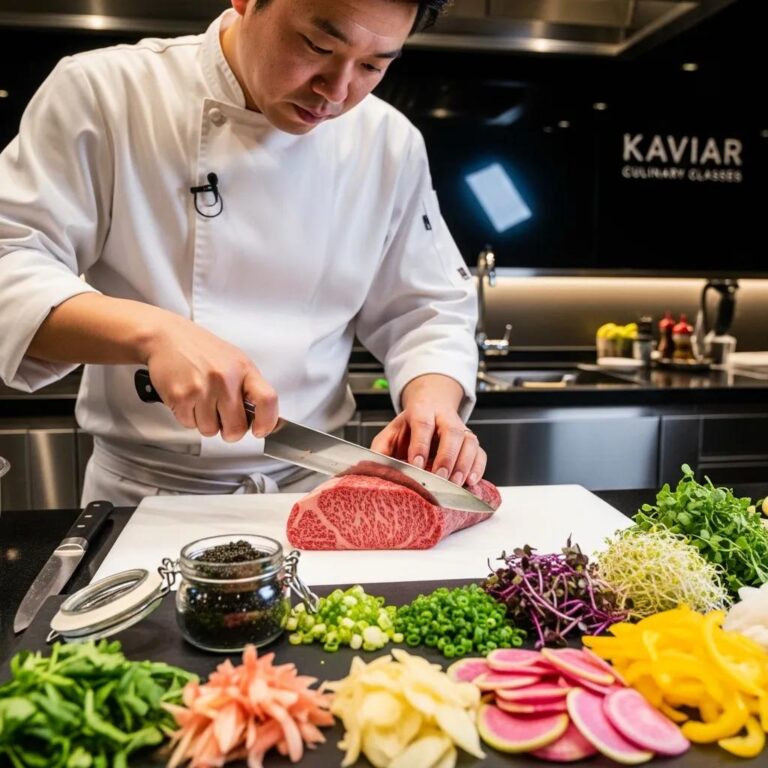
Our baristas and tea specialists combine technical brewing skills, sensory training, and pairing knowledge to guide guests through the tasting. Their responsibilities include controlling brew parameters, preparing ceremonial teas, and communicating pairing rationale concisely—elevating the beverage experience and integrating it with the chef’s sequence. Ongoing training focuses on extraction control, temperature precision, and tasting calibration to align with omakase timing. These capabilities ensure beverages support, not compete with, the meal.
How Can You Experience Kaviar’s Gourmet Coffee and Specialty Tea Program?
To experience the beverage program, reserve the tasting menu and add a brief note requesting guided coffee and tea pairings—this allows our team to plan rotations and source seasonal lots. Advance coordination between reservations and beverage staff ensures pairings are synchronized with course timing, vessel choice, and pacing. Guests receive tailored tastings with clear beverage explanations, curated pours, and service rituals that match our fine-dining atmosphere. Below are reservation tips, ambiance notes, and a short FAQ to prepare you for the experience.
To book the beverage-focused tasting, call (626) 605-0330 or mention the beverage program when reserving through our Reservations or Menu pages as part of your booking note.
How to prepare and what to expect:
- Reserve with beverage intent: Note interest in guided coffee and tea pairings when you make your tasting reservation.
- Choose pacing preferences: Tell us if you prefer a relaxed or more brisk tempo so staff can time pours.
- Notify dietary preferences: Mention caffeine sensitivity or allergies so we can plan appropriate alternatives.
These details help staff plan service logistics and ensure the beverage program complements the omakase. The subsection below describes ambiance and service rituals that define the experience.
How to Reserve Our Specialty Beverage Program
We recommend reserving the tasting menu with beverage pairings to secure coordinated service and allow pre-selection of seasonal teas and single-origin coffees. Indicate beverage preferences or request a guided tasting when booking so the team can prepare the appropriate lots and equipment. Phone reservations are accepted at (626) 605-0330; you may also note pairing requests on the reservation form. Advance notice helps us craft a seamless sequence and ensures vessels and service rituals are ready for your tasting.
What Ambiance and Service Enhance the Kaviar Beverage Experience?
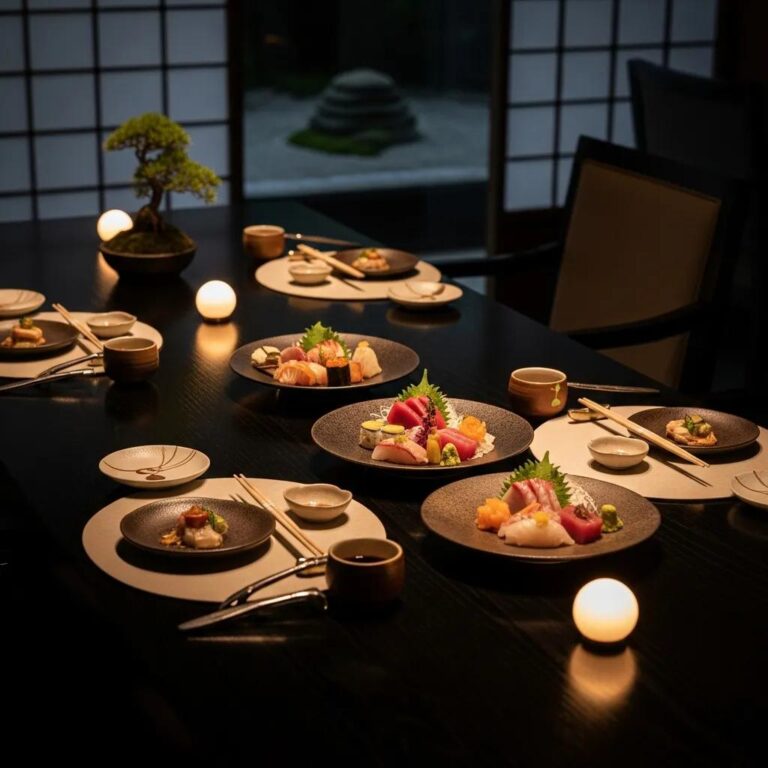
Ambiance and service reflect the omakase ethos: low, focused lighting, quiet presentation, and small, temperature-appropriate vessels that highlight aroma and mouthfeel. Rituals include concise provenance notes, guided pours for select teas, and measured pour-over showmanship—delivered with a refined, unobtrusive presence so beverage narratives unfold alongside the culinary presentation. These practices create an intimate environment where drinks act as deliberate companions to each course.
Final note: advance reservation and clear communication are the best ways to access curated coffee and tea pairings during a tasting menu.
Frequently Asked Questions
What coffee brewing methods are used in Kaviar’s program?
We use manual brewing methods to control extraction and temperature: pour-over, siphon, and espresso. Each technique is chosen to highlight a coffee’s character and to suit the course it accompanies—pour-over for clarity and brightness, siphon for depth and clarity, and espresso for concentrated formats and short interludes.
How does Kaviar ensure the quality of its coffee and tea selections?
Quality is maintained through rigorous sourcing and control. We prioritize traceable single-origin coffees and small-batch teas, inspect lots on arrival, and run roast and brew checks to confirm intended flavor profiles. This care preserves freshness, provenance, and the integrity of each pairing.
Can guests customize their beverage pairings during the tasting menu?
Yes—guests are encouraged to request customizations when reserving. By sharing preferences or dietary restrictions ahead of time, diners can work with our team to tailor the beverage flow so each drink complements the meal and individual tastes. Our staff is trained to accommodate these requests.
What role do baristas and tea masters play in the dining experience?
Baristas and tea masters are central to the program. They manage brew parameters, prepare ceremonial teas, and explain pairing intent succinctly. Their expertise ensures precise temperature control, extraction, and timing so beverages enhance the chef’s sequence.
Are there non-caffeinated options available?
Yes—we offer carefully selected herbal infusions, such as citrus and ginger blends, as caffeine-free palate cleansers or alternatives. Tell us your preferences during reservation so we can include suitable options in your tasting.
How does the ambiance contribute to the beverage experience at Kaviar?
Our ambiance supports focused tasting: subdued lighting, small vessels, and measured, unobtrusive service let guests appreciate aroma, texture, and flavor. Guided pours and brief provenance notes complete the experience, allowing each sip to be part of the culinary story.
Conclusion
Our Gourmet Coffee and Specialty Tea Program is designed to deepen the Japanese fine-dining experience—offering expertly curated beverages that elevate each course. With precise brewing, seasonal selections, and attentive service, guests enjoy a multi-sensory tasting that complements omakase pacing and highlights every nuance. Reserve a tasting menu and request guided pairings to immerse yourself in the craft of beverage pairing at Kaviar.