



Meet our Executive Chef at Kaviar: The Vision and Culinary Philosophy Behind Japanese Fine Dining in Pasadena
At Kaviar, our executive chef shapes the kitchen around three guiding pillars: seasonality, exacting technique, and hospitality that centers each guest’s tasting journey. That leadership determines how we sequence courses, choose ingredients, and choreograph service so every plate contributes to a clear, memorable narrative. In this feature, we share the chef’s training and influences, core principles like umami and omotenashi, and how those ideas inform our omakase, A5 Wagyu, and caviar offerings. Many diners want to know what to expect from a chef-led omakase or how premium items — Miyazaki A5 Wagyu or Kaluga caviar — are treated; this article answers those questions and offers practical reservation guidance. Below we map the chef’s background, culinary philosophy, omakase structure, signature A5 Wagyu and caviar approaches, sourcing practices, and a personal invitation from the chef to join us at the counter.
Who is the Executive Chef at Kaviar?
Our executive chef leads the kitchen with a clear interpretation of Japanese fine-dining principles, translating them into seasonal, guest-first tasting experiences that emphasize craftsmanship and ingredient integrity. This role combines creative menu design with hands-on supervision, training the team while preserving a refined restraint in flavor. Knowing the chef’s perspective explains why our omakase and signature courses feel deliberate and cohesive. Their leadership is the touchstone for Kaviar’s promise of elevated Japanese dining in Pasadena; next, we explore the formative experiences that shaped this approach.
What is the Culinary Journey and Background of our Executive Chef?
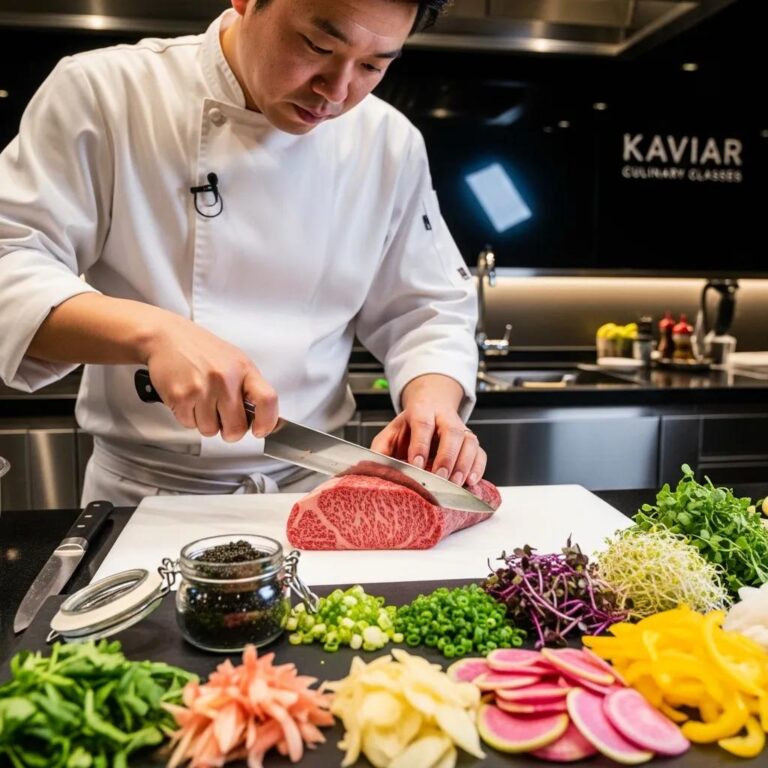
The chef’s formation is rooted in traditional Japanese technique, disciplined knife work, and an unwavering respect for seasonality. Training involved repetition of fundamentals, focused immersion in seafood handling and rice preparation, and continual refinement of plating to balance texture and visual harmony. Those early lessons cultivate a shokunin mindset—craftsmanship and devotion to ingredients—that informs how the chef paces and transitions each course. From these foundations the chef builds contemporary tasting sequences that honor classical methods while allowing subtle, purposeful innovation.
What are the Key Milestones and Achievements in the Chef’s Career?
The chef’s career highlights reflect progressive leadership in chef-driven kitchens and the creation of signature menus centered on premium ingredients and precise technique. Milestones include directing tasting services, managing omakase seatings, and developing specialty preparations—A5 Wagyu tartare and refined caviar services among them—that showcase restraint and seasonality. Each milestone deepened supplier relationships, sharpened menu storytelling, and refined guest interaction during service, all contributing to Kaviar’s refined dining identity. These achievements set the context for the chef’s guiding culinary philosophy.
What Defines Kaviar’s Culinary Philosophy and Vision?
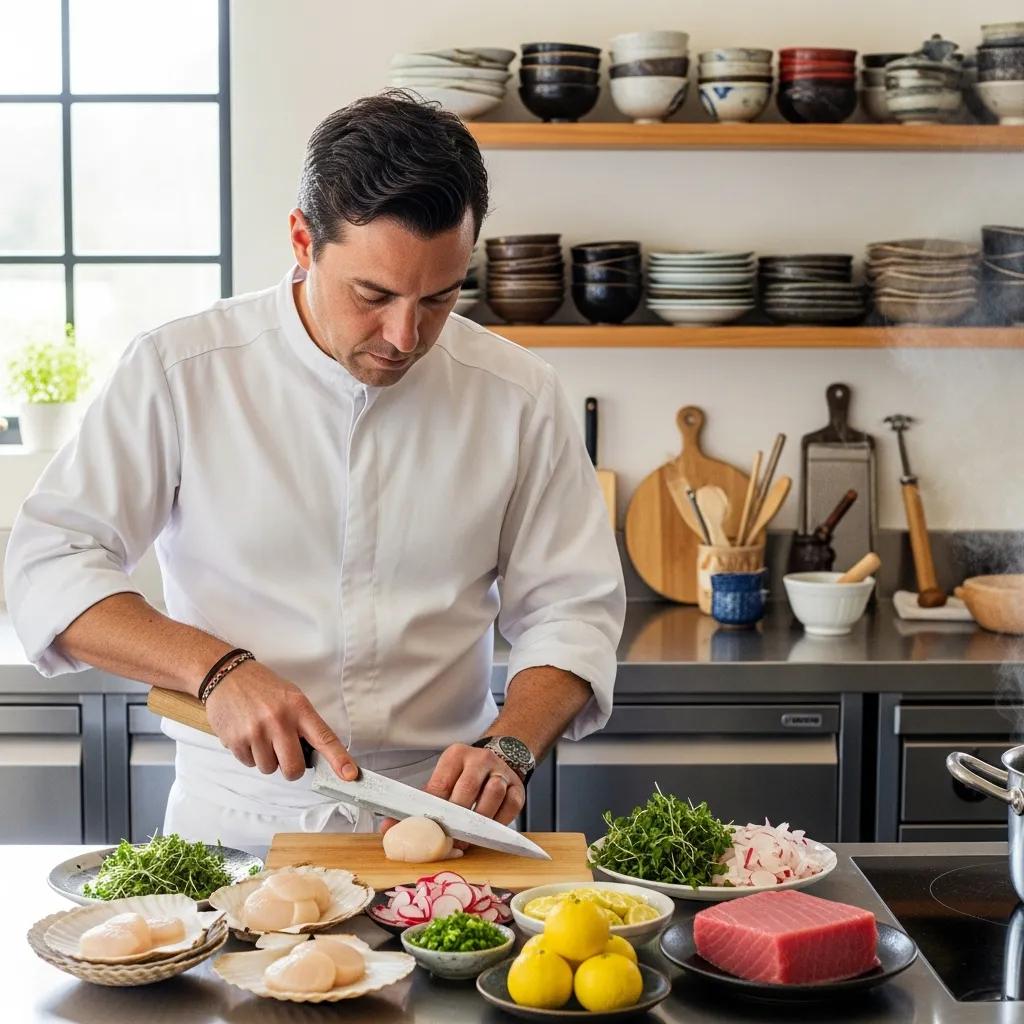
Our culinary philosophy rests on seasonality, concentrated umami, and omotenashi—thoughtful hospitality—tempered by precise, selective innovation. Seasonality is the organizing principle: we build menus around what is at its peak. We use umami-building techniques and minimal seasoning to reveal each ingredient’s character. Omotenashi shapes pacing and the personal nature of our omakase so guests feel seen and guided throughout the tasting. Innovation is deliberate and restrained, used only when it elevates the ingredient without overshadowing it. The sections that follow explain how tradition is respected and how modern touches are introduced.
How does the Chef embrace traditional Japanese culinary principles?
Classic principles—sharp knife work, restrained seasoning, reverence for rice and seafood, and attention to texture—are central to our kitchen. The chef leans on clean slicing, precise temperature control, and subtle dashi or soy accents to build umami-driven courses that honor provenance. This commitment to fundamentals ensures every component contributes to the tasting’s progression and gives room for small technical choices to elevate the whole. Those practices provide a steady framework from which careful innovation can arise without displacing essential Japanese values.
How is innovation balanced with tradition in menu development?
At Kaviar, innovation reads as thoughtful reinterpretation rather than reinvention: contemporary plating, selective cross-cultural pairings, and textural contrasts complement traditional foundations. The chef introduces modern techniques—temperature play, unusual accompaniments, or refined preparations—only when they serve the ingredient’s intrinsic qualities. This balance preserves the shokunin ethos while offering subtle surprises that appeal to both seasoned guests and newcomers. Innovation always supports the meal’s narrative, reinforcing sequencing and pacing so the tasting remains cohesive.
What makes the omakase experience at Kaviar unique?
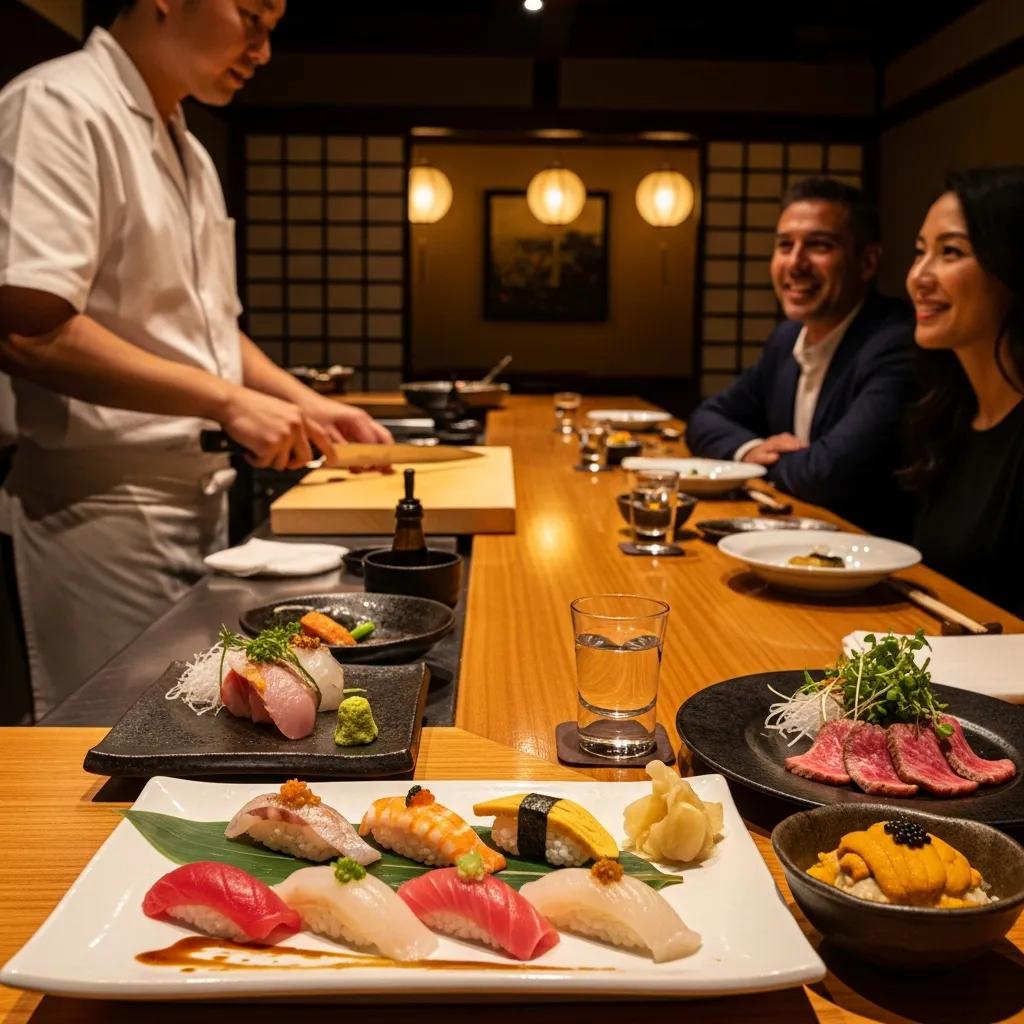
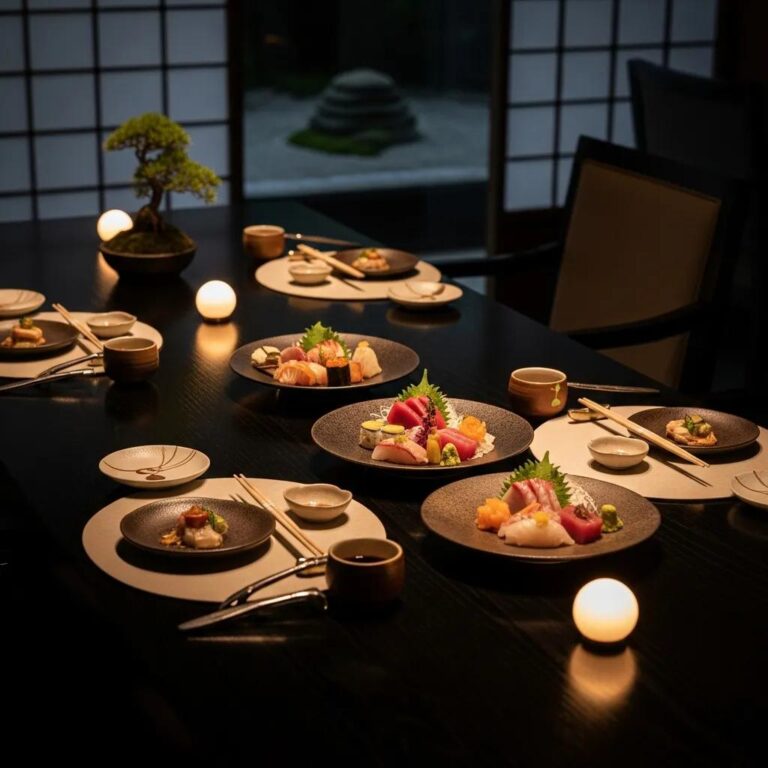
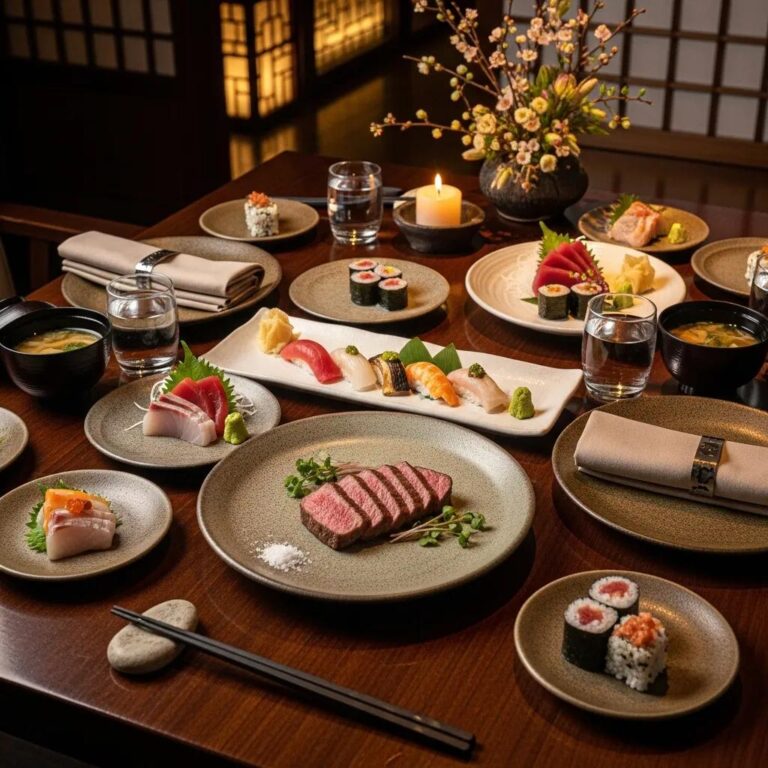
Our omakase is a chef-curated tasting that sequences courses to highlight seasonality, technical restraint, and attentive hospitality—delivering a narrative-driven meal with careful pacing and considered pairings. The chef selects ingredients at peak freshness and builds progression so texture and flavor lead to a deliberate climax, often centered on a premium protein or signature course. Guests can expect direct communication with service staff and occasional chef interaction that allows small personalizations for dietary needs. Because seating is limited, we recommend reserving omakase through our reservations page or OpenTable. Below we outline the curation process and set guest expectations with seasonal examples.
The table below compares seasonal omakase examples—course focus, key technique, and the guest takeaway.
This seasonal comparison shows how our choice of techniques and ingredients translates into distinct guest outcomes—illustrating the chef’s sequencing logic and why omakase seating is the ideal way to experience these curated progressions.
How does the executive chef curate the omakase menu?
Curation starts with sourcing ingredients at their peak, then arranging courses to layer texture, temperature, and flavor so interest is sustained across the tasting. Course order alternates lighter and richer elements, with interstitial palate cleansers and pairings to reset the diner when needed. Personalization can be subtle—small swaps for dietary restrictions or guest preferences—while preserving the tasting’s intended flow. This process creates an emotional arc—anticipation, discovery, resolution—that defines our chef-led approach and clarifies guest expectations.
What can guests expect from the omakase dining experience?
Expect a measured multi-course service with pacing and portions calibrated to offer variety without overfilling. Interaction varies by seating, but diners should anticipate informed service, occasional chef commentary, and the option to request minor adjustments. Typical elements include a nigiri sequence, small plates, occasional hot courses, and a considered finale that may spotlight a premium item such as Miyazaki A5 Wagyu or select caviar. We recommend reservations for omakase so the chef can source peak ingredients and tailor the sequence to your preferences.
How does the executive chef master A5 Wagyu and caviar dishes?
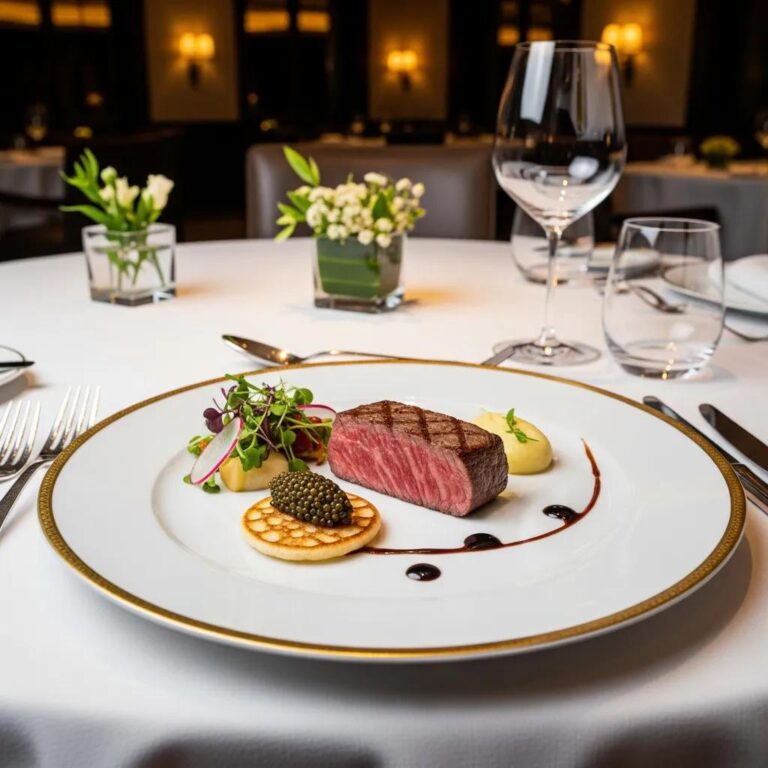
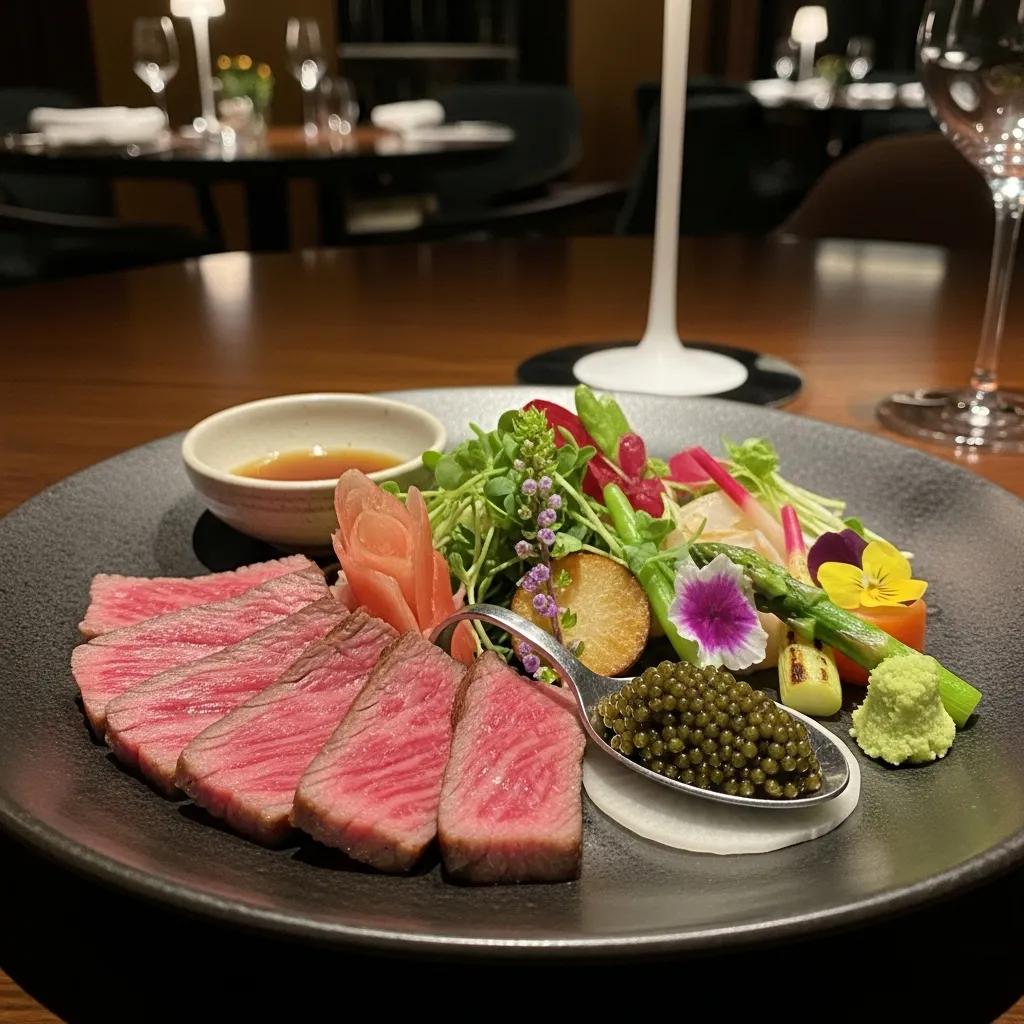
Working with A5 Wagyu and caviar demands exacting control of temperature, texture, and minimal seasoning so their natural richness and saline notes remain central. For Miyazaki A5 Wagyu we focus on portion size, precise searing, and subtle seasoning to preserve the characteristic melt-in-the-mouth texture and intensify umami. For Kaluga caviar we emphasize cold service, neutral accompaniments, and restrained pairings so the delicate flavor stays front and center. Presentations favor elegance and restraint so each premium component registers clearly within the tasting’s arc. The table below details signature dishes, techniques, and serving recommendations.
This comparison clarifies how technique and pairings shape the ideal serving context for premium items and helps guests decide when to request these specialties at booking.
What are the signature A5 Wagyu creations at Kaviar?
Our A5 Wagyu preparations spotlight texture and restrained seasoning so the meat’s natural umami and mouthfeel take center stage. Offerings range from chilled tartare to lightly seared slices that preserve buttery fat. Portioning is intentional—each Wagyu course acts as a focal moment rather than an oversized entree—so the tasting remains balanced. Pairings are chosen to complement, not compete: neutral or lightly acidic accompaniments help cleanse the palate between rich bites. These dishes often serve as the tasting’s crescendo; please note preferences when reserving if you have particular requests.
How is the caviar service crafted and paired by the chef?
Our caviar service prioritizes temperature control, clean presentation, and complementary textures so saline, nutty, and oceanic notes come through clearly. Kaluga caviar is accompanied by understated elements—light blini, neutral creams, micro-garnishes—that provide contrast without masking flavor. Beverage pairings favor crisp, low-sugar options or delicate sake that refresh the palate and enhance briny nuances. The chef positions caviar as a refined interlude—sometimes preceding a richer course like seared Wagyu—so it reads as a highlight within the tasting rather than a distraction.
How does ingredient sourcing reflect the chef’s commitment to quality?
Our sourcing is guided by provenance, seasonal availability, and traceability, aligned with the chef’s priority to serve ingredients at their peak while respecting responsible practices when possible. For premium items we prioritize recognized regions and grades; for seafood we choose suppliers that can document freshness and handling. Strong supplier relationships secure reliable access to A5-grade Wagyu and top-tier caviar so the chef can develop consistent signatures. Sourcing also drives menu rotation: when an ingredient is at its best it becomes the centerpiece; when it’s not, we select a seasonal alternative. The table below summarizes key premium items, origins, and notable quality or sustainability points.
These sourcing standards inform technique and menu planning, reinforcing the chef’s insistence on transparency and peak-quality ingredients so dishes perform consistently in flavor and texture.
Where does Kaviar source its premium Japanese ingredients?
We prioritize regions and grades known for consistent quality—Miyazaki for A5 Wagyu, specific caviar suppliers for distinct flavor profiles—and source seafood seasonally from trusted fisheries. The chef evaluates origin and grade to determine the best technique for each ingredient, then sequences those items into a tasting that highlights their peak characteristics. Timing and traceability are essential: knowing when an item will be at its apex guides menu planning and reservation recommendations. This origin-conscious approach helps ensure predictable texture and flavor and supports our fine-dining standards.
What sustainability practices guide ingredient selection?
Our sustainability approach centers on seasonal purchasing, responsible fishery selection, and mindful use of premium proteins to reduce waste and support long-term availability. The chef considers harvest cycles and supplier transparency when choosing items, favoring partners who document provenance and handling. Portions and menu rotations are designed to showcase premium items without encouraging excess, and when possible we use parts and preparations that reduce waste. We communicate sourcing choices to guests to reinforce our commitment to quality and stewardship.
What is the executive chef’s personal message to guests at Kaviar?
The chef invites you to experience Japanese fine dining that blends technical craft, seasonal ingredients, and warm hospitality—service that honors every guest at the table. Respect for ingredients, meticulous preparation, and a service flow that feels both guided and comfortable are at the heart of our approach. We encourage guests to reserve omakase and signature offerings like A5 Wagyu or caviar in advance so the kitchen can source peak items and tailor the tasting. This invitation reflects the chef’s belief that a thoughtfully composed meal is as much a human exchange as it is a culinary one. Practical booking guidance follows to help plan your visit.
How does the chef express their passion for Japanese fine dining?
The chef’s passion shows in daily habits: careful ingredient selection, disciplined technique, and a commitment to omotenashi—attentive, anticipatory hospitality. That dedication reveals itself in technical decisions—temperature control, knife precision, and measured seasoning—that together create elevated moments. The chef also values thoughtful dialogue with guests when appropriate, using feedback to refine pacing and menu details. Every tasting is treated as an opportunity to communicate culinary values through flavor and service.
How can guests experience the chef’s vision through reservations?
To experience the chef’s vision, reserve an omakase or note interest in signature items like A5 Wagyu or caviar when booking; advance notice helps us secure peak ingredients and plan personalized service. Reservations are available through Kaviar’s reservations page or OpenTable. When booking, please indicate dietary restrictions, celebration requests, or preferences so the chef can tailor the tasting. For larger parties or special requests involving premium ingredients, contacting reservations ahead of time increases the chances we can accommodate specific preparations. Booking in advance ensures the tasting sequence reflects the chef’s intentions and that premium components are available.
- Reservation Tip: Book early to secure omakase seating and mention any interest in A5 Wagyu or caviar.
- Guest Preparation: Share dietary restrictions or celebration notes when reserving so we can personalize your experience.
- Special Requests: Give advance notice for groups or premium-ingredient requests to allow proper sourcing and preparation.
Following these steps helps turn interest into a confirmed experience, aligning expectations with the chef’s curated vision and ensuring a memorable fine-dining visit.
Frequently Asked Questions
What is the significance of umami in Kaviar’s dishes?
Umami—the savory “fifth taste”—is central to our approach. The chef builds umami through technique and selective seasoning so each ingredient’s natural depth comes forward. This focus enhances the overall harmony of a course and supports our aim to showcase ingredient integrity across the tasting.
How does Kaviar ensure the quality of its seafood?
We prioritize seafood from local and regional fisheries with strong freshness and traceability practices. The chef maintains direct relationships with suppliers to verify handling and seasonality, ensuring what reaches the kitchen is both fresh and responsibly sourced. That attention to provenance underpins the consistency and quality of our seafood offerings.
What types of beverages pair well with Kaviar’s omakase?
Beverage pairings are selected to support the tasting’s balance. Light, crisp options—sake, dry whites, or sparkling wines—work well with delicate courses, while richer plates featuring A5 Wagyu may pair with fuller-bodied wines or robust sakes. The goal is to complement umami and texture so each sip enhances the meal’s narrative.
Can dietary restrictions be accommodated during the omakase experience?
Yes—we tailor the omakase to accommodate dietary needs. When you reserve, let us know any restrictions or preferences so the chef can adapt the sequence while preserving the tasting’s flow. Our team will work to ensure every guest enjoys a thoughtful, satisfying experience.
What is the role of seasonal ingredients in Kaviar’s menu?
Seasonality drives our menu. The chef builds dishes around what is freshest and most flavorful at a given moment, which improves taste and supports sustainable practices. Prioritizing seasonality keeps the menu dynamic so each visit can offer new discoveries.
How does Kaviar’s ambiance contribute to the dining experience?
Our dining room is designed to complement the culinary experience: modern, warm, and intentionally relaxed. Soft lighting, tasteful decor, and an open counter create an atmosphere where guests can engage with the food and service. That setting, paired with attentive hospitality, helps guests fully immerse themselves in the tasting.
Conclusion
An omakase at Kaviar is a carefully composed journey through the heart of Japanese fine dining—where seasonality and technical precision meet warm, considered service. Our executive chef’s commitment to ingredient integrity and personalized hospitality ensures each guest receives a thoughtfully curated tasting. Reserve your omakase or request signature offerings like A5 Wagyu and caviar to experience the full narrative at the counter. Visit our reservations page to secure your seat and plan a memorable meal.