





Fine Dining Recruitment: Strategies to Protect Craft and Solve Staffing Challenges
The fine dining sector now balances exacting culinary craft, elevated service expectations, and a tightening labor market. This guide explains what staffing gaps look like in luxury kitchens and dining rooms, why they matter to guest experience and profitability, and which recruitment, retention, and operational moves actually work. You’ll find a clear view of the workforce pressures facing high‑skill restaurants, targeted tactics for sourcing roles such as omakase and A5 Wagyu chefs, retention levers that cut turnover, and the ways technology can improve efficiency without sacrificing technique. We close with practical examples tied to a Pasadena fine‑dining operation so you can see how reservation-driven planning and talent programs align in practice. The piece combines data-forward thinking with side-by-side comparisons and actionable checklists for restaurateurs, HR leads, and culinary directors focused on steadying high‑skill teams into 2025 and beyond.
Fine Dining Recruitment: Strategies for High-End Restaurants
A concise look at how precision kitchens and service teams are navigating a constrained labor market. This summary identifies what “staffing challenges” mean for luxury operations and outlines targeted recruitment, retention, and operational responses that preserve menu identity and guest experience.
What Are the Main Staffing Challenges Facing the Fine Dining Industry Today?
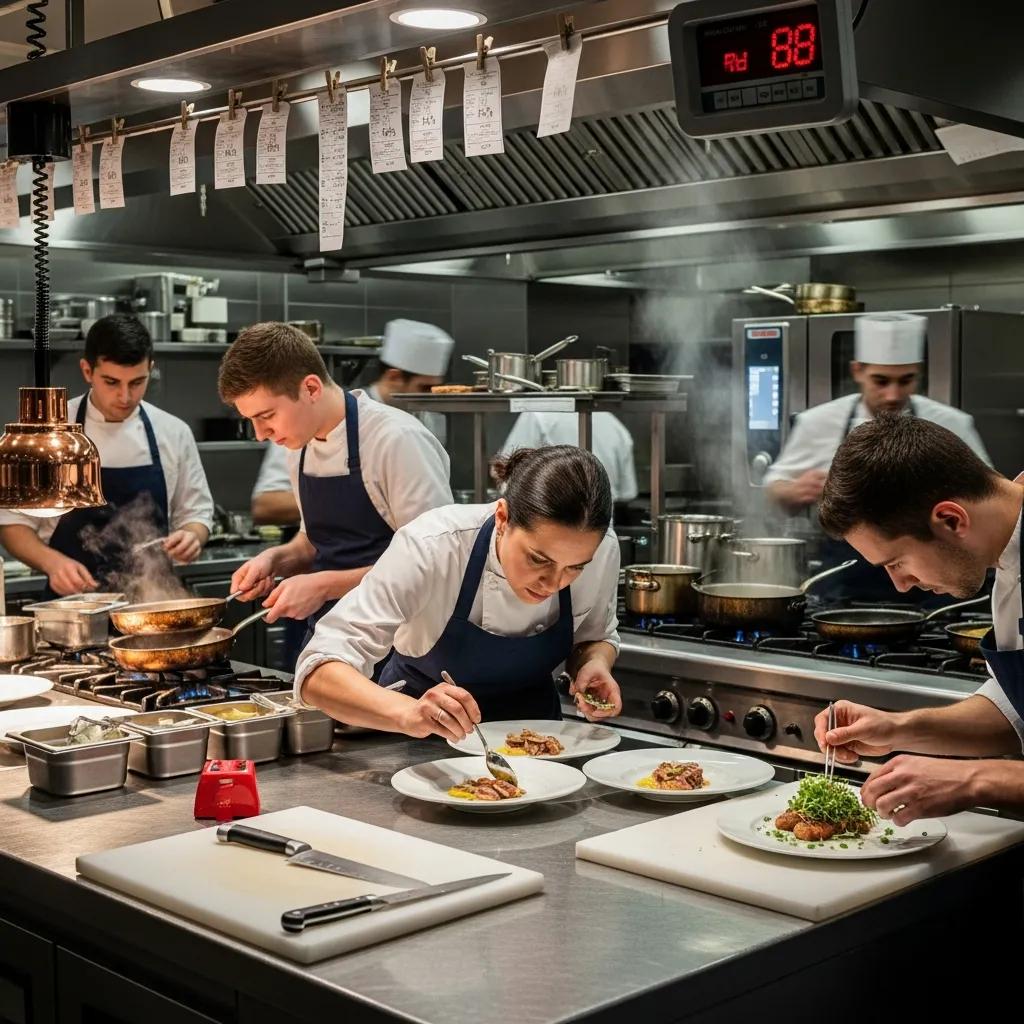
Today’s staffing challenges in fine dining center on a shortage of specialized culinary artisans, elevated turnover across front- and back‑of‑house roles, and a widening skills gap for work that demands refined technique and direct guest engagement. Those forces lengthen hiring cycles, push some kitchens to simplify menus, and create inconsistency during peak covers — all of which hit revenue per seat and a restaurant’s reputation. Industry reporting shows the toughest hires are high‑craft positions — sushi chefs, omakase specialists, executive sous chefs — while service attrition is often linked to unpredictable schedules and weak promotion pathways. Identifying these root causes lets operators target the right recruitment channels and retention investments to protect signature dishes and service standards.
How Does the Chef Shortage Impact Luxury Restaurants?
A shortage of trained chefs constrains a luxury restaurant’s ability to run expansive, labor‑intensive menus. When artisans like sushi or omakase chefs are scarce, operations may cut service hours, reduce seatings, or lean on less‑experienced cooks — all of which can create variability in plating, timing, and guest perception. The scarcity also pushes labor costs higher as restaurants offer premiums or signing incentives for specialized talent, raising the break‑even on dishes such as A5 Wagyu or curated caviar presentations. The answer lies in both building pipelines and smart operational redesign so culinary craft remains the defining advantage instead of a casualty of workforce churn.
What Are the Key Factors Driving High Turnover in Fine Dining Staff?
Turnover in fine dining is multi‑faceted: long, unpredictable hours; compensation that doesn’t reflect specialized skills; and unclear career pathways that fail to reward craft and service expertise. Cultural issues — limited mentorship, lack of recognition — and physical burnout from intense service cycles further speed departures among line cooks, sous chefs, servers, and sommeliers. Rising urban living costs magnify these pressures, turning retention into a compound problem. Addressing the drivers with transparent career ladders, reliable scheduling, and competitive total compensation helps stabilize teams and sustain the guest experience.
The primary staffing pressures in fine dining include:
- Specialized talent scarcity: fewer trained omakase and sushi chefs than demand requires.
- High turnover: front- and back-of-house attrition tied to long hours and limited advancement.
- Skills gap: need for advanced training to prepare A5 Wagyu and to serve caviar correctly.
Those pressures explain why luxury restaurants must pair focused recruitment with deliberate retention investments to keep menus intact and service consistent.
How Can Fine Dining Restaurants Attract Top Culinary Talent?
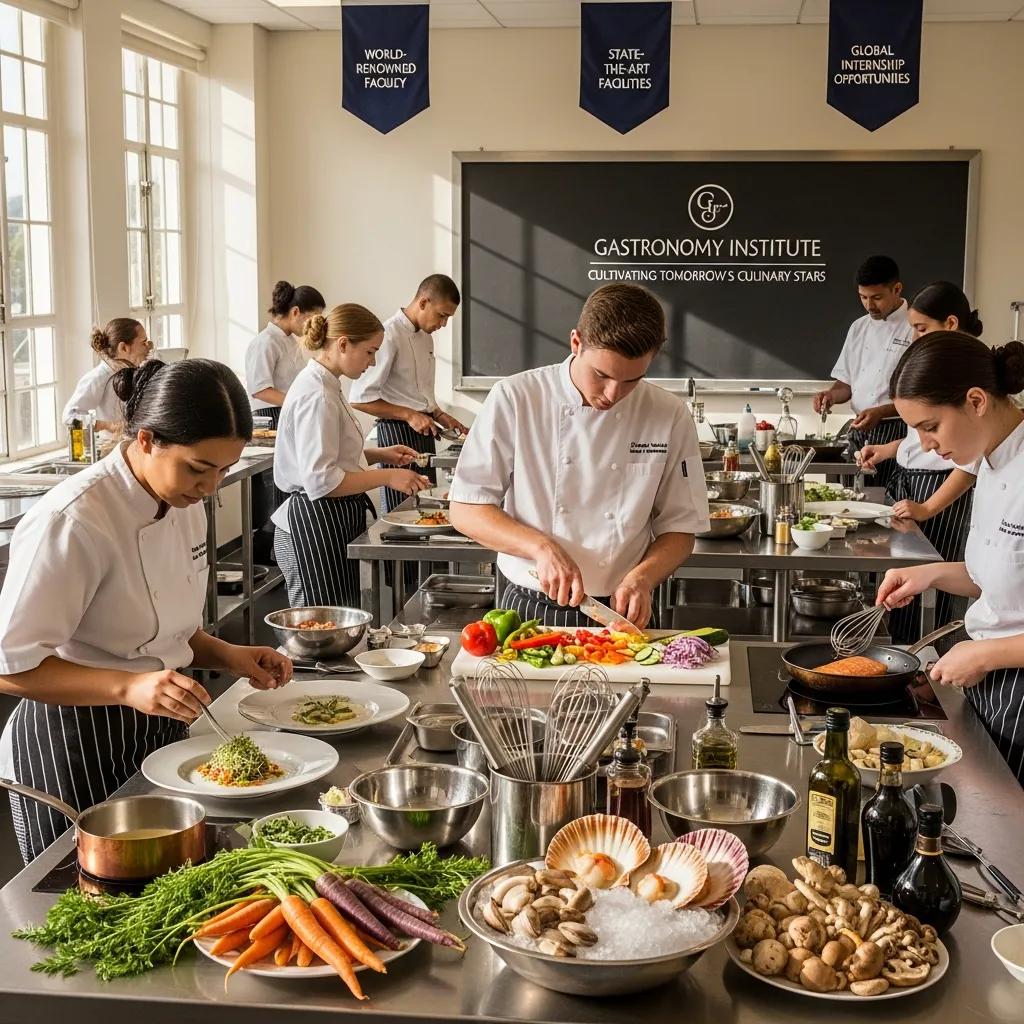
Attracting elite culinary talent starts with a clear employer value proposition that centers on craft, access to premium ingredients, and real pathways for creative growth — especially for roles like omakase or sushi chef. Practical tactics include formal partnerships with culinary schools, inviting candidates to stage during service, job postings that emphasize signature ingredients and creative ownership, and referral programs that reward successful hires. Strong brand storytelling — short chef features, technique-focused videos, and sourcing narratives — draws chefs who want to work with A5 Wagyu, curated caviar, and other premium elements. Below is a practical comparison of common recruitment channels to help prioritize hiring spend.
Combining long-term pipelines with referrals and staged trials gives both quality and speed. The next section lays out employer‑branding steps that support these channels.
Practical employer‑branding tactics that convert interest into applications:
- Showcase craft: Publish short chef profiles and behind‑the‑scenes clips highlighting omakase technique and plating discipline.
- Highlight ingredients: Put work with A5 Wagyu and curated caviar front and center to attract cooks who prize premium sourcing.
- Offer staged opportunities: Invite candidates to trial services so they — and you — can assess real kitchen fit.
These approaches build a clear narrative that differentiates a fine‑dining employer in a tight market and lays the groundwork for retention programs to follow.
Create structured, search‑friendly content that reflects Kaviar’s fine dining experience, our signature dishes, premium sourcing, and a clear invitation to reserve. Aim to reach diners actively searching for Japanese fine dining, omakase, A5 Wagyu, caviar service, and luxury restaurant experiences in Pasadena.
What Recruitment Strategies Work Best for Luxury Restaurant Staffing?
Successful luxury recruitment pairs proactive talent pipelines with selective external sourcing and rigorous in‑kitchen evaluation via staging and trial services. Local culinary school partnerships and apprenticeships supply cooks with strong fundamentals, while industry events and specialty networks uncover experienced omakase talent. Agencies and job boards are useful for speed but should feed into practical auditions to confirm skill under real service pressure. A funnel that privileges technical auditions and cultural fit reduces mis‑hires and short‑term turnover.
How Does Employer Branding Influence Talent Acquisition in Fine Dining?
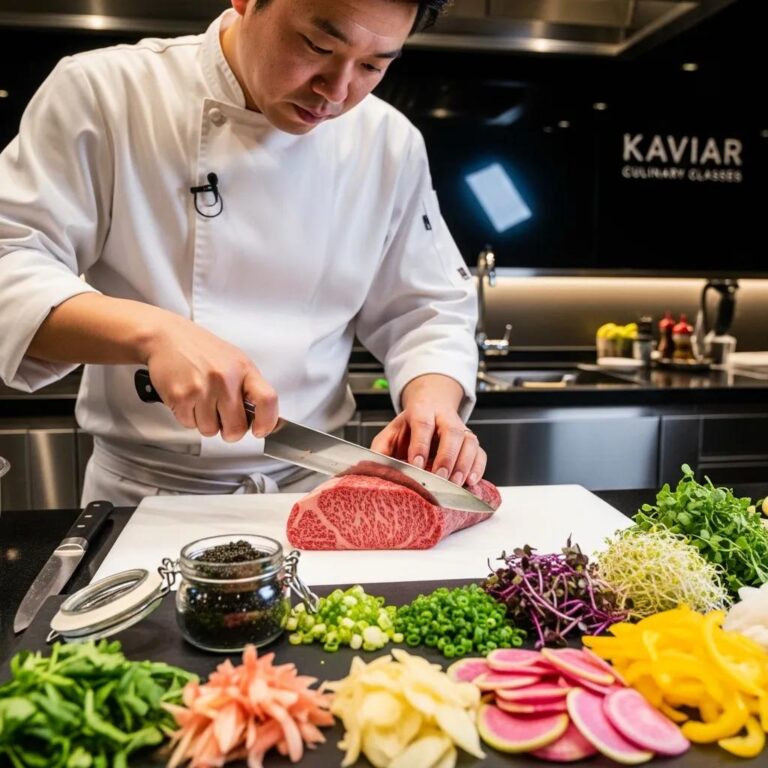
Employer branding that spotlights craft, premium ingredients, and mentorship turns passive professionals into applicants who prioritize mastery and guest experience over short‑term pay. Visual storytelling — chef profiles, prep sequences for A5 Wagyu, and curated plating shots — communicates the kind of work and growth available. That narrative aligns candidate expectations with daily reality and attracts cooks seeking development in high‑craft kitchens. Strong employer branding therefore doubles as recruitment and retention insurance by clarifying cultural and culinary standards up front.
What Are Effective Retention Strategies for Skilled Chefs and Hospitality Staff?
Retention in fine dining requires a mix of structured training, visible progression, and benefits that offset scheduling strains while honoring craft. Mentorship programs, documented promotion criteria, cross‑training across stations, and flexible scheduling tools all reduce burnout and raise loyalty. Non‑monetary recognition — culinary showcases, sharing guest feedback, and opportunities to design specials — reinforces intrinsic motivation among chefs and servers. The table below compares common retention levers by expected impact and investment.
The evidence shows mentorship and skills development offer the strongest retention returns for specialized kitchen roles. The next section explains how targeted development programs work in practice.
Top retention levers, summarized:
- Mentorship and staged promotion: Pair junior staff with senior chefs and document skill milestones for advancement.
- Transparent scheduling and PTO: Publish predictable rosters and fair shift allocation to support work‑life balance.
- Skill‑based incentives: Reward technical competency (for example, sushi certification) with pay differentials or bonuses.
Applied consistently, these measures preserve institutional knowledge and stabilize quality across kitchen and floor teams.
Create structured, search‑focused content that highlights Kaviar’s fine dining experience, signature dishes, premium sourcing, and clear reservation options. Target diners looking for Japanese fine dining, omakase, A5 Wagyu, caviar service, and elevated restaurant nights in Pasadena.
How Do Training and Career Development Improve Staff Retention?
Training and career development convert short‑term hires into long‑term contributors by mapping clear skill milestones and visible career paths. Programs that combine a written kitchen curriculum, station rotations, and outside certifications let staff track progress and see advancement. Mentorship speeds technical mastery — knife work, delicate plating, precise temperature control for A5 Wagyu — while cross‑training reduces dependence on single specialists. These steps increase engagement and lower turnover by tying personal growth to operational need.
What Role Do Employee Benefits and Work Culture Play in Retaining Fine Dining Teams?
Tangible benefits and culture work together: solid benefits (health, PTO, transparent scheduling) ease financial and burnout pressures, while cultural practices (regular debriefs, recognition rituals, guest feedback loops) sustain morale and professional pride. Recognizing skill publicly, distributing tips fairly, and offering mental‑health supports all contribute to retention. These measures show a business is invested in people — not just performance.
How Are Technology and Operational Innovations Supporting Staffing Solutions?
Technology and smarter operations let restaurants tighten efficiency and predictability without replacing the human skills that define fine dining. Scheduling platforms, labor forecasting, and inventory automation cut administrative work and support fairer shift allocation, which reduces burnout. Prep tools and inventory systems let skilled staff focus on technique and guest interaction rather than repetitive tasks. Using data to forecast covers and ingredient needs also improves staffing plans and cuts last‑minute callouts or costly overstaffing.
Can Technology Enhance Efficiency Without Replacing Skilled Staff?
Technology should augment culinary skill, not substitute for it. Automating repetitive tasks — inventory counts, ordering — frees chefs to focus on flavor, timing, and plating. POS integrations and labor platforms deliver clear signals on covers, average check, and peak demand so managers can schedule with purpose. Training staff to use these tools ensures the gains translate into smoother service, not a disconnected kitchen. The guiding principle: preserve craftsmanship while streamlining support systems.
What Tools Help Manage Scheduling and Reduce Staff Burnout?
Modern scheduling tools with self‑service shift swaps, shift bidding, and forecasted labor suggestions reduce scheduling friction and increase perceived fairness. Platforms that tie sales forecasts to staffing let managers set labor in line with expected demand, minimizing understaffing or unnecessary overtime. Visible PTO calendars and time‑off accrual help avoid conflicts and protect rest. Rolling these tools out requires clear change management, but the result is measurable reductions in schedule‑related turnover.
Scheduling and operational tools to consider:
- Forecast‑driven scheduling: Match labor to predicted covers to avoid overwork.
- Self‑service shift management: Let staff swap or bid for shifts while keeping managerial oversight.
- Integrated labor analytics: Use sales and cover data to plan staffing levels precisely.
These tools build predictable structure that directly addresses one of the main causes of turnover: unpredictable and unfair scheduling.
How Does Kaviar Restaurant Address Staffing Challenges in the Fine Dining Sector?
Kaviar combines targeted hiring, in‑kitchen mentorship, and a premium‑ingredient employer brand to attract and retain culinary professionals while keeping a clear focus on reservations and guest experience. As a Japanese fine‑dining restaurant specializing in omakase, A5 Wagyu, and curated caviar service, Kaviar focuses online on menu, reservations, and practical guest information. Suggested schema properties for the site include servesCuisine, hasMenu, acceptsReservations, and address. Operationally, Kaviar emphasizes technical apprenticeships, staged auditions for prospective chefs, and a reservations‑driven floor plan so staffing aligns with seat‑level demand. The table below summarizes Kaviar’s practices and expected outcomes.
Introductory table summarizing Kaviar practices:
This summary shows how a premium‑menu focus combined with deliberate talent development reduces hiring friction and protects menu integrity. The following subsection highlights team‑level practices that model talent excellence.
What Makes Kaviar’s Culinary Team a Model for Talent Excellence?
Kaviar’s kitchen prioritizes craft through staged auditions, mentorship pairings, and repeated practice with ingredients that demand precision. By exposing candidates to signature items during staging — omakase sequences, A5 Wagyu prep — Kaviar verifies fit under real service conditions and shortens onboarding. The emphasis on premium sourcing and reservation‑managed covers creates predictable timing and technique expectations that appeal to chefs focused on craft. These practices lift guest satisfaction and boost internal morale by aligning expectations with daily operations.
How Does Kaviar Foster a Supportive Work Environment and Career Growth?
Kaviar builds career pathways with structured mentorship, clear promotion criteria, and schedules that follow the rhythm of reservation‑led service. Training‑to‑promotion tracks let cooks move from line duties into specialist stations — sushi, meat, or plating — with documented milestones. Cultural rituals — pre‑service briefings, post‑service debriefs, and regular recognition for standout work — reinforce teamwork and continuous improvement. Paired with a menu that showcases high‑skill ingredients, these policies give culinary professionals strong reasons to grow their careers at Kaviar.
Create structured, search‑optimized content that showcases Kaviar’s dining experience, signature dishes, premium sourcing, and easy reservation paths. Target diners seeking Japanese fine dining, omakase, A5 Wagyu, caviar service, and elevated restaurant evenings in Pasadena.
What Are the Future Trends in Fine Dining Staffing and Workforce Solutions?
Future staffing trends will favor apprenticeship models, hybrid role design, and data‑driven workforce planning as restaurants adapt to continued market volatility. Operators will blend long‑term talent pipelines with flexible staffing strategies, using technology to forecast demand and craft schedules that protect staff wellbeing. Investment in internal training academies and school partnerships will become a competitive edge for kitchens that want to control quality and limit dependency on external hires. Preparing today with mentorship, predictable scheduling, and measured tech adoption positions fine‑dining restaurants to preserve craft in a changing labor landscape.
How Will Labor Market Changes Affect Fine Dining Recruitment in 2025 and Beyond?
Labor market shifts are likely to keep pressure on specialized culinary roles and to raise the value of retention investments like training stipends and schedule predictability. As cost‑of‑living and worker expectations rise, operators should anticipate upward compensation pressure and offset that with clear career development and non‑wage benefits. Building internal talent academies and staged career pathways reduces exposure to external volatility. Restaurants that combine competitive total rewards with craft‑forward employer branding will have the strongest recruitment position.
What Emerging Practices Are Leading Restaurants Using to Overcome Staffing Challenges?
Emerging practices reshaping fine dining staffing include:
- Apprenticeships & school partnerships: Long‑term pipelines that tie training to real‑kitchen work.
- Internal academies & rotations: Formal promotion tracks and cross‑station experience.
- Data‑driven scheduling: Forecast‑based staffing that reduces burnout and improves predictability.
These trends show the most resilient operations will weave people strategy into menu identity and reservation management to protect both staff and guest experience.
Create concise, search‑focused content that highlights Kaviar’s fine‑dining story, signature dishes, premium ingredients, and easy reservation flow. Target high‑intent diners searching for Japanese fine dining, omakase, A5 Wagyu, caviar, and upscale dining in Pasadena.
Frequently Asked Questions
What are the benefits of using technology in fine dining recruitment?
Technology speeds and smooths recruitment: applicant tracking systems organize candidates, analytics reveal which channels deliver the best hires, and virtual interviews let you assess fit faster. Used well, these tools shorten time‑to‑hire, improve candidate experience, and help restaurants focus sourcing where it actually produces quality culinary talent.
How can fine dining restaurants improve their employee onboarding process?
Effective onboarding is structured and immersive. Combine orientation on culture and standards with hands‑on station training and a dedicated mentor for the first weeks. Clear expectations, timely feedback, and staged learning objectives help new hires feel capable and connected faster — which improves retention.
What role does employee feedback play in retention strategies?
Regular, acted‑upon feedback is central to retention. Listening sessions and pulse surveys surface scheduling pain points, workload issues, and development needs. When leadership responds with concrete changes, staff engagement and loyalty rise. Even small wins — shift adjustments, recognition, or new training — demonstrate that feedback leads to results.
How can fine dining establishments create a positive work culture?
Positive culture grows from teamwork, visible recognition, and real development opportunities. Foster collaboration with pre‑service briefings and post‑service debriefs, celebrate milestones, and give staff chances to lead specials or run showcases. Investing in people’s growth and publicly honoring craftsmanship builds pride and reduces turnover.
What are some effective ways to manage staff schedules in fine dining?
Use scheduling software that offers transparency and flexibility: self‑service swaps, clear PTO rules, and forecasted labor suggestions tied to covers. Combine tech with regular schedule reviews and staff input so rosters feel fair and predictable. That approach reduces last‑minute stress and helps retain your team.
How can fine dining restaurants leverage social media for recruitment?
Social media is a recruitment showroom. Share behind‑the‑scenes stories, chef profiles, and short technique clips on Instagram and LinkedIn to show culture and craft. Promote openings with targeted ads and encourage staff to share roles — authentic content attracts candidates who value the same standards you do.
Conclusion
Solving staffing challenges in fine dining requires a balanced strategy: focused recruitment, real investments in development and scheduling, and selective technology that supports — not replaces — craft. By pairing a craft‑forward employer brand with mentorship, predictable operations, and thoughtful tools, restaurants can build stable teams that protect guest experience and menu identity. Use these insights to refine your hiring and retention playbook and strengthen your restaurant for the year ahead.