




Summer Dining Experience: Refreshing Flavors and Luxury Japanese Omakase at Kaviar Pasadena
At Kaviar, our summer omakase blends the discipline of Japanese technique with bright, seasonally driven flavors made for warm evenings. This guide walks through how seasonality, precision, and premium ingredients — yuzu, summer seafood, Miyazaki A5 Wagyu, and Kaluga caviar — create a light, luxurious tasting progression tailored for Pasadena diners. You’ll learn what distinguishes a summer omakase, how we temper Wagyu for warmer months, why Kaluga lifts chilled and citrus-led plates, and which beverages best complement these courses. Expect vivid sensory notes, clear comparisons of proteins and pairings, and straightforward booking advice to plan a special summer night.
What Makes Kaviar’s Summer Omakase Menu Unique in Pasadena?
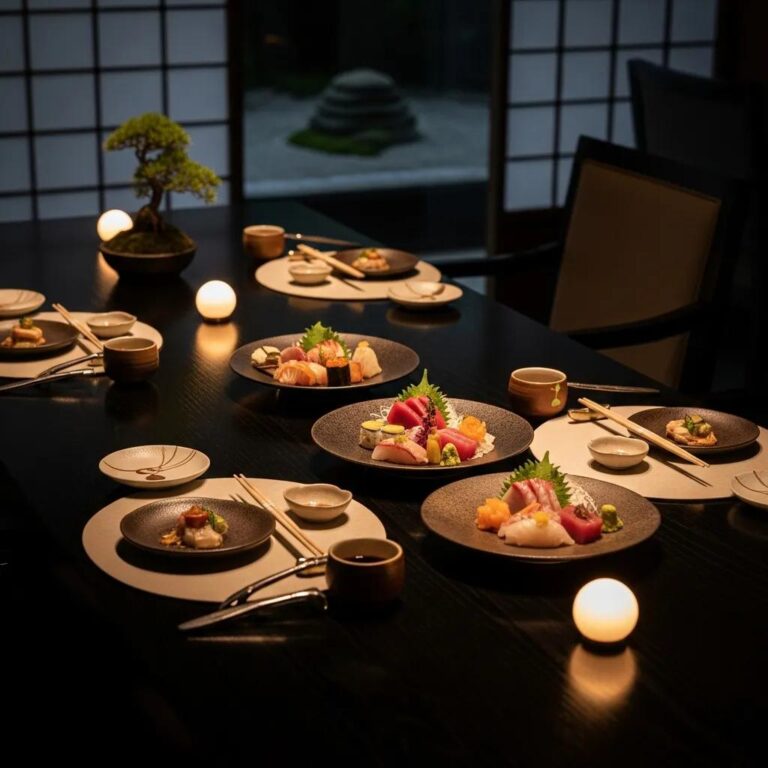
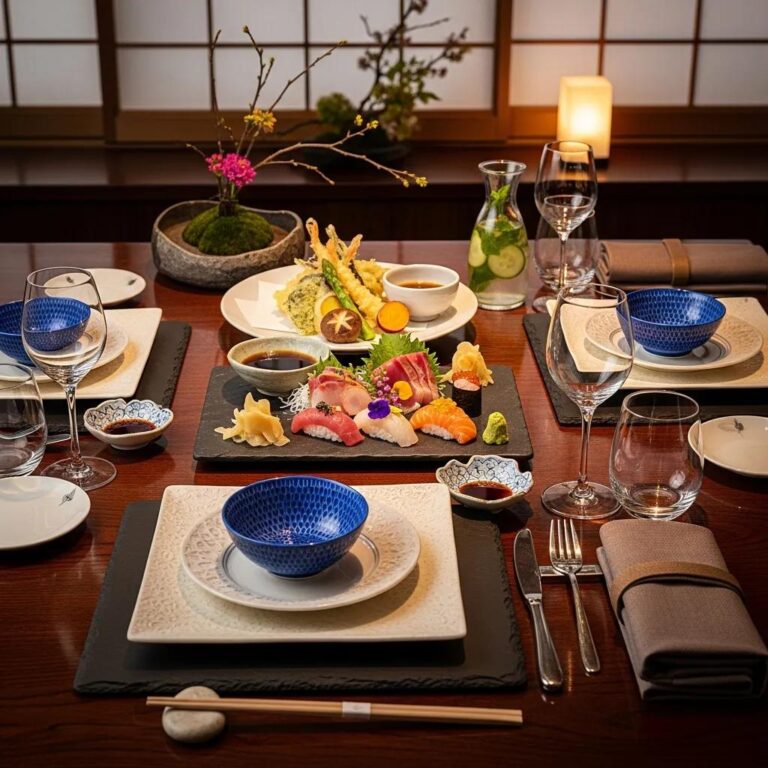
Our summer omakase highlights peak-season ingredients, understated technique, and a tasting arc that favors brightness over weight. Early courses wake the palate with chilled, citrus-forward seafood; mid-course dishes introduce richer textures balanced by acid; the finale refreshes and leaves a lingering sense of summer. The result is a tightly sequenced experience that showcases precise knife work, gentle cures, and plating that celebrates freshness — all designed to feel celebratory without excess.
The menu is guided by Executive Chef John Hans Yeo, whose approach leans on citrus clarity, textural contrast, and restrained seasoning so the ingredients speak plainly. We offer curated omakase seats for intimate groups and special occasions; please see the booking section below for how to reserve a seasonal tasting. Next, we break down the specific summer ingredients that shape this lighter profile.
Japanese Omakase: Sensory Marketing and Elevated Dining Experiences
This study examines how taste and atmosphere work together in formats like Japanese omakase and farm‑to‑table dining to build a cohesive dining story. It explores the psychology of sensory marketing, showing how engaging multiple senses deepens satisfaction, builds emotional connection, and supports premium positioning.
How Taste and Ambience Shape Consumer Perceptions—Sensory Marketing in Fine Dining, 2024
Which Seasonal Ingredients Define Our Refreshing Summer Omakase?
Summer citrus — yuzu and local lemons — provides bright top notes that lift fatty fish and shellfish without covering their umami. Peak summer seafood — hamachi, seasonal whitefish, uni — arrives at ideal texture and sweetness and is often served lightly cured or chilled to keep the palate fresh. Crisp garnishes like cucumber, shiso, microgreens, and thin summer radish add clean texture and aromatic lift, while small acid elements (ponzu, yuzu kosho) sharpen and balance. Together these components form a lighter progression that makes room for the occasional richer course, such as a carefully measured Wagyu.
What Signature Summer Omakase Dishes Should You Try?
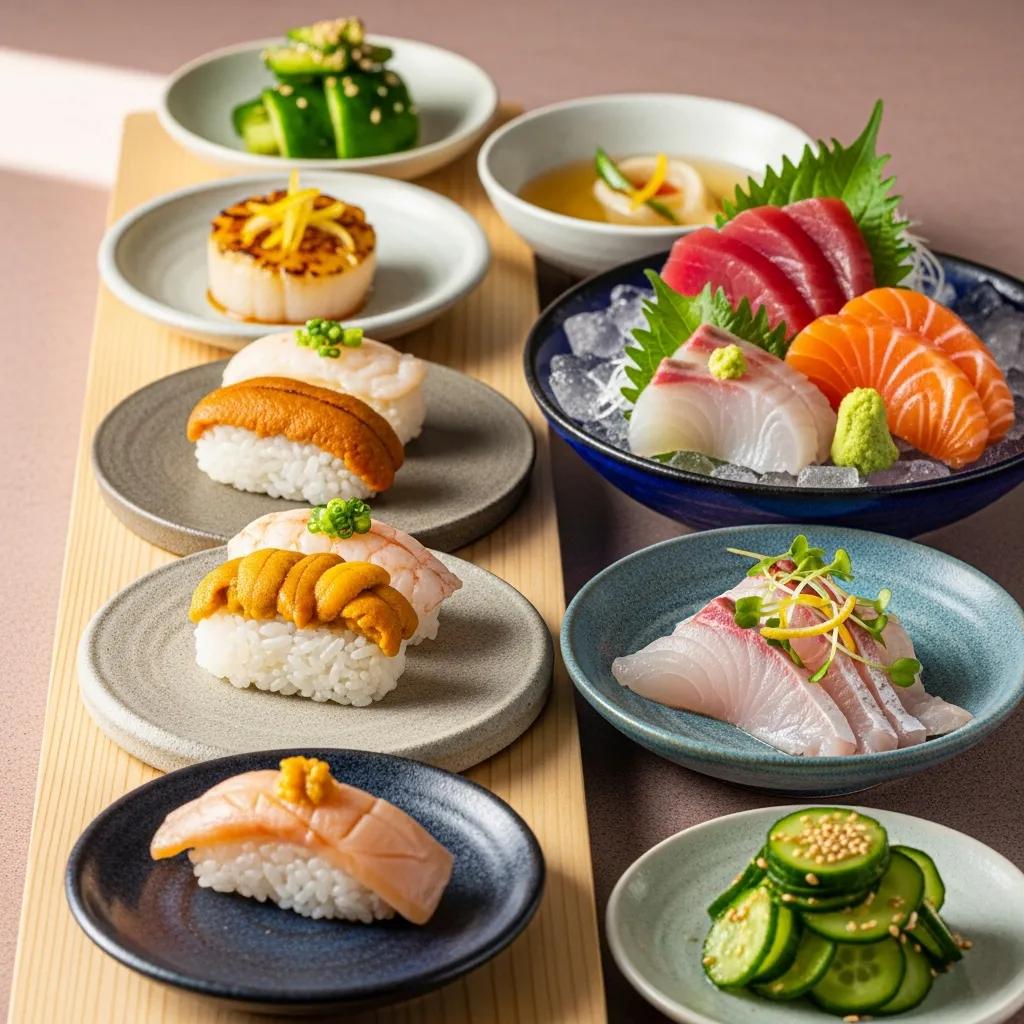
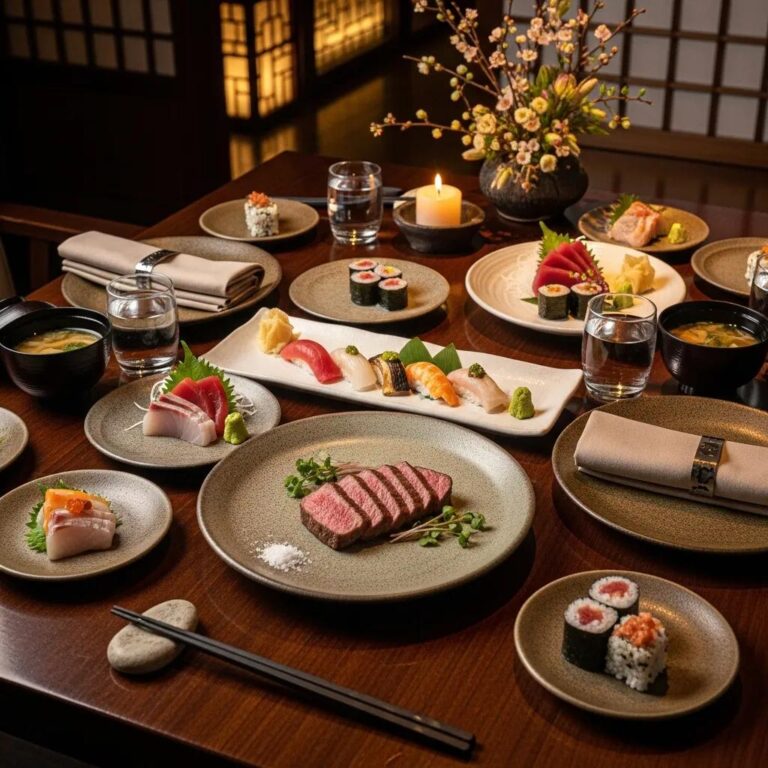
Our summer signatures are all about contrast: silky uni nigiri brightened with a whisper of citrus; yuzu‑kissed hamachi chilled and finished with delicate micro‑herbs; a sashimi trio finished with citrus oil to highlight texture. Each plate emphasizes one clear sensation — sweetness, acidity, or saline freshness — while supportive accents keep the balance. We often serve on chilled ware with minimalist garnishes so the seafood remains the star; small touches like a measured smear of yuzu gel or a light herb oil add aromatic lift. These courses build a memorable arc that naturally leads into tempered richer moments, such as a light Wagyu tataki.
Our seasonal omakase is crafted for dedicated tasting seats to preserve the intended progression and timing. If you want to experience these highlights, see the booking tips later in this guide.
How Does Kaviar Elevate the A5 Wagyu Experience for Summer Dining?
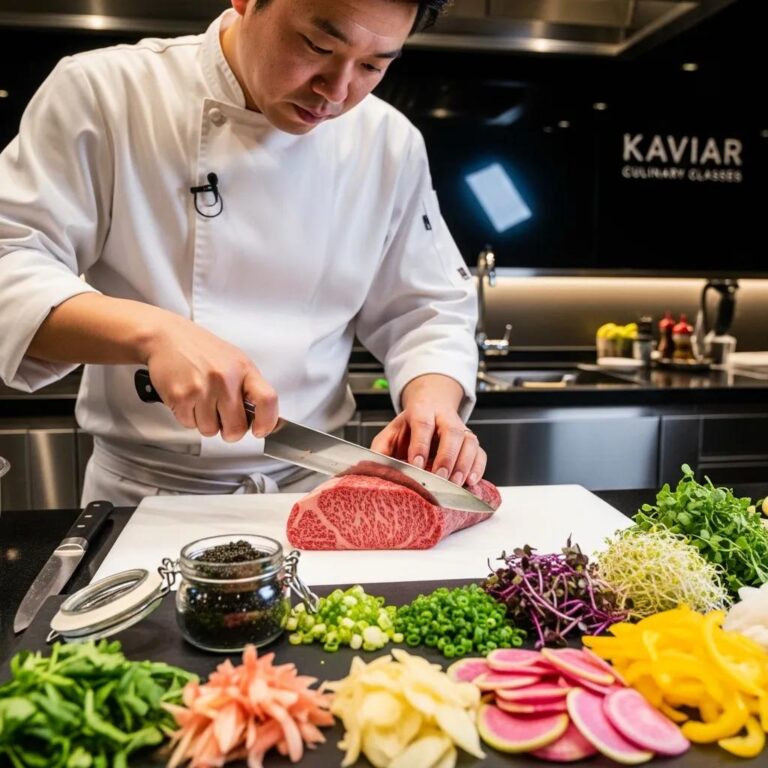
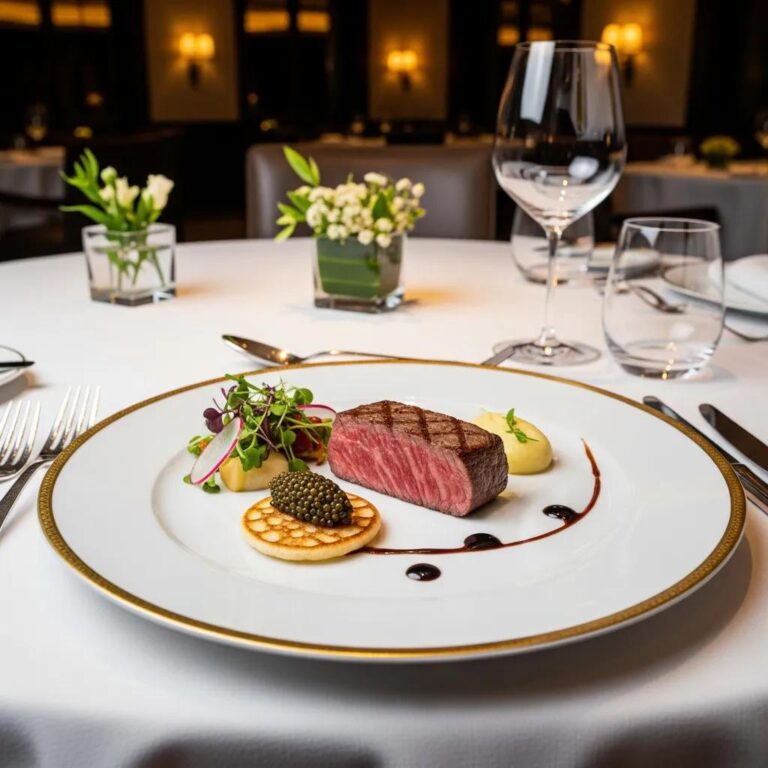
Miyazaki A5 Wagyu becomes a summer highlight when treated with restraint: thin sears, tataki, or tartare let marbling sing while keeping the sensation clean and cool. We use short, high‑heat sears to render surface fat yet preserve tender interiors, or raw preparations dressed with light acids and garnishes to cut richness. The effect is luxurious without overwhelming the palate — a satisfying focal point within a largely bright tasting progression. Below we outline common summer preparations and compare cuts so you know what to expect.
For details on our offerings, visit
our menu
, where Miyazaki A5 appears in summer‑friendly formats — tasting portions, shareable plates, and tartare finishes — that invite reservations for a premium evening in Pasadena. Reserving Wagyu‑inclusive seats helps ensure proper timing and portioning within the tasting. The next section describes typical summer preparations we use to achieve that balance.
What Are the Summer Preparations for Miyazaki A5 Wagyu at Kaviar?
Summer techniques preserve Wagyu’s silky mouthfeel while adding bright accents: thin seared tataki for a smoky edge and cool center; citrus‑accented tataki to cut fat; and tartare dressed with light acids and an optional touch of caviar for briny contrast. Seared slices are finished with a flake of salt and microgreens for texture, while tartare often uses yuzu or rice vinegar to lift flavors without masking the beef. These approaches keep the core benefit — intense buttery marbling — but present it in a seasonally appropriate, refreshing way.
How Do Different A5 Wagyu Cuts Compare in Flavor and Texture?
Below is a concise comparison of three commonly featured Miyazaki A5 cuts, their preferred summer preparations, and what to expect in the mouth. This helps explain how cut choice guides technique and portioning during a refined tasting.
This comparison shows how we match cut to technique so each Wagyu course fits the wider summer progression without overwhelming it.
Why Is Kaviar’s Caviar Service a Summer Delicacy in Pasadena?
Caviar reads as a summer delicacy because its saline, buttery, and umami notes contrast beautifully with chilled seafood and citrus‑forward dressings. The small, briny pearls add texture and a mineral finish that lift fatty elements and render dishes brighter and more celebratory. Below we explain Kaluga caviar’s role, common service styles, and how we use it to support the seasonal tasting narrative.
We weave Kaluga into signature courses — toro tartare, Wagyu tartare, and chilled shellfish among them — as a briny counterpoint that balances richness and acidity. The next section outlines Kaluga’s specific qualities that make it especially suited to summer menus.
What Makes Kaluga Caviar Special for Summer Menus?
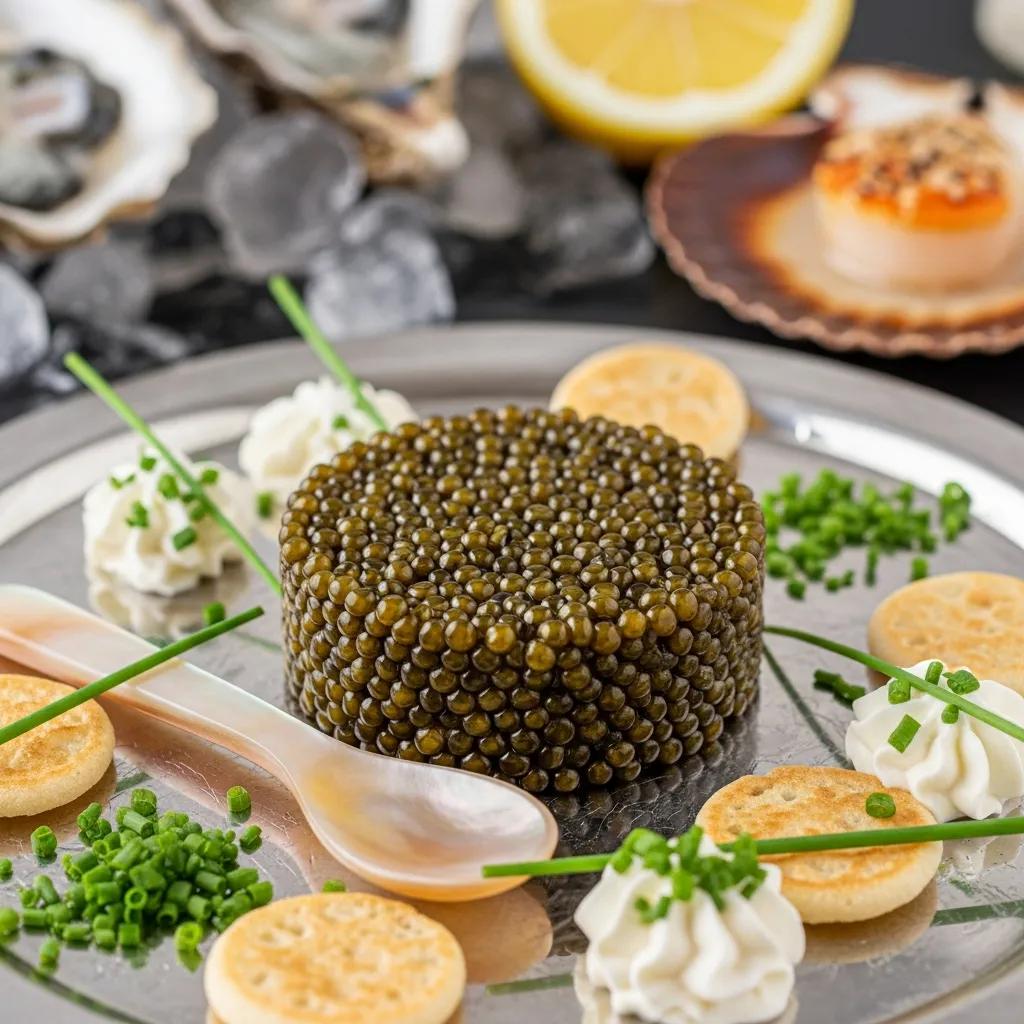
Kaluga caviar is prized for its large, glossy pearls, subtle buttery flavor, and clean saline finish that complements delicate summer ingredients rather than overpowering them. The delicate pop contrasts with silky uni or tender raw beef, while the clean minerality plays well with citrus and light acids. Visually, Kaluga’s lustrous pearls add instant refinement to minimalist summer plating. These attributes make it an ideal finishing accent for chilled sashimi, tartares, and other restrained seafood preparations.
Which Summer Dishes Feature Exquisite Caviar Pairings?
We use caviar sparingly as an accent where saline pop and buttery texture enhance freshness: toro tartare finished with Kaluga pearls, chilled scallop plated with a caviar garnish, and Wagyu tartare topped with a modest spoon for luxurious balance. Each pairing creates a dialogue — rich tuna or beef meets bright acid and saline pearls — so the caviar amplifies the primary flavors without masking them. Below is a simple reference comparing common caviar service options and recommended pairings for summer plates.
The table below outlines common service styles, summer‑friendly presentations, and ideal pairings so you can see how each option affects texture and brightness on the plate.
These options show how Kaluga acts as both flavor punctuation and textural contrast — a briny lift and a visual flourish that harmonize with chilled, acidic, and delicate dishes. Next we’ll cover beverage pairings to complete the seasonal tasting.
What Are the Best Summer Beverage Pairings for Japanese Fine Dining at Kaviar?
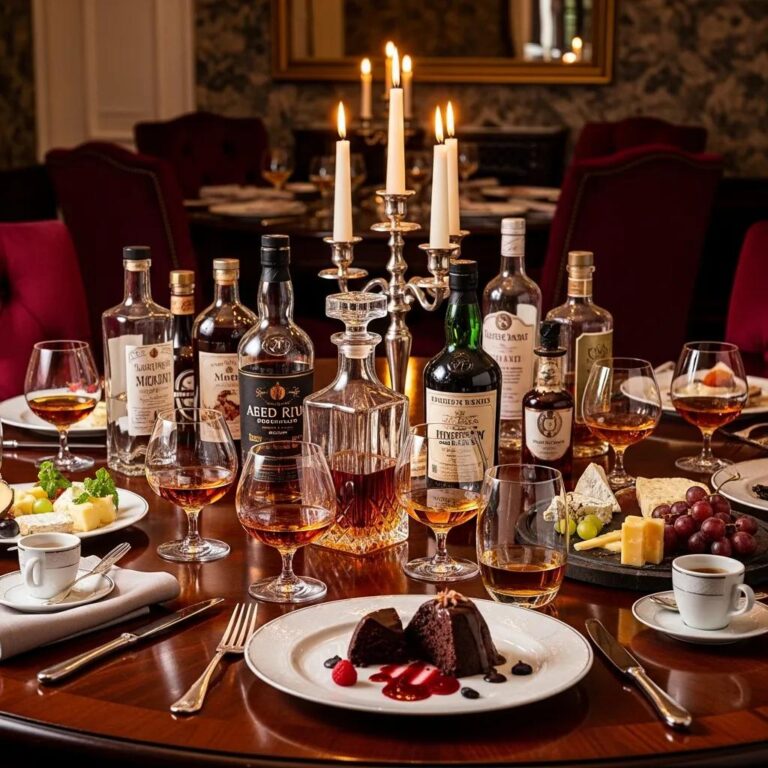
Thoughtful beverages elevate summer omakase by matching acidity, weight, and temperature to each course so the menu stays bright and coherent. Light, aromatic drinks lift seafood and citrus notes; slightly fuller selections support richer Wagyu moments without dominating. Below we recommend sake styles, cocktails, and wines, plus a concise mapping to help you choose pairings that sustain the menu’s refreshing direction.
The following subsection highlights specific sake types and cocktail approaches that work best with our summer menu, then a short table maps dishes to beverage categories with clear rationales.
Which Sake and Cocktails Complement Kaviar’s Summer Menu?
Junmai Ginjo and Daiginjo styles pair beautifully with lighter summer seafood thanks to their floral aromatics and clean finish — they lift citrus and preserve fish sweetness without adding weight. Cocktails using yuzu, shiso, or cucumber — think yuzu spritzes or shiso‑cucumber highballs — offer refreshing counterpoints and cleanse the palate between courses. For richer Wagyu or caviar moments, we suggest restrained cocktails with low sugar and bright acid to maintain balance.
How Does Wine Enhance the Refreshing Flavors of Our Seasonal Dishes?
Crisp whites and rosés with high acidity and minerality are natural companions to chilled seafood and citrus-forward plates: they amplify salinity and refresh the palate. Light‑bodied reds or cooler‑served rosés can bridge to Wagyu without overwhelming seafood courses, provided tannins are soft and acidity is pronounced. Serving temperature matters — a touch cooler than usual preserves perceived freshness and matches chilled preparations. Below is a practical table mapping representative dishes to pairing types with brief rationales.
The table below pairs representative summer dishes with recommended beverage categories and short rationales so you can select drinks that enhance brightness, texture, and balance across an omakase tasting.
These pairings follow a simple principle: match acidity and aromatic profile to ingredient weight so beverages reinforce the menu’s refreshing intent without overpowering it. Next, practical reservation steps show how to secure a summer tasting at Kaviar.
How Can You Reserve Your Luxury Summer Dining Experience at Kaviar Pasadena?
Book summer omakase
at Kaviar with a little advance planning: omakase seats and premium accents like Wagyu or caviar are curated and best enjoyed with prebooking to ensure availability and proper pacing. For standard seating, use online reservation platforms; for special requests or celebrations, call us directly so we can coordinate details. The result is a tailored, chef‑led evening where timing, portions, and service align with the seasonal menu. Below are practical tips to help secure the right experience.
- Use online reservation platforms
: Reserve standard omakase or dinner seats through common booking services for instant confirmation.
- Specify menu preferences
: When booking, note omakase preference, Wagyu requests, and any dietary restrictions so the kitchen can plan portions and pacing.
- Call for special arrangements
: For celebrations or specific accommodations, call the restaurant to coordinate seating, timing, and any custom requests.
These steps help ensure your summer tasting unfolds as intended — confirm party size, celebratory needs, and dietary restrictions when you book. The next subsection lists our address and tips for checking current hours.
What Are the Easy Ways to Book a Table for Summer Dining?
For most guests, online platforms offer quick availability and streamlined booking for omakase and dinner service; a phone call is best for special requests or clarifications. When reserving omakase, tell us your party size and any dietary restrictions so the kitchen can design the progression appropriately. If you plan to include Wagyu or caviar, note that these premium items benefit from advance notice to confirm sourcing and portioning. Following these steps increases the chance your reservation aligns with the chef’s intended tasting arc.
What Are Kaviar’s Location and Summer Operating Hours?
Kaviar is located at 70 N Raymond Avenue, Suite 250, Pasadena, CA 91103 — in Old Pasadena, with nearby parking and easy arrival logistics.
For the most current hours, check Kaviar’s official business profile or the reservation platform you use, as times can shift seasonally or for special events.
When booking, mention any local events you’re attending so we can advise on special summer menus or limited‑time tastings.
Confirming these details at booking helps ensure a smooth arrival and a relaxed start to your summer evening.
Why Choose Kaviar for Your Summer Celebration in Pasadena?
Kaviar stands apart through chef‑led curation, premium sourcing — Miyazaki A5 Wagyu and Kaluga caviar among them — and a service model that prioritizes progression and balance. That combination makes us especially well suited for summer celebrations.
Our point of difference is meticulous sequencing: delicate early plates make room for richer focal points later, and thoughtful beverage pairings reinforce seasonal clarity.
The end result is an emotional and sensory journey that feels both luxurious and light — ideal for anniversaries, small gatherings, or a refined night out.
Below we describe the ambiance and culinary craft that shape this positioning and explain why diners choose Kaviar for memorable summer dining.
What Unique Ambiance and Service Define Kaviar’s Summer Experience?
We offer an intimate, service‑forward dining environment with focused omakase counter seating and curated table service to create a personalized summer experience centered on detail.
Our team times each course so chilled plates stay at optimal temperature and richer courses arrive with palate‑cleansing transitions, preserving the intended rhythm of the tasting.
The atmosphere supports celebration without spectacle — refined presentation and an opportunity for conversation with the culinary team when available.
This attentive service model enhances the seasonal menu and helps each guest feel guided through the tasting progression.
How Do Premium Ingredients and Culinary Craft Elevate Your Meal?
Premium ingredients — Miyazaki A5 Wagyu, Kaluga caviar, and peak‑season seafood — are matched with precise technique: quick sears, light acid finishes, and careful temperature control to turn provenance into memorable texture and flavor.
The chef’s craft is knowing when to be restrained: a small spoon of caviar, a light citrus finish, or a measured sear preserves purity while adding depth.
This attention to provenance and technique produces dishes where every element — fat, acid, saline, and aroma — has intent, raising the meal beyond the sum of its parts.
For guests seeking a summer dining experience in Pasadena that balances luxury with refreshment, our chef‑led approach provides a considered path from first bite to last.
Kaviar’s summer offering is designed to welcome reservations for omakase and special events, giving you a refined setting where seasonal ingredients and culinary precision come together for an unforgettable tasting.
Frequently Asked Questions
What is the ideal dining experience for first-time omakase diners at Kaviar?
First‑time guests can expect a guided culinary journey built around seasonal ingredients and a chef‑curated progression. The meal begins with lighter, refreshing dishes to awaken the palate and gradually moves toward richer moments. We encourage diners to embrace the tasting format and allow the chef to lead — it’s an immersive way to experience Japanese fine dining and the quality of our ingredients.
Are there vegetarian or vegan options available in the summer omakase menu?
While our focus is seafood and premium meats, we do offer vegetarian omakase options upon request. Please inform us of dietary restrictions when you book; our culinary team will design a tailored sequence that highlights seasonal vegetables and plant‑based flavors so vegetarian guests still enjoy a vibrant, thoughtful tasting.
How does Kaviar ensure the freshness of its seasonal ingredients?
We prioritize trusted local and specialty suppliers and update the menu based on availability so dishes use ingredients at their peak. This commitment to seasonality and careful sourcing ensures each omakase reflects the best summer offerings and supports responsible practices where possible.
What is the recommended dress code for dining at Kaviar?
Our dress code is smart‑casual: we welcome elegant, comfortable attire. There’s no strict formal requirement, but we recommend avoiding overly casual items like shorts or flip‑flops. Dressing nicely complements the refined yet relaxed atmosphere we cultivate for special evenings.
Can guests request specific wine or sake pairings for their omakase experience?
Yes — guests may request specific wine or sake pairings. Our team is happy to recommend selections based on the dishes you’ll enjoy, and we welcome notes about personal preferences when you book. This lets us tailor the beverage flow to enhance your tasting.
What should diners expect in terms of service during their omakase experience?
Expect attentive, personalized service: our staff coordinates timing so each course is served at its ideal temperature and transitions between flavors feel seamless. We encourage conversation with the culinary team, who will often share context about dishes and ingredients. This level of care makes each meal feel thoughtfully curated.
Conclusion
Kaviar’s summer omakase pairs seasonal ingredients with careful sequencing and culinary precision for a dining experience that’s at once refreshing and luxurious. Each dish is crafted to highlight quality — from delicate seafood to Miyazaki A5 Wagyu — and together they form a memorable tasting journey. Reserve an omakase seat to enjoy a thoughtfully curated summer evening. Visit our site to view the menu and secure your reservation.