



Royal Banquets: A Historical Journey into Opulent Feasts and Enduring Traditions
Royal banquets were theatrical statements of power where architecture, ceremony, and food combined to create unforgettable spectacles. This essay traces what made those feasts distinct: the medieval and Tudor foundations of court dining, the ritual precision of Versailles, and the echoes of these customs in today’s state dinners. You’ll see the hallmarks of palace dining—tableware, seating hierarchies, entertainment, and prized ingredients—and how they translate into contemporary fine dining. The piece moves both chronologically and thematically: first defining banquet features, then following medieval and Tudor practices, unpacking Versailles’ service styles, surveying modern state-dinner protocol, and finally connecting history to a modern, chef-led experience in Pasadena. By the end, parallels between historic luxuries like caviar and prized beef and their modern presentations will be clear, along with practical guidance for experiencing this lineage at Kaviar.
What Defined a Royal Banquet? Key Features of Ceremonial Grandeur
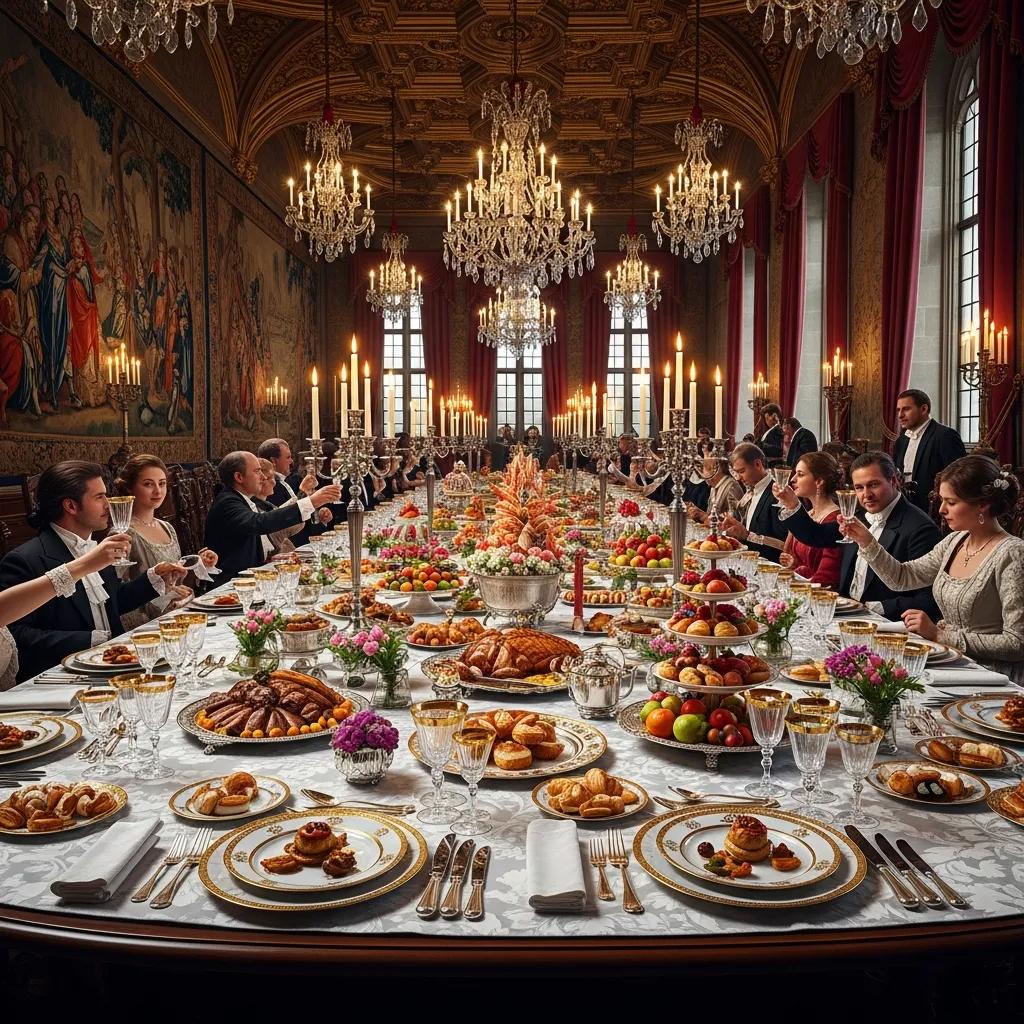
A royal banquet communicated authority through scale, ritual, and rare ingredients. That message was assembled from deliberate choices—formal seating, choreographed service, and striking display objects such as ornate tableware and grand platters—that produced a visible hierarchy and theatrical impact. The meal served two purposes at once: culinary pleasure and a public demonstration of resources and control, able to cement alliances or humiliate rivals. Recognizing these elements explains why exotic or rare foods became social currency and why the mise-en-scène mattered as much as the menu. Below are the recurring features that shaped these events across eras.
Royal banquets typically featured the following hallmark elements:
- Processions and pageantry to announce arrivals and signal the event’s gravity to guests and onlookers.
- Elaborate table arrangements with a dais and lord’s table that organized sightlines and reinforced rank.
- A profusion of dishes and showpieces—sometimes sculptural sugarwork or whole roasted animals—to convey abundance.
- Luxury ingredients—imported spices, prized game, and fish roe—used as visible markers of trade, wealth, and status.
These components blended spectacle with governance. The next section considers how banquets functioned explicitly as instruments of power and prestige.
The Illusion of Power: Political Theater in Royal Banquets
Royal banquets staged authority by pairing architecture, ceremony, and food into public spectacles meant to impress allies and subjects alike. This study outlines what defined historical banquets, traces medieval and Tudor court practices, examines Versailles’ unique rituals, and highlights their influence on modern state dinners. Readers learn how tableware, seating, entertainment, and premium ingredients signaled rank—and how those elements reappear in contemporary fine dining.
The illusion of power: political theater in the English Renaissance, 1975
This comparison highlights recurring banquet features and why they mattered—showing how material culture and political theatre made food a medium of power.
How Did Royal Banquets Reflect Power and Prestige?
Banquets turned food into deliberate political messaging: dishes, seating, and display broadcast a ruler’s control over resources and ceremonial order. Hosts flaunted access to trade routes with exotic imports, while the number and richness of courses signaled fiscal strength and generosity. The spectacle extended beyond taste to sight and sound—processions, minstrels, and tableaux centered the sovereign and showcased courtly sophistication. Often, the evening ended with visible gifts or largesse, converting ceremony into tangible patronage and strengthening bonds. These signaling practices made food and ceremony inseparable from authority.
What Were the Typical Settings and Ceremonies of Royal Feasts?
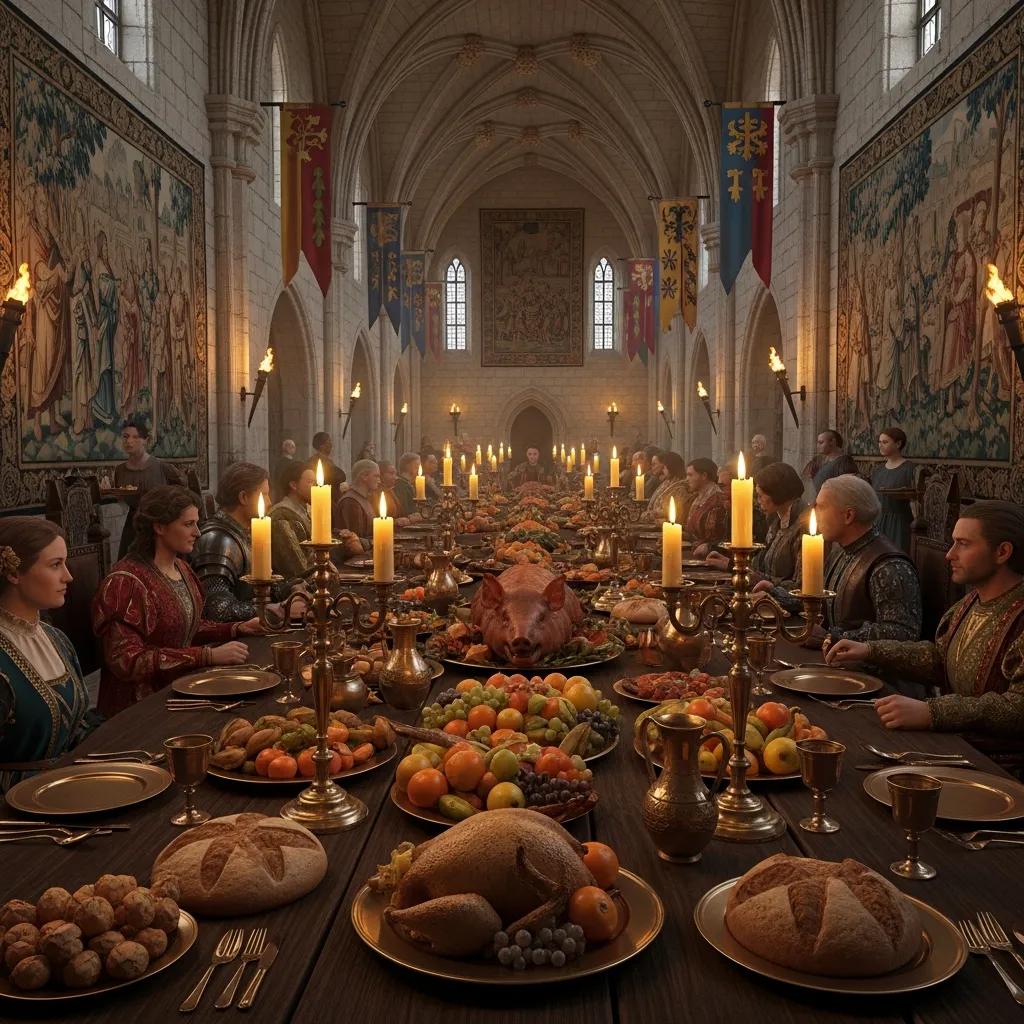
Venues ranged from vaulted great halls to bespoke banqueting houses, with architecture intentionally focused on the lord’s table and the order of service. Seating hierarchies placed sovereigns on a dais with tiers for nobility, while visible servant roles—carvers, cupbearers, and pages—reinforced social order through choreographed movement. Entertainment—music, allegorical plays, and tableaux—framed the meal and dramatized the ruler’s virtues. Meals followed ritualized progressions—entrées, main presentations, and sweets—often punctuated by formal toasts and speeches that tied culinary abundance to political aims. These arrangements set patterns for later court dining.
How Did Medieval Banquet Traditions Shape Royal Dining Culture?
Medieval banquets established core practices—ceremonial seating, shared platters, and theatrical presentation—that lived on and evolved in later courts. Norms recorded in court manuals and chroniclers spread through noble networks, while new tablewares and imported spices shifted how food was presented. This continuity meant that feasts remained both entertainment and governance, preserving hierarchy while embracing new influences. Examining medieval menus and etiquette reveals the roots of later courtly conventions and the social language of food. Notable medieval staples included the following preparations and preservation methods.
- Whole roasted game—venison, boar—presented and carved in full view for drama and pageantry.
- Salted, smoked, and pickled fish and meats, preserved to support large-scale feasting year‑round.
- Generous use of imported spices—pepper, cinnamon, grains of paradise—as visible signs of wealth.
- Confectionery and sugar sculptures employed as theatrical finishings rather than simple sweets.
These items satisfied appetites while signaling access and taste, which leads into how etiquette organized their consumption.
This summary shows how preservation and presentation amplified social standing at medieval feasts. The next section examines the etiquette and hierarchy that ordered these meals.
What Foods and Ingredients Were Common in Medieval Royal Feasts?
Medieval courts favored bold, visually striking dishes that read well across a large hall: richly spiced stews, roasted game, and preserved fish, often finished with sweetmeats. Preservation—salting, smoking, pickling—made luxury proteins available beyond season, while spices masked variability in ingredients and advertised purchasing power. Honey and sugarwork appeared as elaborate confectionery that functioned as spectacle more than sustenance; occasionally, live displays or mechanical devices amplified the surprise. These choices married practicality with symbolism, crafting menus that conveyed messages as much as flavor.
How Did Etiquette and Social Hierarchy Influence Medieval Banquets?
Etiquette enforced boundaries through seating plans, serving order, and public servant roles, making the banquet a theater of rank as much as food. The lord’s authority was reinforced by ritual acts—public carving, ceremonial serving, and gift-giving—that cemented loyalty and patronage among nobles and retainers. Servants had defined duties, and protocol breaches could carry political consequences, underscoring the close link between manners and power. These conventions adapted over time but set the stage for Tudor flamboyance and Versailles’ formalized ritual.
What Made Tudor Dining Distinct? Henry VIII’s Legendary Banquets
Tudor banquets—especially those at Henry VIII’s court—pushed spectacle further through scale, novelty, and pageantry. Their allure came from dramatic presentations—elaborate sugar and pastry showpieces, multi-course sequences, and staged surprises like pies that concealed live birds—designed to astonish. The value was performative: conspicuous hospitality reinforced royal magnificence and advanced political aims. Tudor dining also reflected expanding trade and tastes, introducing new ingredients and theatrical techniques that shaped aristocratic practice and secured the era’s reputation for excess and ceremony.
Tudor‑era banquets were notable for these features:
- Extended multi-course progressions, each presented to maximize visual impact.
- Elaborate sugarwork and baked showpieces that served as edible theater.
- Frequent presentation of whole animals with ceremonial carving before guests.
- Masques and staged entertainments integrated to frame the feast as cultural spectacle.
These customs fused feasting with performance, creating a banquet culture centered on display and influence. The next section provides concrete examples of Tudor dishes and presentations.
The Sweet Banquet: Court Ceremony and Social Status in Early Modern England
A central element of court ceremony under Henry VIII and Elizabeth I, the sweet banquet articulated ideas about kingship and England’s European place. From the mid‑sixteenth century onward, banquets became central to elite sociability beyond the court—a site for relationship building and status performance.
The sweet banquet in early modern England, 2016
Which Dishes and Ingredients Featured in Tudor Royal Feasts?
Tudor menus paired native game and fish with imported spices and sweetmeats to create layered flavors and dramatic presentations. Complex pies and tarts sometimes concealed surprises, while sugar sculptures and gilded pastries closed feasts with visual flourish. Proteins such as venison and swan were prized both for rarity and pageant value, and cooks used spices and colorants to heighten sensory impact. These dishes broadcast wealth and cosmopolitan taste, reinforcing the court’s cultural authority at home and abroad.
How Did Tudor Banquets Demonstrate Royal Opulence and Ceremony?
Tudor feasts staged opulence through choreographed pageantry—heraldic processions, precisely timed service, and court entertainments that centered sovereign authority. Lavish tableware, gilded vessels, and custom sugar sculptures amplified the sense that the monarch controlled resources and cultural imagination. Gifts, tournaments, and public distributions at the close of some feasts turned ceremony into visible largesse, strengthening political bonds. These practices influenced later European courts and foreshadowed the ritual regularity perfected at Versailles.
How Did Versailles Define French Royal Culinary Splendor?
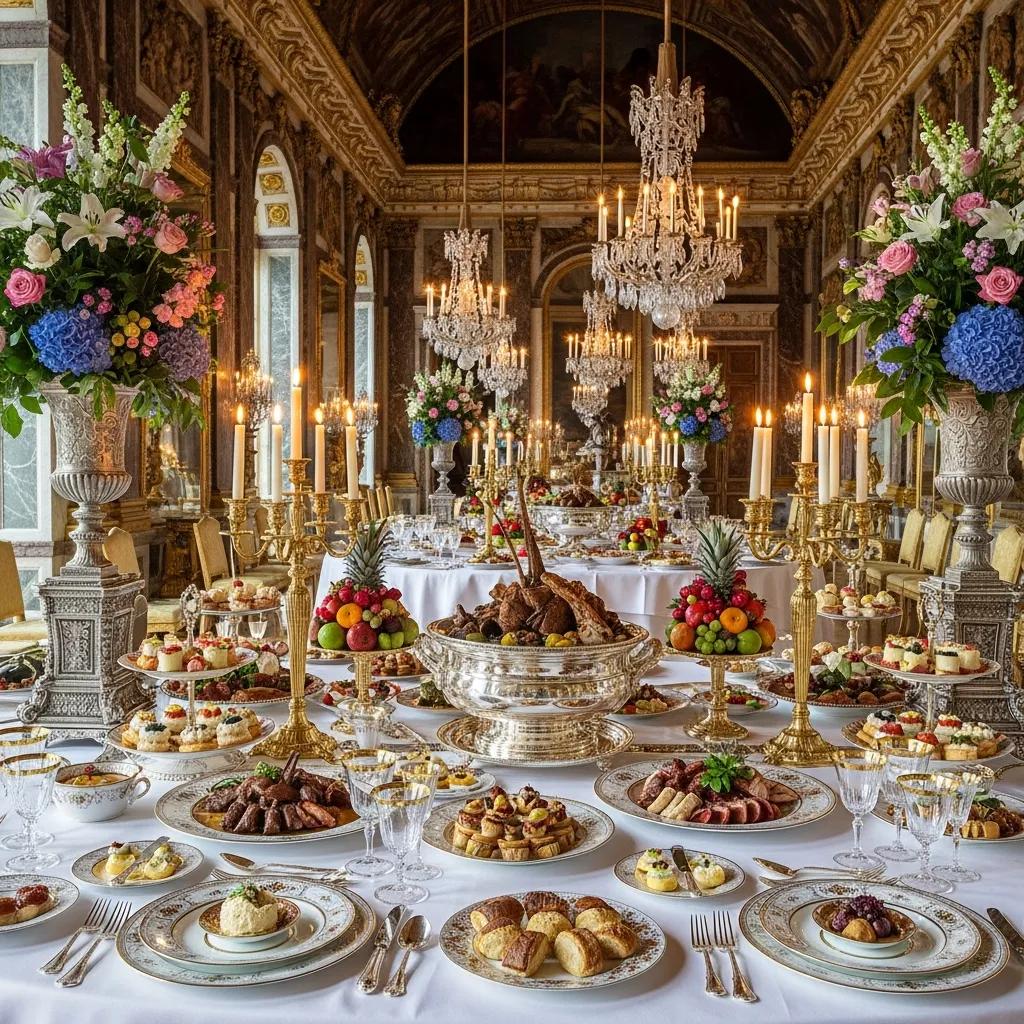
Versailles elevated dining into statecraft under Louis XIV, formalizing the art de la table through daily, highly choreographed ritual. By institutionalizing presentation, plateware, and service methods, Versailles modeled prestige for courts across Europe. The result was a cultural export—French dining etiquette and a focus on presentation—that reshaped elite meals and helped move feasting from medieval spectacle toward structured haute cuisine. Examining Versailles’ mechanics clarifies how formality and aesthetics became central to elite dining.
Service à la Française and Versailles’ banquet mechanics can be summarized as follows:
- Simultaneous Presentation: Numerous dishes appeared together to create a single, abundant tableau.
- Artful Table Settings: Symmetry and coordinated tableware reinforced order and visual harmony.
- Ceremonial Choreography: Servants, carvers, and musicians performed fixed roles to sustain the spectacle and timing.
These practices shaped expectations about presentation and sharing at elite tables, and the table below defines these terms and their wider impact.
Rethinking Court Spectacle: Politics and Royal Patronage
Scholars have argued that masques and court spectacles functioned as tools of domestic and international politics—performances that communicated power, patronage, and cultural leadership.
Rethinking the Politics of Court Spectacle, 2015
This glossary clarifies key Versailles terms and their cultural effects. Next, we trace Louis XIV’s influence across European feasting traditions.
What Was the Role of “Service à la Française” in Versailles Dining?
Service à la Française presented the meal as a visual tableau: many dishes arranged together to form a single, generous impression that invited sharing and conversation. This approach required precise plate placement, specialized staff, and a dish repertoire that harmonized when displayed at once. The tableau conveyed the host’s wealth and capacity to marshal many resources simultaneously, though practical issues—cooling dishes and cross‑flavors—later encouraged a shift toward sequential service. Still, the aesthetic legacy endured: presentation and coordinated table settings remained central to elite dining.
How Did Louis XIV’s Banquets Influence European Royal Feasting Traditions?
Louis XIV exported an ideology of state‑managed spectacle that courts across Europe adopted to assert prestige. Versailles’ visibility made French tableware, formal etiquette, and integrated entertainment aspirational, prompting nobles to stage similar displays to signal sophistication and political alignment. This diffusion helped shape haute cuisine and formal dining rituals, creating patterns—ritual, presentation, and pageantry—that still inform state dinners and ceremonial hospitality today. The move from Versailles’ tableaux to modern state dinners is therefore one of continuity in purpose, if not in form.
What Are the Traditions and Etiquette of Modern State Dinners? Echoes of Royal Banquets Today
Modern state dinners preserve the ceremonial logic of royal banquets—formal seating, scripted toasts, and curated menus—while adapting to diplomacy, security, and media demands. The continuity rests on symbolism: seating and program choices still communicate rank, alliance, and respect, and menu selection often spotlights national produce or shared culinary references. The modern result is a condensed, media‑aware ritual that balances hospitality with efficiency and protocol. Understanding these continuities helps hosts and observers decode the signals embedded in official meals. Persistent elements include:
- Formal seating plans and precedence that shape conversation and ceremony.
- Curated multi‑course menus that balance national identity with guest preferences.
- Ceremonial toasts and speeches that convert dinner into public statement.
- Integrated entertainments or musical interludes that provide cultural context.
Recognizing these elements shows how state dinners function as instruments of soft power, and the following sections outline practical etiquette and symbolic meaning.
How Do Contemporary Royal Banquets Reflect Historical Grandeur?
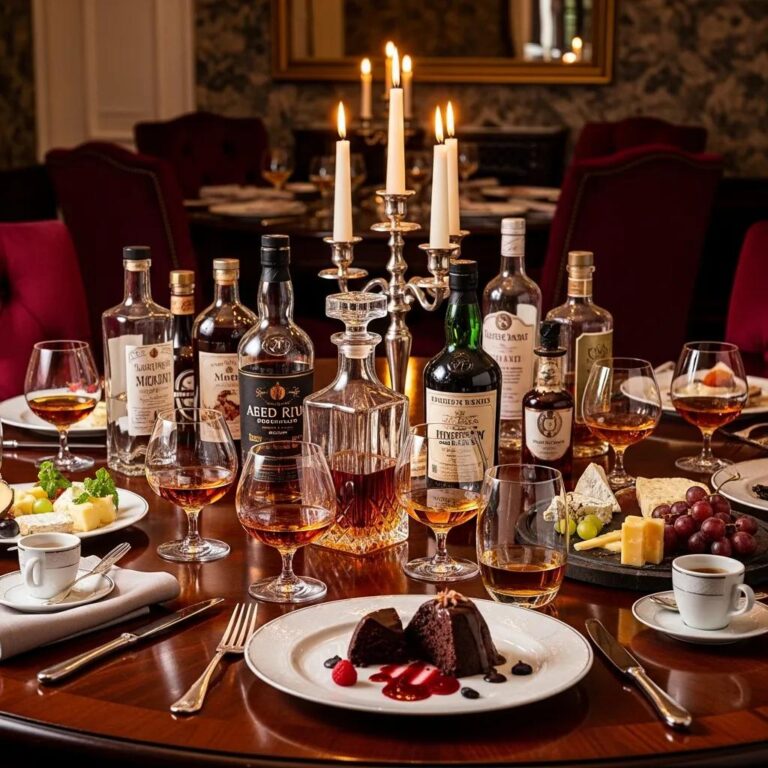
Contemporary royal and state dinners echo historic grandeur by keeping ritualized sequences—formal arrivals, precedence‑based seating, toasts, and timed courses—while using modern service standards for comfort and timing. The symbolic language remains: menus and table settings signal respect, identity, and diplomatic intent, often paired with cultural programming. Unlike historic feasts that prized spectacle over speed, modern events prioritize pacing, security, and media optics, yet they still rely on ceremonial generosity to communicate political aims. These adaptations reveal the lasting power of shared meals as symbolic acts.
What Are the Key Etiquette Practices in Today’s State Dinners?
Key etiquette at modern state dinners centers on seating protocol, the order of toasts, dress codes, and conversational restraint. Protocol officers set precedence and speaking turns to avoid accidental slights, while guests observe formal toasting etiquette and avoid divisive topics. Dress codes reinforce the event’s tone, and table manners remain an outward sign of respect between delegations. Together, these practices ensure the dinner’s symbolic messages—friendship, alliance, reconciliation—are delivered cleanly and without distraction.
How Does Kaviar Restaurant Capture the Grandeur of Royal Banquets in Modern Fine Dining?
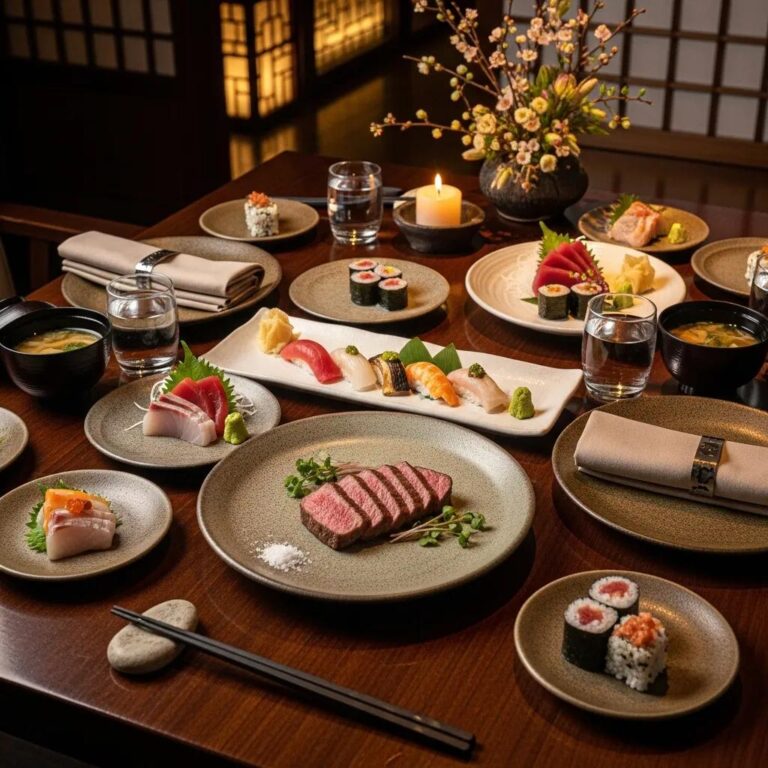
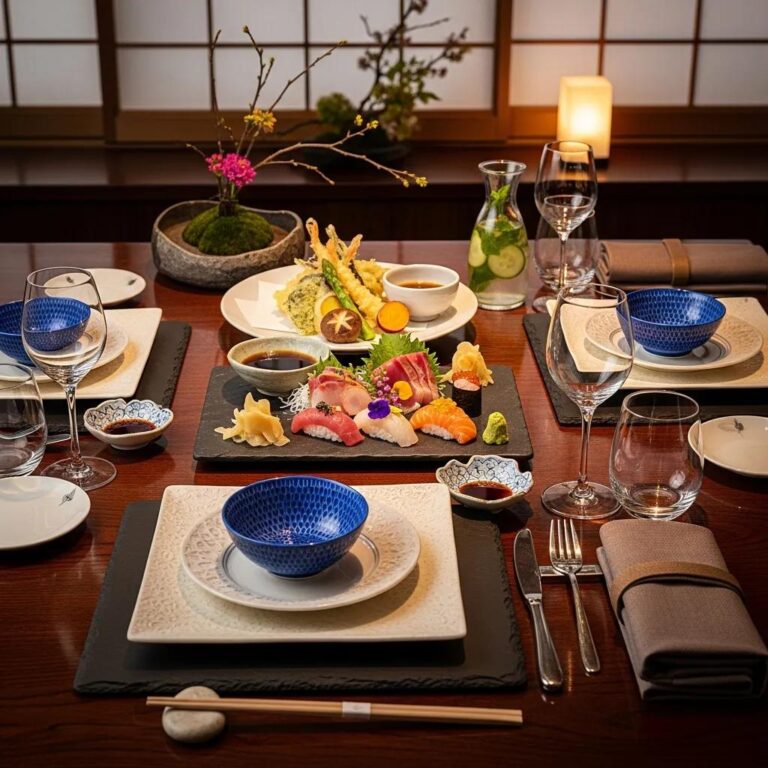
Kaviar translates the language of ceremonial dining into a restrained, modern Japanese fine‑dining experience. We prioritize exceptional ingredients, a curated sequence, and intimate, ceremonious service that suggests historical grandeur without affectation. Our approach is sensory curation: measured pacing, artful plating, and status‑signaling ingredients create a chef‑led narrative akin to a contemporary palace table—where provenance and presentation matter. For diners in Pasadena, that means evenings crafted for special occasions or those curious about a modern echo of historic feasting through our omakase and signature menu.
- Caviar service presented as a refined opening that honors roe’s historic cachet.
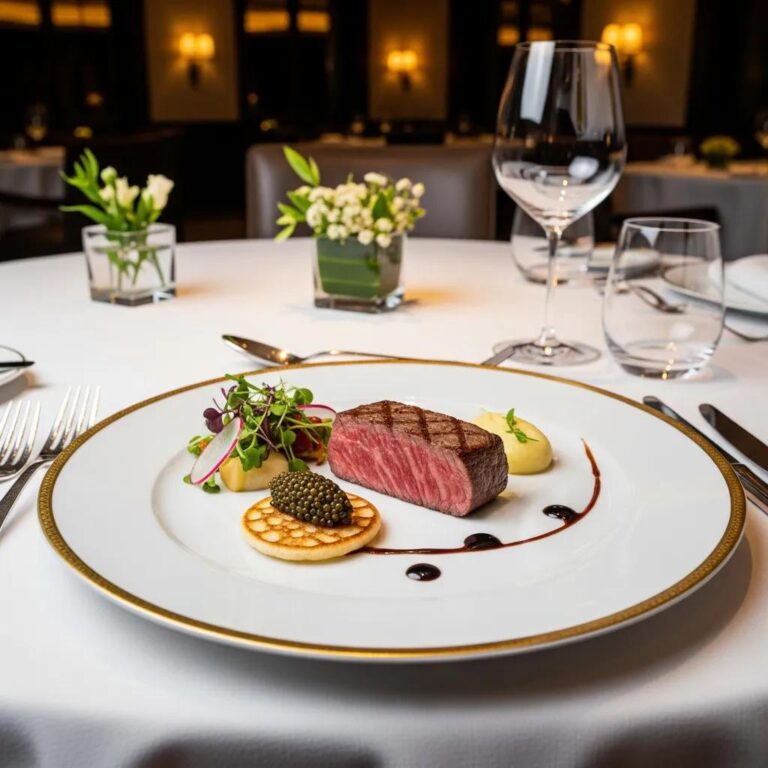
- A5 Wagyu preparations celebrated for their marbling and texture, recalling historic premium beef.
- Omakase sequencing and attentive pacing that mirror ceremonial course progression.
These offerings are best enjoyed by reservation; guests can book by phone or through standard reservation platforms and consult our menu and reservation pages for details.
This mapping links historical luxury attributes to Kaviar’s contemporary equivalents, showing how tradition informs our presentation. The following sections unpack those parallels in more detail.
What Is the Historical Significance of Caviar and Its Role at Kaviar?
Caviar has long signified elite dining: sturgeon roe was a preservable luxury tied to long‑distance trade and aristocratic tables. Its status rested on scarcity in certain regions and a unique sensory profile—briny, bead‑like pearls that pair naturally with rich accompaniments. At Kaviar, we honor that lineage by presenting caviar to highlight texture and provenance, pairing it to balance salt, fat, and acid so each bite reads as both historic indulgence and contemporary refinement. The service preserves caviar’s symbolic weight while fitting it into a deliberate tasting sequence.
Why Is A5 Wagyu Considered a Modern Delicacy Fit for Royalty?
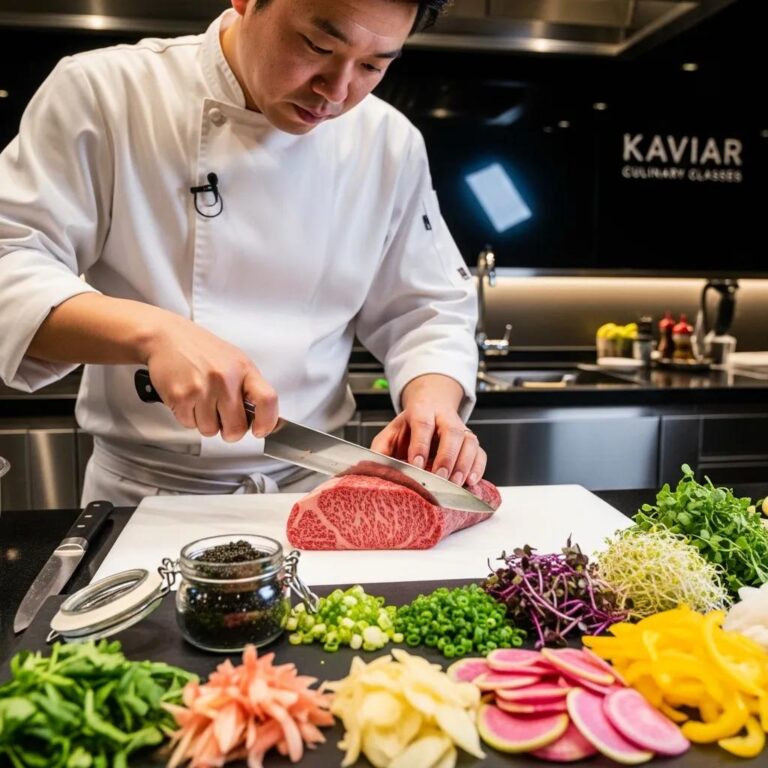
A5 Wagyu is prized for extreme marbling, silk‑like texture, and concentrated umami—qualities that position it as a modern analogue to courtly luxury. Grading quantifies marbling, color, firmness, and texture, helping diners understand why certain cuts command prestige and price. The eating experience is buttery and memorable; at Kaviar we use restrained seasoning and precise technique so the beef’s intrinsic qualities remain the focus. Presented as a centerpiece course, A5 Wagyu becomes a contemporary expression of the same status once signaled by prized game.
How Does Kaviar’s Ambiance and Service Reflect Royal Feast Traditions?
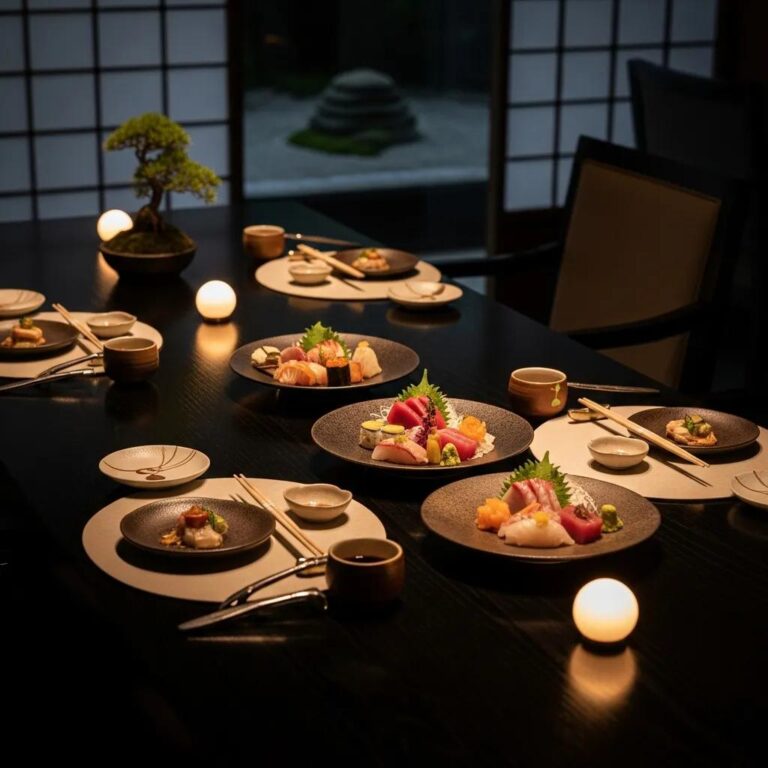
Our dining room uses low lighting, considered tableware, and precise plating to create a quiet sense of occasion—echoes of historic theatricality without excess. Service is chef‑led and paced like an omakase: each course arrives as part of a curated story so guests feel progression, contrast, and climax. Staff move with attentive restraint, guiding transitions and describing provenance so diners appreciate both taste and context. For those planning special‑occasion dinners in Pasadena, we offer reservations by phone and via major platforms, framing each visit as a deliberate, bookable experience.
How Does Kaviar Invite Reservations and Special‑Occasion Dining?
Kaviar is a destination for curated, chef‑driven dining where guests can request specific pacing or ingredient focuses ahead of time to shape celebrations or private moments. Booking in advance guarantees seating and lets our team accommodate dietary needs and occasion notes, allowing for personalized sequencing and ingredient choices. Reservations are accepted by phone and through established reservation platforms; we encourage guests to consult our menu and reservation information online.
Frequently Asked Questions
What were the most extravagant dishes served at royal banquets?
Extravagant royal dishes emphasized spectacle and scarcity: whole roasted animals such as swans and peacocks, ornate sugar sculptures, and elaborate pastries. Exotic spices, rare game, and imported fish roe were deployed to impress guests and broadcast the host’s access to luxury. These presentations functioned as political theater—taste was only part of their meaning.
How did royal banquets influence modern dining etiquette?
Royal banquets shaped many modern dining conventions: formal seating, the order of service, and the ceremonial role of toasts and speeches all descend from courtly practice. Presentation, table settings, and course pacing—refined by centuries of elite dining—also persist in formal occasions like state dinners, where ritual continues to communicate rank and respect.
What role did entertainment play in royal banquets?
Entertainment was essential: music, dance, and theatrical displays complemented the meal and reinforced the host’s cultural stature. These performances were often choreographed to extend the feast’s themes and celebrate the ruler’s virtues, turning dinner into a multi‑sensory spectacle that reinforced political narratives.
How did the location of a banquet affect its grandeur?
Location mattered greatly. Great halls, palaces, and purpose‑built banqueting houses signaled architectural power and allowed for grand staging. Ornate décor, strategic lighting, and impressive settings amplified the feast’s visual impact—and hosting a banquet in a prestigious venue elevated the event’s social and political significance.
What were the key differences between medieval and Tudor banquets?
Medieval banquets emphasized communal platters, whole roasted animals, and preservative techniques, with fewer distinct courses. Tudor banquets introduced sequential multi‑course structure, intricate sugar and pastry showpieces, and theatrical surprises—shifting toward more individualized presentation and elaborate entertainment as part of political display.
How did royal banquets serve as a tool for political alliances?
Banquets were deliberate instruments of diplomacy: inviting nobles, dignitaries, and ambassadors to lavish meals allowed hosts to display wealth, foster trust, and negotiate status. Shared dining symbolized camaraderie, while gifts and honors bestowed during these events converted ceremony into durable political relationships.
Conclusion
Royal banquets were both culinary spectacle and political instrument—where food, setting, and ceremony intertwined to communicate power, status, and alliance. Tracing their arc from medieval halls through Tudor pageantry and Versailles’ ritual to today’s state dinners reveals a persistent language of dining that still shapes formal hospitality. If you want to experience a modern interpretation of this tradition, consider reserving a table at Kaviar Restaurant—where curated ingredients, deliberate pacing, and attentive service honor the spirit of historic feasting in a contemporary, chef‑driven setting.