



Planning a European Culinary Road Trip: Your Guide to Luxury Food Tours and Gourmet Experiences
A European culinary road trip is a carefully curated journey that pairs place with plate — a string of memorable meals, market visits and sensory discoveries. This guide walks you through crafting a luxury food tour across Europe: the must-visit destinations, signature ingredients, planning priorities, and how to balance authentic local moments with elevated dining. Many travelers want both immersive traditions and refined tasting sequences; here you’ll learn to weave markets, Michelin-level menus and private experiences into a cohesive itinerary. Find destination comparisons, a practical booking checklist, and tools to map routes and local communities. Finally, we show how to translate that international inspiration into a comparable fine-dining experience close to home — including how to secure reservations and what to expect from chef-led tasting formats.
Top European Destinations for Food Lovers
A standout culinary destination combines exceptional local ingredients, an energetic dining culture and experiences that reveal regional foodways. The best stops pair terroir-driven produce and celebrated producers with a spectrum of flavors — from street bites to tasting menus. Choosing cities and regions with complementary offerings — markets, wineries and chef tables — lets you design a route that moves from casual discovery to refined, multi-course meals. Below are cities that consistently deliver those signature moments.
Which Cities Offer Europe’s Finest Gourmet Dining?
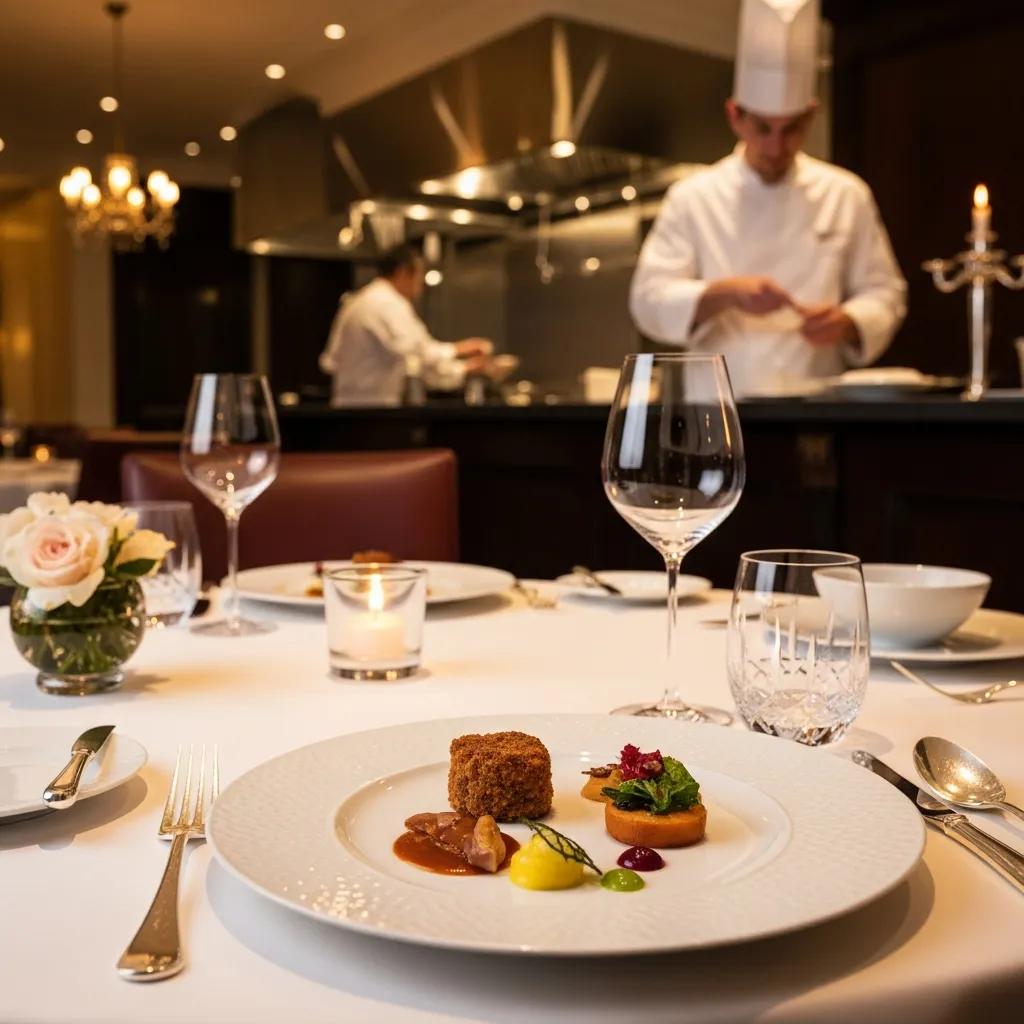
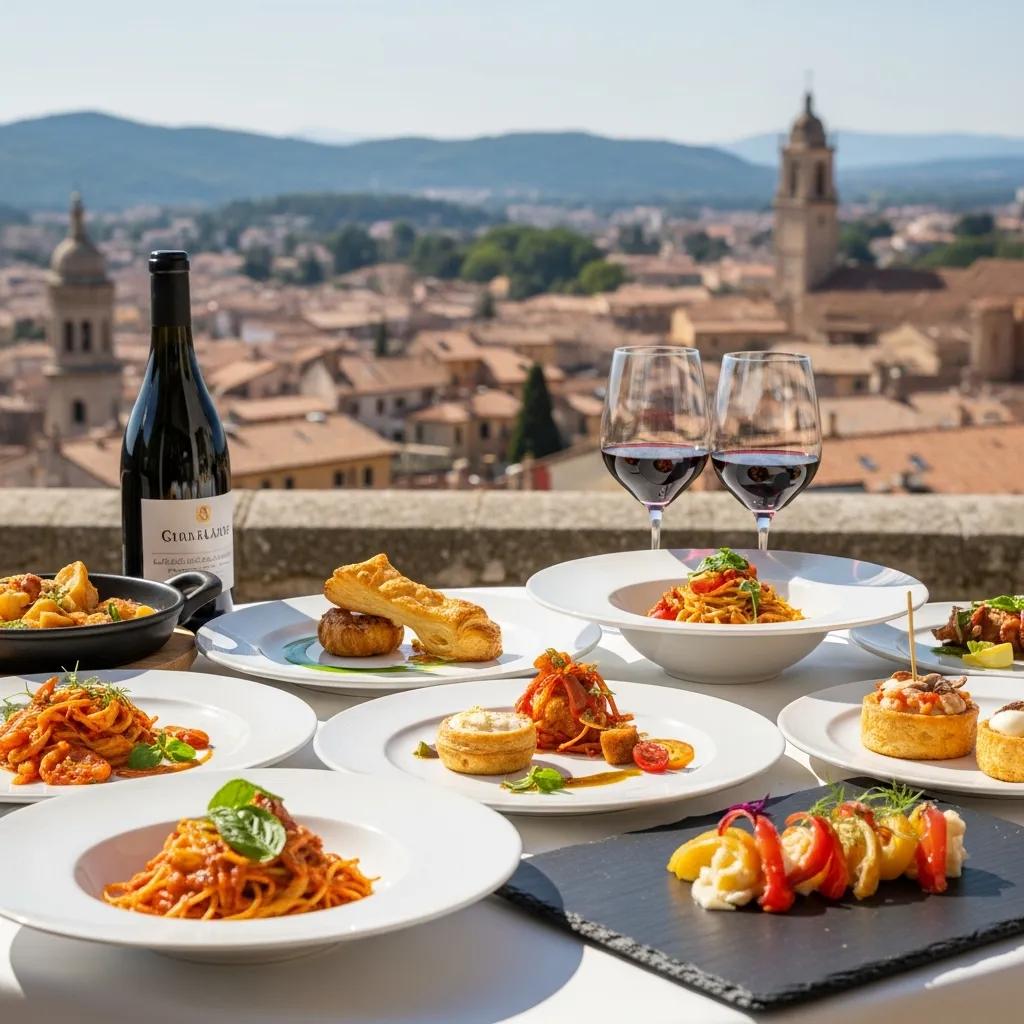
Several cities are renowned for their concentration of gourmet craft, ranging from long-established traditions to cutting-edge tasting menus. Paris mixes pâtisserie, charcuterie and Michelin gastronomy with lively markets and intimate wine bars that reward slow exploration. Lyon remains the heart of classic regional French cuisine; San Sebastián and Barcelona anchor Basque and Catalan small-plate cultures. Tuscany and Piedmont invite winery immersion and truffle feasts, while Copenhagen and Amsterdam champion modern Nordic seasonality and foraged ingredients. Each city maps a clear path from market stalls to celebrated chef’s tables that you can plan around.
What Signature Dishes and Ingredients Define Europe’s Culinary Hotspots?
Signature dishes and prized ingredients anchor itinerary timing and deepen the travel narrative. Truffles in Piedmont and Tuscany shape autumn visits; shellfish and coastal seafood guide Mediterranean routes; French pâtisserie and charcuterie showcase technique and regional identity. Seasonal harvests and specialty products — artisanal cheeses, cured ham, single-vineyard wines — help decide where and when to go. Planning around these emblems turns a route into a curated exploration of terroir and culinary heritage.
An at-a-glance comparison of top European culinary destinations and the experiences that make each essential.
Planning a Luxury European Food Tour
Planning a luxury food tour is a sequence of research, prioritization and early bookings, centered on seasonal specialties and time-sensitive activities. Start by mapping regions where your chosen ingredients peak, then allocate days for markets, wineries and at least one chef-led tasting in each major stop. Budget for tasting menus, private tours and premium transport, and build in downtime so you can savor discoveries instead of racing between meals. The checklist below gives a practical step-by-step for assembling a relaxed, rewarding itinerary.
Essential Steps to Organize a Gourmet Travel Itinerary
Putting together a gourmet itinerary means setting priorities, syncing your dates with harvests and events, and locking reservations for high-demand experiences well in advance. Research the specialties you want to see, then create a geographic route that minimizes travel and maximizes variety. Book signature experiences — Michelin tables, truffle hunts, cellar visits — months ahead, and leave buffer days for markets and spontaneous finds. Thoughtful pacing ensures each stop offers both authentic local contact and luxurious tasting moments.
Practical checklist for planning a luxury food tour:
- Research the ingredients and seasonal windows that match your interests.
- Map a route that clusters complementary regions to cut down travel time.
- Reserve high-demand experiences (chef’s tables, truffle hunts, cellar tours) several months in advance.
- Build in downtime for markets, casual meals and unplanned local events.
Following this checklist helps secure rare spots while preserving a relaxed pace for deeper culinary immersion.
Which Luxury Experiences Should You Include?
A luxury itinerary mixes immersive, exclusive and educational moments to create a layered gastronomic story. Prioritize Michelin or tasting-menu dinners, private winery or cellar tours, hands-on classes with local chefs and guided market excursions that reveal sourcing and provenance. If you want a chef-led tasting experience without leaving home, seek out local counterparts that mirror the curation and intensity of European chef’s tables. These elements link production to plate and elevate the journey.
Luxury experiences to prioritize:
- Private chef’s tables that expose technique and seasonal sourcing.
- Truffle hunts and guided harvests for hands-on discovery.
- Private winery tastings with cellar access for deep oenological context.
- Market and producer visits paired with small-group tastings to learn provenance.
Choose the categories that match your interests—technique, ingredients or wine—to shape a personalized route.
A quick planning reference for typical durations, costs and booking guidance for high-end experiences.
What Makes European Gastronomic Journeys Distinct
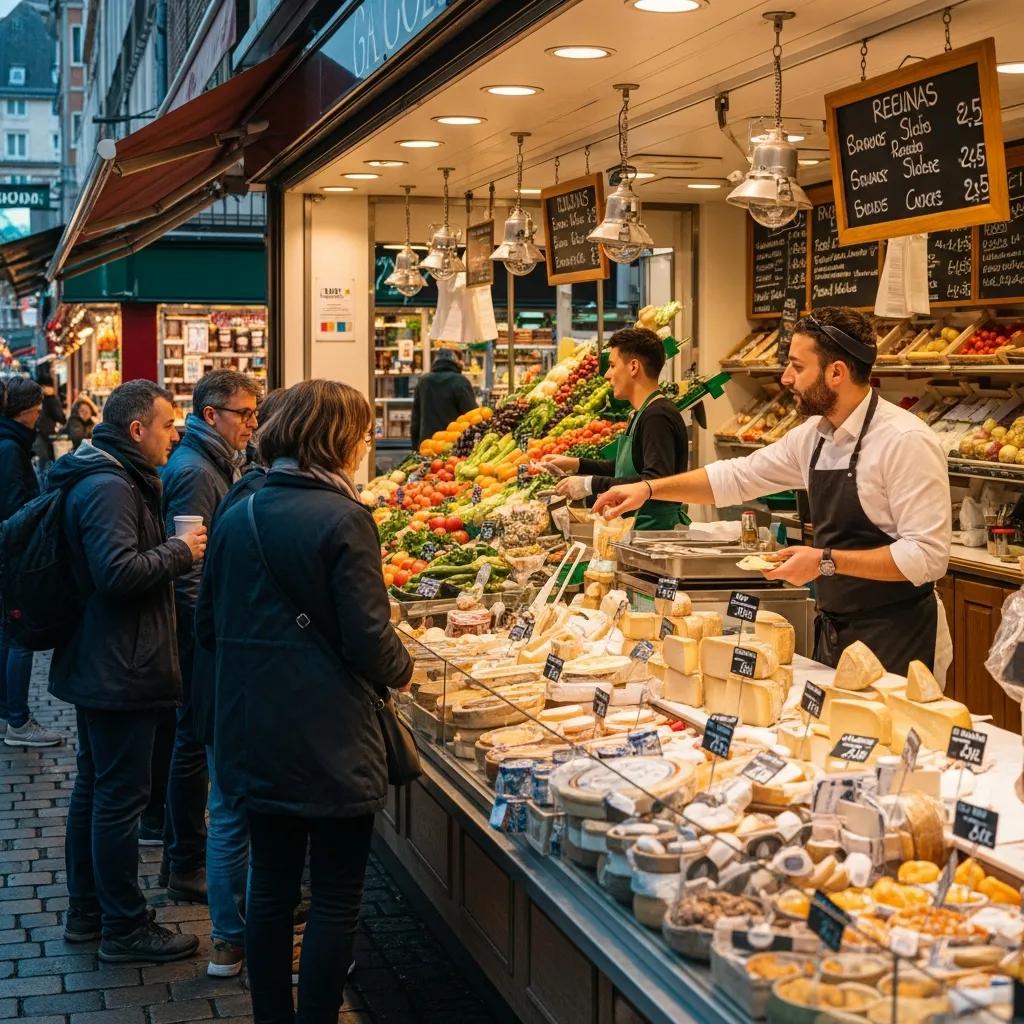
European culinary travel blends long food histories, protected terroirs and an institutional ecosystem — markets, producers and restaurants — that sustain high-end dining. Appellation systems and focused producers embed provenance into the travel story, while culinary guides and awards concentrate demand for exclusive reservations. The balance of tradition and modern technique, plus direct access to small producers and knowledgeable sommeliers, makes Europe ideal for memory-rich food journeys. Knowing these forces helps you design trips that honor authenticity while delivering elevated tasting experiences.
How Do Michelin Restaurants and Local Traditions Enhance Road Trips?
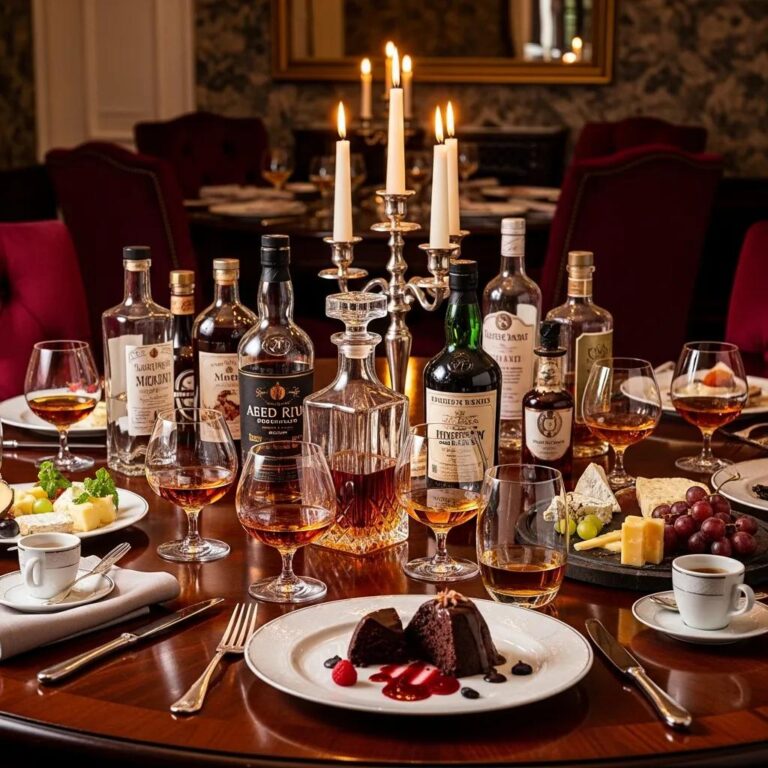
Michelin-starred kitchens elevate regional ingredients through disciplined technique and narrative tasting menus, reframing familiar products in refined forms. These restaurants typically require advance booking and often serve set sequences that highlight local producers. Equally important are local traditions — market culture, street food and family producers — which provide the authenticity and provenance that inform high-end menus. Blending both strands creates a layered itinerary that respects regional foodways while celebrating modern culinary expression.
The prestige and exacting standards of Michelin establishments are a major draw for many travelers planning European food routes.
Michelin Star Restaurants in Europe: A Review of Fine Dining and Tourist Experience
Tourism has steadily grown in recent decades, and restaurants increasingly enrich the visitor experience. This review surveys literature linking tourism and dining, noting that travelers often prioritize restaurants when visiting destinations. It explains the historical development of the Michelin Guide, the criteria for star grading and the anonymity of inspectors. The paper compiles data on star distribution by country, menu pricing and comparisons of restaurant offers, using official restaurant pages and guide sources. It concludes by discussing structure, similarities and opportunities for fine-dining ventures in regions such as the Balkans.
Which Wine Regions and Specialty Ingredients Are Worth Exploring?
Wine regions anchor many gourmet routes by offering landscape context and curated tasting opportunities via appellations and cellar visits. Prioritize Bordeaux, Tuscany, Piedmont and Rioja for classic varietals and estate experiences; Champagne and Mosel for sparkling and terroir-driven whites. Specialty ingredients — truffles, salumi, artisanal cheeses and coastal sea urchin — shape seasonal timing and suggest paired activities. Aligning your schedule with these regions and ingredients deepens engagement with the agricultural systems behind fine dining.
This section explains how terroir and accolades influence travel choices and helps you align timing with regional specialties.
How to Translate European Culinary Travel into Local Dining Experiences
To bring European culinary lessons home, focus on the mechanics that define those trips: curated tasting sequences, premium ingredients and chef-led storytelling. Look for omakase counters, chef’s tables and prix-fixe tasting menus that emphasize provenance and deliberate progression. When a local restaurant sources rare ingredients or designs a tightly curated tasting, it can deliver the concentrated narrative of a European chef’s table without the travel. The table below maps European moments to local equivalents to help you find meaningful parallels close to home.
Designing luxury tourism products often involves balancing respect for local traditions with the desire to “luxurify” experiences, a tension explored in tourism studies.
Luxury Food Tours: Challenges and Perspectives in Developing High-End Tourism Products
This study examines the Kras/Carso Food Tour to illustrate challenges in crafting a luxury tourism product. The tour aligned with the Slovenian Tourist Board’s criteria for luxury experiences. Framed by experiential tourism trends, the paper contrasts bottom-up and top-down views and argues that expert mediation — combining academic insight and local knowledge — benefits development. The study contributes to debates on luxury tourism by highlighting overlooked local perspectives and the dilemmas of adapting heritage practices for high-end markets.
What Pasadena’s Kaviar Restaurant Shows About Japanese Fine Dining
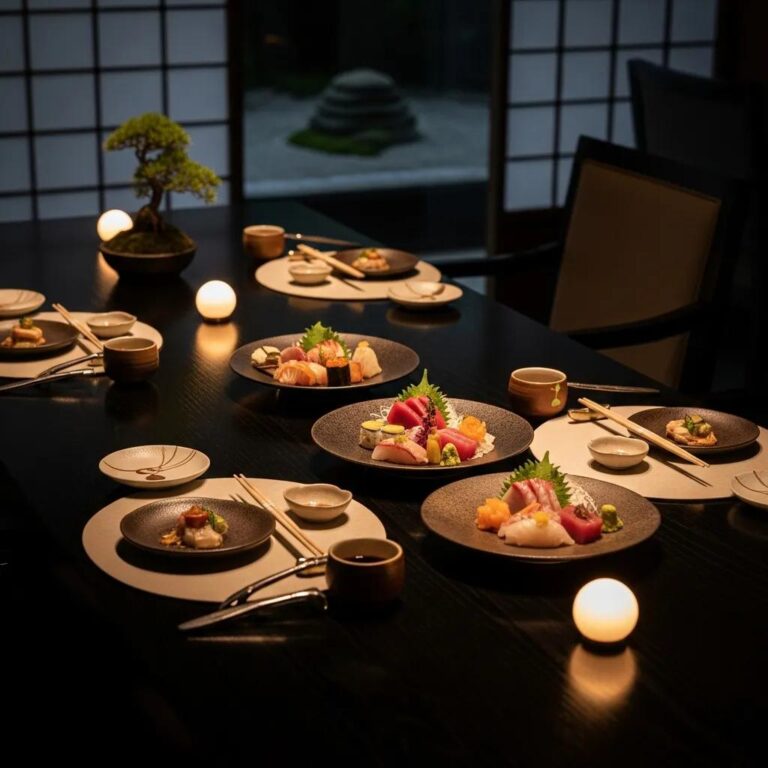
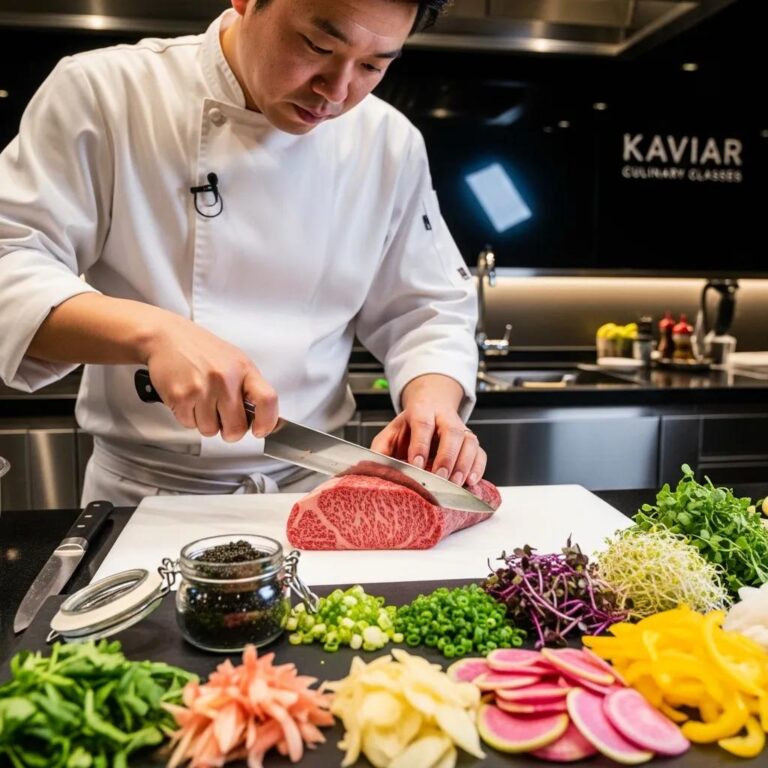
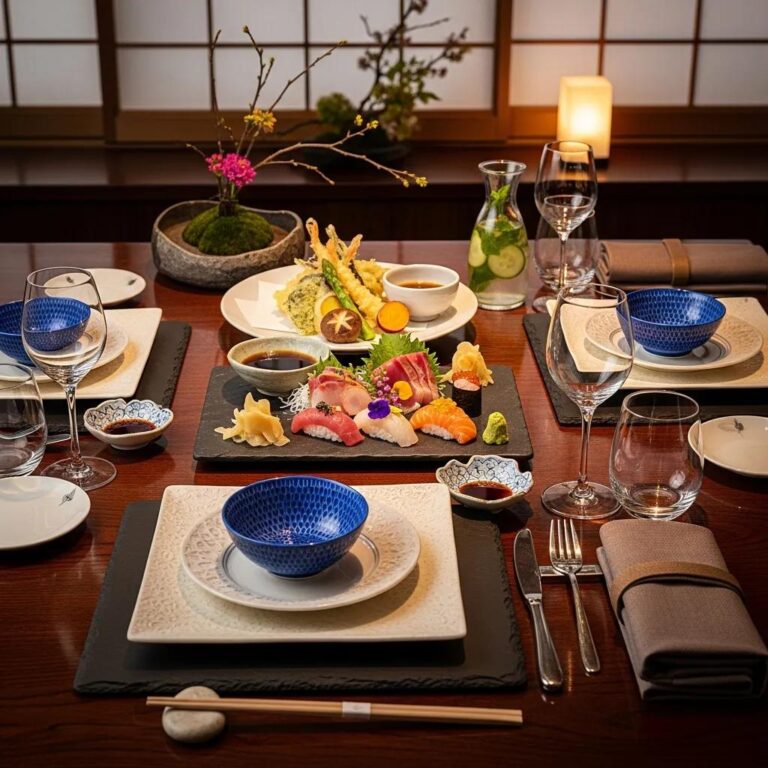
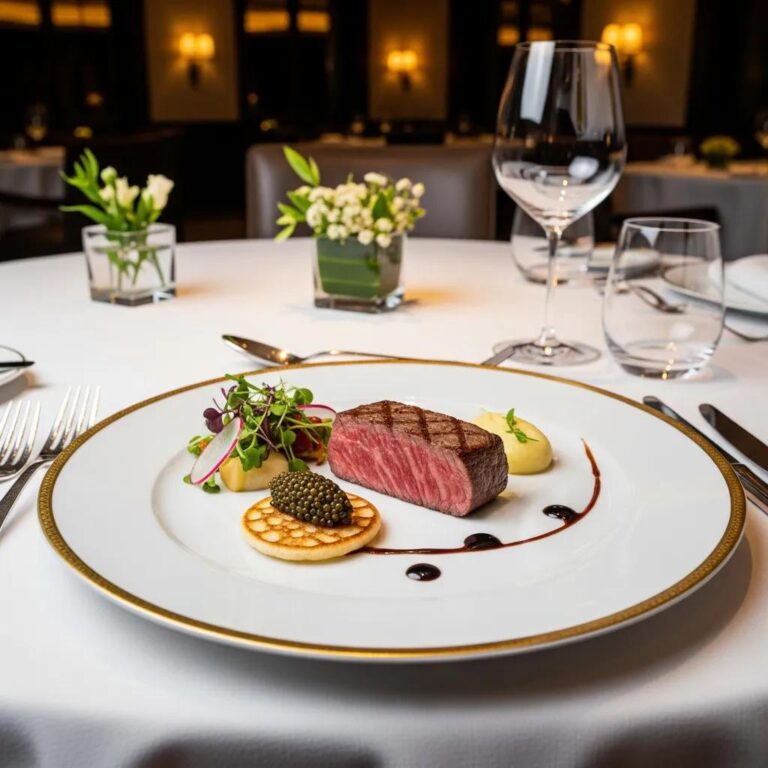
Kaviar Restaurant in Pasadena offers focused chef-led tasting formats that mirror the curation travelers seek on a gastronomic route. Their menus feature premium ingredients — Kaluga caviar, Miyazaki A5 Wagyu, uni and Bluefin tuna — presented within omakase and tasting sequences that highlight provenance and technique. For readers inspired by European food tours, Kaviar is a nearby analogue where course progression, ingredient storytelling and attentive service recreate that ritualized tasting experience. Reservations are available by phone and through major platforms; consult the menu and booking channels on the restaurant website for details.
Below is a comparison to help readers seeking similar luxury dining locally.
How Do Omakase, A5 Wagyu and Caviar Demonstrate Culinary Excellence?
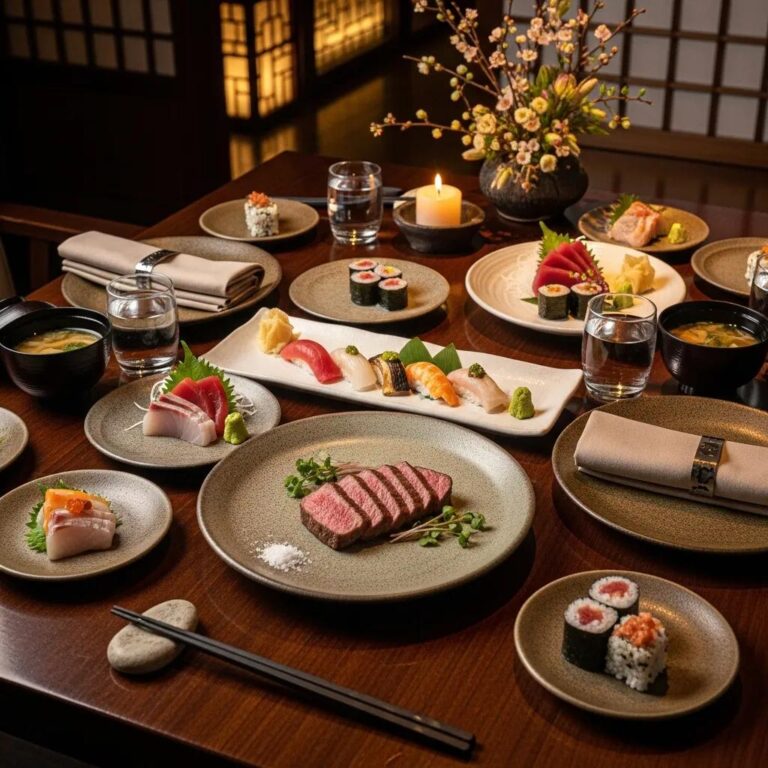
Omakase entrusts menu sequencing to a skilled chef, creating an intimate progression of flavors and textures that highlights seasonality and technique. Miyazaki A5 Wagyu is prized for its marbling and buttery mouthfeel, served in small, deliberate portions within tasting formats. High-grade caviar, like Kaluga, signals rarity and delivers briny complexity — ideal with sparkling wine or sake. Together, these elements represent the pillars of global fine dining: provenance, rarity and chef curation that travelers chase on gourmet road trips.
This framing connects each premium element to the broader fine-dining practices local restaurants can emulate.
Top Tips for Maximizing Your Gourmet Travel Experience
To get the most from a gourmet trip, combine careful booking with relaxed pacing and an openness to both structured luxury and street-level authenticity. Prioritize flagship reservations, plan around seasonal specialties, and leave time for markets and smaller producers that often shape chef menus. Communicate dietary preferences early and choose transport that conserves tasting time. The lists below summarize practical frameworks for balancing authenticity with luxury and for booking sought-after experiences.
Balancing Authenticity, Luxury and Personalization on Your Trip
Balance authenticity and luxury by alternating immersive, low-key experiences with refined, chef-led meals. Pair market tours and family-run producer visits with tasting menus to appreciate both provenance and technique. Personalize the trip around one or two deep-dive themes — wine, truffles or seafood — and stack nearby activities that reinforce that focus. This hybrid approach preserves a narrative arc while ensuring the sensory variety that makes gourmet travel memorable.
Practical framework for balance:
- Alternate market or street-food days with Michelin or tasting-menu evenings.
- Choose a single thematic focus per region to deepen knowledge without overpacking your schedule.
- Leave flexible time for local recommendations and seasonal events.
These approaches respect local traditions while enabling indulgent, curated dining moments that define luxury travel.
Best Times and Ways to Book Exclusive Tours and Fine Dining
Booking lead times vary: Michelin and chef’s-table reservations often require months’ notice, while private winery visits and truffle hunts should be scheduled weeks to months ahead for peak season. For last-minute openings, contact restaurants and estates directly to ask about cancellations or smaller counter seats. Locally, many high-end restaurants accept reservations through major platforms or by phone — useful when you want to recreate travel momentum at home. A proactive booking calendar and clear communication with hosts will secure access to high-demand and private experiences.
To translate travel momentum into immediate local dining, use direct phone reservations or mainstream platforms to lock in chef-led experiences; Kaviar Restaurant accepts reservations by phone and through mainstream reservation services, with tasting formats outlined on their menu.
Where to Find Resources and Inspiration for Your Route
Authoritative travel guides, specialty food magazines and culinary tour operators provide itineraries, seasonal calendars and producer contacts essential for planning. Combine editorial sources with mapping tools and local foodie communities to get vetted recommendations and up-to-date on-the-ground tips. Use long-form features for context, forums for recent intelligence, and social platforms to spot trending producers and pop-ups. Together, these resources refine routes, prioritize bookings and ensure your plans match current culinary calendars.
Which Guides, Blogs and Magazines Offer the Best Insights?
Specialized editorial outlets offer research-backed itineraries, regional features and chef interviews that illuminate history and contemporary trends. Pair classic travel and food magazines for deep context with niche blogs for insider market and producer tips. Mixing high-quality journalism with first-person accounts from foodie communities produces a balanced research approach for timing, transport and reservation choices. These resources are invaluable when prioritizing destinations and deepening culinary knowledge before you travel.
Using Maps, Itineraries and Foodie Communities to Improve Your Plan
Mapping tools and shared itineraries turn concepts into practical routes, showing travel times, producer locations and market days that affect scheduling. Use templates as starting points, then adapt them for your pace and interests. Engage foodie communities for real-time updates on pop-ups, harvests and reservation openings. Collaborative planning validates choices and uncovers local contacts that can unlock private experiences and insider access. Combining maps, editorial research and community knowledge turns inspiration into an executable gourmet itinerary that balances logistics with culinary ambition.
Frequently Asked Questions
What should I consider when choosing a culinary road-trip route in Europe?
Prioritize seasonal availability, signature regional specialties and the range of dining experiences available. Research local markets, standout restaurants and unique food traditions. Factor in travel time between stops so you can taste more and rush less. A mix of high-end dinners and casual local eateries deepens your understanding of a region’s gastronomy.
How can I secure reservations at popular restaurants?
Book as far ahead as possible — many Michelin-starred and high-demand restaurants fill months in advance. Use online booking platforms, restaurant websites or direct calls. Consider dining at off-peak times or weekdays to improve your chances, and remain flexible with dates when possible.
What local experiences should I include in my itinerary?
Add market tours, cooking classes and food workshops to engage directly with chefs and producers. Truffle hunts and vineyard visits offer hands-on learning about regional ingredients. Seek out street vendors and family-run spots for authentic flavors and memorable encounters.
How do I balance high-end dining with local food experiences?
Alternate refined, chef-led evenings with low-key market days and family-run meals. This contrast highlights both technique and tradition and provides context for the tasting menus that often reflect local producers and flavors.
Any tips for maximizing culinary experiences while traveling?
Plan ahead but stay flexible. Align your trip with seasonal specialties and local events, leave room for spontaneous finds, and ask locals for recommendations. Keep an open mind and be willing to try unfamiliar dishes — those moments often become the trip’s highlights.
How do I find culinary events or festivals during my trip?
Check regional food calendars, social media, local tourism sites and food blogs. Join foodie communities and forums for insider tips, and stop by visitor centers on arrival for brochures and current event listings.
Conclusion
A European culinary road trip is an elegant balance of luxury and authenticity — tasting rooms and chef’s tables alongside markets and family producers. By planning around seasonal specialties and signature dishes, you can build a memorable, sensory-rich itinerary that highlights each region’s best. Explore our curated recommendations and resources to refine your plans, then begin the journey: discover Europe’s flavors with intention and taste.