



The Art of Water Pairing: A Practical Guide to Elevating Flavors
At Kaviar, we treat water as an intentional ingredient. Water pairing is the deliberate selection of still, sparkling or mineral waters to support, clarify or contrast a dish’s flavors and textures — especially in fine Japanese dining. A water’s mineral profile, pH, total dissolved solids (TDS), carbonation and mouthfeel interact with salt, acid, fat and umami to reshape how a bite reads on the palate. This guide covers how water pairing works, why it matters for sashimi, A5 Wagyu and caviar, and easy-to-follow rules you can use at the restaurant or at home. Thoughtful water choices preserve delicate seafood notes, cut through fat and amplify savory minerals without the aromatic interference alcohol can introduce. Below you’ll find pairing principles, comparative TDS/pH/carbonation references, recommended bottles linked to signature dishes, the role of a water sommelier, an explanation of terroir, and practical steps for enjoying a curated water program.
What Is Water Pairing and Why Does It Enhance Food Flavors?
Water pairing means selecting waters with defined physical and chemical qualities to shape flavor perception. Mineral content, acidity and carbonation change mouthfeel and the release of aroma and taste compounds: low-TDS, neutral waters preserve fragile aromatics; mid-to-high TDS waters can accentuate savory, mineral notes; carbonation mechanically lifts fat and refreshes the palate. The result is clearer flavors, better sequencing across courses and a cleaner tasting slate that supports the chef’s intent. In short: water is not an invisible backdrop — chosen with purpose, it becomes a precise, low-calorie partner that elevates fine dining.
How Does Water Pairing Differ from Wine Pairing?
Water pairing differs from wine pairing in intent and effect. Wine brings aroma, alcohol, acidity and tannin; water’s influence is mineral and physical. Wine can enhance or contrast flavors through aromatics and structure, but those same qualities can overwhelm delicate seafood. Water, by contrast, preserves nuance and acts as a palate tool between bites or courses. For instance, a neutral still water keeps sashimi’s subtle sweetness intact in ways a fragrant white wine may not. In many omakase sequences we use water alongside sake or wine, alternating sips to reset the palate and let each course speak.
What Are the Benefits of Pairing Water with Japanese Fine Dining?
In Japanese fine dining, texture, temperature and purity of flavor are everything. Low-interference waters let natural salinity and fat register on the tongue; mineral-forward waters can gently amplify umami in broths or aged sauces. Sparkling water provides mechanical refreshment when the menu moves to richer bites like A5 Wagyu, preserving sequence integrity in an omakase. These effects respect the chef’s pacing and ensure each course is experienced as intended.
How Do Different Types of Water Complement Various Foods?
Still, sparkling and mineral waters each bring distinct sensory tools. Still waters with low mineral content protect delicate flavors and are ideal for raw seafood. Sparkling waters use effervescence to lift fat and reset the palate, making them useful with richer meats and saucy dishes. Mineral waters, with higher TDS, add savory weight and can reinforce salt and umami — helpful with caviar and concentrated sauces. Below is a concise comparison of the main water types and their culinary uses.
Different water types and their attributes:
What Are the Characteristics of Still Water for Delicate Japanese Dishes?
Still waters chosen for delicate Japanese dishes have low TDS and a neutral to slightly alkaline pH, offering a soft, unobtrusive mouthfeel that preserves subtle aroma and texture. Low mineral interaction leaves umami and natural salinity unmasked, so toro, hirame or uni read clearly. Serve slightly chilled (cool but not icy) to maintain contrast without dulling sensitivity, and use glassware that minimizes distracting aromatics. These details protect fragile flavors and reinforce the chef’s intended tasting order.
How Does Sparkling Water Enhance Rich Omakase and A5 Wagyu Flavors?
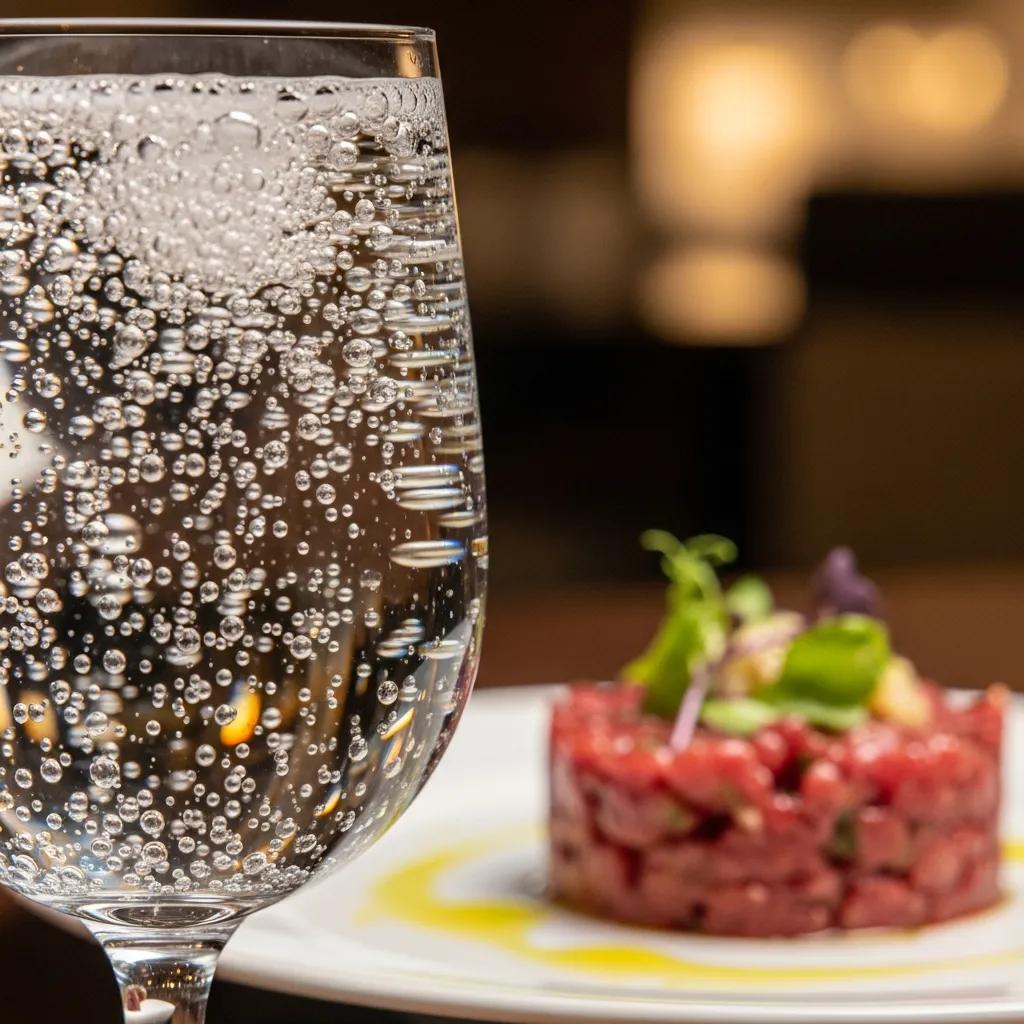
Sparkling water helps with richer omakase courses and A5 Wagyu by using effervescence to lift fat and refresh the palate. Bubbles dislodge residual lipids and increase saliva, accelerating flavor reset and reducing lingering heaviness. Match carbonation to the dish: gentle effervescence for silky tartares, firmer bubbles for heavier sauces or fried elements, so texture isn’t overwhelmed. Properly sequenced, a sip of sparkling water restores clarity, allowing marbling and secondary seasonings like soy or yuzu to register anew.
Why Is Mineral Water Ideal for Caviar and Umami-Rich Foods?
Mineral waters with higher TDS and specific ionic profiles interact with salt and umami to enrich savory perception and mouthfeel. Minerals such as calcium, magnesium and bicarbonate can emphasize saline notes and add a rounder midpalate — a fine match for the briny, buttery character of good caviar. Choose medium-to-high TDS waters in small pours, chilled, so their mineral signature highlights rather than overpowers roe or concentrated broths.
Which Premium Waters Does Kaviar Recommend for Its Signature Dishes?
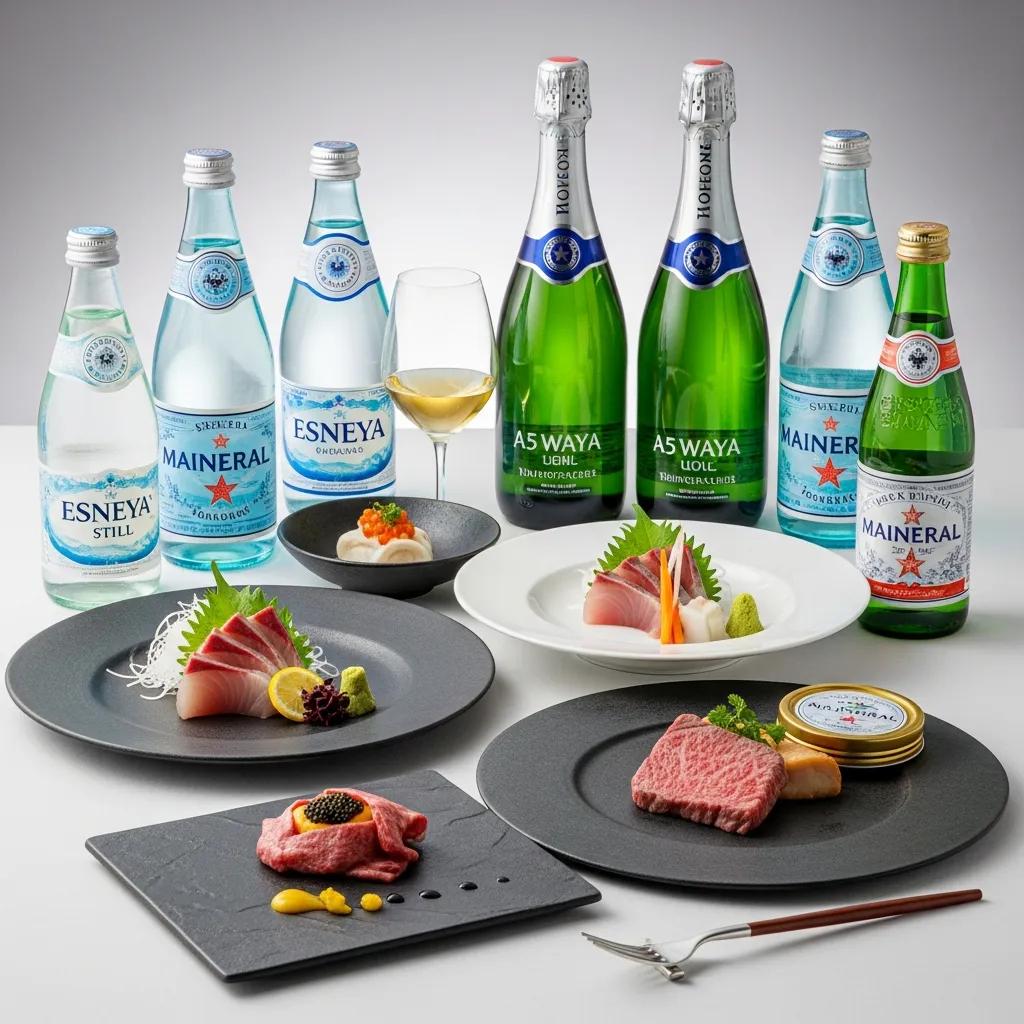
Kaviar curates water selections as part of the dining narrative, aligning specific bottles to omakase courses to preserve flavor integrity and improve sequence clarity. Water is not an afterthought here: still, sparkling and mineral options appear in service notes and may be paired in parallel with wine or sake. For a dedicated water pairing, ask about our curated list when making reservations or reviewing the menu; our sommelier will match bottles to each course. Below is a practical table of recommended premium waters mapped to common Kaviar dishes and tasting goals.
What Are Kaviar’s Curated Still Water Selections for Sashimi and Light Courses?
Our still-water selections prioritize soft, low-mineral profiles to protect fragile aromatics and texture in sashimi and light preparations. These waters are presented slightly chilled and poured modestly to support tasting without dilution. The logic is simple: low TDS and neutral-to-alkaline pH minimize interference with fatty acids and natural salinity. For diners seeking an elevated non-alcoholic option, our still-water pairing honors the chef’s restrained seasoning and ingredient focus.
How Do Sparkling Waters Pair with A5 Wagyu Tartare and Omakase?
For A5 Wagyu tartare and richer omakase plates we recommend sparkling waters with gentle to moderate carbonation to cut fat and refresh the palate between bites. Front-of-house tailors carbonation suggestions by course — softer bubbles for silky tartares, firmer effervescence for heavier sauces or tempura — keeping texture balanced. The contrast between a bite of Wagyu and a sip of sparkling water clarifies marbling and lets subtle seasonings reappear. Guests may request a sparkling pairing when booking to ensure availability.
Which Mineral Waters Best Complement Kaviar’s Caviar Service?
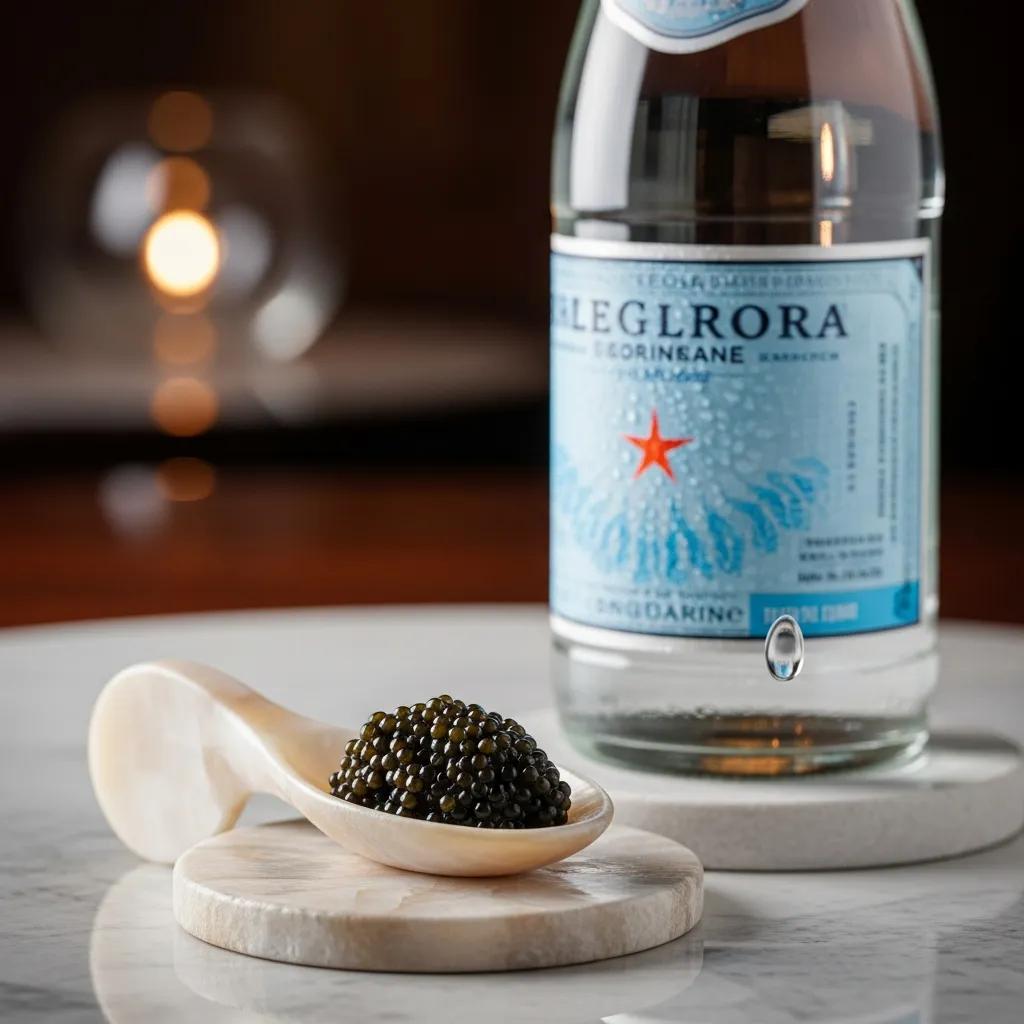
We pair caviar with mineral-rich waters that reinforce saline and umami character without adding competing aromatics. Medium-to-high TDS options are chosen for mouthfeel and mineral harmony, providing a rounder midpalate and a clean finish that elevates brininess and the delicate butteriness of premium roe. Pours are intentionally small to emphasize sequencing and avoid palate fatigue; often we suggest tasting the roe first, then following with the mineral water to notice the amplification effect. The full water pairing can be added to your reservation for a deeper sensory exploration.
How Can a Water Sommelier Elevate Your Dining Experience at Kaviar?
A water sommelier is a specialist who evaluates mineral composition, carbonation, pH and mouthfeel to recommend waters that enhance specific dishes — extending the beverage program beyond wine and sake into a considered tasting discipline. At Kaviar, the sommelier tastes bottles alongside dishes, advises on serving temperature and glassware, sequences pours to support a multi-course progression, and collaborates with the chef as menus evolve. Their role turns water from a background element into a deliberate tool that sharpens flavor perception and supports the omakase narrative.
What Is a Water Sommelier and What Do They Do?
A water sommelier trains to read waters sensorially and technically: tasting mineral signatures, assessing pH and carbonation, and translating those qualities into practical pairing notes. Responsibilities include sourcing bottles, running tasting trials with the culinary team, training service staff, and presenting pairings to guests with clear, concise guidance. During service the sommelier times pours and suggests sip-and-bite sequences that reveal intended contrasts or congruences. The role blends sensory acuity, water chemistry knowledge and accessible communication.
How Does Kaviar’s Water Sommelier Curate Perfect Water Pairings?
Our curation process starts with dish analysis — identifying dominant taste drivers (fat, salt, acid, umami) and textural priorities — then moves to tasting trials where candidate waters are tested in sequence with the actual plates. The sommelier selects waters that either mirror a dish’s mineral tone for congruence or contrast through carbonation to cleanse the palate; each choice is validated across multiple bites. In an omakase, sequencing is synchronized so each water pour supports the narrative flow, prevents palate fatigue and preserves the chef’s intended finish. Guests may request customizations at booking for dietary needs or personal preferences.
How Does Water Terroir and Mineral Content Influence Flavor Pairings?
Water terroir describes how a source’s geology imparts mineral signatures that shape taste and mouthfeel. Those terroir-driven traits influence pairing by altering perceptions of salt, sweetness and texture: volcanic aquifers often yield higher mineral complexity and perceived weight; alpine springs tend to be softer and more neutral. Understanding terroir helps sommeliers and chefs select waters that complement local ingredients or underscore a dish’s provenance. Translating technical measures like pH and TDS into sensory rules creates consistent, repeatable pairing decisions.
An EAV table illustrating terroir effects:
What Is Water Terroir and Why Does It Matter in Food Pairing?
Water terroir is the sum of geological and environmental influences — rock type, soil, aquifer flow — that shape a water’s mineral composition and subtle flavor. Those small differences change how food reads when paired: a rounded midpalate, a bright finish or a slight metallic lift can either support or conflict with a dish’s dominant element. Chefs and sommeliers use terroir to reinforce a plate’s regional character or to create revealing contrasts, making pairing choices intentional and repeatable.
How Do pH and Total Dissolved Solids Affect Water’s Taste and Pairing?
pH and TDS are technical measures that translate directly into sensory effects: pH influences perceived acidity and brightness; TDS measures dissolved minerals that add body and flavor weight. Slightly alkaline waters soften acidic bites and round the midpalate; lower pH waters can accentuate citrus or vinegared components. Higher TDS increases perceived minerality and fullness, useful for amplifying umami; very low TDS preserves subtle sweetness and delicacy. Simple rules follow: low-TDS still water for sashimi; medium-TDS mineral water for caviar; gentle carbonation for fatty cuts — these guidelines produce consistent results.
How Can You Experience and Book Kaviar’s Water Pairing Journey?
Begin your water pairing experience by submitting a reservation request and noting interest in the sommelier-guided water sequence so we can allocate bottles and plan pacing. During booking, tell us any menu preferences or non-alcoholic pairing requests to help curate the selection. On the evening of service expect a short introduction from the sommelier and small, timed pours coordinated with each course; the pairing can accompany the omakase or be added as an optional supplement. For private events or larger groups, notify us in advance so we can prepare a focused water tasting and ensure bottle variety.
How to Reserve a Table to Enjoy Kaviar’s Water Pairing Menu?
When reserving, indicate your interest in a water pairing or sommelier-guided tasting so staff can confirm availability and hold specific bottles. Share any dietary restrictions or preferences so the sommelier and chef can tailor pairings and sequencing. If you want a private tasting or an expanded water menu, request it with lead time for procurement and planning. Early communication helps the water program complement your chosen omakase and ensures a seamless service.
A simple step list for booking and preparing for the experience:
- Request water pairing at reservation: Note the water pairing or sommelier-guided option when booking your table.
- Share preferences and restrictions: Provide dietary notes so pairings and sequence can be tailored.
- Confirm special arrangements: Ask about private tastings or extended water selections in advance.
Where Can You Learn More About Water Pairing at Kaviar?
We offer multiple ways to learn about water pairing: in-service introductions from the sommelier, special tasting events and menu notes that explain pairing rationale. Attend a scheduled pairing or ask for a sommelier overview during service to hear direct explanations and taste comparisons that illuminate different waters’ effects. For those who want deeper education, request tasting notes during your meal and inquire about upcoming sessions that focus on pairing technique. A conversation with our sommelier can turn a single dinner into a focused sensory lesson on how water shapes culinary perception.
Frequently Asked Questions
What role does temperature play in water pairing with food?
Temperature changes how we perceive both food and water. Slightly chilled still water enhances the freshness of sashimi without numbing the palate; warmer service temperatures can emphasize mineral notes in sparkling or mineral waters. Serving temperature is a simple but effective tool to reveal the full range of flavors the chef intends.
Can water pairing be applied to casual dining settings?
Yes. While prominent in fine dining, the same principles apply at home or in casual restaurants. Choose a sparkling water to refresh the palate with a rich pasta, or a soft still water to let a light salad’s flavors come through. Thoughtful choice, not ceremony, is the key.
How can I choose the right water for my home-cooked meals?
Match the water to the dish’s profile. Use low-TDS still water for delicate fish or salads; select sparkling water to cleanse the palate after fatty dishes; try mineral-rich waters to underscore umami in savory recipes. Small experiments will reveal combinations you prefer.
What should I look for in a water sommelier?
Look for someone who combines sensory training with technical knowledge of mineral composition, carbonation and pH, and who can translate those factors into clear pairing advice. Experience with tasting trials and front-of-house communication are important — the right sommelier makes recommendations that enhance the meal without unnecessary complexity.
Are there specific brands of water that are recommended for home use?
Brand choice depends on the dishes you serve. Acqua Panna’s soft, low-mineral profile suits delicate seafood; S. Pellegrino’s gentle effervescence works well with richer plates; Hildon and similar mineral waters pair with savory cooked courses. Try a few to find the profiles you like most.
How does water pairing impact the overall dining experience?
Water pairing sharpens flavor perception and improves palate clarity. The right waters complement or contrast food in ways that let diners appreciate the chef’s intent more fully, refresh the palate between bites and highlight nuances that might otherwise be lost. Treating water as part of the menu opens new dimensions of flavor and texture.
Conclusion
Water pairing is a quietly powerful tool that refines the dining experience. By understanding the roles of still, sparkling and mineral waters, and by engaging a knowledgeable sommelier, diners can better appreciate a chef’s intention and the subtleties of each course. Explore our curated selections and let water become an active, revealing part of your next meal at Kaviar.