




The Science of Taste & Smell — How Flavor Comes to Life
Flavor is what we experience when taste and smell combine to create the memorable foods and drinks that shape our preferences. On the tongue, taste receptors register the fundamental channels—sweet, sour, salty, bitter and umami—while the nose detects thousands of volatile aroma compounds. The brain weaves those chemosensory signals into a single, meaningful perception that guides what we crave and how we judge a dish. This article walks through how taste and smell interact, the neural circuits that bind them, and practical ways diners can use sensory science to deepen enjoyment. You’ll learn the five basic tastes, the role of retronasal smell, how regions like the insula and orbitofrontal cortex form value judgments, and why umami is central to savory richness. We translate research into fine-dining practice with examples from premium Japanese cuisine—showing how ingredient choice, texture, aroma layering, and sequencing shape the experience—and offer hands‑on tips for savoring an omakase, coping with sensory loss, and how ambiance shifts perceived flavor so you can taste with intention.
How Do Taste and Smell Work Together to Create Flavor?
Flavor arises when taste receptors detect basic taste qualities while olfactory receptors sample volatile molecules—especially retronasally, as aromas travel from the mouth to the nose during eating. Tastants activate receptors on the tongue; meanwhile, aroma compounds released in the mouth move retronasally to the olfactory epithelium, expanding the palette of perceptible cues and producing layered, complex flavors. The advantage of this two-part system is clear: a handful of taste channels combined with thousands of aromatic notes yields a rich sensory vocabulary that chefs can sculpt through technique and plating. Knowing how these systems cooperate helps diners notice subtle details in fine dishes and helps chefs design progressions that reveal flavor in stages.
What Are the Five Basic Tastes and Their Roles in Flavor?
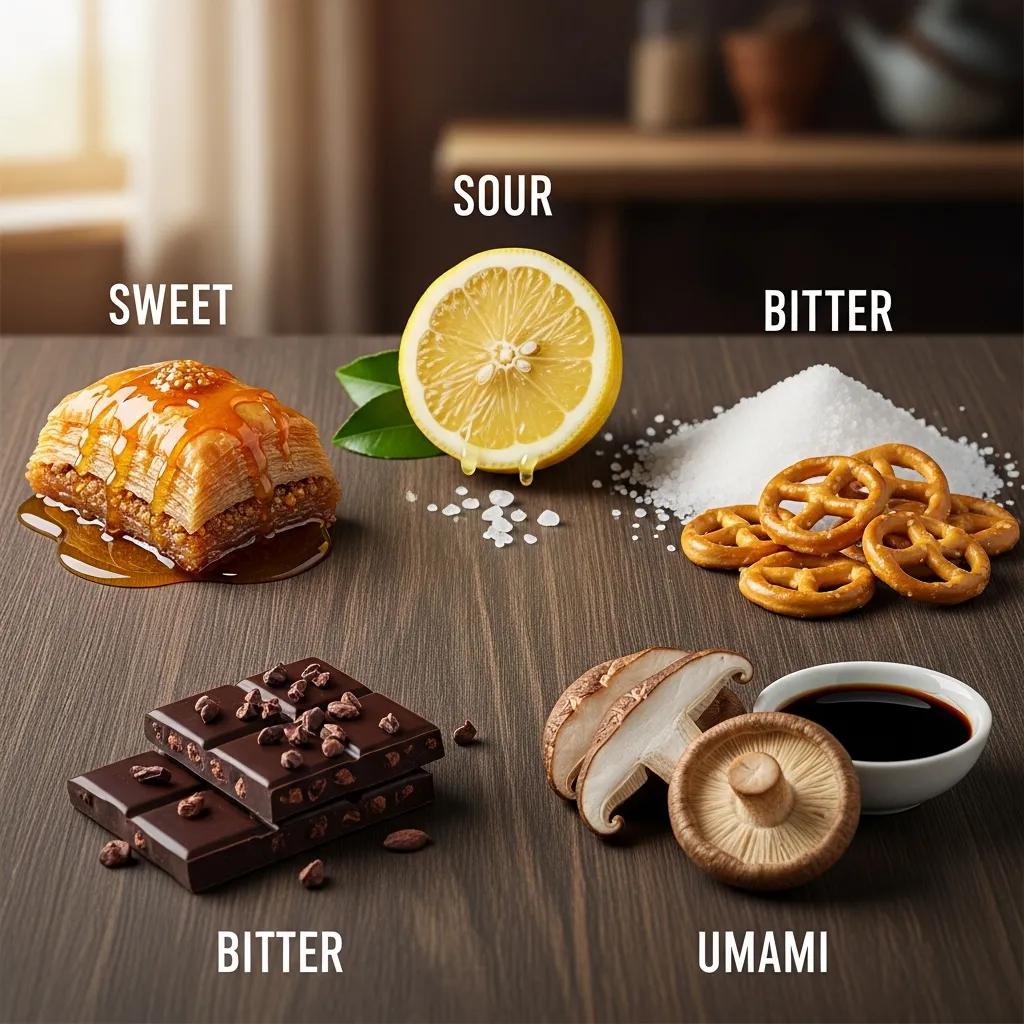
The five basic tastes—sweet, sour, salty, bitter and umami—are distinct gustatory signals detected by specialized receptors. Chefs use them as building blocks to balance and amplify dishes: sweet rounds and harmonizes, sour brings brightness and cuts through richness, salt amplifies and improves mouthfeel, bitter adds contrast and complexity when restrained, and umami—driven by glutamates and nucleotides—deepens savory presence and enhances perceived fullness. Thoughtful use of these tastes creates harmony on the plate; a dash of acid can lift an umami-rich bite, while a subtle bitter note can provide the tension that completes a course.
The five basic tastes and their culinary roles are:
- Sweet: Rounds and balances sauces, glazes and finishing touches.
- Sour: Adds brightness and cuts through fat for clarity.
- Salty: Amplifies other flavors and refines mouthfeel.
- Bitter: Supplies complexity and contrast when used sparingly.
- Umami: Deepens savory character and adds lingering richness.
These elemental tastes form the foundation of flavor design and set the stage for how aroma compounds expand what we perceive.
How Does the Olfactory System Influence Flavor Perception?
Olfaction samples volatile molecules both orthonasally (through the nostrils) and retronasally (from the mouth during chewing), with retronasal pathways playing the decisive role in flavor. Odorants bind receptors in the olfactory epithelium and send signals through the olfactory bulb to cortical areas where aroma identity and emotional associations are formed. Because smell can distinguish thousands of volatiles, it supplies the fine detail taste alone cannot; pairing a few basic tastes with a broad aromatic palette creates a richly dimensional flavor space. Think of marine aroma families—briny, iodine, seaweed—that give caviar and uni their distinctive signatures well beyond mere saltiness.
Recognizing retronasal olfaction explains why foods smell different before and after chewing and why a blocked nose dramatically alters flavor—leading naturally into the neural architecture that integrates these cues.
What Is the Neurobiology Behind Flavor Perception?
Flavor perception is built from serial neural relays that transform peripheral chemosensory input into an integrated, value-laden experience. Taste signals travel via cranial nerves to brainstem nuclei and thalamus before reaching the insula and primary gustatory cortex; olfactory inputs pass through the olfactory bulb to limbic and cortical regions. These streams converge in the orbitofrontal cortex, where multisensory integration and reward valuation occur. This architecture efficiently combines sensory identity, hedonic value and context so the brain can form flavor memories and guide future choices. Understanding these pathways helps chefs and diners shape expectation, attention and multisensory cues to influence perceived taste and enjoyment.
The integration of taste and smell signals happens across a network of brain regions that produce the unified perception we call flavor.
Odor/Taste Integration and the Perception of Flavor: A Review
Research shows that flavor reflects information from multiple sensory inputs—gustatory, olfactory and somatosensory—and that these modalities are centrally integrated into a single experience. While each sense can be examined in isolation, our day‑to‑day flavor impressions are unitary, shaped by prior experience, timing, spatial coincidence and attention. Psychophysical studies, neuroimaging and neurophysiology have begun to map the cross‑modal interactions that create this unified perception, implicating chemosensory regions such as the anterior insula, frontal operculum, orbitofrontal cortex and anterior cingulate, and their interactions with heteromodal areas like the posterior parietal and ventrolateral prefrontal cortices.
Odor/taste integration and the perception of flavor, D.M. Small, 2005
Which Brain Regions Process Taste and Smell Signals?
Several key regions contribute to flavor and its meaning: the olfactory bulb detects and begins to pattern odor information; the insula and gustatory cortex encode taste quality and intensity; the orbitofrontal cortex integrates multisensory inputs and computes reward value; and the amygdala ties flavor to emotion and memory. Each node has a distinct role—pattern recognition, interoceptive taste awareness, value assignment and affective tagging—so together they create the full flavor experience. This network explains why a single aroma can trigger vivid memories and why presentation and context influence enjoyment, which brings us to applied neurogastronomy.
The roles of these regions can be summarized:
- Olfactory Bulb: Pre-processes odor patterns and relays them to cortex.
- Insula / Gustatory Cortex: Encodes taste quality and intensity.
- Orbitofrontal Cortex: Integrates senses and assigns reward value to flavor.
- Amygdala: Links flavor with emotion and memory.
These neural relationships explain how sensory cues, marketing and plating can shift perceived taste and set expectations for a course.
How Does Neurogastronomy Explain the Eating Experience?
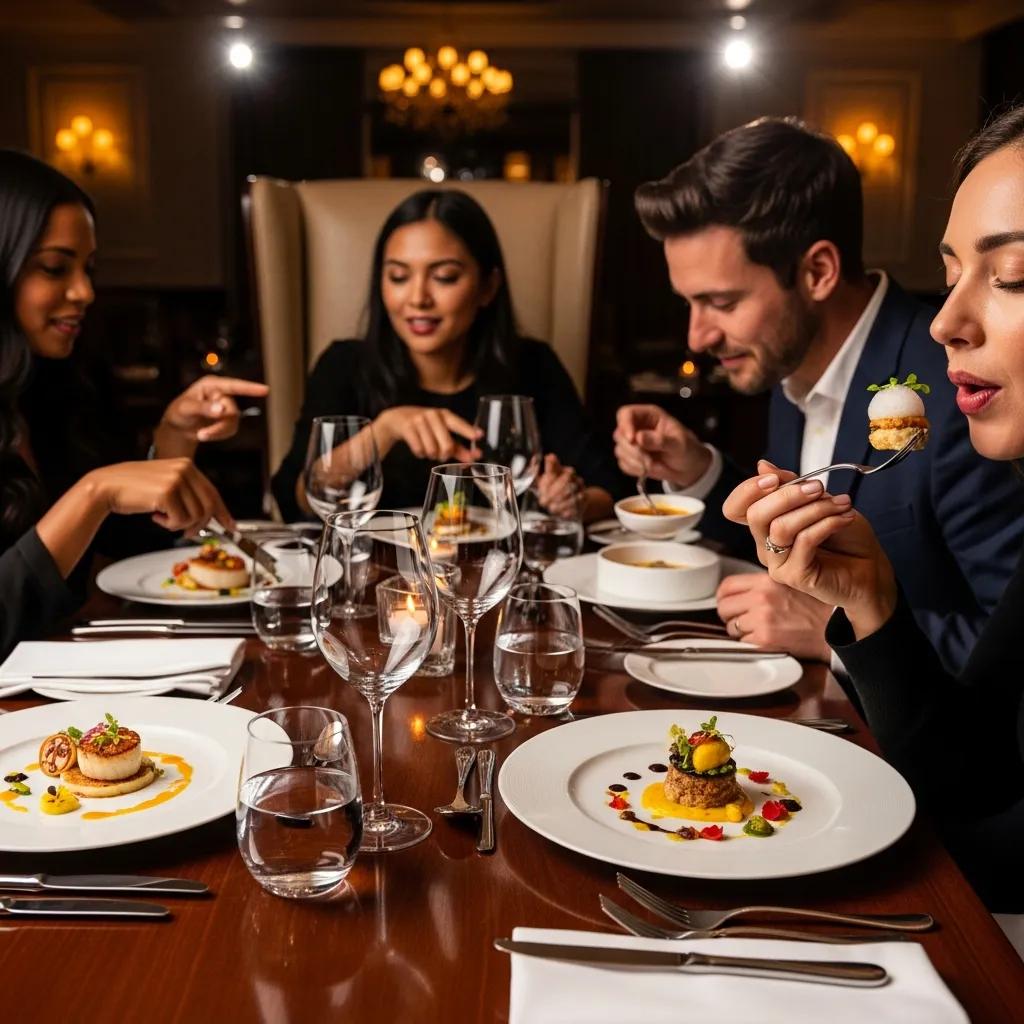
Neurogastronomy looks at how expectation, context and multisensory signals shape flavor. The brain’s predictions and where we place attention modulate raw sensory input, so elements like price, description or plating can amplify or mute perceived intensity via orbitofrontal activity. Chefs use these principles—timing aroma release, sequencing courses and crafting narratives—to guide attention and resolve culinary tensions across a tasting. Understanding neurogastronomy helps diners taste more deliberately and helps restaurants design experiences that reliably deliver pleasure.
Those insights translate directly into practical techniques for plating and service that create memorable meals.
How Does Sensory Science Enhance the Experience of Fine Dining?
Sensory science gives chefs a practical toolkit—aroma layering, texture contrast, temperature control and careful sequencing—to shape flavor trajectories that enhance enjoyment and memorability. By managing volatile release, mouthfeel and timing, chefs can engineer progressions where each bite reveals new facets. The practical payoff is more consistent, heightened flavor perception and guest satisfaction when technical choices align with human chemosensory behavior. The table below compares signature dishes by sensory attributes to guide preparation and service.
How Do Aroma Compounds and Taste Receptors Create Complex Flavors?
Aroma compounds change with heat, fat and saliva, altering volatility and retronasal availability; chefs exploit this by adjusting temperature, fat content and release mechanisms to tune what you perceive. Volatile families—floral, citrus, marine, roasted—interact with basic tastes so a small change in texture or temperature can shift which channel dominates. Practically, chefs layer aroma with finishing oils or delicate garnishes and sequence courses to reveal aromatics gradually. A simple tasting tip for diners: exhale gently after placing a bite in your mouth to help retronasal sampling and notice how aroma unfolds while you chew.
How volatiles and tastants interact informs ingredient selection and plating techniques aimed at preserving and revealing aroma, explored next with restaurant examples.
How Does Kaviar Restaurant Use Premium Ingredients to Maximize Flavor?
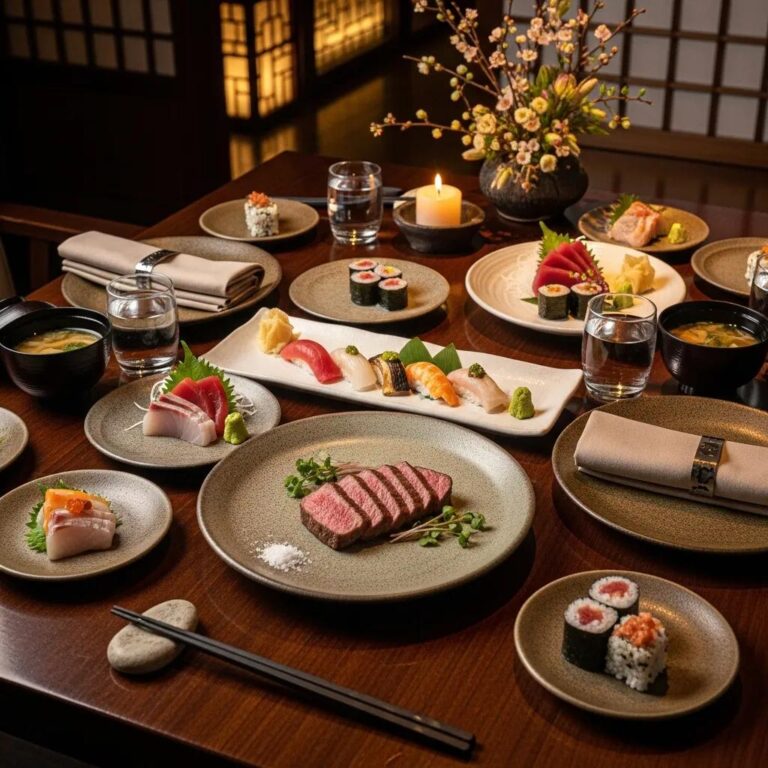
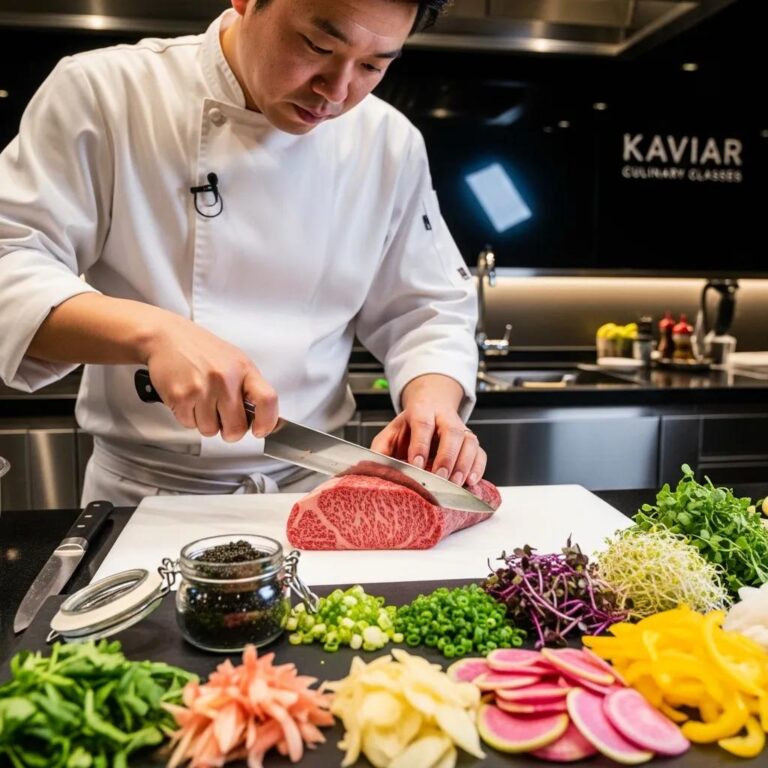
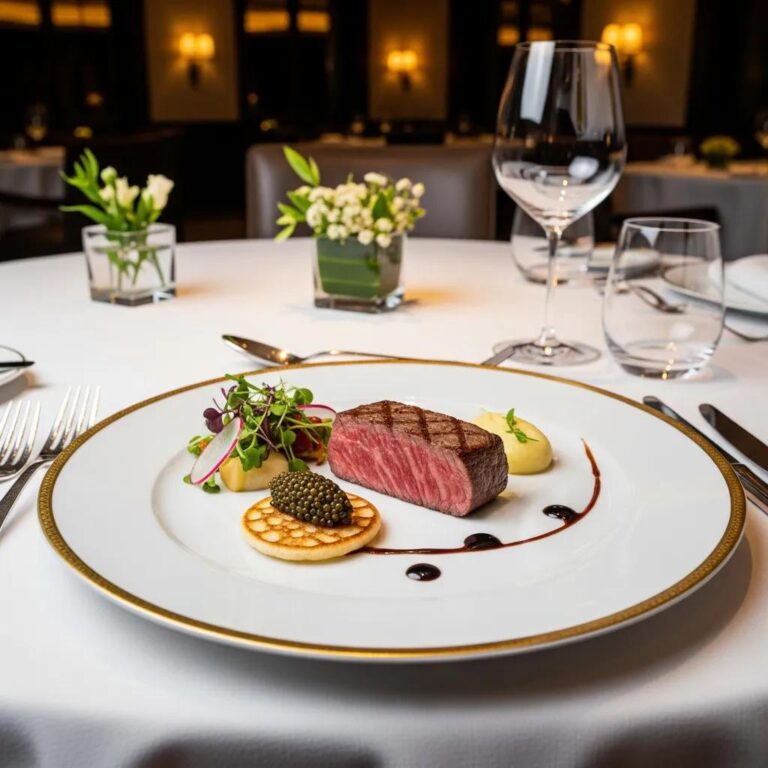
At Kaviar, we apply sensory principles through precise sourcing and technique: A5 Wagyu is handled to preserve intramuscular fat that melts to deliver velvety mouthfeel; caviar is served to highlight briny marine aromatics without dilution; and uni is plated to retain creamy sweetness and coastal aroma. These choices prioritize umami and volatile integrity—ingredients rich in glutamate and delicate volatiles are treated so their aromas remain available retronasally during tasting. The result is a curated progression where texture, temperature and aroma reveal themselves in intended sequences; diners are encouraged to savor small bites and notice how elements shift across the palate. For menu details or reservations, we offer options via phone, Resy and OpenTable to experience our curated omakase and signature services.
These practical choices underline how ingredient chemistry and sequencing deliver consistent sensory outcomes.
What Is the Role of Umami in Flavor Perception?
Umami—the fifth taste—is driven by free glutamate and synergistic nucleotides (inosinate, guanylate). It amplifies savoriness, adds a mouth‑coating richness and contributes to satiety. Umami receptors on the tongue detect these compounds and engage brain circuits that mediate palatability and fullness, producing complexity beyond simple saltiness. For chefs, umami deepens overall flavor, harmonizes with acids and fats, and makes dishes feel more complete.
Below is a table mapping common umami sources to their sensory effects and culinary roles.
This table illustrates why combining umami sources—like kombu dashi with aged soy—produces synergistic gains in savoriness that chefs often rely on.
Which Foods Are Rich in Umami and How Are They Used at Kaviar?
Common umami sources include aged meats, kombu‑based dashi, dried mushrooms, fermented soy and seafood such as uni. Chefs layer these elements to build depth without tipping the balance. At Kaviar, A5 Wagyu and aged components supply glutamate‑driven richness, kombu or dashi underpin sauces, and uni contributes sweet, marine umami when plated to preserve its delicate aroma. We often pair umami‑dense items with acidity or textural contrast to prevent monotony and highlight each element’s role in the tasting sequence. Expect roundness, mouth‑coating richness and a lingering savory finish that carries through the meal.
These examples show how pairing and timing amplify umami’s contribution to perceived flavor and lead into its physiological and perceptual effects.
How Does Umami Enhance the Overall Flavor Experience?
Umami heightens perceived richness, signals satiety and improves mouthfeel by engaging receptors that communicate protein and amino‑acid content to the brain. Umami compounds often act synergistically with nucleotides to create supralinear increases in savory perception—combined sources can taste richer than the sum of their parts. In the kitchen, pairing umami with acid, textural contrast or heat creates balance that accentuates depth rather than masking it; a citrus or vinegar note can brighten an umami‑heavy bite and sharpen perception. For diners, pairing umami‑forward dishes with light acidity or crisp textures reveals more layers and preserves balance across a multi‑course tasting.
This knowledge helps chefs and diners make intentional pairing and pacing choices that keep interest and satisfaction high.
How Do Taste and Smell Change Under Different Conditions?
Taste and smell shift with physiological state, environment and sensory adaptation, which alters flavor perception and guides dining strategy. Conditions such as anosmia or nasal congestion impair retronasal olfaction and reduce flavor complexity; temperature influences volatile release and taste intensity (cold suppresses sweetness and volatility); and sensory adaptation lowers sensitivity after prolonged exposure—so pacing and palate cleansers restore contrast during multi‑course meals. The table below summarizes common conditions, the mechanisms affected and practical dining tips.
Can You Taste Without Your Sense of Smell?
You can detect the five basic tastes without smell, but full flavor relies heavily on olfaction for aromatic identity and nuance. Taste alone delivers sweetness, sourness, saltiness, bitterness and umami, yet without retronasal input foods often seem muted or “flat.” When smell is impaired, texture, temperature and strong tastes like acid or salt become essential for a satisfying experience. If you’re congested, opt for dishes with high contrast and bold mouthfeel to maximize remaining gustatory channels.
This distinction underscores why nasal health and retronasal function matter so much to culinary enjoyment and why chefs preserve aroma wherever possible.
Why Do Foods Taste Different When You Have a Cold?
A cold restricts nasal airflow and reduces retronasal delivery of aroma compounds to the olfactory epithelium, which flattens flavor complexity and can distort certain notes. Subtle aromatics disappear, leaving primary tastes and textures more prominent—fatty richness may feel heavier while delicate seafood or herb nuances are lost. For diners with congestion, choosing highly aromatic or texturally engaging items and adding modest acidity or salt can restore contrast and pleasure. These practical adjustments help preserve perceived flavor even when olfaction is compromised.
Understanding these mechanisms supports sensible menu choices and pacing when your senses are temporarily altered.
How Can Understanding Flavor Science Improve Your Dining Experience?
Using flavor science intentionally lets diners follow a dish’s intended progression, appreciate chefcraft and gain more satisfaction by focusing on sensory cues and sequencing. Start light and move to richer courses, use controlled breathing to aid retronasal sampling, and pay attention to texture and temperature as signals for volatile release and taste dominance. Being deliberate about these behaviors helps you extract more nuance from omakase and signature dishes and makes conversations with service staff about pacing or focus more productive. Below are practical tips to taste more fully during a multi‑course experience.
To taste more intentionally at a multi‑course service, try these steps:
- Start Light: Begin with delicate courses to preserve sensitivity for later layers.
- Pace Yourself: Pause briefly between bites to reset retronasal sampling.
- Breathe Gently: A soft exhale after chewing helps retronasal aroma access.
- Use Palate Cleansers: Neutral or acidic interludes refresh contrast between courses.
- Note Texture: Observe how mouthfeel shapes aroma release and taste intensity.
How to Experience Flavor More Fully at Kaviar’s Omakase and Signature Dishes?
At Kaviar, approaching omakase with an eye for sequencing and aroma release reveals the sensory design behind each course: begin with cleaner, lighter bites and let richer, umami‑forward items arrive later. Engage our staff—ask about temperature and recommended order—so plating and timing align with the intended progression, and pace between courses to avoid adaptation. For signature items like Toro Tartare, A5 Wagyu or Uni Pasta, take a moment to inhale gently before tasting and allow retronasal aromatics to open as you chew. Make a reservation via phone, Resy or OpenTable to secure a curated seating and tasting flow at our Pasadena location.
These approaches help guests honor the intended sensory narrative and recover maximum detail from each course.
How Does Ambiance Influence Perceived Flavor Intensity?
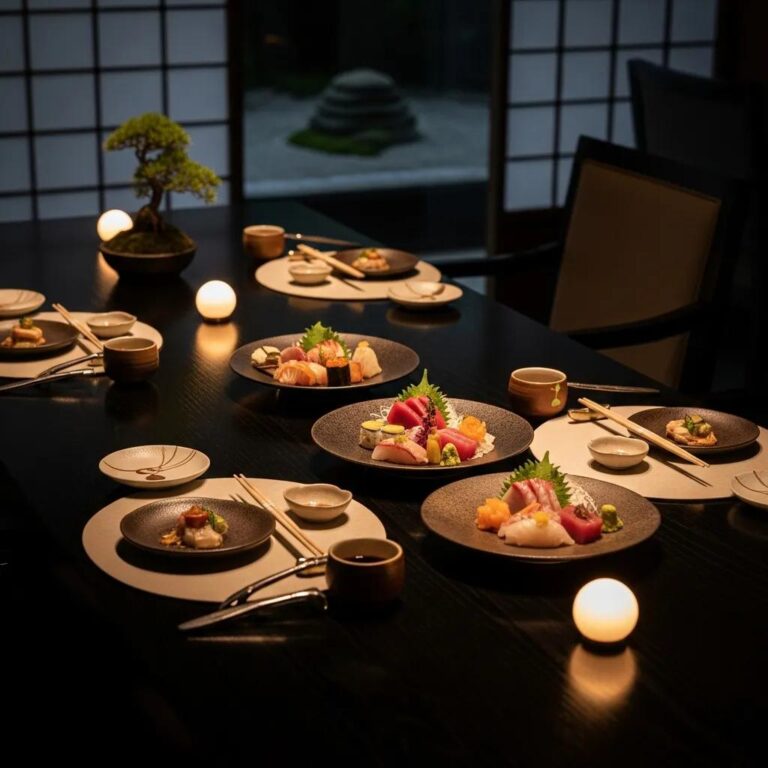
Ambiance—lighting, music tempo, tableware weight and service rhythm—shapes expectation and attention, and through top‑down neural effects can change perceived flavor intensity and enjoyment. Research shows brighter lighting and higher‑pitched sounds can increase perceived sweetness or contrast, while heavier cutlery and slower music often enhance perceived quality and savoriness. In practice, a deliberately designed luxury ambiance aligns auditory, visual and tactile cues with the menu to accent desired flavor attributes and prime guests for a richer experience.
Knowing how these cues work lets diners choose seating and timing that match their sensory preferences and ensures the restaurant’s design supports the intended flavor story.
Frequently Asked Questions
What is the impact of temperature on flavor perception?
Temperature affects both taste intensity and aroma volatility. Cold suppresses sweetness and reduces the release of aromatic compounds, which can make flavors seem muted; warmer temperatures increase volatility and can intensify the overall flavor. Chefs serve dishes at target temperatures to maximize aroma delivery and ensure you experience the intended profile. Being aware of temperature helps you choose how to enjoy a dish at its best.
How can sensory impairments affect dining experiences?
Sensory impairments—like anosmia or reduced taste sensitivity—can greatly reduce flavor complexity. When smell is compromised, the richness of aroma drops and food can taste bland. Diners in this situation benefit from dishes with bold flavors, contrasting textures and higher acidity to enhance enjoyment. Understanding these limits lets you make menu choices that maximize satisfaction.
What role does plating play in flavor perception?
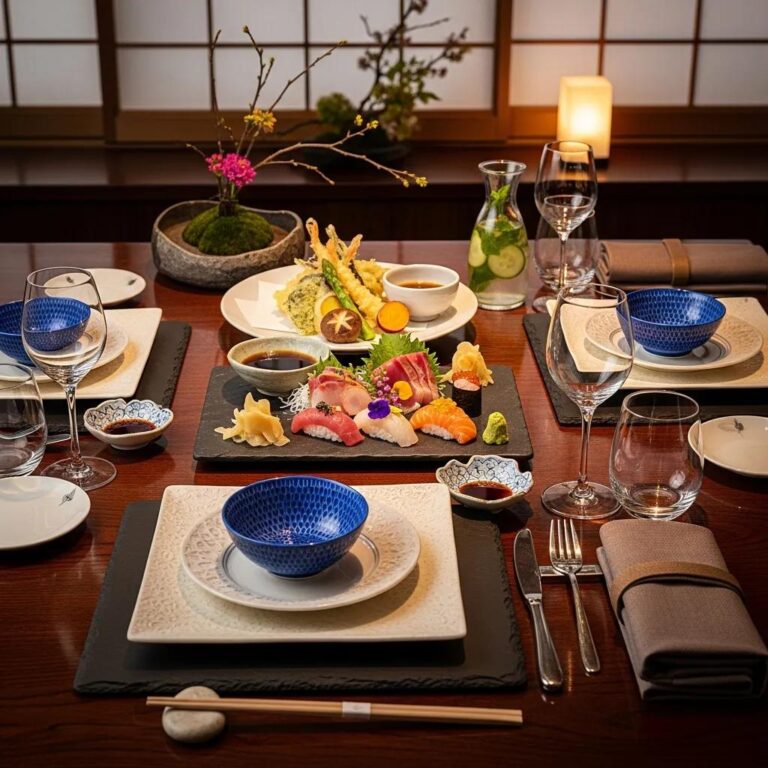
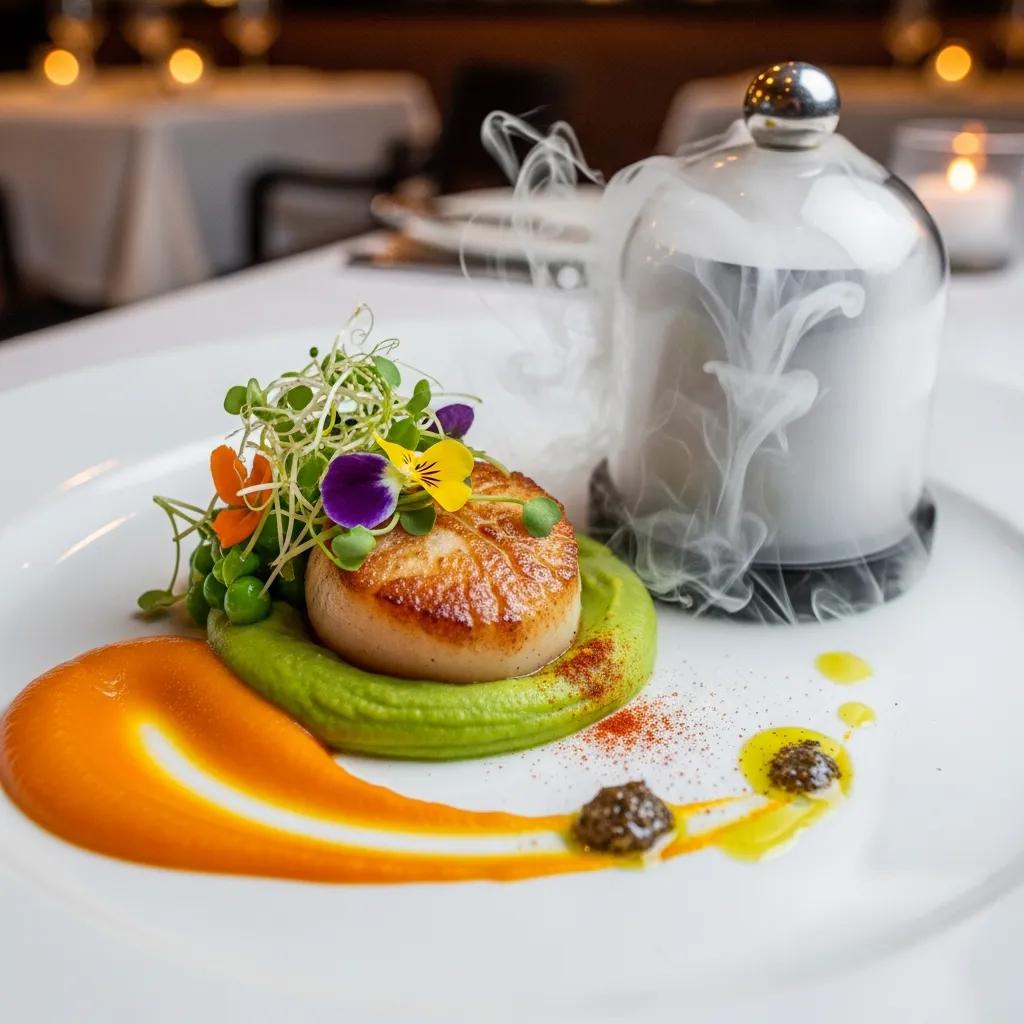
Plating shapes visual expectation and guides how you approach a bite. Presentation can signal freshness, balance and portioning, and specific tableware can influence perceived weight and value. Chefs design plating to complement sensory aims so the visual elements support the intended flavor narrative—what you see prepares the brain for what you’ll taste.
How does the dining environment affect flavor experience?
The dining environment—lighting, music and decor—modulates attention and expectation and can change how flavors are perceived. Brighter light can enhance perceived sweetness; softer light can encourage slower, more mindful eating. Music tempo affects pacing and can subtly shift taste perception. A well‑designed environment aligns sensory cues with the menu to enhance the overall experience; choose surroundings that match your preferences to get the most from a meal.
What techniques can enhance the tasting experience at home?
At home, try mindful eating: focus on flavors, textures and aromas in each bite. Use palate cleansers between courses to refresh the palate and maintain clarity. Serve dishes at optimal temperatures to release aromatics, and pay attention to plating to heighten anticipation. Engaging sight, smell and touch alongside taste will make a home meal more rewarding.
How can diners communicate their preferences to chefs or servers?
Be specific about your tastes and textures when booking or arriving—share dietary restrictions, dislikes or favorites so the team can tailor the experience. Ask about ingredient sourcing or preparation to understand how dishes align with your palate. Clear, open communication creates a collaborative dining experience and helps chefs deliver a meal that resonates with you.
Conclusion
Knowing how taste and smell work together lets you experience food more fully. By applying sensory science—attending to sequencing, aroma release, texture and environment—you can taste with greater intention and pleasure. We invite you to explore Kaviar’s curated offerings and discover how thoughtful ingredient choice and service deliver the art of flavor design. Reserve a seat to begin a culinary journey that celebrates the science behind every bite.