




Wine Service in Fine Dining: Rituals, Technique, and Thoughtful Pairings
Fine‑dining wine service turns a bottle into a memorable moment: a sequence of checks, gestures and timing that protect aroma, texture and balance while communicating care. This guide walks through the sommelier’s role, label presentation and opening, decanting decisions, pouring technique, wine‑list etiquette, temperature control, and pairing logic tailored to rich Japanese dishes. Guests seeking a fully integrated luxury experience will find how Kaviar Restaurant in Pasadena elevates omakase, A5 Wagyu, and caviar courses with curated pours and attentive floor rituals. Practical, repeatable steps sit beside sensory reasoning so hospitality teams and discerning diners alike can recognize—and reproduce—service that feels graceful and precise.
What Is the Role of the Sommelier in Fine Dining Wine Service?
The sommelier is the trained specialist who builds the wine list, guides guests through choices that match course progression, and carries service with technical confidence to enhance the meal. The role blends regional knowledge, cellar stewardship and thoughtful front‑of‑house timing so recommendations align with palate and plate. By managing inventory and syncing with the kitchen, the sommelier protects bottle integrity and ensures each pairing complements texture and seasoning. Their influence raises perceived value and helps guests navigate complex menus—setting the stage for the predictable ritual of presenting, confirming, opening and pouring described below.
How Does a Sommelier Enhance the Luxury Dining Experience?
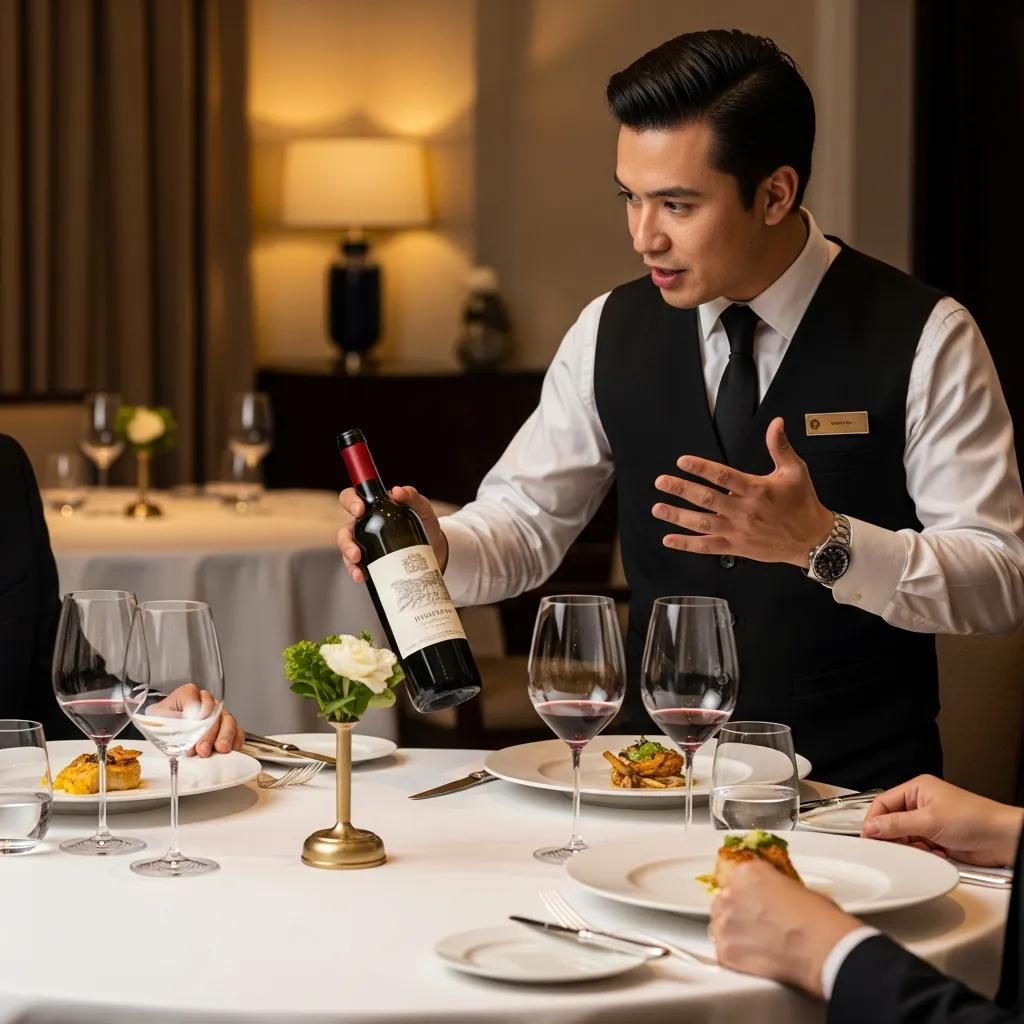
A sommelier turns technical knowledge into a brief, tailored story that connects each wine to its course—adding context without dominating the table. They read guest preferences, propose a progression of pairings and offer concise origin notes that enrich the tasting. Through sensory balance—matching tannin, acidity and body to food texture—the sommelier makes sure the wine supports, rather than overshadows, each bite. That trust encourages exploration, which is essential in multi‑course formats like omakase where sequence matters. The next section outlines the day‑to‑day responsibilities a sommelier maintains on shift to deliver that experience.
What Are the Key Responsibilities of a Sommelier at Kaviar Restaurant?
In a restaurant focused on Japanese fine dining, the sommelier curates pairings for ephemeral omakase sequences, sources bottles that sit harmoniously with A5 Wagyu and caviar, and trains staff on tasting language and service protocol. They rotate inventory by season and demand, coordinate with the chef on progression, and confirm selections on the floor with clarity. On service, they present bottles, manage decanting or sparkling rituals when needed, and craft pairing narratives that highlight how umami‑rich proteins interact with acidity and tannin. These operational responsibilities naturally lead into how the wine list should be presented to guests.
How Should the Wine List Be Presented in a Luxury Restaurant?
Presenting a wine list in luxury hospitality blends physical etiquette, clear curation and optional digital tools that keep the experience elegant and effortless. The list should read like a roadmap—cleanly formatted, grouped logically by style or course, and annotated with concise sommelier notes to guide choice. Presentation technique matters: offer the list to the host with both hands or on a tray, maintain polite eye contact and briefly point out house highlights or by‑the‑glass options. Thoughtful digital lists—high‑quality imagery, filters for course or flavor and sommelier commentary—can aid discovery, but staff should always offer a guided recommendation to preserve personal service. These practices speed decisions and reduce friction, which leads into stepwise tactics for presenting the list at table.
What Is the Proper Way to Present a Wine List to Guests?
Begin by offering the wine list to the host or guest of honor—both hands or a covered tray communicates intention—then state one or two house highlights in a single line. Note any rare bottles or special pours and suggest appropriate portions (tasting, half, full) for the party size so the host feels advised rather than sold to. Use simple, polite phrasing: “May I present our wine list? Tonight we have a selection of sparklings and a few older vintages.” Keep posture composed and be ready with two recommendations—one familiar, one adventurous—so guests can choose with confidence. If a digital or filterable list is available, offer a brief explanation to integrate technology without losing ceremony.
- The following list explains ideal phrasing and posture when presenting a list:
Offer the list to the host first, using both hands or a covered tray and a composed posture.Quickly highlight two to three preferred selections to orient decision‑making.Clarify by‑the‑glass options and portion sizes before leaving the table.
This approach shortens decision time, preserves a refined tone and leaves room for sommelier involvement when desired.
How Are Digital Wine Lists Integrated Without Losing Elegance?
Treat digital lists as refined supplements, not replacements for human guidance. Design them with clear hierarchy, sharp imagery, concise tasting notes and filters for course or flavor so guests can self‑navigate without feeling detached. Include sommelier annotations and an obvious prompt to request staff assistance—technology should support, not supplant, the personal touch. A hybrid model—printed specialty lists plus a digital master—keeps ceremony while offering breadth. With that foundation, we move into the professional steps for bottle presentation and opening that follow selection.
What Are the Professional Steps for Wine Bottle Presentation and Opening?
Bottle presentation and opening follow a reliable sequence: confirm the selection, present label and vintage, open with the right tools, and decant when appropriate to clarify and aerate. This routine protects the wine and signals competence; it depends on clean technique, steady movement and concise phrasing that reassures guests. The sommelier should always involve the guest—confirming producer and vintage—and explain any decanting choice briefly. A predictable protocol reduces errors and allows graceful handling of exceptions like faulty corks. The table below breaks these steps into actionable items for staff training.
Introductory checklist before the table: the table below distills bottle presentation and opening into atomic steps with the required tools and example scripts to standardize service.
Standardizing these steps reduces uncertainty and strengthens guest confidence, preparing staff for the mechanics of opening and decanting that follow.
How to Present and Confirm the Wine Bottle with Guests?
Presenting the bottle is both visual and verbal: state producer, varietal and vintage clearly—“Château X, 2016, Cabernet Sauvignon”—hold the label facing the guest and pause for confirmation. Mention provenance or a brief service choice only if asked. Keep movements measured and your tone calm to convey expertise without pressure; if the guest declines the bottle, offer an immediate alternative and a polite apology. This confirmation ritual leads into the opening and decanting techniques that preserve flavor and manage sediment.
What Is the Correct Technique for Opening and Decanting Wine?
Begin with a clean bottle lip and the appropriate corkscrew— a two‑stage or waiter’s corkscrew gives control and minimizes stress on the cork. Inspect cork and neck for faults and notify the guest if anything seems off; extract the cork smoothly, wipe the lip and show the cork briefly as a quality cue. Decant older reds with sediment and young, tannic wines that benefit from oxygen—use a clean decanter and a light to watch for clarity while pouring. Decant times vary: older bottles often need shorter rests (15–30 minutes), young robust reds may benefit from 30–90 minutes—always explain the reason succinctly to the guest. These choices influence pouring technique and service sequencing covered next.
The Essentials of Proper Wine Service: A Training Guide
ABSTRACT: This training unit was created to help instructors and restaurant managers teach correct procedures for serving wine. Lessons cover wine glass types and use, parts of the glass, proper placement for service, common openers (including the waiter’s friend), other service equipment, presentation and serving techniques for whites and sparkling wines, and the decanting of older reds. Each lesson includes references, handouts and a step‑by‑step outline for classroom or floor instruction.
How Is Wine Poured with Precision and Grace in Fine Dining?
Pouring well is a matter of steady mechanics, drip control and correct portions so presentation stays tidy and wine character is preserved. A controlled wrist, the right bottle angle and either a cloth or pour spout to catch drips help maintain headspace for aroma. Servers should follow an order of service that respects hosts and guest preference while staying inclusive—tasting pours differ from full pours and should be explained when offered. Mastery of pouring limits spills, reduces unwanted oxidation and keeps wine service aligned with the kitchen’s timing. The list below summarizes best practices for training.
- Steady Grip: Hold the bottle near its base with a controlled wrist to begin a slow, even stream.
- Glass Tilt: Tilt the glass slightly for still wines; level it near the end to avoid splashes and to encourage aeration.
- Drip Control: Use a napkin or spout at the lip and finish with a subtle twist to prevent drops.
Consistent use of these techniques reduces accidents and preserves the dining atmosphere—guiding who should be poured first during service.
What Are the Best Practices for Professional Wine Pouring?
Start by standardizing pour volumes and practicing deliberate, even motions so service is consistent across tables. Offer a small taste to the host if requested, then fill other glasses in a set order so headspace is similar for aroma development. Use a cloth under the neck or a pour spout to catch drips and finish with a twist to draw the last drop back. Train staff to synchronize pours with the kitchen so wine aligns with key bites. These techniques prepare teams to follow serving order protocols discussed next.
Who Should Be Served First During Wine Service?
Traditional protocol favors the host or guest of honor first, then proceeds left to right and finishes with the host’s final pour. Modern practice prioritizes guest comfort and accessibility: ask if anyone prefers not to be served and adapt accordingly. For omakase, coordinate pours with course progression—lighter wines early, more structured wines as the meal builds—to mirror flavor trajectories. Kaviar’s approach uses a flexible rule set: respect tradition, but let clear communication and guest preference guide the smoothest experience. This serving logic connects directly to pairing choices for the menu items below.
How Do You Pair Wine with Kaviar’s Signature Dishes Like A5 Wagyu and Omakase?
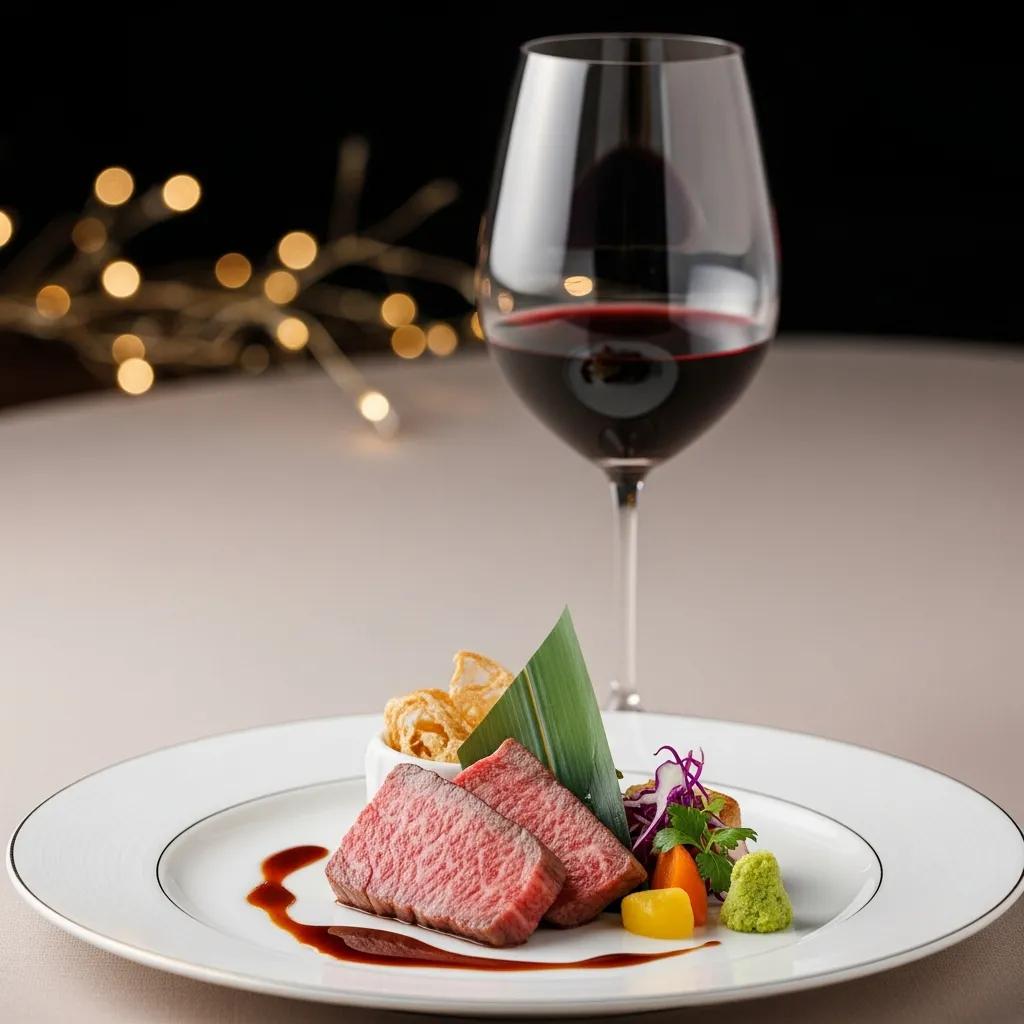
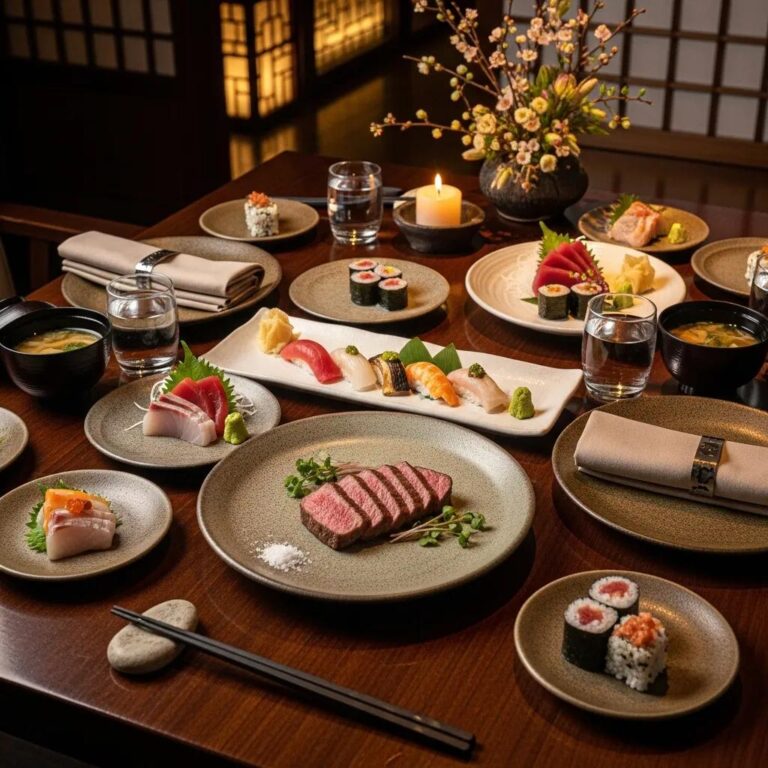
Pairing wine with umami‑forward Japanese dishes is about balancing fat, texture and seasoning so the wine enhances rather than competes. Use acidity, tannin and effervescence to cut richness, refresh the palate or echo delicate flavors. For A5 Wagyu, structured reds with integrated tannins or nuanced old‑world blends give the backbone to stand up to marbling. For omakase and caviar, high‑acid whites, refined sparklings or selected sake offer the minerality and lift that amplify seafood textures. The table below is a concise pairing matrix staff can reference when advising guests.
Introductory note: the table below provides quick, scannable pairing recommendations staff can use when advising guests on Kaviar’s menu.
What Wines Complement the Richness of A5 Wagyu Beef?
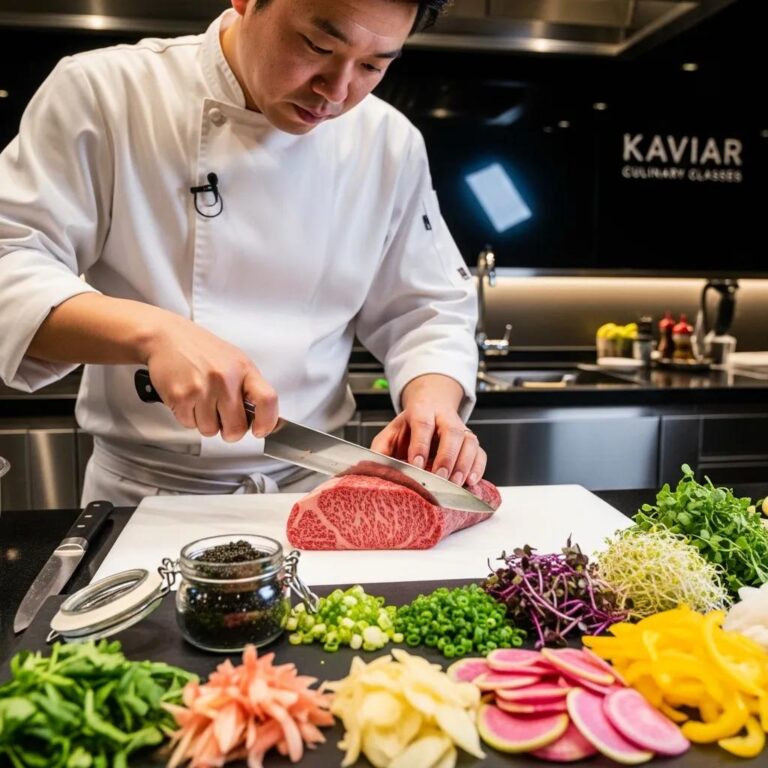
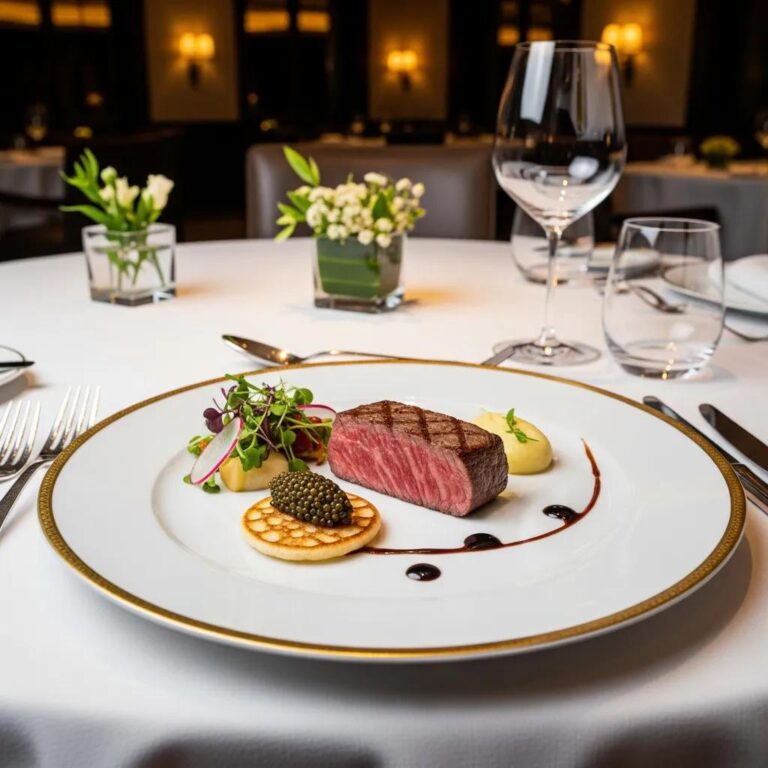
A5 Wagyu’s intense marbling calls for wines with structure that don’t overpower nuance. Old‑world Bordeaux blends and aged Nebbiolo offer refined tannins that bind to fat while acidity refreshes the palate between bites, letting umami linger gracefully. For a lighter route, a structured Pinot Noir with saline minerality can highlight subtle beef flavors without excessive tannic grip. Serve slightly warmer than cellar temperature to open aromas—the interplay of tannin, acidity and temperature creates a balanced bite. These pairing principles carry into seafood and caviar choices where texture and effervescence take precedence.
Which Wine Selections Enhance the Omakase and Caviar Experience?
Delicate sashimi and caviar pair best with wines that emphasize acidity, low oak influence and clean minerality so subtle flavors remain central. Brut sparklings and high‑acid whites cut through oiliness and amplify salinity; carefully chosen sake can be equally or more appropriate for certain courses. When suggesting wine over sake, favor low‑intervention whites or refined sparklings that mirror texture without masking nuance. For a progressive omakase pairing, start with bright, lower‑alcohol selections and move toward fuller‑bodied choices as courses deepen to maintain balance across the tasting.
What Are the Best Practices for Maintaining Optimal Wine Temperature and Presentation?
Keeping wine at the right temperature and presenting it flawlessly requires the right equipment—chillers, warmers and clean glassware—and disciplined handling to prevent rapid shifts or contamination. Temperature affects aroma volatility and perceived acidity: too warm mutes freshness, too cold mutes aroma. Match glass shape to varietal to focus or diffuse aromatics and present spotless stemware as a sign of care. Staff routines should include chilling whites to target temps, resting reds to service temperature and using correct glass shapes to optimize perception. The table below is a quick reference for busy service.
Introductory note: the following table outlines ideal serving temperatures and a practical tip for maintaining those temperatures in service.
How Does Wine Temperature Affect Taste and Guest Satisfaction?
Temperature changes aromatic volatility and the perception of sweetness, acidity and tannin: colder temps suppress aromas and acidity, warmer temps can exaggerate alcohol and soften structure. A white served too cold will mute fruit and minerality; a red served too warm will feel flat and heavy. Staff can quickly correct imbalances—briefly resting an over‑chilled red at room temp or returning an over‑warmed white to ice—before service. Keeping temps correct lifts perceived freshness and often noticeably improves guest satisfaction.
What Are the Etiquette Rules for Wine Glass Selection and Handling?
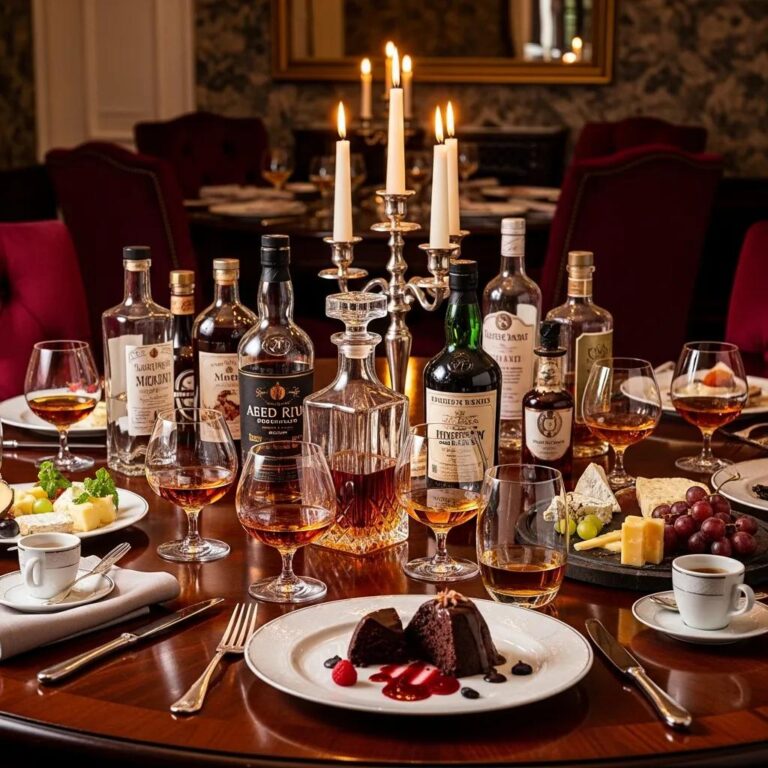
Choose glassware to match style: large bowls for complex reds to allow aeration, narrower bowls for whites to concentrate aromatics, and flutes or small sparkling glasses to preserve effervescence. Handle glasses by the stem to avoid warming and fingerprints, pour to recommended headspace for aroma development, and ensure stemware is spotless and scratch‑free. Check glass cleanliness under light before pouring and replace any flawed glass immediately—small details like this signal the level of care diners can expect from a sommelier‑led team.
The Essentials of Proper Wine Service: A Training Guide
ABSTRACT: This instructional unit supports instructors and managers in teaching correct wine‑service procedures. Topics include glassware selection and use, glass anatomy, placement for service, types of openers (with the waiter’s friend highlighted), service equipment, proper presentation and serving of table and sparkling wines, and decanting older reds. Each lesson includes references, handouts and a step‑by‑step presentation outline for training.
Frequently Asked Questions
What are the common mistakes to avoid during wine service?
Common missteps include wrong glassware, ignoring serving temperatures and failing to involve guests in confirmation. The wrong glass can mute aromas, incorrect temperature alters flavor balance, and skipping confirmation risks misunderstandings. Maintain composure, communicate clearly and follow established steps to avoid these pitfalls and keep the experience seamless.
How can a sommelier handle a corked bottle of wine?
If a bottle is corked, discreetly confirm the issue with the guest and explain that a musty note indicates cork taint. Offer to replace the bottle or propose a suitable alternative. Handle the moment calmly and professionally to preserve trust and the table’s experience.
What is the significance of wine glass shape in service?
Glass shape materially affects tasting. Large bowls let complex reds breathe and release layered aromas; narrower bowls concentrate whites’ scents; flutes preserve sparkling effervescence. Choosing the correct shape enhances a wine’s character and contributes directly to a better tasting experience.
How should wine be stored in a restaurant setting?
Store wine in a temperature‑controlled environment—roughly 12–15°C (53–59°F) for many reds and 7–10°C (45–50°F) for whites—keep bottles horizontal to keep corks moist, and shield stock from direct sunlight and vibration. Proper storage protects quality and ensures guests receive wines at their best.
What role does wine temperature play in guest satisfaction?
Temperature strongly shapes perception of flavor and aroma. Too warm emphasizes alcohol and dulls freshness; too cold mutes aromas and palate detail. Serving at ideal temps highlights the wine’s strengths and materially improves guest enjoyment.
How can staff be trained to improve wine service skills?
Effective training combines tasting education, hands‑on service drills and role play. Teach wine types, glassware, pouring technique and pairing logic, and include regular tastings so staff develop confident descriptors. Ongoing workshops keep the team current and consistent in front‑of‑house delivery.
What are the benefits of using a digital wine list?
A digital wine list makes inventory updates simple and expands discovery with filters and images. When designed thoughtfully—with concise notes and an easy path to summon staff—it streamlines choices while preserving personalized service. Used well, it complements printed lists rather than replacing ceremony.
Conclusion
Mastering wine service in fine dining deepens guest enjoyment and showcases an establishment’s care. Understanding the sommelier’s role, clean presentation rituals and considered pairing choices helps both staff and diners appreciate how wine and food enhance one another. Explore our curated selections and expert pairings at Kaviar Restaurant to see how attentive service can make an evening memorable.