



Behind the Scenes: A Virtual Kitchen Tour at Kaviar — Pasadena’s Luxury Japanese Omakase, Revealed
Our virtual kitchen tour is a carefully produced, chaptered walkthrough that pulls back the curtain on the technical choreography and premium ingredients behind Kaviar’s elevated Japanese omakase in Pasadena. You’ll see how chef-led sequencing, exacting rice work, and fully traceable ingredients — from A5 Wagyu to curated caviar — come together to create a single, considered tasting experience. This guide answers the questions serious diners ask before booking: how omakase is paced, how A5 Wagyu is handled, and how caviar is served and paired. Inside, you’ll find step-by-step explanations of omakase sequencing, a traceability-focused look at A5 Wagyu, a clear breakdown of caviar service and pairings, and an operational map of kitchen roles that keeps service seamless. The final section shows how to access the tour and walk you through reserving an omakase seat at Kaviar so insight turns into a booking.
What Makes Kaviar’s Omakase Preparation Unique in Pasadena?
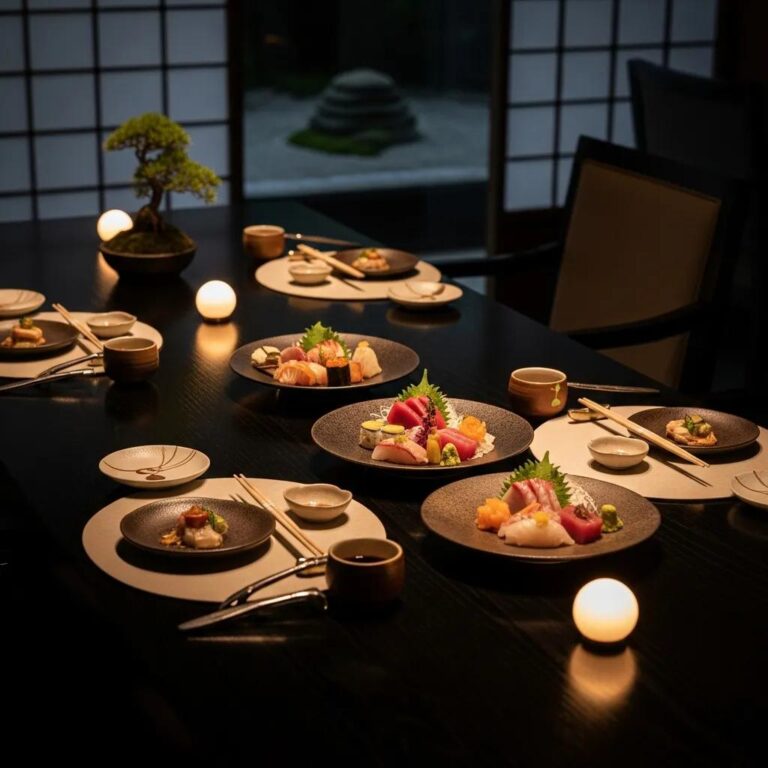
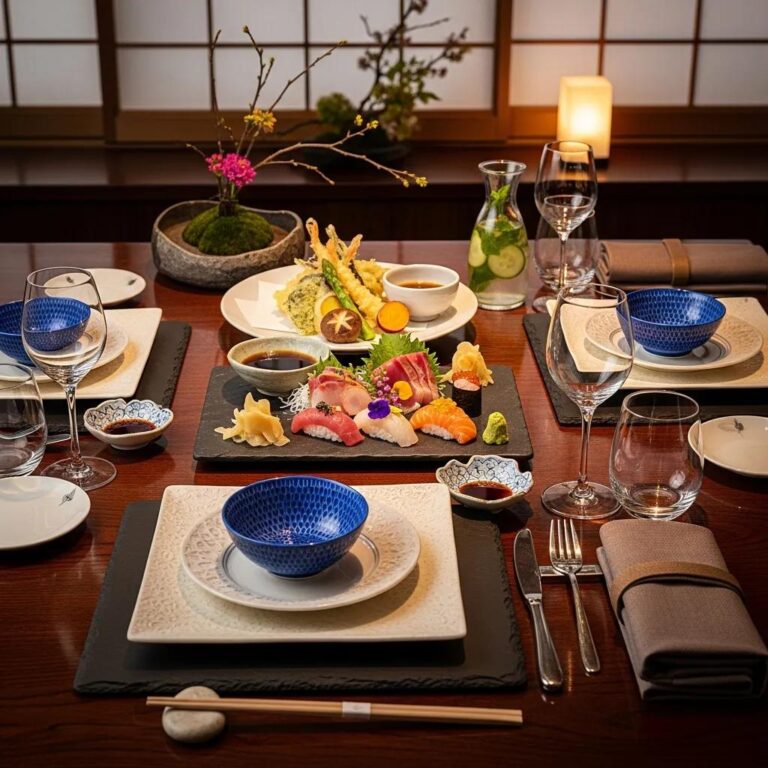
At Kaviar, omakase is a chef-driven progression that blends technical rigor with thoughtful personalization — it’s an encounter, not just a meal. Our chefs read the room, adjust pacing and seasoning, and stage each course to optimize texture and temperature. Rice technique and precise knife work shape mouthfeel and balance, so each bite contributes to a cohesive tasting arc. The virtual kitchen tour highlights these moments: the pass choreography, the counter dynamic, and real-time chef adjustments in response to a guest’s pace. After seeing how the service unfolds, many viewers choose to reserve a seat; you can do that anytime on our Reservations page.
How Do Kaviar’s Chefs Craft the Perfect Omakase Experience?
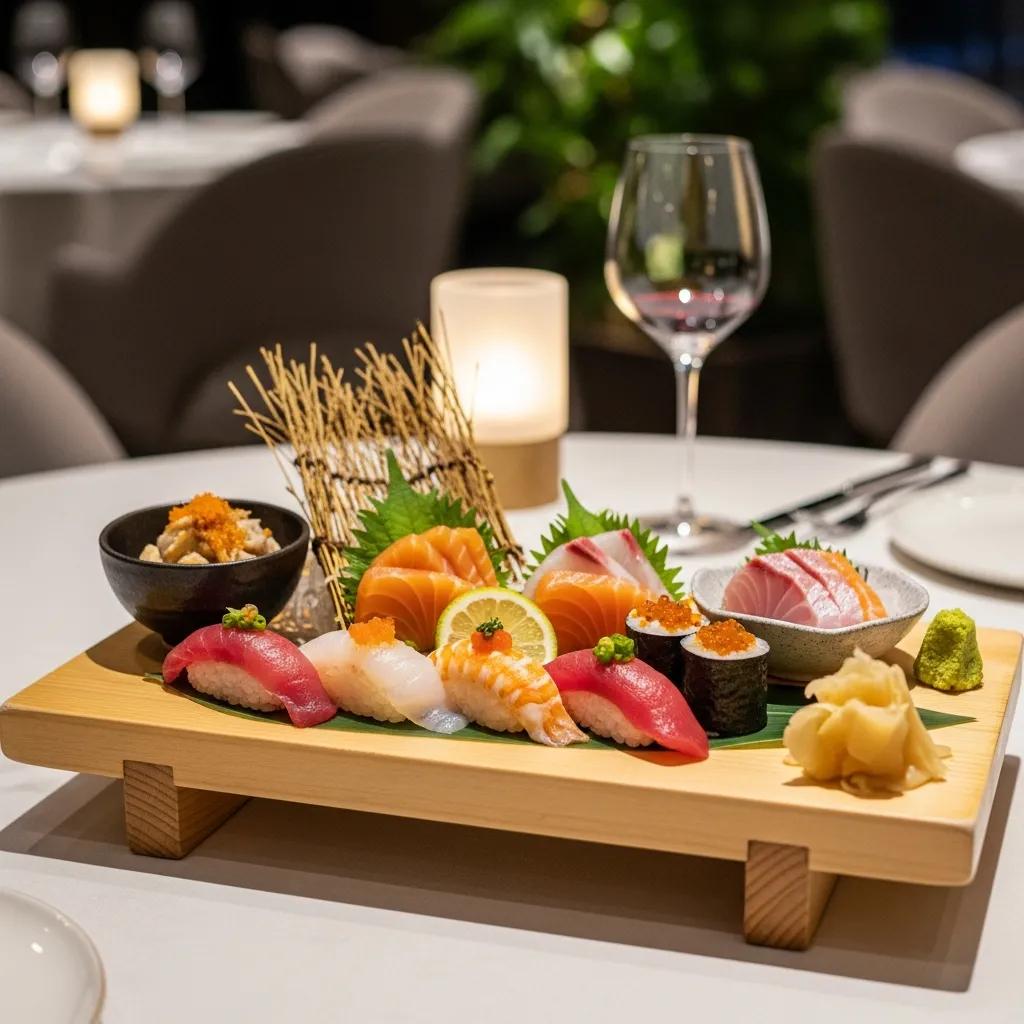
Our chefs build omakase through sensory observation, disciplined technique, and deliberate pacing — from mise en place to the guest-facing pass. Rice mastery (temperature control, texture checks, and seasoning balance) ensures every nigiri and sashimi piece sits in harmony with its rice. Knife work shapes texture and releases flavor from each fish and protein. Small signals — a diner’s cadence, subtle seasoning shifts, or the timing of palate cleansers — guide the flow. At the counter, culinary choreography and hospitality cues combine to create a responsive sequence focused on balance and memorability. Seeing these moments makes clear why sequencing matters and prepares you for the practical steps that follow.
What Are the Key Steps in Preparing Authentic Japanese Omakase at Kaviar?
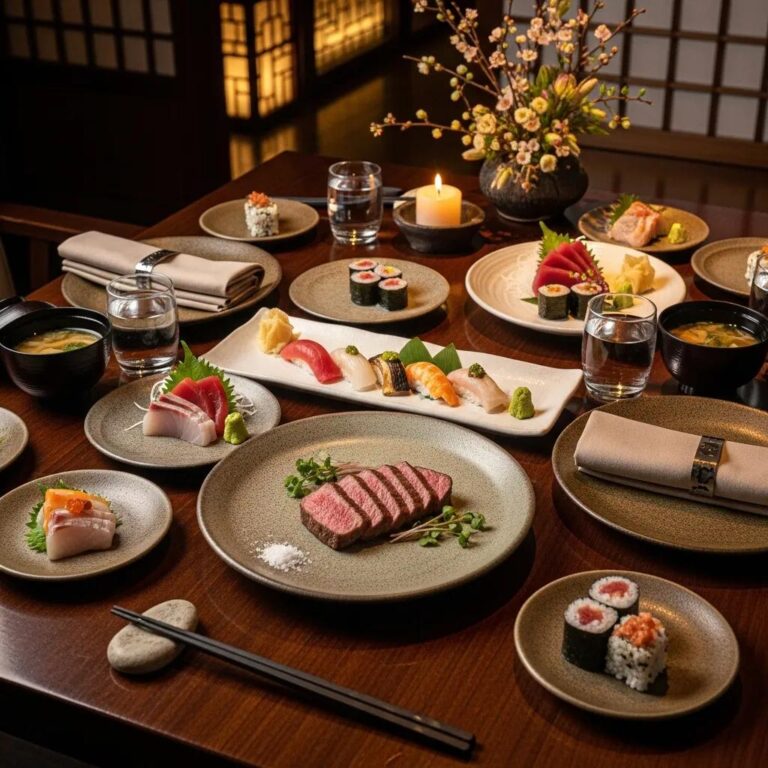
Preparing omakase at Kaviar follows disciplined stages that guarantee freshness, consistency, and a thoughtful narrative from first bite to last. It starts with inspection and portioning of seafood and proteins during mise en place, followed by calibrated rice preparation — washing, steaming, and seasoning to precise hydration and acidity targets that define mouthfeel. Chefs then order courses to balance texture and temperature, complete precise cuts and final seasoning just before service to preserve delicate flavors, and present each course at the pass with a controlled rhythm. Quality checks happen at every step — rice test grains, visual inspections, and timing verifications — so each plate arrives with the intended impact and the element of surprise intrinsic to omakase.
How Is A5 Wagyu Sourced and Prepared at Kaviar?
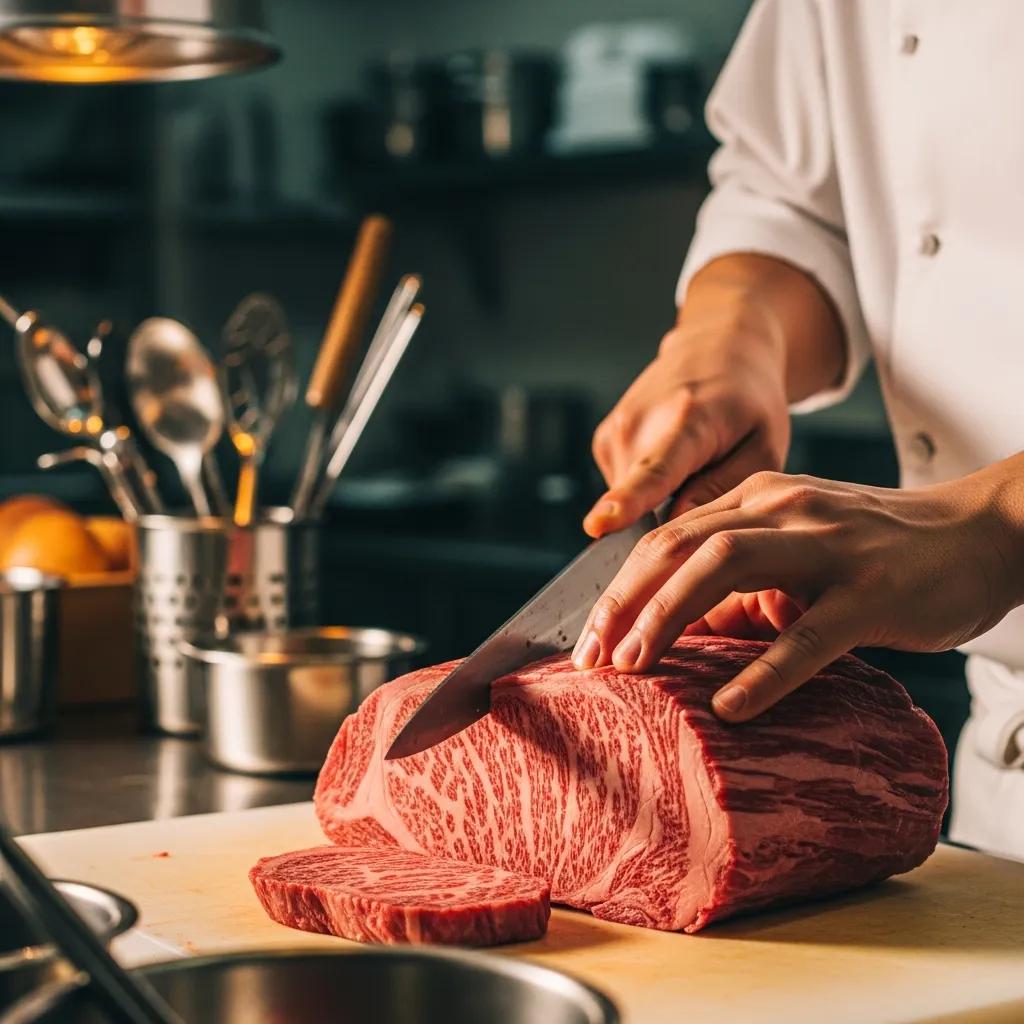
We treat A5 Wagyu as a traceable, high-impact ingredient: its origin, grade, and handling shape how it appears on both omakase and à la carte menus. Our sourcing prioritizes certified grading and traceability, selecting marbling profiles suited for ultra-thin nigiri or delicate seared portions. Handling — controlled aging and exact butchery — preserves texture and that characteristic melt-in-the-mouth richness. Cooking is minimal and precise: quick, high-heat sears, careful resting, and exact slicing accentuate umami without masking nuance. The table below summarizes origin, handling, and cooking attributes so diners can appreciate how A5 Wagyu behaves differently from standard cuts.
A5 Wagyu features periodically in our omakase and select menu items; view the Menu section to see current presentations and consider reserving a tasting seat to experience these preparations as intended.
Where Does Kaviar Source Its Premium A5 Wagyu?
We choose A5 Wagyu by grade and traceability standards rather than by promoting supplier names. Our priority is documented origin and consistent marbling that meets A5 criteria. Selection focuses on certification markers and a proven cold chain that protects fat quality from import to kitchen, minimizing oxidation and preserving tenderness for immediate preparation. On delivery, each shipment undergoes in-house quality checks — visual marbling assessment and texture sampling — before portioning so every cut matches the sensory profile planned for omakase. This traceability-first approach helps the kitchen decide where each cut fits in the tasting sequence: nigiri, seared bites, or a featured course.
Careful sourcing and handling of premium ingredients like A5 Wagyu are central to the sensory promise of fine dining.
Sensory Marketing in Fine Dining: Taste and Ambience in Luxury Experiences
Fine dining is a multisensory journey where taste and ambience combine to shape lasting impressions. This study looks at how culinary craft and atmosphere work together to create perceptions of luxury — from texture and presentation to lighting and sound. Using examples like Japanese omakase, it explains how deliberate sensory choices strengthen emotional connections, enhance satisfaction, and support premium positioning.
How Taste and Ambience Shape Consumer Perceptions—Sensory Marketing in Fine Dining, 2024
What Are the Cooking Secrets Behind Kaviar’s A5 Wagyu Dishes?
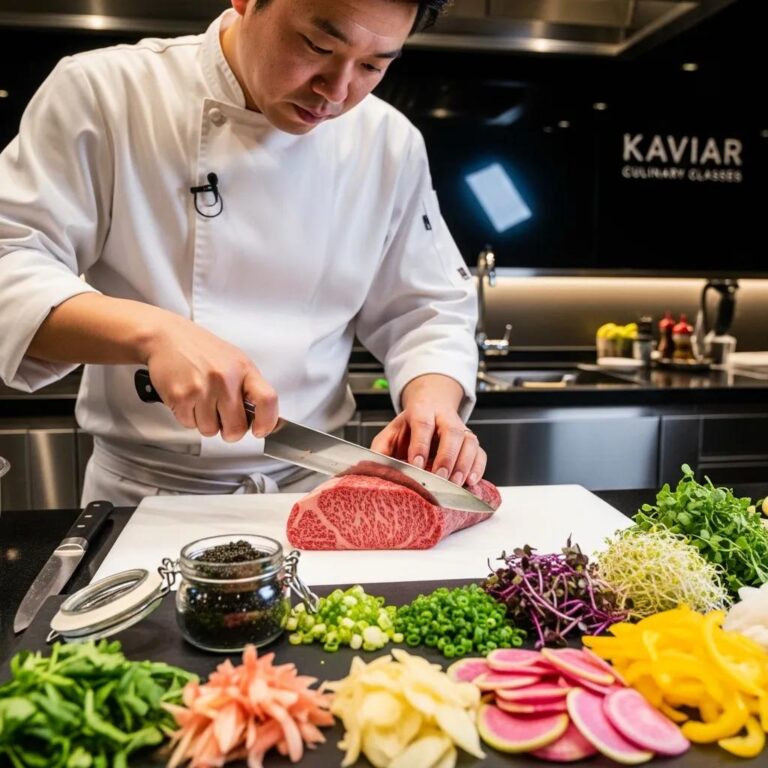
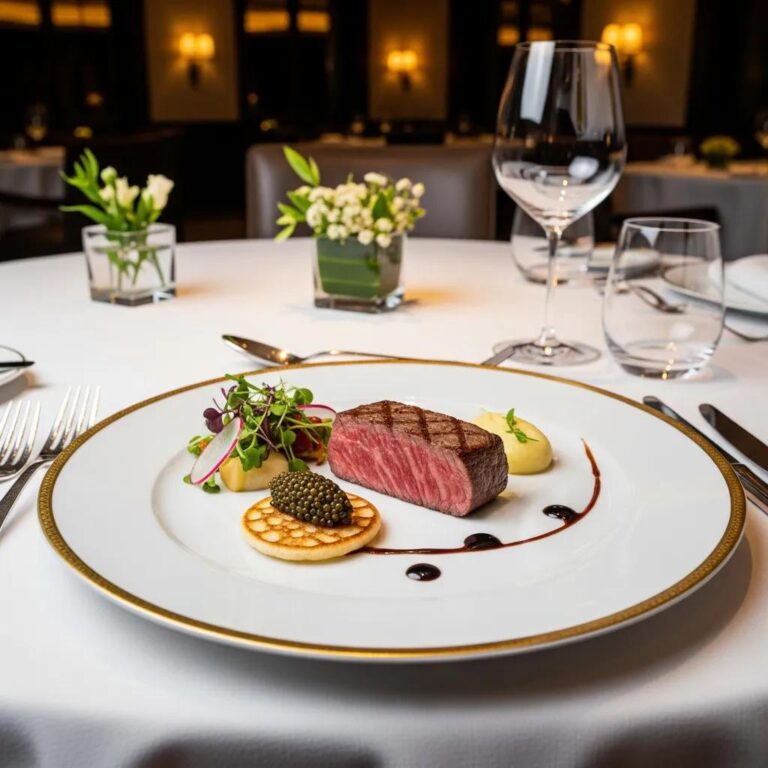
The key to A5 Wagyu is restraint: minimal intervention to highlight fat distribution and pure umami. Our chefs use a hot sear to render only the surface, achieving gentle caramelization while preserving interior creaminess, then rest and slice precisely for uniform texture. Thickness is chosen by presentation — paper-thin for nigiri, slightly thicker for small seared pieces — so each bite delivers a focused textural profile. Finishing touches are subtle: a delicate pinch of finishing salt or a fractional soy reduction that adds contrast without masking the beef’s character.
What Is the Art of Caviar Service and Pairings at Kaviar?
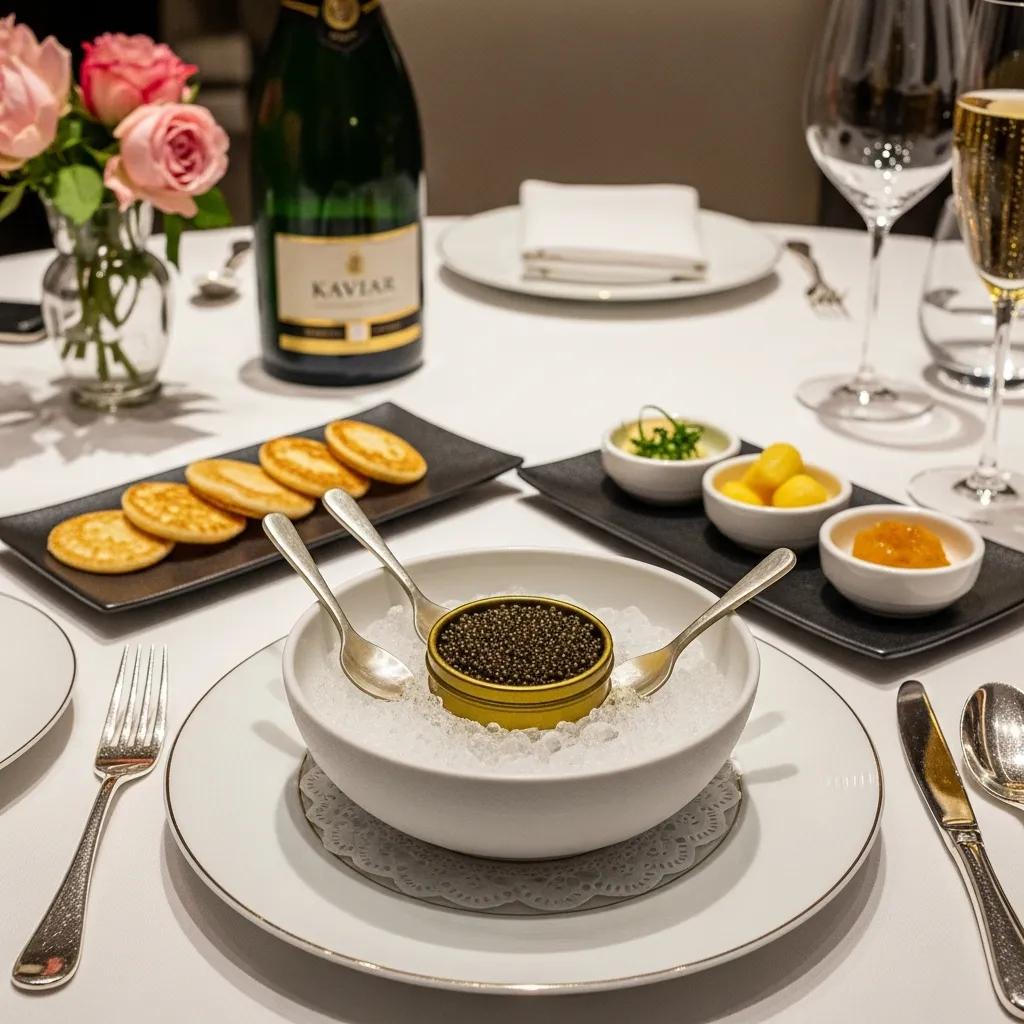
Caviar service at Kaviar is a measured sensory ritual that protects texture and highlights saline and lipid-driven flavors. Success depends on temperature control and neutral utensils — chilled vessels and mother-of-pearl spoons preserve bead integrity and prevent metallic notes. Pairings are chosen to either cut or complement richness: crisp bubbles and drier wines refresh the palate, while select sakes accentuate saline nuances and rice-based textures echo mouthfeel. The table below compares caviar styles with recommended pairings and service notes to guide tasting sequences.
How Does Kaviar Present and Serve Exquisite Caviar?
Our caviar presentation follows ritual steps that preserve texture and build a moment at the counter or table. Caviar stays at optimal low temperatures until service, is portioned into chilled vessels, and is presented with non-reactive mother-of-pearl spoons to avoid metallic interference. Servers and chefs coordinate so caviar arrives just as the guest is ready, often paired with a short story about provenance and pairing choice to enrich the tasting. This choreography combines tactile care with narrative context, priming the palate for the pairing sequence that follows.
Which Pairings Enhance the Caviar Dining Experience at Kaviar?
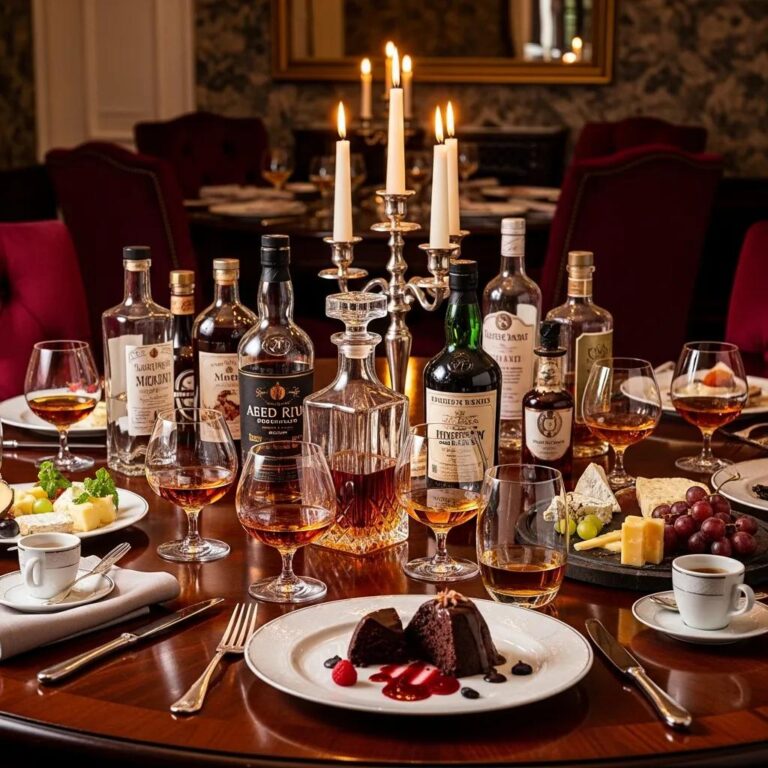
Pairings at Kaviar either contrast or complement caviar’s salinity, fat, and texture. Lighter caviars pair beautifully with floral, dry sakes that reflect rice-driven umami, while richer varieties benefit from high-acidity sparkling wines that cut through fat and refresh the palate. Simple, neutral accompaniments — delicate bases or crisp textures — let the caviar beads shine without masking nuance. These choices create layered tasting moments where each spoonful reveals new facets through contrast and balance, and they inform how beverage selection fits within broader omakase sequencing.
How Do Kitchen Operations at Kaviar Ensure a Seamless Fine Dining Experience?
Kaviar’s kitchen runs on defined roles, disciplined mise en place, and clear communication protocols that align back-of-house timing with front-of-house service. Precision comes from role clarity — each station follows checklists and timing benchmarks — while the expeditor manages the pass to ensure dishes leave the kitchen at the right interval for optimal temperature and narrative flow. Inventory and sourcing for premium ingredients are integrated into daily prep, with quality control checks at receiving and before plating to keep service consistent. This operational model supports the technical demands of omakase sequencing and the hospitality choreography that makes the guest experience feel effortless.
What Roles Do Chefs and Staff Play Behind the Pass at Kaviar?
Behind the pass, each team member has a focused responsibility: sushi chefs handle rice and fish, hot-station cooks manage seared elements like Wagyu, expeditors control timing, and servers shape the guest narrative. Communication runs on concise signals and verbal confirmations, with the expeditor approving dishes before they reach the counter. This division of labor reduces errors and lets chefs concentrate on craft while front-of-house tends to the guest relationship, producing a smooth, integrated service rhythm. Understanding these roles shows why coordinated staffing is essential to a refined omakase.
How Does Kaviar Maintain Precision and Efficiency in Its Kitchen?
We sustain precision with standardized mise en place checklists, skills drills that reinforce knife work and rice consistency, and timing KPIs that guide service pacing without sacrificing artistry. Daily prep routines — checking rice hydration, portioning proteins, staging garnishes — mean service relies on reproducible steps rather than improvisation. Short training cycles and feedback loops — post-service debriefs and pass notes — reveal bottlenecks and refine timing. These systems reduce variability and help ensure each course reaches the guest as intended.
Who Are the Chefs Behind Kaviar’s Culinary Philosophy?
Our chef team centers on classical Japanese technique married to contemporary fine-dining sensibilities: traceable ingredients, rice craft, and restrained seasoning that lets primary flavors lead. The team’s method weaves sushi and sashimi practices, omakase flow, controlled searing, and fish aging into a broader fine-dining language that values ritual and innovation. Training emphasizes repetition and sensory calibration so every plate reliably communicates texture, temperature, and provenance. That philosophy guides menu development and guest interaction, making Kaviar’s luxury Japanese dining in Pasadena both authentic and intentionally staged.
What Culinary Techniques Define Kaviar’s Chef Team?
Signature methods at Kaviar include exacting rice handling — precise water ratios, controlled steaming, and vinegar calibration — advanced knife work to shape texture and flavor release, and restrained heat application for proteins like A5 Wagyu to protect intramuscular fat. These techniques are taught with sensory benchmarks rather than rigid rules, allowing chefs to adjust seasoning and pacing dynamically during service. The result is a consistent technical identity across omakase courses, one that supports the micro-experience of each bite and the macro-arc of the tasting menu. The virtual tour makes clear how small technical choices affect what you taste.
How Does Kaviar’s Team Elevate the Luxury Japanese Dining Experience?
We elevate dining by pairing exacting execution with purposeful storytelling: each dish may arrive with provenance notes, pairing suggestions, or a short explanation that deepens appreciation for texture and flavor. Service rituals — timed reveals at the pass, succinct sourcing narratives, and thoughtful beverage matches — build layered experiences that extend beyond taste into memory. Ingredient curation favors premium, traceable items to support the kitchen’s technical choices, while front-of-house observation tailors each seat’s experience. This integration makes luxury about more than price or presentation — it’s a crafted sequence designed to invite engagement and repeat visits.
How Can Diners Experience Kaviar’s Virtual Kitchen Tour and Reserve Their Seat?
The virtual kitchen tour is an embedded multimedia guide that walks viewers through the omakase counter, the Wagyu station, caviar service, and the pass in short, chaptered segments. You’ll find time-stamped highlights (overview, rice technique, A5 Wagyu prep, caviar ritual, pass choreography) and a full transcript so you can zero in on the moments you want to experience live. To turn interest into a reservation: visit the Reservations page, select an omakase seating, enter party size and dietary notes, and confirm a preferred date within our recommended lead time. Practical tips: book early for chef-counter seats, list allergies or strong dislikes in your reservation, and include any special requests so we can personalize the tasting flow.
What Does the Virtual Kitchen Tour Reveal About Kaviar’s Fine Dining Journey?
The tour traces ingredients from inspection through preparation to the pass, highlighting rice testing, precision slicing, quick Wagyu sears, and ritualized caviar presentation. You’ll see how mise en place supports on-demand adjustments and how the expeditor’s timing syncs with guest pacing — the operational backbone of a luxury omakase. Close-ups of tools — non-reactive spoons, chilled vessels, and specialized knives — and brief chef commentary emphasize technique and selection criteria without disclosing supplier names. That framing helps prospective diners understand the craft behind each course and choose which moments they want to experience in person.
How Do You Book an Exclusive Omakase Experience at Kaviar?
Booking an omakase seat at Kaviar is simple: start on our Reservations page, choose an omakase seating, and provide party size and any dietary notes so the kitchen can prepare. Best practices: reserve with lead time to secure chef-counter seats, communicate allergies or strong dislikes in the reservation notes, and mention celebratory occasions so we can personalize service. If you previewed the virtual tour, note particular techniques or courses you’d like highlighted — the team will do its best to accommodate. For additional contact and local listing details, check our website and Google Business Profile for the latest reservation guidance and tour access.
- Reservation Step One: Choose an omakase seat and preferred date on the Reservations page.
- Reservation Step Two: Enter party size and note dietary restrictions or preferences.
- Reservation Step Three: Confirm booking and add any special requests to personalize the tasting flow.
These steps keep booking transparent and give our kitchen and service team the information needed to craft an omakase that aligns with the standards shown in the virtual tour.
Frequently Asked Questions
What is the significance of the omakase experience at Kaviar?
Omakase at Kaviar is a curated, chef-led journey where each course is chosen and paced to showcase the freshest ingredients and the chef’s skill. Rather than a fixed menu, the experience unfolds based on seasonality and the diner’s signals — producing an immersive meal that engages sight, smell, texture, and taste and connects guests to the story behind each dish.
How does Kaviar ensure the quality of its ingredients?
We ensure quality through strict sourcing standards and thorough in-house checks. Priority is given to traceability and certified grading for high-impact items like A5 Wagyu and premium caviar. Deliveries undergo visual and texture inspections on arrival, and the team verifies temperature and handling so only ingredients that meet our standards reach the pass.
What role does storytelling play in the dining experience at Kaviar?
Storytelling enriches each course by providing provenance, technique, and pairing context. Chefs and servers offer concise narratives that help diners understand why an ingredient was chosen and how it was prepared. That context deepens appreciation and turns individual bites into a connected culinary narrative.
Can diners customize their omakase experience at Kaviar?
Yes. Guests can note allergies, dietary restrictions, and strong preferences when booking. Our chefs will adapt the sequence while keeping the integrity of the omakase. Personal requests and celebrations can also be included to tailor the tasting to the occasion.
What should guests expect during the virtual kitchen tour?
The virtual tour is an immersive, chaptered presentation of our omakase counter, Wagyu station, and caviar service. Viewers see technique demonstrations, sourcing explanations, and pass choreography — all presented with close-up visuals and a transcript so you can follow technical details at your own pace.
How does Kaviar’s kitchen team maintain consistency in service?
Consistency comes from clear roles, standardized prep, and ongoing training. Each station follows checklists and timing benchmarks, and the expeditor coordinates the pass. Regular briefings and feedback loops identify improvements so service remains precise and repeatable.
Conclusion
Kaviar’s luxury Japanese omakase combines refined technique with intentional storytelling to create memorable, flavor-forward sequences. Our virtual kitchen tour offers a close-up look at the craft behind each course and helps you decide which elements to experience in person. Ready to taste? Visit our Reservations page to secure your place at the counter and join us for an exclusive omakase seat.