




The Ultimate Guide to Single Malt Scotch Whisky — Regions, Tasting, and Fine‑Dining Pairings
Single malt Scotch is whisky made from malted barley at one distillery and matured in oak casks. Celebrated for its regional variety and careful craft, it rewards attention to production, cask choice, and tasting technique. This guide breaks down what single malt is, how it’s made, and why peat, casks, and fermentation create the flavors collectors and diners seek. You’ll find clear tasting steps, region-by-region flavor maps, recommended houses, and practical pairing ideas tailored to Japanese fine dining — from sushi and sashimi to A5 Wagyu and caviar — all while keeping the focus on the whisky itself.
What Is Single Malt Scotch Whisky and How Is It Made?
By definition, single malt Scotch is distilled from 100% malted barley at a single Scottish distillery and aged in oak for at least three years. Every stage — malting, mashing, fermentation, distillation, maturation — acts as a flavor control: peat levels, yeast choices, still shape and cask type each leave a clear fingerprint on the final spirit. Protected by Scottish law, the “single malt” label signals both method and place, making it easier to compare styles and choose bottles for tasting, pairing, or collecting.
What Defines Single Malt Scotch Compared to Other Whiskies?
Single malts contrast with blended Scotches and single grain whiskies by ingredient and origin: they come from one distillery and use only malted barley, while blends mix malt and grain from many sources to achieve consistency. That single-source origin often yields a transparent expression of a distillery’s house style — from mash recipes and still profiles to cask programs — so tasting single malts reveals distinct signatures such as Speyside fruitiness or Islay peat. Age statements and cask types (ex‑bourbon, sherry, wine) further shape expectations for flavor and value.
How Is Single Malt Scotch Whisky Produced?
Production starts with malting — partial germination and drying, sometimes over peat smoke, which contributes phenolic, smoky notes. Mashing converts starches to sugars; fermentation with specific yeasts creates esters and fruit characters. Copper pot stills concentrate congeners and, depending on their shape and how the distiller cuts hearts from heads and tails, define the spirit’s body. Finally, maturation in oak — commonly ex‑bourbon or ex‑sherry casks — adds vanilla, caramel, dried fruit and tannin over time. These steps explain why neighboring distilleries can produce very different single malts and why cask selection is crucial for premium expressions.
- Malting: Converts barley starch to sugars and sets the peat smoke baseline.
- Mashing & Fermentation: Produces the wash; yeast and time influence fruit and ester profiles.
- Distillation: Pot stills concentrate flavor compounds and shape spirit texture.
- Maturation: Oak casks (ex‑bourbon, sherry) bring wood, spice and oxidation-driven nuance.
Seeing production as a series of flavor levers helps you recognize stylistic differences when tasting and selecting bottles.
What Are the Main Scotch Whisky Regions and Their Characteristics?
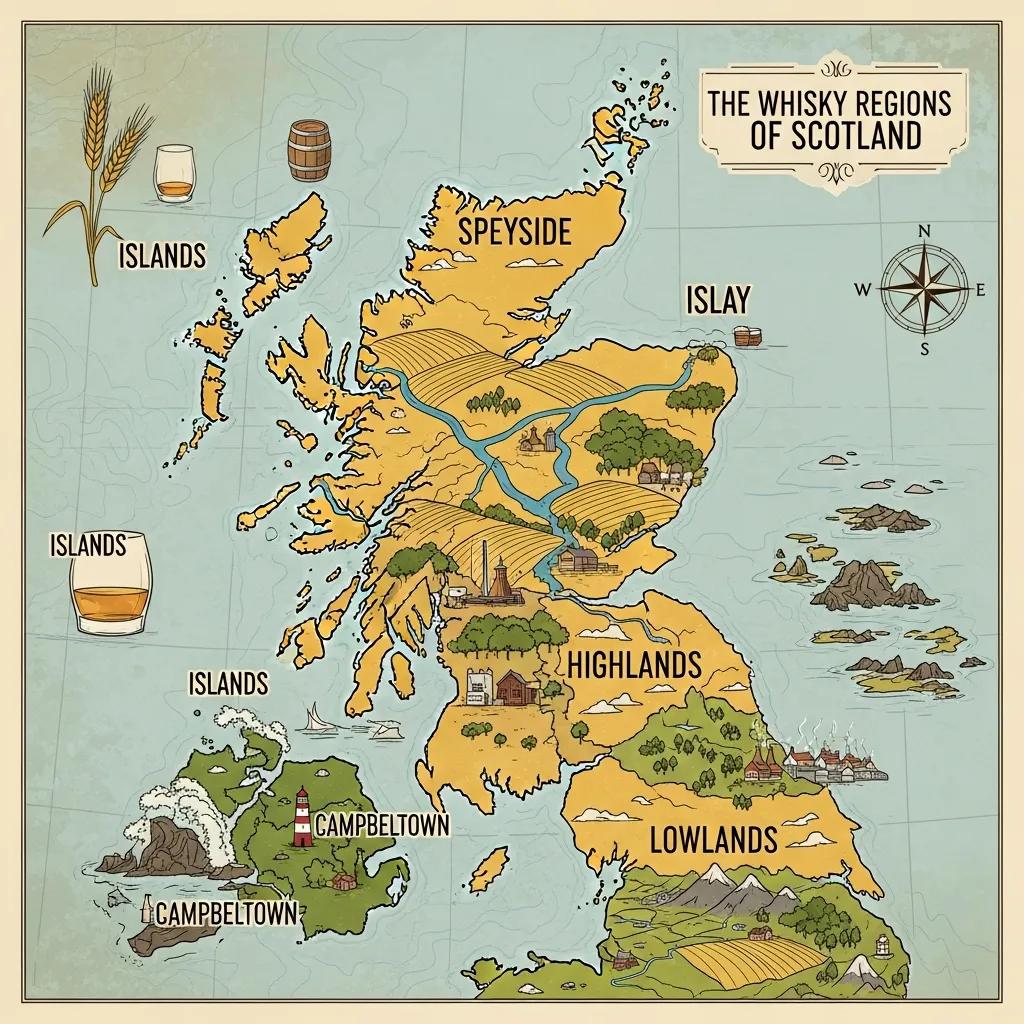
Each Scotch region suggests a familiar flavor lane: Speyside tends toward orchard fruits and sherry richness; Islay is known for peat and coastal smoke; the Highlands span from fruity to robust; Lowlands are lighter and grassy; Campbeltown offers brine and oiliness; and the Islands present varied mixes of sea spray, peat and heather. Using region as shorthand speeds up selection and guides pairings for cuisine.
Below are typical regional profiles and notable examples to help you build a tasting flight or a thoughtful beverage list.
Geography, peat tradition and cask choices shape these predictable flavor lanes — useful when designing flights or pairing with specific textures on the menu.
What Flavor Profiles Are Typical of Speyside, Islay, and Highlands?
Speyside malts often present orchard fruits, honey and sherry‑cask sweetness, making them silky and fruit-forward. Islay bottlings deliver peat, smoke and coastal iodine that contrast strongly with rich, umami dishes. Highland malts sit between those poles — from delicate and floral to bold and fruity, sometimes with a touch of peat — which makes them versatile partners across courses.
How Do Lowlands, Campbeltown, and Island Whiskies Differ?
Lowlands generally yield lighter, cereal‑and‑grass styles that work well with delicate seafood. Campbeltown historically produced oily, briny malts that pair intriguingly with salted or cured flavors. The Islands are a loose group — expect coastal salinity, variable peat and local botanicals — so consult bottle notes when pairing. These differences help you choose the right whisky for a given dish or tasting sequence.
How Do You Taste and Appreciate Single Malt Scotch Whisky?
Tasting single malt benefits from a simple, repeatable method: look, nose, sip, reflect and, if useful, add a little water. A structured approach trains your attention to texture, evolving aromas and flavor transitions, improving both enjoyment and the language you use to describe what you taste. Below we offer a practical sequence and a compact tasting vocabulary to use at the table.
A clear tasting routine captures consistent sensory data and sharpens your impressions.
- Appearance: Note color and legs — cask type and age often influence hue.
- Nose: Gently breathe the glass; identify primary aromas like fruit, peat, oak or spice.
- Palate: Take a small sip, hold briefly and follow the flavor progression and mouthfeel.
- Finish: Observe length and the aftertaste; watch for secondary notes that emerge.
- Dilution: Add one or two drops of water to reveal hidden aromatics and soften alcohol.
Use this sequence to train your palate and to communicate preferences with confidence.
This compact vocabulary helps you take notes and discuss bottles with sommeliers or friends during a tasting flight.
What Are the Common Tasting Notes and Flavor Profiles?
Typical descriptors include peat and smoke (phenolic, medicinal), sherry-driven dried fruit and dark chocolate, citrus and orchard fruit, vanilla and caramel from ex‑bourbon casks, and maritime salinity in coastal expressions. Those notes trace back to production choices: peat in malting, sherry from cask history, and vanilla/lactones from American oak. Linking descriptors to production causes helps you predict how a whisky will open in the glass.
What Is the Proper Way to Taste and Evaluate Scotch Whisky?
A good tasting protocol uses clean, tulip‑shaped glassware, modest pours and measured pacing. Small sips with time between lets aromas unfold and avoids fatigue. Hold the glass to your nose to capture volatile compounds and jot impressions quickly to avoid memory drift. Add water sparingly — one or two drops — to lift esters without over‑diluting. When tasting alongside a meal, schedule stronger whiskies after dominant courses or use them as bridges between courses so delicate dishes are not overwhelmed.
Which Are the Best Single Malt Scotch Whisky Brands for Connoisseurs?
Connoisseurs look for distilleries with a consistent house style, thoughtful cask programs and special or cask‑strength releases that reveal cask selection and age. Luxury single malts often command attention for age statements, cask pedigree and limited editions that appeal to collectors. Before investing in rare bottles, sample core expressions to understand a house’s maturation profile and how finishes change the spirit.
What Are the Top Luxury Scotch Whisky Brands to Know?
Top luxury houses manage cask programs carefully and offer age-statement and reserve bottlings that reflect distillery character. Collectors value a range that spans approachable 12‑year expressions to scarce, older releases finished in oloroso or bespoke casks. Tasting a brand’s age progression illustrates how time deepens fruit, spice and tannin — a useful framework for building either a reference collection or a curated restaurant list.
- House Style: Does the distillery deliver a recognizable and reliable flavor profile?
- Cask Program: Are there notable sherry, bourbon or special cask finishes?
- Rarity & Provenance: Are limited releases well documented and authenticated?
Use this checklist to shortlist bottles that match tasting goals and pairing strategies. Next we compare Japanese whisky as a complementary category.
How Does Japanese Whisky Compare to Single Malt Scotch?
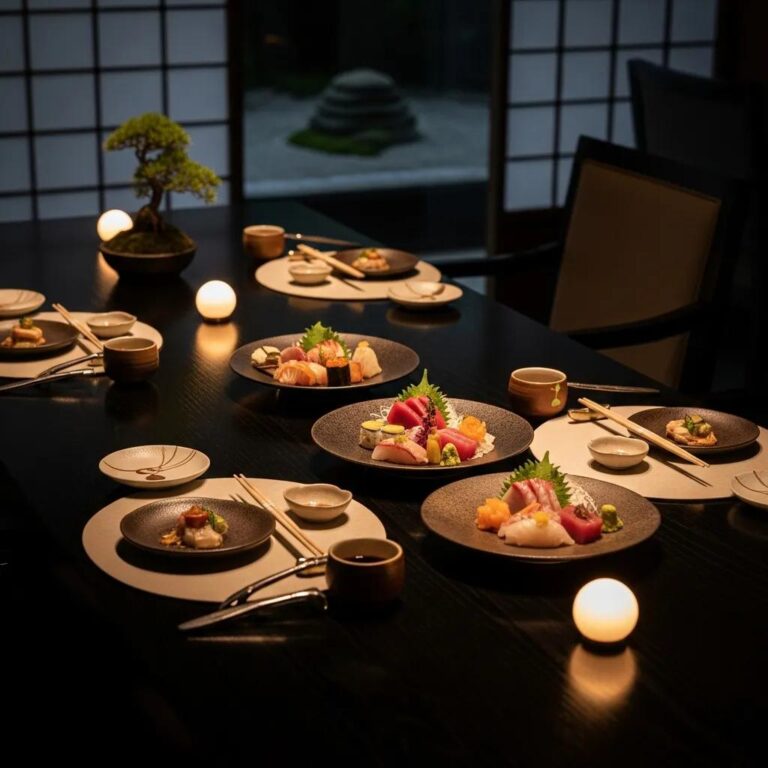
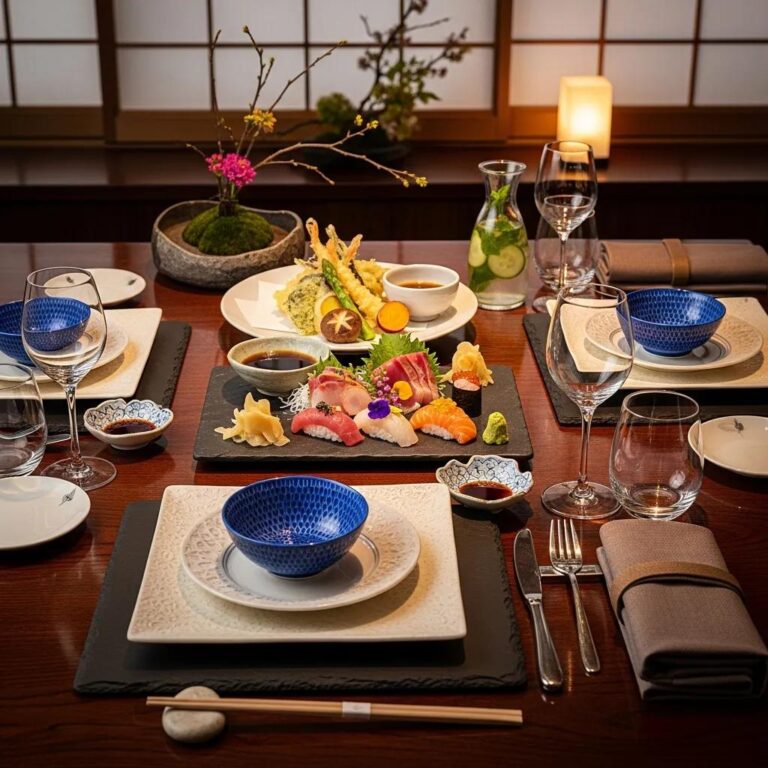
Japanese whisky often favors polish, restraint and a layered, balanced profile — a style suited to pairing with Japanese cuisine. While borrowing many Scottish techniques, Japanese producers emphasize harmony across blends of malt and grain or refined single‑malt expressions. For a fine‑dining program, offering both Scotch and Japanese single malts gives guests distinct choices: Scotch for bold regional character; Japanese whisky for subtle, seamless pairing. Kaviar Restaurant’s focus on omakase, A5 Wagyu, and caviar pairs naturally with a beverage list that spans both traditions.
How Can You Pair Single Malt Scotch Whisky with Japanese Cuisine?
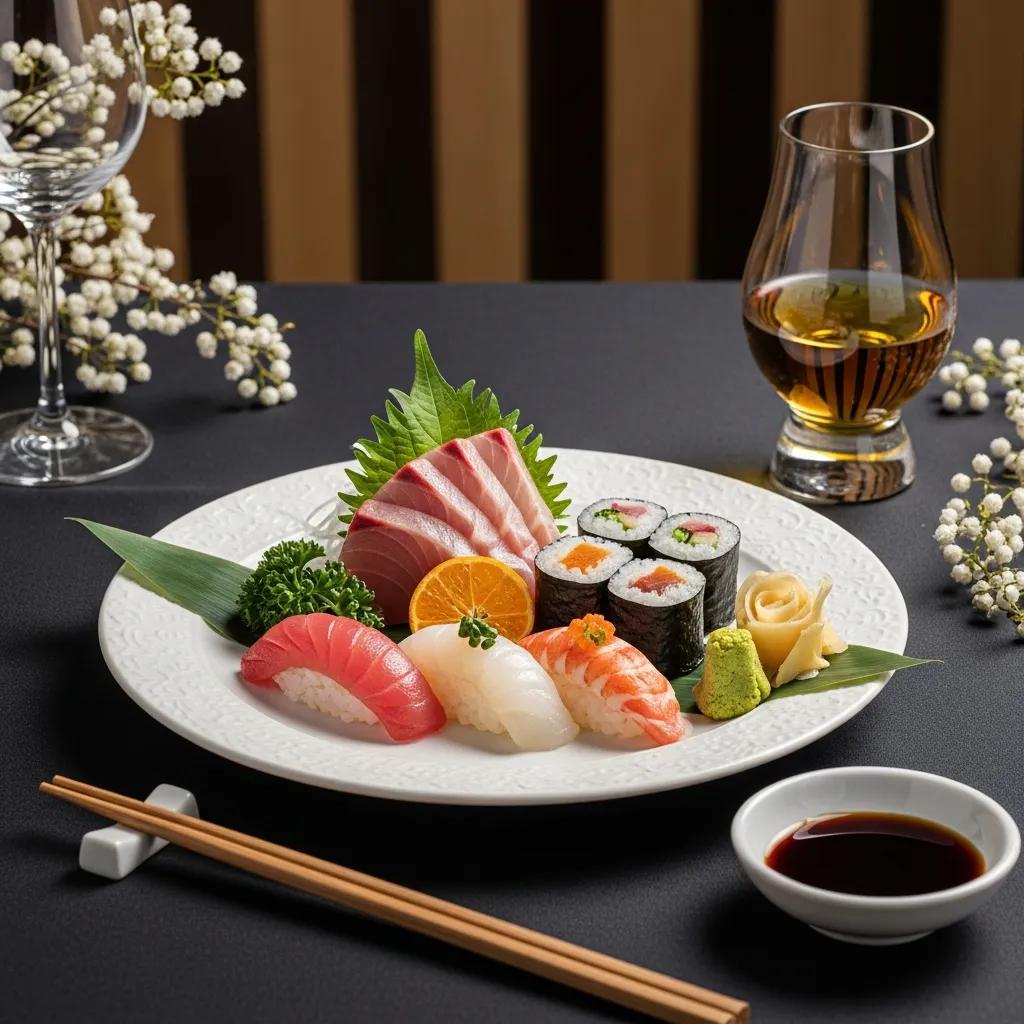
Good pairings follow three simple rules: match intensity, respect texture, and use contrast deliberately. Light, fruity malts suit delicate dishes; full‑bodied sherry or oaky malts stand up to rich, fatty courses. Start by identifying the dish’s dominant element — umami, sweetness, fat or salt — then choose a whisky whose texture and flavor either complements or provides a tasteful counterpoint. Below is a practical matrix for common Japanese course types and in-service tips for multi‑course sequences.
In short: match intensity, mind mouthfeel, and let contrast sharpen flavors.
- Intensity Match: Pair delicate sushi with lighter malts so the fish remains central.
- Texture Contrast: Use structured, oaky malts to cut through A5 Wagyu’s richness.
- Flavor Bridge: Reach for sherry‑finished or briny malts to echo caviar’s salinity.
These principles guide service-level recommendations and clarify when to complement or contrast during a tasting menu.
This practical matrix links whisky knowledge to Kaviar‑style dishes and supports thoughtful in‑service pairing choices.
What Single Malt Scotches Pair Best with Sushi and Sashimi?
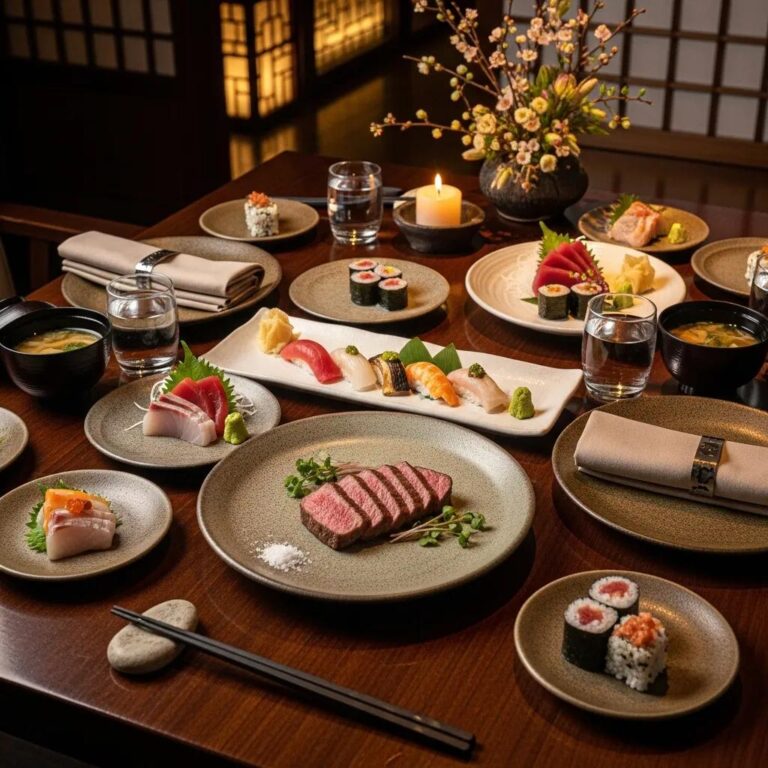
For raw seafood, choose lighter malts with citrus and floral notes — often Speyside or select Lowlands — that lift the seafood’s freshness without adding heavy smoke or oak. Opt for lower‑phenol whiskies with clean malt character and restrained tannin. A gentle flight that moves from a delicate Speyside to a floral Lowlands and finishes with a subtle Highland offers progression without overpowering the meal.
Which Whiskies Complement A5 Wagyu and Caviar at Kaviar Restaurant?
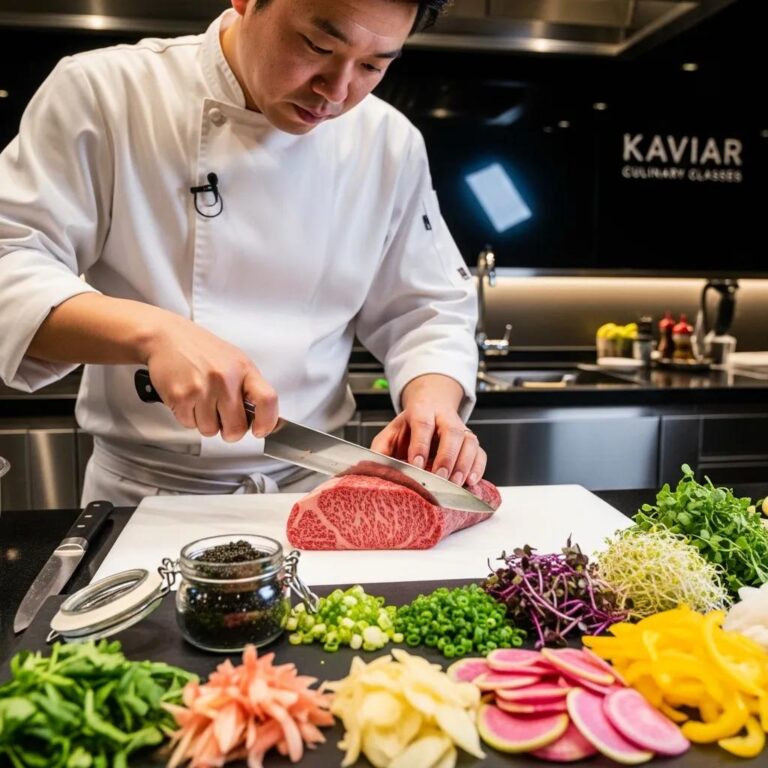
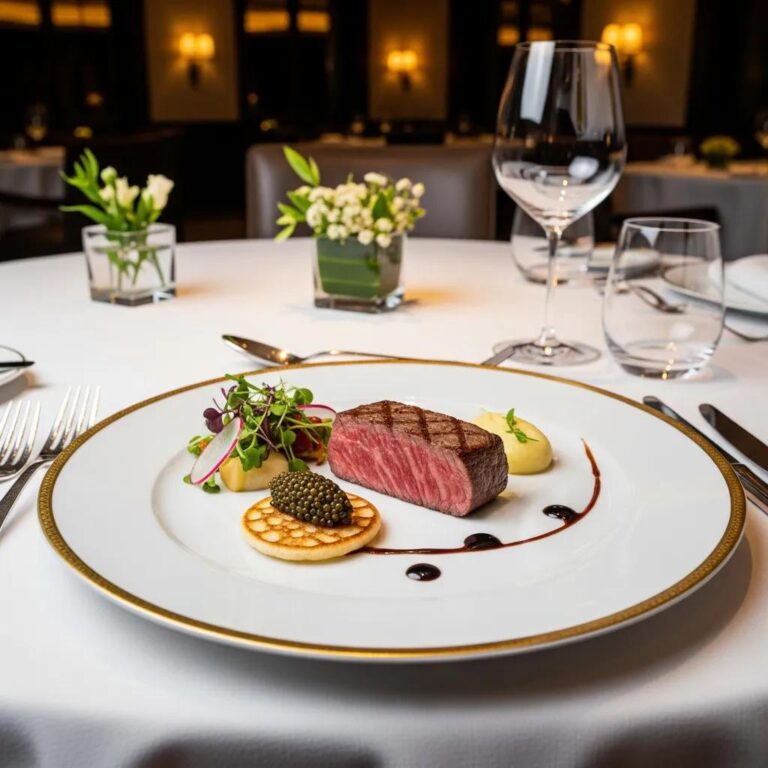
A5 Wagyu and caviar benefit from textured, richer single malts — sherry influence, toasted oak or controlled peat can heighten umami and balance fat. For Wagyu, look to full‑bodied sherry‑cask or well‑matured ex‑bourbon malts that bring dried fruit, spice and structural tannins. For caviar, maritime or sherry‑finished bottles with saline or nutty notes amplify brininess and mouthfeel. At Kaviar, these pairings are designed to create a dialogue between plate and glass; guests seeking curated pairings are invited to reserve to experience them in our tasting context.
Why Is Single Malt Scotch Whisky a Valuable Luxury Investment?
Single malt Scotch has evolved into an alternative luxury asset driven by premiumization, limited stocks of older casks and demand for traceable, collectible releases. Key value drivers are age, cask origin, distillery reputation, limited editions and documented provenance. That said, whisky investment requires due diligence on authenticity, storage and resale channels. The checklist below gives practical first steps for collectors who want to balance drinking pleasure with potential value appreciation.
What Are the Market Trends for Rare and Collectible Single Malts?
Demand for rare bottlings and distillery‑led special editions remains strong. Awards, limited releases and collaborations can lift a bottle’s profile, while clear provenance and transparent cask information support resale confidence. Prices fluctuate, so track auction results and trusted industry commentary. Distinguishing speculative hype from bottles with enduring demand — grounded in rarity and quality — is essential for sensible collecting.
- Research Provenance: Confirm bottle history and documentation before you buy.
- Assess Storage: Maintain stable, appropriate storage to preserve value.
- Choose Reputable Channels: Purchase from authorized retailers or trusted auctions for authentication.
These practical checks help new collectors avoid common pitfalls while enjoying whisky as both a hobby and, potentially, an appreciating asset.
Frequently Asked Questions
What is the ideal serving temperature for single malt scotch whisky?
Serve single malt Scotch around 50°F–60°F (10°C–15°C). At this range the spirit’s aromatic range is balanced: too cold mutes subtleties, too warm can emphasize alcohol. Many enthusiasts enjoy it neat or with a splash of water to open the aromas.
How should I store single malt scotch whisky to maintain its quality?
Store bottles upright in a cool, dark place away from direct sunlight and temperature swings. Aim for stable conditions around 60°F–70°F (15°C–21°C). Avoid very humid or excessively hot spots that can damage corks. Once opened, plan to enjoy the bottle within a few years — oxidation gradually alters the character.
Can single malt scotch whisky go bad or spoil?
Unopened whisky will remain stable for many years. Once opened, oxidation can change the flavor over time; the whisky won’t “spoil” like food, but its vibrancy can fade. Significant shifts in aroma or taste indicate the bottle has evolved and may be past peak drinking condition.
What are the common misconceptions about single malt scotch whisky?
Not all single malts are smoky — Islay is peat-forward, but regions like Speyside and the Lowlands produce much lighter styles. Age isn’t a universal quality guarantee: older isn’t always better, and younger whiskies can be lively and complex. Finally, whisky doesn’t have to be drunk strictly neat — water or gentle pairing choices are valid and often revealing.
How can I learn more about tasting single malt scotch whisky?
Attend tastings or masterclasses at distilleries or specialist bars, read focused literature, join whisky clubs and practice systematic tastings at home. Using a consistent routine — appearance, nose, palate, finish — and taking notes will steadily improve your tasting skills.
What food pairings work best with single malt scotch whisky?
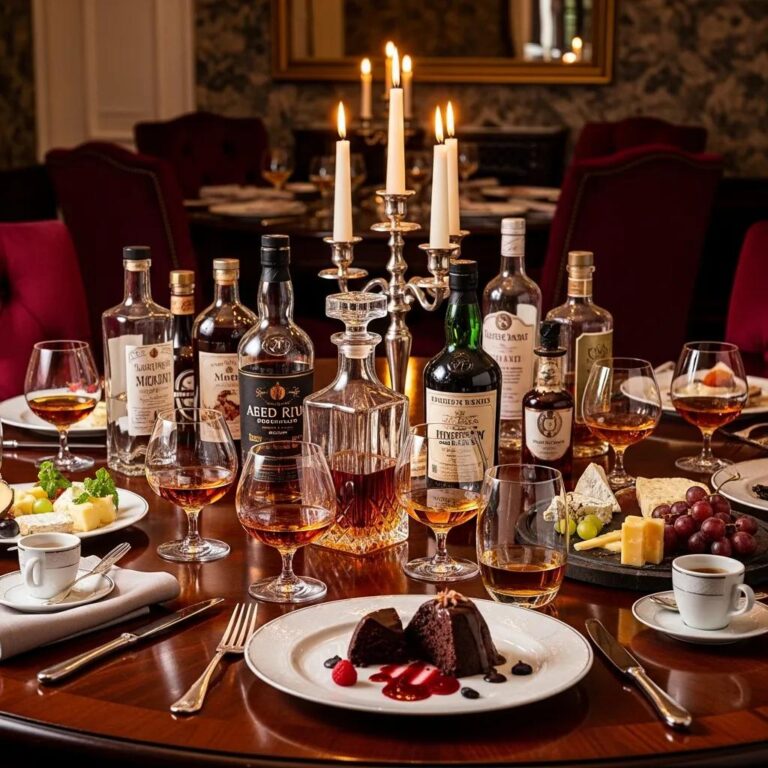
Pairings depend on the whisky’s profile. Light, floral malts suit seafood and delicate courses; sherry‑finished or richer malts match hearty meats and decadent desserts. Smoky Islay whiskies can stand up to grilled or intensely flavored dishes, while fruity Highland malts pair well with cheese and charcuterie. Experiment thoughtfully, considering the whisky’s intensity and texture when choosing a companion dish.
Conclusion
A richer understanding of single malt Scotch — from production to region to tasting technique — deepens enjoyment and informs better choices at the bar or on the wine list. Use the principles here to refine tastings, build pairings for Japanese fine dining, or begin a careful collecting program. Explore our curated selections and consider a guided pairing at Kaviar to discover the single malts that best match your palate and our kitchen.