




Dining Etiquette in Japan: Customs, Traditions, and Fine‑Dining Practice
Japanese dining etiquette is a thoughtful system of gestures and habits grounded in respect, harmony, and gratitude. Knowing these conventions makes everyday meals smoother and elevates experiences like omakase. This guide lays out essential table manners, utensil techniques, and useful phrases so you can enjoy Japanese cuisine with confidence and cultural sensitivity. You’ll find clear do’s and don’ts, step‑by‑step chopstick guidance, proper sushi handling, counter etiquette for omakase, sake rituals, and practical notes on tipping and shared plates. Many rules exist to protect the food’s integrity, honor the chef’s craft, and preserve social harmony—principles that matter most when dining on premium ingredients like A5 Wagyu or caviar. We’ve organized the material into six focused sections—core rules, chopstick technique, sushi manners, omakase norms, sake protocol, and general customs—using lists, comparison tables, and actionable steps so you can dine respectfully and fully savor the meal.
What Are the Essential Rules of Japanese Dining Etiquette?
At its heart, Japanese dining etiquette is about respect—for the food, the chef, and your fellow diners. These conventions protect flavor, reduce disruption, and express gratitude. Practically, they guide how to begin and end a meal, how to handle utensils and shared dishes, and how to pace yourself so the host’s timing is honored. Observing these basics enhances your experience and helps avoid common faux pas.
Keep these six simple rules in mind before you sit down.
Six essential rules to remember:
- Say “itadakimasu” quietly before you eat to acknowledge the meal and those who prepared it.
- Bring bowls close to your mouth when eating rice or soup to prevent spills and show care.
- Never stick chopsticks vertically into rice or pass food directly from chopstick to chopstick—both resemble funeral rites.
- Eat nigiri in one bite when you can and avoid dismantling pieces so the chef’s seasoning stays intact.
- Pace your eating with others and follow the chef’s rhythm in formal services to respect timing.
- When you finish, say “gochisousama deshita” to thank the cook and indicate you are done.
These guidelines form a practical baseline for dining in Japan and lead naturally into the smaller gestures—posture and phrases—that express respect at the table.
How Do You Show Respect Through Japanese Table Manners?
Respect at the table shows through posture, quiet verbal cues, and careful handling of dishes. A slight bow when greeted or served, and measured, deliberate movements, convey humility and keep attention on the food. Use the correct end of the chopsticks or designated serving utensils for communal plates to show thoughtfulness and maintain hygiene. Face your dish while eating and avoid leaning across others; these small behaviors preserve harmony and make ritual phrases feel sincere.
When and How Should You Say Itadakimasu and Gochisousama deshita?
Say “itadakimasu” right before your first bite to acknowledge the meal, and “gochisousama deshita” after you finish to thank the cook—both are concise, sincere expressions of gratitude. In group settings, either wait for the host or most senior person to begin, or join the group in unison. A gentle pronunciation, light eye contact, and a small bow communicate sincerity without ceremony. Using these phrases in fine‑dining contexts signals cultural awareness and respect for both ingredients and the chef’s work.
How Should You Use Chopsticks Properly in Japan?
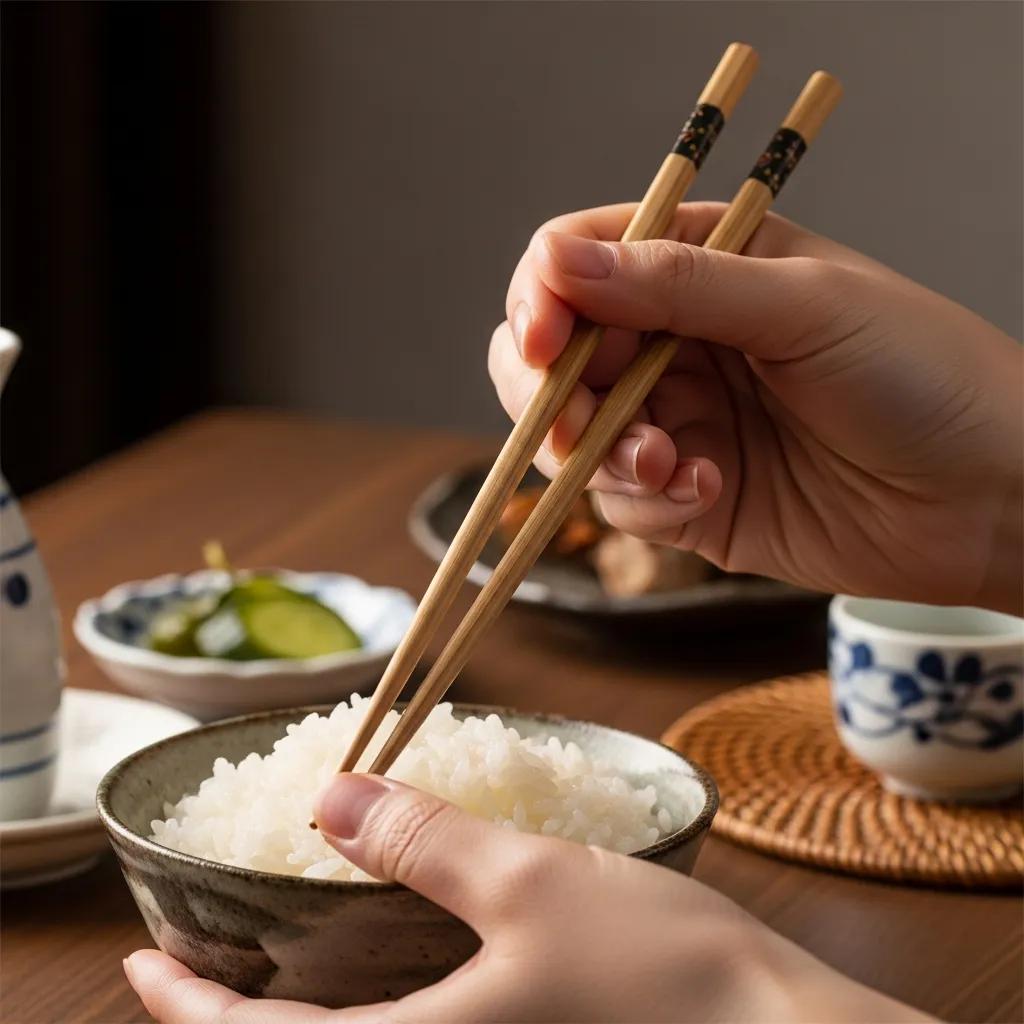
Good chopstick technique blends correct grip, controlled movement, and a set of taboos that preserve hygiene and meaning. Place the lower chopstick anchored between your thumb and ring finger and control the top chopstick with your index and middle fingers to create a precise scissor action. This grip lets you pick up delicate items, dip cleanly, and eat in single bites without stabbing or crushing—important when enjoying premium ingredients. Once comfortable, follow common do’s and don’ts to avoid accidental offense.
The following do’s and don’ts summarize courteous chopstick behavior and explain the reasons behind each rule.
- Do hold chopsticks near the thicker end for better control and balance.
- Do use the blunt end of your chopsticks for shared dishes to protect hygiene.
- Do rest chopsticks on a hashioki or neatly across a bowl when pausing between bites.
- Don’t point with chopsticks or wave them while speaking—this is considered rude.
- Don’t stab or spear food; it damages presentation and reads as impolite.
- Don’t stick chopsticks upright into a bowl of rice—this evokes funeral offerings and is inappropriate.
Practicing these habits preserves table etiquette and leads into appropriate alternatives for resting chopsticks when a hashioki isn’t available.
What Are the Do’s and Don’ts of Chopstick Use?
The do’s and don’ts mix practical technique with cultural sensitivity. Use the same controlled motion to pick and release food, place chopsticks on a rest when not using them, and switch to the blunt end for communal plates. Avoid actions with symbolic or disrespectful connotations—sticking chopsticks upright in rice, passing food directly between chopsticks, or using them to point. These simple rules help you navigate both casual and formal meals with confidence.
How Do You Rest Chopsticks Correctly with Hashioki and Alternatives?
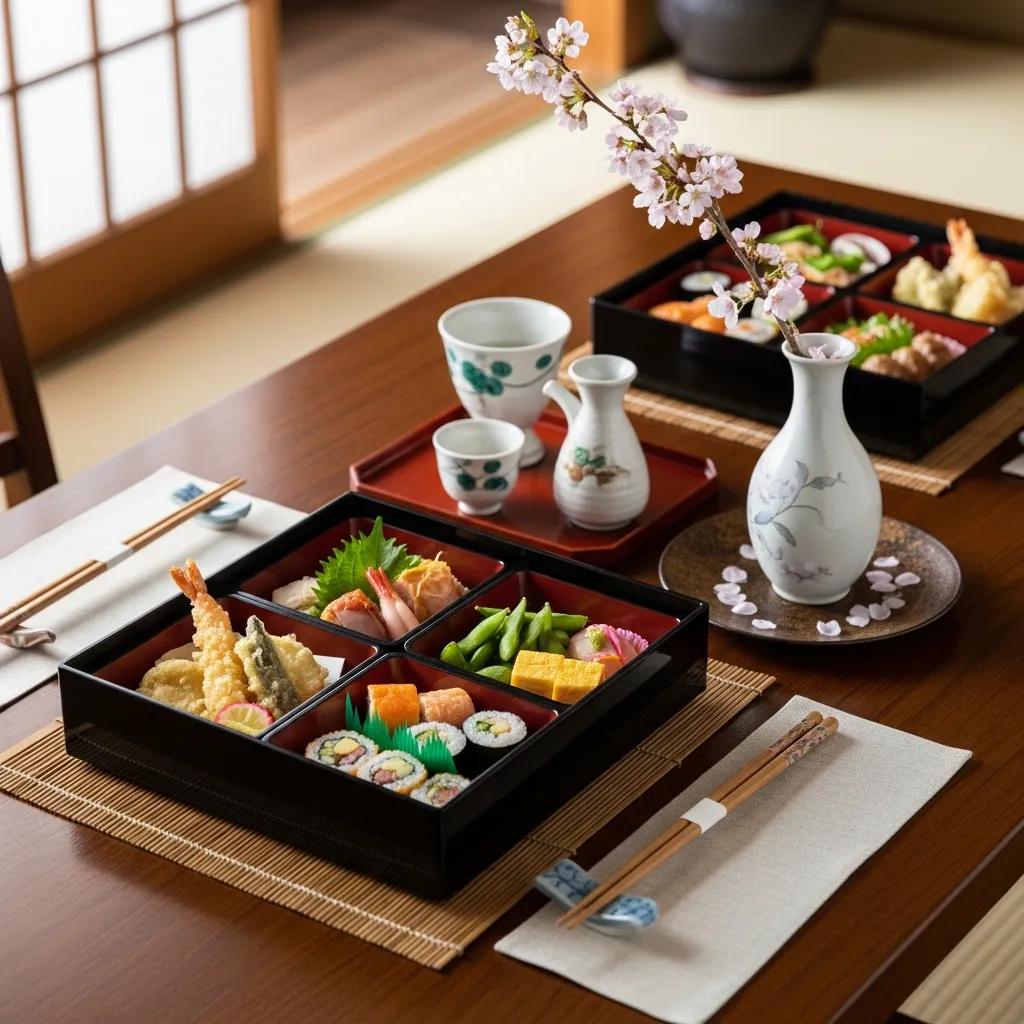
A hashioki keeps chopsticks off the table and preserves cleanliness—place them parallel on the rest with the tips pointing left. If no rest is available, lay chopsticks neatly across the rim of your bowl or on the wrapper in a tidy, parallel line; avoid pointing them at others or leaving them crossed. In fine‑dining, follow the chef’s or host’s placement cues and never set chopsticks directly on cloth napkins. Proper resting keeps the table tidy and prepares you for dishes like sushi where utensil choice matters.
What Are the Proper Sushi Dining Manners in Japan?
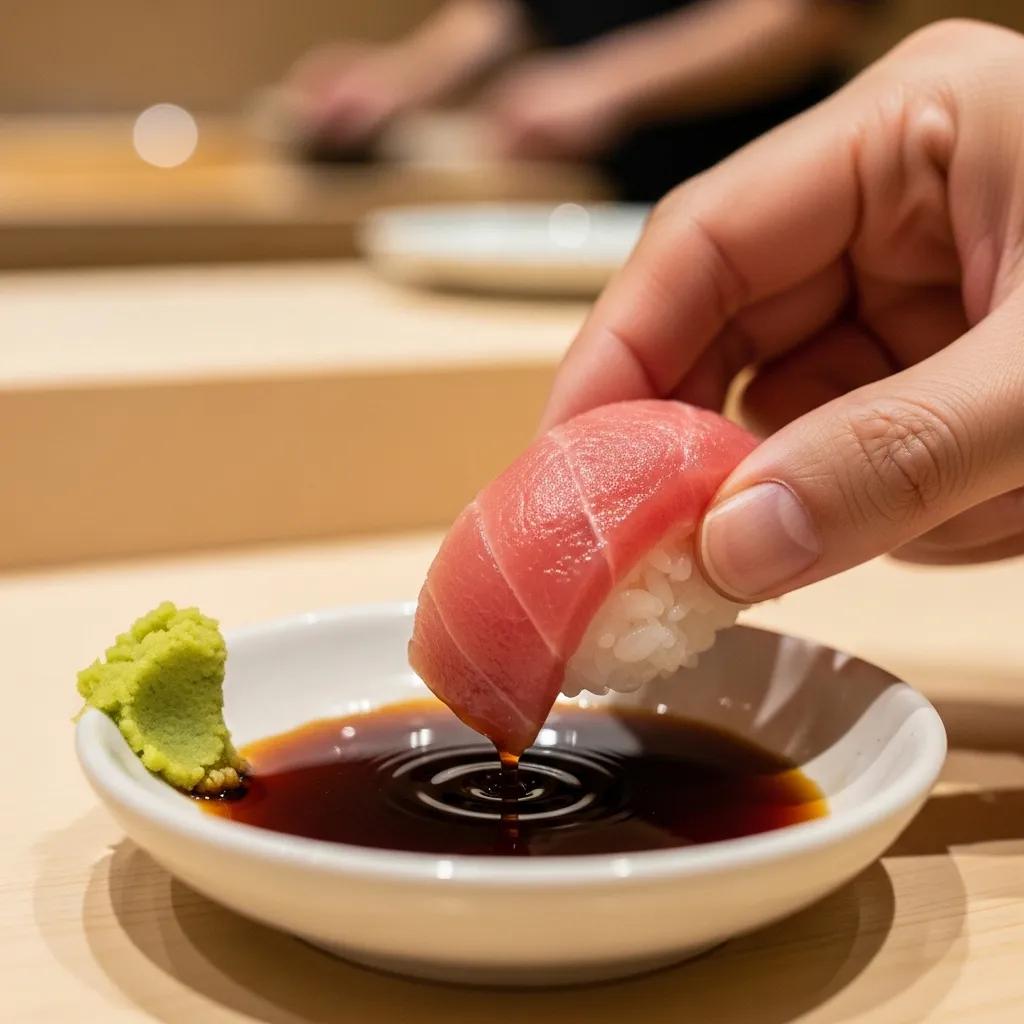
Sushi etiquette protects the chef’s intended balance of rice, fish, and seasoning. Handle pieces gently, dip correctly, and use wasabi sparingly so textures and flavors remain as intended. Sushi is typically bite‑sized; eat nigiri in one bite when possible and dip fish‑side down to keep the rice intact. In omakase and premium settings the chef often seasons each piece, so avoid over‑applying soy or mixing wasabi into the soy unless invited. These subtleties are especially important when ingredients like A5 Wagyu or caviar are featured.
Here’s a quick comparison to clarify utensil choice, soy technique, and wasabi use across common sushi types.
This table explains why hands are acceptable for nigiri—to support the rice—and why restraint with soy and wasabi preserves the chef’s intent. In upscale settings, following the chef’s lead enhances the tasting sequence. The next section covers choosing hands versus chopsticks for nigiri.
Should You Use Hands or Chopsticks to Eat Nigiri Sushi?
Traditionally, nigiri may be eaten with the hands to protect the rice and feel the piece; many sushi chefs expect this in a traditional setting. In more formal or Westernized dining rooms, chopsticks are perfectly acceptable. The critical point is not to dismantle the piece or oversoak the rice in soy. During omakase, follow the chef’s cue—if a piece is presented with a glaze or garnish meant to be eaten immediately, use the method indicated. Both hands and chopsticks are correct when used respectfully.
How Do You Dip Sushi in Soy Sauce and Use Wasabi Correctly?
When dipping, turn the nigiri fish‑side down so soy lightly kisses the topping without soaking the rice. Avoid mixing wasabi into the soy unless the chef suggests it—many chefs have already balanced the nigiri with a measured amount of wasabi. If you want more heat, apply a small dab of wasabi directly to the fish, not the rice, and taste before adding more. Respecting these details preserves the chef’s seasoning and prepares you for chef‑led services where pacing and trust matter.
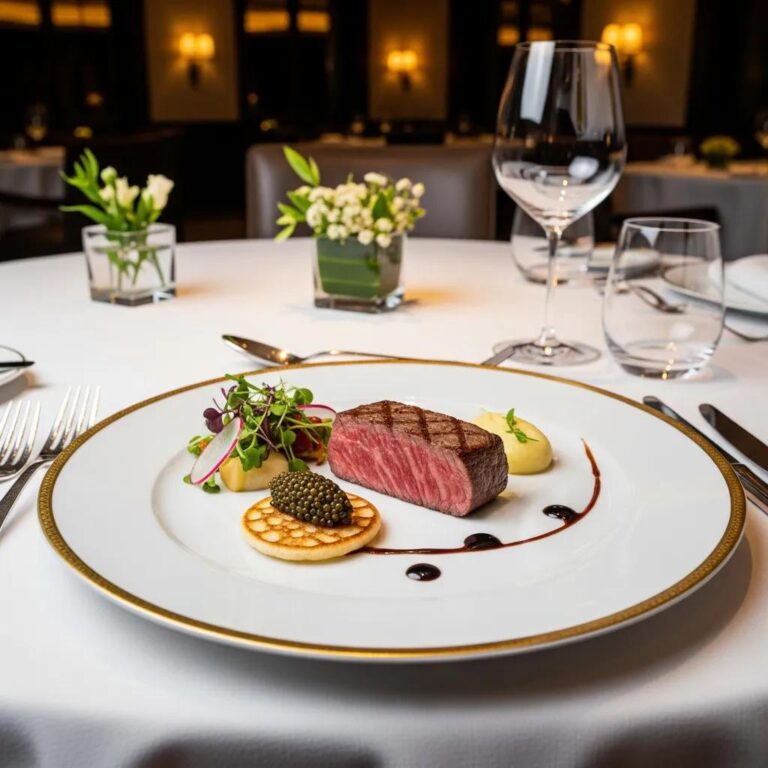
At fine‑dining sushi counters, these manners show appreciation for premium ingredients and trained technique. For guests seeking an omakase tasting, Kaviar Restaurant in Pasadena offers a chef‑led sequence featuring A5 Wagyu and curated caviar service; following sushi etiquette there helps you experience the chef’s seasoning and pacing as intended. Reservations are recommended to secure omakase seating and to view the menu ahead of time.
What Is the Etiquette for Omakase Dining Experiences?
Omakase—literally “I leave it up to you”—is a chef‑driven tasting that relies on trust, clear allergy communication, and patient attention. The chef crafts courses to showcase seasonality, technique, and ingredient integrity, so minimal interference and attentive observation are expected. Guest norms include counter seating, asking concise questions at appropriate moments, and avoiding disruptive photography or commentary. The table below summarizes how behavior differs across omakase contexts.
Knowing these differences helps you judge how much interaction is appropriate and how to communicate dietary needs without disrupting the flow. The next section covers how to speak with the chef and indicate preferences succinctly.
How Do You Trust and Communicate with the Chef During Omakase?
When booking or arriving for omakase, state allergies, strong dislikes, or major dietary restrictions clearly and briefly so the chef can adapt the menu. Use direct phrases like “I have a shellfish allergy” or “no beef, please” and avoid long explanations that interrupt service. During the meal, a nod or a brief “thank you” shows appreciation—ask questions sparingly and wait for natural pauses. This concise approach preserves the chef’s rhythm while keeping you safe and comfortable.
What Are the Seating and Behavior Norms in Omakase Settings?
Seating at a counter often follows arrival order or host priority; arriving on time shows respect for the planned sequence. At the counter, stay seated and minimize shifting so the chef can work smoothly; keep devices silent and use cameras discreetly if permitted. Short praise or a quiet “thank you” after a course is welcome, but avoid lengthy conversation that diverts attention from other guests. These norms maintain the focused, intimate atmosphere omakase chefs create and lead naturally into sake customs and pouring etiquette.
After an omakase tasting, consider how beverage service complements the pacing—see the next section for sake customs and pouring rules that support respectful communal dining.
How Do You Observe Proper Sake Drinking Etiquette in Japan?
Sake etiquette centers on pouring for others, modest receiving gestures, and communal toasts—practices that strengthen social bonds and show respect. The custom of oshaku—pouring for companions rather than yourself—encourages reciprocity. Two‑handed presentations are used for elders or formal occasions as a sign of deference, and waiting for the group to say “kanpai” before sipping emphasizes shared participation. The table below illustrates common pouring and receiving behaviors.
Paying attention to hand placement and timing enhances shared drinking rituals. The following subsections explain pouring and receiving sake step by step.
What Is the Custom for Pouring Sake for Others?
When pouring, steady the bottle with one hand and support the base with the other—especially for elders or dignitaries—so the gesture feels deliberate and respectful. Pour small amounts so recipients can signal when they want a refill; the back‑and‑forth rhythm encourages mutual service rather than self‑pouring. In casual groups, it’s common to pour for your neighbor and have them pour for you, reinforcing social connection.
How Should You Receive and Drink Sake Respectfully?
Receive sake with both hands or by supporting the cup and cupping the bottom with the other hand; lift only after the group says “kanpai.” Sip modestly to savor the flavor and avoid emptying someone else’s pour; small sips invite refills and continued conversation. If someone offers to pour for you, make brief eye contact and nod or bow to acknowledge the kindness. These modest gestures keep the mood harmonious and set the tone for handling shared plates and payments.
What Are General Japanese Restaurant Customs and Tipping Practices?
General restaurant customs cover shared dishes, seating etiquette, and how bills are handled; tipping culture in Japan differs from many Western expectations and can confuse visitors. Traditionally, tipping in Japan is uncommon because exceptional service is part of hospitality, not an extra reward. In U.S.-based Japanese fine‑dining establishments, however, local tipping norms usually apply—so it’s useful to confirm the restaurant’s policy when you book. Below is a direct answer about tipping, followed by practical guidance on shared plates and seating.
Is tipping expected in Japanese restaurants? No. In Japan proper, tipping is generally not practiced—service is embedded in hospitality, and offering cash as a tip can sometimes cause embarrassment. Outside Japan, especially in the U.S., tipping and service charges are common; guests should check the restaurant’s policy when making reservations. Many upscale kitchens prioritize reservation‑first service and streamlined booking. For example, Kaviar Restaurant in Pasadena presents chef‑curated omakase, premium ingredients like A5 Wagyu and curated caviar service, and convenient reservations via the website, phone, and major booking platforms—confirming service expectations at booking reduces friction for guests.
For shared dishes and seating, use communal utensils or the blunt end of your chopsticks to serve others and offer portions to elders and hosts first. In tatami rooms follow the host’s seating order and avoid stepping over laid‑out items; in chair seating the eldest or honored guest typically takes priority. Regarding payment, groups in Japan commonly pay together, though separate checks are often available in Western contexts—clarify arrangements early to avoid awkwardness. These etiquette points round out the practical map and show how customs enhance elevated dining.
Kaviar’s perspective: Observing Japanese dining etiquette deepens the appreciation of chef‑led meals and premium ingredients by letting the food and technique speak for themselves. At Kaviar Restaurant in Pasadena, guests who follow omakase and sushi etiquette experience a curated sequence that highlights A5 Wagyu, caviar service, and chef‑crafted plating; booking in advance ensures we can accommodate preferences and allergies. Embracing these customs makes the meal more enjoyable for you and more respectful of the culinary craft.
Frequently Asked Questions
What should I know about dining attire in Japan?
Dress matters, especially in fine dining or traditional settings. Smart casual is usually fine, but upscale restaurants may expect more formal attire—avoid shorts or flip‑flops. In traditional kaiseki settings, wearing a yukata or other traditional garment can enhance the experience. When in doubt, check the restaurant’s dress code and match the venue’s tone to show respect for the establishment and its cuisine.
Are there specific dining customs for communal dishes?
Yes. When sharing dishes, use the provided serving utensils or the blunt end of your chopsticks to transfer food—this preserves hygiene. Offer portions to elders or the host first as a sign of respect, and don’t reach over others; wait your turn. These small practices help keep shared meals orderly and considerate.
How do I handle food allergies or dietary restrictions in a Japanese restaurant?
Always communicate allergies or dietary restrictions clearly and politely—either when you reserve or when you arrive. Use simple, direct phrases such as “I have a shellfish allergy” or “no beef, please” so the kitchen can plan accordingly. Being concise helps maintain the service flow while protecting your safety.
What is the significance of the phrase “kanpai” during sake drinking?
“Kanpai” means “cheers” and marks a shared moment before drinking sake or other beverages. It’s polite to wait until everyone is ready and say “kanpai” together—this fosters camaraderie. After the toast, take a modest sip rather than draining your cup; small sips invite refills and continued conversation.
How should I behave if I need to leave the table during a meal?
If you must step away, excuse yourself briefly—say “shitsurei shimasu” (excuse me) as you stand. Keep the interruption low‑key and return without drawing attention; a simple nod or “thank you” to the host when you come back is polite and appropriate.
What are the expectations for photography in Japanese restaurants?
Be mindful with photos, especially during omakase. Many chefs prefer guests to focus on the meal rather than taking pictures, since photographing can disrupt service. If you want photos, ask permission first and keep shots discreet—no flash and don’t linger. Respecting these preferences preserves the dining flow for everyone.
How can I express gratitude to the chef after a meal?
Thank the chef by saying “gochisousama deshita” after you finish—a traditional phrase that acknowledges the meal and the effort behind it. A small bow or nod adds sincerity. This simple gesture strengthens the connection between diner and chef and honors the craftsmanship on the plate.
Conclusion
Learning Japanese dining etiquette enriches your meals and shows respect for the culture and the chef’s craft. By practicing key habits—correct chopstick use, thoughtful sushi manners, and proper sake etiquette—you’ll dine with more confidence and grace. Adopt these customs to elevate your experiences at home or in fine‑dining settings. For a memorable chef‑led meal, consider reserving at Kaviar Restaurant to taste dishes like A5 Wagyu and curated omakase prepared with care.