




How Dehydration Elevates Flavor and Texture in Modern Fine Dining
Dehydration is the purposeful removal of water to concentrate taste, reshape texture, and create durable, service-ready components chefs use to layer fine-dining plates. In contemporary cuisine, drying amplifies soluble flavor molecules — amino acids, sugars and nucleotides — producing richer umami, clearer aromatics and new textural possibilities that dovetail naturally with Japanese practices like dashi building and omakase sequencing. This article connects the science of flavor concentration to practical texture work, explains preservation and sustainability benefits, and offers chef-level methods for crisps, powders and flakes. You’ll find step-by-step techniques, comparative methods, and case studies showing how premium ingredients — from A5 Wagyu to caviar — gain complexity through controlled moisture removal. We also share examples from Kaviar Restaurant’s kitchen and explain how reservations for an omakase experience let guests taste these techniques in action. The sections that follow map science to service: flavor concentration, texture innovation, sustainability, advanced methods, signature dish case studies, and why dehydrated ingredients are shaping modern culinary creativity.
How does dehydration intensify flavor in fine dining?
Removing water concentrates the soluble molecules that carry taste, so amino acids, sugars and nucleotides register more strongly on the palate. As moisture falls, naturally occurring glutamates and other umami compounds become more noticeable — a light dusting of mushroom powder or a flake of dried seafood can markedly shift perceived savoriness. In practice, chefs turn concentrated elements into powders, flakes or intensely flavored crumbs that season sauces, finish proteins or build dashi without adding bulk liquid. The result is deeper savory presence, controlled salt balance and pronounced aroma — a precise tool for balancing fat-forward items like A5 Wagyu. From here we move into the science behind concentration and the Japanese staples that benefit most from drying.
What is the science behind flavor intensification through dehydration?
Dehydration amplifies flavor through physical concentration and selective chemistry. Removing water raises solute concentration, and temperature-dependent reactions — including mild Maillard reactions at higher drying temperatures — can create new aromatic compounds. Low-temperature drying preserves volatile aromatics and native glutamates; controlled heat can add caramelized, savory notes. Choosing the right approach is a balance between retaining delicate volatiles and encouraging reaction-driven depth. Both academic work and kitchen practice show that careful control of time and temperature retains key nutrients and aromatics while magnifying taste, giving chefs the ability to design precise flavor accents for nuanced dishes.
At its core, dehydration removes water to preserve food and to concentrate the flavors that make ingredients distinctive.
Understanding Food Dehydration and Concentration Processes
1. Water is removed from foods under natural field conditions, by a variety of controlled dehydration processes and during such common operations as cooking and baking. However, in modern food processing, the terms food dehydration and food concentration have acquired rather special meanings.
Which Japanese ingredients gain the most umami from dehydration?
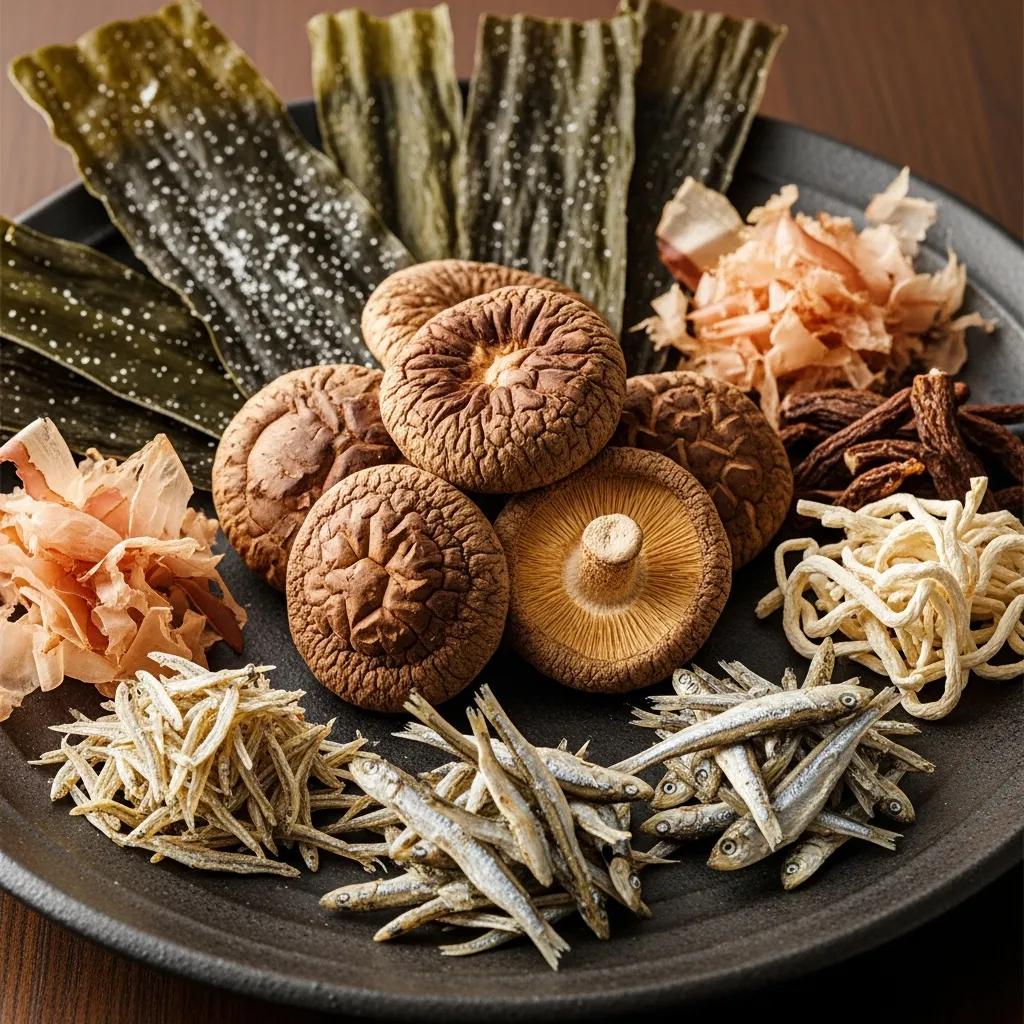
Several Japanese pantry staples respond especially well to drying and find clear culinary roles in dashi, finishing powders and seasoning flakes. Shiitake concentrate their glutamates when dried and ground into powder, ideal for dusting A5 Wagyu or enriching broths; kombu tightens its umami profile when dried, sharpening dashi extraction; and katsuobushi (dried bonito) demonstrates how dehydration delivers smoky, flakeable umami. Dehydrated seafood flakes and shellfish concentrates add saline, oceanic aromas without diluting a dish, while powdered kelp and dried citrus zest contribute bright umami and acid notes. Use these elements as finishing dusts, folded into sauces, or steeped for concentrated broths that reveal deeper savory structure in Japanese fine-dining preparations.
Typical changes after drying include:
What texture possibilities does dehydration introduce to gourmet plates?
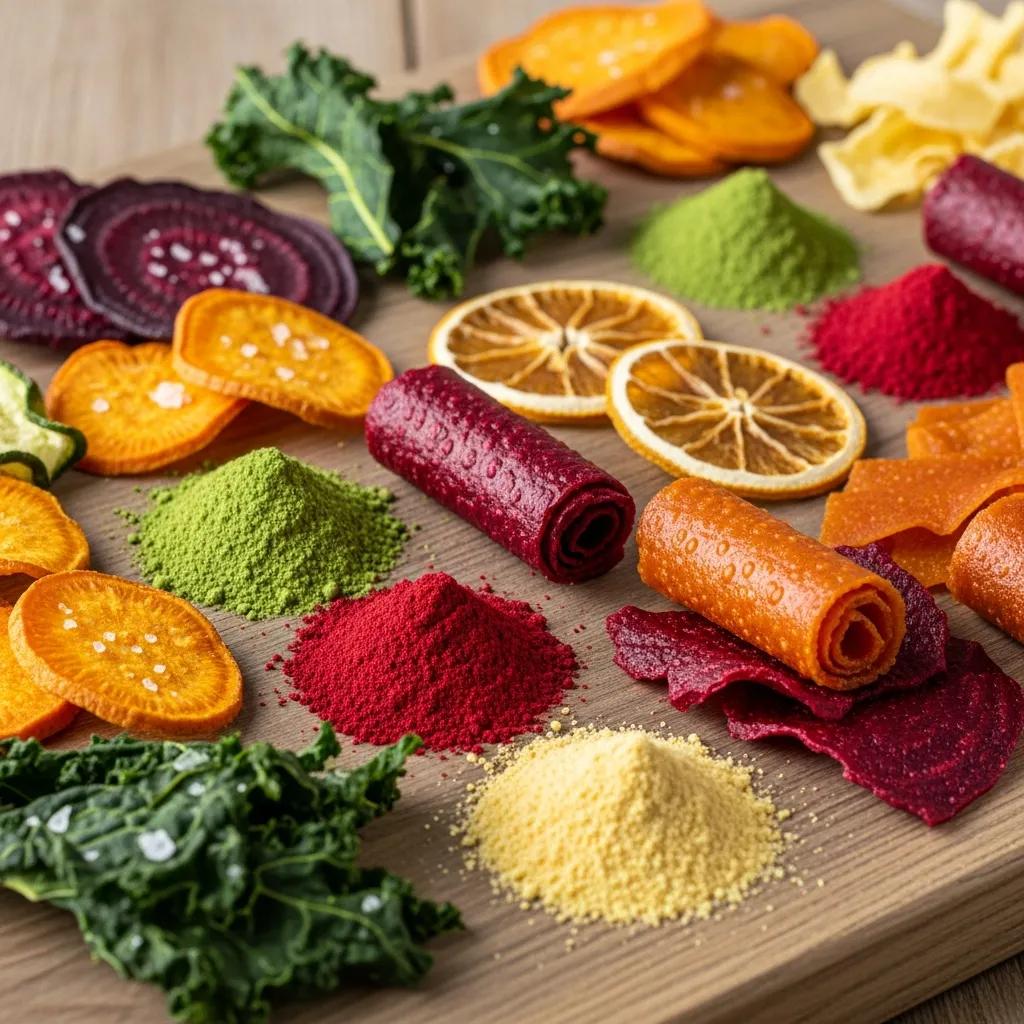
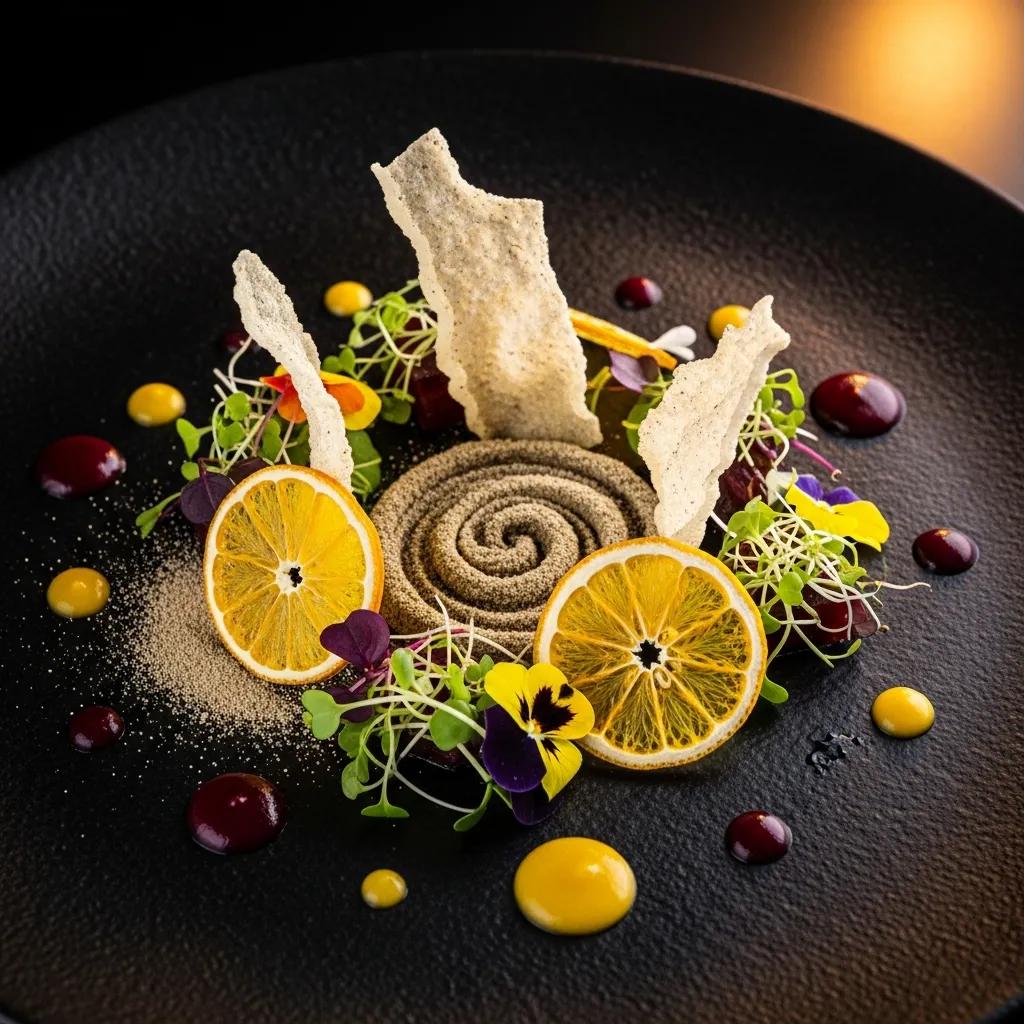
Drying unlocks a range of textures — ultra-crisps, airborne powders, chewy leathers — that give chefs structural contrast and visual drama. Converting fruits, vegetables, kelp or seafood into brittle crisps or superfine dusts creates accents that punctuate mouthfeel and balance richness, particularly alongside fat-forward proteins like A5 Wagyu. Texture innovation is both aesthetic and functional: crisps provide clean, audible breaks; powders deliver aroma without moisture; and light freeze-dried pieces offer concentrated flavor with minimal weight. These tools let chefs sculpt precise bite experiences in omakase sequences where contrast and palate progression matter. Below we cover how crisp garnishes and powders are produced and the sensory role they play.
How are crispy garnishes and powders made with dehydration?
Good powders and crisps start with careful prep, controlled drying and consistent post-processing. Ingredients are trimmed and seasoned, sometimes blanched or acidulated to hold color and flavor, then dehydrated at temperatures chosen either to preserve volatiles or to encourage Maillard development. Materials destined for powder are milled and sieved to a uniform particle size; crisps are cooled and handled to avoid moisture pickup. Airtight storage with desiccants preserves crispness and aromatic intensity so elements are service-ready. Mastering these parameters produces dependable garnishes that integrate cleanly with plated components.
Common steps chefs follow to make powders and crisps:
- Prepare and season the ingredient to set flavor and color before drying.
- Dehydrate at controlled temperature and time to preserve volatiles or develop Maillard notes.
- Mill or break the dried material to the desired particle size and store airtight to maintain integrity.
When blended ingredients are dehydrated, their physical and chemical properties — moisture content, density and reconstitution behavior — change in predictable ways that affect final performance.
Dehydration Effects on Culinary Blends: Tomato, Onion and Pepper Powders
ABSTRACT: Quality evaluation of blends of tomato, onion and pepper powder were studied using standard methods. Blends were formulated at different ratios. Sample A (TOP 100/0/0), Sample B (TOP 70/25/5), Sample C (TOP 70/20/10), Sample D (TOP 70/15/15) and Sample E (TOP 70/10/20). The functional, chemical and sensory properties of the samples were evaluated. Results showed a decrease in moisture content from 11.70% to 9.15% as the ratio of onion and pepper varied; wettability decreased as the ratio of onion and pepper changed; density shifted slightly; and reconstitution index and absorption capacities varied across formulations.
How does texture shape presentation and mouthfeel in modern fine dining?
Texture determines perceived freshness, complexity and satisfaction on the plate; dehydrated elements are a deliberate tool for shaping mouthfeel and visual structure. A crisp kelp wafer can cut through velvety textures, while a mushroom dust lifts aroma without altering moisture balance — both change how a diner navigates flavor sequence. In omakase service, alternating textures — delicate sashimi, silky broths and brittle garnishes — keeps the palate engaged and highlights a chef’s control of contrast. Presentation benefits include layered height, color pops and bite-level diversity that turn a tasting sequence into a coherent sensory narrative.
How does dehydration support sustainability and ingredient optimization?
Dehydration is a practical sustainability tool: it converts trimmings and near-waste into stable, flavorful assets that lower disposal and extend ingredient utility. By turning peels, stems and offcuts into powders or crisps, kitchens reduce waste and recapture value from material that would otherwise be discarded, improving yields and lowering costs. Drying seasonal produce also smooths supply volatility, letting kitchens deliver consistent menu quality year-round without overreliance on imports. The sections below layout workflows for waste reduction and the preservation mechanisms that extend shelf life for premium components.
What role does dehydration play in reducing restaurant food waste?
Routine dehydration workflows repurpose trim and peels into concentrated powders or garnish stocks, cutting disposables while creating proprietary flavors for a menu. Chefs collect vegetable peels, herb stems and mushroom trimmings for batch drying, then mill them into powders used as finishing salts, sauce thickeners or umami boosters — turning a waste stream into a flavor asset. Benefits include lower trash costs, improved yield and unique house-seasonings that differentiate a program. Implementing a simple trim collection and drying schedule often produces measurable waste reductions and aligns sustainability with creativity.
Common practices for repurposing kitchen scraps include:
- Collecting and drying vegetable peels to mill into powders.
- Dehydrating herb stems and leaves for concentrated seasoning blends.
- Converting bruised or overripe fruit into freeze-dried garnishes for desserts.
How does dehydration extend shelf life for premium ingredients?
Lowering water activity inhibits microbial growth and slows oxidation, which extends shelf life — a major advantage for high-cost items where spoilage is expensive. Freeze-drying, especially, preserves volatile aromatics and delicate textures by sublimating ice to vapor, protecting fragile components like caviar accents or delicate seafood without heat damage. Vacuum drying at low temperature similarly retains delicate flavors while producing stable flakes for plating, allowing chefs to store premium elements longer without compromising sensory quality. These strategies give procurement flexibility: buy seasonally, preserve peak flavors, and deploy preserved elements across service windows without loss of character.
What advanced dehydration methods are used in modern fine dining?
Advanced kitchens use several drying technologies — freeze-drying, vacuum drying and low-temperature dehydrators — selecting each for how it preserves flavor, texture and nutrients. Freeze-drying removes water by sublimation, keeping volatiles and fragile structures intact, which is ideal for delicate fruits, citrus zest or caviar accents. Vacuum drying works at reduced pressure and temperature to protect heat-sensitive compounds while offering faster throughput than ambient methods; it’s well suited for seafood flakes and kelp crisps where aroma retention matters. Low-temp dehydrators are economical and scalable for robust items like mushrooms and root vegetables, enabling controlled Maillard development when desired. The subsections below describe freeze-drying benefits and how vacuum drying fits into a professional workflow.
How does freeze-drying preserve nutrition and flavor?
Freeze-drying preserves nutrition and flavor by freezing an ingredient and removing ice as vapor under low pressure, minimizing thermal breakdown and volatile loss. The method maintains microstructure and aromatic compounds, so rehydration is more faithful and dry powders remain intensely aromatic. For delicate luxury components — freeze-dried citrus or caviar accents — freeze-drying preserves bright top notes that heat-based drying would dissipate. Chefs use freeze-dried pieces as intensity anchors: sprinkled directly over a course or briefly rehydrated to release aroma, because the method locks in flavor near peak levels for extended periods.
What is vacuum drying and how does Kaviar use it?
Vacuum drying lowers the drying temperature by reducing pressure, preserving volatile aromatics and sensitive umami compounds while producing consistent texture and shelf life. In Kaviar’s workflow we use vacuum drying to make seafood flakes and kelp crisps that retain oceanic aromatics and a delicate mouthfeel, choosing this method when heat would blunt nuance. Vacuum drying complements freeze-drying by offering a middle ground: better volatile retention than conventional dehydrators with higher throughput than freeze-dryers — enabling scalable production of dehydrated garnishes for omakase service. The technique helps Kaviar deliver consistent dehydrated elements that pair precisely with premium menu items and support steady service quality.
Which signature dishes at Kaviar showcase dehydration’s role?
Dehydration appears throughout Kaviar’s menu to deepen umami, introduce textural contrast and present premium ingredients with precision. Examples include A5 Wagyu finished with dehydrated mushroom powder to amplify savory depth, omakase courses that layer freeze-dried citrus and kelp dust for palate progression, and caviar presentations accented by delicate freeze-dried elements to add bright top notes without diluting the roe. These applications translate technique into the diner’s experience: intensified aroma, calibrated salt balance and memorable textural interplay. The entries below describe specific uses and include a concise case-study table linking dish elements to sensory outcomes and menu placement.
How is dehydrated mushroom powder used to enhance A5 Wagyu?
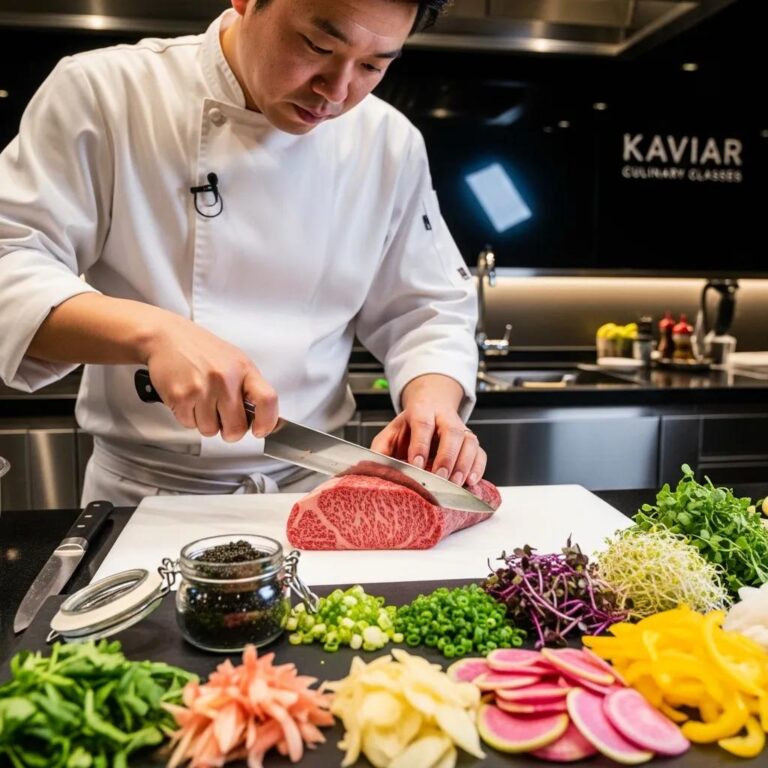
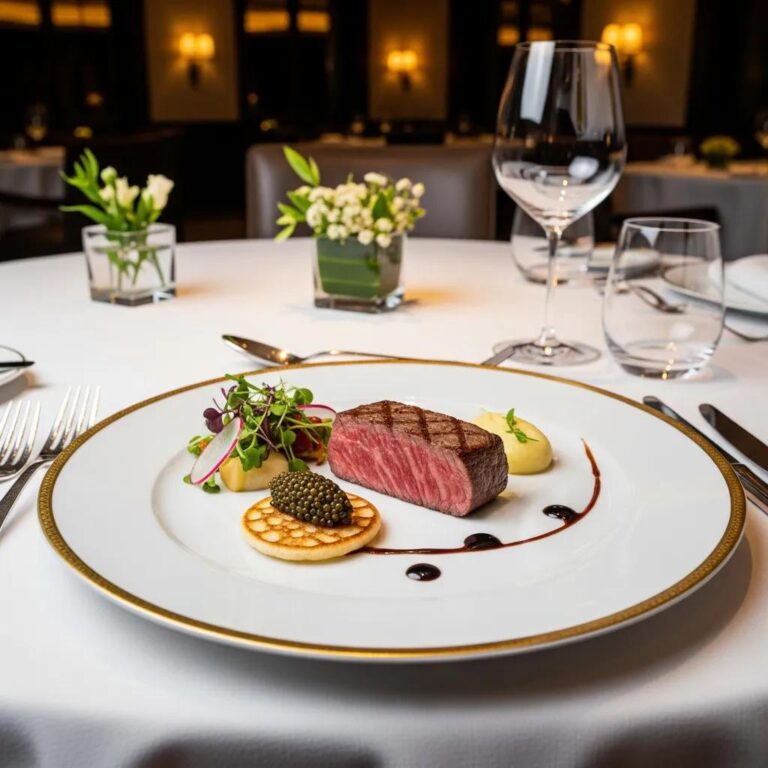
Shiitake powder concentrates glutamates and aromatic compounds into a fine dust that elevates A5 Wagyu’s beefy richness without adding moisture. At Kaviar we mill slowly dehydrated shiitake into a superfine powder and use it as a light finish or fold it into reductions to deepen savory layers; the dry powder clings to fat and releases aroma as the beef warms. This finishing treatment increases perceived umami and reinforces the Wagyu’s savory character while preserving the pristine texture and mouthfeel prized in high-grade beef service. The result keeps the Wagyu front and center, with subtle mushroom notes adding aromatic complexity.
What dehydrated elements appear in Kaviar’s omakase?
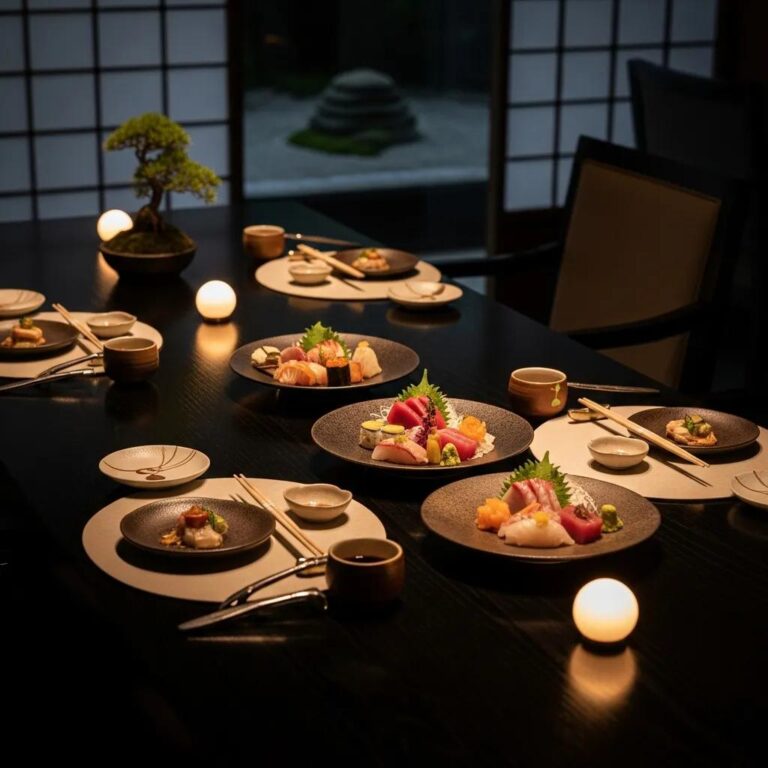
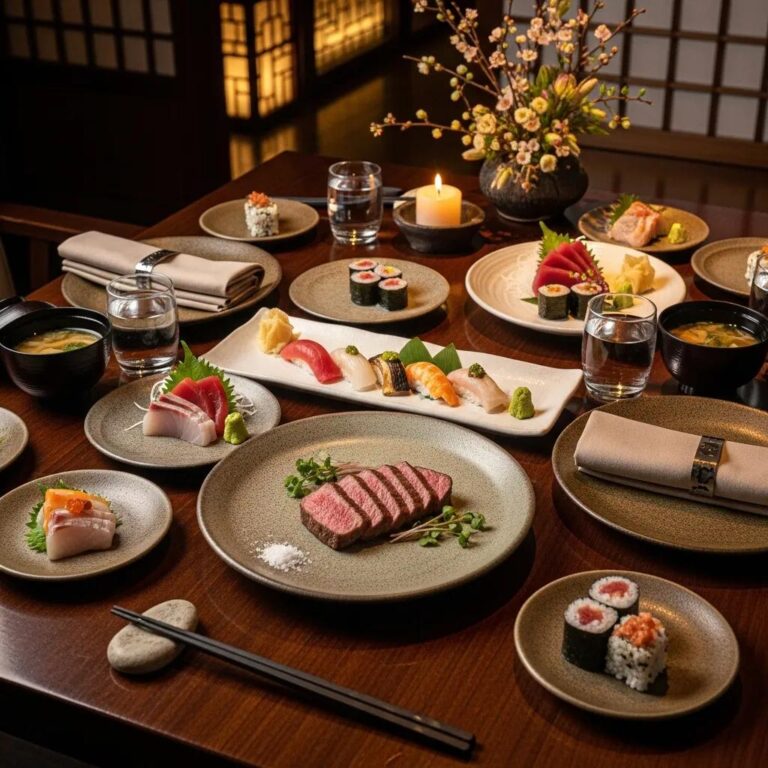
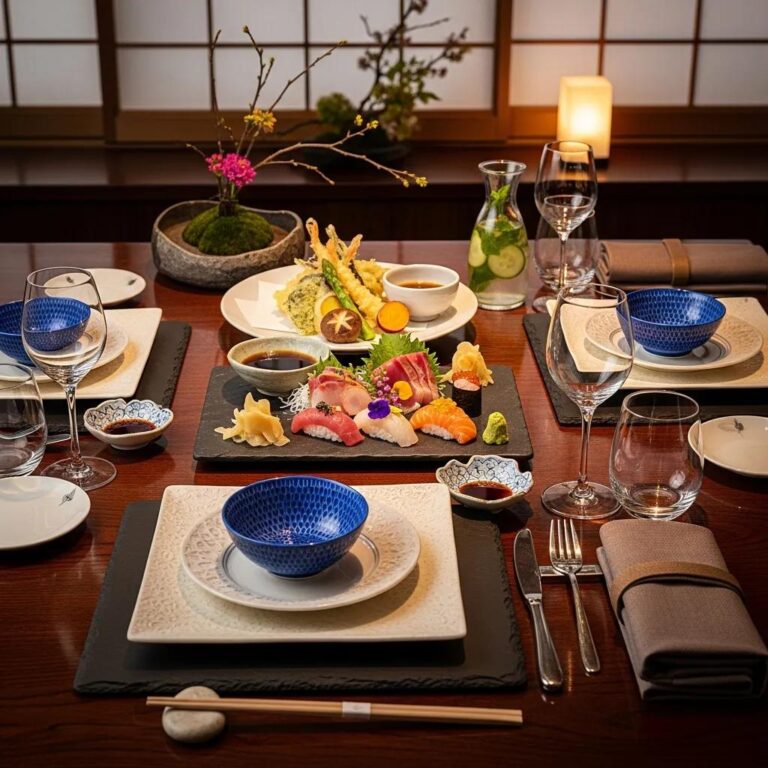
Kaviar’s omakase features a curated set of dehydrated components — kelp dust, shiitake powder, freeze-dried citrus zest and vacuum-dried seafood flakes — that appear through the tasting sequence to shape aroma, contrast texture and stabilize seasonal supply. These elements act as micro-accents: kelp dust lends an oceanic umami to sashimi, citrus flakes add bright punctuation to richer bites, and seafood flakes bring crunchy saline notes against softer proteins. By weaving dehydrated items across courses, Kaviar keeps flavor profiles consistent while creating a deliberate palate progression that elevates each segment of the omakase. Guests experience purposeful contrasts that reflect the chef’s control over both flavor and sequencing.
Typical dehydrated elements and their roles in service:
- Dehydrated kelp dust: Adds a long umami backbone to broths and sashimi.
- Shiitake powder: Finishing dust for grilled or seared items to intensify savory notes.
- Freeze-dried citrus: Aromatic brightener for rich, oily bites and desserts.
Why are dehydrated ingredients indispensable to modern culinary creativity?
Dehydrated elements expand a chef’s toolkit: they concentrate flavor, enable novel textures, support sustainability and produce signature accents that are reproducible across service. As dining trends favor sensory precision and reduced waste, dehydration lets chefs create intensely aromatic powders, crisp structural highlights and long-lasting flavor tokens that reflect both technique and terroir. The method sits comfortably between molecular practice and culinary tradition, marrying technology and heritage to craft distinct tasting narratives. Below we outline creative powder uses and the market trends driving freeze-dried and vacuum-dried adoption.
How do chefs build unique flavor powders and garnishes with dehydration?
Chefs layer dehydrated bases with spices and lipid carriers to make finishing powders that deliver aroma and mouth-coating savor without adding moisture. Typical techniques include blending mushroom and kelp powders with toasted seeds for umami dusts, suspending fine powders in infused oils for textural contrast, and using freeze-dried fruit pearls as crunchy sweetness in desserts. These approaches let kitchens apply intense flavor precisely and consistently, creating signature touches that define a restaurant’s profile. Turning trims into concentrated finishing elements also supports creativity while strengthening operations.
Key creative powder ideas often include:
- Nori-mushroom dusts blended with sesame for umami finishing.
- Citrus freeze-dried pearls used as aromatic crunch on raw fish.
- Vegetable “dirt” made from roasted peel powders to add savory depth.
What trends are driving growth in freeze-dried and dehydrated foods?
Several trends are driving adoption: demand for concentrated, novel flavors; a stronger focus on sustainability and waste reduction in professional kitchens; and the visual appeal of dehydrated elements on social platforms. Chefs and diners crave intense aromatics and fresh textural contrasts that elevate tasting menus, while operations value the inventory flexibility and shelf stability of dried components. Wider commercial access to freeze-dryers and vacuum systems also makes advanced methods practical for restaurants that want to differentiate through technical craft. As interest grows, dehydrated components have become signature markers of contemporary fine dining — signals of both technique and taste discipline.
- Market interest: Chefs adopt freeze-drying to retain quality and introduce novelty.
- Operational drivers: Waste reduction and inventory optimization encourage drying workflows.
- Consumer appeal: Visual and textural novelty performs strongly in tasting menus and media.
Kaviar Restaurant presents these dehydrated techniques within a refined Japanese fine-dining tasting environment. Located at 70 N Raymond Avenue, Suite 250, Pasadena, CA, Kaviar highlights omakase sequences, A5 Wagyu and caviar-focused dishes that demonstrate the culinary benefits of freeze-dried and vacuum-dried accents. Reservations for an omakase experience and specialty menus are available by phone, Resy or OpenTable so guests can plan visits that showcase these dehydrated innovations in service. This local application shows how dehydration moves from technique to memorable dining moments at an upscale Japanese restaurant.
- Menu integration: Dehydrated elements become consistent signature accents in tasting menus.
- Operational value: Preserved components reduce waste and stabilize supply for premium ingredients.
- Guest experience: Texture and flavor contrast create memorable, multi-course sequences.
These points summarize why dehydration is both a culinary and operational priority for contemporary fine dining programs like Kaviar Restaurant.
Frequently Asked Questions
What are the health benefits of using dehydrated ingredients in fine dining?
Dehydrated ingredients can retain much of their nutritional value, preserving vitamins, minerals and antioxidants when handled correctly. Using dried components can reduce reliance on preservatives or artificial flavorings, allowing chefs to build cleaner plates with concentrated taste. As diners increasingly seek both flavor and nutritional quality, dehydration offers a way to deliver intensity while respecting ingredient integrity.
How can home cooks incorporate dehydration techniques into their cooking?
Home cooks can start with basic tools: a low-temperature oven or a consumer dehydrator. Choose firm produce or herbs, slice uniformly for even drying and dry at low heat (roughly 140°F / 60°C) until fully desiccated. Store dried items in airtight jars away from light and moisture. Once dried, use powders, crisps or rehydrated pieces to boost sauces, dressings and snacks — a simple way to carry professional techniques into the home kitchen.
What are some common mistakes to avoid when dehydrating food?
Common errors include uneven slicing, which causes inconsistent drying; using temperatures that are too high, which can drive off volatile aromatics and degrade flavor; and improper storage, which allows moisture reabsorption and spoilage. Ensure items are fully dry before packing, pre-treat fruits prone to browning with acidulated solutions when needed, and store dried goods in airtight containers with desiccants when possible.
How does dehydration affect the flavor profile of ingredients?
Dehydration concentrates an ingredient’s natural sugars, acids and amino acids, intensifying sweetness, acidity or umami depending on the base. Tomatoes become deeper and sweeter; mushrooms gain pronounced savoriness; citrus retains bright aromatic oils when correctly freeze-dried. The concentration lets chefs use smaller quantities to achieve strong flavor impact without adding moisture.
Are there specific safety concerns when dehydrating food at home?
Yes. Cleanliness and correct temperatures are essential. Meats and poultry require higher drying temperatures or an initial blanching/precooking step to eliminate pathogens. Always follow established guidelines for drying times and temperatures, and store finished products properly to prevent rehydration and microbial growth. High-sugar fruits should be checked carefully to avoid fermentation if not thoroughly dried.
What are some innovative uses for dehydrated ingredients in modern cuisine?
Chefs are using dehydrated powders in sauces and dressings for concentrated umami, sprinkling freeze-dried fruit pearls for crunchy aromatic highlights in desserts, and layering vegetable crisps to add contrast on savory plates. Dehydrated elements also enable creative plating sequences in tasting menus, where texture and aroma are used intentionally to guide the diner’s experience.
Conclusion
Dehydration in fine dining sharpens flavor concentration, introduces new textures and supports sustainable kitchen practice by reducing waste. Properly applied, dried elements let chefs create innovative dishes that amplify premium ingredients while maintaining their integrity. To experience these techniques firsthand, reserve an omakase at Kaviar Restaurant and taste how dehydration can elevate a meal from excellent to memorable.