




Winter Japanese Fine Dining in Pasadena: Warm, Rich, Seasonal Plates from Kaviar
At Kaviar, winter cooking means warmth, fat and umami—carefully layered to comfort the body and the senses. Our seasonal menu for Pasadena leans on dashi-rich broths, caramelized glazes and premium proteins—from Miso‑Glazed Black Cod to Miyazaki A5 Wagyu—plus a considered caviar program that rounds the tasting. This piece walks through the ingredients, techniques and pacing that make our winter service feel both restorative and refined, explains how an omakase adapts to colder months, and offers practical reservation notes for guests planning a special evening. Along the way we naturally include search-friendly phrases like seasonal winter menu, A5 Wagyu luxury dinner, caviar service winter, and Pasadena omakase seasonal so diners can find the winter experience they want. Next, we outline the philosophy behind Kaviar’s winter offerings and the culinary choices that define them.
What Defines Kaviar’s Exquisite Winter Menu in Pasadena?
Our winter menu rests on three clear principles: seasonality, premium proteins, and techniques that hold temperature and build richness. We source winter seafood and root vegetables suited to longer, savory preparations, and anchor several courses with A5 Wagyu and top‑grade caviar. Methods like dashi braises, hot‑plate finishes and buttered emulsions turn raw ingredients into dishes that keep heat and deliver concentrated umami—resulting in a restorative, elevated experience. Together these elements form a seasonal winter menu that feels comforting but unmistakably fine‑dining—perfect for guests seeking luxury warmth, not just nostalgia.
Our approach is as practical as it is sensory: we prioritize ingredients with fat, collagen and natural sweetness so every bite has depth and a mouth‑coating finish. From there, technique and pairing sharpen the sense of heat and richness.
How Does Kaviar Incorporate Seasonal Ingredients into Winter Comfort Dishes?
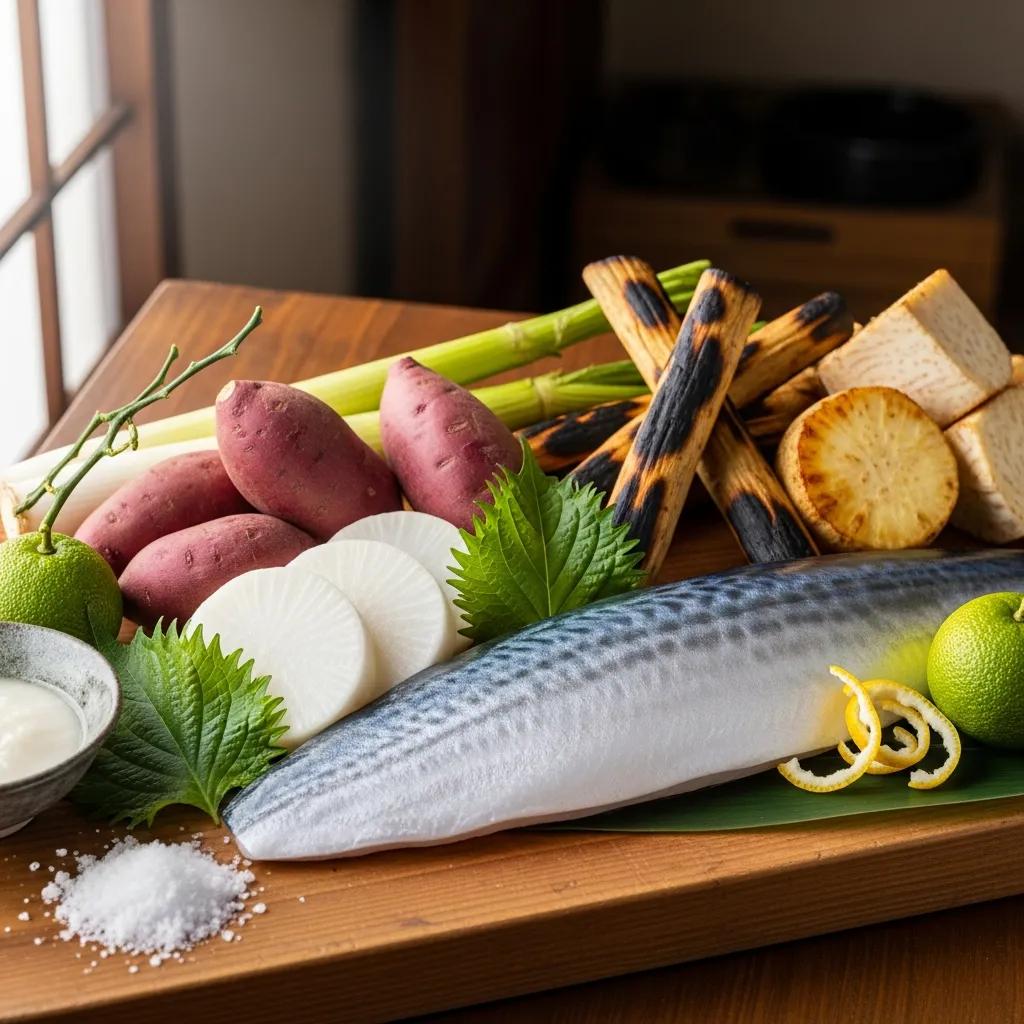
We build warmth by using winter fish like kanburi (winter yellowtail), oysters and uni with hearty produce such as daikon and roasted roots. Fish may be lightly seared or braised in dashi so the broth carries umami while the exterior stays warm; shellfish pair with citrus‑butter emulsions to marry brine and heat. Root vegetables are roasted or simmered in miso‑enriched liquids for body and sweetness, and uni appears in silky preparations—like our Uni Pasta—where butter and pasta help hold temperature. Every choice emphasizes texture and mouthfeel so each bite delivers sustained comfort during colder nights.
- Seasonal winter seafood and roots deepen savory flavor and tactile satisfaction.
- Techniques such as braising and hot‑plate finishing preserve heat for longer enjoyment.
- Finishing touches—truffle butter or miso emulsions—amplify the palate‑coating richness.
Why Is Luxury Japanese Fine Dining Perfect for Winter Comfort Food?
Fine Japanese cooking turns comforting elements into precise, layered dishes. Controlled searing, dashi reductions and emulsified sauces concentrate flavor without losing nuance. A Miso‑Glazed Black Cod, for instance, benefits from a caramelized exterior with a warm, buttery center; Uni Pasta blends uni and butter into a bowl that feels indulgent and warming. In a fine‑dining setting, service, pacing and pairings are tuned to preserve temperature and contrast—so warmth and sophistication arrive together, not at the expense of one another.
Kaiseki’s focus on seasonality and careful preparation is a guiding influence on how we shape Kaviar’s winter menu.
The Aesthetics of Kaiseki: Seasonality and Japanese Fine Dining Principles
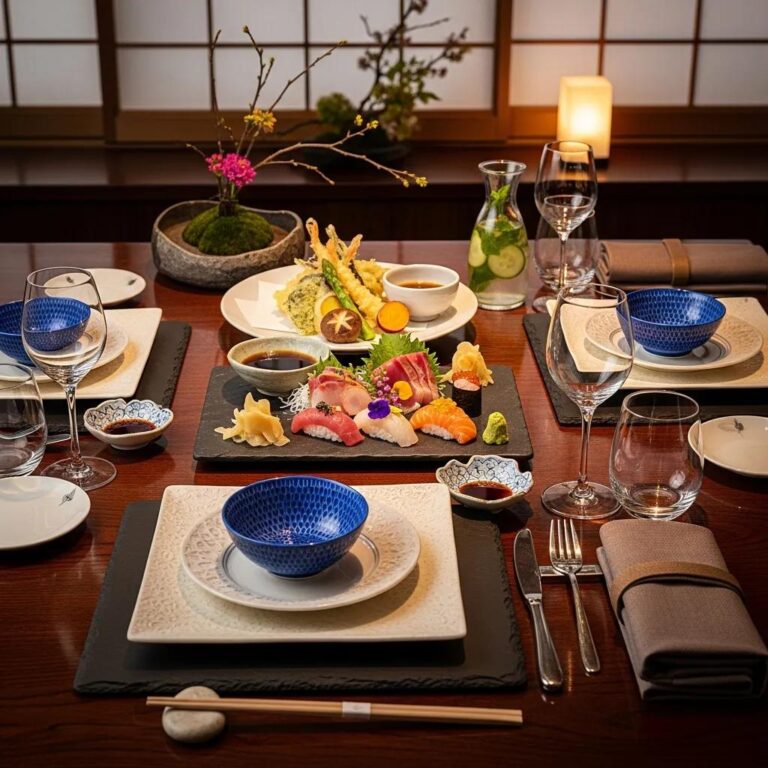
Kaiseki—rooted in the tea‑ceremony tradition—has evolved into one of Japan’s most refined dining forms. It emphasizes seasonal ingredients, visual balance and restrained technique: each course reflects the moment and contributes to an overall rhythm. This framework informs modern fine dining by asking chefs to honor seasonality, composition and subtlety in every plate.
With that balance in mind, we translate Kaiseki principles into a winter omakase that alternates temperature and texture to build a cohesive tasting journey.
What Are the Highlights of Kaviar’s Seasonal Omakase Journey for Winter?
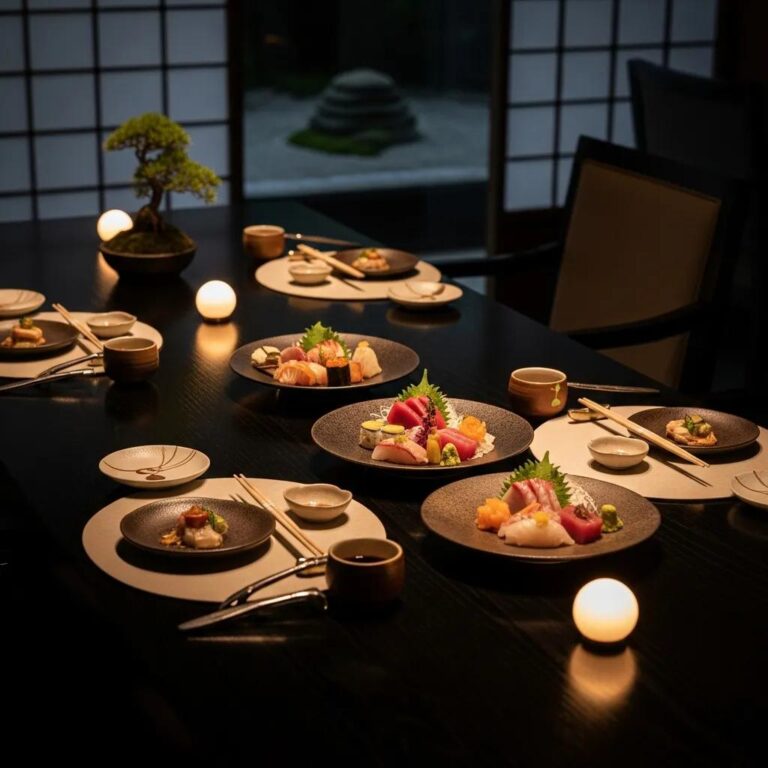
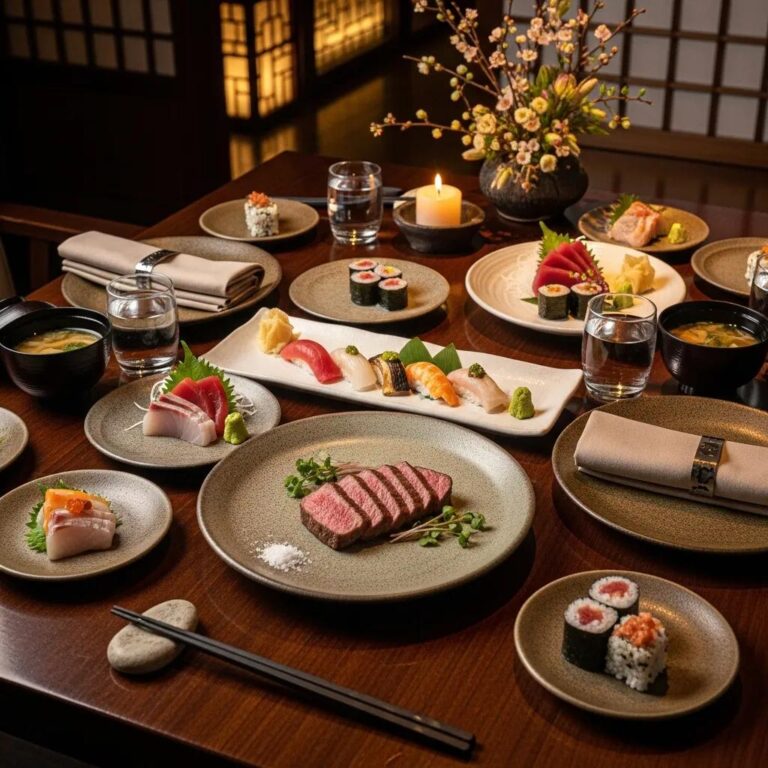
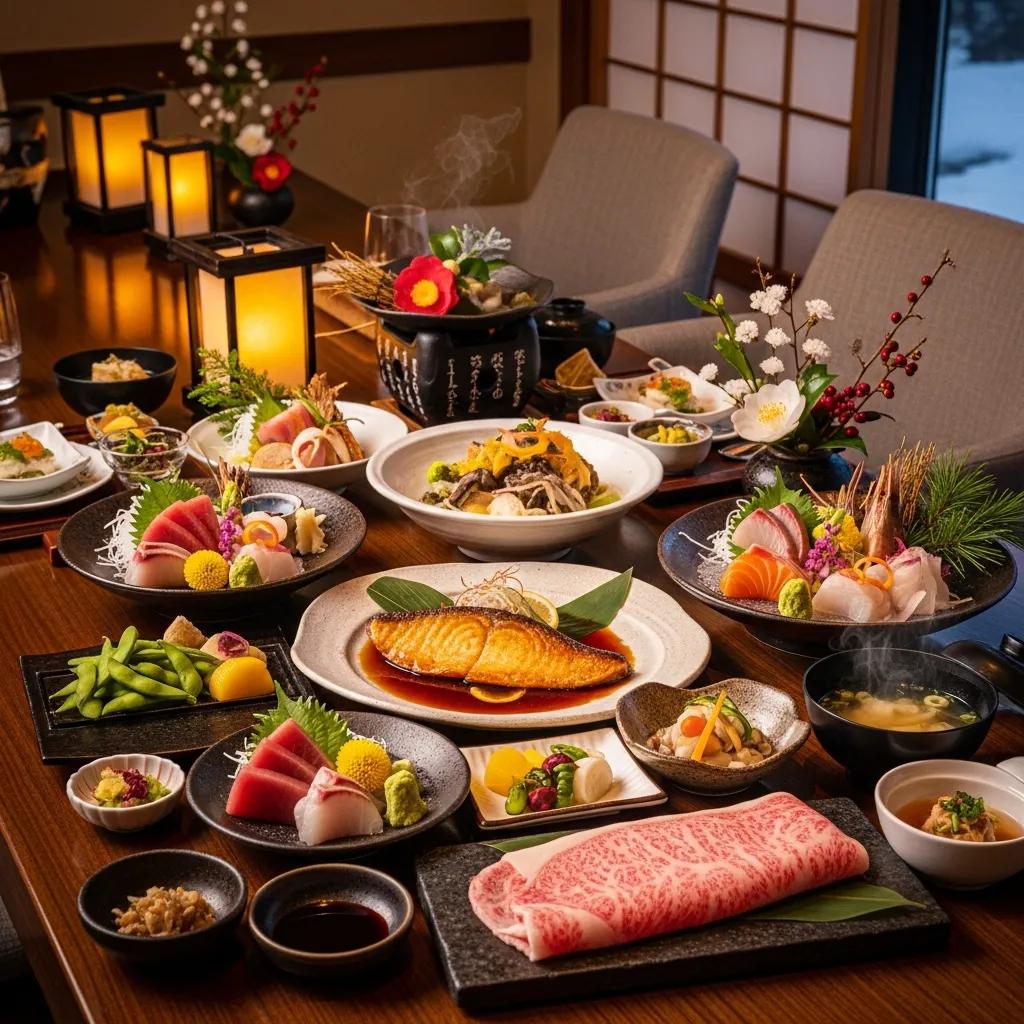
Our winter omakase is a narrative of contrast—starting with clean, cold seafood and progressing to warmer, richer courses that finish with a statement protein. The chef paces the meal to open with bright flavors, then moves through brothy and seared preparations toward a finale like Wagyu or miso‑glazed fish. This sequencing preserves contrast while accumulating heat and satiety, creating an omakase that feels both restorative and celebratory for Pasadena diners seeking seasonal depth.
In winter we prioritize freshness early, introduce tactile warmth mid‑course, and close with richer, fatty finishes that leave a lasting impression.
Overview table showing how each course supports winter comfort.
Which Winter Seafood and Ingredients Feature in the Seasonal Omakase?
The winter omakase centers on a focused set of items—kanburi, oysters, winter uni and selected shellfish—chosen for intensity and their ability to take warming treatments. Kanburi is often seared and served with warm dashi to highlight its fat; oysters may arrive raw with heated accoutrements or lightly grilled for smoke and warmth; uni appears sparingly in hot pasta or warm custards to preserve creaminess. These ingredients pair naturally with warm sake or lightly oxidized wines and allow the chef to alternate cold and hot without losing coherence.
How Does the Chef Curate a Winter Tasting Menu at Kaviar?
Our chef builds winter tastings by prioritizing peak seasonal ingredients, balancing hot and cold, and sequencing fat with acid to keep the progression lively. Choices are driven by freshness, textural contrast and pairing potential with warm broths or fortified finishes like truffle butter. Service temperatures and portioning are adjusted so dishes reach the table at their best, letting guests feel cumulative warmth and satisfaction through the sequence.
How Does Kaviar Elevate Winter Dining with A5 Wagyu Winter Dishes?
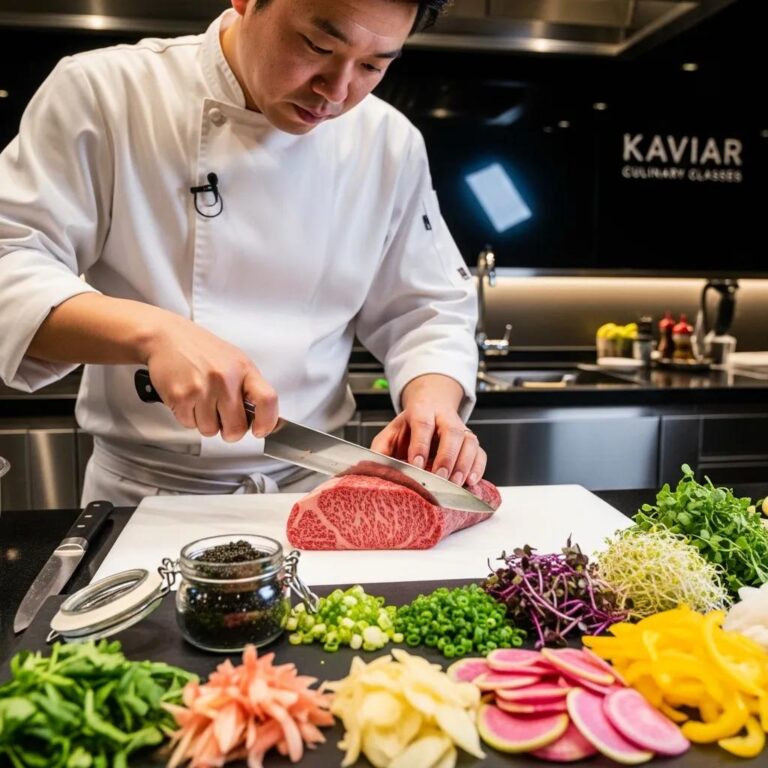
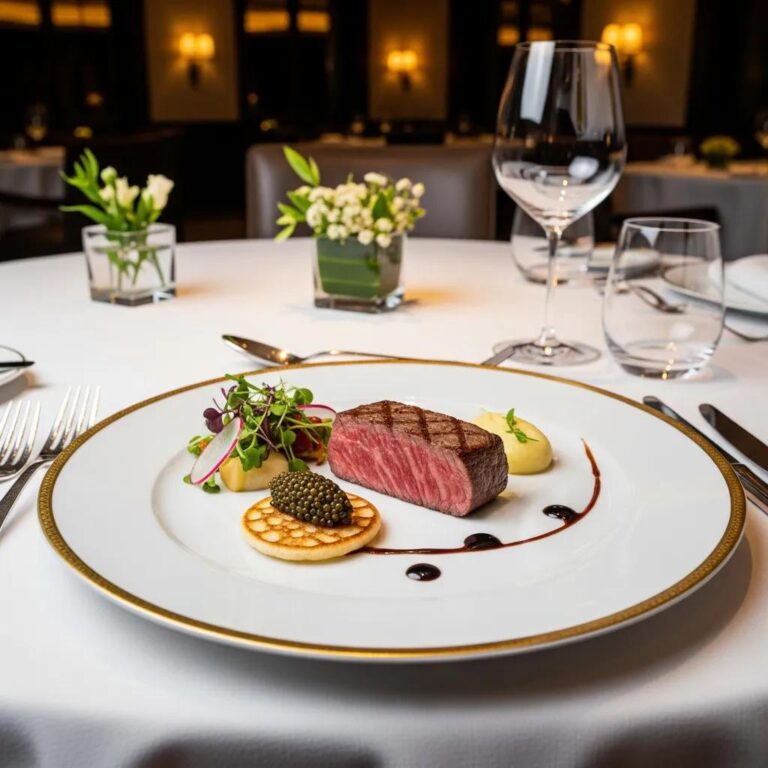
A5 Wagyu’s marble and buttery texture make it a natural winter centerpiece: the rendered fat coats the palate and provides sustained warmth. We feature Miyazaki A5 in preparations such as hot‑plate finishes, striploin sears and refined tartare treatments—each aimed at amplifying the cut’s inherent richness. Typical pairings include truffle butter, warm root‑vegetable purées or light dashi reductions to balance and elevate the beef. These preparations use Wagyu’s fat to create a lasting, restorative finish appropriate for a luxury winter dinner.
Comparison of common Wagyu preparations and their winter advantages.
What Makes Miyazaki A5 Wagyu Ideal for Winter Comfort Food?
Miyazaki A5 Wagyu is prized for its dense intramuscular fat and melt‑in‑the‑mouth texture—qualities that translate to immediate warmth and long, savory finish. The marbling renders into flavor and a heat‑retaining layer; when seared it coats the tongue and produces a sustained, comforting sensation. Miyazaki beef also signals strict provenance and a sweet, umami‑forward profile that pairs effortlessly with warm accompaniments like truffle butter or light dashi reductions.
Which Signature A5 Wagyu Winter Preparations Are Served at Kaviar?
Our Wagyu offerings often include a seared Striploin with truffle butter, an A5 Wagyu Tartare finished with a warm dashi gelée, and hot‑plate slices served tableside. Each preparation is plated and served to preserve heat—the striploin rests on a warm plate, the tartare is paired with warm elements, and hot‑plate finishes release aromatics at service. Pairings commonly use gentle acids and warm sides to cut through fat while keeping the dish comfortingly rich.
What Is Unique About Kaviar’s Caviar Tasting Experience in Winter?
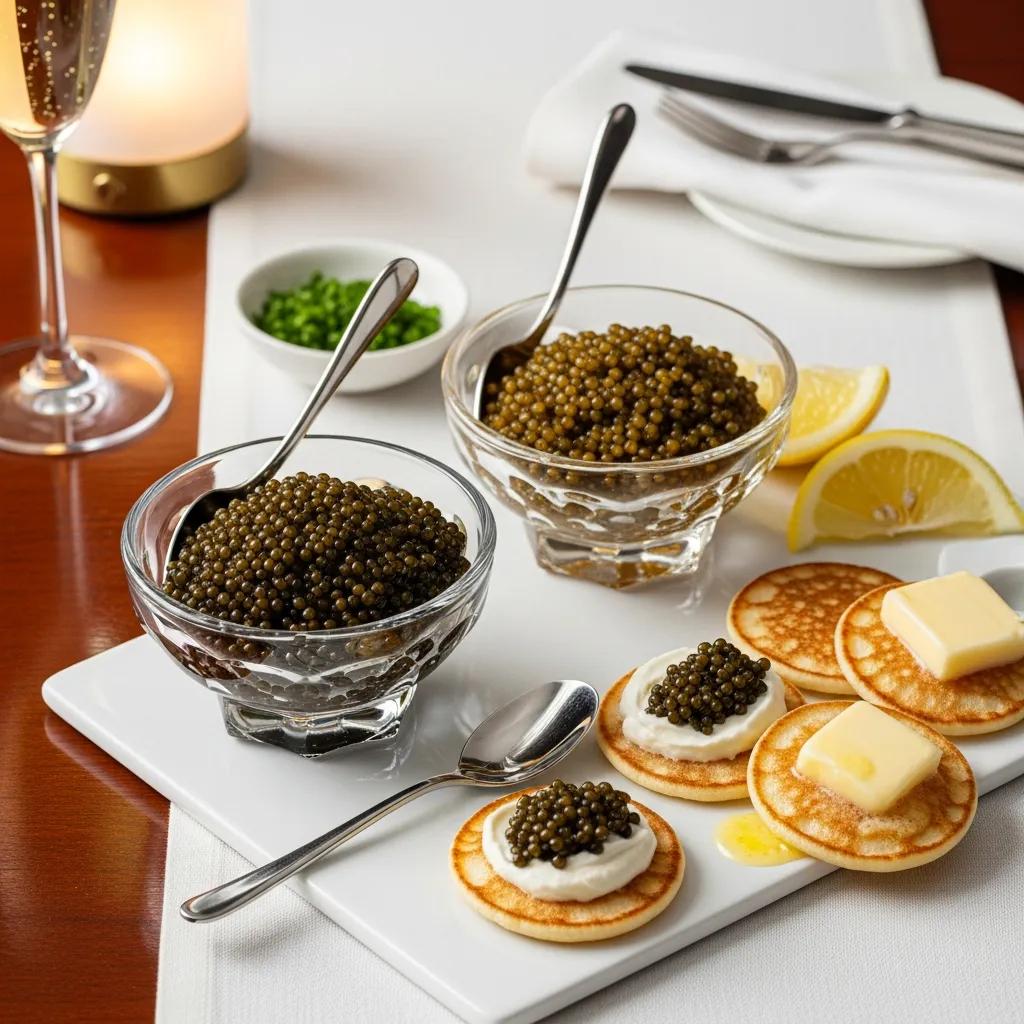
We stage caviar against warm, buttery carriers so the brine reads as indulgent rather than chilling. Classic accompaniments—blini, crème fraîche—are served alongside warm toasts or small buttered breads to temper the cold of the roe. Kaluga and Osetra, when featured, offer distinct textures and finishes that pair well with winter‑appropriate liquids like warmed sake or light butter sauces. Service favors composed, small bites that highlight richness without overwhelming the palate, letting caviar act as a bright, comforting counterpoint to a heavier main like Wagyu.
Table comparing featured caviar and recommended winter pairings.
Which Types of Caviar Are Featured in Kaviar’s Winter Menu?
We feature high‑grade roe like Kaluga and, when available, Osetra—selected for texture and lasting finish that complement winter dishes. Kaluga’s large, buttery pearls pair beautifully with warm, fatty carriers; Osetra brings nutty complexity that stands up to citrus‑butter contrasts. Service—small warm toasts, lightly warmed brioche and restrained dairy—lets the roe’s natural brine sing without cooling the palate.
How Are Caviar Dishes Paired to Enhance Winter Flavors?
Winter pairings focus on warm bases and liquids that add fat, gentle acidity or umami to balance salt. We prefer warm buttered brioche, lightly toasted blini and small hot toasts as carriers; a little crème fraîche adds creaminess without muting flavor. Warming liquids—lightly warmed sake or small butter sauces—anchor the caviar in a seasonally appropriate context. Careful temperature control and composed bites keep caviar a luxurious, warming interlude in the tasting sequence.
Which Warming Japanese Delicacies Offer Comfort During Pasadena Winters?
Our winter lineup includes hot, rich Japanese dishes that deliver comfort through concentrated umami and fat‑forward textures—standouts are Miso‑Glazed Black Cod, Uni Pasta and Wagyu Striploin. These plates use glazing, butter emulsions and hot‑plate finishes to hold heat and maximize mouth‑coating pleasure. Each course is paired thoughtfully—root‑vegetable sides, warm broths or subtle truffle notes are common—to ensure the dish feels indulgent and seasonally tuned. Together they round the omakase and a la carte offerings and give guests multiple ways to experience winter comfort.
Kaviar’s signature hot and rich dishes for winter include:
- Miso Glazed Black Cod: An ambered miso glaze with a warm, buttery interior balancing sweet and savory.
- Uni Pasta: Silky uni emulsified with butter and pasta to hold heat in every forkful.
- Wagyu Striploin Steak: Seared and finished with truffle butter, served warm for a lasting finish.
- Hamachi Kama‑style: Collar cuts roasted or seared to keep succulent fat and aromatic skin intact.
What Are the Signature Hot and Rich Japanese Dishes on Kaviar’s Winter Menu?
Our winter signatures emphasize concentrated sauces and fat‑driven technique: an ambered Miso‑Glazed Black Cod, Uni Pasta finished tableside with warm butter, and Wagyu presented on heated surfaces. Each dish prioritizes body and mouthfeel, using controlled glazing, emulsions and warm plating so the diner experiences extended heat—ideal for guests who want both comfort and culinary precision.
How Do These Dishes Provide Warmth and Richness in Fine Dining?
Key techniques for winter warmth include glazing, dashi or miso braising, butter‑based emulsions and hot‑stone finishes that release aroma at the table. Glazing caramelizes and seals heat; dashi braises add collagen and umami to thicken mouthfeel; emulsions coat the palate with fat for a lingering warmth; and hot‑plate finishes prolong the thermal impression. Together, these approaches turn premium ingredients into dishes that feel both comforting and carefully executed.
How Can You Plan and Reserve Your Luxury Winter Dining Experience at Kaviar?
Plan ahead to secure the winter experience you want: reserve early for omakase and Wagyu‑forward evenings, note dietary needs or celebrations so the kitchen can tailor courses, and consult our official listings for the most current hours and availability. These simple steps help ensure your evening unfolds as intended.
Practical reservation tips: choose your preferred format, book with lead time and communicate any needs so we can personalize your tasting.
- Decide your preferred format: Choose omakase for a chef‑led progression or a la carte to focus on Wagyu and caviar.
- Book in advance: Reserve early for weekend or holiday nights to secure specialty items.
- Communicate preferences: Tell us dietary restrictions, celebration details or seating requests when booking.
What Are the Steps to Make a Winter Reservation at Kaviar Restaurant?
To make a winter reservation at Kaviar, choose omakase or a la carte, select date and party size, and include any dietary or occasion notes. Lead times vary—omakase and larger parties often require earlier planning—so allow flexibility when possible. Clear communication helps the kitchen stage temperature‑sensitive courses and deliver the intended winter comfort.
Where Is Kaviar Located and What Are the Winter Operating Hours?
For the most current address and winter hours, please check Kaviar’s official business listing or reservation platform. Those sources list seasonal hours, booking windows and any special winter events. They also often offer guidance on parking and transit—checking them before your visit ensures a smooth arrival and a dining experience that matches your expectations.
Seasonal pairings and service notes to close the piece:
- Balance: Warm broths and fatty proteins benefit from acid or brightness to keep the meal lively.
- Temperature: Service techniques that retain heat improve perceived comfort across the tasting.
- Sequence: Alternating cold and warm courses preserves contrast and enhances cumulative satisfaction.
Frequently Asked Questions
What is the significance of umami in Kaviar’s winter dishes?
Umami is the backbone of our winter cooking. Ingredients such as dashi, miso and A5 Wagyu deliver savory depth that enhances warmth and satisfaction—especially on colder nights. By leaning into umami, we make dishes that feel nourishing and complete, not simply heavy.
How does Kaviar ensure the quality of its seasonal ingredients?
We work closely with trusted suppliers and fisheries to source produce and seafood at their seasonal peak. Chefs select ingredients for freshness and flavor integrity so each plate reflects the best of winter. That supplier relationship is essential to the clarity and depth you taste in every course.
What types of beverages pair well with Kaviar’s winter menu?
Warm sake, lightly oxidized wines and rich, aromatic teas work particularly well with our winter dishes. Warm sake enhances savory elements, lightly oxidized wines balance fatty proteins, and umami‑forward teas offer a soothing counterpoint to richer courses. Our team is happy to recommend pairings that complement your chosen menu.
Are there vegetarian options available on Kaviar’s winter menu?
Yes. We offer vegetarian winter options that focus on seasonal vegetables and plant‑forward umami—think miso‑glazed roots, hearty vegetable broths and creative pasta or grain dishes. These courses are designed to feel substantial and true to the spirit of Japanese fine dining.
How does Kaviar’s service enhance the winter dining experience?
Service at Kaviar is paced and precise to maximize temperature, contrast and enjoyment. Our staff times dishes and explains each course, and interactive elements—like hot‑plate finishes—add sensory theatre. We also guide beverage pairings so every element supports the winter narrative on your plate.
What makes Kaviar’s caviar service unique during winter?
We serve caviar with warm, buttery carriers and considered pairings so the roe reads as indulgent and seasonally fitting. Varieties such as Kaluga and Osetra are selected for texture and finish, and service techniques—warm toasts, lightly warmed brioche, restrained dairy—keep the experience rich without feeling cooling.
Conclusion
Experience Kaviar’s winter menu for a blend of warmth, richness and seasonal detail—each dish crafted to comfort and to showcase the finesse of Japanese fine dining in Pasadena. From Miso‑Glazed Black Cod to A5 Wagyu, our winter offerings are designed to be both satisfying and elegant. Reserve your table to begin a winter tasting that balances comfort with culinary precision.