




French Dining Traditions: A Practical Guide to Table Manners, Meal Courses, and Wine Etiquette
French dining customs shaped modern fine dining by defining how cuisine, service, and conversation work together to make a meal memorable. This guide breaks down those customs—posture and utensil use, the order and purpose of courses, wine and beverage rituals, and the social rules around speech, tipping, and dress—so you can dine with confidence whether the setting is formal or relaxed. We answer common questions like when to begin eating, how to signal a pause, and how to engage with a sommelier, and we explain regional differences and the historical context that give these practices meaning. For a contemporary, local expression of these values, Kaviar Restaurant in Pasadena emphasizes premium ingredients and precise service—guests interested in experiencing this style firsthand can view our signature dishes and reserve a table through the usual platforms.
What Are the Essential French Table Manners and Dining Etiquette Rules?
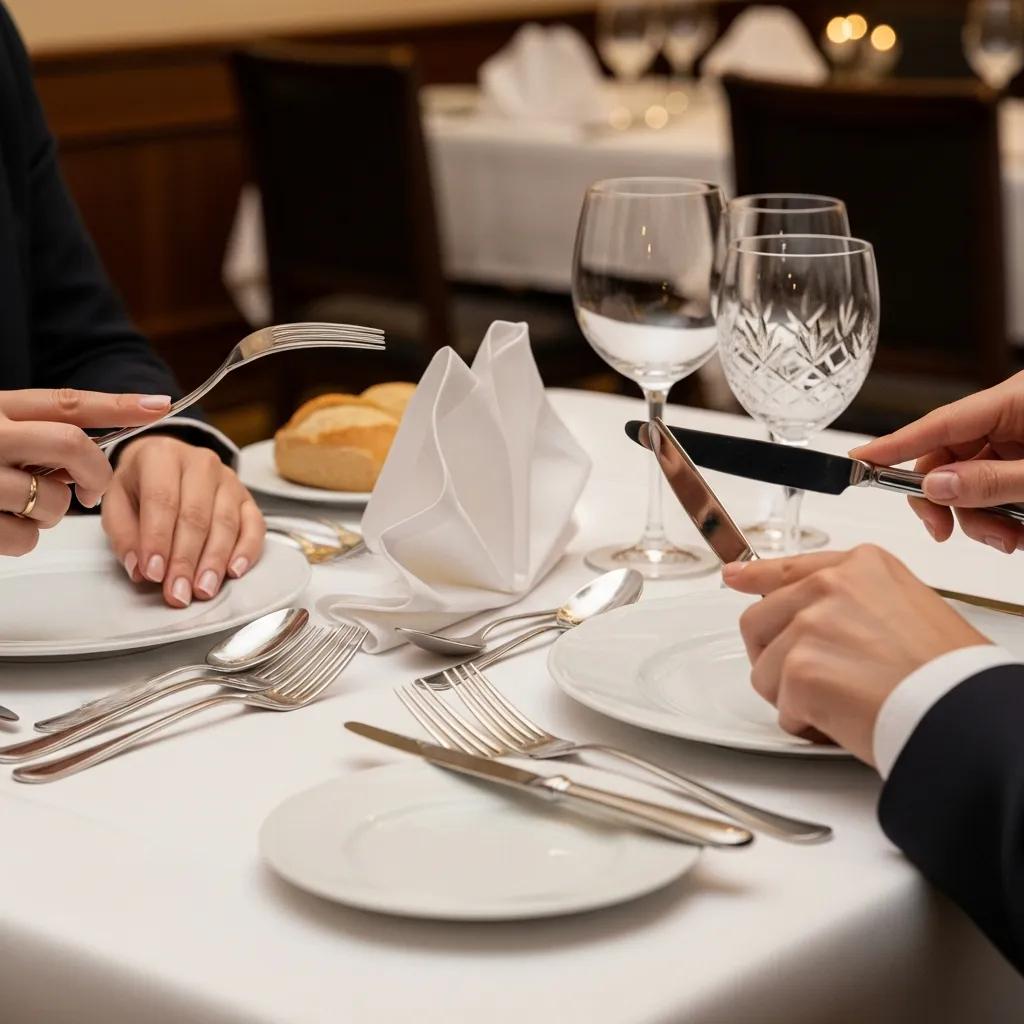
Core French table manners emphasize visible hands, measured gestures, orderly utensil use, and attentiveness to the host—small behaviors that preserve respect and make the meal feel composed. These practices reduce uncertainty at a shared table and encourage a calm, focused dining rhythm. Below we outline the principal rules, how to put them into practice, and the cultural reasoning so you can apply them immediately in French or French-inspired restaurants. Knowing these basics also helps you read service cues from servers and sommeliers and to follow a multi-course meal’s unspoken tempo.
The next section distills straightforward, practical tips you can use at any table.
What Are the Basic French Table Manners Everyone Should Know?
The essentials are simple: keep your hands visible, avoid resting your elbows while eating, wait for the host to begin, and respond politely to toasts and service cues. Visible hands signal engagement and openness; waiting honors the host and the intended sequence of service. Saying “bon appétit” before starting and pausing before taking food shared communally both show respect for fellow diners and the kitchen’s timing. These habits smooth conversation and reduce awkward moments, preparing you for more formal customs like plated service and sommelier presentations.
How Should Utensils and Napkins Be Used in French Dining?
Utensils are used from the outside in and are typically held in the continental style—the fork in the left hand, the knife in the right when cutting. Place your napkin on your lap after seating and use it discreetly to dab your lips. To signal a pause, rest your utensils crossed on the plate; to indicate you have finished, place them parallel at the 4 o’clock position with the handles to the right. These signals let servers clear and pace courses correctly and help bridge differences with Anglo-American habits where switching the fork to the right is common.
These foundational rules support subtler practices—timing conversations, responding to wine service—and prepare you for the flow of a traditional French meal.
How Is a Traditional French Meal Structured? Understanding French Meal Courses
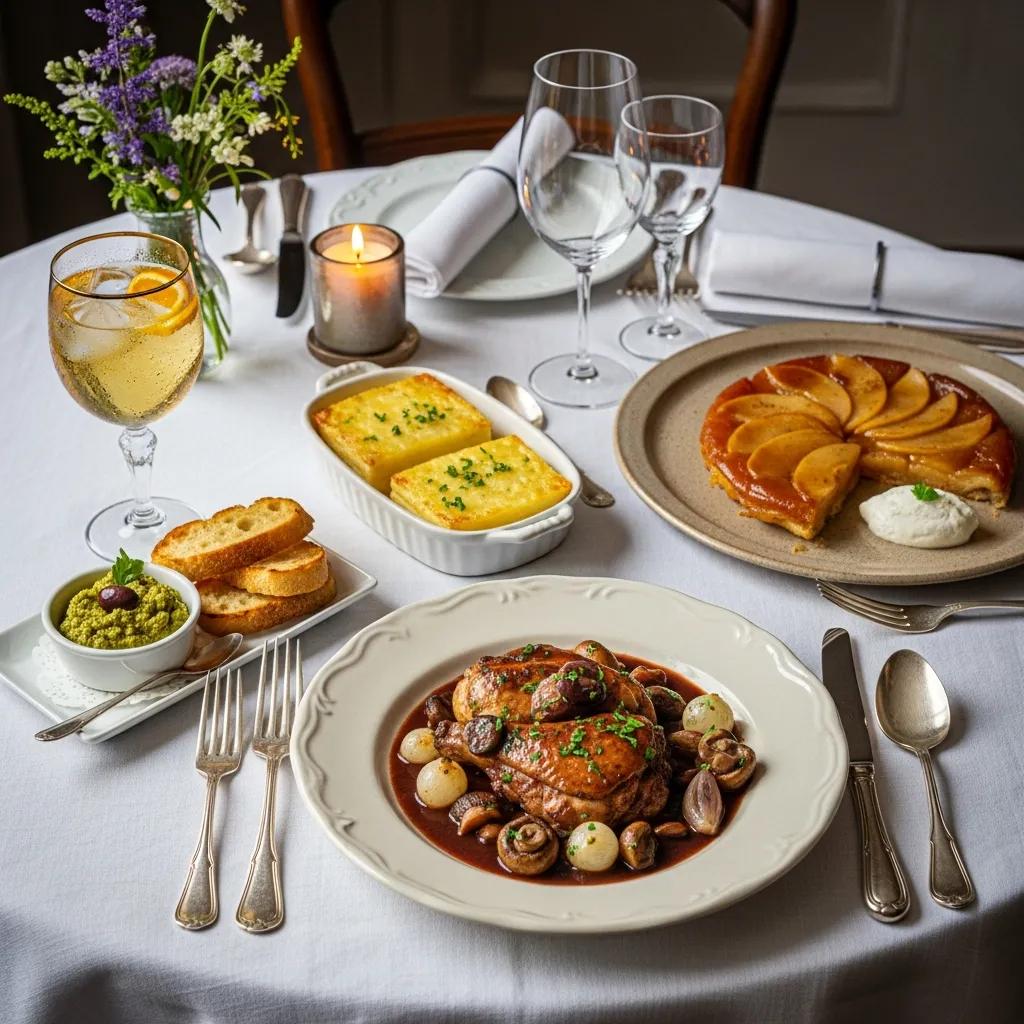
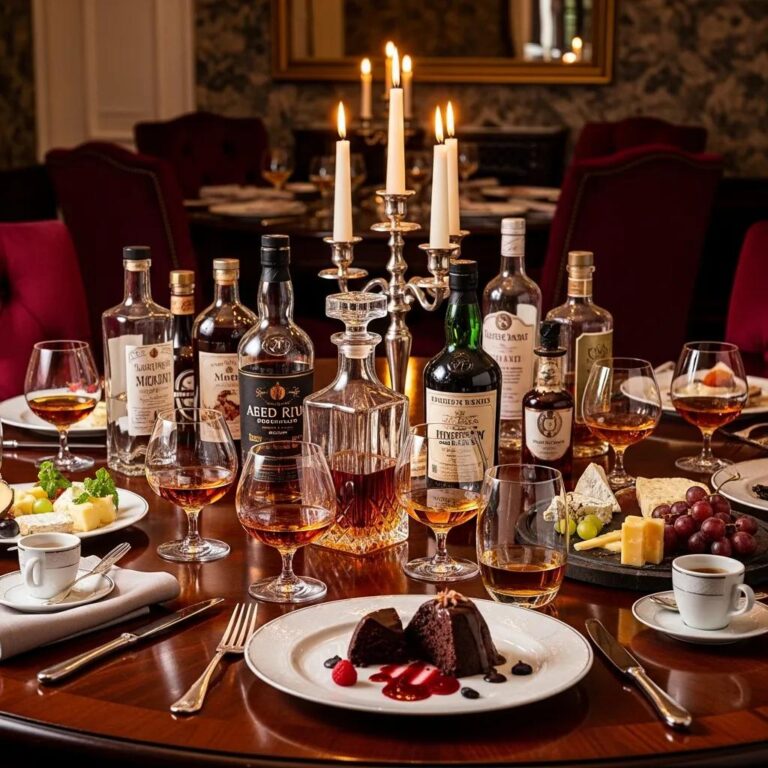
A formal French meal follows a deliberate sequence—apéritif, entrée, plat principal, fromage, dessert, digestif—each course designed with timing and portions to create a balanced progression. The idea is pacing: lighter, palate-cleansing elements lead into richer dishes so contrasts stand out. For guests, this delivers a measured tasting journey that highlights technique and ingredients while encouraging relaxed conversation between acts. Below is a compact roadmap and table you can use as a quick reference for course names, typical items, and etiquette reminders, followed by practical notes on starters, mains, and desserts.
What Is the Order of Traditional French Meal Courses?
The usual sequence starts with the apéritif, then entrée, plat principal, fromage, dessert, and ends with a digestif. Each stage has a purpose: the apéritif opens the palate and social mood; the entrée offers refined introductions; the plat principal is the meal’s centerpiece; fromage provides a savory pause; dessert closes with sweetness; and the digestif aids digestion. Meals are unhurried—often lasting several hours—so patience is expected and appreciated by hosts and staff. This order helps with portion control, flavor contrast, and the selection of appropriate wine pairings for each stage.
This quick reference clarifies the logic behind each course and the role it plays in pacing a communal meal.
What Are the Customs Around French Appetizers, Main Courses, and Desserts?
Appetizers usually arrive as artful, appetite-stimulating bites; sharing is typically guided by staff. For mains, respect the chef’s plating—cut meat into manageable pieces, eat at a moderate pace, and avoid reshaping the plate. The cheese course historically bridges savory and sweet—sample cheeses from mild to strong and use the provided knife or fork rather than fingers. Dessert signals the formal close of the meal and often leads to coffee or a digestif; the interval between dessert and digestif reflects a lingering appreciation for the meal’s rhythm.
How Does Wine and Beverage Etiquette Enhance French Fine Dining?
Wine and beverage rituals elevate each course by matching flavors, observing proper service order, and honoring the sommelier’s role—together these practices sharpen taste perception and reinforce the meal’s choreography. Pairing aligns acidity, tannin, and body to a dish’s textures so subtle flavors emerge. For diners, the result is a fuller sensory experience and a smoother service flow; for the team, careful presentation and bottle tasting build trust between the kitchen, cellar, and table. Below we cover basic pairing rules, service sequence, and an easy table linking wine styles to typical matches and serving notes, followed by toasting guidance and non‑alcoholic options.
What Are the Basics of French Wine Pairing and Serving Etiquette?
Traditional pairing advice suggests white wine with fish and lighter dishes, lighter reds with poultry, and fuller-bodied reds with beef—though regional practices and modern creativity often bend these rules. When a sommelier presents a bottle, they show the label and may open it at the table; the host is offered a small taste to check for faults, not to drink at length. Use appropriate glassware—flutes for sparkling, wider bowls for reds—and respect serving temperatures to let aromas and flavors express themselves. Thoughtful pairing and service honor the wine’s origin and the chef’s composition, deepening the enjoyment of each course.
Practical dos and don’ts at formal tables:
- Do taste the wine when offered and give a brief confirmation.
- Do trust the sommelier’s regional pairings when appropriate.
- Don’t overfill your glass; moderate pours are courteous.
How Do Toasting and Non-Alcoholic Drink Customs Work in France?
Toasts are usually short and sincere—common phrases include “santé” or “à votre santé”—and diners often make brief eye contact when clinking glasses as a mark of respect. Clinking is generally gentle rather than exuberant; moderation and shared sentiment are key.
Still and sparkling water are standard table companions, and politely declining alcohol in favor of water or a soft drink is perfectly acceptable. Staff accommodate preferences discreetly, which helps maintain a convivial atmosphere so every guest feels welcome.
What Are the Social and Restaurant Etiquette Norms in French Fine Dining?
Social and restaurant etiquette covers tipping, dress, punctuality, and conversational boundaries—norms that uphold the meal’s tone and ensure mutual respect. These conventions are social contracts: following them shows appreciation for the restaurant’s craft and the host’s effort, and it results in smoother service and more pleasant interactions. Below we outline practical tipping and dress rules, reservation best practices, and safe conversation topics, plus a brief local example of how to apply these expectations when booking a refined dining experience.
How Should You Approach Tipping and Dress Codes in French Restaurants?
In France, menu prices normally include a service charge (service compris), so additional tipping is modest and discretionary—often a small percentage or simply rounding up for exceptional service. Dress codes range from smart casual to formal depending on the venue; jackets and polished shoes are appropriate at upscale restaurants, while elegant casual is fine at many bistros. Punctuality matters—arriving on time respects the kitchen’s rhythm and the host’s planning. Adapting to these practices signals cultural fluency and courtesy to staff and fellow diners.
Quick tipping and dress guide:
- Do check whether service is included and offer a small extra amount for outstanding service.
- Do dress smartly for upscale venues and confirm any dress code when reserving.
- Don’t assume tipping customs mirror your home country; adjust to local norms.
What Are Appropriate Conversation Topics and Hosting Etiquette at French Dinners?
Conversation at the table tends to favor cultured, pleasant subjects—food, travel, books, and the arts—while heated politics or personal finances are best avoided. Hosts set the tone by introducing guests, pacing conversation so quieter diners can join in, and thanking staff discreetly. Guests should reciprocate with gratitude, avoid dominating discussion, and follow the host’s lead on serving order and portions. These habits foster conviviality and let the meal remain the shared focus.
How Do Regional Variations Influence French Dining Traditions and Etiquette?
France’s regions shape dining through local ingredients, service tempo, and social rituals: coastal areas emphasize seafood and lighter sauces, while inland cuisines often rely on butter and heartier preparations. These distinctions reflect geography and history, producing diverse etiquette and menu expectations across the country. Noting regional cues—such as the relaxed pace of a Provençal meal versus Parisian formality—helps visitors adapt dress, tone, and timing to local customs.
What Are the Distinct Dining Customs in Northern and Southern France?
Northern France tends toward butter-rich sauces, shellfish, and structured service that pairs with robust wines; southern France favors olive oil, herbs, and seafood with a lighter, more communal feel. Service tempo can differ: the north may emphasize careful plating and a deliberate progression, while the south often feels more informal, especially in rural settings. Festivals and family gatherings also influence how dishes are shared and how lively meals become. Recognizing these differences helps you match expectations and enjoy local specialties.
Regional dish and custom examples:
- North: Rich sauces, seafood specialties, structured service.
- South: Olive oil–based cuisine, seafood, relaxed communal meals.
- Coastal: Priority on freshness, lighter sauces, local wine pairings.
How Does Parisian Dining Etiquette Differ from Other French Regions?
Parisian dining often leans toward heightened formality, meticulous presentation, and culinary innovation—reflecting the city’s role as a global gastronomic center. Reservations are more commonly expected, and pacing is usually measured to allow diners to appreciate technique and plating. International guests influence service styles, which can include multilingual menus and a degree of flexibility. Adapting to Parisian norms means preparing for elevated presentation, modestly formal attire, and an emphasis on savoring each course.
Why Is Understanding the History of French Dining Traditions Important for Fine Dining Enthusiasts?
Knowing the history behind French dining explains why certain rituals persist and how they enhance the meal by embedding hospitality, technique, and cultural identity into every course. Developments such as the rise of professional chefs and codified service sequences made coordination between kitchen, cellar, and front-of-house central to fine dining. For enthusiasts, this context deepens appreciation: recognizing a practice’s lineage enriches tasting and conversation and informs interactions with chefs and sommeliers. The next section highlights key historical shifts and how they shape today’s dining.
How Have French Dining Etiquette and Traditions Evolved Over Time?
French dining moved from courtly ritual to the codified restaurant model of the 18th and 19th centuries, with the Belle Époque refining presentation and wine service and the modern era blending tradition with innovation. Forces like urbanization, globalization, and hospitality professionalization standardized many practices while allowing creative reinterpretation. Today many restaurants preserve core rituals while adapting pacing and presentation for contemporary tastes—an arc that explains why formalities endure alongside fresh ideas.
These milestones show how French dining practices matured into the structures contemporary fine diners encounter and respect today.
What Role Do French Gastronomy and Cultural Heritage Play in Modern Dining?
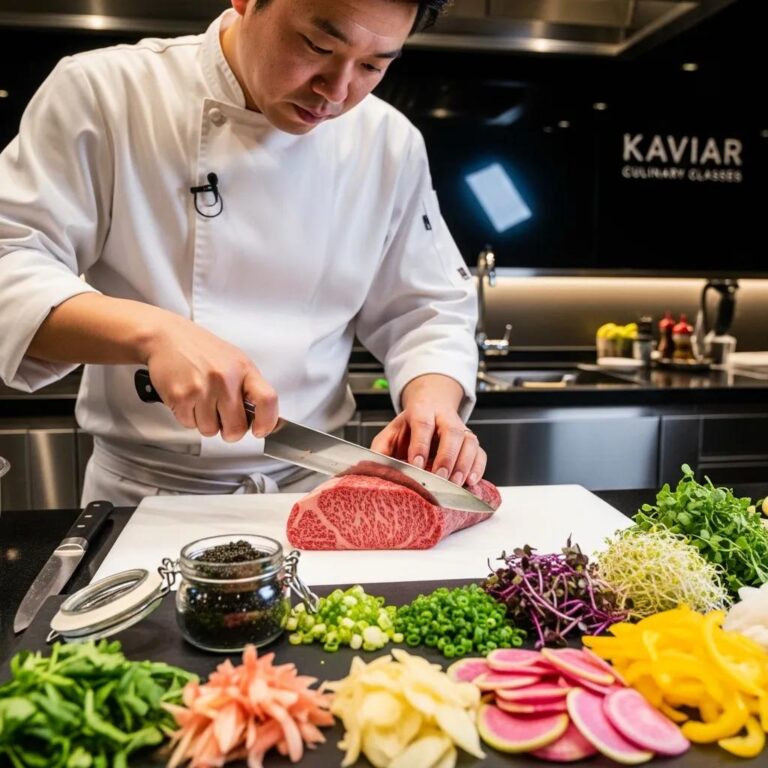
French gastronomy still sets standards for technique, ingredient respect, and service philosophy, with culinary schools and Michelin recognition reinforcing excellence. Chefs draw on that heritage to create new expressions, and diners learn etiquette to better appreciate those creations—so the meal itself becomes a subtle lesson in craft. Restaurants that emphasize premium ingredients and curated pairings make this dialogue between past and present tangible. For example, Kaviar Restaurant in Pasadena reflects this approach through premium ingredients and signature plates like uni pasta and Toro tartare with gold, served within a considered tasting flow; guests may reserve through standard platforms to experience these parallels locally.
- Gastronomy preserves technique: Culinary institutions and chef traditions maintain standards.
- Heritage inspires innovation: Chefs reinterpret classics using modern and local influences.
- Dining etiquette communicates respect: Observing table manners shows appreciation for culinary craft.
This interplay between history and innovation keeps dining rituals meaningful and guides how restaurants craft memorable experiences today.
For those wanting to experience refined, contemporary dining informed by these French principles, consider making a reservation at Kaviar Restaurant in Pasadena, where premium ingredients and a curated service model bring these traditions to life through thoughtful pairings and signature offerings.
Frequently Asked Questions
What should I wear to a French fine dining restaurant?
Dress to match the restaurant’s tone. Smart casual is a safe choice; for upscale venues, men often wear a jacket and polished shoes and women may choose an elegant dress or tailored separates. Check the restaurant’s dress code when booking. Dressing appropriately shows respect for the experience and enhances your enjoyment of the evening.
How can I signal to the waiter that I am ready for the next course?
Use your utensils to communicate. When you’ve finished a course, place your knife and fork parallel on your plate with the handles at the 4 o’clock position. To indicate a pause, rest your utensils crossed. These simple signals help staff maintain a smooth service pace.
Are there any specific phrases I should know for dining in France?
A few phrases go a long way: “Bon appétit” before starting, “merci” to thank the staff, and “santé” or “à votre santé” for a toast. If you enjoyed the meal, saying “C’était délicieux” is a warm, appreciated compliment.
What is the significance of the cheese course in a French meal?
The cheese course bridges the savory main and sweet dessert. It’s a chance to taste regional varieties—start with milder cheeses and move to stronger ones—and to savor a different texture and flavor profile before dessert. Cheese showcases local terroir and adds a thoughtful pause in the meal’s progression.
How do I properly interact with a sommelier during my meal?
When the sommelier presents a bottle, take a moment to look at the label and taste a small amount to confirm the wine’s integrity. A nod or a brief “C’est parfait” signals approval. If you have preferences, ask questions—the sommelier’s role is to guide and enhance your pairings.
What are some common mistakes to avoid when dining in France?
Avoid starting before the host, discussing divisive topics like politics or personal finances, using your phone at the table, and hiding your hands. These missteps can disrupt the meal’s atmosphere—follow the host and the service cues, and focus on enjoying the shared experience.
Conclusion
Understanding French dining traditions elevates your time at the table and deepens appreciation for culinary craft. By learning basic manners, course order, and wine etiquette, you’ll move through any dining setting with ease and poise. Use these tips to enrich your next meal—whether at a neighborhood bistro or an upscale restaurant. To experience a contemporary take on these principles, consider making a reservation at Kaviar Restaurant and enjoy a thoughtfully curated dining experience.