



Autumn Harvest Menu — Cozy, Luxurious Fall Dining at Kaviar in Pasadena
At Kaviar, autumn reframes local harvest through Japanese technique. Our Autumn Harvest Menu pairs comforting, familiar flavors with the precision of a luxury tasting sequence. This piece outlines how ingredients—from matsutake and persimmon to kabocha—are transformed by omakase sequencing, slow dashi, yakimono grilling, and delicate pickling to create warm, layered dishes that feel intimate and elevated. You’ll find our culinary philosophy, the signature omakase moments to expect, how A5 Wagyu and select caviar provide autumnal contrast, and practical steps to reserve an exclusive experience in Pasadena. Many guests seek a tasting that balances comfort with refinement; Kaviar answers that by combining regional seasonality with premium seafood and Wagyu accents. Below we map philosophy, featured dishes, ingredient spotlights, reservation guidance, and what makes Kaviar a premier luxury destination for fall dining in Pasadena.
What is the philosophy behind Kaviar’s Autumn Harvest Menu?
Our Autumn Harvest Menu is a seasonal take on Japanese fine dining that foregrounds aroma, concentrated umami, and comforting textures. We source peak produce and fish, then apply time-honored techniques—slow dashi infusion, yakimono grilling, restrained pickling—to draw out fall’s natural sweetness and earthiness. The tasting is composed so each course deepens the savory thread and adds seasonal nuance, creating a clear arc from chilled starters through sushi to a Wagyu centerpiece. This approach makes provenance and timing essential components of the guest experience and sets expectations for the structured omakase progression below.
How does Kaviar incorporate seasonal Japanese ingredients into fall dishes?
We highlight seasonal Japanese ingredients by matching their innate character with techniques that emphasize aroma and mouthfeel—grilling matsutake to release its pine perfume, gently simmering kabocha to concentrate sweetness, and layering these with umami-rich broths. Citrus and pickling are used sparingly to lift richer elements. Timing matters: each ingredient appears at its peak, and the sequence places lighter, texturally vibrant items early to prepare the palate for richer Wagyu or caviar moments. In short, technique clarifies flavor and seasonality guides the progression.
Why is freshness and local sourcing essential for our autumn menu?
Freshness and local sourcing matter because autumn produce and fish have narrow windows of peak flavor. Immediate sourcing preserves texture, aroma, and vibrancy—qualities Japanese preparations rely on. Working with regional suppliers and mindful harvest windows lets our chefs compose courses that reflect what’s truly available, improves traceability, and supports sustainable practice. Many of our preparations—sashimi, light grilling, subtle dressings—expose variation in quality, so sourcing excellence becomes a defining ingredient. Prioritizing local freshness ensures every autumn dish reads clearly of season.
What are the featured dishes in Kaviar’s fall omakase experience?
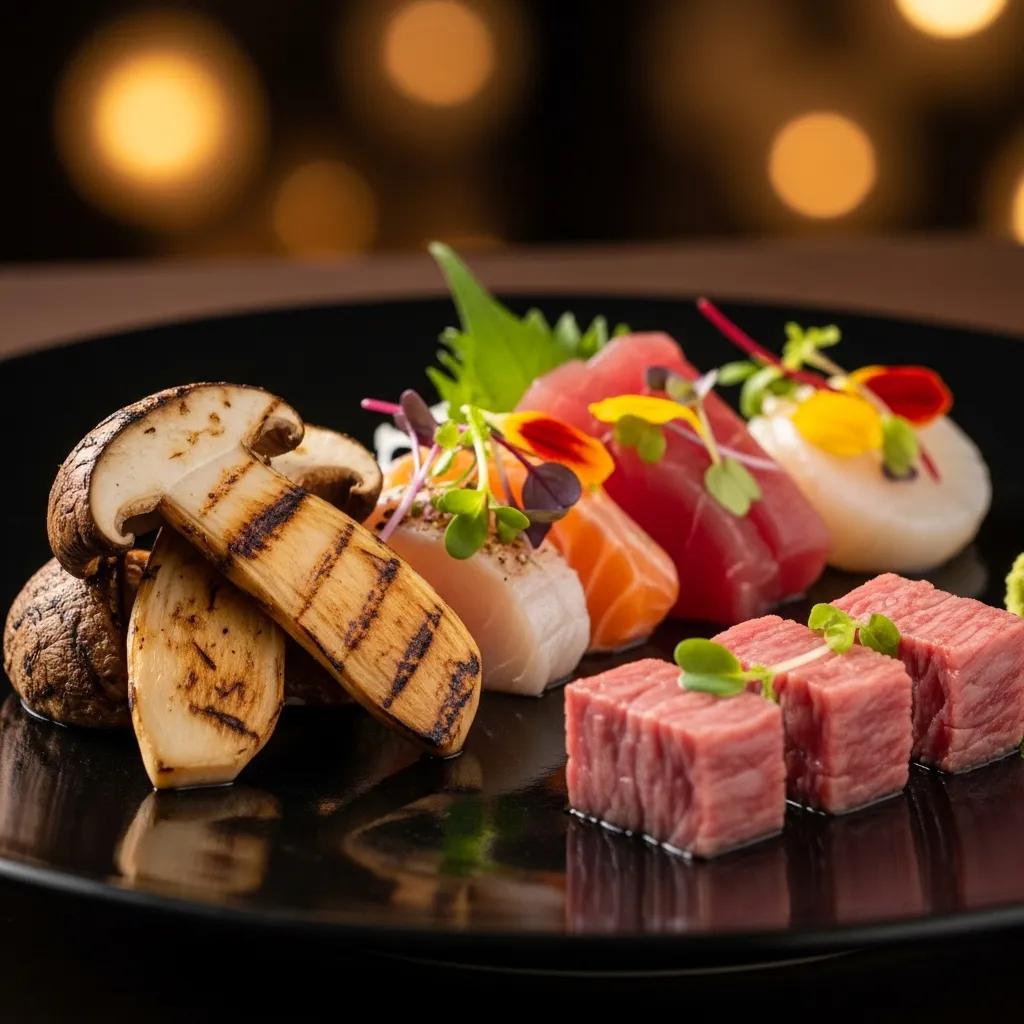
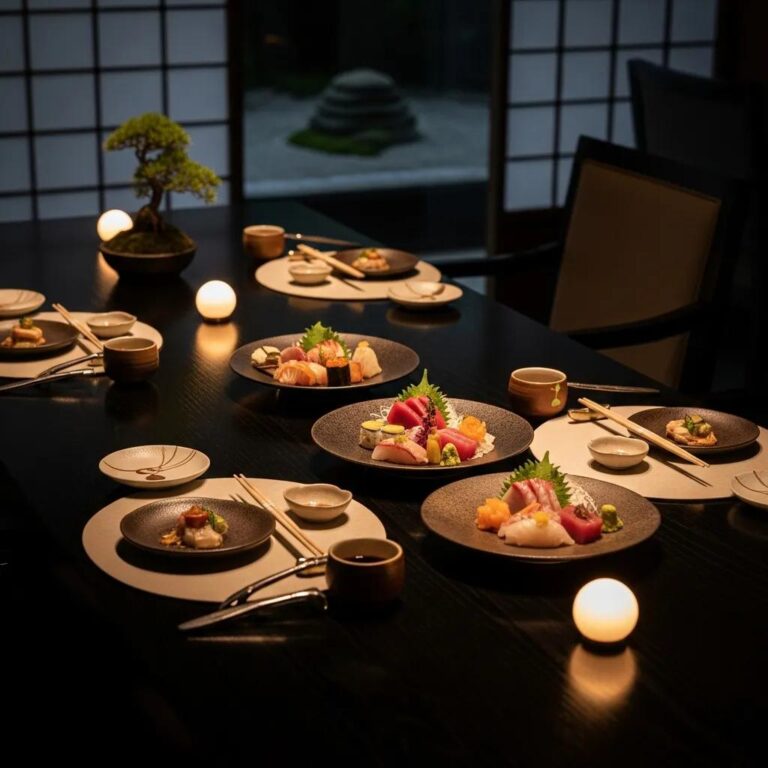
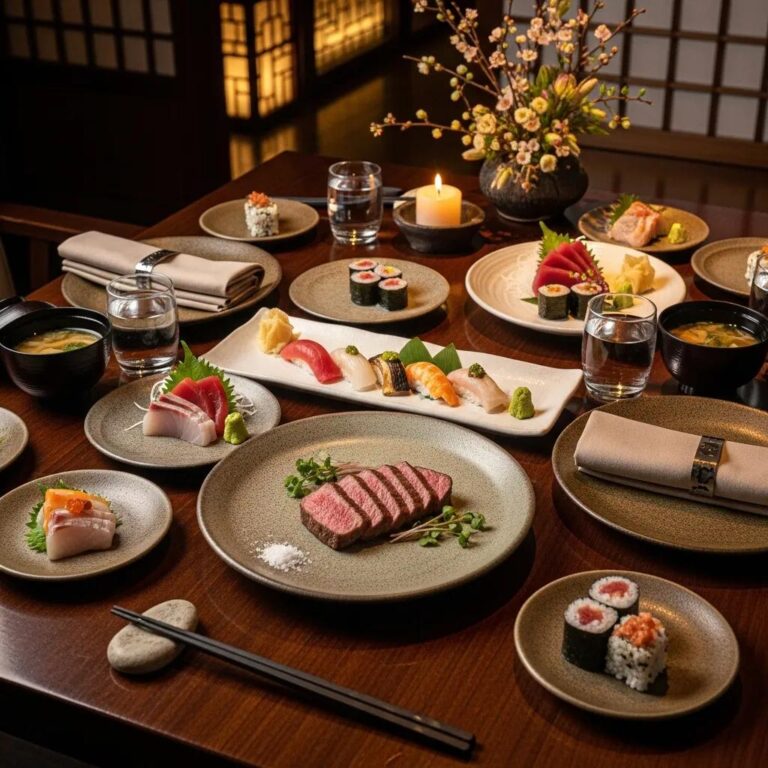
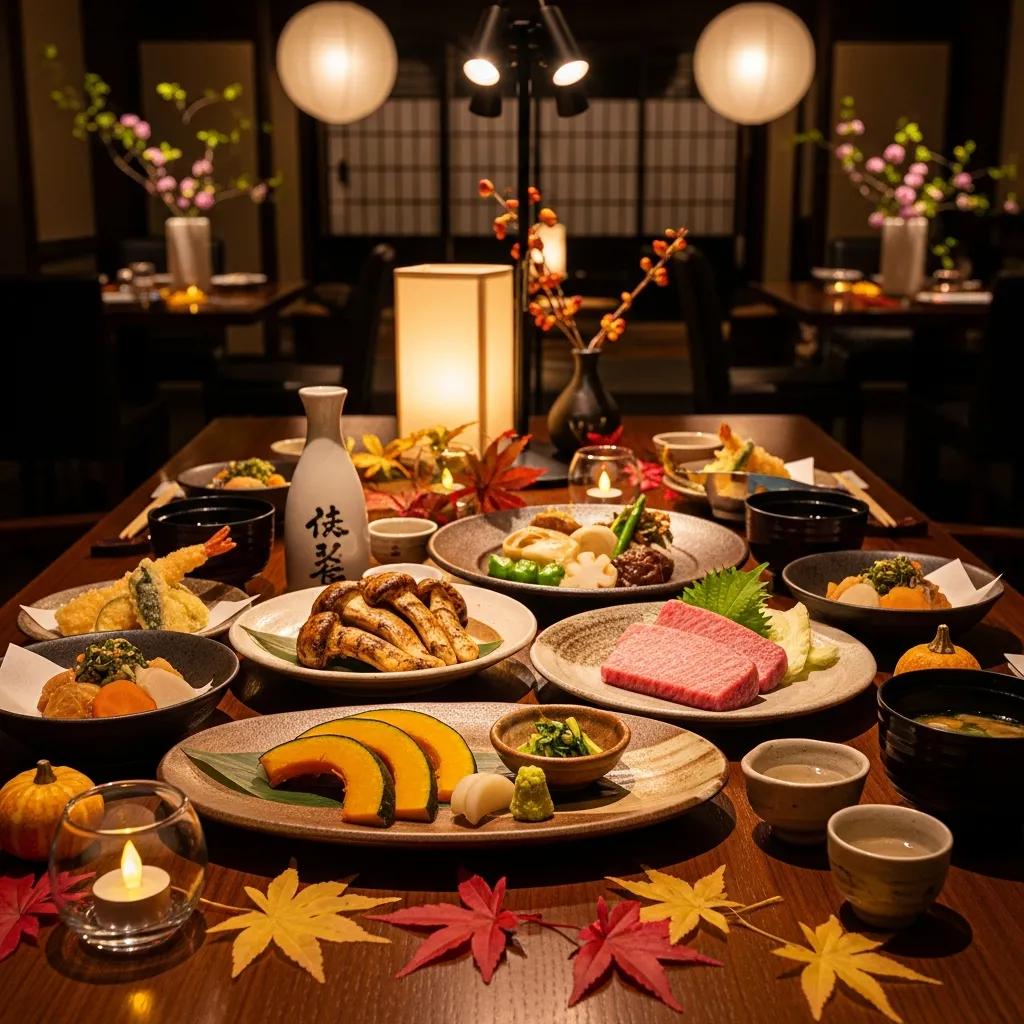
Our fall omakase unfolds as a paced tasting: cool, delicate starters give way to warm grilled courses, precise sushi, and a Wagyu intermezzo that anchors the meal. The structure emphasizes seasonal transitions—crisp vegetable openers, mid-course umami intensification, and a restrained, luxurious finish—so the meal reads as a narrative rather than disconnected plates. Seating is limited and courses may rotate with market availability, but recurring highlights include matsutake, peak fish, and finishing accents like caviar or shaved truffle to create memorable autumn contrasts. Below are signature highlights that define the omakase flow and invite reservations for a curated seasonal experience.
Standout moments from our fall omakase blend texture with aromatic depth:
- Matsutake Seasonal Starter: Grilled matsutake finished with a light soy–dashi to showcase its piney perfume and clear umami.
- Autumn Sashimi Selection: Peak fish sliced to emphasize translucency and fat, paired with restrained citrus or vinegared accents to brighten richer notes.
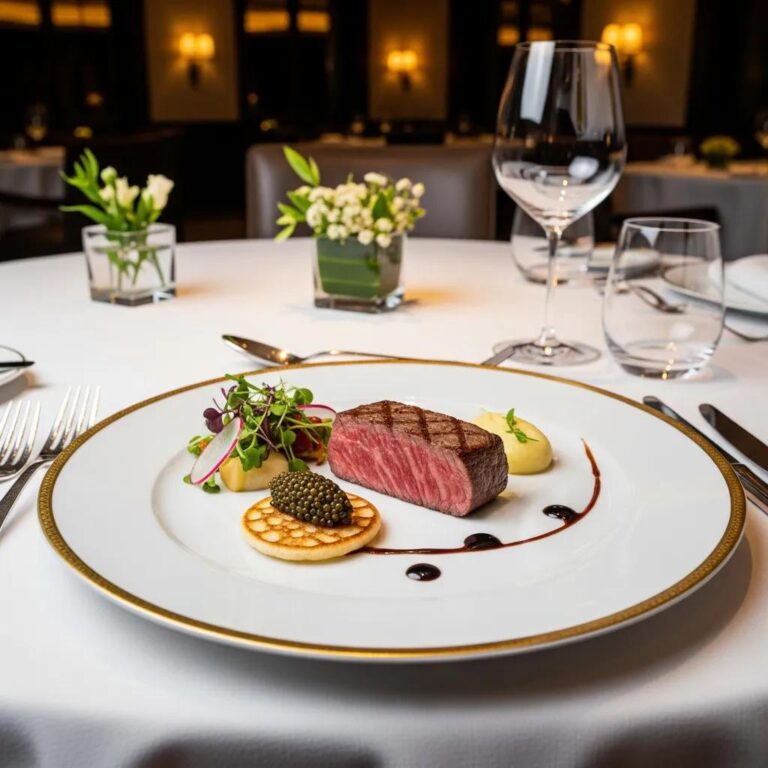
- A5 Wagyu Intermezzo: Thin‑seared Wagyu crowned with a subtle caviar garnish—melt‑in‑the‑mouth fat balanced by a saline pop.
- Kabocha & Root Vegetable Course: Slow‑roasted kabocha and glazed root vegetables that provide sweet‑umami grounding before dessert.
These dishes show how focused ingredients and careful sequencing create a cohesive autumn tasting that rewards attentive dining.
Which seasonal ingredients define the autumn omakase selection?
The selection centers on ingredients that capture fall’s aromas and textures: matsutake, kabocha, persimmon accents, seasonal root vegetables, and locally chosen fish. Matsutake brings an aromatic high note; kabocha offers concentrated sweetness and silkiness; roots provide caramelized depth when roasted or glazed. Persimmon appears as fresh or pickled counterpoint, adding sweetness and acidity, while seasonal fish supplies the briny freshness that balances richer mid‑course elements. Together these components shape the omakase palette and progression.
How are A5 Wagyu and truffle used in the autumn omakase?
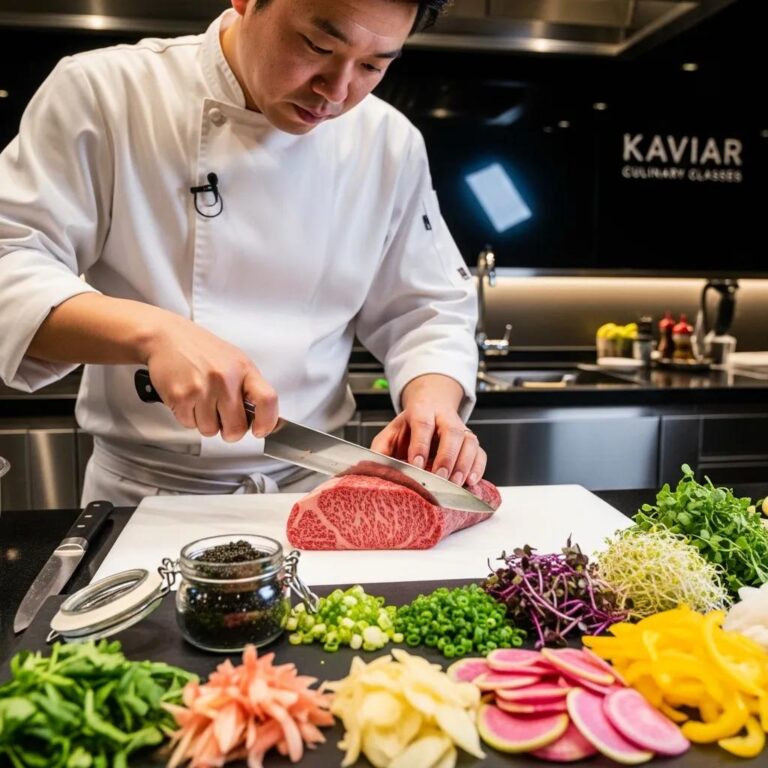
A5 Wagyu and truffle appear sparingly—as accentual moments that heighten the tasting’s climax rather than dominate it. Wagyu is treated to showcase marbling—light sear, brief torching, or paper‑thin slicing—so the fat melts on the palate and pairs with simple accompaniments like seasonal pickles or a citrus thread. Truffle is a finishing flourish: thin shavings over a warm course release volatile aromatics that pair with mushrooms and root vegetables. These premium elements create luxurious contrast while preserving the menu’s seasonal narrative; availability may require advance notice.
This table clarifies how three signature dishes pair ingredients, sensory goals, and suggested pairings to define Kaviar’s autumn omakase highlights.
How does Kaviar highlight A5 Wagyu and caviar in its Autumn Harvest Menu?

Yes—A5 Wagyu and curated caviar are focal luxury touches within the Autumn Harvest Menu, used to punctuate the omakase and craft memorable textural contrasts. Wagyu brings plush mouthfeel and deep umami when treated with minimal seasoning and precise heat; caviar supplies saline bursts and refined texture when paired with creamy or subtly sweet autumn components. We integrate these elements with restraint—Wagyu often appears as a small seared course bridging the savory arc, while caviar tops a chilled or neutral base to accent without masking seasonality. The result balances indulgence with authenticity.
What makes A5 Wagyu a signature ingredient for fall at Kaviar?
A5 Wagyu’s exceptional marbling and melt‑in‑the‑mouth texture pair naturally with autumn’s richer preparations and the concentrated sweetness of root vegetables and squash. Its low‑melting fat provides a silky counterpoint to grilled mushrooms or a delicate dashi, creating a unified savory impression. Portions are intentionally modest so Wagyu can shine without weighing the sequence down; pairings favor delicate sake or lightly structured wine to cut through fat while preserving nuance. This measured use keeps Wagyu seasonal and integrated rather than simply opulent.
Which caviar varieties complement the cozy fall flavors?
We choose caviar for subtlety and texture—varieties with clean brine that lift richer courses without overwhelming them. Mild to medium brininess balances fatty Wagyu or creamy kabocha, while smaller pearls provide an elegant mouthfeel alongside delicate sashimi. Typical pairings place caviar on neutral bases—small blini‑like bites, chilled tofu, or lightly chilled seafood—so the saline pop highlights seasonal sweetness and umami. Thoughtful caviar selections create small, memorable luxury moments within the tasting.
This table explains how premium ingredients are prepared and paired to support the autumn menu’s layered flavors and to guide reservations for guests seeking a high‑intent dining experience.
Which seasonal ingredients are spotlighted in Kaviar’s Autumn Menu?
We spotlight a concise set of autumn ingredients that form the tasting’s backbone: matsutake, kabocha, persimmon, root vegetables, and carefully selected fish. Each is chosen for complementary texture and aroma—matsutake for fragrance, kabocha for creamy sweetness, persimmon for sweet‑tart contrast, roots for caramelized depth, and fish for freshness. The kitchen sequences these elements so lighter flavors open the meal, mid‑course items build umami, and denser textures close the savory portion before dessert.
Kaviar highlights key autumn ingredients with brief profiles:
- Matsutake: Aromatic mushroom that lends a pine‑like perfume when grilled or simmered.
- Kabocha: Dense squash with silky texture and natural sweetness when roasted or puréed.
- Persimmon: Sweet‑acid fruit used fresh or pickled to introduce bright contrast into savory sequences.
Frequently Asked Questions
What is the best way to make a reservation at Kaviar for the Autumn Harvest Menu?
The quickest way is through our website’s reservations page. Because seating is limited—especially in the fall—we recommend booking early. Choose your preferred date and time, and add any dietary restrictions or special requests so we can tailor the experience. Advance reservations help ensure you don’t miss this seasonal tasting.
Are there vegetarian or vegan options available in the Autumn Harvest Menu?
While the Autumn Harvest Menu centers on seafood and Wagyu, we can accommodate vegetarian requests with advance notice. Our kitchen crafts plant‑forward courses that reflect the menu’s seasonal philosophy; please tell us about dietary needs when you reserve so we can prepare an appropriate tasting.
How often does Kaviar change its Autumn Harvest Menu?
The menu evolves with market availability and peak harvests, so dishes may change throughout the season. Our chefs rotate offerings to showcase the freshest ingredients, meaning each visit can bring new interpretations of autumn flavors. Check the website or contact us for the latest menu before your visit.
What is the recommended dining duration for the Autumn Omakase experience?
Expect a leisurely experience—typically two to three hours. This pacing allows you to savor each course and the deliberate progression of the tasting. Reservations are scheduled to ensure guests have time to enjoy the full sequence without rush.
Can I customize my omakase experience at Kaviar?
Omakase is designed as a curated journey, but we do offer limited flexibility for dietary needs or specific preferences if communicated at booking. Our chefs will accommodate where possible while maintaining the integrity of the tasting—significant changes may be limited to preserve the menu’s narrative.
What types of beverages pair well with the Autumn Harvest Menu?
We recommend light‑bodied sakes to enhance umami and delicate flavors throughout the meal. For wine lovers, mineral‑forward or lightly structured selections pair well with richer courses. We also offer curated pairing options and specialty cocktails to complement each stage of the tasting—ask about pairing menus when you reserve.
Conclusion
Dining Kaviar’s Autumn Harvest Menu is a warm, considered celebration of fall—seasonal Japanese ingredients presented with precision and subtle luxury. Each course is crafted to highlight texture, aroma, and balance, delivering a memorable tasting that feels both familiar and refined. Reserve your seat to experience the season with us and discover the full range of Kaviar’s fall offerings.